

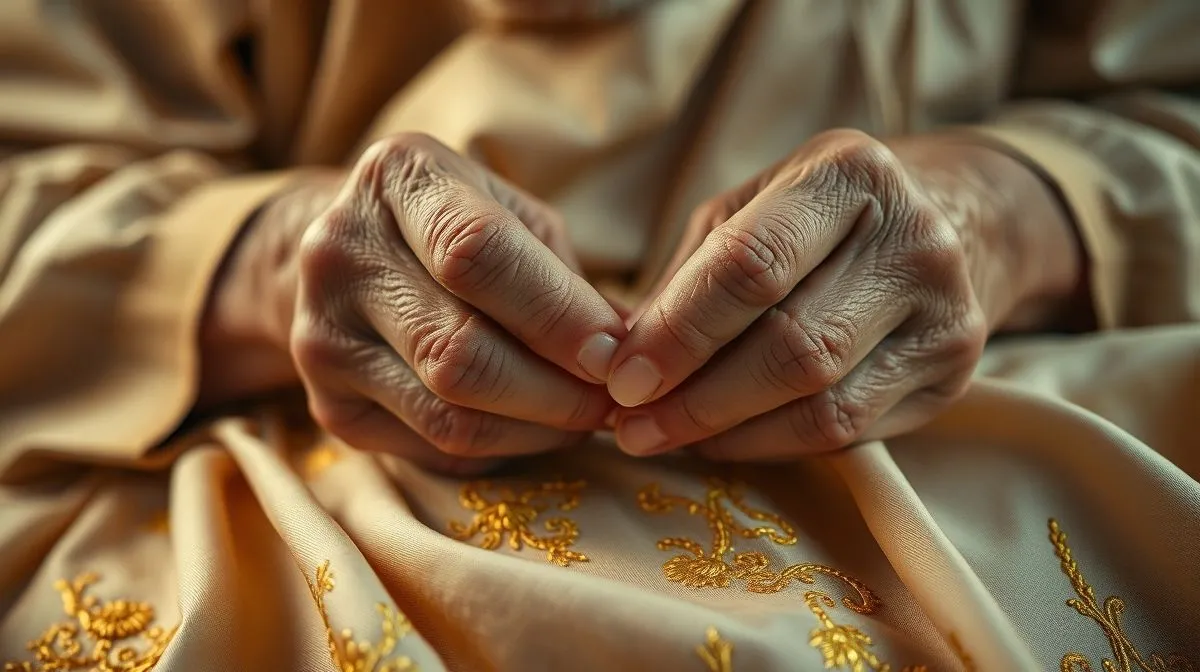
Why Are Haute Couture Heritage Techniques Vital for Fashion's Future?
Have you ever paused to consider the silent hands, the meticulous hours, and the generations of knowledge woven into a single haute couture garment? In a world increasingly dominated by speed and mass production, the whisper of tradition often gets lost amidst the roar of the new. Yet, for centuries, the artistry of haute couture has stood as a bastion of unparalleled craftsmanship, a testament to what human hands, guided by skill and vision, can achieve.
The core question that arises is whether these time-honored methods still hold relevance in our rapidly evolving fashion landscape. Is there a place for painstaking hand-sewing, intricate beadwork, or bespoke pattern-making when algorithms and automated factories promise efficiency and scale? This tension between heritage and modernity presents a critical challenge to the very identity of luxury fashion.
This article will delve deep into the profound answer to why are haute couture heritage techniques vital. We will explore how these irreplaceable skills not only preserve the soul of fashion but also act as crucial catalysts for innovation, sustainability, and cultural preservation, ensuring the industry's enduring legacy and relevance for generations to come. By the end, you will understand the indispensable value of every stitch, every drape, and every meticulously crafted detail.
The Soul of Haute Couture: Defining Heritage Techniques
Haute couture is not merely high fashion; it is an art form governed by strict rules and an unwavering commitment to craftsmanship. At its heart lie the heritage techniques, a collection of artisanal methods passed down through generations, often within specialized ateliers known as 'petites mains' workshops. These techniques transform raw materials into wearable masterpieces.
What Constitutes a Heritage Technique?
Heritage techniques encompass a broad spectrum of specialized skills, each requiring years of dedication and practice to master. They include, but are not limited to, traditional pattern making on the stand (moulage), intricate hand embroidery (broderie), delicate feather work (plumasserie), precise pleating (plissage), elaborate beading (perlage), and sophisticated draping. These are not just methods; they are disciplines, each with its own history, tools, and lexicon.
For instance, the art of hand embroidery can involve countless hours, with artisans painstakingly applying sequins, beads, and threads to create complex motifs that shimmer and catch the light. Similarly, the technique of moulage allows designers to sculpt fabric directly onto a mannequin, creating a three-dimensional form that perfectly adapts to the body, a stark contrast to flat pattern cutting.
A Legacy of Precision and Artistry
The defining characteristic of these heritage techniques is their inherent precision and the artistic vision they embody. Every stitch, every fold, every embellishment is executed with an exacting standard that machine production simply cannot replicate. This level of detail ensures that each couture garment is unique, a singular work of art that carries the imprint of its creator's hands.
The knowledge required for these techniques is often tacit, learned through apprenticeship and direct observation rather than codified instruction manuals. This makes their preservation even more critical, as their survival depends on the continuous transfer of skills from one generation of artisans to the next. They represent a living history, a direct link to fashion's past while simultaneously shaping its future.
Preserving Unparalleled Craftsmanship and Skill
The cornerstone of haute couture's enduring allure is its unparalleled craftsmanship. This is where the heritage techniques truly shine, acting as guardians of skills that are increasingly rare in a world geared towards mass production. Without these techniques, the very essence of artisanal excellence would be lost.
The Mastery of the "Petites Mains"
The term "petites mains" (little hands) refers to the highly skilled artisans who execute the intricate work behind the scenes of a couture house. These individuals are masters of their specific crafts, whether it's the embroiderers of Maison Lesage, the feather workers of Lemarié, or the pleaters of Lognon. Their expertise is the bedrock upon which couture collections are built.
Each atelier specializes in a particular heritage technique, cultivating deep knowledge and perfecting methods over decades, sometimes centuries. This specialization allows for an extraordinary level of refinement and innovation within their specific domain. The complex interplay between different ateliers, each contributing their unique skill, is what makes a haute couture garment a collective masterpiece.
Passing Down Generations of Knowledge
The transmission of these skills is largely an oral and practical tradition. Young apprentices learn directly from seasoned masters, absorbing not just the mechanics of a stitch or a fold, but also the nuanced feel of the fabric, the rhythm of the work, and the artistic judgment required. This mentorship ensures that the intricate details and subtle tricks of the trade are not lost to time.
This generational transfer of knowledge is vital because many heritage techniques cannot be fully documented or replicated by machines. They rely on the intuitive understanding, dexterity, and accumulated wisdom of the human hand. It's a living archive of skill that needs constant nurturing to survive.
- Hand Embroidery: From intricate beadwork to delicate silk thread artistry, often taking hundreds of hours per garment.
- Moulage (Draping): Sculpting fabric directly on a mannequin to achieve a perfect, flowing silhouette.
- Plissage (Pleating): Creating precise, permanent folds and textures in fabric, often using custom molds.
- Plumasserie (Feather Work): Meticulously preparing, dyeing, and applying feathers to create ethereal effects.
- Floristry (Fabric Flowers): Crafting hyper-realistic or fantastical flowers from various textiles.
- Bespoke Tailoring: Custom-fitting and hand-sewing garments to an individual's exact measurements.
Innovation Rooted in Tradition: Fueling Creativity
While heritage techniques are inherently traditional, their application is anything but stagnant. They serve as an incredibly rich foundation upon which contemporary designers can build, pushing the boundaries of what is possible in fashion. True innovation often springs from a deep understanding and reinterpretation of established methods.
The Foundation for Avant-Garde Design
Many of the most groundbreaking designs seen on couture runways are only achievable through the mastery of heritage techniques. A designer might envision a dress that appears to defy gravity, or a fabric that transforms in unexpected ways. It is the artisans, armed with their traditional skills, who find ways to bring these audacious visions to life, often inventing new applications for old methods.
For example, advancements in textile engineering might be combined with age-old weaving patterns to create novel fabrics with unique properties. Or, traditional embroidery techniques might be used to incorporate unconventional materials, resulting in textures and visual effects never before seen. The past informs the future, providing a robust vocabulary for new expressions.
Blending Old and New for Unique Expressions
The most compelling couture often represents a seamless fusion of the historical and the contemporary. Designers draw inspiration from archival garments and traditional craftsmanship, then infuse them with modern sensibilities, materials, and technology. This dialogue between eras results in pieces that are both timeless and cutting-edge.
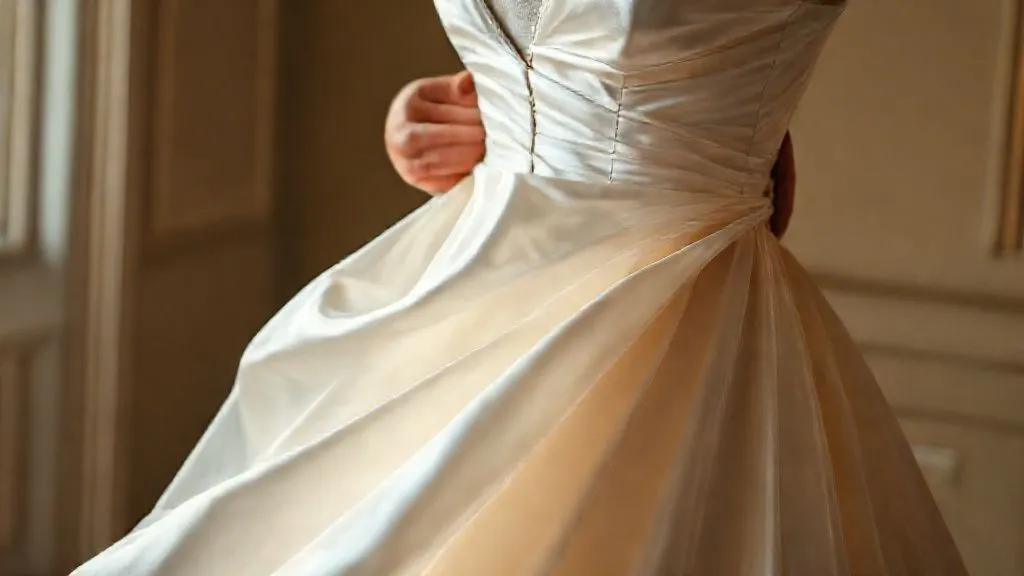
Consider a designer who wishes to create a garment with a highly architectural silhouette. They might turn to the ancient art of corsetry or the precise lines of historical tailoring, adapting these heritage techniques to modern fabrics and forms. The result is a garment that feels fresh and new, yet carries the inherent strength and beauty of its traditional roots. This continuous reinterpretation keeps the techniques alive and relevant, proving why haute couture heritage techniques are vital for pushing creative boundaries.
Sustainability and Ethical Practices: A Return to Conscious Consumption
In an era acutely aware of environmental impact and ethical production, haute couture's reliance on heritage techniques offers a compelling model for sustainability. It stands in stark contrast to the fast fashion industry's disposable nature, promoting longevity, quality, and responsible consumption.
Durability and Longevity of Couture Garments
One of the most significant environmental benefits of haute couture is the inherent durability of its garments. Crafted with the finest materials and painstakingly assembled by hand, these pieces are built to last not just seasons, but decades, and often become cherished heirlooms. This longevity dramatically reduces the need for frequent replacement, thereby lessening textile waste.
Unlike mass-produced clothing, which often falls apart after a few washes, a couture garment is an investment piece designed for enduring wear. The meticulous hand-finishing, reinforced seams, and superior fabric choices ensure that the garment retains its beauty and structural integrity over time. This intrinsic quality is a powerful antidote to the throwaway culture of modern fashion.
Reduced Waste Through Bespoke Creation
Haute couture operates on a bespoke model, meaning each garment is custom-made for an individual client. This approach inherently minimizes waste. Fabrics are cut precisely to the client's measurements, reducing excess material. There is no overproduction, no surplus inventory, and no need to dispose of unsold goods, which are significant problems in ready-to-wear fashion.
Furthermore, the high value placed on couture materials means that scraps are often repurposed or recycled, rather than discarded. Every inch of fabric, every bead, every feather is treated as a precious resource, reflecting a mindset of conscious resource management. This aligns perfectly with the principles of the slow fashion movement, which advocates for thoughtful production and consumption. Learn more about the principles of slow fashion and its benefits from resources like Vogue's explanation of slow fashion.
Valuing Human Skill Over Industrial Production
The ethical dimension of heritage techniques lies in their emphasis on human skill and fair labor. Couture houses employ highly skilled artisans who are compensated for their expertise and time, often working in specialized ateliers that prioritize craftsmanship over speed. This model contrasts sharply with the often exploitative labor practices found in some segments of the fast fashion industry.
By valuing the human hand and the individual's contribution, haute couture supports a network of specialized trades and ensures that these invaluable skills continue to provide livelihoods. It's a system where quality of life and respect for labor are intrinsically linked to the quality of the product, fostering a more humane and equitable supply chain.
Economic and Cultural Impact: Beyond the Runway
The influence of haute couture and its heritage techniques extends far beyond the exclusive world of fashion shows and celebrity clients. They play a significant role in sustaining specialized industries, preserving cultural identity, and contributing to national economies.
Supporting Specialized Artisans and Workshops
Haute couture acts as a crucial patron for a myriad of highly specialized workshops and individual artisans. Without the demand from couture houses, many of these unique skills and businesses would struggle to survive. These ateliers, often family-run for generations, represent a vital part of the cultural fabric of countries like France and Italy.
From the button makers to the lace creators, the embroiders to the feather workers, each contributes to a complex ecosystem of craftsmanship. Couture ensures these niche industries have a market for their unparalleled products and services, allowing them to continue training new generations and evolving their craft. This symbiotic relationship is fundamental to the preservation of these rare skills.
Maintaining National and Cultural Identity
Many heritage techniques are deeply intertwined with the cultural history and national identity of their origin countries. French haute couture, for example, is legally protected and recognized as a national treasure, symbolizing French artistry, elegance, and luxury. The skills and traditions embedded within these techniques are a part of a broader cultural heritage.
By actively preserving and promoting these techniques, nations safeguard a part of their historical and artistic legacy. They ensure that the unique aesthetic and craftsmanship that defines their cultural output continues to thrive. This cultural preservation contributes to a richer global tapestry of art and design, preventing the homogenization of creative expression. The Metropolitan Museum of Art, through its Costume Institute, frequently showcases the historical significance and cultural impact of haute couture, providing rich insights into its legacy. You can explore their extensive fashion archives at The Met's Costume Institute Collection.
The Challenges and Threats to Heritage Techniques
Despite their undeniable value, haute couture heritage techniques face significant threats in the contemporary world. The forces of globalization, fast fashion, and changing consumer habits pose substantial challenges to their continued existence.
The Allure of Fast Fashion
The pervasive influence of fast fashion, with its emphasis on rapid trend cycles, low prices, and disposable garments, directly undermines the principles of haute couture. Consumers accustomed to instant gratification and inexpensive clothing may not appreciate the time, skill, and cost involved in creating a couture piece. This creates a disconnect between perceived value and true craftsmanship.
The sheer volume of fast fashion production also saturates the market, making it harder for consumers to discern and appreciate the quality and artistry of meticulously crafted items. This shift in consumer mindset is arguably one of the biggest threats to the survival of artisanal skills.
Decline in Apprenticeships and Training
Mastering a heritage technique requires years of dedicated apprenticeship, a commitment that fewer young people are willing to make in today's fast-paced educational and professional landscape. The immediate financial rewards in other industries can seem more appealing than the long, arduous path to becoming a couture artisan.
This decline in new talent entering the ateliers poses a serious risk to the generational transfer of knowledge. If there are not enough apprentices willing to learn from the masters, the skills will eventually die out with the current generation of artisans. This makes conscious efforts to promote and fund these apprenticeships incredibly important.
The Cost of True Craftsmanship
The painstaking labor, rare materials, and extensive time involved in haute couture mean that its creations come with a significant price tag. This exclusivity, while part of its allure, also limits its accessibility to a very small clientele. The economic model is inherently niche, and its survival depends on a consistent demand from this high-net-worth segment.
Maintaining the infrastructure for these techniques – specialized ateliers, expert artisans, and rare material sourcing – is incredibly expensive. Without sustained financial support, whether from luxury conglomerates, government initiatives, or philanthropic endeavors, the economic viability of these heritage practices remains precarious.
Safeguarding the Future: Initiatives and Education
Recognizing the critical importance of these invaluable skills, various initiatives are underway to safeguard the future of haute couture heritage techniques. These efforts span from the largest luxury conglomerates to dedicated educational institutions and individual advocates.
Role of Fashion Houses and Institutions
Many major luxury groups, such as LVMH and Kering, have acquired and invested heavily in renowned couture ateliers (like Lesage, Lemarié, and Goossens). This strategic move ensures the financial stability of these workshops and guarantees a continuous demand for their specialized skills. By integrating them into their larger luxury ecosystems, these groups provide the resources necessary for their survival and growth.
Beyond financial support, these conglomerates also facilitate collaboration between their diverse brands and the ateliers, fostering new applications for traditional techniques and exposing them to a wider creative audience. This institutional backing is paramount in preserving skills that might otherwise be economically unviable on their own.
Educational Programs and Workshops
Dedicated educational institutions, like the École de la Chambre Syndicale de la Couture Parisienne, play a crucial role in formally teaching haute couture techniques. These schools provide structured curricula that combine theoretical knowledge with extensive practical training, preparing the next generation of artisans and designers.
Beyond formal education, many ateliers and independent organizations offer workshops and masterclasses, making these skills accessible to a broader audience. These programs not only train future professionals but also raise public awareness and appreciation for the complexity and beauty of these crafts. They help demystify haute couture, inviting more people to understand and value its intricate processes.
The Consumer's Role in Appreciation
Ultimately, the long-term survival of heritage techniques also depends on informed consumer choices. As consumers become more aware of the environmental and ethical implications of their purchases, there is a growing appreciation for quality over quantity, for craftsmanship over disposability. Supporting brands that champion artisanal work, investing in durable pieces, and understanding the value behind the price tag are all ways consumers can contribute.
Educating oneself about the origins and making of garments, recognizing the skill involved, and advocating for ethical production practices can collectively shift market demand towards more sustainable and artisanal models. This collective appreciation reinforces the economic viability of heritage techniques, ensuring they continue to thrive.
Frequently Asked Questions (FAQ)
What defines haute couture? Haute couture is a protected designation in France, referring to custom-fitted, high-end fashion garments created by hand from start to finish. It adheres to strict rules set by the Chambre Syndicale de la Haute Couture, requiring original designs, custom fittings, and a minimum number of artisans in ateliers.
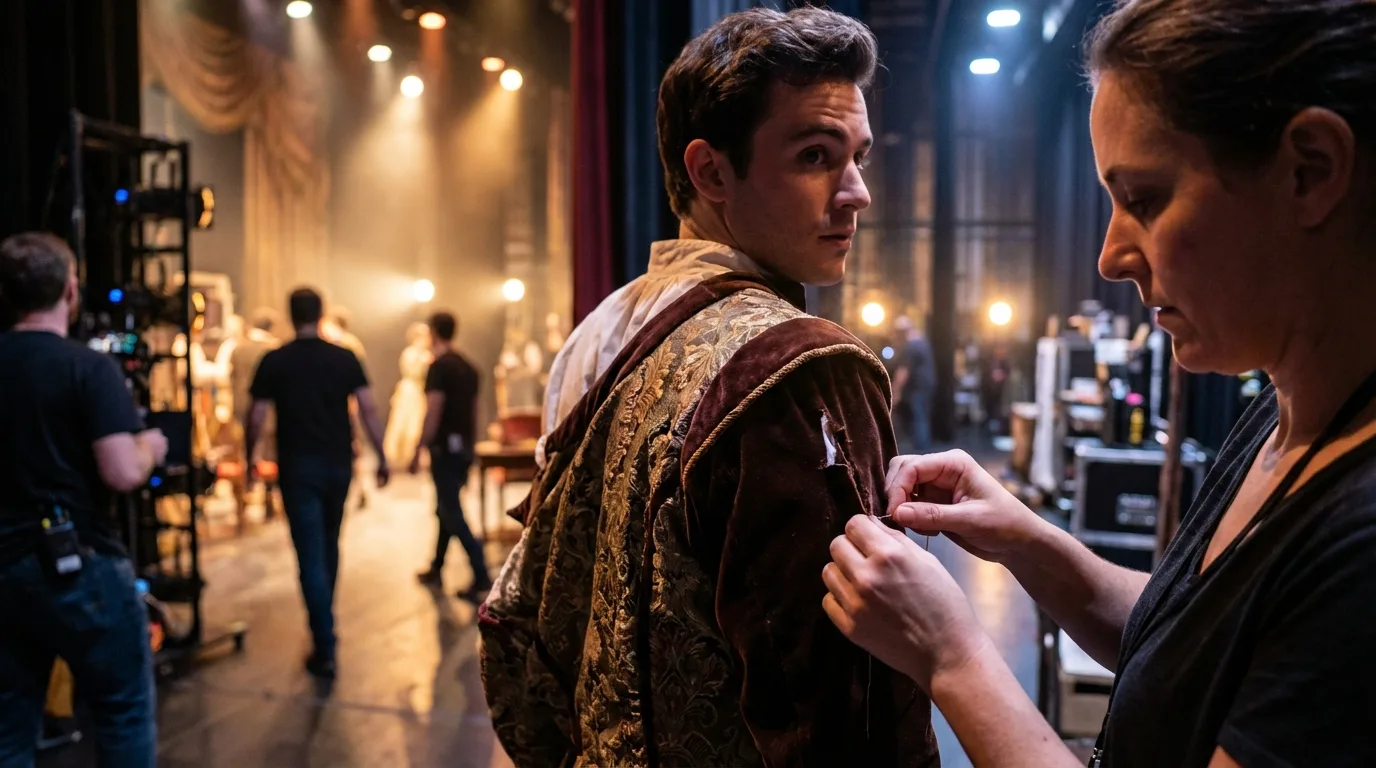
Are heritage techniques only for couture? While primarily associated with haute couture, many heritage techniques have influenced and are adapted for use in high-end ready-to-wear, bespoke tailoring, and even costume design for film and theater, demonstrating their versatility and enduring relevance.
How do these techniques contribute to sustainability? They promote sustainability through durability (garments built to last), reduced waste (bespoke production avoids overstock), and ethical labor practices (valuing skilled human craftsmanship over exploitative mass production).
Can anyone learn these techniques? While requiring immense dedication and natural aptitude, many heritage techniques can be learned through specialized fashion schools, apprenticeships in ateliers, and dedicated workshops. It's a journey of continuous learning and practice.
What is the future of haute couture craftsmanship? The future looks promising, with increasing awareness of sustainability, renewed appreciation for artisanal quality, and significant investment from luxury conglomerates and educational institutions dedicated to preserving and evolving these invaluable skills.
Recommended Reading
- Unlock the Secret: How to Pick Cute Outfits for Active Kids That Last!
- Unlock the Future: Can Robots Slash Waste in Fashion Manufacturing?
- Unlock the Secret: How to Achieve Natural Perfect Skin Beauty Photos
- Unlock Summer Style: How to Choose Breathable Streetwear for Ultimate Comfort
- Zero Waste Fashion Wardrobe: Your Ultimate Start-Up Guide
Conclusion
In summation, the question of why are haute couture heritage techniques vital finds its answer in a confluence of factors that extend far beyond mere aesthetics. These invaluable skills are the very bedrock of unparalleled craftsmanship, ensuring the preservation of rare artistry and the transmission of knowledge across generations. They are powerful engines of innovation, providing a rich vocabulary for designers to create groundbreaking work, and they offer a compelling model for sustainability, championing longevity and responsible consumption.
Moreover, these techniques are integral to economic vitality, supporting a unique ecosystem of specialized artisans, and they serve as crucial guardians of cultural identity. While challenges persist, the concerted efforts of luxury houses, educational bodies, and an increasingly aware consumer base are ensuring that these timeless crafts continue to weave their magic into the fabric of fashion's future. To truly appreciate fashion is to understand and cherish the hands that shape it, ensuring that the legacy of haute couture endures, stitch by magnificent stitch.



Your email address will not be published. Required fields are marked *