

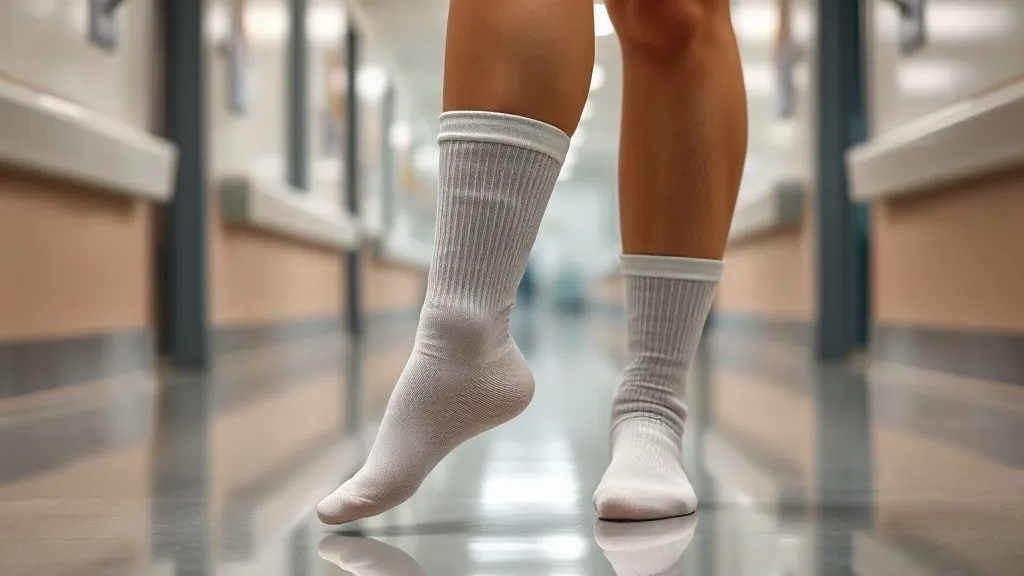
How to Choose Compression Socks for Nurses with Severe Leg Fatigue?
For over fifteen years, I've had the privilege of immersing myself in the world of activewear, particularly compression wear. I've witnessed firsthand its transformative power, but also the confusion and frustration when individuals, especially those in demanding professions like nursing, struggle to find the right solutions. When nurses come to me, their stories often echo a profound exhaustion, a deep-seated ache that goes beyond mere tiredness – it's severe leg fatigue, a relentless companion born from ceaseless hours on their feet.
This isn't just about discomfort; it's about the well-being of our frontline heroes. The constant standing, walking, and often running in a hospital environment takes a brutal toll on the circulatory system, leading to swollen ankles, throbbing calves, and that debilitating heavy feeling. Many nurses try generic solutions, only to find them ineffective, too tight, or simply uncomfortable, leaving them feeling unheard and unsupported in their quest for relief.
But there is a path to genuine relief. In this definitive guide, I'm going to pull back the curtain on the science, the specifics, and the practicalities of selecting the ideal compression socks. We'll move beyond guesswork, delving into expert frameworks, real-world considerations, and actionable steps that will empower you to confidently choose the right compression socks for nurses with severe leg fatigue, helping you reclaim comfort, energy, and focus in your vital work.
Understanding the "Why": The Science Behind Nurse Leg Fatigue
Before we dive into selection, it's crucial to understand *why* severe leg fatigue plagues nurses. The human body is designed for movement, but prolonged standing or sitting can challenge its natural circulatory mechanisms. Gravity constantly pulls blood downwards, making it harder for your veins, particularly those in your legs, to return deoxygenated blood back to the heart. Your calf muscles act as a 'second heart' or a 'muscle pump,' contracting with each step to push blood upwards. When you stand still for extended periods, this pump isn't engaged effectively.
This lack of efficient venous return leads to blood pooling in the lower extremities. Over time, this pooling can cause increased pressure within the veins, leading to fluid leakage into surrounding tissues, resulting in swelling (edema), a sensation of heaviness, cramping, and eventually, that severe, debilitating fatigue. It's a cumulative effect, shift after shift, year after year. According to a study published in the National Library of Medicine, prolonged standing occupations significantly increase the risk of chronic venous insufficiency and musculoskeletal disorders.
Expert Insight: "Ignoring persistent leg fatigue isn't just about enduring discomfort; it's about potentially allowing minor circulatory challenges to evolve into more significant health concerns. Proactive support, like well-chosen compression wear, is a cornerstone of long-term leg health for those on their feet all day."
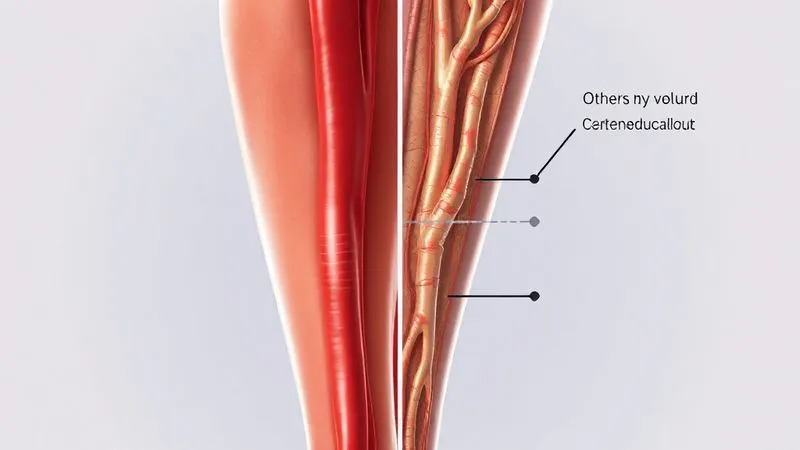
Compression socks work by applying graduated pressure – strongest at the ankle and gradually decreasing up the leg. This gentle squeeze helps to counteract gravity, support vein walls, and assist the muscle pump in pushing blood back towards the heart more efficiently. The result? Reduced pooling, less swelling, improved oxygen delivery, and a significant reduction in that heavy, fatigued feeling. It's a simple biomechanical assist that can make a profound difference.
Decoding Compression Levels: What mmHg Means for Nurses
The most critical factor when learning how to choose compression socks for nurses with severe leg fatigue is understanding compression levels, measured in millimeters of mercury (mmHg). This isn't just a random number; it indicates the amount of pressure the sock exerts on your leg. Choosing the wrong level can either render the socks ineffective or, conversely, cause discomfort if too high.
The Common Compression Levels and Their Applications:
- 8-15 mmHg (Mild): This level offers very light support, often used for minor swelling, travel, or everyday comfort for those with minimal symptoms. For nurses experiencing severe leg fatigue, this level is generally insufficient to provide meaningful relief.
- 15-20 mmHg (Moderate): A popular choice for individuals with light to moderate fatigue, minor varicose veins, or those who stand for shorter periods. While a good starting point for some, nurses with severe, persistent leg fatigue will often find this level still doesn't provide the robust support they need.
- 20-30 mmHg (Firm): This is the sweet spot for many nurses battling significant leg fatigue, moderate edema (swelling), and those at higher risk for conditions like deep vein thrombosis (DVT). The firm pressure significantly aids venous return, provides excellent support to tired muscles, and effectively mitigates swelling. It's the level I most frequently recommend for nurses whose primary concern is severe leg fatigue.
- 30-40 mmHg+ (Extra Firm/Medical Grade): These are high-level compression garments typically prescribed by a physician for serious medical conditions such as severe varicose veins, post-surgical recovery, or active ulcers. They should only be worn under medical supervision due to their intense pressure.
For nurses specifically addressing severe leg fatigue, my experience consistently points towards the 20-30 mmHg range. This level provides the necessary therapeutic compression without being overly restrictive, offering a balance of efficacy and comfort for long shifts. It's the standard for occupational use in professions requiring prolonged standing.
| mmHg Range | Description | Best For Nurses with Severe Fatigue? |
|---|---|---|
| 8-15 mmHg | Mild support, travel, minor swelling | Generally insufficient |
| 15-20 mmHg | Light to moderate fatigue, minor varicose veins, everyday wear | Good starting point, but often not enough for severe cases |
| 20-30 mmHg | Moderate to severe fatigue, moderate edema, varicose veins, DVT prevention | <b>Highly recommended for severe leg fatigue</b> |
| 30-40 mmHg+ | Severe edema, post-surgical, advanced venous disease (requires prescription) | Only under medical supervision |
Material Matters: Fabric Choices for Comfort and Durability
The fabric of your compression socks plays a critical role in comfort, durability, and hygiene – all paramount for nurses working long, demanding shifts. The right material can make the difference between a sock you tolerate and one you genuinely appreciate.
Key Material Properties to Look For:
- Moisture-Wicking: Nurses are on their feet, often in warm environments, which means sweat. Fabrics like nylon, polyester blends, and specialized synthetic fibers excel at drawing moisture away from the skin, preventing dampness and reducing the risk of blisters and fungal growth.
- Breathability: Good airflow is essential to keep your legs cool and comfortable. Look for materials that allow heat to escape, preventing that clammy, overheated feeling. Mesh panels or lighter knits in specific areas can enhance breathability.
- Durability: Compression socks for nurses will be worn and washed frequently. They need to withstand rigorous use without losing their compression integrity or falling apart. Reinforced heels and toes are a strong indicator of quality.
- Anti-Microbial Properties: Some socks are infused with silver ions or other treatments to inhibit bacterial growth, which helps prevent odor. This is a huge bonus for nurses who wear their socks for 12+ hours.
- Softness & Skin Feel: While synthetics are common, some nurses prefer the feel of natural fibers. Merino wool blends, for example, offer excellent temperature regulation, moisture-wicking, and are naturally anti-microbial, though they may be pricier. Cotton blends can be comfortable but may not wick moisture as effectively as synthetics.
In my experience, blends of nylon and spandex (or Lycra) offer the best balance of compression retention, durability, moisture-wicking, and ease of care for the majority of nurses. They provide the necessary stretch and recovery to maintain consistent graduated compression throughout the day. When considering how to choose compression socks for nurses with severe leg fatigue, don't underestimate the power of a well-chosen fabric blend.
Fit is Everything: Measuring for the Perfect Compression Sock
Even the most expensive, high-tech compression sock is useless if it doesn't fit correctly. A sock that's too loose won't provide adequate compression, while one that's too tight can be uncomfortable, cut off circulation, or even cause skin irritation. This is where precise measurement becomes non-negotiable.
The Critical Measurements:
Compression socks are not sized like regular socks based on shoe size alone. They require specific leg measurements to ensure proper graduated compression. You'll typically need to measure:
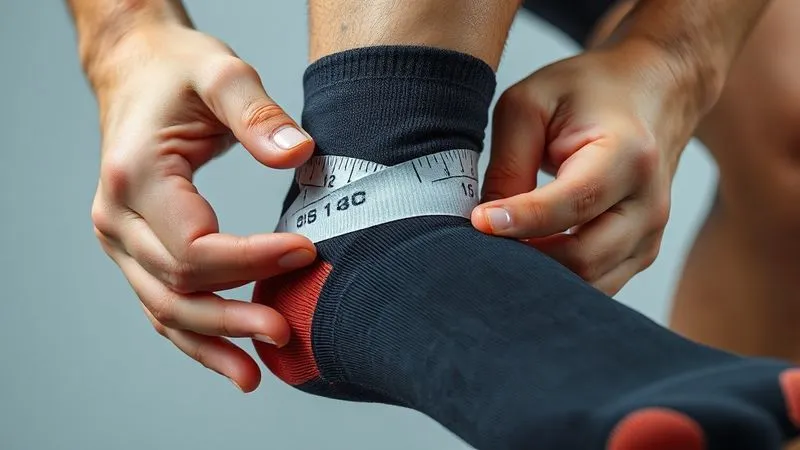
- Ankle Circumference: Measure the narrowest part of your ankle, just above the ankle bone. This is where the highest compression will be applied.
- Calf Circumference: Measure the widest part of your calf. This measurement determines the graduated pressure up your leg.
- Leg Length: For knee-high socks (most common for nurses), measure from the floor to approximately two fingers below the bend of your knee. This ensures the sock doesn't bunch up or cut into the back of your knee.
Step-by-Step Measuring Guide:
- Time of Day: Always measure first thing in the morning, before any significant swelling has occurred. This provides the most accurate baseline for your true leg size.
- Tools: Use a soft measuring tape.
- Position: Sit comfortably with your feet flat on the floor.
- Ankle: Wrap the tape snugly (but not tightly) around the narrowest part of your ankle. Record the measurement.
- Calf: Identify the widest part of your calf. Wrap the tape around it and record the measurement.
- Length: Measure the length from the bottom of your heel to approximately 1-2 inches below the crease behind your knee. This prevents the sock from creating a tourniquet effect.
- Consult Size Charts: Once you have your measurements, compare them to the manufacturer's size chart. Do not assume your size based on shoe size alone or your regular sock size.
Style and Practicality: Beyond the Medical Look
While efficacy is paramount, the reality for nurses is that appearance and practical features also matter. Modern compression socks have evolved far beyond the drab, clinical-looking garments of the past. You can now find options that blend seamlessly with scrubs and provide additional features for comfort.
Considerations for Style and Practicality:
- Knee-High vs. Thigh-High: For most nurses combating severe leg fatigue, knee-high compression socks are the standard and most practical choice. They provide effective compression where it's most needed (ankle to calf) without the potential for discomfort or rolling down that can occur with thigh-high versions, especially during active shifts.
- Open-Toe vs. Closed-Toe: This is largely a personal preference. Closed-toe socks offer full foot coverage and warmth. Open-toe socks can be beneficial if you have specific foot conditions, bunions, or prefer to wear your own specialized socks underneath, or simply find closed-toe too restrictive. Ensure the open-toe band doesn't dig into your foot.
- Color and Design: Many brands now offer compression socks in a variety of colors and subtle patterns that can complement standard scrub colors. Black, navy, white, and grey are popular choices that maintain a professional appearance.
- Reinforced Areas: Look for socks with reinforced heels and toes. These areas experience the most friction and wear, and extra padding or denser knit here can significantly extend the life of the sock.
- Non-Binding Top Bands: The top band of the sock should hold it up without digging into your skin or creating a 'sausage effect.' A wide, comfortable, non-binding band is crucial for all-day wear.
- Ease of Donning and Doffing: While all compression socks require some effort to put on due to their snug fit, some materials and designs are easier than others. Look for socks that offer a good balance of firmness and stretch.
Remember, your compression socks are an extension of your uniform and a vital tool for your well-being. Selecting a pair that not only performs optimally but also feels good and looks professional can significantly enhance your daily comfort and confidence.
When to Upgrade: Recognizing the Signs Your Socks Aren't Working
Even the best compression socks have a lifespan. Over time, the elastic fibers degrade, reducing their ability to provide consistent, graduated pressure. For nurses who rely heavily on these garments for severe leg fatigue relief, recognizing when it's time for a replacement is crucial.
Key Indicators It's Time for New Socks:
- Loss of Compression: The most obvious sign is if the socks no longer feel as snug or supportive as they once did. If they're easier to put on than when they were new, or if you notice sagging around the ankle or calf, their therapeutic effectiveness has diminished.
- Return of Symptoms: If your severe leg fatigue, swelling, or aching returns with the same intensity despite wearing your compression socks, it's a strong signal that they're no longer doing their job.
- Visible Wear and Tear: Holes, thinning fabric, stretched-out areas, or frayed edges are clear signs that the integrity of the sock is compromised.
- Discomfort or Skin Irritation: While a new sock should feel snug, an old, worn-out sock might cause new discomforts if the fibers are breaking down unevenly or losing their smooth texture.
- Age: As a general rule of thumb, with daily wear and proper care, most compression socks will last between 3 to 6 months before needing replacement. For nurses, given the intensity of use and washing, leaning towards the shorter end of that spectrum is often wise.
Expert Recommendation: "Think of your compression socks as a vital piece of medical equipment, not just another pair of socks. Just as you wouldn't use expired medication, you shouldn't rely on worn-out compression wear. Regular replacement is an investment in your health and sustained comfort."
I often advise nurses to have at least two to three pairs in rotation. This allows for daily washing and ensures you always have a fresh, effective pair ready for your next shift. This practice not only prolongs the life of each individual pair but, more importantly, ensures consistent relief from severe leg fatigue.
Case Study: Nurse Evelyn's Journey to Pain-Free Shifts
Let me share a fictional, yet highly representative, case from my career. Evelyn, a dedicated ICU nurse with 10 years of experience, came to me utterly defeated by severe leg fatigue. "I love my job," she told me, "but by hour six, my legs feel like lead, and by the end of my 12-hour shift, I'm limping. I've tried compression socks from the drug store, but they just don't seem to help."
Evelyn's initial mistake, common among many, was buying generic, 'one-size-fits-all' compression socks, likely in the 10-15 mmHg range, without accurate measurements. These provided minimal, if any, therapeutic benefit for her level of fatigue.
Evelyn's Transformation Process:
- Accurate Measurement: First, I guided Evelyn through the precise morning measurement process for her ankles, calves, and leg length. Her measurements were slightly outside the standard 'medium' she had been buying.
- Optimal Compression Level: Based on her severe symptoms and long shifts, we selected a 20-30 mmHg graduated compression sock.
- Material Selection: We opted for a durable nylon-spandex blend known for its moisture-wicking and anti-microbial properties, crucial for her active shifts.
- Trial and Adjustment: Evelyn purchased two pairs and committed to wearing them daily. After a week, she reported a noticeable difference. The 'lead leg' feeling was significantly reduced, and while still tired, the severe throbbing was gone.
- Holistic Integration: I also encouraged Evelyn to incorporate small changes, such as elevating her legs for 15 minutes after her shift and ensuring she had supportive, well-cushioned nursing shoes.
Within a month, Evelyn's quality of life improved dramatically. "I can't believe the difference," she exclaimed during a follow-up. "My legs still get tired, but it's a normal tired, not that agonizing pain. I feel more energetic at home, and I'm not dreading my next shift." Evelyn's experience perfectly illustrates that how to choose compression socks for nurses with severe leg fatigue isn't about a quick fix, but a thoughtful, informed decision process.
Beyond Socks: Holistic Approaches to Leg Health for Nurses
While compression socks are incredibly effective, they are one tool in a comprehensive approach to managing and preventing severe leg fatigue for nurses. A holistic strategy combines active self-care with the benefits of graduated compression.
Key Holistic Strategies:
- Elevate Your Legs: After a long shift, elevate your legs above your heart for 15-20 minutes. This simple action significantly aids venous return and reduces swelling.
- Stay Hydrated: Adequate water intake is crucial for maintaining proper blood volume and flow. Dehydration can sometimes exacerbate feelings of fatigue.
- Movement During Breaks: Even short walks during breaks can activate your calf muscle pump, improving circulation. Avoid prolonged sitting or standing in one position, even during downtime.
- Appropriate Footwear: Your shoes are just as important as your socks. Invest in high-quality, supportive nursing shoes with excellent arch support and cushioning. Replace them regularly. The Mayo Clinic emphasizes the importance of proper footwear for overall foot and leg health.
- Stretching Exercises: Simple calf stretches, ankle rotations, and toe raises throughout the day can improve flexibility and stimulate blood flow.
- Regular Exercise: Engaging in cardiovascular exercise outside of work strengthens your heart and improves overall circulatory health, making your body more resilient to the demands of your job.
- Consult a Doctor: If your severe leg fatigue persists despite using appropriate compression socks and self-care measures, or if you notice new symptoms like skin changes, persistent numbness, or unusual pain, consult your physician. There might be underlying medical conditions that require diagnosis and treatment.
By integrating these practices with your chosen compression socks, you create a powerful defense against the physical toll of nursing, ensuring your legs remain as resilient as your spirit.
Common Mistakes Nurses Make When Choosing Compression Socks
As an expert in activewear, I've observed several recurring pitfalls that nurses encounter when trying to find relief for their leg fatigue. Avoiding these common mistakes is as important as following the correct steps for selection.
Pitfalls to Avoid:
- Guessing Your Size: This is by far the most prevalent mistake. Relying on shoe size or assuming a 'medium' will fit leads to either insufficient compression (too loose) or discomfort and potential harm (too tight). Always measure your ankle, calf, and length in the morning.
- Choosing Too Low an mmHg Level: For nurses with severe leg fatigue, anything below 20 mmHg will likely be ineffective. Many nurses start with 15-20 mmHg socks, find little relief, and then mistakenly conclude that compression socks don't work for them. The 20-30 mmHg range is usually necessary for significant symptomatic relief.
- Ignoring Material Composition: Opting for the cheapest cotton socks might feel soft initially, but they often lack the durability, moisture-wicking, and consistent compression retention of synthetic blends. This leads to premature wear and reduced effectiveness.
- Not Replacing Old Socks: As discussed, compression socks wear out. Continuing to wear a pair past its effective lifespan (typically 3-6 months of daily use) is like using a dull knife – it won't perform its function adequately.
- Expecting Instant Miracles: While compression socks offer significant relief, they are not a magic bullet. It can take a few days or even a couple of weeks of consistent wear to fully appreciate their benefits. Furthermore, they work best as part of a holistic leg health strategy.
- Wearing Them Incorrectly: Compression socks should be smooth, without wrinkles or bunching, especially around the ankle and behind the knee. Wrinkles can create pressure points that are counterproductive and uncomfortable. Take the time to put them on properly.
- Failing to Consult a Physician for Persistent Issues: While compression socks are an excellent self-care measure, they shouldn't replace medical advice. If your leg fatigue is accompanied by severe pain, unusual swelling, skin changes, or other concerning symptoms, always consult a healthcare professional.
By being aware of these common missteps, you can streamline your search and ensure you're making an informed decision about how to choose compression socks for nurses with severe leg fatigue, ultimately leading to greater comfort and well-being.
Frequently Asked Questions (FAQ)
Question: Can I wear compression socks overnight? Generally, it is not recommended to wear compression socks while sleeping unless specifically advised by a doctor. When you're lying down, gravity is no longer pulling blood downwards, and your circulatory system doesn't need the same level of assistance. Wearing them overnight can sometimes be unnecessary or even uncomfortable, and for some conditions, a doctor might advise against it. Always consult your physician.
Question: How often should I wash my compression socks? Compression socks should be washed after every wear. This is crucial for hygiene, but also for maintaining their elastic properties. Washing helps the fibers rebound, ensuring consistent compression. Hand washing and air drying are ideal, but if using a machine, always use a gentle cycle with cold water and a mild detergent, and air dry or tumble dry on very low heat. Avoid bleach and fabric softeners, as they can damage the elastic fibers.
Question: What if my compression socks feel too tight or cause discomfort? If your compression socks feel excessively tight, cause numbness, tingling, or increased pain, they might be the wrong size or compression level. Re-measure your legs in the morning and compare with the manufacturer's size chart. Ensure you've chosen an appropriate mmHg level (e.g., 20-30 mmHg for severe fatigue, not higher without medical advice). If discomfort persists after trying a different size or level, discontinue use and consult a healthcare professional.
Question: Are there specific brands you recommend for nurses? While I cannot endorse specific brands, I advise looking for reputable manufacturers known for producing medical-grade or athletic compression wear. Brands that focus on graduated compression, durable materials (like nylon/spandex blends), and offer comprehensive sizing charts are generally reliable. Read reviews from other healthcare professionals to gauge real-world performance and comfort. Focus on the specifications (mmHg, material, sizing accuracy) rather than just brand name.
Question: When should a nurse consult a doctor about leg fatigue instead of just relying on compression socks? You should consult a doctor if your severe leg fatigue is accompanied by persistent, unexplained pain, significant swelling that doesn't subside, skin discoloration, sores that don't heal, a feeling of warmth or redness in one leg (potential DVT symptom), numbness, or tingling. Also, if your fatigue is so severe it impacts your daily life, or if compression socks and self-care measures provide no relief, a medical evaluation is essential to rule out underlying conditions like venous insufficiency, peripheral artery disease, or other circulatory issues.
Key Takeaways and Final Thoughts
Navigating the world of compression wear can seem daunting, but for nurses battling severe leg fatigue, it's a journey well worth taking. The right compression socks are not just an accessory; they are a vital tool for your long-term health, comfort, and professional longevity. By understanding the science, making informed choices about compression levels and materials, and ensuring a precise fit, you empower yourself to significantly mitigate the physical strain of your demanding profession.
- Prioritize 20-30 mmHg: This is the optimal range for severe leg fatigue in nurses.
- Measure Accurately: Always measure your ankle, calf, and length in the morning.
- Choose Quality Materials: Look for durable, moisture-wicking synthetic blends.
- Replace Regularly: Compression socks have a lifespan; replace them every 3-6 months.
- Holistic Approach: Combine socks with elevation, hydration, movement, and proper footwear.
- Listen to Your Body: If symptoms persist or worsen, seek medical advice.
Your work as a nurse is invaluable, and your well-being should be a top priority. I've seen countless nurses reclaim their energy and comfort by making these informed choices. Don't let severe leg fatigue diminish your passion or your capacity to care for others. Invest in your leg health, embrace the power of proper compression, and step into every shift feeling supported, energized, and ready to make a difference.
Recommended Reading
- Safeguarding Personalization: 7 Strategies for Fashion Data Privacy
- Mastering Fashion Demand: 7 Ways Analytics Powers Precise Forecasting
- 5 Expert Strategies: Boost Luxury Eyewear Chain Sales by 30%+
- Mastering Microplastic Reduction: 7 Strategies for Recycled Synthetics
- Streetwear Sales Stalling? 7 Expert Fixes for Stagnant Accessory Growth




Your email address will not be published. Required fields are marked *