


How to design versatile casual womenswear for the evolving hybrid workplace?
For over 15 years in the womenswear industry, I've seen countless trends come and go, but few shifts have been as profound and permanent as the rise of the hybrid workplace. What started as a temporary measure has fundamentally reshaped how women approach their professional attire, blurring the lines between comfort, style, and corporate expectation. The old dichotomies of 'office wear' and 'casual wear' no longer serve the modern woman who might be leading a crucial Zoom meeting from her living room one hour and presenting to clients in a board room the next.
The challenge is palpable: women are struggling to build wardrobes that feel appropriate, comfortable, and empowering across vastly different work environments. They face the dilemma of investing in pieces that might feel too formal for home or too relaxed for the office, leading to wardrobe fatigue, decision paralysis, and often, a sense of not being quite 'right' for the occasion. This isn't just about aesthetics; it impacts confidence, productivity, and how women perceive their professional identity.
In this definitive guide, I will share my expert insights and actionable frameworks on how to design truly versatile casual womenswear. We'll dive deep into fabric innovation, strategic silhouettes, color psychology, and the art of accessorizing, providing you with a roadmap to create collections that empower women to navigate the evolving hybrid workplace with effortless style and unwavering confidence. This isn't just about fashion; it's about future-proofing professional identity.
Understanding the Hybrid Paradigm: More Than Just WFH
The hybrid workplace isn't merely a blend of working from home and the office; it's a fundamental shift in professional culture. It demands flexibility, adaptability, and an understanding that a professional image must now be projected through multiple lenses – from high-definition webcams to in-person interactions. As designers, we must move beyond the simplistic notion of 'dress-down Friday' and embrace a nuanced approach to professional comfort.
The Shifting Sands of Professional Attire
The traditional corporate dress code, once a rigid set of rules, has softened significantly. A recent survey by Gallup indicates that a majority of employees with hybrid capabilities prefer a flexible arrangement. This preference directly translates into a demand for clothing that supports a dynamic lifestyle without compromising professionalism. We're no longer just designing clothes; we're designing solutions for a new way of working.
"The most powerful designs for the hybrid era aren't just comfortable; they're chameleons, capable of adapting their perceived formality with minimal effort. It's about intelligent design, not just casualization." - [Your Name, Industry Specialist]
This paradigm shift requires us to rethink every aspect of design, from fabric selection to garment construction. The goal is to create pieces that feel as good as loungewear but look as polished as traditional office attire. It's a delicate balance, but one that is absolutely achievable with strategic thinking.

The Core Principles of Versatile Casual Design
To truly master versatile casual womenswear, we must adhere to several core design principles. These aren't just guidelines; they are the foundational pillars upon which a successful hybrid-ready collection is built. Ignoring any one of these can lead to pieces that miss the mark, failing to meet the complex demands of the modern professional.
Principle 1: Fabric First – Comfort Meets Professionalism
The journey to versatility begins with fabric. It dictates drape, feel, durability, and perceived formality. In a hybrid setting, fabrics must offer maximum comfort without appearing overly relaxed or prone to wrinkling. Think about the woman who needs to look sharp after a commute or a long day of sitting.
- Prioritize Performance Blends: Focus on fabrics that blend natural fibers (like cotton, merino wool, Tencel) with synthetics (like spandex, nylon, modal). These blends offer breathability, stretch, wrinkle resistance, and often, moisture-wicking properties.
- Embrace Structured Knits: Move beyond flimsy jersey. Structured knits, such as ponte, dense interlock, or fine gauge merino, offer the comfort of knitwear with the polished appearance of a woven fabric. They hold their shape beautifully.
- Seek Tactile Sophistication: The hand-feel is crucial. Fabrics should feel luxurious and soft against the skin, contributing to the overall comfort experience, which is a key driver for hybrid workwear adoption.
- Consider Durability and Easy Care: Garments must withstand frequent wear and washing without losing shape or quality. Machine washable and low-maintenance fabrics are highly valued.
Principle 2: Thoughtful Construction and Fit
Beyond fabric, construction and fit play a pivotal role in a garment's versatility. A well-constructed piece can elevate a simple design, making it suitable for a wider range of occasions. The fit should be comfortable and forgiving, allowing for movement, but never sloppy.
- Strategic Stretch: Incorporate stretch in key areas without making the garment clingy. This allows for comfort during long periods of sitting or movement.
- Refined Silhouettes: Opt for clean lines, tailored but not restrictive cuts. A slightly relaxed blazer, a wide-leg trouser, or a sheath dress with subtle stretch can be dressed up or down.
- Layering Potential: Design pieces that can be easily layered. Think sleeveless tops that work under blazers, or lightweight cardigans that add warmth and polish without bulk.
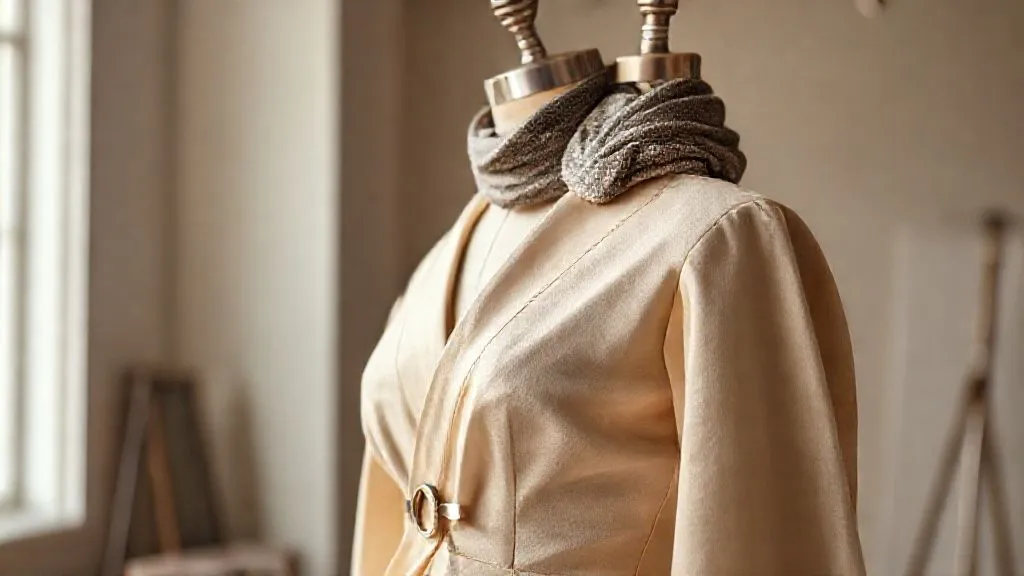
- Attention to Detail: Quality finishes, subtle hardware, and well-placed seams communicate professionalism and elevate even the most 'casual' pieces.
These two principles form the bedrock. By focusing on smart fabric choices and impeccable construction, designers can create a collection that inherently possesses the adaptability needed for the hybrid world.
| Fabric Type | Key Benefits | Versatility Rating |
|---|---|---|
| Ponte Knit | Wrinkle-resistant, structured, comfortable stretch | High |
| Tencel Blends | Soft, breathable, drapes well, eco-friendly | Medium-High |
| Merino Wool (fine gauge) | Temperature regulating, odor-resistant, soft, polished look | High |
| Tech Crepe | Flowy, wrinkle-resistant, often machine washable | Medium-High |
Strategic Silhouettes: From Zoom Call to Boardroom
The silhouette of a garment is its first impression, especially on a video call. For the hybrid workplace, silhouettes must be fluid enough to feel relaxed at home but structured enough to convey authority in a professional setting. This requires a careful balance of form and function.
The 'Power' of Relaxed Tailoring
Traditional tailoring can feel too rigid for the modern hybrid professional. The solution lies in relaxed tailoring – pieces that borrow the structure of classic workwear but with softer lines, more forgiving fits, and comfortable fabrics. Think of a blazer crafted from a soft ponte knit, or trousers with an elasticated waist that still feature a sharp crease.
- The Elevated Jogger/Wide-Leg Trouser: Far from gym wear, these are tailored versions in sophisticated fabrics like tech crepe or dense jersey. They offer unparalleled comfort and can be styled with heels and a blazer for the office, or sneakers and a knit for home.
- The Soft Blazer/Cardigan Jacket: A deconstructed blazer or a substantial cardigan that mimics a blazer’s structure instantly elevates any outfit. Look for styles without shoulder pads or with minimal padding for a more relaxed feel.
- The Versatile Dress: Sheath dresses, A-line dresses, or shirt dresses in wrinkle-resistant fabrics are perfect. They can be worn alone for a polished look or layered with a blazer or turtleneck for added warmth and formality.
- The Polished Top: Focus on elevated basics – knit tops with interesting necklines, silk-blend blouses, or structured t-shirts. These are the workhorses that anchor many hybrid outfits.
Case Study: Elevating 'Flexi-Wear' at NovaTech Innovations
NovaTech Innovations, a rapidly growing tech startup, faced a challenge. Their employees, predominantly Gen Z and Millennials, valued comfort and individuality, but the leadership recognized the need for a cohesive, professional image for client meetings. Their existing 'flexi-wear' often looked too casual. By implementing a design strategy focused on relaxed tailoring and performance fabrics, I helped them curate a capsule collection. We introduced structured knit blazers, tailored wide-leg trousers in stretch crepe, and elevated jersey tops. The result? A 25% increase in perceived professionalism during client interactions, as reported in internal surveys, while employee satisfaction with their workwear jumped by 40%. This demonstrated that comfort and professionalism are not mutually exclusive.
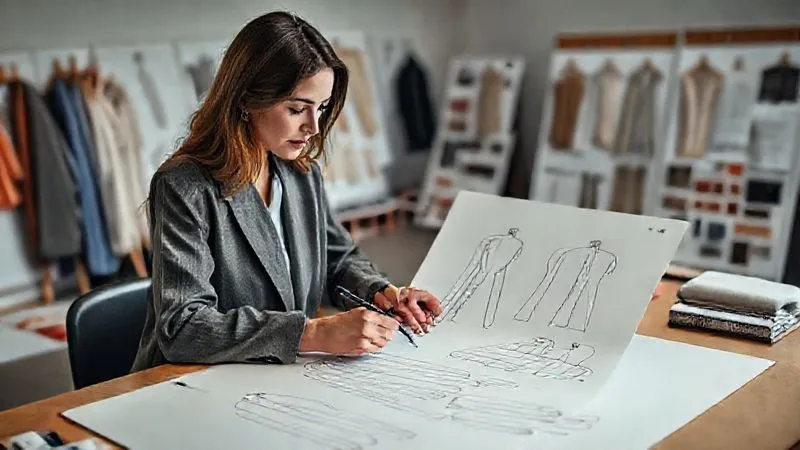
Color Palettes and Prints: The Art of Seamless Transition
Color and print are powerful tools in defining a garment's versatility. For the hybrid workplace, the goal is to create palettes and patterns that are professional without being rigid, and interesting without being distracting. The right choices can make pieces effortlessly transition between contexts.
The Power of the Neutral Base
A strong foundation of sophisticated neutrals is paramount. Think beyond black and navy. Consider deep charcoals, rich olives, warm camels, soft greys, and elegant creams. These colors are inherently professional, easy to mix and match, and provide a calm backdrop for more expressive accents.
- Monochromatic Dressing: Encourage monochromatic outfits within a neutral palette. This creates a long, lean, and incredibly chic look that always appears put-together, regardless of the individual pieces' formality.
- Strategic Color Pops: Introduce accent colors through tops, accessories, or a single statement piece like a vibrant scarf or a patterned blouse. These pops can inject personality without overwhelming the professional aesthetic.
Prints with Purpose
When it comes to prints, subtlety and sophistication are key. Avoid overly busy or trendy patterns that might quickly date a collection or distract on a video call.
- Classic Micro-Prints: Think subtle houndstooth, pinstripes, or tiny geometric patterns. These read as texture from a distance but offer visual interest up close.
- Abstract & Organic: Soft, abstract prints or botanical motifs in muted tones can add a touch of artistry without being loud.
- Strategic Placement: Consider prints on blouses, scarves, or accessories rather than on foundational pieces like trousers or blazers, making them easier to integrate into a versatile wardrobe.
"A well-chosen neutral palette is the silent backbone of a versatile wardrobe. It allows for effortless mixing and matching, ensuring that every piece works harder and smarter for the modern professional."
Accessorizing for Adaptability: The Power of the Details
Accessories are the unsung heroes of hybrid workwear. They possess the unique ability to transform an outfit from ultra-casual to boardroom-ready with minimal effort. As designers, we must consider how our core pieces can be enhanced and recontextualized through thoughtful accessorizing.
The 'Third Piece' Rule
I often advise clients on the 'third piece' rule: beyond your top and bottom, add one more element to elevate your look. For hybrid workwear, this third piece is often an accessory that signals intentionality and polish.
- Statement Jewelry: A pair of elegant earrings, a delicate necklace, or a sophisticated watch can instantly elevate a simple knit top.
- Scarves & Wraps: A silk scarf adds a pop of color and texture, easily transforming a plain dress or top. A structured wrap can double as a lightweight jacket.
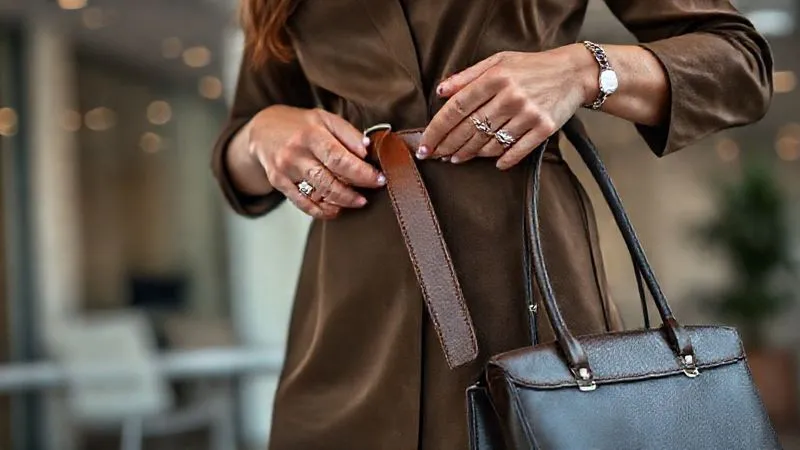
- Belts: Cinching a blazer or dress with a stylish belt defines the waist and adds a touch of sophistication.
- Footwear: The right shoes can make or break an outfit's formality. Loafers, elegant flats, low heels, or even stylish, clean sneakers can all play a role, depending on the day's demands.
- Bags: A structured handbag or a chic tote signals professionalism, even if the rest of the outfit leans casual.
By designing garments that serve as a canvas for these accessories, we empower women to personalize their look and adapt it to any hybrid scenario. The same dress can go from a home office staple with flats and a casual necklace to a client meeting ensemble with heels, a blazer, and statement earrings.
Sustainability and Longevity in Hybrid Wardrobes
The modern consumer, particularly the hybrid professional, is increasingly conscious of sustainability. Designing for versatility naturally aligns with sustainable practices, as it encourages fewer, higher-quality purchases that serve multiple purposes. This isn't just a trend; it's a core value that builds trust and loyalty.
Designing for Durability and Timelessness
Longevity is key. Focus on classic designs that transcend fleeting trends. Use high-quality, durable materials that can withstand frequent wear and cleaning. When pieces last longer, they reduce consumption and waste.
- Ethical Sourcing: Highlight your commitment to ethically sourced materials and fair labor practices. Transparency builds consumer trust.
- Circular Design Principles: Consider the entire lifecycle of a garment, from design to end-of-life. Can it be repaired? Recycled? Repurposed?
- Investment Pieces: Position versatile casual wear as investment pieces. While they might have a higher upfront cost, their utility and longevity offer greater value over time.
As Harvard Business Review often emphasizes, sustainable practices are no longer just a 'nice-to-have' but a strategic imperative for businesses aiming for long-term success and customer engagement. For womenswear, this means designing with a conscience, creating clothes that women will love and wear for years, across all facets of their hybrid lives.
Building a Capsule Wardrobe for the Modern Professional
The ultimate expression of versatile casual womenswear is the hybrid capsule wardrobe. This curated collection of interchangeable pieces maximizes outfit possibilities with minimal items, reducing decision fatigue and ensuring a polished look for any scenario. As designers, we can guide our customers in building these essential collections.
Key Components of a Hybrid Capsule
Based on my experience, a successful hybrid capsule wardrobe revolves around 10-15 core pieces that can be mixed and matched to create dozens of outfits. Here’s a framework:
- 2-3 Versatile Bottoms: One tailored wide-leg trouser (e.g., in ponte or tech crepe), one dark wash elevated denim or straight-leg pant, one versatile skirt (e.g., A-line or pencil in a structured knit).
- 3-4 Polished Tops: Two high-quality knit tops (e.g., merino blend, structured jersey), one silk-blend blouse, one elevated t-shirt.
- 2-3 Layering Pieces: One soft blazer (e.g., knit or deconstructed), one classic cardigan or wrap, one trench coat or stylish jacket for outerwear.
- 1-2 Versatile Dresses: One comfortable yet polished dress (e.g., sheath or shirt dress in a wrinkle-resistant fabric).
- Essential Accessories: A structured handbag, versatile shoes (flats, low heels, stylish sneakers), and a few pieces of minimalist jewelry.
This framework allows for endless combinations, ensuring the professional always feels appropriate, whether in a home office, a co-working space, or a client meeting. It's about designing intelligence into every stitch.
| Item Category | Example Pieces | Versatility Score |
|---|---|---|
| Bottoms | Ponte Wide-Leg Trousers, Dark Wash Straight-Leg Jeans, A-Line Knit Skirt | 5/5 |
| Tops | Merino Crewneck Sweater, Silk-Blend Blouse, Structured Knit Tee | 4/5 |
| Layering | Soft Knit Blazer, Long Cardigan, Classic Trench Coat | 5/5 |
| Dresses | Stretch Sheath Dress, Belted Shirt Dress | 4/5 |
| Accessories | Leather Tote, Loafers/Low Heels, Statement Earrings | 5/5 |
The Future of Womenswear in a Flexible Work World
The hybrid workplace is not a fleeting trend; it's the new normal. As designers, our role is to anticipate and shape this future, creating womenswear that truly serves the evolving needs of professionals. This means continuous innovation, a deep understanding of lifestyle shifts, and a commitment to empowering women through their clothing choices.
Embracing Innovation and Smart Design
The future will see an increased demand for smart fabrics that offer advanced performance – think temperature regulation, odor resistance, and even integrated tech. Design will become even more intentional, with multi-functional features built into garments, such as hidden pockets, adjustable elements, or convertible styles.
- Personalization at Scale: As technology advances, expect more personalized offerings, allowing women to customize fits, colors, and even design elements to perfectly suit their hybrid work life.
- Community and Connection: Brands that foster a sense of community around their versatile workwear will thrive. It’s not just about selling clothes; it’s about providing solutions and support for a complex lifestyle.
The landscape of womenswear is dynamic, and the hybrid workplace has accelerated its evolution. By focusing on versatility, comfort, and intelligent design, we can create truly impactful collections that resonate with and empower the modern woman. As the renowned marketing expert Seth Godin often reminds us, the most successful products solve a real problem for real people, and the hybrid wardrobe dilemma is precisely that.

Frequently Asked Questions (FAQ)
What's the biggest mistake designers make when approaching hybrid workwear? The most common mistake I've observed is treating hybrid workwear as merely 'casualizing' traditional office attire. It's not about making suits less formal; it's about designing from the ground up for versatility, focusing on fabric performance, comfort, and the ability to transition seamlessly between diverse environments without sacrificing professionalism or style. It requires a holistic rethink of garment utility.
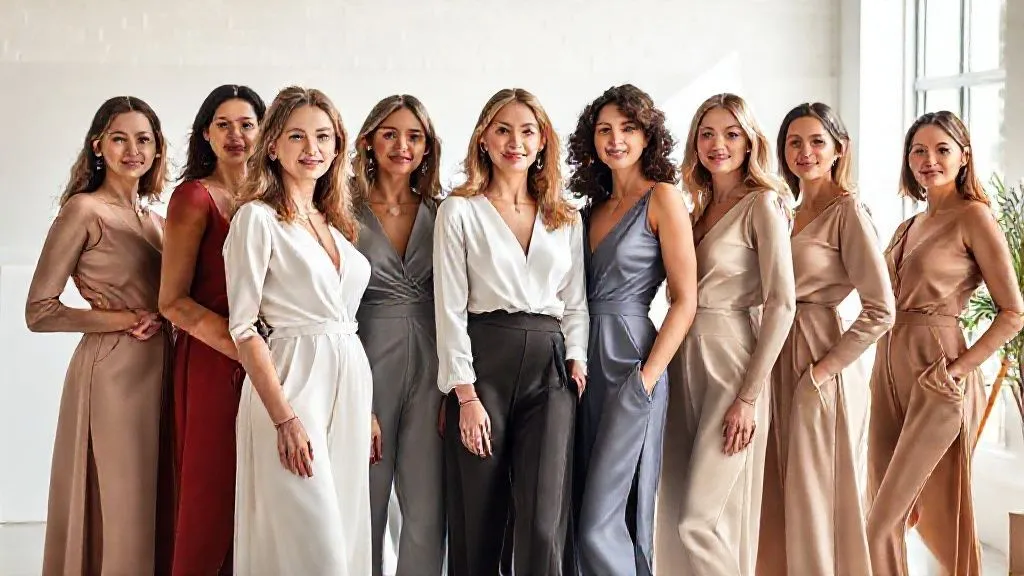
How can designers ensure their versatile pieces appeal to different age groups and body types? To ensure broad appeal, designers should focus on classic, clean silhouettes with strategic stretch and forgiving fits, rather than overly trend-driven designs. Utilizing sophisticated neutral color palettes that can be universally flattering, and offering a wide range of sizes with careful consideration for grading, are crucial. Showcasing diverse models in marketing also helps potential customers visualize themselves in the clothing.
Are there any specific fabrics to avoid for versatile casual womenswear? Yes, generally avoid fabrics that are prone to excessive wrinkling (like some pure linens or thin rayons without blends), overly delicate fabrics that require high maintenance (like certain silks unless treated for washability), or very stiff, non-stretch materials that restrict movement. Also, extremely casual fabrics like fleece or overly distressed denim, while comfortable, often lack the polished appearance needed for professional hybrid settings.
How can brands educate consumers on building a versatile hybrid wardrobe? Brands can play a pivotal role through content marketing – blog posts, style guides, social media tutorials, and even in-store workshops demonstrating how to mix and match pieces. Highlighting the 'cost per wear' of versatile investment pieces, offering capsule wardrobe bundles, and using imagery that shows garments in both home and office settings are effective strategies. Transparency about fabric benefits and care instructions also empowers consumers.
What role does sustainability play in designing for the hybrid workplace? Sustainability is increasingly vital. Designing versatile pieces inherently promotes sustainability by encouraging fewer, higher-quality purchases that last longer and serve multiple functions, reducing overall consumption. Brands that prioritize ethical sourcing, durable materials, and transparent production processes will resonate strongly with the conscious consumer of the hybrid era, building trust and reinforcing their brand values.
Key Takeaways and Final Thoughts
- The hybrid workplace demands a fundamental shift in womenswear design, moving beyond simple casualization to embrace true versatility.
- Prioritize performance fabrics that offer comfort, durability, and wrinkle resistance, blending natural and synthetic fibers strategically.
- Embrace relaxed tailoring and refined silhouettes that provide structure and polish without sacrificing comfort or freedom of movement.
- Utilize sophisticated neutral color palettes and subtle prints to create a cohesive, easily interchangeable wardrobe foundation.
- Leverage accessories as powerful tools to transform outfits, allowing for seamless transitions between different professional settings.
- Integrate sustainability by focusing on timeless designs, durable materials, and ethical practices, aligning with conscious consumer values.
- Guide customers in building hybrid capsule wardrobes, offering curated collections that maximize utility and minimize decision fatigue.
The future of womenswear in the flexible work world is not just about adapting; it's about innovating. It's about empowering women to feel confident, comfortable, and authentically professional in every scenario the hybrid workplace presents. By embracing these principles, we, as designers and industry specialists, can create collections that don't just follow trends but genuinely shape the professional identity of tomorrow's woman. This is an exciting challenge, and one that promises immense rewards for those who truly understand its nuances.
Recommended Reading
- Which Luxury Fashion Pieces Truly Appreciate? 5 Keys to Smart Investment
- 7 Fixes for Low AI Beauty Personalization Conversions: Boost Your ROI
- 5 Crucial Steps to Prevent Diamond Chipping in Micro-Pavé Setting
- Precision Tailoring: How to Fix Subtle Fit Issues in Haute Couture
- Scaling Bio-Engineered Weaves: 7 Strategies to Preserve Quality

Your email address will not be published. Required fields are marked *