

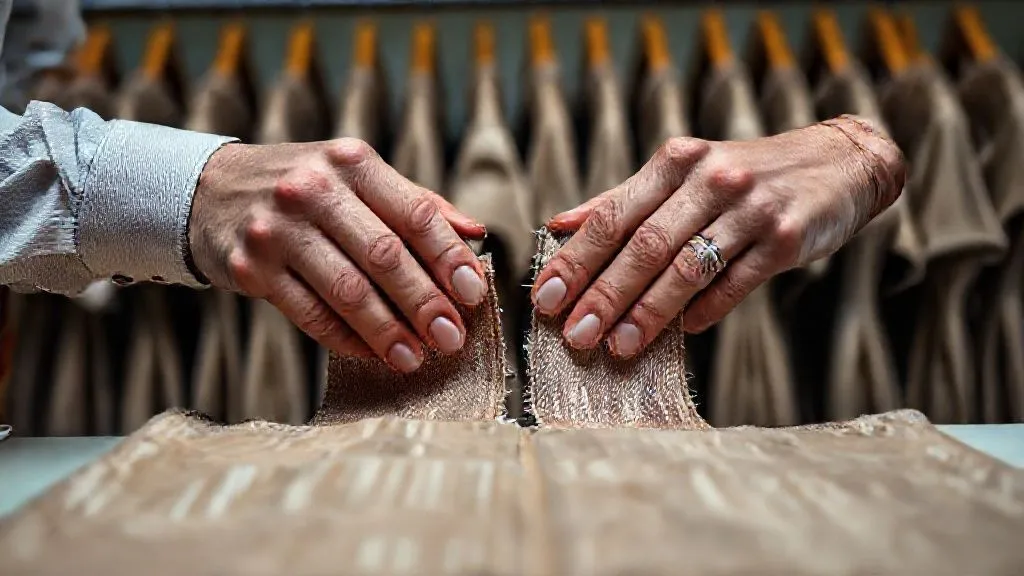
How to Consistently Replicate Intricate Costume Breakdown for Multiples?
For over two decades in the demanding world of film and theatre costume design, I've witnessed firsthand the magic of a perfectly broken-down costume – it tells a story, grounds a character, and adds an invaluable layer of realism. Yet, I've also seen the continuity nightmare unfold when that same intricate breakdown needs to be replicated across dozens of identical costumes for stunt doubles, reshoots, or ensemble casts. The subtle artistry can easily be lost, leading to jarring inconsistencies that pull an audience right out of the narrative.
This isn't just about making things look old or worn; it's about crafting a character's journey onto their garments, ensuring every tear, stain, and fade serves a purpose. The challenge intensifies exponentially when you need five, ten, or even fifty versions of that same 'lived-in' look, each needing to be indistinguishable from the master. It’s a delicate balance between artistic vision, technical skill, and logistical prowess, and without a robust system, the process can quickly devolve into chaos, costing valuable time, resources, and artistic integrity.
In this definitive guide, I'll share the tried-and-true frameworks, meticulous methodologies, and expert insights I've developed over years of navigating these complex scenarios. You'll learn not just what to do, but *how* to implement a scalable, replicable system for even the most intricate costume breakdowns, ensuring consistency, efficiency, and artistic excellence across all your multiples. Get ready to transform your approach to costume aging and distressing.
The Unseen Art: Why Intricate Breakdown Matters and Its Challenges
Costume breakdown is far more than just 'making things dirty.' It's a nuanced art form that contributes significantly to visual storytelling. A perfectly distressed costume can instantly convey a character's profession, their environment, their struggles, or their triumphs without a single word of dialogue. It’s about creating an authentic history for the garment, making it feel truly lived-in and organic to the world of the story.
The purpose of intricate breakdown is to enhance character development and ensure visual continuity. Imagine a hero's journey where their costume slowly deteriorates, reflecting their trials – each stage needs to be precisely repeatable for various takes and stand-ins. The challenge lies in replicating these subtle, often organic, effects across multiple garments, ensuring each one tells the exact same story with the same level of wear and tear, and in the exact same places. Without a systematic approach, variations in technique, material response, and even the artist's mood can lead to noticeable discrepancies, undermining the entire visual narrative.
"In costume design, breakdown isn't destruction; it's creation. We're not just aging fabric; we're aging a character's journey onto their very skin. The consistency across multiples is paramount for maintaining the illusion." - An experienced Costume Designer's insight.
Foundation First: The Indispensable Breakdown Bible
The cornerstone of consistent costume breakdown for multiples is an exhaustive, meticulously documented 'Breakdown Bible.' This isn't just a collection of notes; it's your master reference, your instruction manual, and your quality control standard all rolled into one. Without this foundational document, you are relying on memory and subjective interpretation, which are the enemies of replication.
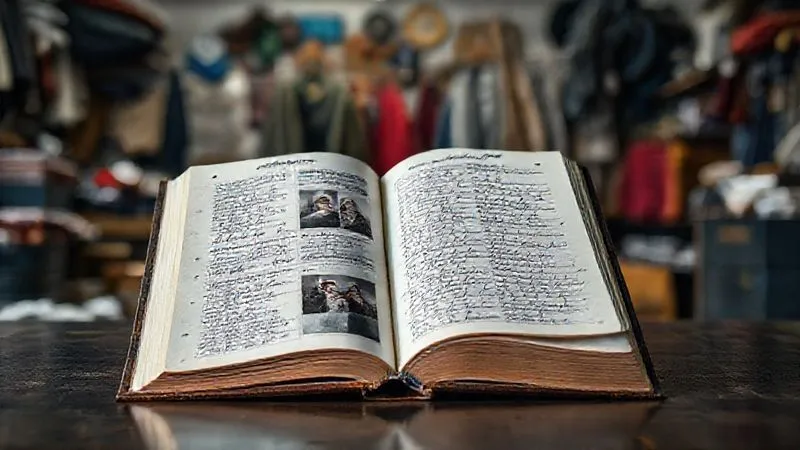
Creating your Master Reference Document begins the moment you achieve the *perfect* breakdown on your hero costume. Every detail, every tool, every technique must be captured with unwavering precision. This living document will serve as the blueprint for every subsequent costume in the run.
<Creating Your Master Reference Document
- High-Resolution Photography and Video: Capture every angle of the hero costume under consistent lighting conditions. Include close-ups of specific wear patterns, stains, and tears. Use a scale or ruler in shots for accurate size reference. Video walkthroughs can demonstrate subtle movement or drape.
- Material Swatches and Samples: Keep physical swatches of all fabrics and materials used, both in their original state and after each breakdown step. Label them meticulously with product names, brands, and batch numbers.
- Detailed Notes on Tools, Techniques, and Products: Document every single tool used (e.g., specific sandpaper grit, brand of distressing tool, brush type). List all products (e.g., fabric dyes, paints, Fuller's Earth, spray starch) with their exact ratios and application methods. Note drying times, curing processes, and environmental factors like humidity.
- Wear Maps and Diagrams: Create visual diagrams or drawings of the costume, marking precise locations and intensities of wear, tears, grime, and fading. Use color-coding or numerical scales to indicate severity. This is crucial for spatial consistency.
- Color Palette Swatches: Document the exact color palette used for dirt, grime, blood, or any other applied effects. Keep swatches of dried paint mixtures for future reference.
Standardizing Your Toolkit and Materials for Predictable Results
Consistency in output demands consistency in input. The tools and materials you use for costume breakdown are not interchangeable; subtle differences can lead to vastly different results. Establishing a standardized toolkit and sourcing consistent materials are critical steps in ensuring reliable replication, especially when dealing with large volumes.
The minute variations between brands of dyes, the differing abrasive qualities of sandpaper, or even the spray pattern of a particular bottle can throw off your entire breakdown process. I've learned through hard experience that investing in specific, high-quality tools and meticulously documenting your material choices pays dividends in the long run, saving countless hours of rework and frustration.
Selecting and Testing Your Arsenal
- Specific Tools: Don't just say 'sandpaper'; specify '120-grit sandpaper, brand X.' Document the exact type of wire brushes, cheese graters, distressing files, and spray bottles. Ensure all team members have access to the exact same tools.
- Consistent Materials: Source all fabrics, dyes, paints, and distressing agents from the same suppliers and, if possible, in the same batches. Fabric dye lots can vary significantly, and even 'identical' paints from different manufacturers will behave differently. Test everything on scrap fabric before applying to the actual costume.
- Environment Control: Be mindful of environmental factors. Humidity can affect drying times and how certain products adhere to fabric. If possible, maintain a consistent working environment.
| Tool/Material | Primary Effect | Application |
|---|---|---|
| Fine-Grit Sandpaper | Surface abrasion, pilling | Light wear on cuffs, hems |
| Acrylic Paints (thin wash) | Dirt, grime, staining | Layered over base, stippled |
| Fuller's Earth | Dust, dry mud | Dusted and set into fabric |
| Fabric Dyes (diluted) | Fading, discoloration | Dip-dyeing, spray application |
| Razor Blades | Small cuts, fraying | Controlled snags, edge wear |
The Art of Layering: A Step-by-Step Replication Process
Few intricate costume breakdowns are achieved in a single step. Most are a complex symphony of layering various effects, mimicking how real-world wear and tear accumulate over time. This layered approach is not only crucial for realism but also for replicability. By breaking down the process into discrete, manageable steps, you create checkpoints for consistency and allow for incremental adjustments.
Each layer builds upon the last, adding depth and authenticity. Trying to achieve a complex breakdown all at once often results in a flat, artificial look and makes replication nearly impossible. Think of it like painting: you start with broad washes, then add details, then fine-tune. The same principle applies to aging fabric.
Developing a Multi-Stage Breakdown Workflow
- Base Layer Aging: Start with overall treatments like repeated washing, light dye baths for fading, or gentle tumbling to soften and slightly distress the fabric. This establishes the general 'age' of the garment.
- Primary Distressing (Structural): Focus on larger, more significant damage such as tears, rips, and significant scuffs. Refer to your wear maps to ensure these are in the exact locations and of the correct severity. Use your documented tools for this stage.
- Secondary Distressing (Environmental/Grime): Apply general dirt, grime, sweat, and environmental effects. This often involves diluted paints, Fuller's Earth, or specific mud/dirt products. Layer these effects subtly, building up intensity according to your reference.
- Fine Details and Character-Specific Marks: Add the small, intricate details that are unique to the character or story. This could be specific oil stains from a mechanic, subtle blood spatters from a battle, or specific scuffs from a fall.
- Review and Adjust: Compare each costume multiple against your hero piece. Place them side-by-side under similar lighting. Make small, controlled adjustments as needed. This iterative comparison is vital for achieving true consistency.
Training Your Team: Cultivating a Shared Vision and Skillset
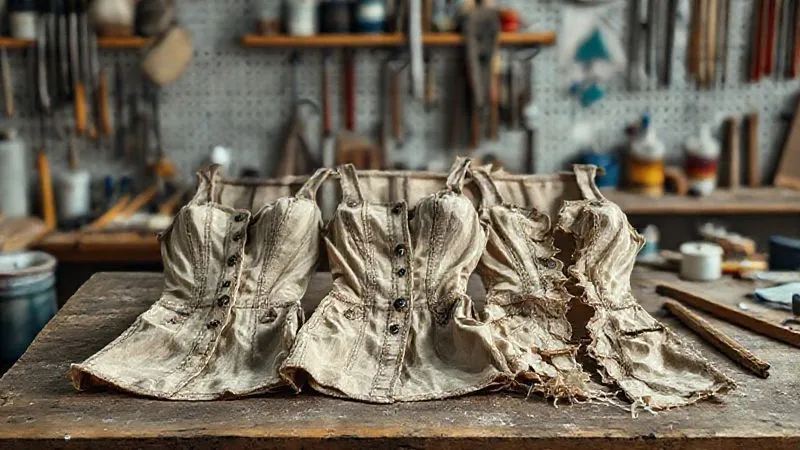
Even the most detailed Breakdown Bible is only as effective as the hands that interpret it. When working with multiples, you'll inevitably involve a team, and ensuring every member understands and can execute the intricate breakdown to the same standard is paramount. This requires not just instruction, but genuine mentorship and a shared artistic vision.
I've seen projects falter because of inconsistent team execution, leading to costly reshoots and extensive re-work. The key is to empower your team with the knowledge and confidence to replicate your vision, turning individual artists into a cohesive unit that can consistently deliver. This builds not just efficiency, but a strong, reliable department.
Implementing Effective Training and Quality Control
- Demonstration and Shadowing: Personally demonstrate each step of the breakdown process on a sample piece. Have team members shadow you as you work on a 'hero' multiple.
- Practice Pieces: Provide ample scrap fabric and designated 'practice multiples' for team members to hone their skills. Encourage experimentation within the documented parameters.
- Side-by-Side Comparison Sessions: Regularly hold quality control sessions where team members compare their work against the hero costume and each other's. Provide constructive feedback and identify areas for improvement collectively.
- Checklist Utilization: Implement a checklist derived from your Breakdown Bible for each costume. This ensures every critical step is completed and verified.
Case Study: Starlight Productions' Seamless Stunt Doubles
Starlight Productions, a mid-sized film studio, faced a recurring problem: their stunt doubles' costumes never quite matched the hero's, leading to visible continuity errors in action sequences. Their lead costume designer, Sarah, implemented a rigorous training program based on a detailed Breakdown Bible. She personally trained her team on each layer of distressing, using practice pieces and daily side-by-side review sessions. Within two productions, their consistency improved dramatically, reducing post-production visual effects costs by 15% and earning praise from the director for seamless transitions between hero and stunt performers. This success stemmed directly from a shared understanding and meticulous execution of the breakdown process.
Advanced Techniques for Complex Breakdown Scenarios
While the core principles remain the same, some breakdown scenarios demand more advanced techniques and a deeper understanding of material science. Replicating extreme environmental effects, specific types of damage, or working with challenging materials requires a specialized approach that goes beyond basic distressing.
This is where your expertise truly shines – understanding not just *what* an effect looks like, but *how* it would naturally occur and how to simulate that process authentically. It's about thinking like a storyteller and a scientist simultaneously, ensuring the breakdown is believable and repeatable.
Weathering, Environmental Effects, and Special Damage
- Mud and Dirt Simulation: Beyond Fuller's Earth, consider using specific mud pastes, pigments mixed with binders, or even actual dirt (sterilized and fixed) to achieve highly realistic textures and colors. Document the precise consistency and application method for each.
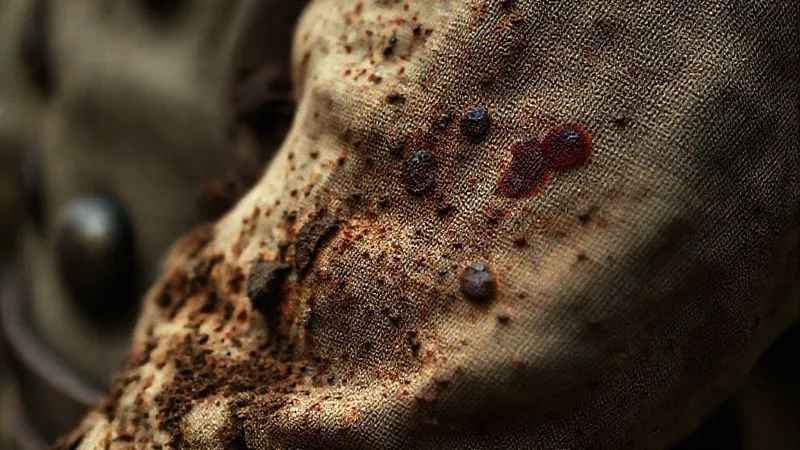
- Blood and Grime: Replicating blood requires understanding its various stages (fresh, dried, smeared). Use multiple shades of 'blood' paint and specific application techniques for different effects. Grime can be layered using thin washes, stippling, and dry brushing.
- Fire and Scorching: Simulate burn marks with controlled heat (carefully!) or specialized paints and powders. Understand how different fabrics react to heat – some melt, some char, some disintegrate. Safety is paramount here.
- Reactive Materials: Some materials react differently to distressing agents (e.g., certain synthetics may not take dye well, or delicate silks may tear too easily). Always test on swatches and adjust your techniques accordingly. Consider pre-treating or post-treating fabrics to achieve desired effects.
Leveraging Technology: Digital Tools and Archiving
In an increasingly digital world, costume design, including intricate breakdown, can significantly benefit from technological integration. Digital tools offer unparalleled precision in documentation, communication, and archiving, streamlining the replication process and enhancing collaborative efforts.
Embracing technology doesn't mean abandoning traditional craft; it means augmenting it. From high-resolution digital photography to project management software, these tools can become invaluable extensions of your Breakdown Bible, making it more accessible, dynamic, and robust for replicating costume breakdown for multiples.
Digital Documentation and Collaborative Platforms
- Digital Photography and Annotation: Use high-quality digital cameras to capture every detail. Software like Adobe Photoshop or specialized annotation tools allow you to mark up photos directly, adding arrows, notes, and measurements precisely on the image.
- Cloud-Based Storage: Store your entire Breakdown Bible – photos, videos, notes, and diagrams – on a secure cloud platform (e.g., Google Drive, Dropbox, iCloud). This ensures all team members have instant access to the most up-to-date reference materials, regardless of location.
- Project Management Software: Tools like Asana, Trello, or Monday.com can be used to track the progress of each costume multiple, assign tasks to team members, and manage deadlines. This helps maintain efficiency and accountability across the breakdown process.
- 3D Scanning and Modeling (Advanced): For extremely complex or unique breakdown patterns, 3D scanning the hero costume can provide an incredibly detailed digital model. This allows for precise mapping of wear and tear, which can then be used as a visual guide for replication.
For more insights into integrating technology into creative workflows, I recommend exploring resources on digital asset management for creative industries. Forbes often publishes excellent articles on this topic.
The Iterative Process: Feedback, Refinement, and Continuous Improvement
No breakdown process is perfect from day one. The world of costume design is dynamic, with constant feedback loops from directors, cinematographers, and even the actors themselves. To consistently replicate intricate costume breakdown for multiples, you must embrace an iterative mindset – one of continuous learning, refinement, and adaptation.
This iterative process ensures that your breakdown techniques evolve and improve with each project, turning challenges into opportunities for growth. It's about moving beyond simply executing a plan to actively optimizing it, ensuring that future projects benefit from past experiences.
Post-Production Analysis and Archival Learning
- Feedback Loops: Actively solicit feedback from the director, director of photography, and even the actors regarding the effectiveness and consistency of the breakdown on set and during dailies review. What worked well? What could be improved?
- Refinement of Techniques: Based on feedback, update your Breakdown Bible with any refinements to techniques, new tools discovered, or better material choices. This keeps your documentation current and optimized.
- Archiving Samples: Beyond the digital bible, create a physical archive of breakdown samples from successful projects. These can serve as invaluable touchstones for future inspiration and reference, demonstrating how various effects were achieved on different fabrics.
- Team Debriefs: After each project, hold a debrief with your breakdown team. Discuss what went smoothly and what challenges arose. Document lessons learned to inform future workflows and training.
Adopting a philosophy of continuous improvement, often referred to as Kaizen, can significantly enhance your long-term efficiency and consistency. Harvard Business Review provides excellent insights into Kaizen principles.
Frequently Asked Questions (FAQ)
Q: How do you handle different fabric types when replicating breakdown? A: This is a critical challenge. Different fabrics (cotton, wool, synthetics, blends) react uniquely to distressing. Your Breakdown Bible must include specific notes for each fabric type. Always test new techniques on scrap pieces of the exact fabric before applying. You might need different tools or product ratios for similar effects across varied materials.
Q: What if materials or dyes change mid-production due to availability? A: This is a common issue. If a material change is unavoidable, immediately secure samples of the new material. Conduct a full re-test of your breakdown process on the new material, comparing the results meticulously to your original hero costume. Document all differences and adjustments in an addendum to your Breakdown Bible. Communication with the director and DP is crucial if significant deviations occur.
Q: How can you age costumes quickly for a very large cast or tight deadlines? A: For large volumes, efficiency is key. Focus on the most impactful breakdown layers first. Utilize batch processing (e.g., washing multiple costumes simultaneously, applying base dyes in bulk). Delegate specific breakdown tasks (e.g., one person handles all rips, another all grime) after thorough training. Consider using airbrushes for quick, consistent application of dirt/grime. Pre-aging fabrics before garment construction can also save time.
Q: Are there ethical considerations in costume distressing, particularly for historical or culturally sensitive garments? A: Absolutely. When working with historical costumes, ensure the breakdown reflects accurate wear for the period and social status of the character. Avoid anachronistic damage. For culturally sensitive garments, research appropriate levels of wear and consult with cultural advisors to ensure respect and authenticity. The goal is always realism, not caricature.
Q: How do you balance the artistic intent of a unique breakdown with the practical need for replication? A: This is the heart of the challenge. The key is to capture the 'essence' of the artistic intent in your Breakdown Bible. Break down the artistic vision into quantifiable, repeatable steps. It's about translating the subjective into the objective. Your initial hero piece sets the artistic bar; the bible ensures that bar is consistently met. Regular feedback with the director helps ensure the artistic vision isn't lost in translation.
Key Takeaways and Final Thoughts
Mastering the consistent replication of intricate costume breakdown for multiples is a hallmark of an experienced and highly skilled costume department. It's a testament to precision, planning, and a deep understanding of both art and logistics. The journey from a single, beautifully aged hero costume to a dozen identical, story-rich multiples is challenging, but immensely rewarding when done correctly.
- Document Everything: Your Breakdown Bible is your most powerful tool.
- Standardize Your Inputs: Consistent tools and materials yield consistent results.
- Embrace Layering: Build breakdown effects incrementally for depth and control.
- Invest in Your Team: Training and clear communication are non-negotiable.
- Leverage Technology: Digital tools enhance precision and collaboration.
- Iterate and Refine: Continuous learning leads to ongoing improvement.
Remember, every tear, every stain, every fade contributes to the narrative. By applying these expert strategies, you're not just creating costumes; you're crafting believable worlds and unforgettable characters, ensuring that every garment, from the hero's to the last extra's, upholds the highest standards of artistic integrity and continuity. Continue to hone your craft, embrace the meticulous details, and your work will speak volumes, consistently. For further professional development and industry insights, consider exploring resources from organizations like the Costume Designers Guild.
Recommended Reading
- 5 Strategies: Mitigating Luxury Brand Damage from Celebrity Styling Errors
- 1950s Dress Styles: Find Your Perfect Fit for Any Body Type!
- 7 Steps: Translating Brand Vision into Compelling Fashion Magazine Editorials
- 5 Steps to Resolve Custom Engagement Ring Appraisal Disputes Fairly
- 7 Smart Casual Outfits: Crafting Impactful Looks for Male Professionals
Your email address will not be published. Required fields are marked *