

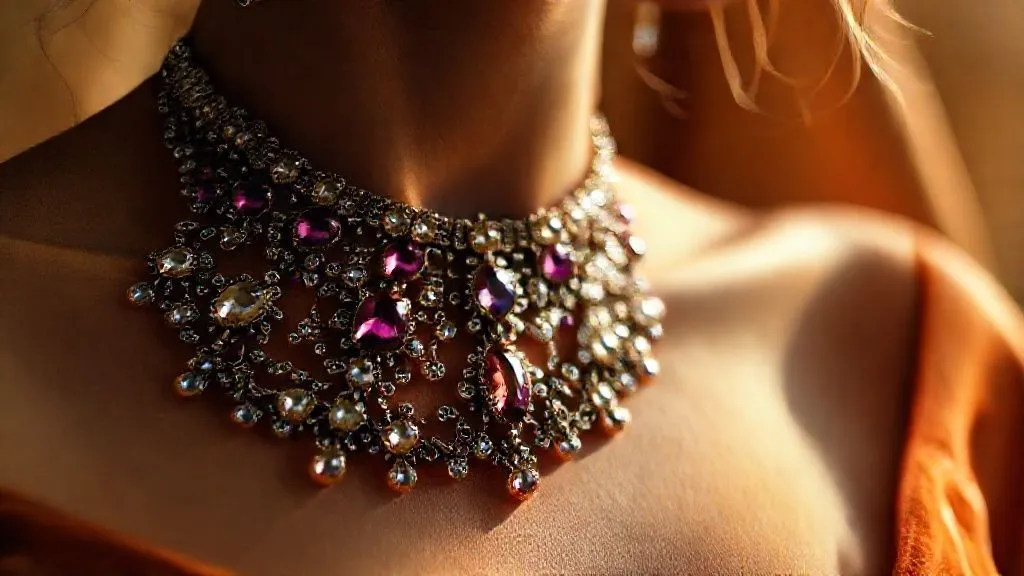
Decoding the Allure: The True Art of Costume Jewelry
For over 15 years in the intricate world of jewelry design, I've witnessed a persistent misunderstanding regarding costume jewelry. Many view it as merely an imitation, a fleeting trend, or a lesser art form compared to its fine jewelry counterparts. This perspective, I believe, is a monumental disservice to a category brimming with artistic potential and economic viability.
The real problem isn't the inherent value of the materials, but often the lack of intention, craftsmanship, and thoughtful design that goes into its creation. Designers and brands frequently fall into the trap of prioritizing cost-cutting over quality, leading to pieces that tarnish quickly, break easily, or simply fail to resonate with the modern consumer seeking both style and substance.
In this definitive guide, I will share the actionable frameworks, insider insights, and expert strategies I've honed over years of experience. You'll learn how to transcend the common pitfalls, elevate your designs, and create costume jewelry that isn't just affordable, but genuinely iconic, durable, and deeply desirable. Prepare to transform your approach and unlock the true potential of this vibrant market.
Beyond Imitation: Redefining Value in Costume Jewelry Design
The first step in creating truly exceptional costume jewelry is to shift your mindset. Forget the notion that it's merely 'fake' or 'disposable.' Instead, embrace its unique position as a canvas for boundless creativity, accessible luxury, and personal expression. The value of costume jewelry isn't in its material intrinsic worth, but in its design integrity, wearability, and the joy it brings to the wearer.
In my experience, the most successful designers approach costume jewelry with the same rigor and passion they would fine jewelry. They understand that a well-conceived design, executed with precision, can evoke emotion and tell a story just as powerfully as a diamond necklace. It's about perceived value, yes, but that perception is built on tangible elements of quality and thoughtful artistry.
"True elegance in costume jewelry isn't about replicating precious gems; it's about innovating with accessible materials to create something genuinely beautiful and uniquely expressive." - My personal philosophy.
Consider the greats like Miriam Haskell or Kenneth Jay Lane; their pieces command high prices today not because of gold and diamonds, but because of their unparalleled design, meticulous construction, and unique aesthetic vision. This is the standard we should aspire to, proving that artistry can thrive regardless of material cost.
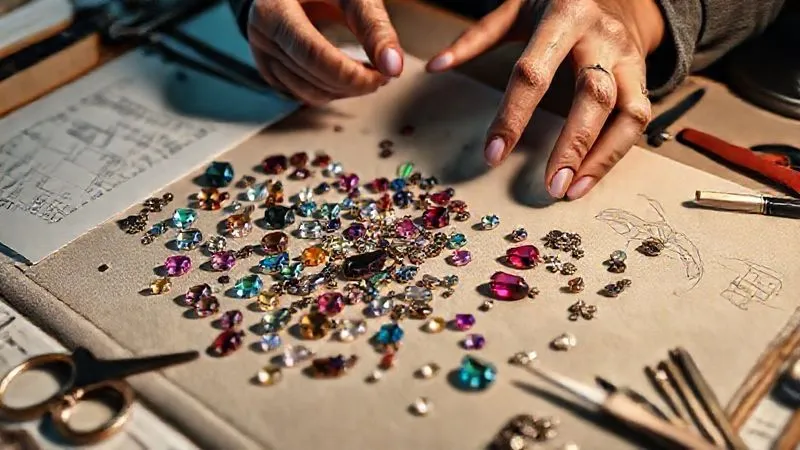
The Alchemy of Materials: Selecting for Impact and Durability
The choice of materials is paramount in elevating costume jewelry from ephemeral trinkets to cherished accessories. While cost-effectiveness is a factor, it should never compromise durability or aesthetic appeal. I've seen countless promising designs fail because of poor material selection, leading to quick tarnishing, allergic reactions, or structural weakness.
Understanding the properties of various base metals, platings, and faux stones is crucial. For instance, while nickel is cheap, its high allergenicity makes it a poor choice. Stainless steel and brass, when properly plated, offer excellent durability and a good base for various finishes. The plating itself is critical; a thick, high-quality plating of rhodium, 18K gold, or sterling silver over brass or copper can significantly extend the life and luster of a piece.
When it comes to 'stones,' the options are vast and exciting. High-quality cubic zirconia (CZ) can rival diamonds in sparkle, while specialized glass (like Swarovski crystals) offers incredible brilliance and color. Resins, acrylics, and even ethically sourced wood or recycled plastics can open doors to unique textures and lightweight designs. According to a Statista report on the global jewelry market, consumer demand for diverse materials and sustainable options is steadily growing.
Key Material Considerations:
- Base Metals: Stainless steel (hypoallergenic, durable), Brass (good for intricate work, takes plating well), Pewter (soft, good for casting details).
- Plating: Rhodium (silver-white, tarnish-resistant), Gold (14K, 18K, 24K – thick layers for durability), Sterling Silver (requires anti-tarnish coating).
- Faux Stones: Cubic Zirconia (diamond alternative), Glass (Swarovski, Czech glass for color/sparkle), Resin/Acrylic (lightweight, versatile for custom shapes/colors).
| Material Category | Common Examples | Pros for Costume Jewelry | Cons |
|---|---|---|---|
| Base Metals | Brass, Stainless Steel, Pewter | Affordable, moldable, good plating base | Can tarnish (if unplated), weight varies |
| Plating | Rhodium, 18K Gold, Sterling Silver | Enhances appearance, adds durability, tarnish resistance | Can wear off over time, cost adds up |
| Faux Gemstones | Cubic Zirconia, Glass, Resin, Acrylic | Wide color range, sparkle, lightweight, affordable | Scratch resistance varies, can look cheap if low quality |
Mastering the Craft: Techniques for Professional Finish
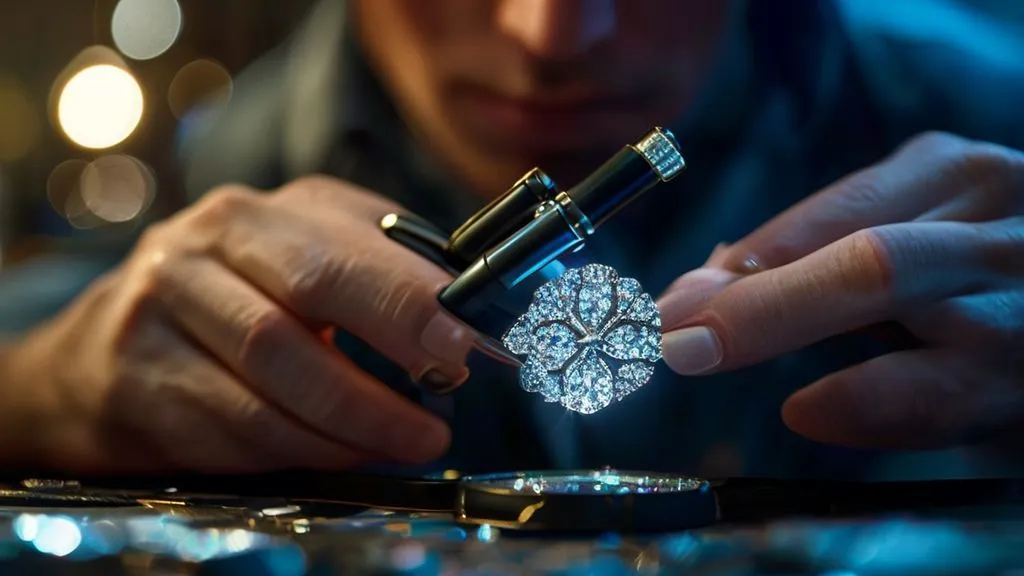
Even with the most exquisite materials, poor craftsmanship can undermine an entire design. A truly professional finish is what distinguishes high-end costume jewelry from its mass-produced, flimsy counterparts. This involves meticulous attention to detail in every step, from initial assembly to final polishing.
I always emphasize that the 'invisible' parts of a piece—the clasps, jump rings, and settings—are just as important as the visible elements. Using sturdy, closed jump rings, secure bezel or prong settings for faux stones, and robust clasps (like lobster clasps or strong magnetic closures) ensures longevity and a luxurious feel. A poorly attached jump ring is a common failure point I've observed in many otherwise beautiful pieces.
Actionable Steps for Superior Construction:
- Secure Stone Setting: For faux gemstones, ensure bezels are tightly crimped or prongs are securely folded over. Use appropriate jewelers' epoxy for cabochons or flat-back stones, applying it sparingly and neatly.
- Robust Joining Techniques: Employ proper soldering or wire-wrapping techniques. For non-solderable materials, use high-quality, strong adhesives designed for metal and specific materials.
- Finishing & Polishing: After assembly, thoroughly clean and polish every surface. Remove any excess glue, file down sharp edges, and ensure a smooth, consistent finish. A good polish enhances luster and feels pleasant against the skin.
- Quality Control: Before packaging, rigorously inspect each piece. Check clasps, connections, stone security, and overall structural integrity. This final check is crucial for maintaining your brand's reputation.
The Importance of Precision in Assembly
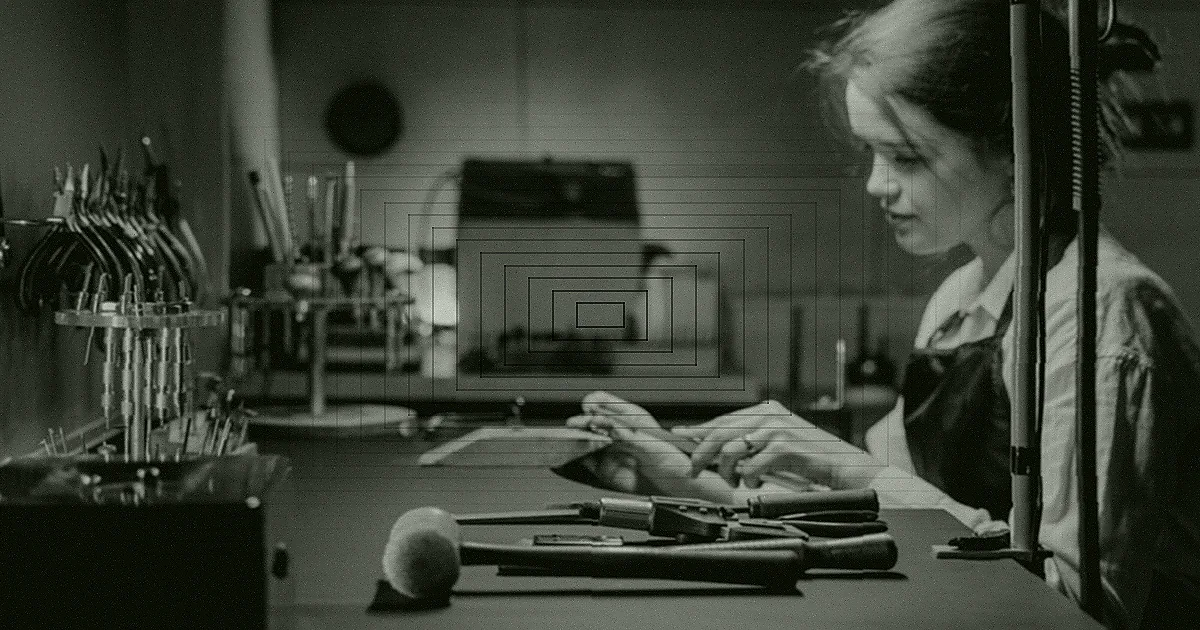
Precision in assembly is not just about aesthetics; it's about engineering. Every component should fit seamlessly, without gaps or wobbles. When working with multiple components, plan your assembly order carefully to ensure smooth transitions and secure attachments. This might involve using specialized pliers, jigs, or even custom tools to achieve consistent results, especially for repetitive designs.
Design with Purpose: Narrative & Aesthetic Cohesion
What truly makes a piece of costume jewelry memorable? It's often the story it tells, the emotion it evokes, or the unique aesthetic vision it embodies. Generic designs, no matter how well-made, struggle to stand out in a crowded market. My advice: design with purpose and a strong narrative.
Think about your target audience. What are their aspirations, their style preferences, their daily lives like? Design should resonate with them on a deeper level. Whether it's a collection inspired by historical eras, natural elements, or abstract concepts, ensure there's a cohesive theme that ties the pieces together. This cohesion extends to color palettes, material choices, and even the scale of your designs.
While staying aware of current fashion trends is important, chasing every fleeting fad can dilute your brand identity. Instead, learn to interpret trends through your unique lens, creating pieces that are both current and timeless. As marketing guru Seth Godin often emphasizes, creating a 'remarkable' product is about standing out, not fitting in.
Case Study: How 'Astraea Gems' Transformed Perceptions with Story-Driven Designs
Astraea Gems, a small independent brand, initially struggled to differentiate its costume jewelry in a saturated market. Their pieces were well-made but lacked a distinct identity. Following my advice, the founder, Clara, began developing collections around specific celestial themes: 'Lunar Serenity,' 'Solar Flare,' and 'Starlight Wanderer.' Each collection featured unique combinations of color, texture, and stone shapes (e.g., iridescent glass for moon phases, fiery crystals for sunbursts).
Clara meticulously crafted narratives for each piece, sharing the inspiration behind them in her product descriptions and social media. This storytelling approach resonated deeply with her audience, who connected with the romantic and aspirational themes. Within a year, Astraea Gems saw a 200% increase in sales and a loyal customer base willing to pay a premium for her unique, story-driven pieces. Their average price point for similar materials increased by 30% due to the perceived value of the design and narrative.
Ethical Sourcing & Sustainability in Affordable Luxury
In today's conscious consumer landscape, the conversation around costume jewelry extends beyond aesthetics and durability to encompass ethics and sustainability. Consumers, especially younger demographics, are increasingly scrutinizing how products are made and where materials come from. Ignoring this trend is not just a missed opportunity; it's a risk to your brand's reputation.
While fine jewelry grapples with issues like conflict diamonds and gold mining, costume jewelry has its own set of challenges: ensuring fair labor practices in manufacturing, sourcing recycled or upcycled materials, and minimizing environmental impact. For example, using recycled brass or stainless steel reduces the demand for virgin mining, and choosing suppliers with transparent labor practices builds trust.
"Sustainability in costume jewelry isn't a luxury; it's a responsibility. It shows respect for both the planet and the people who craft these beautiful pieces." - A core principle for modern designers.
I encourage designers to explore innovative, eco-friendly materials. Think about ethically sourced wood, tagua nuts, recycled glass, or even carefully repurposed vintage components. Transparency about your sourcing and manufacturing processes can be a powerful marketing tool, resonating with a growing segment of consumers who value ethical consumption. This also aligns with broader industry movements towards corporate social responsibility, as highlighted by various Deloitte reports on sustainable business practices.
Practical Steps for Sustainable Design:
- Source Recycled Metals: Prioritize suppliers offering recycled brass, copper, or stainless steel.
- Choose Ethical Plating: Inquire about plating facilities' waste management and chemical disposal practices.
- Explore Upcycled Components: Incorporate vintage beads, repurposed charms, or other pre-existing elements into new designs.
- Minimize Waste: Implement efficient cutting and casting techniques to reduce material waste during production.
- Sustainable Packaging: Opt for recycled, recyclable, or biodegradable packaging materials.
Marketing Your Masterpieces: Communicating Value
Even the most exquisitely designed and crafted costume jewelry won't sell itself. Effective marketing is about communicating the unique value, story, and quality of your pieces to your target audience. This is where many designers, focused solely on creation, often falter.
Your brand story is paramount. Why do you create? What inspires you? What feeling do your pieces evoke? This narrative should be woven into every aspect of your marketing, from your website copy to your social media posts. High-quality product photography is non-negotiable; professional, well-lit images that showcase details and scale are essential for online sales. I've seen brands boost sales by 50% just by upgrading their product photography.
Crafting Compelling Product Descriptions:
Beyond listing materials, your product descriptions should tell a story. Describe the inspiration, the craftsmanship involved, and the feeling the piece evokes. Use evocative language that paints a picture for the customer. Highlight unique features, care instructions, and any ethical sourcing details. Think of it as inviting the customer into the world of your design.
| Marketing Channel | Pros | Cons |
|---|---|---|
| Instagram/TikTok | Visual-first, strong for storytelling, direct engagement | Algorithm challenges, requires consistent content |
| E-commerce Website | Full control, detailed product info, direct sales | Requires SEO, maintenance, driving traffic |
| Email Marketing | Direct communication, high ROI, builds loyalty | Requires list building, good content strategy |
| Collaborations (Influencers/Brands) | Expands reach, leverages trust, new audiences | Finding right partners, managing relationships |
Longevity & Care: Educating Your Customer
A crucial, yet often overlooked, aspect of enhancing the perceived value and actual lifespan of costume jewelry is educating your customers on proper care. Many consumers treat costume jewelry as entirely disposable, contributing to its negative perception. By providing clear, actionable care instructions, you empower your customers to preserve their pieces, fostering satisfaction and repeat business.
In my consultations, I always advise including a small, attractive care card with every purchase. This not only shows that you stand behind the quality of your product but also reinforces its value. It transforms a transactional purchase into a more considered investment in a piece designed to last.
Essential Care Tips for Costume Jewelry:
- Avoid Moisture: Remove jewelry before showering, swimming, or exercising. Water, sweat, and humidity can accelerate tarnishing and degrade plating.
- Apply Last: Put on your jewelry after applying perfumes, lotions, hairspray, and makeup. These chemicals can damage metals and stones.
- Store Properly: Store pieces individually in soft pouches or airtight bags to prevent scratching and exposure to air, which causes oxidation.
- Gentle Cleaning: Clean regularly with a soft, dry cloth. Avoid harsh chemical cleaners or abrasive materials.
- Handle with Care: Be mindful of impact. Faux stones can chip or loosen, and delicate settings can bend.
Frequently Asked Questions (FAQ)
Question? How can I make my costume jewelry look more high-end and luxurious?
Detailed answer: Achieving a high-end look for costume jewelry involves a multi-faceted approach. First, prioritize excellent craftsmanship: ensure secure settings, strong clasps, and a flawless finish. Second, choose quality materials; even faux gems can look stunning if they have good clarity and sparkle, and thick, durable plating on base metals makes a significant difference. Third, design with intention and cohesion; a well-thought-out aesthetic with a clear narrative elevates perception. Finally, presentation matters: invest in beautiful packaging, professional photography, and compelling product descriptions that communicate the piece's unique value and story.
Question? What are the best materials for durable costume jewelry that won't tarnish quickly?
Detailed answer: For durability and tarnish resistance in costume jewelry, stainless steel is an excellent choice due to its inherent strength and hypoallergenic properties. Brass and copper are also good base metals, but they require high-quality, thick plating (e.g., rhodium, 18K gold, or sterling silver with an anti-tarnish coating) to prevent rapid oxidation. Avoid nickel, which is allergenic and often tarnishes easily. For faux stones, high-quality cubic zirconia and specialized glass offer superior longevity and sparkle compared to cheaper plastics. Always prioritize thick plating over thin flashes, as it provides a much more robust protective layer.
Question? Is sustainable costume jewelry truly possible, given its typically lower price point?
Detailed answer: Yes, sustainable costume jewelry is absolutely possible and increasingly demanded by consumers. While the lower price point might seem to limit options, designers can implement sustainability in various ways. This includes sourcing recycled metals (like recycled brass or stainless steel), utilizing upcycled components (vintage beads, repurposed elements), exploring innovative eco-friendly materials (ethically sourced wood, plant-based resins), and ensuring transparent, fair labor practices throughout the supply chain. Focusing on durable designs that encourage longevity and providing care instructions also contributes to sustainability by reducing the 'disposable' nature often associated with costume jewelry.
Question? How do I price my costume jewelry competitively yet fairly, reflecting its quality and design?
Detailed answer: Pricing costume jewelry requires balancing material and labor costs, perceived value, and market competition. Start by calculating your direct costs (materials, labor, packaging). Then, factor in overheads (rent, marketing, utilities) and your desired profit margin. Don't undersell your design and craftsmanship; if your pieces are high-quality and unique, they deserve a higher price point than mass-produced items. Research competitors in your niche, but focus on communicating your unique value proposition. Consider a tiered pricing strategy for different collections or levels of intricacy. Remember, a higher price can sometimes signal higher quality to the consumer, especially when backed by a strong brand story and excellent product presentation.
Question? What are common mistakes new costume jewelry designers make, and how can they avoid them?
Detailed answer: New designers often make several common mistakes. First, neglecting craftsmanship: using weak jump rings, flimsy clasps, or poor stone settings compromises durability. Avoid this by prioritizing quality components and mastering basic jewelry-making techniques. Second, generic design: simply copying trends without injecting personal style. Develop a unique aesthetic and brand story. Third, poor material selection: opting for the cheapest materials which quickly tarnish or cause allergic reactions. Invest in better quality base metals and platings. Fourth, inadequate marketing: underestimating the need for professional photography and compelling product descriptions. Finally, ignoring customer care: failing to provide care instructions, which reduces product longevity and customer satisfaction. Address these by focusing on quality, originality, strategic marketing, and customer education.
Key Takeaways and Final Thoughts
The world of costume jewelry is far more than mere adornment; it's a vibrant realm of artistic expression, innovative design, and accessible luxury. As an industry veteran, I've seen firsthand how thoughtful design, meticulous craftsmanship, and a deep understanding of materials can elevate pieces from simple accessories to cherished treasures.
- Shift Your Mindset: Embrace costume jewelry as an art form with immense potential for creativity and value creation, independent of precious materials.
- Master Materials & Craft: Prioritize high-quality base metals, durable platings, and secure construction techniques to ensure longevity and a luxurious feel.
- Design with Purpose: Develop a cohesive narrative and unique aesthetic that resonates with your target audience, making your pieces memorable and distinct.
- Embrace Ethics & Sustainability: Integrate responsible sourcing and eco-friendly practices into your design process, aligning with modern consumer values.
- Communicate Value Effectively: Leverage compelling storytelling, professional photography, and clear care instructions to market your creations and build customer trust.
By applying these principles, you're not just designing jewelry; you're crafting experiences, building a reputable brand, and contributing to a more considered and appreciative view of costume jewelry. The future of this niche lies in innovation, integrity, and the unwavering commitment to creating beauty that lasts. Go forth, design with passion, and truly shine!
Recommended Reading
- Unveiling the Secrets: What Materials Are Best for Fantasy Costume Durability?
- 7 Ways to Pivot Unsold Winter Womenswear for Spring's Trends
- 7 Steps: Bridging Client Vision to Haute Couture Garment Reality
- Unlock Your Look: The Ultimate Guide to Choosing Glasses That Enhance Features
- Bridal Gown Disaster? 5 Steps When a Custom Client Hates Their Final Dress

Your email address will not be published. Required fields are marked *