


How to Choose Stylish Glasses That Enhance Features?
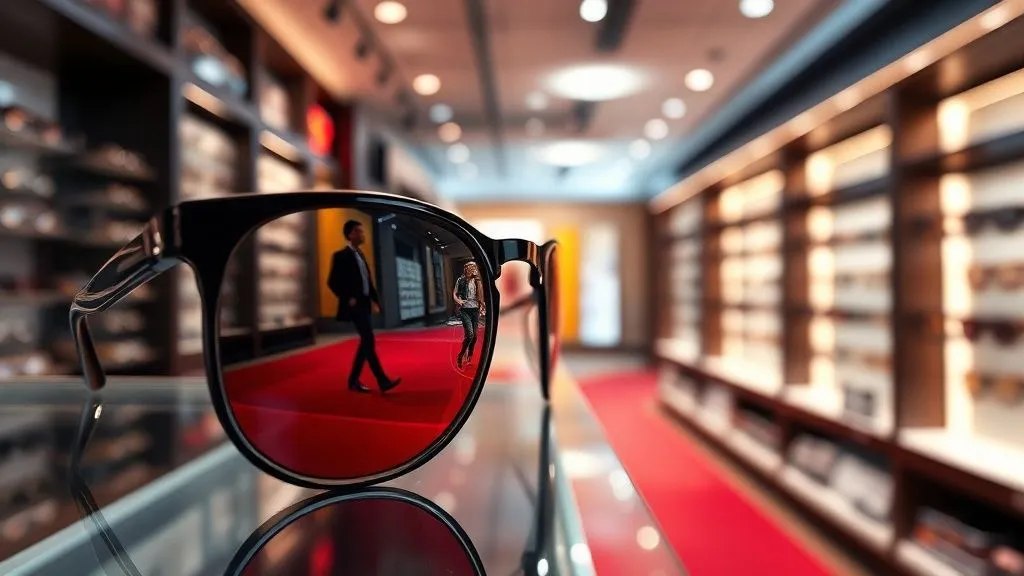
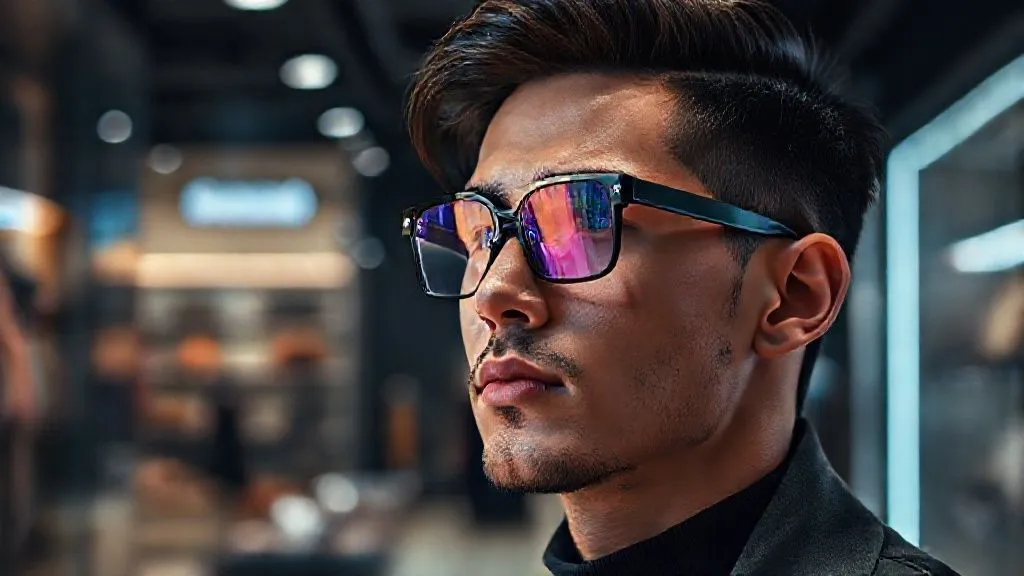
Have you ever noticed how a seemingly simple accessory can completely transform a person's appearance, elevating their entire look from ordinary to extraordinary? Glasses are far more than just tools for vision correction; they are powerful style statements, reflections of personality, and key elements that can dramatically enhance your facial features.
Yet, for many, the journey to finding that perfect pair feels like navigating a labyrinth. With countless shapes, sizes, colors, and materials available, how do you pinpoint the frames that not only fit comfortably but also genuinely complement your unique face, bringing out your best attributes?
This comprehensive guide will demystify the art and science of eyewear selection. We'll equip you with the knowledge and practical tips needed to confidently choose stylish glasses that enhance features, ensuring your next pair doesn't just improve your sight, but also elevates your personal style and boosts your confidence.
Understanding Your Face Shape: The Foundation of Frame Selection
The first and arguably most crucial step in choosing glasses that enhance features is to understand your face shape. Just as a tailor customizes a suit to fit a body, the right glasses are chosen to harmonize with your facial contours. The goal is to create balance and contrast, softening angular features or adding definition to softer ones.
To determine your face shape, stand in front of a mirror with your hair pulled back. Use a washable marker or lipstick to trace the outline of your face. Step back and observe the shape. Is it long, wide, angular, or rounded? This simple exercise provides the blueprint for your eyewear journey.
Oval Face
Considered the most versatile face shape, an oval face is characterized by balanced proportions, a gently rounded chin, and a slightly wider forehead. If you have an oval face, you're in luck – almost any frame style will suit you.
- Best Choices: Most frame shapes work well, but especially walnut-shaped frames that are not too narrow or too deep.
- Styles to Try: Rectangular, square, cat-eye, aviator, or even oversized frames.
- Tip: Experiment with bold colors and unique designs, as your balanced features can carry them off beautifully.
Round Face
A round face has soft curves, with the width and length being roughly equal. There are no sharp angles, and the cheeks are often the fullest part. The aim here is to add definition and length.
- Best Choices: Angular, narrow frames that are wider than they are deep.
- Styles to Try: Rectangular, square, cat-eye, or geometric shapes. These add sharpness and make the face appear longer and thinner.
- Avoid: Round or small frames, which can exaggerate the roundness of your face.
Square Face
A square face is defined by strong, angular lines, a broad forehead, and a prominent jawline. The width and length are similar. The goal is to soften these strong features.
- Best Choices: Round, oval, or curved frames.
- Styles to Try: Aviator, round, oval, or cat-eye frames with softer edges. These styles help to balance the angularity and add a touch of softness.
- Avoid: Square or rectangular frames, as they can further emphasize the angularity of your face.
Heart-Shaped Face
A heart-shaped face is widest at the forehead and gradually narrows down to a delicate, pointed chin. It often features high cheekbones. The objective is to balance the wider upper half with the narrower lower half.
- Best Choices: Frames that are wider at the bottom or have delicate detailing on the lower portion.
- Styles to Try: Rimless, semi-rimless, cat-eye (with a subtle upward flick), or oval frames. Light-colored or transparent frames can also work wonders.
- Tip: Styles that emphasize the lower part of the frame, like those with a slightly heavier bottom rim, can balance the chin.
Diamond Face
A diamond face is characterized by a narrow forehead and chin, with high, dramatic cheekbones being the widest part of the face. This is a relatively rare face shape, and the aim is to soften the cheekbones and broaden the forehead.
- Best Choices: Frames that are wider at the top or have distinctive brow lines.
- Styles to Try: Cat-eye, oval, or browline frames (like Clubmaster styles). These shapes draw attention upwards and add width to the forehead.
- Avoid: Narrow frames that exaggerate the narrowness of the forehead and chin.
Oblong Face
An oblong face is longer than it is wide, often with a straight line from the forehead to the chin. The goal is to make the face appear shorter and wider.
- Best Choices: Deep frames with decorative or contrasting temples.
- Styles to Try: Square, rectangular, or oversized frames. These add width and break up the length of the face.
- Tip: Look for frames that have a strong horizontal line or decorative elements that extend beyond the face's width.
For more detailed insights into facial proportions and how they influence aesthetics, you can explore resources on human facial anatomy.
Harmonizing with Your Skin Tone and Hair Color
Once you've considered your face shape, the next step in choosing stylish glasses that enhance features is to think about color. The right frame color can illuminate your complexion, brighten your eyes, and complement your hair, creating a cohesive and appealing look. This largely depends on your skin's undertone: warm, cool, or neutral.
Warm Undertones
If your skin has golden, peachy, or yellow undertones, and your veins appear green, you have warm undertones. Your hair might be golden blonde, brown with red or gold highlights, or auburn.
- Best Colors: Earthy tones like brown, gold, copper, olive green, warm red, peach, and tortoise shell.
- Avoid: Cool blues, silvers, and stark black, which can wash out your complexion.
Cool Undertones
If your skin has pink, blue, or red undertones, and your veins appear blue or purple, you have cool undertones. Your hair might be ash blonde, black, true brown, or platinum.
- Best Colors: Silver, black, grey, blue, purple, magenta, dark green, and vibrant red.
- Avoid: Yellows, oranges, and warm browns, which can make your skin look sallow.
Neutral Undertones
If you have a mix of both warm and cool undertones, or if your veins appear both green and blue, you likely have neutral undertones. This means you can wear a wider range of colors.
- Best Colors: Most colors will work, but softer versions of both warm and cool tones often look best. Think soft rose, jade green, or light grey.
- Tip: You have the flexibility to experiment with a broader palette, but focus on colors that don't overpower your natural complexion.
Hair Color Considerations
While skin tone is primary, hair color also plays a role. Generally, frames that contrast subtly with your hair color tend to stand out more. For example, dark frames can create a striking contrast with light hair, while lighter frames can pop against dark hair. However, matching your frames to your hair color can also create a sophisticated, monochromatic look.
The Art of Frame Styles: Beyond Basic Shapes
Beyond face shape and color, the sheer variety of frame styles offers endless possibilities for expressing your personality and enhancing your features. Each style carries its own aesthetic and can dramatically alter your overall look.
Classic Styles
- Wayfarer: Iconic and versatile, Wayfarers are trapezoidal frames with a thick upper rim. They suit most face shapes and offer a timeless, cool look.
- Aviator: Originally designed for pilots, Aviators feature thin metal frames and large, often teardrop-shaped lenses. They are excellent for softening angular faces and adding a touch of vintage cool.
- Cat-Eye: Feminine and playful, cat-eye frames flare upwards at the temples, adding a lift to the face and enhancing the cheekbones. They are particularly flattering for round, square, and heart-shaped faces.
- Round: A classic, intellectual look, round frames are perfect for softening strong jawlines and adding a touch of artistic flair.
Modern Trends
- Geometric: Frames with sharp angles, hexagons, or octagons offer a contemporary, edgy look. They are great for adding definition to softer faces.
- Oversized: Making a bold fashion statement, oversized frames can create a sense of drama and sophistication. They work well for many face shapes if proportions are considered.
- Transparent/Clear: These frames offer a minimalist, modern aesthetic. They are particularly good for those who want their glasses to be less noticeable or for those with delicate features, as they don't overpower the face.
Material Matters
The material of your frames not only affects durability and weight but also contributes significantly to the aesthetic. Each material brings a different texture and feel, influencing how your glasses interact with your features.
- Acetate: A plant-based plastic, acetate is known for its rich colors, patterns, and versatility. It's lightweight and can be molded into various shapes, offering a wide range of stylistic choices.
- Metal (Titanium, Stainless Steel, Monel): Metal frames are typically lighter and thinner, offering a more minimalist or sleek look. Titanium is exceptionally durable and hypoallergenic, while stainless steel is strong and corrosion-resistant.
- Wood/Horn: For a unique, natural, and often artisanal look, wood or horn frames offer distinct grain patterns and a warm aesthetic. They are lightweight and often handcrafted.
- Combination: Many frames combine materials, such as acetate fronts with metal temples, offering a blend of aesthetics and benefits.
Considering Your Lifestyle and Personality
Your glasses should not only enhance your features but also seamlessly integrate into your daily life and reflect who you are. The ideal pair should be practical for your activities and resonate with your personal style. This is another crucial aspect of how to choose stylish glasses that enhance features while remaining true to yourself.
Professional Settings
For a professional environment, choose frames that convey confidence and competence. Classic, understated styles in neutral colors like black, grey, brown, or subtle metallics are often preferred. Rectangular or oval shapes tend to project a more serious and focused image. Avoid overly flashy or distracting designs that might detract from your professional presence.
Casual & Creative Expressions
If your lifestyle is more relaxed or your profession allows for creative expression, you have more freedom to experiment. This is where you can let your personality shine! Consider bold colors, unique patterns (like tortoise shell or abstract designs), or unconventional shapes (geometric, oversized, or vintage-inspired). Transparent or brightly colored frames can add a playful touch.
Active Lifestyles
For those with active lifestyles, durability and comfort are paramount. Look for frames made from lightweight, flexible, and robust materials like titanium or flexible plastics. Sport-specific frames often feature wrap-around designs for better peripheral vision and secure fits, sometimes with rubberized nose pads and temple tips to prevent slipping during movement. Polycarbonate or Trivex lenses are recommended for impact resistance.
Your Personal Brand
Think of your glasses as an extension of your personal brand. Are you classic and elegant? Modern and minimalist? Bold and artistic? Your eyewear can reinforce these aspects. Don't be afraid to have multiple pairs for different occasions or moods, much like you would with shoes or handbags. This allows you to adapt your look while always having glasses that enhance features relevant to the moment.
Lens Technology and Its Impact on Aesthetics
While the frame dictates much of the style, the lenses themselves play a significant role in both vision and appearance. Modern lens technology offers solutions that can make your glasses not only more comfortable but also more aesthetically pleasing, ensuring your focus remains on how to choose stylish glasses that enhance features, not just correct vision.
Thinning Lenses (High-Index)
For individuals with strong prescriptions, standard lenses can be thick and heavy, creating a 'coke bottle' effect or distorting the appearance of your eyes behind the glass. High-index lenses are made from advanced materials that bend light more efficiently, allowing them to be much thinner and lighter than conventional lenses, even for high prescriptions. This significantly improves the aesthetic appeal, reducing bulk and creating a more natural look.
Anti-Reflective Coatings (AR Coating)
Also known as anti-glare coating, an AR coating virtually eliminates reflections from the front and back surfaces of your lenses. This is a game-changer for aesthetics as it makes your lenses almost invisible, allowing others to see your eyes more clearly. It also reduces eye strain, improves night vision, and makes your glasses look cleaner and more professional. This is a must-have for anyone concerned with their eyewear's appearance.
Photochromic Lenses
These lenses, often referred to by brand names like Transitions®, automatically darken when exposed to UV light and lighten indoors. While convenient, consider how they look when dark. Some people prefer separate sunglasses for a distinct stylistic statement, while others appreciate the seamless transition and protection. It's a balance between convenience and consistent aesthetic.
For more information on the advancements in optical technology, reputable sources like the American Optometric Association provide valuable insights.
The Importance of Proper Fit and Comfort
Even the most stylish glasses won't enhance your features if they don't fit well. A poor fit can lead to discomfort, constant slipping, and an awkward appearance. Proper fit ensures your glasses sit correctly on your face, allowing them to truly complement your features and provide optimal vision.
Bridge Fit
The bridge of the glasses is the part that rests on your nose. This is perhaps the most critical fit point. If the bridge is too wide, the glasses will slide down your nose. If it's too narrow, they'll pinch and sit too high. The bridge should rest comfortably and securely, without leaving red marks or gaps.
Temple Length
The temples are the arms that extend over your ears. They should be long enough to curve gently over your ears without digging in or leaving a gap. Too short, and the glasses will feel tight; too long, and they'll slide forward.
Frame Width
The overall width of the frame should match the width of your face. The frames should not extend significantly beyond your temples, nor should they be too narrow, causing pressure. The outer edge of the frame should ideally align with the widest part of your face or be slightly wider.
Lens Size and Pupil Alignment
Your pupils should be centered horizontally and vertically within the lens opening. This ensures optimal vision and prevents optical distortions. An optician can help ensure this alignment is perfect.
Mistakes to Avoid When Selecting Eyewear
While focusing on how to choose stylish glasses that enhance features, it's equally important to be aware of common pitfalls that can derail your selection process. Avoiding these mistakes will save you time, money, and potential disappointment.
Ignoring Face Shape and Proportions
The most common mistake is choosing frames based solely on current trends or what looks good on someone else, without considering your own face shape. A frame that enhances an oval face might overwhelm a round one. Always start with your face shape as the primary guide.
Overlooking Comfort for Style
While style is crucial, comfort cannot be compromised. Glasses that pinch, slip, or cause pressure points will quickly become a burden. Always prioritize a comfortable and secure fit, as you'll be wearing these glasses for extended periods.
Rushing the Decision
Choosing glasses is an investment in your vision and your personal style. Don't rush the process. Try on multiple pairs, take photos from different angles, and get opinions from friends or the optical staff. Give yourself time to consider how each pair feels and looks.
Not Seeking Professional Advice
An experienced optician or eyewear stylist is an invaluable resource. They can provide expert advice on face shape, fit, lens options, and current trends. They can also make precise adjustments to ensure the perfect fit, ensuring your choice of stylish glasses that enhance features is truly optimal.
Being Afraid to Experiment
While guidelines are helpful, don't be afraid to step outside your comfort zone. Sometimes, the most unexpected frames can be the most flattering. Try on a variety of styles, colors, and materials. You might discover a new favorite look.
Frequently Asked Questions (FAQ)
Can I wear oversized glasses if I have a small face? While generally not recommended, you can if the overall width of the frame doesn't extend too far beyond your face and the bridge fit is perfect. Look for oversized styles that are lighter in color or transparent to reduce their visual weight.
How do I know my skin undertone? Look at the veins on your wrist: if they appear green, you have warm undertones. If they appear blue or purple, you have cool undertones. If you see a mix or can't tell, you likely have neutral undertones. You can also compare how you look in pure white versus off-white clothing.
Is it okay to buy glasses online without trying them on? Many online retailers offer virtual try-on tools, but it's best to try frames in person if possible, especially for your first pair, to ensure proper fit and how they truly interact with your features. If buying online, check their return policy.
Should my glasses match my hair color? Not necessarily. While matching can create a cohesive look, contrasting your frames with your hair color can make your glasses pop and add visual interest. The key is to ensure the frame color complements your skin tone primarily.
What's the best way to clean my glasses without damaging them? Use a microfibre cloth specifically designed for lenses and a cleaning spray recommended by your optician. Avoid paper towels, clothing, or harsh chemicals, which can scratch the lenses or damage coatings.
Recommended Reading
- Unlocking Feminine Style: The Essential Characteristics You Need to Know
- The Smart Bride's Guide: How to Budget for Your Dream Designer Wedding Dress
- The Ultimate Guide: How to Authenticate a Pre-Owned Luxury Watch Before Buying
- Eyewear for Sensitive Skin: Find Your Perfect, Irritation-Free Fit
- Unlock Your Dream: How to Get Your Fashion Editorial Published Now!
Conclusion
Choosing stylish glasses that enhance features is a nuanced process that goes beyond mere aesthetics; it's about understanding your unique facial architecture, personal coloring, and lifestyle. By applying the principles of face shape harmony, color theory, and proper fit, you transform a medical necessity into a powerful fashion accessory. Remember, your glasses are a prominent part of your face, a daily statement about who you are. With this guide, you now have the tools to make an informed, confident choice, ensuring your next pair of glasses not only sharpens your vision but also amplifies your natural beauty and projects the very best version of yourself.


Your email address will not be published. Required fields are marked *