

What Causes Premium Activewear to Lose Wicking Efficacy Post-Wash?
For over 15 years in the activewear industry, I've seen countless athletes, from weekend warriors to elite professionals, invest significant sums in premium gear, only to watch its performance mysteriously degrade after just a few washes. It's a common, frustrating scenario: you buy that high-tech, moisture-wicking top, expecting peak performance, but soon find yourself feeling clammy and uncomfortable during workouts.
This isn't just a minor inconvenience; it undermines the very purpose of premium activewear. The promise of staying dry, comfortable, and focused on your activity quickly dissipates when your expensive garment starts acting more like a regular cotton tee, clinging to sweat rather than moving it away.
The good news? You don't have to accept this as an inevitable fate. In this definitive guide, I'll pull back the curtain on the real culprits behind lost wicking efficacy, offering you not just explanations, but actionable frameworks and expert insights to reclaim your activewear's performance and extend its lifespan. Get ready to transform your laundry routine and restore your gear to its former glory.
The Science Behind Moisture Wicking: A Quick Refresher
Before we dive into what goes wrong, let's briefly revisit what makes moisture-wicking activewear so special. It’s not magic; it’s clever textile engineering.
How Wicking Fabrics Work: Capillary Action and Fiber Structure
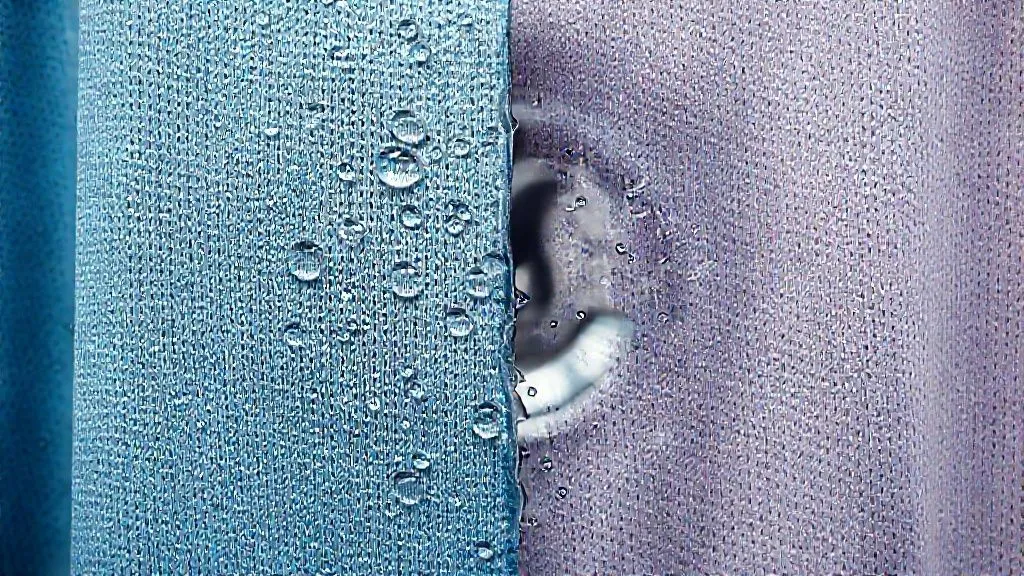
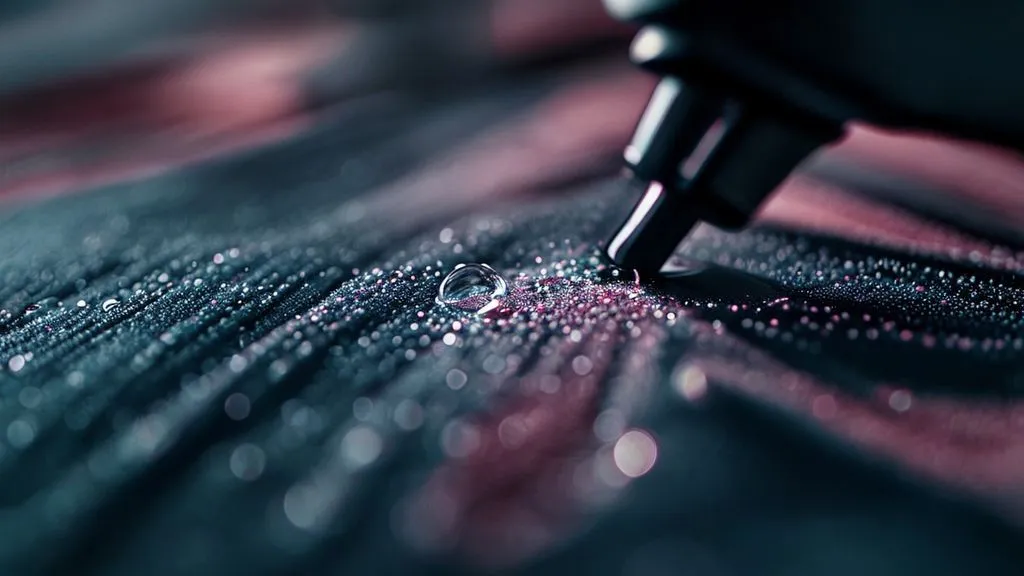
At its core, moisture wicking relies on a principle called capillary action. Imagine tiny straws woven into your fabric. These synthetic fibers, often polyester, nylon, or blends with spandex, are designed with a specific cross-section and surface tension that allows them to draw moisture (sweat) away from your skin and spread it across the outer surface of the fabric. This larger surface area then allows the sweat to evaporate more quickly, keeping you dry and cool.
The 'Premium' Difference: Fabric Blends and Treatments
Premium activewear often takes this a step further. It might incorporate more advanced fiber structures, multi-layered constructions, or specialized chemical treatments applied during manufacturing. These treatments enhance the fabric's hydrophobic (water-repelling) qualities on the inner layer and hydrophilic (water-attracting) qualities on the outer layer, optimizing the sweat transfer process. This delicate balance is what you pay for.
"The true genius of moisture-wicking fabric lies in its ability to manage moisture without absorbing it. Any interference with this delicate fiber structure or surface chemistry is a direct attack on its performance integrity."
The Silent Saboteurs: Common Laundry Mistakes
In my experience, the vast majority of wicking issues stem directly from improper laundry practices. We often treat our activewear like any other garment, unaware of the specific vulnerabilities of performance fabrics.
Overloading the Machine & Harsh Detergents
Packing your washing machine too full prevents adequate rinsing, leaving behind detergent residue. Furthermore, many conventional detergents contain harsh chemicals, brighteners, or enzymes that can be too aggressive for the delicate fibers and treatments in activewear, slowly degrading their integrity.
Fabric Softeners: The #1 Enemy
If there's one single product I'd ban from your activewear laundry routine, it's fabric softener. It's designed to coat fabric fibers, making them feel softer and reducing static. While great for towels, this coating suffocates the very capillaries responsible for wicking sweat. It creates a barrier that prevents moisture from being drawn away from your skin, effectively turning your high-performance gear into a sweat-soaked sponge.
"Fabric softener is a death sentence for moisture-wicking activewear. Its waxy residue clogs the microscopic channels crucial for sweat transport, rendering your gear useless."
Excessive Heat: Dryer Damage
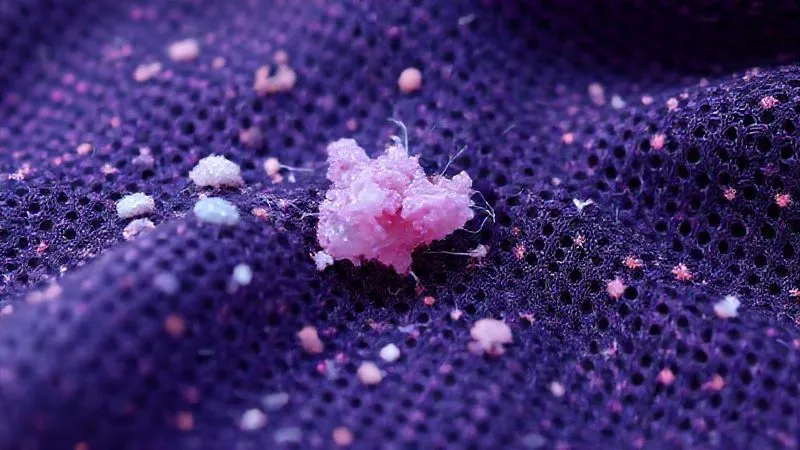
High heat, whether from a hot wash cycle or a tumble dryer, is detrimental to synthetic fibers like polyester and spandex. It can break down the elastic properties of spandex, leading to stretched-out garments, and can also warp the structure of the wicking fibers themselves, permanently impairing their ability to move moisture. Heat can also 'bake in' sweat and detergent residues, making them even harder to remove.
- Common Laundry Mistakes:
- Using fabric softener.
- Washing with hot water.
- Drying on high heat.
- Overloading the washing machine.
- Using too much detergent.
Residue Buildup: When Your Clothes Become a Sponge
Beyond the immediate impact of fabric softeners, various residues can accumulate on your activewear, turning it into a less effective garment over time.
Detergent Overload & Incomplete Rinsing
Many of us err on the side of using too much detergent, believing more suds equal cleaner clothes. However, modern concentrated detergents require very little product, and excess detergent often doesn't rinse out completely, especially in high-efficiency machines or overloaded loads. This leftover detergent residue acts similarly to fabric softener, creating a film that inhibits wicking.
Body Oils & Sweat: A Sticky Situation
Even if you're meticulous with your laundry, your own body contributes to residue buildup. Sweat, skin cells, and body oils can get trapped within the fabric fibers. If not properly washed away, these organic compounds can accumulate, attracting more moisture and bacteria, leading to a loss of wicking ability and persistent odors.
Case Study: How Sarah Revived Her Running Gear
Sarah, an avid marathon runner, came to me frustrated. Her expensive compression tights and running tops, once her go-to for long runs, felt heavy and clammy after just a few miles. She swore she wasn't using fabric softener, but her gear still felt 'off'. After reviewing her routine, we discovered she was using a conventional detergent, measuring by eye, and washing full loads with other household items. The culprit? Detergent and body oil residue buildup.
We implemented a stripping process (detailed below) and switched her to a sport-specific, residue-free detergent, advising cold washes and air drying. Within two weeks, Sarah reported a dramatic difference. Her tights felt lighter, her tops dried faster, and the persistent 'gym smell' was gone. This resulted in her regaining confidence in her gear and saving hundreds of dollars on replacements.
| Property | Fiber State | Moisture Transfer | Feel | Longevity |
|---|---|---|---|---|
| Moisture Wicking Fabric (Ideal) | Clean, open, structured | High (draws away from skin) | Dry, light | Excellent (with proper care) |
| Coated/Residue-Laden Fabric (Post-Wash) | Coated, clogged, matted | Low (traps moisture at skin) | Clammy, heavy | Poor (degrades quickly) |
Fiber Degradation: The Wear and Tear of Time and Treatment
Even with perfect washing habits, the physical and chemical integrity of your activewear can degrade over time due to various factors.
Mechanical Stress from Washing
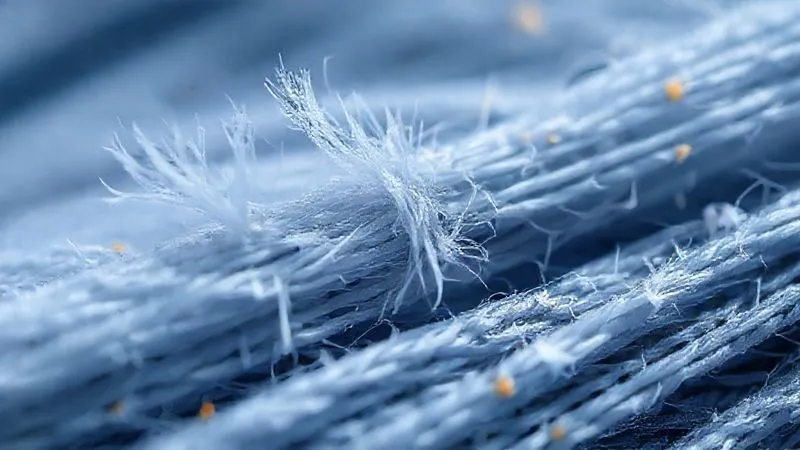
Every spin cycle, every agitation, puts stress on the delicate synthetic fibers of your activewear. Over time, this mechanical abrasion can break down individual fibers, leading to pilling and a reduction in the fabric's structural integrity. This damage can make the fabric less effective at forming the capillary channels needed for efficient wicking.
Chemical Breakdown of Treatments
Many premium activewear items have specialized DWR (Durable Water Repellent) or other wicking-enhancing treatments applied during manufacturing. While 'durable,' these treatments aren't eternal. Harsh detergents, high heat, and even frequent washing can slowly strip away these coatings, diminishing their effectiveness over the garment's lifespan. This is a natural process, but it can be accelerated by improper care.
The Role of Water Hardness
Hard water, rich in minerals like calcium and magnesium, can also contribute to residue buildup. These minerals can deposit onto fabric fibers, especially when combined with detergents, forming a dull film that interferes with wicking and can make clothes feel stiff. If you live in an area with hard water, this factor becomes even more critical in your activewear care routine.
Understanding Your Activewear Labels: More Than Just Suggestions
I cannot stress this enough: the care label stitched into your activewear is your garment's instruction manual. Ignoring it is like trying to assemble furniture without looking at the directions.
Deciphering Symbols: A Quick Guide
Familiarize yourself with common laundry symbols. A tub with one dot means cold wash, two dots means warm. A crossed-out triangle means no bleach. A square with a circle means tumble dry, with dots indicating heat levels. And critically, a crossed-out twisted symbol means no wringing, while a crossed-out circle means no dry cleaning. These symbols are universal for a reason.
Material-Specific Care: Polyester, Nylon, Spandex Blends
While general rules apply, specific blends might have nuances. Polyester is generally robust but sensitive to high heat. Nylon is similar but can be more prone to static. Spandex (elastane or Lycra) is heat-sensitive and its elastic properties are easily damaged by harsh chemicals or excessive heat, leading to loss of shape and fit. Always check the blend composition and tailor your care accordingly. For more detailed insights on general fabric care, I often recommend resources like Textile World's guide to care labels.
Restoring Wicking Efficacy: Practical Steps for Revival
If your activewear has already lost its wicking power, don't despair. There are methods to strip away accumulated residues and give your garments a second life.
- The Activewear Stripping Soak: Fill a clean tub or large basin with warm (not hot) water. Add about 1/2 cup of white vinegar and 1/4 cup of baking soda. Submerge your activewear (separate colors if concerned about bleeding, though vinegar usually sets colors). Let it soak for 2-4 hours, or even overnight. You might be shocked at the murky water, indicating the residue being released.
- Rinse Thoroughly: After soaking, remove the items and rinse them thoroughly under cool running water until no suds or discoloration remain. This is crucial for removing all the stripped residue.
- Machine Wash (Residue-Free): Immediately after rinsing, place the items in your washing machine. Use a small amount of sport-specific detergent (see below) or a very mild, residue-free detergent. Select a cold water, gentle cycle.
- Air Dry: Always air dry stripped activewear. Lay flat on a clean surface or hang on a non-snagging hanger, away from direct sunlight or heat.
The Importance of Cold Water and Gentle Cycles
As discussed, heat is the enemy. Cold water preserves the integrity of synthetic fibers and prevents setting in stains or odors. A gentle cycle minimizes mechanical stress, reducing fiber degradation and pilling. It’s a simple switch that makes a profound difference in extending the life and performance of your gear.
Choosing the Right Detergent: Sport-Specific Options
Invest in detergents specifically formulated for activewear. These detergents are designed to break down body oils and sweat efficiently without leaving behind residues that inhibit wicking. They often lack fabric softeners, dyes, and harsh enzymes that can damage performance fabrics. Brands like Hex Performance, Nathan Sport-Wash, or Rockin' Green are popular choices. For a deeper dive into ingredient transparency and environmentally friendly options, resources such as EWG's Guide to Healthy Cleaning can be invaluable.
Preventative Care: Extending the Life of Your Premium Gear
Prevention is always better than cure. Adopting these habits from day one will ensure your activewear performs optimally for years.
Pre-Treating Stains (Without Harsh Chemicals)
Address stains promptly. For sweat stains or light soil, a quick rinse under cold water immediately after your workout can prevent buildup. For tougher spots, use a tiny dab of your activewear-specific detergent directly on the stain, gently rub, and let sit for 15-30 minutes before washing. Avoid harsh stain removers or bleach, which can damage fibers and colors.
Air Drying: The Gold Standard
Whenever possible, air dry your activewear. The benefits are numerous: it eliminates heat damage, saves energy, and helps maintain the garment's shape and elasticity. Hang items on a line or lay them flat on a drying rack. If you must use a dryer, opt for the lowest heat setting or an air-fluff cycle, and remove items while still slightly damp.
Storing Activewear Correctly
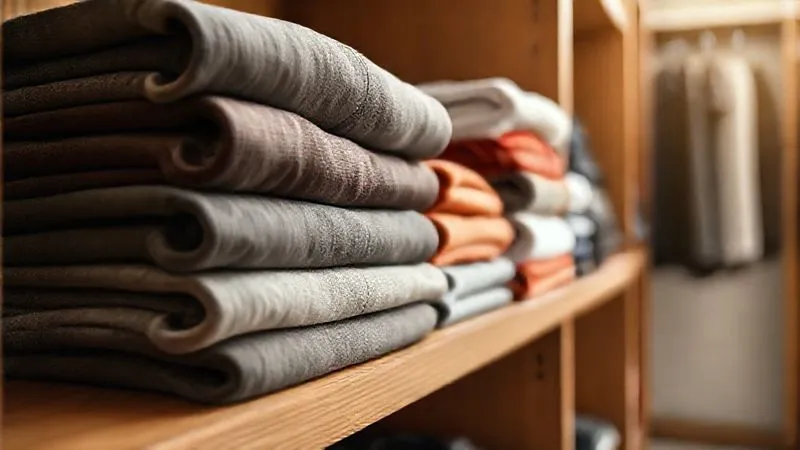
Store your clean, dry activewear in a cool, dry place. Avoid cramming it into overly full drawers, which can lead to creasing and stress on the fabric. Ensure garments are completely dry before storing to prevent mildew and odors, which can also degrade fabric over time.
When to Say Goodbye: Recognizing Irreversible Damage
While proper care can significantly extend the life of your activewear, there comes a point when a garment's performance is irreversibly compromised.
Signs of Permanent Loss of Function
Look for these indicators: persistent clamminess even after proper washing and drying, a constant 'gym smell' that won't dissipate, significant pilling or thinning of the fabric, loss of elasticity (especially in compression wear), or visible breakdown of the fabric structure. If your gear feels heavy and soggy even after a short workout, it might be time to retire it.
Sustainable Disposal Options
Don't just toss your old activewear in the trash. Many textile recycling programs accept synthetic fabrics. Companies like Patagonia have their own recycling initiatives, and local municipalities often have textile drop-off points. Consider repurposing items for rags or donating them if they're still in decent shape but no longer perform for intense workouts. For more information on textile recycling, you can consult organizations like the EPA's guide to textiles management.
Frequently Asked Questions (FAQ)
Can I use essential oils in my activewear wash? I strongly advise against it. While essential oils might smell pleasant, they are oils. Like fabric softeners, they can leave a residue on your activewear fibers, inhibiting their wicking capabilities and potentially trapping odors rather than eliminating them. Stick to detergents designed for performance fabrics.
How often should I strip my activewear? This depends on your usage and washing habits. If you're meticulous with care, perhaps once every 3-6 months. If you suspect residue buildup or notice a decline in performance, stripping can be done more frequently, say every 1-2 months. Listen to your garments – they'll tell you when they need a refresh.
Are all 'sport' detergents equally effective? Not necessarily. While 'sport' detergents are generally better than conventional ones for activewear, their effectiveness can vary. Look for formulations that specifically state they are residue-free, designed to tackle body oils and sweat, and ideally free of dyes, perfumes, and optical brighteners. Reading reviews and ingredient lists can help you make an informed choice.
Does hand washing activewear prevent wicking loss? Hand washing can certainly be gentler on your activewear, reducing mechanical stress. However, it doesn't automatically prevent wicking loss if you're still using fabric softener, harsh detergents, or not rinsing thoroughly. If you hand wash, ensure you're still following all the guidelines for detergent choice and complete rinsing. It's an excellent method, but only if done correctly.
What about activewear with antimicrobial properties? Activewear with antimicrobial treatments (often silver-based) is designed to inhibit odor-causing bacteria. While these treatments are generally durable, they can still be degraded by harsh chemicals, bleach, and excessive heat. Fabric softeners can also coat and render these treatments less effective. Follow the same gentle care guidelines to protect both the wicking and antimicrobial properties of your gear.
Key Takeaways and Final Thoughts
Navigating the world of premium activewear care doesn't have to be a mystery. By understanding the science and recognizing the common pitfalls, you can significantly extend the life and performance of your cherished gear. Here are the critical takeaways:
- Say NO to Fabric Softener: This is non-negotiable for wicking fabrics.
- Go Cold & Gentle: Always opt for cold water and a delicate wash cycle.
- Choose Wisely: Invest in sport-specific, residue-free detergents.
- Air Dry is Best: Avoid high heat from tumble dryers.
- Strip When Needed: Don't hesitate to use the vinegar/baking soda method to remove stubborn residues.
- Read the Label: Your garment's care instructions are your best guide.
Your premium activewear is an investment in your comfort, performance, and well-being. With a little knowledge and a few simple adjustments to your laundry routine, you can ensure it continues to support your active lifestyle, keeping you dry, comfortable, and focused, workout after workout. Don't let preventable mistakes compromise your gear's potential – empower yourself with proper care and enjoy the long-lasting benefits of truly effective activewear.
Recommended Reading
- 5 Proven Ways to Prevent Heat Damage on Fine Hair During Updos
- 7 Ways to Achieve Realistic Period Costume Aging Quickly, On Budget
- 7 Proven Strategies: Cut Footwear Returns from Premature Material Failure by 25%
- Mastering Couture: 7 Strategies for Flawless Fit Despite Posture Issues
- Mastering Artisan Training: 7 Steps for Haute Couture Skill Transfer
Your email address will not be published. Required fields are marked *