

How to Prevent Heat Damage on Fine Hair During Complex Updos?
For over two decades in the demanding world of beauty fashion, I've had the privilege of working with countless clients, from brides to runway models, all seeking that perfect, intricate updo. And time and again, I've witnessed the same core concern, especially from those with fine hair: the fear of heat damage. It's a delicate balance, isn't it? We crave the polished perfection and lasting hold that heat styling often provides, but the very tools we rely on can be the bane of fine, fragile strands.
The paradox is real: fine hair often struggles to hold a style, making heat an appealing shortcut for creating curls, waves, or sleek sections needed for complex updos. Yet, its inherent delicacy means it's far more susceptible to the irreversible damage of high temperatures – breakage, split ends, and a dull, lifeless appearance. This isn't just a cosmetic issue; it's a confidence killer, leaving clients hesitant to embrace the elaborate styles they truly desire.
But what if I told you that achieving a stunning, damage-free updo on fine hair isn't a pipe dream? In this comprehensive guide, I'll draw upon my years of hands-on experience and deep understanding of hair science to provide you with actionable frameworks, expert insights, and proven techniques. You’ll learn how to navigate the complexities of heat styling with precision, integrate smart product choices, and even leverage heatless alternatives to ensure your fine hair remains healthy, strong, and radiant, even when styled into the most intricate designs.
Understanding Fine Hair: Its Unique Vulnerabilities
Before we dive into prevention, it’s crucial to understand *why* fine hair reacts differently to heat. It’s not just 'thin' hair; it’s structurally distinct.
The Anatomy of a Fine Strand
Fine hair strands have a smaller diameter compared to medium or coarse hair. This often means they have fewer cuticle layers – the protective outer scales – and sometimes, even lack a medulla, the innermost core. This reduced structural integrity makes them inherently weaker and less resilient.
Why Fine Hair is More Prone to Heat Damage
With fewer protective layers, heat penetrates fine hair much more quickly and deeply. The keratin proteins, which form the hair's structure, denature and break down at lower temperatures and with shorter exposure times. This leads to common issues like:
- Increased Porosity: Damaged cuticles lift, making hair absorb and lose moisture rapidly.
- Loss of Elasticity: Hair becomes brittle, snapping easily.
- Dullness: Rough cuticles scatter light instead of reflecting it.
- Split Ends: The ends fray and split due to weakened structure.
- Color Fading: Damaged cuticles don't hold color pigments as effectively.
In my experience, treating fine hair like its coarser counterparts is one of the most common and detrimental mistakes stylists and individuals make. Its fragility demands a completely different approach.
The Foundation: Prepping Fine Hair for Heat Styling
Preparation is not just a step; it's the bedrock of damage prevention. Skipping these initial stages is like building a house on sand.
Gentle Cleansing and Conditioning
Start with a sulfate-free shampoo and a lightweight, strengthening conditioner. Look for ingredients like keratin, biotin, and silk proteins. Avoid heavy, rich formulas that can weigh down fine hair and make it greasy, requiring more heat styling later.
The Non-Negotiable Heat Protectant (and how to choose)
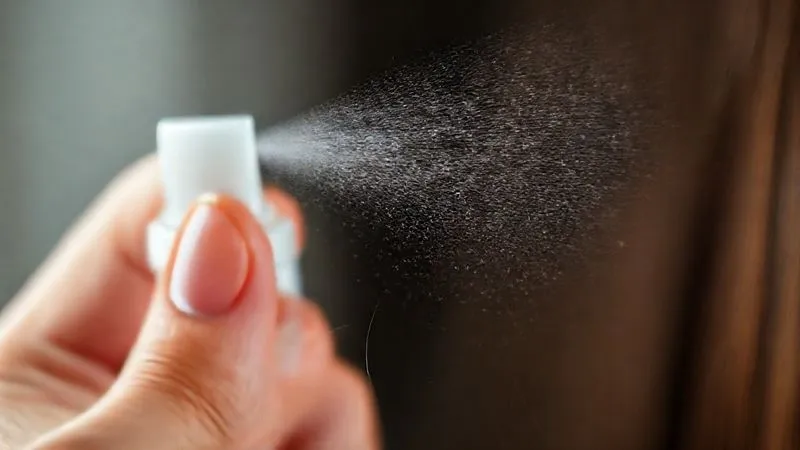
This is your hair's invisible shield. A high-quality heat protectant is absolutely essential for fine hair. It creates a barrier, distributing heat more evenly and reducing direct thermal impact.
- Choose Wisely: Look for lightweight sprays or mists specifically formulated for fine hair. Avoid creams or oils that might make it greasy or heavy.
- Key Ingredients: Dimethicone, cyclomethicone, and other silicones are excellent for heat protection and smoothing. Hydrolyzed proteins (wheat, rice, soy) can also help strengthen.
- Application is Key: Apply evenly to damp, towel-dried hair *before* any heat styling. Focus on the mid-lengths and ends, where damage is most prevalent. Don't saturate the hair; a fine mist is enough.
- Comb Through: Use a wide-tooth comb to distribute the product thoroughly from roots to ends, ensuring every strand is coated.
According to research published in the Journal of Cosmetic Science, certain polymers and silicones in heat protectants significantly reduce the thermal damage to hair fibers by lowering the thermal conductivity and forming a protective film.
Mastering Heat Application: Tools, Temperature, and Technique
Once prepped, it's about *how* you apply heat. This is where precision and mindfulness become your best friends.
The Right Tools Make All the Difference
- Ionic Blow Dryers: These emit negative ions that break down water molecules faster, reducing drying time and static. Look for models with multiple heat and speed settings.
- Ceramic or Tourmaline Styling Tools: These materials heat up evenly and emit far-infrared heat (tourmaline also produces negative ions), which is less damaging than direct heat.
- Adjustable Temperature Settings: Absolutely crucial. Avoid tools with only one 'on' setting.
- Smaller Barrel Curling Irons/Wands: For fine hair, smaller sections and quick curls are better. A 1-inch to 1.25-inch barrel is often ideal for updos.
Precision Temperature Control: Less is More
This is arguably the most critical rule for fine hair. You simply do not need the highest heat settings.
I've seen countless instances where clients, in their rush, crank up their flat irons or curling wands to 400°F (200°C) or higher. For fine hair, this is a death sentence. You're effectively frying the delicate protein structure.
For fine hair, aim for temperatures between 250°F (120°C) and 300°F (150°C). If your hair is particularly delicate or chemically treated, stay on the lower end. Always test a small, inconspicuous section first to see how your hair reacts.
| Hair Type | Recommended Temp Range | Max Exposure Time (per section) |
|---|---|---|
| Fine/Delicate | 250-300°F (120-150°C) | 5-10 seconds |
| Medium/Normal | 300-350°F (150-175°C) | 10-15 seconds |
| Thick/Coarse | 350-400°F (175-200°C) | 15-20 seconds |
Sectioning and Quick Passes: Minimizing Exposure
Proper sectioning ensures even heat distribution and prevents you from going over the same section multiple times.
- Small Sections: Work with small, manageable sections (1-2 inches wide). This allows the heat to penetrate quickly and effectively without prolonged exposure.
- Quick Passes: Whether straightening or curling, make quick, fluid passes with your tool. Don't let the heat sit on any one section for too long. For curling, hold the hair on the iron for just 5-10 seconds.
- Cool Down: After curling a section, gently cup the curl in your hand and let it cool completely before releasing. This sets the curl and provides a longer-lasting hold without needing more heat.
Strategic Styling: Integrating Heatless Techniques into Updos
The smartest way to prevent heat damage? Use less heat! Many elements of complex updos can be achieved with heatless methods.
Pre-Curl or Pre-Wave with Heatless Methods
For voluminous updos that require curls or waves, consider preparing your hair the night before without heat.
- Foam Rollers: Classic and effective for various curl sizes.
- Flexi Rods: Great for spiral curls and easy to sleep in.
- Braids: French or Dutch braids on damp hair overnight create beautiful, soft waves.
- Pin Curls: Section damp hair, curl into a coil, and pin to the scalp.
- Rag Curls: Strips of fabric can be used for soft, natural-looking curls.
These methods allow you to achieve the texture needed for your updo without any thermal stress. You might only need minimal touch-ups with a low-heat curling iron the day of the event.
Incorporating Braids and Twists for Texture
Braids, twists, and knots are fantastic for adding texture, volume, and intricate detail to an updo, often requiring no heat at all. These elements can be the star of your complex style, reducing the need for heat-styled curls or waves.
Product Power: Post-Styling & Hold Without Harm
Your product choices extend beyond just heat protectants. The right finishing products can enhance hold and shine without adding more heat.
Lightweight Hold Sprays and Mists
For fine hair, opt for flexible, buildable hold sprays. Heavy hairsprays can weigh hair down, making it stiff and prone to breakage if brushed out. Look for formulas that offer humidity resistance without a sticky residue. Apply in light, even layers from a distance.
Finishing Serums for Shine and Protection
A tiny amount of a lightweight finishing serum (e.g., argon oil, silicone-based) applied to the ends can add shine, smooth flyaways, and provide an extra layer of environmental protection without needing more heat.
Case Study: Sarah's Bridal Updo Dilemma
Case Study: Sarah's Bridal Updo Dilemma
Sarah, a bride-to-be with exceptionally fine, blonde hair, envisioned an elaborate, cascading braided updo for her wedding. Her biggest fear was the damage from intense heat styling, as her hair had previously suffered from over-processed curls. When she came to me, her hair was delicate and prone to breakage.
My approach began with a focus on deep conditioning treatments in the weeks leading up to the wedding. On the styling day, I used a lightweight heat protectant spray (containing silicones and hydrolyzed wheat protein) on her damp hair. Instead of direct heat curling, I used a low-heat blow dryer with a diffuser for gentle volume, followed by a technique of setting her hair in large, loose pin curls overnight with a light setting spray. The next morning, her hair had soft, natural-looking waves with incredible body.
For the updo itself, I gently released the pin curls, using only a wide-tooth comb to avoid disturbing the wave pattern. I then meticulously crafted the cascading braids, incorporating the natural texture. For any small sections requiring definition, I used a curling wand at the absolute lowest setting (260°F), holding each section for no more than 5 seconds. A flexible, humidity-resistant hairspray was applied in light layers to finish. The result? A breathtaking, voluminous updo that held perfectly throughout her wedding day, with her hair looking healthy, shiny, and completely undamaged. Sarah was ecstatic, proving that complex styles and fine hair health can coexist.
The Updo Itself: Gentle Handling & Secure Styling
Even during the actual pinning and shaping of the updo, fine hair requires a delicate touch.
Proper Pinning Techniques
Use smooth, coated bobby pins and hairpins. Avoid using too much force or pulling hair tightly. For fine hair, crisscrossing two bobby pins for extra hold often works better than trying to force one pin through a thick section, which can cause breakage. Choose pins that match your hair color to blend seamlessly.
Avoiding Excessive Tension
Tight updos can cause tension alopecia, especially on fine hair. When creating ponytails or sections, ensure they are secure but not painfully tight. Use soft, fabric-covered hair ties instead of rubber bands. Distribute the weight of the updo evenly to prevent strain on any single area.
Think of fine hair as delicate silk. You wouldn't yank or aggressively pull silk, and the same care should be applied to fine strands. Gentleness is paramount at every stage.
Long-Term Hair Health: Beyond the Updo
Preventing heat damage is an ongoing commitment to hair health, not just a one-time event.
Regular Trims and Deep Conditioning
Regular trims (every 6-8 weeks) are essential to remove split ends before they travel further up the hair shaft. Incorporate a weekly deep conditioning treatment or hair mask, focusing on hydration and strengthening ingredients. Look for hyaluronic acid, ceramides, and natural oils.
Nutrition and Hydration
What you put into your body directly impacts your hair. A balanced diet rich in proteins, vitamins (especially B vitamins, A, C, E), and minerals (iron, zinc) is vital for strong hair growth. Stay well-hydrated by drinking plenty of water.
As renowned dermatologist Dr. Audrey Kunin often emphasizes, "Healthy hair starts from within." Good nutrition supports the building blocks of strong hair, making it more resilient to external stressors like heat styling. For further reading on hair health and nutrition, consider resources like The American Academy of Dermatology's guidelines.
Frequently Asked Questions (FAQ)
Q: Can I ever use a flat iron on fine hair for an updo without damage? A: Yes, but with extreme caution. Use a ceramic or tourmaline flat iron with adjustable temperature. Set it to the lowest effective heat (250-280°F), apply a generous heat protectant, and make very quick, single passes on small sections. The goal is to smooth or create a soft bend, not to flatten aggressively. Prioritize heatless alternatives whenever possible.
Q: What's the best type of heat protectant for oily fine hair? A: For oily fine hair, opt for ultra-lightweight sprays or mists. Avoid any creams, lotions, or oil-based formulas. Look for oil-free or 'dry finish' formulas. Apply only from mid-lengths to ends, keeping it away from the roots to prevent weighing down or increasing oiliness.
Q: My fine hair still feels dry and brittle after updos, even with heat protectant. What am I doing wrong? A: This could be several factors. Are you using the correct temperature? Are you making too many passes with the heat tool? Is your heat protectant strong enough? Also, consider your pre-styling routine (deep conditioning) and post-styling care. Sometimes, hair needs a break from *any* heat. Ensure your tools aren't old and losing their temperature regulation.
Q: Are heatless curling methods truly effective for complex updos that need strong hold? A: Absolutely! Heatless methods can create a fantastic foundation of texture and volume. For strong hold, combine them with a good setting spray or mousse applied before the heatless method. The key is to let the hair cool and set completely before styling. You might use minimal heat for small touch-ups, but the bulk of the work is done without thermal damage.
Q: How often should I get professional treatments for fine hair if I frequently wear updos? A: If you frequently style your fine hair into complex updos, especially if some heat is involved, I recommend professional strengthening or hydrating treatments every 4-6 weeks. These treatments, like Olaplex or K18, can rebuild disulfide bonds and replenish moisture, significantly improving hair's resilience. Consult your stylist for personalized recommendations. For more information on professional hair treatments, resources like Allure magazine's beauty guides often feature expert insights.
Key Takeaways and Final Thoughts
Mastering the art of creating complex updos on fine hair without succumbing to heat damage is entirely achievable. It requires a blend of knowledge, patience, and the right techniques. Here are the critical takeaways:
- Understand Your Hair: Fine hair is delicate; treat it as such from cleansing to styling.
- Prioritize Preparation: A lightweight heat protectant is your non-negotiable first step.
- Master Heat Control: Use low temperatures (250-300°F) and quick passes with quality tools.
- Embrace Heatless: Integrate braids, rollers, and other heat-free methods for texture.
- Product Smart: Choose lightweight styling and finishing products for hold and shine.
- Gentle Handling: Be mindful during pinning and avoid excessive tension.
- Long-Term Care: Regular trims, deep conditioning, and good nutrition are foundational.
In my journey through the fashion and beauty industry, I've learned that true elegance lies not just in the style itself, but in the health and vitality of the hair that forms it. By adopting these expert strategies, you can confidently create the most intricate and beautiful updos, knowing that your fine hair is not just surviving, but thriving. Embrace the challenge, trust in these methods, and let your healthy, radiant hair be the ultimate statement of your style.
Recommended Reading
- The Secret Revealed: How Stylists Pick Celebrity Luxury Red Carpet Gowns
- 7 Ways to Elevate Casual Chic: Add Leadership Authority to Your Look
- 7 Proven Strategies: Turn Social Media Fashion Followers into Clients
- Why Do Bespoke Shoes Still Disappoint? Solving Fit Issues Now
- Menswear Style Tips for Short Men: Look Taller Instantly!

Your email address will not be published. Required fields are marked *