

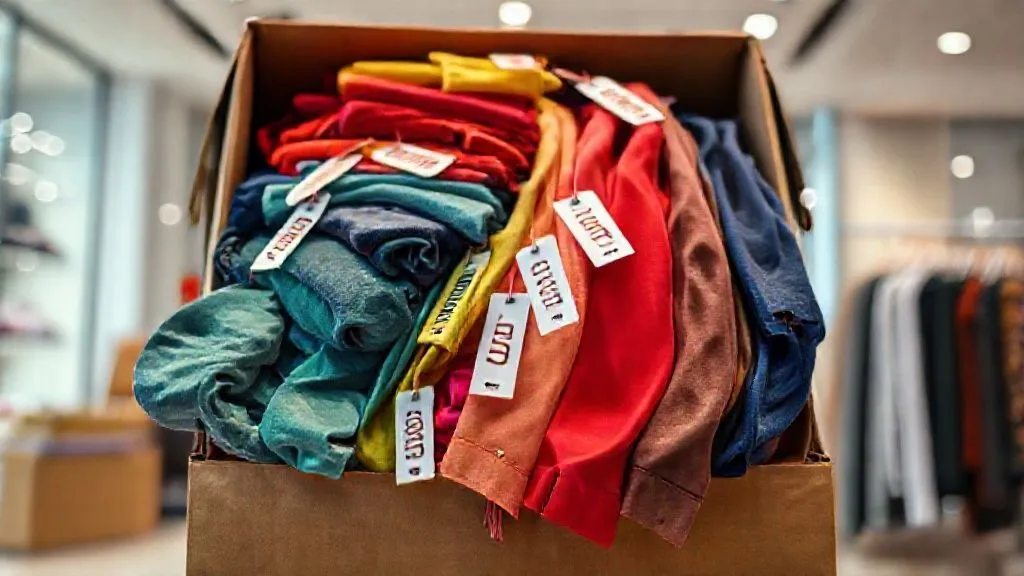
How to Effectively Clear Excess Womenswear Seasonal Inventory Fast?
For over 15 years in the dynamic world of womenswear fashion, I've witnessed firsthand how quickly trends shift and how devastating unsold seasonal inventory can be for a business. It's a common trap: optimistic buying, unexpected market changes, or simply misjudging demand can leave racks overflowing with last season's styles, tying up capital and suffocating future growth.
The problem isn't just about lost revenue; it's about the very health of your brand. Excess stock depreciates in value daily, incurs storage costs, and signals inefficiency, eroding consumer confidence and your profit margins. Many retailers resort to desperate, deep discounts that can damage brand perception and train customers to wait for clearance sales.
But what if there was a strategic, multi-faceted approach to not only effectively clear excess womenswear seasonal inventory fast but also protect your brand's integrity and set you up for future success? In this definitive guide, I'll share expert frameworks, actionable strategies, and real-world insights to help you transform your inventory challenges into opportunities, ensuring your womenswear business remains agile and profitable.
Understanding the Inventory Lifecycle and Why It Stalls
Before we dive into clearance strategies, it's crucial to understand the natural ebb and flow of womenswear inventory. Ideally, garments move from design to production, through distribution, onto the shop floor, and into customers' hands within a specific seasonal window. However, this perfectly choreographed dance often stumbles.
Common pitfalls include inaccurate forecasting, leading to overproduction of certain styles or sizes. Economic downturns, sudden shifts in fashion trends (think the rapid rise of athleisure over traditional formalwear), or even unforeseen global events can drastically impact consumer buying behavior. I've seen countless retailers caught off guard, left with beautiful but unsellable collections as the season quickly turns.
The key here is recognizing the early warning signs: declining sell-through rates, increased holding costs, and a growing pile of items that simply aren't resonating. Ignoring these signals is like ignoring a leak in your roof – it only gets worse. Proactive identification is the first step in learning how to effectively clear excess womenswear seasonal inventory fast, minimizing its impact.
Strategic Pricing: Beyond the Simple Discount
When faced with excess stock, the immediate reaction is often to slash prices. While discounts are necessary, a haphazard approach can erode perceived value and train customers to wait for sales. The goal is to clear inventory without devaluing your brand long-term.
Dynamic Pricing Models
Dynamic pricing isn't just for airlines; it's a powerful tool for womenswear retailers. It involves adjusting prices in real-time based on demand, inventory levels, competitor pricing, and even external factors like weather. For seasonal inventory, this means starting with moderate reductions and escalating strategically.
- Initial Markdown (10-20%): Introduce a subtle discount as the season begins to wane, targeting early bargain hunters.
- Mid-Season Adjustment (25-40%): As the new season approaches, apply a more significant markdown, but ensure it's still perceived as good value.
- Flash Sale/Limited Time Offer (40-60%): Create urgency with short-duration, deeper discounts on specific items or categories.
- Bundling Threshold (e.g., Buy One, Get One 50% Off): Encourage higher average transaction values by offering discounts on multiple items.
- Final Clearance (60%+): Reserve the deepest discounts for the very end of the season, for items that absolutely must go.
According to a report by Harvard Business Review, companies using dynamic pricing can see significant improvements in revenue and inventory turnover. It's about being smart, not just cheap.
Bundling and Gifting Strategies
Sometimes, a direct discount isn't the most appealing option. Bundling allows you to move slow-selling items by pairing them with popular ones. For example, a slow-moving seasonal top could be bundled with a best-selling pair of jeans for a combined price that offers perceived value. Similarly, offering a "gift with purchase" (e.g., a free accessory with a full-price seasonal dress) can incentivize sales without directly discounting the primary item.
| Strategy | Benefit | Risk |
|---|---|---|
| Dynamic Markdowns | Optimized revenue per unit, controlled brand perception | Requires careful monitoring, potential for customer frustration if not transparent |
| Bundling/Gifting | Increases average order value, moves slow-sellers discreetly | Perceived devaluation if bundles are poorly matched, can reduce perceived value of the 'gift' |
| Flash Sales | Generates rapid demand and urgency, attracts new customers | Can condition customers to wait for sales, logistical challenges |
Remember, the goal is to create compelling offers that feel like a win for the customer while achieving your inventory clearance objectives. This is a critical aspect of learning how to effectively clear excess womenswear seasonal inventory fast, without resorting to panic sales.
Optimizing Marketing Channels for Rapid Clearance
Effective marketing is paramount when you need to move inventory quickly. It's not enough to just put a "Sale" sign up; you need to strategically communicate the value and urgency across various channels.
Targeted Digital Campaigns
Digital marketing offers unparalleled precision. Utilize your customer data to segment audiences and tailor your clearance messages. For example, target customers who previously purchased similar styles or those who have shown interest in your brand but haven't converted recently.
- Email Marketing: Send exclusive early-access sale notifications to your VIP list. Segment lists by previous purchase history or browsing behavior to promote relevant items.
- Social Media Ads: Use platforms like Instagram and Facebook to showcase discounted items with high-quality visuals. Employ retargeting campaigns for users who viewed sale items but didn't purchase.
- Influencer Collaborations: Partner with micro-influencers whose audience aligns with your target demographic. They can style and promote clearance items in an aspirational way, shifting focus from "old stock" to "great deal."
- Search Engine Marketing (SEM): Bid on keywords like "womenswear sale," "seasonal fashion clearance," or specific product names at reduced prices to capture intent.

In-Store Experience and Visual Merchandising
Don't underestimate the power of your physical space. A well-executed in-store clearance can drive significant traffic and sales. Create a dedicated "Seasonal Steals" or "Last Chance" section that is visually appealing and easy to navigate. Use strong signage that communicates the value proposition clearly.
Visual merchandising for clearance isn't about throwing clothes on a table. It's about styling discounted items to make them desirable. Pair a sale dress with new accessories to show its versatility, or create compelling outfits using a mix of clearance and full-price items. The goal is to make the customer feel like they are discovering a hidden gem, not just rummaging through old stock.
Case Study: How Luxe Boutique Transformed Slow Sellers
Luxe Boutique, a high-end womenswear retailer, faced a common challenge: a substantial amount of unsold designer summer dresses as autumn approached. Instead of a blanket markdown, they implemented a multi-pronged approach. First, they emailed their top 20% of loyal customers with a "VIP Early Access" link to a private online sale, offering 30% off select summer styles. This generated initial buzz and sales. Simultaneously, in-store, they created a "Summer Farewell Edit" display, styling the dresses with transitional pieces (light jackets, ankle boots) to showcase their extended wearability. They also ran targeted Instagram ads featuring local micro-influencers wearing the sale dresses in aspirational settings. This strategic integration of digital and physical efforts allowed them to clear over 70% of their excess summer dress inventory within three weeks, preserving brand image and achieving healthy margins.
This case demonstrates the power of integrated marketing and merchandising when trying to effectively clear excess womenswear seasonal inventory fast.
Leveraging Alternative Sales Channels and Partnerships
Sometimes, your primary retail channels aren't enough to move stubborn inventory. Exploring alternative avenues can provide a much-needed boost and help you reach new customer segments.
Flash Sales and Pop-Up Events
Flash sales, often hosted online for a very limited time (e.g., 24-48 hours), create immense urgency. Promote these heavily through email and social media. Similarly, a temporary pop-up shop in a high-traffic location, perhaps sharing space with a complementary business (e.g., a jewelry store or a coffee shop), can attract new eyes to your discounted womenswear. The novelty of a pop-up can make clearance items feel like a special event rather than just old stock.
Wholesale and Liquidation Buyers
For inventory that simply won't move through traditional retail or even deep discounts, working with wholesale or liquidation buyers is a viable option. While the profit margins will be significantly lower, it's a guaranteed way to recover some capital and free up valuable warehouse space. It's crucial to vet these partners carefully to ensure they respect your brand's guidelines, especially regarding where and how the products will be sold. Negotiate clear terms to prevent your items from appearing in channels that could harm your brand's premium image.
As retail expert Doug Stephens often emphasizes, "The cost of inventory is far higher than the cost of sales." Sometimes, getting rid of it, even at a loss, is the smartest financial move. This aligns with the core objective of how to effectively clear excess womenswear seasonal inventory fast, sometimes even if it means minimal returns.
Donation and Recycling Initiatives (Ethical Clearance)
For items that are truly unsellable or when the cost of further discounting outweighs any potential return, consider ethical donation or recycling programs. Partnering with local charities, women's shelters, or textile recycling companies not only helps your community but also provides a positive brand story. While it doesn't generate revenue directly, it clears inventory, avoids landfill waste, and enhances your brand's corporate social responsibility (CSR) image. This can resonate strongly with today's conscious consumers and reduce storage costs.
Data-Driven Decision Making: Your Most Powerful Tool
In the past, inventory management was often based on gut feelings. Today, data analytics provides an invaluable compass. Understanding your numbers is key to preventing future excess and making informed decisions about current stock.
Key Inventory Metrics to Monitor
Regularly track these metrics to identify slow-moving inventory early and inform your clearance strategies:
- Sell-Through Rate: The percentage of inventory sold versus the amount received. A low sell-through rate is a red flag.
- Inventory Turnover: How many times inventory is sold and replaced over a period. High turnover is generally good, indicating efficient sales.
- Days Sales of Inventory (DSI): The average number of days it takes to turn inventory into sales. A high DSI means stock is sitting longer.
- Gross Margin Return on Investment (GMROI): Measures the profitability of your inventory. A declining GMROI on specific items indicates a problem.
- Markdown Percentage: The average discount applied to items. High percentages indicate poor initial buying or slow movement.
By regularly analyzing these metrics, you can pinpoint specific products, categories, or even sizes that are underperforming. This granular insight allows you to apply targeted clearance efforts rather than broad, less effective strategies.
Forecasting for Future Prevention
The best way to clear excess inventory is to prevent it in the first place. Implement robust forecasting models that consider historical sales data, current market trends, economic indicators, and even social media sentiment. Use predictive analytics to anticipate demand more accurately.
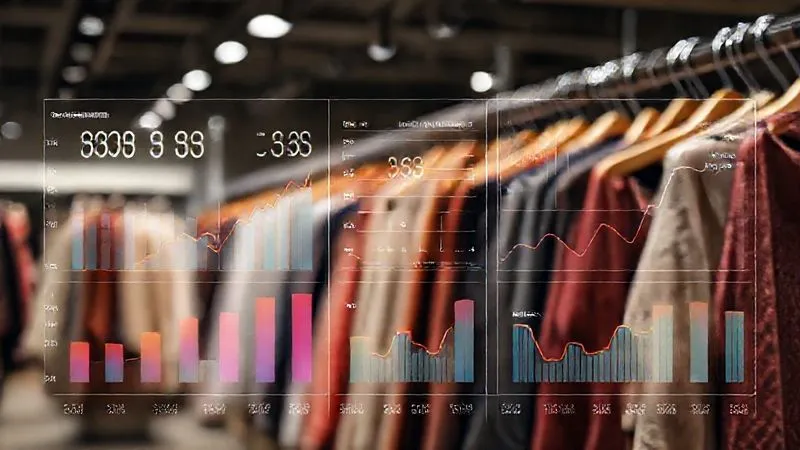
Investing in inventory management software that integrates with your POS and sales data can provide real-time visibility and powerful analytical tools. This proactive approach is fundamental to long-term profitability and avoids the recurring headache of how to effectively clear excess womenswear seasonal inventory fast.
Cultivating Customer Loyalty Through Exclusive Offers
Clearance sales don't have to be purely transactional. They can also be opportunities to strengthen customer relationships, especially with your most loyal shoppers. By offering exclusive deals, you make them feel valued, which can lead to repeat business and positive word-of-mouth.
VIP Pre-Sales and Member-Only Discounts
As mentioned in the Luxe Boutique case study, giving your loyal customers early access or deeper discounts on clearance items can be incredibly effective. This creates a sense of exclusivity and rewards their loyalty. It also allows you to test the waters with markdowns on a smaller, more receptive audience before a wider public sale. Loyalty program members could receive a special code for an additional 10% off clearance, making them feel privileged.
Loyalty Program Integration
Ensure your clearance strategy is integrated with your broader loyalty program. Can customers earn double points on sale items? Can they redeem points for an extra discount on clearance? These incentives encourage engagement and ensure that even during clearance, you're building long-term customer value. A well-structured loyalty program can transform a one-time bargain hunter into a repeat customer.
"True loyalty isn't bought with discounts alone; it's earned through consistent value, recognition, and a sense of belonging. Use clearance not just to offload, but to reinforce your commitment to your best customers."
This approach subtly shifts the narrative from "we need to get rid of this" to "we're offering a special opportunity to our valued community." It’s a powerful way to clear excess womenswear seasonal inventory fast while enhancing brand perception.
The Art of Storytelling in Clearance Sales
The way you frame your clearance sales can significantly impact their success and your brand's image. Avoid language that suggests desperation or poor planning. Instead, focus on value, opportunity, and the natural cycle of fashion.
Creating Urgency and Scarcity Ethically
Phrases like "Limited Stock," "Last Chance," or "Season Finale" create urgency without devaluing the product. Use countdown timers on your website and in emails for flash sales. Highlight the uniqueness of the items – "Once these styles are gone, they're gone forever." This taps into the fear of missing out (FOMO) but does so transparently and ethically, as the items genuinely are limited and seasonal.
Highlighting Value, Not Just Discount
Instead of just stating the percentage off, emphasize the original quality and craftsmanship of the womenswear items. "Invest in timeless pieces at an exceptional value," or "Elevate your wardrobe with premium designs at seasonal savings." Focus on the benefit to the customer – acquiring high-quality fashion at an accessible price point – rather than solely on the fact that it's "old" inventory. Use aspirational imagery even for sale items.
This subtle shift in messaging can make a significant difference in how customers perceive your clearance efforts and your brand as a whole. It helps in effectively clearing excess womenswear seasonal inventory fast while maintaining a strong brand identity.
Building Resilient Supply Chains to Prevent Future Excess
Ultimately, the most effective way to address excess inventory is to prevent it from accumulating in the first place. This requires a fundamental re-evaluation and strengthening of your supply chain and buying processes.
Agile Manufacturing and Just-In-Time Inventory
Moving towards more agile manufacturing processes allows for smaller, more frequent production runs based on real-time demand signals. This contrasts with traditional large-batch production, which can lead to significant overstock if initial forecasts are off. Just-in-Time (JIT) inventory principles, while challenging in fashion due to lead times, aim to minimize stock holding by receiving goods only as they are needed for sale or production. This requires close collaboration with suppliers and highly efficient logistics.
For fashion, this might mean producing core, evergreen pieces in larger quantities but highly seasonal, trend-driven items in smaller, more responsive batches. This reduces the risk of being stuck with large quantities of out-of-fashion stock.
Supplier Relationship Management
Strong relationships with your suppliers are paramount. Transparent communication about sales performance, demand fluctuations, and potential inventory issues can lead to more flexible production schedules, smaller minimum order quantities (MOQs), or even the ability to return unsold components. A collaborative supplier relationship can be a powerful buffer against inventory excess. According to McKinsey's 'State of Fashion' report, supply chain agility and resilience are top priorities for fashion businesses. Furthermore, Deloitte emphasizes that future-ready supply chains are built on deep collaboration and digital integration.

By implementing these strategic shifts in your supply chain, you minimize the likelihood of needing to effectively clear excess womenswear seasonal inventory fast in the future, transitioning from reactive clearance to proactive prevention.
Frequently Asked Questions (FAQ)
Q: What's the biggest mistake retailers make when clearing excess seasonal inventory? The most common and damaging mistake is waiting too long to act, hoping the inventory will eventually sell at full price. This ties up capital, incurs storage costs, and forces deeper, more desperate discounts later, which can severely damage brand perception. Another mistake is a blanket, untargeted discount that devalues the entire brand.
Q: How can I protect my brand image while running deep clearance sales? Protecting your brand image involves strategic communication and presentation. Avoid language that sounds desperate. Frame sales as "seasonal transitions" or "exclusive opportunities." Use high-quality visuals even for discounted items. Consider creating a separate "outlet" section online or in-store, or partnering with curated off-price retailers rather than general liquidators. Emphasize the original quality and value.
Q: Should I use external liquidation companies, and what are the risks? External liquidation companies can be a last resort for truly unsellable stock, providing a quick way to recover some capital and free up space. However, the risks include very low returns on investment and a lack of control over where your products are sold. If your items appear in channels that are inconsistent with your brand's image, it can significantly devalue your brand. Always vet liquidators thoroughly and establish clear contractual terms.
Q: How do I balance clearing old stock with introducing new seasonal collections? This requires careful timing and merchandising. Start clearing old stock *before* the new season fully launches, perhaps with exclusive pre-sales for loyal customers. Visually separate old and new collections in-store and online. Use marketing to create distinct narratives for each – urgency for clearance, excitement for new arrivals. The goal is a smooth transition, not a chaotic overlap.
Q: What role does sustainability play in inventory clearance? Sustainability is increasingly vital. Consumers are conscious of waste. Instead of simply discarding unsold inventory, explore options like donating to charities, upcycling through partnerships with designers, or engaging with textile recycling programs. Communicating these ethical disposal methods can enhance your brand's reputation and appeal to environmentally conscious customers, turning a problem into a positive brand story.
Key Takeaways and Final Thoughts
Effectively clearing excess womenswear seasonal inventory fast is a multifaceted challenge that demands a strategic, data-driven, and brand-conscious approach. It's not just about reducing prices; it's about optimizing every step from pricing and marketing to alternative channels and, critically, future prevention.
- Act Early and Strategically: Don't let inventory fester. Implement dynamic pricing and phased markdowns.
- Leverage All Channels: Utilize targeted digital campaigns, enhance in-store merchandising, and explore alternative sales avenues.
- Embrace Data: Monitor key metrics and use insights to inform both clearance efforts and future buying decisions.
- Protect Your Brand: Frame clearance sales ethically, focusing on value and opportunity rather than desperation.
- Prevent Future Excess: Invest in agile supply chains, strong supplier relationships, and accurate forecasting.
As an industry veteran, I can tell you that successful inventory management is a continuous cycle of learning and adaptation. By implementing these strategies, you're not just clearing racks; you're strengthening your brand, improving cash flow, and building a more resilient, profitable womenswear business. The ability to effectively clear excess womenswear seasonal inventory fast is a hallmark of an agile and well-managed fashion enterprise. Embrace these challenges as opportunities for growth and refinement, and watch your business thrive.
Recommended Reading
- Scaling Artisan Luxury: 7 Proven Pillars to Maintain Quality & Craft
- 7 Expert Steps: Repair Bespoke Men's Dress Shoes Without Leather Damage
- Top Picks: Discover the Best Contemporary Urban Streetwear Brands Now!
- Mastering Statement Accessories: 7 Steps to Curate a Collection That Sells
- 7 Style Pillars: Look Authoritative in Your Business Casual Office





Your email address will not be published. Required fields are marked *