

Why Does My Premium Activewear Lose Breathability After Repeated Washes?
For over 15 years in the activewear industry, I've seen countless innovations in fabric technology, from advanced sweat-wicking to incredible four-way stretch. Yet, one question consistently surfaces from dedicated athletes and fitness enthusiasts: 'Why does my premium activewear lose breathability after repeated washes?' It's a frustrating experience, isn't it?
You invest in high-performance gear, expecting it to keep you cool, dry, and comfortable through the most intense workouts. Initially, it delivers. But after a few cycles through the laundry, that once-pristine, airy feel starts to diminish. Your expensive leggings feel clammy, your technical top seems to trap heat, and suddenly, your premium activewear isn't performing as promised. It feels like a betrayal of your investment and your trust in the brand.
I understand this frustration deeply. In this comprehensive guide, I'll pull back the curtain on the science behind activewear degradation. We'll explore the hidden culprits in your laundry routine, delve into the subtle ways fabrics change over time, and most importantly, I'll provide you with actionable strategies, expert insights, and proven techniques to not only slow down this process but also restore the breathability and performance of your beloved activewear. Prepare to reclaim the comfort and efficiency you paid for.
The Science of Sweat: How Breathable Fabrics Work (And Fail)
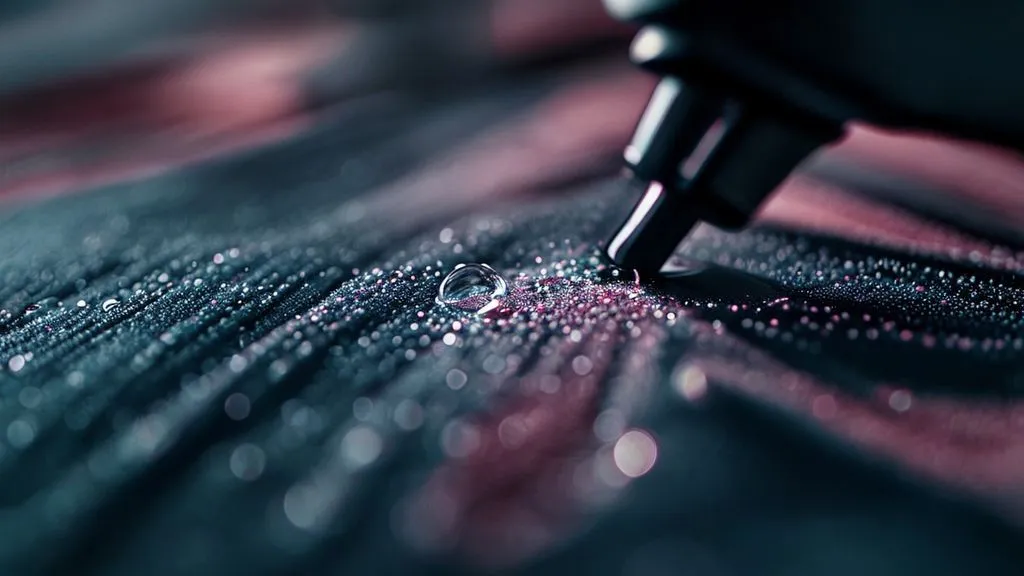
To understand why your premium activewear loses breathability, we first need to grasp how these sophisticated fabrics work their magic. At their core, breathable fabrics are engineered to manage moisture and regulate temperature. They achieve this primarily through two mechanisms: wicking and ventilation. Wicking involves capillary action, where moisture (sweat) is drawn away from your skin to the fabric's outer surface, where it can evaporate more easily. Ventilation, on the other hand, refers to the fabric's ability to allow air to circulate through its weave, dissipating heat and moisture.
Most premium activewear utilizes synthetic fibers like polyester, nylon, and spandex (elastane). Polyester is renowned for its hydrophobic (water-repelling) properties, making it excellent for wicking. Nylon offers durability and a smooth feel, while spandex provides the crucial stretch and recovery. These fibers are often spun into complex structures, sometimes with micro-channels or textured surfaces, specifically designed to maximize surface area for evaporation and create pathways for airflow. The magic lies in this intricate engineering, which balances moisture management with comfort and flexibility.
However, this delicate balance is highly susceptible to disruption. Over time, and particularly after repeated washes, the very properties that make these fabrics so effective can be compromised. The microscopic structure of the fibers can change, the surface tension can alter, and external factors can interfere with their intended function. It's a gradual process, but one that significantly impacts your comfort and performance.
In my experience, the true genius of activewear lies in its ability to create a microclimate around your body. When that system fails, even slightly, your entire workout experience suffers. It's not just about looking good; it's about feeling good and performing at your best.
The Unseen Culprits: Detergents, Softeners, and Residue Buildup
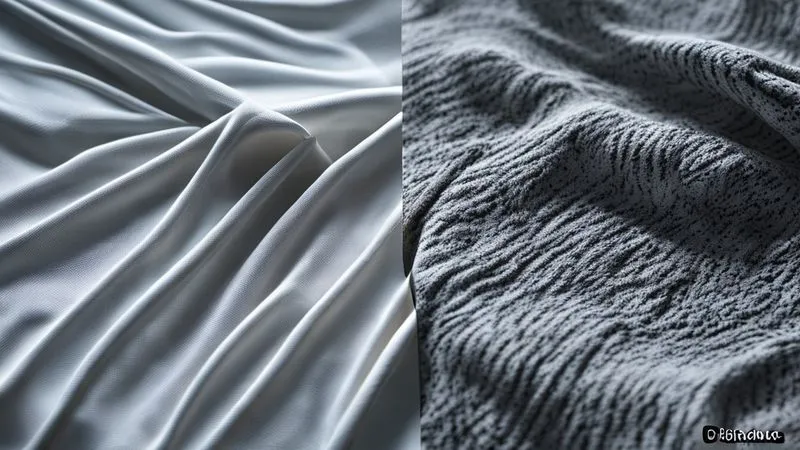
One of the most significant reasons your premium activewear loses breathability lies hidden in your laundry basket: the products you use for washing. Conventional detergents, especially those with heavy perfumes, dyes, and optical brighteners, can leave a microscopic residue on fabric fibers. This residue acts like a thin, invisible film that clogs the tiny pores and channels designed for wicking and ventilation. Imagine trying to breathe through a very fine mesh that's slowly getting coated with a sticky substance – that's what's happening to your fabric.
Fabric softeners are perhaps the biggest offender. While they make your cotton towels feel fluffy, they are an absolute nemesis for activewear. Fabric softeners work by depositing a thin, waxy coating on fibers, which reduces static and makes them feel softer. For performance fabrics, this coating is catastrophic. It completely blocks the moisture-wicking properties by preventing water from being absorbed and transported. It also traps odors, making your gear smell worse over time, as bacteria adhere more easily to the softened surface.
Even if you avoid softeners, improper detergent usage can still lead to issues. Using too much detergent, or not rinsing thoroughly enough, can leave behind a buildup that contributes to the problem. This isn't just about breathability; it also affects the fabric's elasticity and overall lifespan. I’ve seen countless cases where clients complained about their gear feeling heavy or losing stretch, only to discover they were using a conventional detergent with fabric softener.
- Opt for Sport-Specific Detergents: These are formulated to break down body oils and sweat salts without leaving heavy residues. They often contain enzymes that target specific organic compounds found in sweat.
- Use Less Detergent: Even with sport-specific detergents, less is often more. Follow the instructions carefully, and consider using half the recommended amount for lightly soiled items.
- Avoid Fabric Softeners Entirely: This is non-negotiable for activewear. If you're concerned about static, use dryer balls instead.
- Rinse Thoroughly: If your washing machine has an extra rinse cycle, use it. Ensuring all detergent is washed away is crucial for maintaining fabric integrity.
According to a study published by Applied and Environmental Microbiology, detergent residue can indeed contribute to the retention of microbial growth in textiles, which directly impacts odor and, by extension, the perceived cleanliness and performance of the fabric.
| Detergent Type | Pros for Activewear | Cons for Activewear | Impact on Breathability |
|---|---|---|---|
| Standard Laundry Detergent | Good for general cleaning | Leaves residue, clogs fibers, contains softeners/dyes | High negative impact |
| Sport-Specific Detergent | Formulated for sweat/odor, minimal residue | Can be more expensive | Low negative impact, maintains performance |
| Eco-Friendly/Mild Detergent | Less harsh chemicals, fewer dyes | May not fully tackle tough odors/oils | Moderate negative impact if not fully rinsed |
The Impact of Washing Cycles and Water Quality
Beyond the detergents themselves, the very act of washing plays a significant role in how your activewear ages. The temperature of the water, the aggressiveness of the wash cycle, and even the mineral content of your tap water can all contribute to the loss of breathability and overall fabric degradation.
Hot water, while effective for sanitizing, is generally detrimental to synthetic performance fabrics. High temperatures can break down the delicate elastic fibers (like spandex) that give activewear its stretch and shape retention. More importantly, hot water can cause the pores of the fabric to constrict or even melt slightly at a microscopic level, impeding airflow and wicking. It can also 'bake in' sweat residues and body oils, making them harder to remove in subsequent washes and further clogging the fabric.
Similarly, an aggressive wash cycle, such as a 'heavy duty' setting, can cause excessive friction and abrasion. This mechanical stress can damage the integrity of the fabric's surface, leading to pilling and weakening the fibers. When fibers are damaged, their carefully engineered structure for wicking and ventilation can be compromised, leading to a noticeable reduction in breathability. Always opt for a 'delicate' or 'sportswear' cycle.
Case Study: Sarah's Cycling Jersey Dilemma
Sarah, an avid cyclist, invested in a top-tier cycling jersey, praising its exceptional breathability on long rides. After about six months, she noticed it felt heavier, less airy, and wasn't wicking sweat effectively. I advised her to review her washing habits. It turned out she was washing it with her regular laundry on a warm cycle, using a standard detergent and occasionally, a fabric softener. We switched her to cold water, a delicate cycle, and a sport-specific detergent, completely eliminating fabric softener. Within a few washes, she reported a significant improvement in the jersey's performance, feeling lighter and more breathable, demonstrating how quickly proper care can reverse some of the damage.
Finally, water quality can be an overlooked factor. Hard water, rich in minerals like calcium and magnesium, can leave behind deposits on your clothing. These mineral deposits, much like detergent residue, can accumulate within the fabric's weave, reducing its ability to wick moisture and allow air to pass through. If you live in an area with hard water, consider using a water softener for your laundry or adding a cup of white vinegar to the rinse cycle periodically to help dissolve mineral buildup.
Treat your activewear like the precision instrument it is. It's not just a piece of clothing; it's a performance tool. Gentle care is not just a suggestion; it's a necessity for longevity and sustained performance.
The Enemy Within: Body Oils, Sweat Salts, and Bacteria
While external factors like detergents are significant, the very elements your activewear is designed to manage – your body's own excretions – can also contribute to its loss of breathability. Sweat is not just water; it contains salts, minerals, and proteins. Our skin also produces natural oils. Over time, these substances accumulate within the fabric fibers, even after washing.
These body oils and sweat salts can bond to the synthetic fibers, creating a microscopic film that, much like detergent residue, clogs the fabric's pores. This buildup impedes the capillary action essential for wicking, meaning sweat stays on your skin longer, leading to that clammy, heavy feeling. Furthermore, these residues provide a breeding ground for bacteria, which are the primary cause of unpleasant odors in activewear. While odor isn't directly breathability, a garment that smells consistently 'off' often indicates a deeper issue with trapped residues that are also impacting its performance.
The key here is effective pre-treatment and specialized cleaning. Simply tossing sweaty clothes into the hamper for days allows these substances to dry and set into the fibers, making them much harder to remove. I always recommend washing activewear as soon as possible after a workout, or at the very least, rinsing it thoroughly and hanging it to dry before placing it in the laundry basket.
For persistent issues, a pre-soak can be incredibly effective. A solution of white vinegar and water (1 part vinegar to 4 parts water) can help break down sweat salts and oils, as vinegar is a mild acid. For heavier odors and buildup, there are also specialized enzyme-based pre-soak treatments designed to target and digest the organic compounds found in sweat. This proactive approach is critical for preventing the long-term accumulation that ultimately chokes the fabric's performance.
Research from Nature Scientific Reports highlights how different textile fibers interact with human skin microbes, demonstrating the complex relationship between fabric, sweat, and bacterial growth, underscoring the importance of proper cleaning to prevent microbial biofilms that can further impair fabric function.
Understanding Fabric Degradation: Beyond the Wash Cycle
While washing habits are a major factor, it's important to acknowledge that activewear also experiences degradation from general wear and tear, and environmental factors that are separate from the laundry room. These factors contribute to the overall decline in a garment's performance, including its breathability.
One significant culprit is UV exposure. If you frequently exercise outdoors, prolonged exposure to sunlight can break down the molecular structure of synthetic fibers. This can weaken the fabric, reduce its elasticity, and alter its surface properties, making it less effective at wicking and ventilation. Think of how old plastic becomes brittle and discolored in the sun; fabrics undergo a similar, albeit more subtle, process.
Friction and abrasion are also constant enemies. Whether it's the rubbing of your activewear against gym equipment, backpack straps, or even your own body during repetitive movements, this mechanical stress wears down the fibers. This can lead to pilling (those tiny balls of fabric that form on the surface) and a general thinning or roughening of the fabric. Pilling, in particular, creates a less smooth surface, which can hinder moisture transfer and trap heat, making the garment feel less breathable.
The breakdown of elastane (spandex) is another common issue. Elastane is crucial for the stretch and recovery of activewear, allowing it to move with your body and retain its shape. However, elastane is highly susceptible to damage from heat, chlorine, and certain chemicals found in detergents and fabric softeners. When elastane degrades, the fabric loses its 'snap,' becomes baggy, and its overall structure can loosen, impacting how it sits against the skin and, consequently, how effectively it wicks moisture.
Even the simple act of putting on and taking off your activewear, especially if it's tight-fitting, stretches the fibers. Over hundreds of uses, this repeated stretching and recovery cycle can lead to microscopic damage and a gradual loss of the fabric's original integrity. It's a testament to the fact that even the most premium activewear has a finite lifespan, and understanding these degradation pathways helps us appreciate the importance of holistic care.
Restoring Breathability: Expert Techniques and Preventative Measures
The good news is that for many instances of diminished breathability, there are effective strategies to restore your activewear's performance. It's not always a lost cause, especially if you catch the problem early. The key is to systematically address the residue buildup and treat the fabric gently.
My first recommendation for restoring breathability is a deep cleaning cycle involving white vinegar. Vinegar is a mild acid that can help break down alkaline detergent residues, sweat salts, and mineral deposits without harming synthetic fibers. It's a natural, inexpensive, and incredibly effective solution.
- The Vinegar Soak: Fill a sink or tub with cool water. Add 1 cup of white distilled vinegar for every gallon of water. Submerge your activewear completely and let it soak for 30 minutes to an hour. For heavily soiled or older items, you can extend this to a few hours or even overnight.
- Gentle Wash Cycle: After soaking, remove the activewear and place it in your washing machine (without rinsing the vinegar solution off). Add a small amount of sport-specific detergent. Select a cold water, delicate cycle, and ensure an extra rinse option is engaged if available.
- Air Dry Completely: Hang your activewear to air dry. Avoid the dryer, especially high heat, as heat can set in residues and further damage fibers. Air drying allows for maximum ventilation and prevents further heat-induced degradation.
- Repeat if Necessary: For very stubborn cases, you might need to repeat the vinegar soak and wash cycle.
For particularly persistent odors and residues, specialized activewear cleaners that utilize enzyme technology can be highly beneficial. These enzymes are designed to break down the proteins and lipids found in sweat, effectively 'eating away' the source of odors and clogs. I've seen excellent results with brands that focus specifically on technical fabric care.
Preventative measures are, of course, the best strategy. Always turn your activewear inside out before washing to protect the outer surface and allow the inner, sweat-contacting surface to get cleaner. Zip up zippers and fasten hooks to prevent snagging. Wash similar fabrics together to avoid abrasion from rougher materials like denim or towels. And remember, air drying is king for longevity. If you must use a dryer, use the lowest heat setting or an air-fluff cycle, and remove items while they are still slightly damp.
For further insights into proper activewear maintenance, I often refer to comprehensive guides from reputable sources like REI's expert advice on caring for running gear, which aligns perfectly with maintaining breathability.
Making Your Premium Activewear Last: A Long-Term Care Strategy
Your premium activewear is an investment, not just in comfort and performance, but in your fitness journey. Treating it with a long-term care strategy ensures that investment pays off for years to come. It’s about being mindful and consistent with your habits, recognizing that each piece of gear has specific needs.
Beyond the washing machine, consider the 'in-between' care. Never leave sweaty activewear balled up in a gym bag. This creates a perfect humid environment for bacteria to multiply and odors to set in. As soon as you're done with your workout, either wash the items immediately or at least hang them to air out. This simple step can dramatically reduce odor buildup and make subsequent washing more effective.
Spot treatment can also extend the life and performance of your garments. If you notice a particular stain or a persistent sweaty area, pre-treat it before washing. A dab of sport-specific detergent directly on the affected area, gently rubbed in, can work wonders. For stubborn odors, a quick spray with an enzyme-based odor remover designed for fabrics can be a good interim solution, but it shouldn't replace proper washing.
Finally, think about storage. While not directly related to breathability, proper storage prevents unnecessary wear and tear. Fold your activewear neatly or hang it to prevent stretching and snagging. Avoid cramming it into overcrowded drawers, which can compress fibers and accelerate degradation. A well-organized activewear wardrobe is not just aesthetically pleasing; it's a practical step towards preserving your gear.
The longevity of your activewear isn't just about the fabric; it's about the entire ecosystem of care you provide. From workout to wash to storage, every step contributes to maintaining its peak performance.
| Action | Benefit | Frequency |
|---|---|---|
| Wash Immediately After Use | Prevents odor, reduces residue setting | Every use |
| Use Sport-Specific Detergent | Cleans effectively without residue | Every wash |
| Avoid Fabric Softener | Maintains wicking & breathability | Always |
| Wash Cold & Delicate Cycle | Protects fibers, reduces damage | Every wash |
| Air Dry (or Low Heat) | Prevents heat damage, maintains elasticity | Always |
| Vinegar Soak for Buildup | Removes residues, restores function | Monthly or as needed |
Frequently Asked Questions (FAQ)
Can I use fabric softener on activewear if it says 'sports safe'? Absolutely not. In my long career, I've seen many brands attempt to market 'sports-safe' fabric softeners, but the underlying chemistry of softeners—depositing a coating on fibers—is fundamentally detrimental to the wicking and breathability of activewear. Even if it claims to be 'safe,' it will still interfere with the fabric's technical properties. Stick to sport-specific detergents and dryer balls for static.
How often should I wash my premium activewear? Ideally, activewear should be washed after every single use. Sweat, body oils, and bacteria accumulate quickly, and allowing them to dry and set into the fabric makes them much harder to remove later. If immediate washing isn't possible, at least rinse the item thoroughly with cool water and hang it to air dry before putting it in the laundry hamper to prevent odor and residue buildup.
What's the best way to deal with persistent odors in activewear? Persistent odors are a strong indicator of residue buildup. My go-to solution is a white vinegar soak (1 part vinegar to 4 parts cool water) for at least 30 minutes, followed by a cold, delicate wash with a sport-specific detergent and an extra rinse. For very stubborn cases, an enzyme-based activewear pre-soak or detergent can break down the organic compounds causing the smell. Never use bleach, as it can damage synthetic fibers.
Does hand washing make a difference for activewear breathability? Yes, hand washing can absolutely make a positive difference, especially for delicate or high-value pieces. It provides a gentler clean, minimizes abrasion, and allows you to focus on thoroughly rinsing out all detergent. If you have the time, a hand wash in cool water with a mild sport-specific detergent, followed by a thorough rinse, is an excellent way to preserve fabric integrity and breathability.
Are all 'sports detergents' truly effective, or is it just marketing? While marketing plays a role, many sport-specific detergents are genuinely more effective for activewear than conventional detergents. They are typically formulated with enzymes that target body oils and sweat proteins, and they often lack the heavy perfumes, dyes, and fabric softeners that clog performance fabrics. However, always check the ingredient list and opt for reputable brands known for technical fabric care. Not all are created equal, but the good ones are worth the investment.
Key Takeaways and Final Thoughts
- Avoid Fabric Softeners at All Costs: They are the primary enemy of activewear breathability.
- Choose the Right Detergent: Opt for sport-specific, low-residue detergents and use sparingly.
- Wash Cold and Gentle: Preserve fiber integrity by using cool water and delicate cycles.
- Embrace Air Drying: Heat is detrimental to synthetic performance fabrics.
- Pre-treat & Pre-soak: Address sweat, oils, and odors promptly with vinegar or enzyme cleaners.
- Mindful Care Extends Life: From immediate post-workout airing to proper storage, every step matters.
Losing the breathability of your premium activewear isn't just an inconvenience; it can genuinely impact your performance and enjoyment. But as an industry specialist, I want to assure you that this problem is largely preventable and often reversible. By understanding the science behind fabric degradation and implementing these expert-backed care strategies, you're not just doing laundry; you're actively preserving your investment and ensuring your gear continues to support your active lifestyle. Take these insights, apply them diligently, and get back to experiencing the full comfort and performance your premium activewear was designed to deliver. Your skin – and your workouts – will thank you.
Recommended Reading
- 7 Proven Strategies: Halting Fast Fashion's Replication of Couture Designs
- Chafe-Free Ultras: 7 Design Principles for Activewear That Prevents Blisters
- Unsold Hype? 5 Strategies to Cut Sneaker Inventory Losses Now
- Haute Couture as Art: 7 Proven Strategies for Elite Collectors
- 7 Ways to Master Dress Shoe Comfort Without Sacrificing Style
Your email address will not be published. Required fields are marked *