

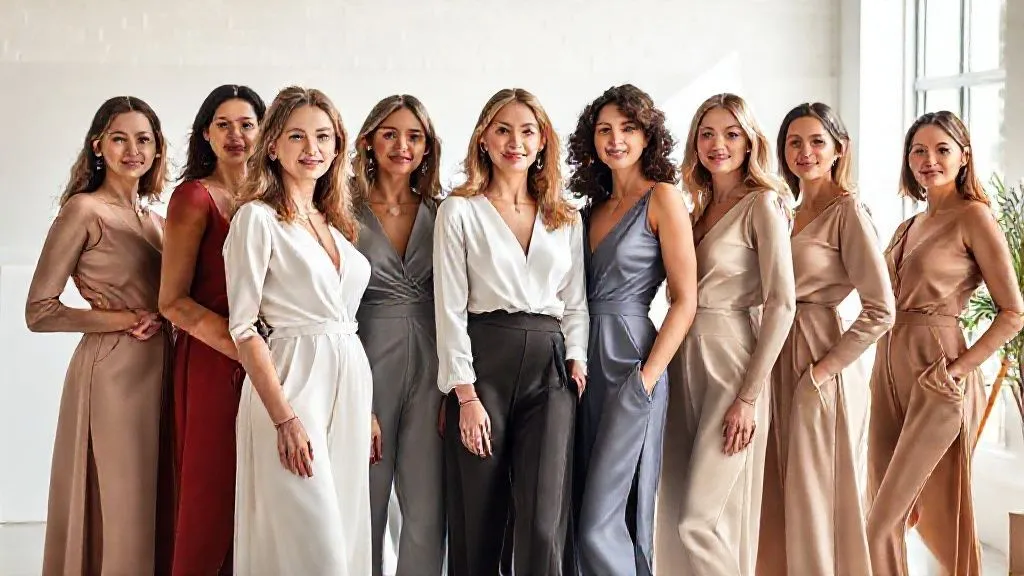
How to Design Womenswear That Flatters Diverse Body Shapes Across Ages?
For over two decades in the dynamic world of womenswear, I've observed a recurring challenge that often goes unaddressed at the design table: the disconnect between the incredible diversity of real bodies and the standardized sizing charts the industry largely relies upon. From the bustling ateliers of New York to the innovative studios of Milan, the pursuit of 'ideal' forms has, paradoxically, often alienated a significant portion of the market.
The industry frequently grapples with a narrow definition of beauty, leading to garments that, while aesthetically pleasing on a model, fail to translate into comfortable, confidence-boosting wear for the everyday woman. This oversight isn't just a missed business opportunity; it's a fundamental failure to celebrate and accommodate the very people we aim to dress. The pain point is palpable: women of all ages and sizes struggle to find clothing that genuinely makes them feel seen, stylish, and comfortable.
This article isn't just about trends; it's about a foundational shift in design philosophy. I'll guide you through seven profound principles, developed through years of experience and countless pattern revisions, that will empower you to design womenswear that flatters diverse body shapes across ages. We'll move beyond superficial fixes to embrace actionable frameworks, real-world analogies, and expert insights that promise to transform your approach to truly inclusive fashion.
Understanding the Core Challenge: Beyond Size Charts
The traditional fashion industry has long operated under a 'one-size-fits-most' mentality, which has proven to be a significant barrier to inclusivity. We've been taught to categorize bodies into simplistic archetypes – apple, pear, hourglass – but real human forms are far more nuanced. Add to this the complexities of age-related physiological changes, from shifting proportions to varying skin sensitivities, and the challenge becomes even more intricate.
My experience has shown that designers often start with an idealized form on a mannequin, then attempt to 'scale' it up or down. This approach rarely yields truly flattering results across a broad spectrum. Instead, it often creates garments that fit poorly, pinch, pull, or simply fail to enhance a woman's natural lines. The core problem isn't just about size; it's about understanding body geometry, movement dynamics, and the psychological impact of fit.
“True inclusivity in design begins not with a standard, but with a deep, empathetic understanding of human variation. It's about designing for life, not just for a runway.”
Ignoring these fundamental aspects leads to a cycle of consumer frustration and returned merchandise. To truly succeed, we must re-evaluate our starting point and adopt a holistic perspective that prioritizes the wearer's experience from concept to creation. This means moving beyond generic measurements to embrace a more granular understanding of how different bodies interact with fabric and form.
Principle 1: Embrace the Power of Proportions and Silhouettes
The secret to flattering design lies not in hiding or accentuating specific features, but in creating harmonious visual proportions that enhance the wearer's natural elegance. Different silhouettes naturally complement various body shapes and can be adapted across age groups to maintain a sense of modernity and comfort. Think of the timeless appeal of an A-line skirt or a well-cut wrap dress – their inherent design allows for flexibility.
In my work, I've seen how strategically chosen hemlines, necklines, and waist placements can dramatically alter how a garment is perceived on the body. For instance, an empire waist can lengthen the torso, while a V-neck can elongate the neckline, creating a sense of balance. The goal is to achieve an optical illusion of equilibrium, regardless of the individual's specific measurements.
- Identify Key Balance Points: Understand where the natural waist, hip, and shoulder lines fall on diverse body types. Design elements should intersect or originate from these points to create visual anchors.
- Experiment with Hemlines: Different hemlines – knee-length, midi, maxi – can flatter various leg lengths and calf shapes. Consider adjustable or asymmetrical hemlines for added versatility.
- Strategize Necklines: V-necks, scoop necks, and boat necks all have different effects. A V-neck can elongate, while a wider scoop or boat neck can balance broader shoulders or draw attention upwards.
- Master Waist Placement: High-waisted designs can lengthen legs, while an empire waist can provide comfort and a flowing silhouette. Consider elasticated or adjustable waistbands for adaptability.
- Utilize Vertical and Diagonal Lines: Seams, pleats, and patterns that create vertical or diagonal lines can visually lengthen and streamline the body, offering a universally flattering effect.
Principle 2: Fabric First – Texture, Drape, and Comfort
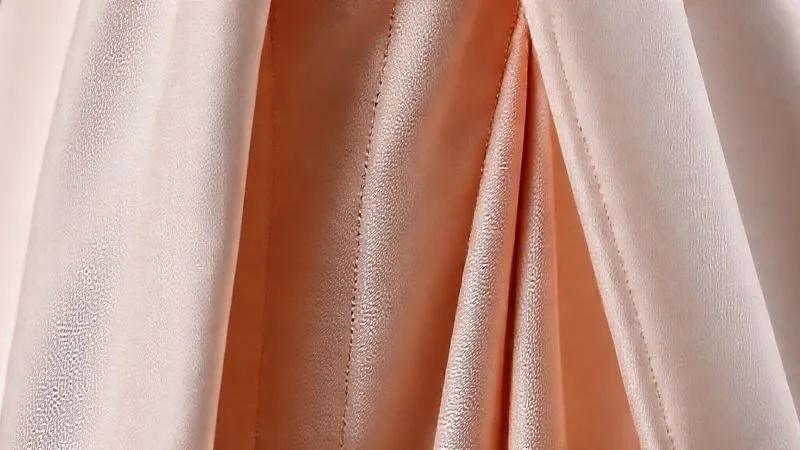
The choice of fabric is paramount in inclusive design, often dictating how a garment hangs, moves, and feels against the skin. A beautiful design can be completely undermined by an inappropriate fabric, especially when catering to diverse body shapes and age-related sensitivities. Lightweight, breathable fabrics with natural stretch, such as jersey knits, modal, or specific blends, offer comfort and adaptability without clinging.
Conversely, stiff or overly structured fabrics can be unforgiving, highlighting areas that many women prefer to de-emphasize. I always advocate for fabrics that possess excellent drape, allowing them to flow gracefully over the body's contours rather than fighting against them. Consider the psychological comfort a soft, luxurious fabric provides – it instantly elevates the wearer's experience.
Case Study: Elysian Apparel's Fabric Revolution
Elysian Apparel, a burgeoning brand I consulted with, faced a significant challenge: their initial collection, while stylish, received feedback about stiffness and poor fit on larger sizes and older demographics. Their design team was focused on aesthetics but overlooked the tactile experience. By implementing a 'fabric-first' approach, they completely revamped their core material choices.
We introduced a blend of Tencel and bamboo jersey for their dresses and a refined linen-viscose blend for their tailored separates. These fabrics offered superior drape, breathability, and a subtle stretch. The result? A 40% reduction in returns related to fit and comfort, and a significant increase in positive customer reviews praising the garments' versatility and luxurious feel. Elysian Apparel proved that investing in the right materials directly translates to customer satisfaction and loyalty.
According to a recent report by WGSN, a global trend forecasting company, comfort and versatility are now top priorities for consumers across all demographics, driving demand for innovative textile technologies that offer both performance and luxurious feel. This data reinforces the critical role fabric plays in modern design.
| Fabric Type | Drape | Stretch | Breathability | Best For |
|---|---|---|---|---|
| Cotton Jersey | Soft, Moderate | High (knit) | High | Relaxed tops, comfortable dresses |
| Linen Blend | Crisp, Flowy | Low to Moderate | High | Tailored trousers, breathable blouses |
| Modal/Tencel | Fluid, Silky | Moderate (woven/knit) | High | Elegant dresses, soft layering pieces |
| Wool Crepe | Subtle, Textured | Low | Moderate | Structured jackets, sophisticated skirts |
Principle 3: Strategic Seaming and Construction Techniques
Beyond fabric, the internal architecture of a garment—its seams, darts, and paneling—is crucial for shaping and flattering diverse body types. This is where the true artistry of design comes into play. Well-placed seams can create structure, define curves, or provide visual lengthening, all without relying on restrictive fits. Princess seams, for example, offer a superior way to shape a garment over the bust and waist compared to simple darts, allowing for more nuanced adjustments.
Ruching, gathering, and strategic pleating can also be incredibly effective. These techniques add texture and visual interest while also offering forgiving stretch and coverage. For instance, ruching placed along the side seams of a dress can gracefully accommodate varying waist and hip measurements, providing comfort and a flattering drape. It's about building in flexibility and visual harmony.
“The hidden language of seams and construction is often the most powerful tool in a designer’s arsenal for creating garments that feel custom-made for every woman.”
I've often advised designers to think of seams not just as joining points, but as design lines that can sculpt and define. A slightly curved side seam, for example, can create the illusion of a more defined waist, while diagonal panels can draw the eye and streamline the silhouette. These are subtle yet impactful design decisions that elevate a garment from merely 'fitting' to genuinely 'flattering'.
Principle 4: Color, Print, and Embellishment for Visual Harmony
The visual elements of color, print, and embellishment are powerful tools that can either enhance or detract from a garment's ability to flatter. When designing for diverse body shapes and ages, the strategic application of these elements can create optical illusions, draw attention to desired areas, and contribute to an overall harmonious look. It's not about 'slimming' colors, but about intelligent visual direction.
Monochromatic dressing, for instance, creates a seamless vertical line, which can be universally elongating. Color blocking, when used thoughtfully, can define a waist or break up a silhouette in a flattering way. The key is to understand how different colors and their placement interact with light and shadow on the body. Darker shades tend to recede, while lighter or brighter hues advance.
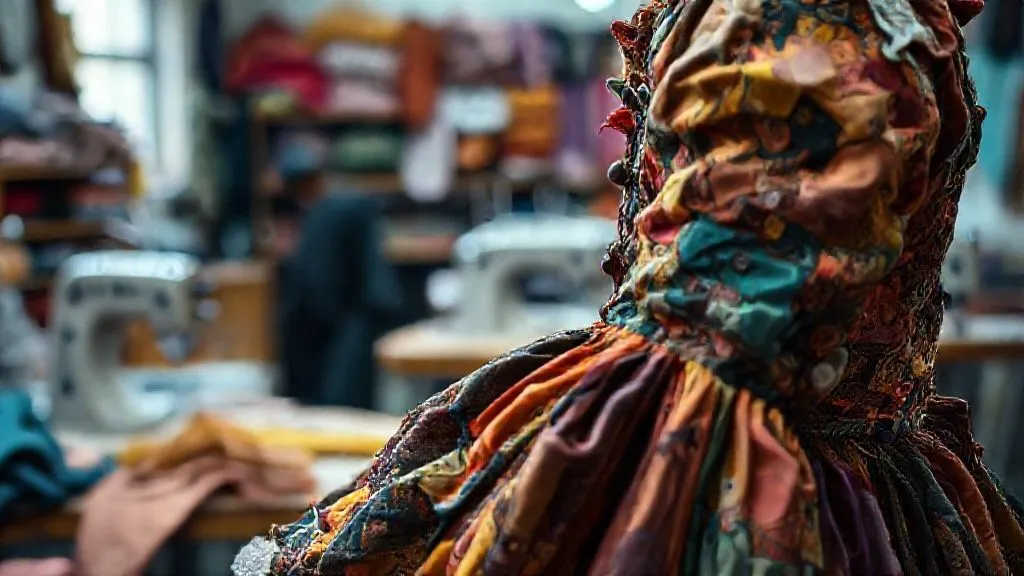
When it comes to prints, scale and placement are critical. Large, bold prints can sometimes overwhelm a petite frame or create an unflattering effect on certain curves if not balanced correctly. Conversely, a small, busy print might get lost on a larger figure. I always recommend considering the overall proportion of the print to the garment and the wearer. Placing a print strategically, such as on a bodice or a sleeve, can draw the eye to a specific area.
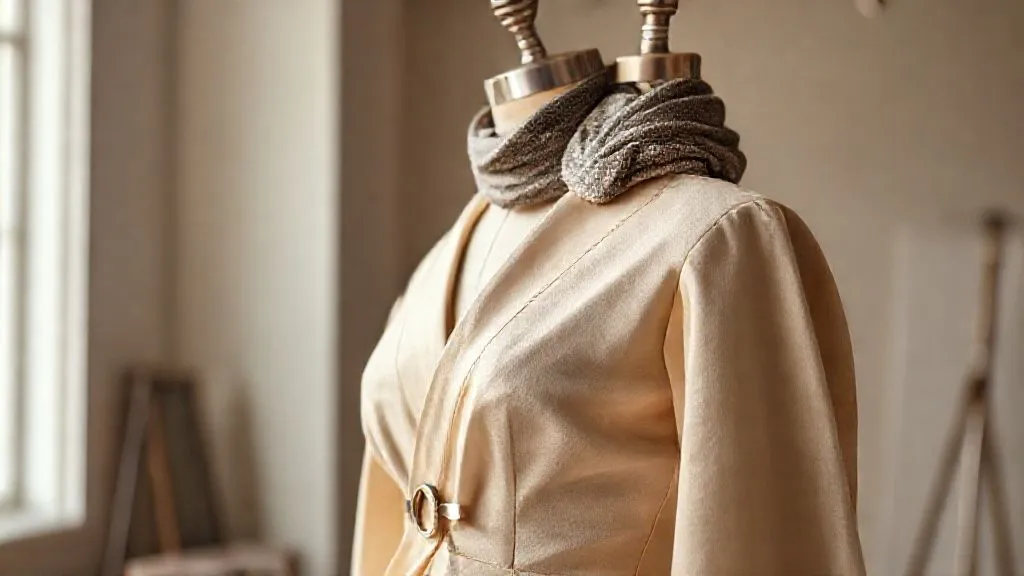
Embellishments, too, should be used with purpose. A well-placed brooch, a subtle embroidery detail, or a refined button can draw attention to the neckline or wrist, adding elegance without bulk. As Harvard Business Review often highlights in articles on consumer psychology, visual appeal is deeply tied to perceived value and satisfaction. Thoughtful design in these areas enhances both.
Principle 5: Versatility and Adaptability – Designing for Longevity
In an era that values sustainability and conscious consumption, designing garments that offer versatility and adaptability across different occasions, seasons, and even life stages is more important than ever. This principle directly addresses the 'across ages' aspect of our core keyword, ensuring that womenswear remains relevant and flattering as a woman's body and lifestyle evolve.
Think about modular design: pieces that can be mixed and matched, layered, or even transformed. A dress with removable sleeves, a skirt with an adjustable waist, or a top that can be worn multiple ways are examples of adaptability. These features not only extend the lifespan of a garment but also empower the wearer to customize their look for comfort and style.
Layering pieces are another cornerstone of versatile design. A well-cut blazer, a comfortable cardigan, or a lightweight trench coat can instantly change the silhouette and formality of an outfit, making it suitable for different climates and social settings. This approach also allows individuals to adjust their comfort levels throughout the day, which is particularly beneficial for women experiencing hormonal shifts or varying body temperatures.
My experience has taught me that truly successful designs are those that offer more than one way to wear them. This not only adds value for the consumer but also demonstrates a forward-thinking design philosophy that anticipates and responds to diverse needs over time. It’s about creating fashion that truly serves, rather than dictates.
| Feature | Benefit for Diversity | Benefit for Age |
|---|---|---|
| Adjustable Waistbands | Accommodates fluctuating body sizes, offers comfort for various waistlines | Adapts to natural body changes over time, ensures comfort |
| Convertible Necklines | Allows wearer to choose most flattering style (V-neck, scoop, off-shoulder) | Offers modesty or openness as preferred, adapts to different occasions |
| Modular Layering Pieces | Creates varied silhouettes, allows for personal expression across sizes | Provides warmth/coverage as needed, extends wardrobe versatility |
| Stretch Fabrics with Drape | Moves with the body, avoids clinging, forgiving fit | Comfortable for sensitive skin, accommodates minor body shifts |

Principle 6: The Art of Fit – Beyond Standard Sizing
The concept of 'fit' is perhaps the most critical, yet often misunderstood, aspect of designing womenswear that flatters diverse body shapes across ages. It extends far beyond simply matching a numerical size. True fit encompasses comfort, movement, and how a garment visually interacts with the wearer's unique contours. This requires a profound shift from traditional grading methods to more sophisticated approaches.
In my consultancy work, I've championed the use of 3D body scanning and a diverse range of fit models. Relying solely on a single 'standard' fit model, or even just a few, will inevitably lead to garments that fit inconsistently across the broader population. We need to embrace technology and human diversity in our fit process.
Understanding Body Mapping and Grading
Body mapping involves understanding the specific curves, dips, and prominences of a diverse set of bodies. This granular data allows designers to create patterns that anticipate these variations rather than forcing a standard shape onto them. Grading, the process of scaling patterns, must also be re-evaluated. Instead of uniform grading rules, designers should consider 'proportional grading,' where scale increases or decreases are adjusted based on real-world body data, ensuring that key points like bust apex, shoulder width, and hip circumference scale more accurately.
- Invest in Diverse Fit Models: Recruit fit models across a spectrum of sizes, heights, and ages. Their feedback is invaluable in identifying pressure points, areas of gapping, or unflattering drapes.
- Utilize 3D Body Scanning Technology: Employ 3D scanning to capture precise body measurements and shapes. This data can inform pattern adjustments and virtual prototyping, drastically improving initial fit.
- Conduct Wear Tests with Real Consumers: Beyond professional fit models, involve a broader group of target consumers in wear tests. Observe how garments perform in real-life scenarios, noting comfort, movement, and durability.
- Implement Proportional Grading: Move away from linear grading rules. Work with patternmakers to develop grading scales that proportionally adjust key measurements, rather than simply adding or subtracting uniform increments.
- Offer Flexible Sizing Options: Consider incorporating features like elasticated panels, adjustable straps, or drawstring waists to provide a more forgiving and adaptable fit within a single size range.
According to research from Statista on the global fashion industry, poor fit is a leading cause of returns, underscoring the economic imperative of mastering this aspect of design.
Principle 7: Cultivating a Body-Positive Design Philosophy
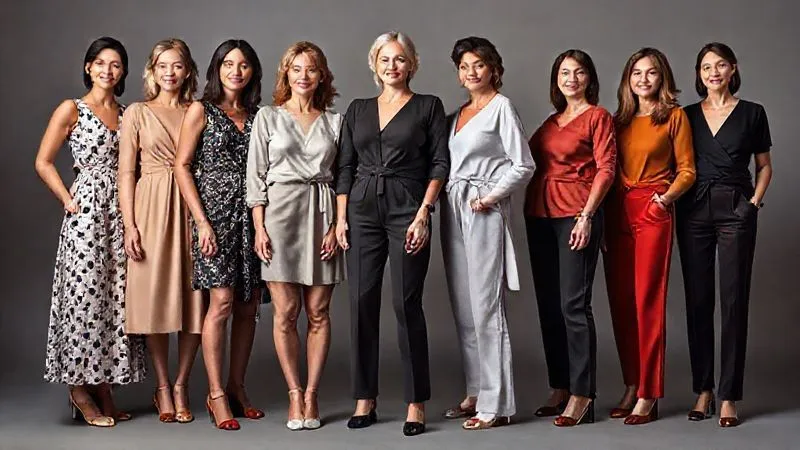
Ultimately, designing womenswear that flatters diverse body shapes across ages is not just about technical skill; it's about adopting a deeply empathetic and body-positive philosophy. It’s about creating garments that celebrate the human form in all its variations, rather than attempting to 'correct' or conceal it. This mindset shift must permeate every stage of the design process, from initial sketch to final marketing campaign.
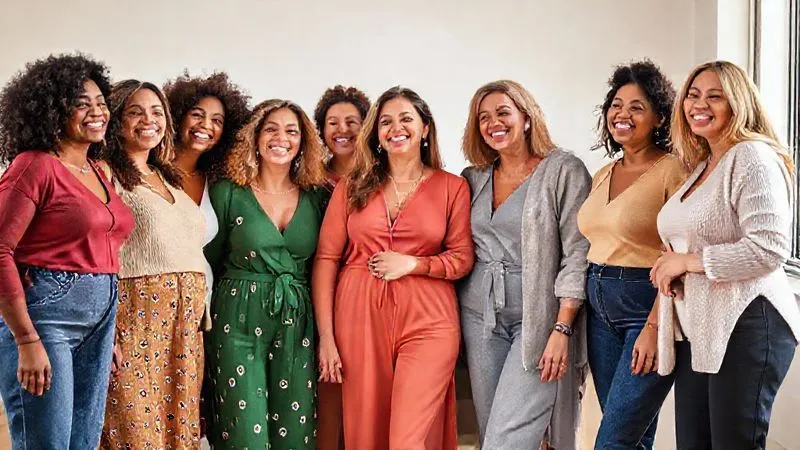
A body-positive approach means designing with the intention to empower, to provide comfort, and to instill confidence. It means understanding that beauty is not monolithic and that every woman deserves to feel fantastic in her clothes. This philosophy also extends to how we represent our clothing. Marketing imagery should showcase real women of diverse ages, sizes, and ethnicities, naturally and authentically.
“Design isn't just about what you create; it's about the message you send. A body-positive design philosophy speaks volumes about respect, understanding, and true inclusivity.”
I've seen brands transform their entire identity and market perception by genuinely embracing this principle. It fosters trust and loyalty, creating a community around the brand that values authenticity. This approach resonates deeply with consumers today who are increasingly seeking brands that align with their values and reflect the diverse world around them. It's about designing with heart and integrity.
Frequently Asked Questions (FAQ)
Q: How do I balance designing age-appropriate fashion with modern trends without making older women feel 'outdated' or younger women feel 'frumpy'? A: The key lies in timeless design principles fused with modern sensibilities. Focus on classic silhouettes that can be updated with contemporary fabrics, colors, or subtle detailing. For instance, a classic tailored pant can be rendered in a relaxed fit with a modern print. Avoid overly restrictive or stereotypical 'age-appropriate' designs. Instead, prioritize comfort, quality, and versatility, which appeal across generations. Integrate current color palettes and accessory trends, allowing individuals to style garments in their own way.
Q: What are the most common mistakes designers make when attempting to design for diverse body shapes? A: The most common mistake is relying on simplified body archetypes and then merely 'scaling' patterns up or down. This ignores the nuanced differences in bone structure, muscle distribution, and fat placement across diverse bodies. Other errors include: using stiff, unforgiving fabrics; neglecting strategic seam placement; failing to test on a truly diverse range of fit models; and assuming that 'oversized' automatically means 'flattering' for larger sizes. True inclusivity requires a deep dive into body mechanics, not just size adjustments.
Q: Is it truly possible to design one garment that genuinely flatters everyone, or should collections be highly segmented? A: While a single garment might not universally flatter every single person identically, it is absolutely possible to design pieces with universal appeal and adaptability. The goal isn't 'one-size-fits-all,' but 'one-design-fits-many' through clever construction, fabric choice, and adjustable features. Wrap dresses, A-line skirts with elasticated waists, and relaxed-fit tunics in flowing fabrics are examples. The emphasis should be on creating a versatile foundation that allows for individual styling and body accommodation, rather than rigidly segmented collections.
Q: How can small or emerging brands compete in the inclusive design space without large budgets for extensive research and development? A: Small brands can leverage their agility and direct customer relationships. Start by listening intently to your target audience. Use online surveys, social media polls, and direct feedback from early adopters. Focus on a few core, well-researched styles that genuinely solve fit problems, rather than a broad, generic collection. Collaborate with local patternmakers who have experience with diverse body types. Prioritize quality fabrics with good drape and stretch. Authenticity and genuine commitment to inclusivity can be powerful differentiators, even without a huge budget.
Q: What role does sustainability play in designing for longevity and inclusivity across ages? A: Sustainability is intrinsically linked to longevity and inclusivity. Designing for longevity means creating high-quality, durable garments that transcend fleeting trends and can be worn for years, reducing waste. This aligns perfectly with age-inclusive design, as many women, particularly older demographics, value quality and timelessness over fast fashion. Choosing sustainable materials and ethical production practices also appeals to a growing number of conscious consumers across all ages, enhancing a brand's reputation and fostering trust.
Key Takeaways and Final Thoughts
- Embrace Proportions, Not Just Sizes: Focus on creating harmonious visual lines and silhouettes that flatter, using strategic hemlines, necklines, and waist placements.
- Fabric is Foundational: Prioritize fabrics with excellent drape, comfort, and a natural stretch to ensure garments move gracefully with diverse bodies.
- Master Construction: Utilize strategic seaming, darts, ruching, and paneling to sculpt and define, building flexibility into the garment's architecture.
- Leverage Visual Elements: Employ color, print scale, and embellishment thoughtfully to create optical harmony and draw attention effectively.
- Design for Versatility and Adaptability: Create pieces that can be styled in multiple ways, layered, and adjusted, ensuring longevity and relevance across ages and occasions.
- Prioritize True Fit: Move beyond standard grading by using diverse fit models, 3D body scanning, and proportional grading to achieve genuine comfort and flattery.
- Cultivate a Body-Positive Philosophy: Embed empathy and celebration of all body types into every design and marketing decision, fostering trust and authenticity.
Designing womenswear that flatters diverse body shapes across ages is not merely a trend; it's the future of responsible, empathetic, and successful fashion. By internalizing these seven principles, you're not just creating clothes; you're building confidence, promoting self-acceptance, and crafting a more inclusive world, one beautifully designed garment at a time. The journey requires dedication and an open mind, but the rewards—in customer loyalty, brand reputation, and the sheer joy of seeing women feel fantastic—are immeasurable. Step forward and be a part of this transformative movement.
Recommended Reading
- 7 Secrets to Direct Inexperienced Models for Natural, Dynamic Poses
- Unlock the Secret: How to Translate Jewelry Sketches into Stunning 3D Designs
- 5 Essential Travel Accessories to Prevent Professional Attire Wrinkles
- Executive Breakout Emergency: 7 Quick Fixes Before Your Big Presentation
- 5 Proven Strategies: Make Your Fashion Style Tips Truly Unique & Engaging


Your email address will not be published. Required fields are marked *