

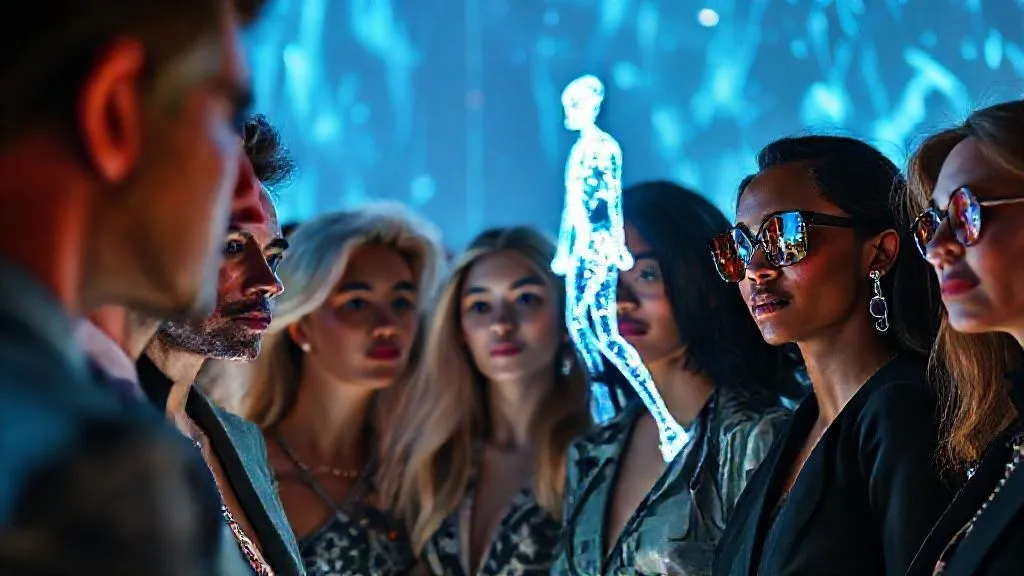
How to Prevent Audience Drop-Off During a Long Virtual Fashion Show?
For over two decades in the dynamic world of fashion technology, I've had a front-row seat to the industry's most significant transformations. From the early days of rudimentary live streams to today's sophisticated virtual realities, one persistent challenge has remained: keeping an audience captivated, especially during longer digital events. I've witnessed countless brands invest heavily in stunning visuals and groundbreaking tech, only to see their viewer numbers dwindle steadily after the initial hype fades.
The problem isn't a lack of interest in fashion; it's the sheer volume of digital distractions and the ever-shrinking human attention span. In a world saturated with content, a virtual fashion show, no matter how spectacular, competes not just with other fashion brands, but with social media feeds, urgent emails, and even the simple urge to grab a coffee. This constant battle for attention makes audience drop-off a critical concern, directly impacting brand visibility, engagement metrics, and ultimately, sales.
But what if you could not only hold your audience's attention but deepen their engagement throughout your entire virtual show? In this definitive guide, I'll share seven battle-tested strategies, drawing from my extensive experience and the latest in fashion tech innovation. We'll explore actionable frameworks, real-world analogies, and expert insights designed to transform your virtual fashion shows from passive viewing experiences into immersive, unforgettable journeys that keep your audience glued to their screens.
Understanding the Digital Attention Economy: Why Viewers Tune Out
Before we dive into solutions, it's crucial to grasp the underlying psychology of the digital viewer. We're living in what I call the 'digital attention economy,' where attention is the most valuable currency. Every click, every scroll, every moment spent on a platform is a micro-transaction of attention, and brands are constantly vying for it.
The Shifting Paradigm of Consumption
Gone are the days when audiences would patiently sit through a 30-minute linear broadcast. Today's consumer expects instant gratification, personalized experiences, and the ability to dictate their own viewing journey. This 'scroll culture' has conditioned us for rapid content consumption, making long, uninterrupted virtual events feel like an anachronism.
The moment a viewer feels disengaged, bored, or overwhelmed, their finger hovers over the 'close tab' button. It's a brutal reality, but one that savvy fashion tech specialists must confront head-on. Understanding this paradigm shift is the first step toward building a resilient virtual show strategy.
The Cost of Low Engagement
Audience drop-off isn't just about bruised egos; it has tangible business consequences. Lost engagement means missed opportunities for brand messaging, reduced conversion rates for featured collections, and a diluted return on your significant investment in production. Furthermore, it hinders the collection of valuable audience data, which is essential for refining future digital strategies.
In my experience, thinking of your virtual fashion show as a one-way broadcast is the biggest mistake. It's a conversation, an experience, and if you're not actively listening and responding, your audience will simply walk away.
Strategy 1: Crafting the Immersive Narrative – Beyond Just Clothes
The most compelling virtual fashion shows I've seen are not just about showcasing garments; they tell a story. They transport the viewer into a world, an emotion, a vision. This narrative approach is paramount for sustained engagement, especially during longer events.

Think about the emotional journey you want your audience to take. Is it a journey of discovery, rebellion, elegance, or innovation? Every aspect of your show – from the music to the virtual environment, the transitions, and even the models' expressions – should reinforce this central narrative. This creates an emotional anchor that keeps viewers invested far beyond the initial visual appeal of the clothes.
Designing a Multi-Sensory Experience
While virtual, a fashion show can still appeal to multiple senses. Visuals are primary, but sound design is equally critical. A carefully curated soundtrack can elevate the mood, build tension, or evoke nostalgia. Consider incorporating interactive elements that allow viewers to 'feel' the texture of a fabric through haptic feedback (if technology allows) or explore garments in 3D, bringing a tactile dimension to the digital realm.
According to a report by McKinsey & Company on the State of Fashion, consumers increasingly seek experiences that blend the physical and digital, underscoring the importance of multi-sensory engagement in virtual formats.
- Define Your Core Theme: What is the overarching story or emotion you want to convey? This should be the north star for all creative decisions.
- Build a Narrative Arc: Structure your show like a play with an introduction, rising action, climax, and resolution. Introduce new elements, characters (models), or environments at strategic points.
- Integrate Tech for Storytelling: Use AR overlays to reveal hidden details about garments, or VR segments to transport viewers into the designer's creative process.
Strategy 2: The Power of Micro-Moments and Segmented Content
Our digital attention spans are fragmented. The idea of a single, continuous 45-minute show can be daunting. The solution? Break it down. Embrace the power of micro-moments and segmented content to maintain a brisk pace and re-capture attention at regular intervals.
Leveraging Shorter Segments
Instead of one long show, conceptualize your event as a series of shorter, digestible segments, each lasting no more than 7-10 minutes. Each segment can focus on a particular collection, a specific design philosophy, a designer interview, or a behind-the-scenes look. The key is to provide natural pauses or clear transitions that allow viewers a mental break without fully disengaging.
This approach mirrors how we consume content on platforms like TikTok or Instagram Stories, where short, impactful bursts of information are the norm. It respects the viewer's time and attention capacity, making the overall experience feel less demanding and more engaging.
Case Study: Aura Couture's Segmented Success
Aura Couture, a luxury streetwear brand, struggled with 60% audience drop-off after the first 15 minutes of their hour-long virtual shows. By implementing a segmented approach, they transformed their single show into five distinct 8-minute 'chapters,' each introduced by a sleek, 15-second animated interlude. These chapters included a runway segment, a designer Q&A, a 'meet the models' feature, a virtual styling session, and a final collection reveal. They saw a remarkable reduction in drop-off to 25% and a 40% increase in average viewing duration. This resulted in a significant boost in post-show website traffic and pre-orders.
| Metric | Traditional Show | Segmented Show |
|---|---|---|
| Average Viewing Duration | 12 min | 35 min |
| Audience Drop-off (after 15 min) | 60% | 25% |
| Post-Show Website Traffic | +15% | +40% |
| Social Media Mentions | Low | High |
Strategy 3: Interactive Engagement: Turning Viewers into Participants
Passive viewing is the enemy of retention. To truly prevent audience drop-off, you must transform your audience from mere spectators into active participants. Interactive elements are not just gimmicks; they are powerful tools for fostering connection and ownership.
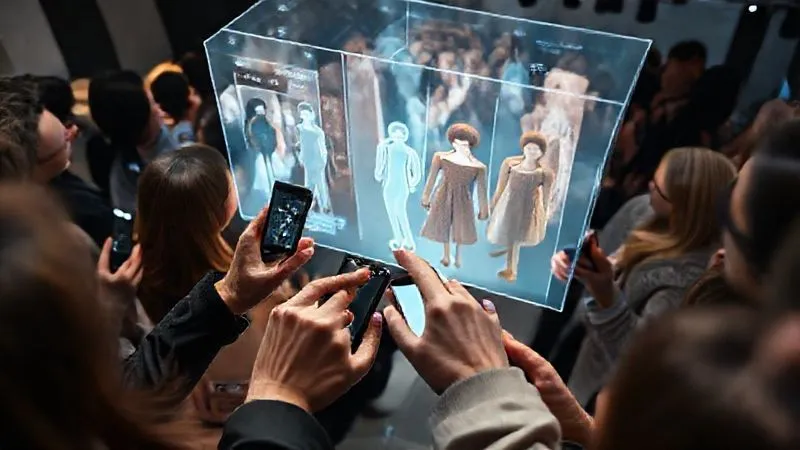
Think beyond simply watching. How can your audience influence the show, explore the collection on their terms, or connect with the creators and each other? This shift from 'lean back' to 'lean forward' engagement is critical for today's digital consumer.
Live Polls, Q&A, and Chat Integration
Basic interactive features like live polls, Q&A sessions with designers, and real-time chat functionality can make a massive difference. Ask viewers to vote on their favorite look, submit questions for the creative director, or discuss outfits in real-time. Acknowledging their comments, even if it's just a moderator responding in chat, creates a sense of being seen and heard.
Platforms like YouTube Live, Instagram Live, and dedicated virtual event platforms offer robust features for this. The key is to actively integrate these tools into your show's flow, rather than treating them as afterthoughts. For expert advice on building community and engagement, I often revisit the principles shared by marketing guru Seth Godin, who emphasizes the importance of building a 'tribe' around your brand.
Gamification and Virtual Try-Ons
Take interaction a step further with gamification. Imagine a 'scavenger hunt' where viewers search for hidden digital Easter eggs within the virtual environment that unlock exclusive content or discounts. Virtual try-on technology, where viewers can virtually 'wear' garments using AR filters, offers a highly personalized and engaging experience that directly links the show to potential purchasing decisions. This kind of direct interaction not only keeps people engaged but also significantly enhances the pre-purchase experience.
- Identify Interaction Points: Map out your show and pinpoint moments where interaction would be natural and beneficial (e.g., after a segment, during a designer's introduction).
- Choose the Right Tech: Select platforms or tools that seamlessly integrate interactive features without disrupting the viewing experience.
- Actively Moderate and Respond: Have a dedicated team to monitor chat, answer questions, and acknowledge audience participation in real-time.
Strategy 4: Leveraging Cutting-Edge Fashion Tech: AR, VR, and AI
The virtual fashion show landscape is constantly evolving, driven by advancements in technology. To truly stand out and prevent audience drop-off, embracing cutting-edge fashion tech is no longer optional; it's essential for creating truly unforgettable experiences.
Augmented Reality (AR) Overlays
AR can transform a static screen into an interactive canvas. Imagine models walking a virtual runway, and with a tap, AR overlays appear, showing fabric details, design inspirations, or even allowing viewers to 'try on' accessories virtually. This adds layers of information and engagement without interrupting the flow of the show.
Virtual Reality (VR) Immersive Environments
For those with VR headsets, a truly immersive experience is possible. Transport your audience directly into a fantastical digital recreation of your design studio, a breathtaking virtual landscape, or even a digital recreation of a historical fashion moment. This level of immersion provides an unparalleled sense of presence and wonder, making it incredibly difficult for viewers to disengage.
AI-Powered Personalization
Artificial Intelligence can analyze viewer behavior in real-time, allowing for dynamic content delivery. Imagine an AI that learns a viewer's preferences and subtly adjusts the camera angles, highlights specific garments, or suggests complementary pieces during the show. This level of personalization makes each viewer feel uniquely catered to, significantly boosting engagement. As Deloitte's insights on the future of fashion often highlight, personalization is a key driver of consumer loyalty.
Investing in advanced fashion tech isn't just about showing off; it's about fundamentally rethinking the viewer experience. These tools are no longer futuristic concepts but practical applications that can redefine engagement and virtually eliminate drop-off.
Strategy 5: The Art of Dynamic Pacing and Visual Variety
Monotony is a killer for any long virtual event. Even with engaging content, a static presentation style will inevitably lead to viewer fatigue. The key to preventing audience drop-off lies in mastering dynamic pacing and ensuring constant visual variety.
Camera Angles, Transitions, and Set Changes
Think like a film director. Utilize a diverse range of camera angles – wide shots, close-ups on intricate details, tracking shots that follow models, and even drone-like aerial views of the virtual environment. Implement smooth, creative transitions between segments and scenes. Periodically 'change the set' by transitioning to different virtual environments or altering the lighting to signal a new mood or collection. These subtle shifts keep the visual landscape fresh and prevent the audience's eyes from glazing over.
Incorporating Backstage Glimpses and Designer Interviews
Beyond the polished runway, viewers are often fascinated by the human element and the creative process. Interweave short, pre-recorded or live 'backstage' segments that show models preparing, designers giving last-minute instructions, or even a quick interview with the creative team about their inspiration. These candid moments add depth, authenticity, and a personal touch that can be incredibly engaging, making the show feel more like an exclusive documentary than a mere product showcase.
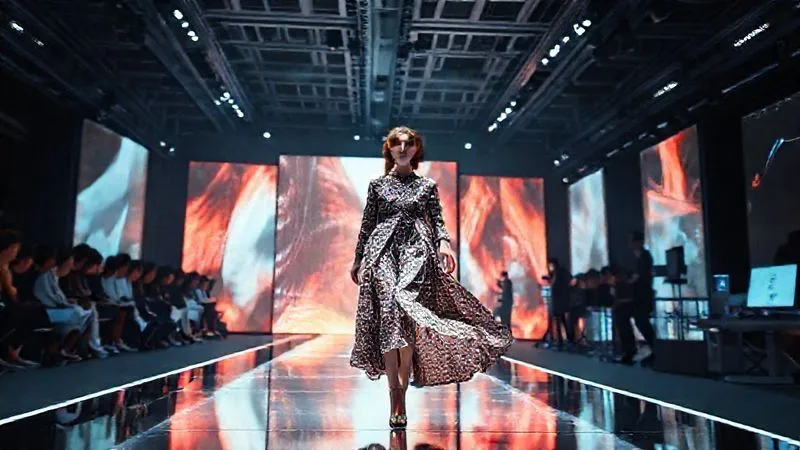
The goal is to provide a constant stream of novelty, ensuring that just as a viewer might start to feel comfortable, something new and exciting captures their attention again. This constant, yet controlled, change is crucial for maintaining a high level of engagement throughout a longer show.
Strategy 6: Pre-Show Hype and Post-Show Follow-Up: Extending the Journey
A virtual fashion show isn't a standalone event; it's a critical touchpoint within a larger brand journey. To truly prevent audience drop-off during the show, you need to build anticipation beforehand and extend the engagement long after the final model leaves the runway.
Building Anticipation with Teasers and Exclusive Content
The engagement process begins weeks, if not months, before the show. Create a strategic pre-show campaign using captivating teasers, behind-the-scenes snippets of the collection's creation, designer interviews, or even exclusive digital content accessible only to registered attendees. Leverage social media, email marketing, and influencer collaborations to generate buzz and excitement. This pre-event engagement ensures a higher initial attendance and a more committed audience who are already invested in the narrative.
Consider offering a 'digital goodie bag' or exclusive AR filters to early registrants. This incentivizes sign-ups and gives attendees a stake in the event before it even begins. As Harvard Business Review suggests, building anticipation is key to virtual event success.
Retaining Engagement with On-Demand and Interactive Replays
The show doesn't end when the live stream does. Make the full show, or segmented highlights, available on-demand immediately afterward. Crucially, add interactive elements to the replay. Allow viewers to click on garments to see product details, save looks to a wishlist, or share specific segments on social media. This extends the life of your content and allows viewers who might have dropped off to re-engage on their own terms, turning a single event into a continuous content experience.
- Create a Content Calendar: Plan your pre-show teasers, countdowns, and behind-the-scenes reveals strategically across all relevant channels.
- Segment Your Audience: Tailor follow-up content based on viewer behavior during the live show (e.g., those who watched a specific segment receive targeted emails).
- Analyze Post-Show Data: Understand which segments were most re-watched, which products were clicked, and use these insights to inform future content and marketing.
Strategy 7: Data-Driven Optimization: Learning from Every Click
In the digital realm, every interaction leaves a trace. To truly master audience retention, you must become a data scientist, continuously analyzing performance metrics and using those insights to iterate and improve. This isn't a one-time fix; it's an ongoing process of refinement.
Key Metrics to Monitor During a Virtual Show
Beyond simple view counts, delve into the granular data. Crucial metrics include:
- Average Viewing Duration: The total time viewers spend engaged.
- Drop-off Points: Precisely where viewers leave the show (e.g., after a particular segment, during a specific transition).
- Peak Concurrent Viewers: The highest number of viewers at any given moment.
- Interaction Rate: The percentage of viewers who participated in polls, chat, or other interactive elements.
- Click-Through Rate (CTR): For any shoppable links or calls-to-action within the show.
These metrics provide a clear picture of what's working and what isn't, allowing you to pinpoint areas for improvement. For deeper dives into digital analytics, I often refer to resources from industry leaders like Forbes' insights on fashion tech.
Iterative Improvement Cycles
Use the data to create an iterative improvement cycle. After each show, conduct a thorough post-mortem analysis. Identify the drop-off points and hypothesize why they occurred. Was a segment too long? Was the visual repetitive? Was the interactive element confusing? Then, implement changes for your next event, perhaps A/B testing different intros or segment lengths. This continuous feedback loop is what transforms good virtual shows into exceptional ones.
| Metric | Target | Actionable Insight |
|---|---|---|
| Average View Duration | 75% of total show length | If low, segment content, add more interaction points. |
| Drop-off Rate at Segment X | <10% | Review content/pacing of Segment X; consider a pre-segment engagement prompt. |
| Interactive Participation Rate | 50%+ | Integrate more compelling polls/Q&A, ensure clear calls-to-action for interaction. |
| Post-Show Conversion Rate | 3%+ | Optimize shoppable links, strengthen CTAs within the show and follow-up emails. |

Frequently Asked Questions (FAQ)
Q: Is it better to make a virtual fashion show shorter, say 15-20 minutes, to avoid drop-off entirely? While shorter shows can inherently have lower drop-off rates due to reduced attention demands, simply shortening the show might limit your ability to tell a comprehensive story or showcase an entire collection. The goal isn't just to avoid drop-off, but to maximize engagement for the necessary duration. By implementing strategies like segmentation, interaction, and dynamic pacing, you can successfully run longer shows (30-60 minutes) without sacrificing significant audience retention. It's about quality and engagement strategy, not just brevity.
Q: How can smaller brands with limited budgets effectively implement these advanced strategies? Smaller brands can absolutely implement these strategies, albeit perhaps at a different scale. Focus on high-impact, lower-cost interactions first. Utilize existing social media live features for Q&A and polls. Instead of full VR, explore AR filters for Instagram or Snapchat. Prioritize a strong narrative and dynamic pacing over flashy tech. Collaborate with micro-influencers for pre-show hype. The core principles of engagement and storytelling are free; it's the execution that scales with budget.
Q: What's the biggest mistake brands make when trying to prevent drop-off in virtual fashion shows? In my experience, the biggest mistake is treating a virtual show like a direct translation of a physical one. They simply point cameras at a runway and stream it. This fails to leverage the unique advantages of the digital medium for interaction, personalization, and immersive storytelling. The virtual space demands a fundamentally different approach to content creation and audience engagement. It's not a compromise; it's an opportunity for innovation.
Q: How important is the platform choice for audience retention? Platform choice is incredibly important. A robust platform offers stable streaming, integrated interactive features (chat, polls, Q&A), analytics tools, and reliable technical support. A clunky, unreliable platform will frustrate viewers and lead to immediate drop-off, regardless of how good your content is. Invest in a platform that aligns with your technical needs, budget, and desired level of interactivity. Free social media platforms are good for reach, but dedicated event platforms offer more control and data.
Q: Should I gate my virtual fashion show or make it freely accessible? This depends on your goals. Gating (requiring registration) allows you to collect valuable lead data, build an email list, and create a sense of exclusivity, potentially leading to a more committed audience. Free accessibility maximizes reach and brand awareness, but might attract more casual viewers with lower retention. For longer shows where deep engagement is critical, gating with a strong value proposition (e.g., exclusive content, virtual goodie bag) often leads to better retention rates from a more invested audience.
Key Takeaways and Final Thoughts
The era of the purely passive virtual fashion show is over. To thrive in the digital attention economy and prevent audience drop-off during your longer virtual events, you must embrace innovation, interactivity, and a relentless focus on the viewer experience. Here are the critical takeaways:
- Craft a Compelling Narrative: Tell a story that transcends the garments and connects emotionally.
- Segment for Success: Break down longer shows into digestible, dynamic micro-moments.
- Embrace Interaction: Turn viewers into participants with polls, Q&A, gamification, and virtual try-ons.
- Leverage Fashion Tech: Utilize AR, VR, and AI to create immersive and personalized experiences.
- Master Dynamic Pacing: Keep visuals fresh with varied camera angles, transitions, and 'set' changes.
- Extend the Journey: Build pre-show hype and offer engaging post-show follow-up and on-demand content.
- Optimize with Data: Continuously analyze metrics to understand viewer behavior and refine your strategy.
As an industry veteran, I've seen firsthand that the brands willing to adapt, experiment, and genuinely prioritize their audience's digital experience are the ones that not only survive but truly flourish. Your next virtual fashion show isn't just an event; it's an opportunity to forge deeper connections, build lasting brand loyalty, and redefine the future of fashion. Go forth, innovate, and captivate your audience!
Recommended Reading
- Reigniting Allure: 5 Steps When Heritage Luxury Brand Perceived Value Drops
- Squat-Proof Seamless: 7 Engineering Secrets to Eliminate Activewear Transparency
- Scaling Zero-Waste Fashion: 7 Design Principles for Commercial Success
- 7 Pro Strategies: Solving Costume Durability for Intense Film Stunts?
- 7 Proven Ways: Build Buyer Trust for Authentic 1920s Vintage Pieces

Your email address will not be published. Required fields are marked *