


What Activewear Prevents Severe Chafing During Ultra-Marathons?
As someone who has navigated the demanding landscape of activewear innovation and supported countless athletes through their most brutal endurance challenges for over two decades, I’ve witnessed firsthand the sheer agony and performance degradation that severe chafing can inflict during an ultra-marathon. It's not merely discomfort; it's a race-ender, a dream-crusher, and frankly, a preventable disaster.
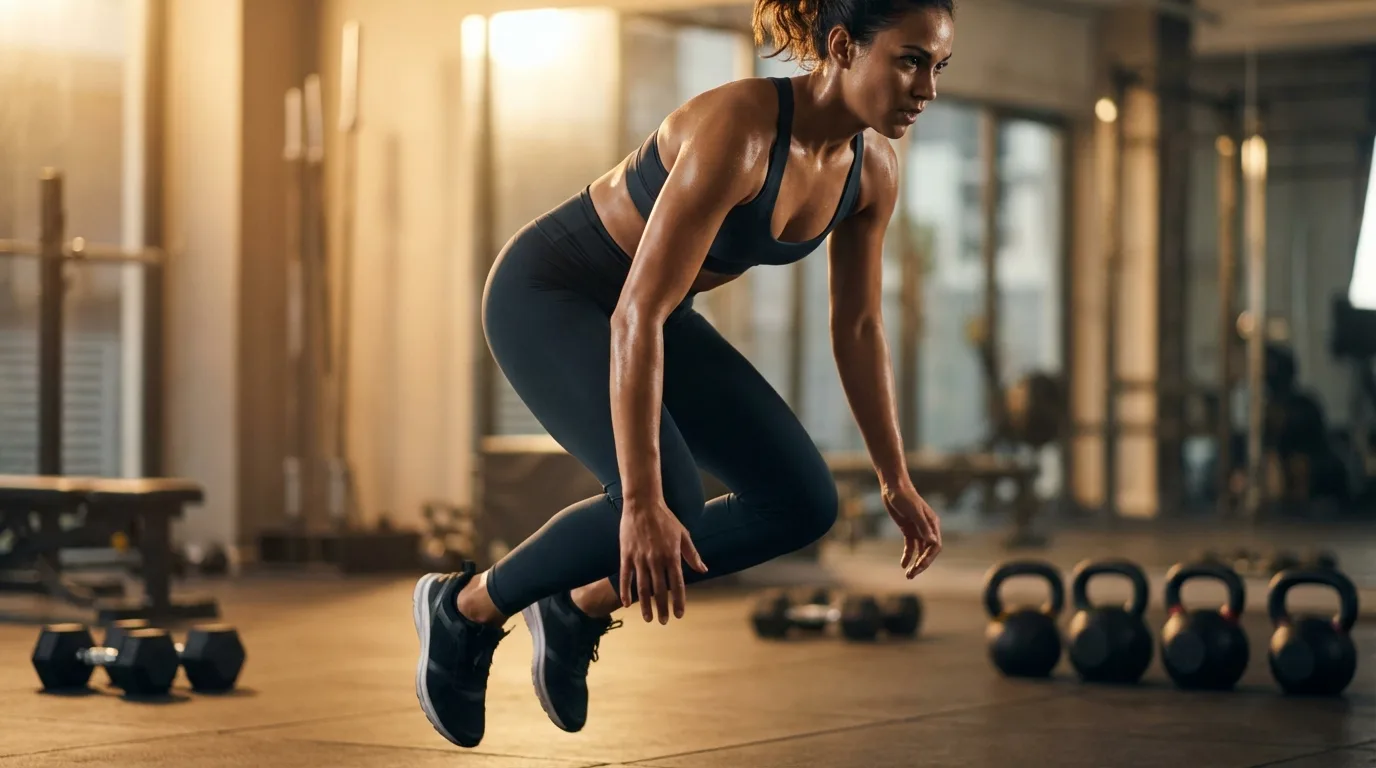
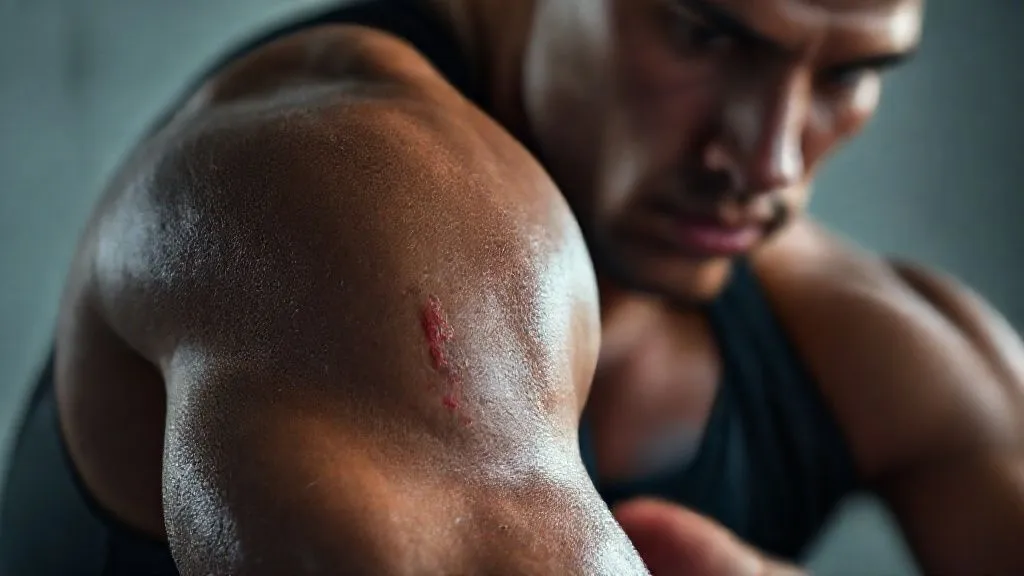
The relentless friction, exacerbated by sweat, salt, and hours of repetitive motion, creates hot spots that quickly escalate into painful abrasions, blisters, and open wounds. This isn’t just a physical hurdle; the mental toll of constant, searing pain can break even the most seasoned ultra-runner, turning a triumphant journey into a torturous ordeal. I've seen elite athletes sidelined, not by muscle failure, but by debilitating skin damage.
But here’s the crucial insight: you don’t have to suffer. In this definitive guide, I will share my accumulated knowledge and the hard-won wisdom of the ultra-running community to equip you with the precise activewear strategies, material insights, and practical tips that prevent severe chafing. We’ll delve into specific garment types, fabric technologies, and crucial fit considerations, providing you with a robust framework to conquer your next ultra-marathon chafe-free.
Understanding the Enemy: The Biomechanics of Chafing in Ultra-Marathons
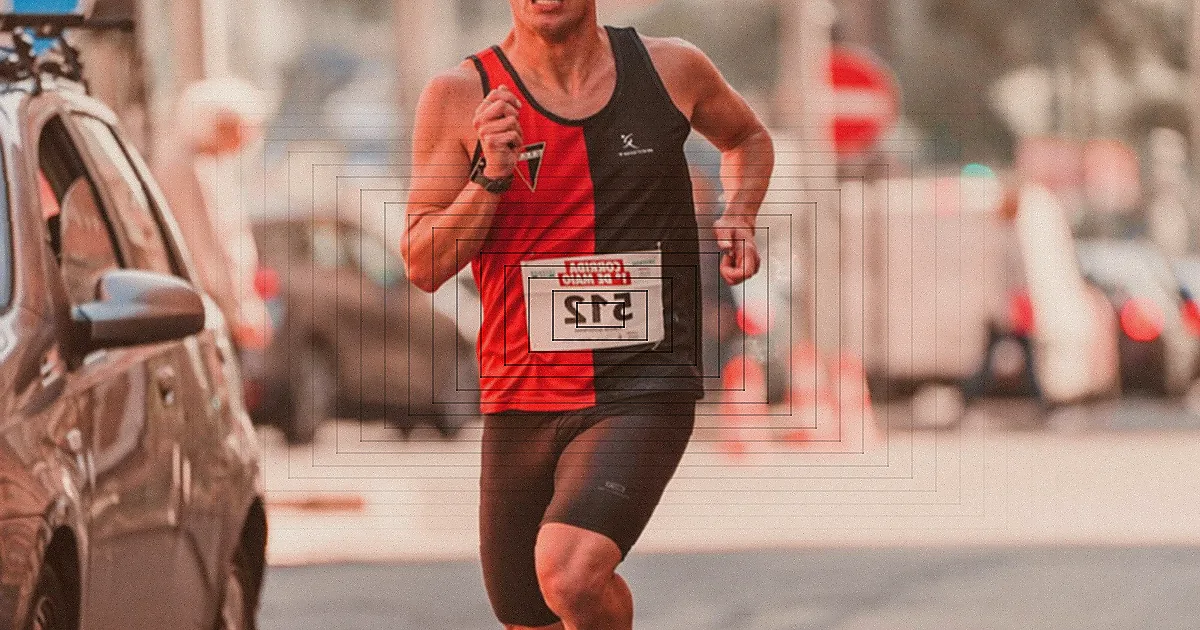
Before we can prevent chafing, we must understand its mechanics. Chafing occurs when skin rubs against skin, or skin rubs against fabric, repeatedly over an extended period. In ultra-marathons, this friction is amplified by several factors: sweat, salt, heat, and the sheer duration of activity.
The Role of Sweat and Salt
Sweat, while essential for thermoregulation, initially acts as a lubricant. However, as it evaporates, it leaves behind crystalline salt deposits on the skin and fabric. These salt crystals act like microscopic sandpaper, significantly increasing friction between surfaces. Imagine running with tiny abrasive particles constantly rubbing against your skin – that’s the reality of chafing without proper protection.
This process is particularly insidious because it worsens over time. Early in a race, the skin might feel fine, but as hours pass and sweat accumulates and dries, the abrasive effect intensifies, leading to rapid skin breakdown. Understanding this chemical and physical interaction is vital for selecting appropriate activewear.
Heat and Humidity Amplification
The intense physical exertion of an ultra-marathon generates considerable body heat. This, combined with external humidity, creates a moist, warm environment – a perfect storm for skin softening (maceration) and increased susceptibility to friction damage. Softened skin has a lower resistance to shear forces, making it more prone to tearing and blistering.
Areas like the inner thighs, groin, armpits, nipples, and under bra straps are particularly vulnerable due to a combination of skin-on-skin contact, fabric-on-skin friction, and high sweat accumulation. My experience has shown that neglecting these foundational elements leads to a cascade of issues. It’s not just about what you wear, but understanding *why* certain materials and designs work.
Common Chafing Hotspots for Ultra-Runners
While chafing can occur anywhere, certain areas are notorious for causing problems during ultra-marathons:
- Inner Thighs: The most common site, due to repetitive skin-on-skin rubbing.
- Groin Area: Exacerbated by moisture and movement, often linked to underwear choice.
- Armpits: Friction from arm swing and clothing seams.
- Nipples: Primarily in men, due to shirt friction, especially with synthetic fabrics.
- Under Bra Straps/Band: For women, often due to ill-fitting or abrasive sports bras.
- Feet: Leading to blisters, but fundamentally a friction issue between skin, sock, and shoe.
- Back of Neck/Shoulders: From hydration packs or backpacks.
The Foundation: Fabric Technology That Fights Friction
The right fabric is your first and most critical defense against chafing. Not all activewear materials are created equal, especially when facing the extreme demands of an ultra-marathon. I’ve spent years evaluating textile innovations, and certain properties stand out as essential for preventing severe chafing.
Moisture-Wicking and Quick-Drying Synthetics
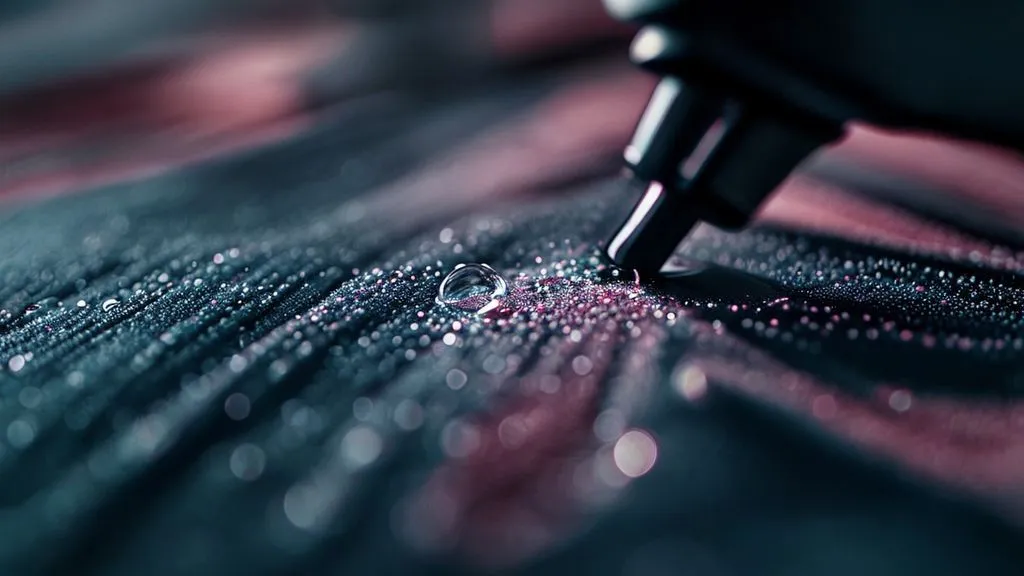
The cornerstone of anti-chafing activewear is its ability to manage moisture effectively. Fabrics like polyester, nylon, and blends with spandex excel here. Unlike cotton, which absorbs sweat and holds it against the skin, these synthetics are engineered to actively draw moisture away from the skin's surface (wicking) to the fabric's outer layer, where it can evaporate quickly. This process keeps your skin significantly drier, directly reducing the 'salty sandpaper' effect.
Key properties to look for in moisture-wicking fabrics:
- Hydrophobic fibers: These fibers inherently repel water, pushing sweat away rather than absorbing it.
- Capillary action: Micro-channels within the fabric structure actively pull moisture through a network of tiny pores.
- Breathability: Allows air to circulate freely, aiding rapid evaporation and promoting a cooling effect, which further prevents skin maceration.
- Lightweight construction: Lighter fabrics often dry faster and feel less burdensome over long distances.
"Investing in high-quality, moisture-wicking synthetics isn't an indulgence; it's a non-negotiable insurance policy against ultra-marathon failure due to chafing. It's the single most impactful gear choice you can make."
According to a study published in the Journal of Strength and Conditioning Research, fabric properties directly influence skin friction and comfort during exercise. Materials with low friction coefficients and superior moisture management are paramount for endurance athletes.
Seamless Construction and Flatlock Seams
Traditional seams, especially raised ones, create distinct pressure points and friction lines that can become agonizing hot spots over thousands of repetitive motions. This is why activewear designed for endurance sports often features seamless construction or flatlock seams.
- Seamless Garments: These are typically knitted in a tubular fashion, minimizing or entirely eliminating seams in critical, high-friction areas like the inner thighs, armpits, and torso. The result is a smooth, continuous fabric surface against the skin.
- Flatlock Seams: Where seams are necessary, flatlock stitching is the preferred method. This technique involves joining two pieces of fabric edge-to-edge with a stitch that creates a flat, non-bulky seam lying flush against the fabric. This prevents any raised edges from rubbing and irritating the skin.
When inspecting activewear for seam quality:
- Run your fingers along all seams, especially in high-friction zones (inner thighs, armpits, shoulders, under bra bands).
- Look for garments explicitly labeled "seamless" or "flatlock stitched" in their product descriptions.
- Consider how the garment will move with your body. Even a flat seam can become problematic if it's positioned poorly or under constant tension.
| Fabric Type | Chafing Prevention Benefit | Consideration |
|---|---|---|
| Polyester | Excellent moisture-wicking, quick-drying, durable, often treated for odor control | Can feel less natural than nylon or merino, some types prone to snagging |
| Nylon | Very smooth, strong, good moisture-wicking, soft hand feel | Can be less breathable than some polyesters, slightly heavier |
| Merino Wool (blends) | Natural odor resistance, excellent temperature regulation, incredibly soft, breathable | Can be slower drying than synthetics, more expensive, less durable in high-friction areas if not blended |
| Spandex/Elastane | Provides stretch and compression for ideal fit, shape retention | Rarely used alone, blended with other fibers; too much can reduce breathability |
Strategic Layering: Your First Line of Defense
While often associated with cold weather, strategic layering is equally vital for chafing prevention in any ultra-marathon condition. It's about creating an optimal microclimate next to your skin and ensuring every layer works harmoniously to manage moisture and reduce friction.
The Base Layer: Your Second Skin
The layer directly against your skin is the single most important in your entire system. For ultra-marathons, this should always be a high-performance, moisture-wicking synthetic (polyester, nylon, or blends) or a fine-gauge merino wool blend. I cannot stress this enough: avoid cotton at all costs. Cotton absorbs sweat, stays wet, and quickly turns into a heavy, abrasive sponge, guaranteeing chafing.
- Tops: Choose form-fitting, seamless, or flatlock-stitched base layer tops. Long sleeves can offer additional protection from sun exposure, brush, and create a smooth barrier over the arms and shoulders, further preventing friction from outer layers or hydration packs.
- Bottoms: For the lower body, compression shorts or tights are often the go-to for inner thigh protection. We'll delve deeper into the specifics of these garments shortly. The goal is a smooth, unmoving interface between fabric and skin.
Mid-Layers and Outer Layers: Protection Without Compromise
Depending on the conditions (temperature, wind, rain), you might need a mid-layer for warmth or a shell for weather protection. It is crucial that these layers are also breathable and designed to work *with* your base layer, not against it. A poorly chosen outer layer can trap moisture, negating the benefits of your carefully selected base layer and leading to a clammy, chafe-prone environment.
My recommendation: Always test your entire layering system during long training runs, especially in conditions similar to your race. What feels comfortable for an hour might become a chafing nightmare after ten when sweat, fatigue, and slight swelling change how fabrics interact with your body.
The Crucial Role of Fit: Compression vs. Loose
The fit of your activewear is paramount; it's a delicate balance that directly impacts friction. Too loose, and fabric bunches and rubs; too tight, and it can create excessive pressure, restrict movement, and exacerbate issues, especially over swollen tissues during long efforts.
Compression: The Ultra-Runner's Ally Against Friction
For areas prone to skin-on-skin chafing, like the inner thighs and groin, high-quality compression shorts or briefs are often the best solution. They provide a snug, supportive fit that holds the fabric firmly against the skin, preventing it from riding up, bunching, or shifting. This creates a smooth, consistent barrier that eliminates direct skin-on-skin contact.
What to look for in anti-chafing compression wear:
- Four-way stretch fabric: Essential for allowing a full range of motion without restriction or feeling constrictive, even as muscles swell.
- Longer inseam: This is absolutely crucial for inner thigh protection. The fabric must extend well past the point where your thighs naturally rub together, ensuring continuous coverage. An inseam of 7-9 inches or more is typically recommended.
- Wide, comfortable waistband: A well-designed waistband prevents digging in or rolling down, which can create its own chafing issues, especially around the hips and lower back over many hours.
- Minimal or seamless construction: As discussed, flatlock or entirely seamless construction is key to prevent seam-related friction points.
- Graduated compression: Some high-end compression garments offer graduated compression, which can also aid blood flow and muscle recovery, adding another performance benefit.
Loose-Fitting Options: When and Where They Fit In
While compression is excellent for preventing skin-on-skin friction, some runners prefer looser shorts or tops for perceived ventilation or personal comfort. If you opt for loose outer shorts, it is imperative to pair them with a high-quality, long-inseam compression brief or short worn underneath. The inner compression layer provides the essential anti-chafing barrier, while the outer short offers additional breathability, pocket space, and modesty without contributing to inner thigh chafing.
For tops, a slightly looser, highly breathable technical shirt can be comfortable, but ensure it doesn't rub excessively under the arms or at the neck. A well-fitting base layer underneath can still be beneficial even with a looser outer shirt.
Case Study: How Sarah Conquered Her Groin Chafing
Sarah, an experienced ultra-marathoner, consistently struggled with severe groin and inner thigh chafing, often forcing her to walk the final miles of 100-mile races in agony. She had tried various anti-chafing balms but found they wore off or became ineffective after prolonged exposure to sweat and friction. After consulting with me, she made a critical gear change. She switched from standard running shorts with built-in mesh briefs (which often bunch) to high-performance, seamless compression shorts with a 9-inch inseam, worn under a lightweight, breathable outer short. The key was the extended inseam and the consistent, non-moving barrier the compression provided. On her next 100-miler, she reported zero chafing issues, allowing her to maintain her pace, finish strong, and achieve a significant personal best. This resulted in a newfound confidence in her gear choice and a dramatic improvement in her race experience.

Top-to-Toe Protection: Specific Activewear Breakdown
Chafing isn't limited to the inner thighs; it can occur anywhere skin rubs. A comprehensive approach involves examining every piece of activewear you intend to wear during an ultra-marathon.
Underwear: The Unsung Hero (or Villain)
This is often overlooked, yet your choice of underwear (or lack thereof) is absolutely critical. For men, moisture-wicking, supportive briefs or boxer briefs made from synthetic materials with a longer leg (to prevent riding up) are ideal. For women, seamless, moisture-wicking athletic briefs that provide full coverage and don't bunch are paramount. Many ultra-runners, both male and female, opt for going commando with well-designed compression shorts that have an integrated, smooth liner, effectively making the short itself the primary anti-chafing layer. Always ensure there are no rough seams, elastic bands that dig in, or tags that can irritate.
Sports Bras: Women's Crucial Battleground
For women, sports bra chafing is a prevalent and excruciating issue. The areas under the arms, along the rib cage (under the band), and at the shoulders are highly susceptible. Proper selection is key:
- Seamless construction: Especially under the arms and along the band to eliminate friction points.
- Wide, soft straps: Distribute pressure evenly across the shoulders and back, preventing digging in and localized chafing.
- Moisture-wicking fabric: Essential for keeping the skin dry in these high-sweat areas.
- Proper fit: A bra that's too tight will create excessive pressure, while one that's too loose will allow movement and rubbing. Getting professionally fitted by a specialist is highly recommended, as bra sizes can vary significantly between brands.
- Minimal hardware: Hooks, clasps, and adjusters can become friction points; consider pullover styles or those with soft, covered hardware.
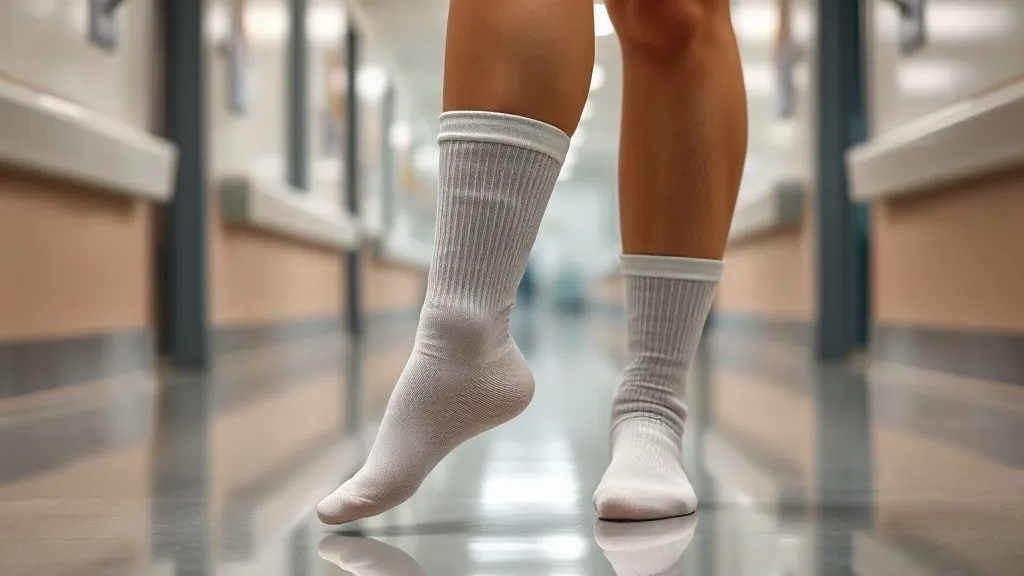
Socks: Preventing Blisters and Toe Chafing
While often categorized as blister prevention, toe-on-toe friction and general foot chafing are major concerns directly related to activewear choice. High-quality synthetic or merino wool blend socks with specific features are key:
- Double-layer socks: These socks are designed with two layers of fabric that rub against each other, rather than the sock rubbing against your skin, significantly reducing friction.
- Toe socks: Physically separate each toe, preventing inter-toe chafing and blisters, which are common culprits in ultra-marathons.
- Seamless toe boxes: Eliminate a common friction point at the front of the foot where toes meet the main sock body.
- Proper fit: Socks should be snug but not constrictive, with no excess fabric to bunch up, and should not slide down into your shoe.
I always advise runners to prioritize their socks as much as their shoes. A good sock can literally save your race. Runner's World often features comprehensive guides on this topic, underscoring its importance for endurance athletes.
Shirts and Tops: Armpits and Nipple Protection
For men, nipple chafing is a common, excruciating problem that often leads to bloodied shirts. For both men and women, armpit chafing can be severe due to repetitive arm swing and sweat. Choose:
- Close-fitting but not restrictive tops: Prevents excess fabric from rubbing excessively against the torso and armpits.
- Seamless or flatlock seams: Absolutely essential in the armpit and shoulder areas, where seams can cause significant irritation.
- Silky smooth fabric: Materials with a low coefficient of friction are critical, especially around the chest and armpits.
For nipple protection, while a smooth, tight-fitting base layer can help, specific adhesive patches (e.g., nipple guards or medical tape) are often a more reliable and robust solution for ultra-marathon distances, especially for men.
Beyond Apparel: Complementary Anti-Chafing Strategies
While the right activewear is foundational, a holistic approach to chafing prevention involves complementary strategies that create an additional layer of defense, ensuring maximum protection during the most grueling events.
Topical Anti-Chafing Products
These products come in various forms – balms, sticks, creams, gels, and powders – and are designed to create a slick, protective barrier on the skin, thereby reducing the coefficient of friction. Popular ingredients include petroleum jelly, silicone, lanolin, and various waxes.
- Application: Apply generously and proactively to all known hot spots *before* you even start running. Don't wait for discomfort or irritation to begin. Common areas include inner thighs, groin, armpits, feet, nipples, and under bra lines.
- Reapplication: For ultra-marathons, be prepared to reapply these products during aid station stops or when your crew is accessible. The efficacy of these products diminishes over time due to sweat, water crossings, and sheer duration. Carry a small stick or tube for on-the-go application.
- Testing: Experiment with different brands and formulations during training to find what works best for your skin, sweat rate, and the specific conditions you anticipate. Some products might feel greasy, others might not last long enough for your needs.
- Types: Silicone-based products tend to be more durable and water-resistant, while petroleum jelly is a classic, cost-effective option. Powders can help absorb moisture in very humid conditions but might not provide the same long-lasting barrier as balms.
Skin Care and Hygiene
Healthy, well-maintained skin is more resilient to friction and irritation. Incorporating good skin care practices, both before and during your race, can significantly reduce chafing risks.
- Pre-Race Preparation: Keep your skin clean, moisturized (outside of running), and free from excessive hair in high-friction areas. Some runners opt to trim or shave hair in areas like the inner thighs or armpits to reduce potential irritation.
- During the Race: If possible, at longer aid stations or crew stops, gently clean and dry any chafed or irritated areas. Some runners use mild antiseptic wipes or a clean cloth with water. Ensuring complete dryness before reapplying topical products is crucial.
- Post-Run Care: After your runs, thoroughly clean and dry any areas that experienced friction. Apply soothing balms or moisturizers to help the skin recover.
As endurance expert Dean Karnazes often emphasizes, "The only way to know your limits is by going beyond them." But you can't truly go beyond them if you're sidelined by preventable skin issues. His philosophy underscores the importance of thorough preparation, which absolutely includes meticulous gear choice and skin protection.

Maintenance and Longevity: Keeping Your Gear Optimal
Even the best activewear won't perform optimally or provide its intended anti-chafing benefits if not cared for correctly. Proper maintenance ensures the longevity of the fabric's properties, its fit, and the garment itself, directly impacting its effectiveness in preventing severe chafing.
Washing and Drying Guidelines for Technical Activewear
Most technical activewear, especially those designed with advanced moisture-wicking and low-friction properties, requires specific care to maintain its integrity:
- Cold Water Wash: Always wash in cold water. Hot water can damage synthetic fibers, degrade elastic (spandex), and reduce the effectiveness of moisture-wicking treatments.
- Mild Detergent: Use a mild, sports-specific detergent. Avoid harsh detergents, bleach, and especially fabric softeners. Fabric softeners can clog the pores of moisture-wicking fabrics, creating a residue that traps moisture and significantly reduces their ability to draw sweat away from the skin.
- Delicate Cycle: Use a gentle or delicate cycle to prevent excessive agitation that can damage seams and fabric structure.
- Air Dry or Low Heat: High heat from tumble dryers is the enemy of activewear. It can melt or damage synthetic fibers, cause elastic to lose its stretch (reducing compression), and contribute to garment shrinkage. Air drying on a line or flat is ideal. If you must use a dryer, opt for the lowest heat setting and remove garments while still slightly damp.
- Wash Inside Out: Turning garments inside out protects the outer surface, any prints or reflective elements, and helps to clean the part of the fabric that is in direct contact with your skin and sweat.
Adhering to these guidelines will ensure your activewear retains its crucial anti-chafing properties for many miles.
When to Retire Activewear
Activewear, especially garments subjected to the rigors of ultra-marathons, doesn't last forever. Over time, elastic degrades, fabrics thin in high-friction areas, and moisture-wicking properties can diminish. Ignoring these signs can lead to unexpected chafing during a critical race.
- Loss of Compression: If your compression shorts or sports bra no longer provide their original snug fit and support, the elastic has likely broken down. This means they will move more against your skin, increasing chafing risk.
- Thinning Fabric: Hold garments up to the light. If you see areas where the fabric is significantly thinner, especially in the inner thighs or armpits, it's a sign of wear and reduced protective capacity.
- Pilling or Roughness: Excessive pilling or a noticeable change in the fabric's smoothness indicates that the material's low-friction properties are compromised.
- Persistent Odor: If garments retain a persistent odor even after washing, it could be a sign that bacteria have built up within the fibers, and the fabric's technical properties are failing.
This is particularly true for garments crucial for preventing chafing. Don't risk a race-ending injury by trying to squeeze a few more miles out of worn-out gear.
Choosing Wisely: A Buyer's Guide for Ultra-Marathoners
Navigating the vast market of activewear can be daunting, with countless brands and technologies vying for your attention. Here’s a framework for making informed decisions to prevent severe chafing during ultra-marathons, ensuring every dollar spent contributes to your comfort and success.
Prioritize Quality Over Quantity
This is where my years in the industry really shine. Cheap activewear is a false economy for ultra-runners. The investment in high-quality, purpose-built gear will pay dividends in comfort, performance, and preventing race-ending issues. While the initial cost might be higher, the durability and effectiveness of premium garments far outweigh the continuous cycle of replacing inferior products.
Look for reputable brands known for their endurance sports apparel. These brands typically invest heavily in research and development, utilizing advanced fabric technologies and construction methods specifically designed for extreme conditions. Don't be swayed by marketing hype alone; seek out brands with a proven track record in the ultra-running community.
The "Feel" Test and Rigorous Trial Runs
Buying activewear for ultra-marathons is not like buying casual clothes; it requires a hands-on and experiential approach.
- Touch and Feel: In the store, or upon receiving your order, immediately feel the fabric. Is it soft, smooth, and low-friction? Are all seams flat, smooth, and unobtrusive? Pay close attention to elastic bands, hems, and any areas that will directly contact your skin.
- Movement Test: Try on the garment and mimic running movements – squat, lunge, swing your arms, and even do some exaggerated leg swings. Does it bunch anywhere? Does it restrict your movement? Does it feel like a second skin, moving fluidly with your body? Check for any areas that might rub as you move.
- Training Trial: This is the most critical step. Never, ever wear new, untested gear on race day. Always put your activewear through several long training runs, progressively increasing the duration and intensity. Crucially, test it in conditions similar to your anticipated race environment – heat, humidity, rain, and varying terrain. This will confirm its anti-chafing efficacy under stress and allow you to identify any unexpected friction points before they become race-enders.
Consider reading reviews from other ultra-runners on independent platforms. Websites like iRunFar or major running publications often feature detailed gear reviews from an endurance perspective, offering real-world insights into how specific garments perform over long distances.

Frequently Asked Questions (FAQ)
Q: Can I really prevent all chafing during a 100-mile race? A: While preventing 100% of all skin irritation over 100 miles can be challenging due to individual physiology, extreme environmental conditions, and the sheer duration, you can absolutely prevent *severe, race-ending* chafing. By meticulously selecting the right activewear, consistently using topical anti-chafing barriers, and practicing proper skin care, you can mitigate the vast majority of chafing risks and significantly enhance your comfort and performance. It requires a proactive, multi-pronged approach rather than relying on a single solution.
Q: Is cotton ever acceptable for any part of my activewear during an ultra-marathon? A: Absolutely not, in my professional opinion. Cotton is the nemesis of ultra-runners. It absorbs and holds moisture, becoming heavy, cold, and highly abrasive when wet. It is the antithesis of anti-chafing activewear for endurance events. Even for a short warm-up, it’s best to avoid it, but for ultra-marathons, it’s a definitive no-go for any layer touching your skin due to its high propensity to cause severe chafing.
Q: How do I know if my compression shorts are the right length for anti-chafing? A: The ideal length for compression shorts to prevent inner thigh chafing is typically an inseam of 7-9 inches or longer, ensuring the fabric extends well past the point where your thighs naturally rub. When you walk, run, or climb, the hem should remain consistently below the problematic contact zone and not ride up. Test them thoroughly during long training runs, including uphill and downhill sections, to confirm they don't ride up or bunch, even when your muscles are fatigued.
Q: What activewear prevents severe chafing during ultra-marathons if I have very sensitive skin? A: For those with sensitive skin, the focus on seamless construction, exceptionally soft, low-friction fabrics, and hypoallergenic materials becomes even more critical. Consider fine-gauge merino wool blends for their natural softness, breathability, and temperature regulation, alongside high-quality, smooth synthetics like nylon. Pay extra attention to detergent choices (opt for hypoallergenic, fragrance-free) and ensure topical anti-chafing products are also tested for sensitivity. Sometimes, investing in custom-fit or bespoke gear for recurring problem areas can be a worthwhile consideration.
Q: Should I size up or down for anti-chafing activewear? A: For compression wear, generally stick to your true size as determined by the brand's size chart and your body measurements. The goal is snug, supportive compression, not restriction. Sizing up can lead to excess fabric that bunches and rubs, negating the anti-chafing benefits. Sizing down can cause excessive pressure, restrict blood flow, and lead to discomfort or even nerve irritation over long distances. For looser-fitting items, ensure they are still breathable and do not have excess fabric that can rub or catch, especially under the arms or around the waist. Always prioritize a fit that allows unrestricted movement without creating new friction points.
Key Takeaways and Final Thoughts
- Fabric First: Prioritize moisture-wicking, quick-drying synthetics (polyester, nylon) or fine-gauge merino blends with seamless or flatlock construction for all layers touching your skin. Avoid cotton at all costs.
- Fit is Fundamental: Embrace compression for critical areas like the inner thighs, ensuring a snug yet comfortable fit with a long inseam that prevents bunching and riding up.
- Top-to-Toe Strategy: Don't overlook any garment – from seamless underwear and supportive sports bras to specialized socks and smooth tops – all play a crucial role in a chafe-free experience.
- Complementary Measures: Integrate high-quality topical anti-chafing products and good skin hygiene as part of your comprehensive prevention plan, reapplying as needed.
- Test, Test, Test: Never wear untested gear on race day. Long training runs in varied conditions are your essential laboratory for confirming activewear efficacy and identifying potential hot spots.
Embarking on an ultra-marathon is a profound testament to human resilience and determination. Don’t let something as preventable as chafing derail your incredible effort and months of training. By meticulously choosing and preparing your activewear, informed by expert insights and rigorous personal testing, you can transform your race experience from one of potential agony to one of focused, comfortable endurance. Go forth, conquer those miles, and stay chafe-free!
Recommended Reading
- The 7 Pillars: What Elements Define an Iconic Haute Couture Masterpiece?
- 7 Proven Steps: Stop Micro-Pavé Diamonds Falling from Custom Jewelry
- 7 Proven Strategies: Sourcing Exclusive Fashion Gifts for Luxury Client Retention
- 5 Design Principles: Discreetly Integrating Orthotics in High-Fashion Footwear
- Taming the Beast: Solving Inventory Bloat in Slow-Moving Accessory Lines

Your email address will not be published. Required fields are marked *