

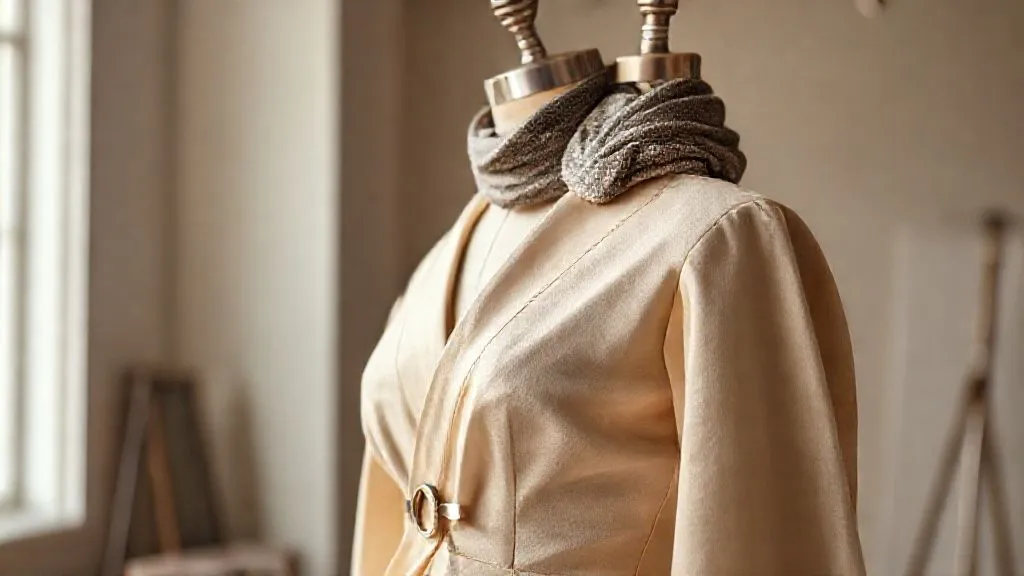
How to Adapt Fast Womenswear Trends into a Classic Brand Identity?
For over 15 years in the dynamic world of womenswear, I've observed a recurring challenge that often stumps even the most established brands: the delicate dance between staying true to a classic identity and remaining relevant in an era of rapid-fire trends. Many brands either cling so tightly to their heritage that they become stagnant, or they chase every fleeting fad, ultimately diluting their unique essence and confusing their loyal customer base. It's a tightrope walk where the ground beneath is constantly shifting.
The problem isn't just about sales; it's about perceived value, brand legacy, and sustainable growth. How do you, as a classic womenswear brand, embrace the dynamism of current fashion without sacrificing the very qualities that make you timeless? How do you ensure your garments resonate with new generations while still being cherished by existing clientele? This tension can lead to strategic paralysis, missed opportunities, or, worse, a crisis of identity.
In this definitive guide, I will share the actionable frameworks, real-world insights, and expert strategies I've honed over years of working with heritage brands. We'll explore how to intelligently dissect trends, integrate them subtly, and communicate your evolving narrative, ensuring your brand not only survives but thrives, elegantly adapting fast womenswear trends into a classic brand identity. Prepare to learn how to evolve with purpose, maintaining your core while embracing the new.
Understanding Your Brand's Immutable Core Identity
Before you even consider a single trend, you must possess an unshakable understanding of your brand's core identity. This isn't just about a logo or a color palette; it's the very soul of your brand – its values, its aesthetic DNA, its unique promise to the customer. I've seen countless brands stumble by trying to integrate trends without this foundational clarity, leading to collections that feel disjointed and inauthentic.
Your brand's immutable core is what your customers trust and what differentiates you. Is it timeless elegance, understated luxury, sophisticated minimalism, or perhaps a particular craft tradition? Identify the non-negotiable elements that define your aesthetic. This includes your signature silhouettes, preferred fabrications, color philosophies, and, crucially, the lifestyle and aspirations you cater to. When you know who you are, it becomes easier to discern which trends align and which are simply noise.
The Pillars of Your Classic Aesthetic
To truly define your core, consider these pillars:
- Signature Silhouettes: Are there particular cuts or shapes that are unmistakably yours?
- Fabric Philosophy: Do you prioritize natural fibers, innovative synthetics, or sustainable materials?
- Color Palette: Do you lean towards neutrals, jewel tones, or a specific range of hues?
- Brand Values: What does your brand stand for beyond clothing? Quality, craftsmanship, empowerment, longevity?
- Target Customer Persona: Who is your ideal customer, and what do they seek from your brand?
“Your brand's core identity is not a cage; it's an anchor. It provides the stability to explore new currents without being swept away. Without it, every trend becomes a potential identity crisis.”
Documenting these elements creates a strategic filter. Every potential trend should be run through this filter: Does it enhance or detract from our core? Does it resonate with our customer? This disciplined approach is the first, most critical step in how to adapt fast womenswear trends into a classic brand identity successfully.
Strategic Trend Forecasting: Not All Trends Are Created Equal
The fashion cycle is relentless, but not all trends hold equal weight or relevance for a classic brand. Distinguishing between fleeting fads and enduring shifts is paramount. As a veteran in this space, I emphasize focusing on macro trends – broader cultural, social, and technological movements that influence consumer behavior – rather than just the micro-trends that dominate a single season. A classic brand doesn't chase; it curates.
Macro trends might include a growing emphasis on sustainability, a shift towards comfort and versatility, or an increased demand for investment pieces. These are the deeper currents that can inform your product development and brand messaging for years, rather than months. Micro trends, like a specific print or a hyper-stylized sleeve, can be integrated, but always with caution and within the established framework of your brand's aesthetic.
Identifying Resonant Trends for Your Niche
Here’s how to approach trend identification strategically:
- Monitor Industry Reports: Subscribe to reputable trend forecasting agencies like WGSN or Fashion Snoops. While these are broad, they offer a starting point.
- Observe High-End Brands: Look at how luxury houses subtly integrate trends. They often act as early indicators of more enduring shifts.
- Analyze Consumer Behavior: Pay attention to shifts in how your target demographic lives, works, and shops. Are they seeking more versatility, conscious consumption, or digital-first experiences?
- Filter Through Your Brand DNA: This is the crucial step. Ask: Does this trend align with our core values? Can it be translated into our aesthetic without compromise? Is it relevant to our customer?

For instance, a classic brand focused on timeless elegance might observe a trend towards 'quiet luxury' and interpret it through elevated fabrications and minimalist detailing, rather than adopting oversized, logo-heavy streetwear. According to a Deloitte report on the luxury sector, consumers are increasingly valuing timelessness and quality over overt branding, a macro trend perfectly suited for classic brands.
The Art of Subtlety: Integrating Trends Without Overtaking
This is where the true mastery lies: incorporating trendy elements so seamlessly that they refresh your collection without shouting 'I'm trendy!' The goal is not to become a fast-fashion replica, but to offer a contemporary twist on your established classics. Think of it as seasoning a beloved dish – you enhance the flavor, not change the recipe entirely.
Subtle integration often involves focusing on specific elements rather than adopting an entire trend aesthetic. These elements can include:
- Color Updates: Introducing a trending accent color within your existing palette, or updating your core neutrals to reflect current preferences (e.g., a warmer grey, a softer beige).
- Fabric Innovation: Utilizing new sustainable materials, performance fabrics that offer comfort, or novel textures that add depth to classic silhouettes.
- Hardware & Details: Updating buttons, zippers, belts, or embellishments with a modern finish or minimalist design.
- Proportion & Silhouette Adjustments: Slightly modifying a sleeve length, a pant width, or a jacket's overall fit to feel more current without altering the fundamental shape.
Case Study: "Elegance House" Reinvents a Classic Trench
"Elegance House," a fictional brand renowned for its impeccably tailored classic outerwear, faced the challenge of making their iconic trench coat feel relevant to a younger, environmentally conscious demographic. Instead of redesigning the trench, they focused on subtle adaptations. They introduced a version crafted from a recycled cotton blend fabric that maintained the drape and durability of the original but offered a modern, eco-friendly appeal. They also updated the buckle hardware to a sleek, brushed matte finish and offered an interior lining in a trending muted botanical print that could be subtly glimpsed when unbuttoned.
The result? The trench retained its classic appeal but felt fresh, attracting new customers who valued both heritage and contemporary consciousness. Sales of the updated trench saw a 25% increase in its first season, proving that thoughtful, subtle integration can yield significant returns.
Curated Collections: Balancing Timelessness with Timeliness
A classic brand doesn't need to overhaul its entire inventory each season. Instead, I advocate for a curated collection strategy. This involves maintaining a strong core of evergreen, best-selling pieces that define your brand, and then introducing smaller, focused collections that incorporate current trends. This approach minimizes risk, optimizes resources, and reinforces your brand's identity as a purveyor of lasting style.
Think of it as a capsule wardrobe approach for your brand. Your foundational pieces – the perfect white shirt, the tailored trousers, the iconic dress – remain constant. Around these, you can introduce a 'seasonal refresh' collection that showcases how your core aesthetic can elegantly embrace current trends. These might be limited-edition items or specific colorways that offer a nod to the zeitgeist without becoming the main event.
| Collection Type | Characteristics | Trend Integration Level | Example |
|---|---|---|---|
| Core Classics | Timeless, best-selling, foundational pieces | Minimal to None | Signature tailored blazer, classic white shirt |
| Seasonal Refresh | Limited edition, incorporates subtle trends | Moderate (color, texture, detail) | Classic dress in a trending print, updated pant silhouette |
| Collaboration/Innovation | Experimental, pushes boundaries, often limited release | High (new forms, materials) | Designer collaboration with unique aesthetic, sustainable tech-fabric piece |
This strategy allows you to test the waters with new trends, gauge customer reaction, and avoid over-committing to styles that might quickly fade. It also provides a clear narrative for your customers: you offer enduring quality, with thoughtful options for those who appreciate a touch of the contemporary. As Seth Godin often says, "People do not buy goods and services. They buy relations, stories and magic." Your curated collection tells a consistent story of enduring style with an eye on the present.
Material Innovation and Sustainable Adaptation
One of the most impactful ways to adapt fast womenswear trends into a classic brand identity, especially in today's market, is through material innovation and a commitment to sustainability. This isn't just a trend; it's a fundamental shift in consumer values and industry practices. Classic brands, with their emphasis on quality and longevity, are uniquely positioned to lead in this area.
Customers are increasingly scrutinizing the origins and environmental impact of their clothing. Integrating sustainable materials, ethical production processes, and transparent supply chains can modernize your brand's appeal without compromising its classic aesthetic. In fact, it often enhances it by aligning with a deeper sense of value and responsibility. This can manifest in using organic cottons, recycled polyesters, innovative bio-based fabrics, or even traditional craftsmanship that minimizes waste.
Leveraging Fabric Technology and Ethical Sourcing
- Research Sustainable Fabrics: Explore options like Tencel, Modal, organic linen, recycled wool, or innovative vegan leathers. Focus on materials that offer luxurious feel and drape, aligning with your brand's quality standards.
- Embrace Circularity: Consider designing for longevity, repairability, and eventual recycling. This aligns perfectly with the 'buy less, buy better' ethos of classic brands.
- Trace Your Supply Chain: Work with suppliers who can provide transparency regarding their environmental and social practices. Communicate this commitment to your customers.
- Pilot New Technologies: Invest in or collaborate with textile innovators working on solutions like dyeing processes that use less water or fabrics with enhanced durability.
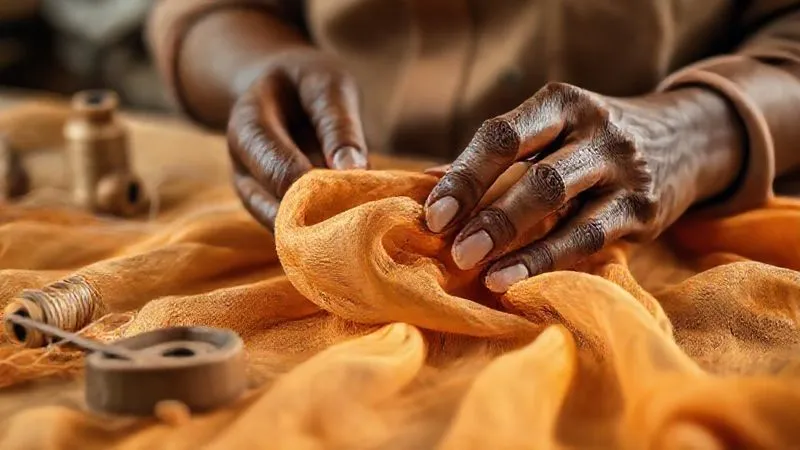
A classic brand that can articulate its commitment to sustainability, not as a passing trend but as an integral part of its enduring values, gains immense credibility and relevance. This strategic move directly addresses contemporary consumer demands while reinforcing the core message of quality and thoughtful consumption. For instance, Vogue Business often highlights how luxury brands are successfully integrating sustainable materials without sacrificing their high-end appeal, providing excellent examples for classic womenswear brands.
Communicating Your Evolved Narrative to the Customer
Adapting trends isn't just about product; it's also about communication. Once you've thoughtfully integrated contemporary elements, you must articulate this evolution to your customer base. This isn't about announcing a complete overhaul, but rather narrating a story of thoughtful progression. Your communication should reinforce your brand's core values while explaining how new elements enhance, rather than diminish, your classic appeal.
Your marketing and storytelling become crucial here. Don't just present new products; explain the 'why' behind the changes. Why did you choose a particular new fabric? How does a subtle silhouette adjustment improve comfort or versatility? Emphasize that these adaptations are a testament to your brand's commitment to continuous improvement, relevance, and meeting the evolving needs of your sophisticated customer.
Digital Storytelling and Brand Rejuvenation
- Behind-the-Scenes Content: Share stories of your design process, highlighting the careful consideration given to each new element and how it aligns with your heritage.
- Educational Content: Create blog posts or social media series explaining the benefits of new materials or design updates (e.g., "The Evolution of Our Signature Pant").
- Collaborate with Influencers (selectively): Partner with individuals whose personal brand aligns with your classic aesthetic but who also have a contemporary voice, helping to bridge the gap to new audiences.
- Visual Storytelling: Ensure your campaign imagery subtly blends classic elegance with modern styling, showing your pieces in diverse, contemporary contexts.
“Authenticity in evolution means being transparent about your journey. Your customers are savvy; they appreciate honesty and a well-told story over a sudden, unexplained shift.”
By framing adaptations as a natural, intelligent evolution rather than a desperate chase for relevance, you build greater trust and deepen customer loyalty. This approach shows respect for your brand's legacy while demonstrating foresight and responsiveness to the modern world, making it a powerful strategy for how to adapt fast womenswear trends into a classic brand identity.
Measuring Impact and Iterating: The Feedback Loop
The process of adapting trends is not a one-time event; it's an ongoing cycle of integration, measurement, and refinement. Once you've introduced new elements, it's critical to gather data and feedback to understand their impact. This iterative approach ensures that your brand's evolution remains strategic and customer-centric, preventing missteps and maximizing successful adaptations.
What metrics should you track? Beyond sales figures, consider customer feedback on new styles, engagement with your updated messaging, and the performance of specific trend-infused pieces. Are they attracting new demographics? Are existing customers responding positively? This data provides invaluable insights into what resonates and what might need adjustment for future collections.
Establishing an Effective Feedback Loop
- Sales Data Analysis: Track sales performance of new vs. classic pieces. Look for patterns in uptake, repeat purchases, and customer demographics for each.
- Customer Surveys & Focus Groups: Directly ask your customers for their opinions on new designs, materials, and overall collection direction. What do they love? What are they missing?
- Social Media & Online Reviews: Monitor comments, mentions, and reviews across all platforms. This provides real-time, unfiltered sentiment.
- Returns & Exchanges Data: A high return rate on a new style can indicate a mismatch with customer expectations or brand identity. Analyze the reasons.
- Internal Team Feedback: Engage your sales team, who are on the front lines, for their insights into customer reactions and preferences.
Based on the insights gathered, be prepared to iterate. This might mean refining a silhouette, adjusting a color palette, or even discontinuing a less successful trend integration. The agility to learn and adapt is a hallmark of truly enduring brands. By maintaining a robust feedback loop, you ensure that your approach to how to adapt fast womenswear trends into a classic brand identity is continuously optimized for relevance and sustained success.
Frequently Asked Questions (FAQ)
How often should a classic brand update its collections with new trends? A classic brand shouldn't feel pressured to update every season like fast fashion. Focus on a 'seasonal refresh' or 'capsule collection' once or twice a year (Spring/Summer and Fall/Winter) to introduce subtle trend adaptations. The key is quality and thoughtful integration, not quantity or speed. Your core collection remains your constant.
What if a specific trend completely clashes with my brand's aesthetic? Should I ignore it? Absolutely. Not every trend is for every brand. If a trend fundamentally contradicts your core identity, values, or target customer's preferences, it's best to ignore it. Trying to force a square peg into a round hole will only dilute your brand and confuse your audience. Focus on trends that can be authentically translated.
How can a classic brand avoid looking like fast fashion when integrating trends? The distinction lies in intent, quality, and subtlety. Fast fashion aims for rapid replication and disposability. Classic brands integrate trends thoughtfully, using high-quality materials, superior craftsmanship, and designing for longevity. Focus on individual elements (color, texture, detail) rather than adopting entire trend aesthetics, and always filter through your brand's unique DNA.
Is it possible to be sustainable while also adapting to trends? Yes, it's not only possible but increasingly expected. Focus on sustainable material innovation, ethical production, and designing for circularity (longevity, repairability, recyclability). When integrating trends, prioritize those that align with sustainable values (e.g., natural fibers, timeless silhouettes that can be styled in new ways). This adds value and authenticity.
How do I convince my existing loyal customers that change is good without alienating them? Transparency and storytelling are key. Communicate that your adaptations are a natural evolution, enhancing your brand's core values while meeting modern needs. Emphasize improved comfort, versatility, or sustainability. Showcase how new pieces complement existing classics. Your loyal customers trust your brand; explain how these changes uphold that trust, rather than betraying it.
Key Takeaways and Final Thoughts
- Know Your Core: An unshakeable understanding of your brand's DNA is the foundation for all strategic adaptation.
- Curate, Don't Chase: Focus on macro trends and selectively integrate elements that truly resonate with your aesthetic.
- Master Subtlety: Small, thoughtful adjustments in color, fabric, or proportion can have a significant impact without diluting identity.
- Embrace Innovation: Leverage sustainable materials and ethical practices to modernize your brand's appeal.
- Communicate Clearly: Tell the story of your brand's evolution, reinforcing core values while explaining new directions.
- Iterate and Learn: Continuously gather feedback and data to refine your approach, ensuring ongoing relevance.
The journey of a classic womenswear brand in a fast-paced world is indeed challenging, but it is also one filled with immense opportunity. By applying these expert strategies, you can confidently navigate the currents of change, ensuring your brand not only adapts fast womenswear trends into a classic brand identity but does so with grace, integrity, and enduring appeal. Remember, true timelessness isn't about standing still; it's about evolving with purpose, always anchored by your unique legacy.
Recommended Reading
- The Ultimate Guide: How to Properly Clean White Mesh Athletic Shoes
- Bespoke Jewelry Copied? 5 Steps to Protect Your Design & Brand
- Why Advanced Skincare Fails? 5 Secrets to Unlock Lasting Radiance
- 7 Proven Strategies: Liquidate Urban Fashion Inventory Without Devaluing Your Brand
- 7 Pillars: How Clean Beauty Brands Can Dodge Greenwashing Accusations




Your email address will not be published. Required fields are marked *