

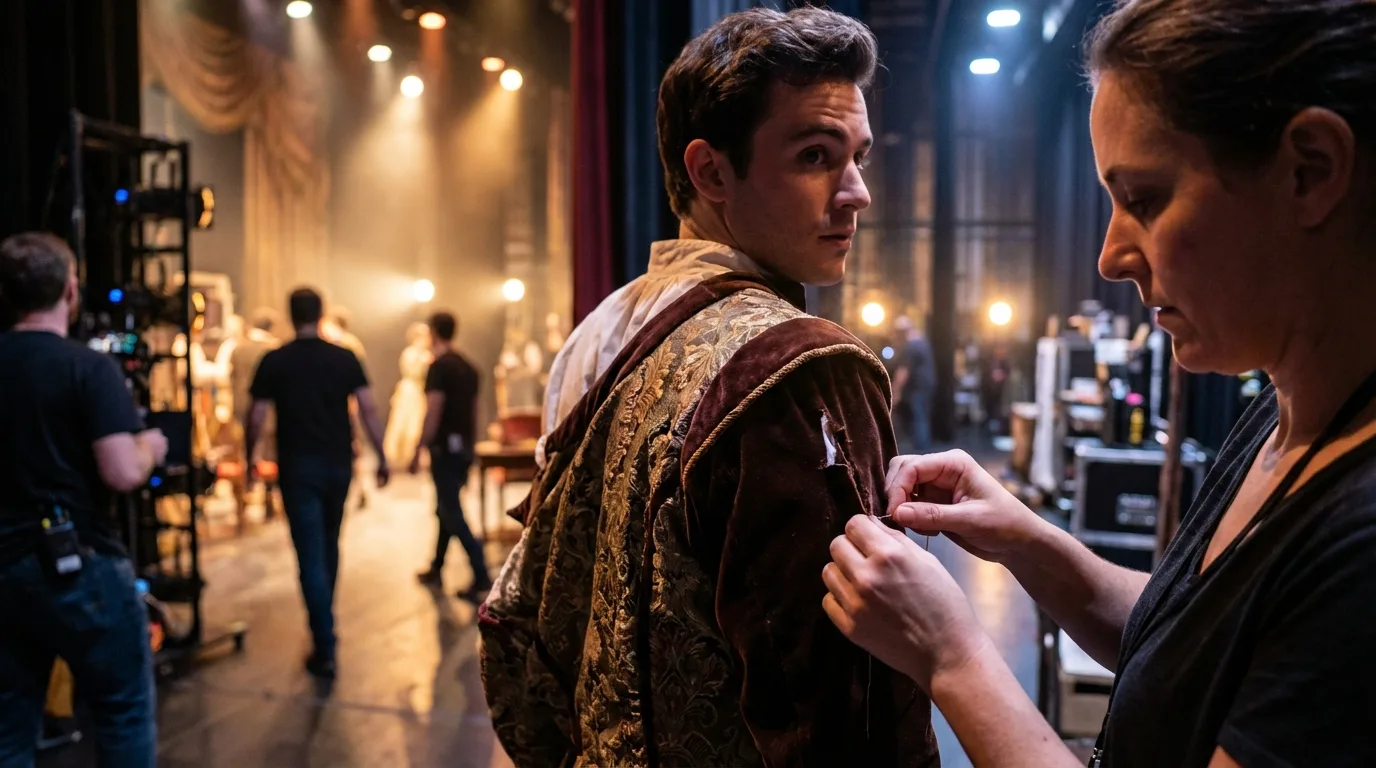
The thrill of live performance is undeniable, but behind the curtain, chaos can sometimes reign. As a costume designer, I’ve seen it all – zippers that break seconds before an entrance, seams that split during a dance number, and accessories that mysteriously vanish. The key to a smooth performance isn't just meticulous preparation, but also knowing how to handle costume malfunctions swiftly and discreetly. Over the years, I've developed a set of go-to techniques and a constantly-evolving emergency kit that has saved countless shows. This isn't just about keeping actors clothed; it's about preserving the integrity of the performance and the confidence of the performer.
The Essential Backstage Costume Repair Kit
A well-stocked costume repair kit is your first line of defense. Think of it as a mobile surgery unit for garments. Here's what should be inside:
- Needles and Thread: A variety of needle sizes and thread colors (including black, white, and skin tones) are crucial. Opt for high-quality thread that won't easily break.
- Safety Pins: An assortment of sizes is essential for quick fixes like securing hems or holding closures together.
- Scissors: Small, sharp scissors are needed for trimming threads and making small cuts.
- Seam Ripper: For removing stitches quickly and cleanly.
- Fabric Tape: Double-sided fabric tape is excellent for temporarily securing hems, straps, or accessories.
- Hook and Eye Closures: A selection of different sizes can replace broken or missing closures.
- Snaps: Similar to hook and eye closures, snaps offer another quick fastening option.
- Zipper Repair Kit: These kits contain sliders and other components for fixing common zipper problems.
- Buttons: An assortment of sizes and colors to replace lost buttons.
- Lint Roller: To remove dust, hair, and other debris from costumes.
- Stain Remover Pen: For tackling small stains before they become permanent.
- Pliers: Small pliers are useful for working with stubborn zippers or hardware.
- Rubber bands: For fastening or holding things in place temporarily
Common Costume Malfunctions and Their Quick Solutions
Knowing how to address common issues is just as important as having the right tools. Here are some frequent problems and the fastest ways to resolve them:
- Broken Zipper: Try using pliers to gently realign the zipper teeth. If that doesn't work, a zipper repair kit might offer a replacement slider. In a pinch, safety pins can hold the garment closed.
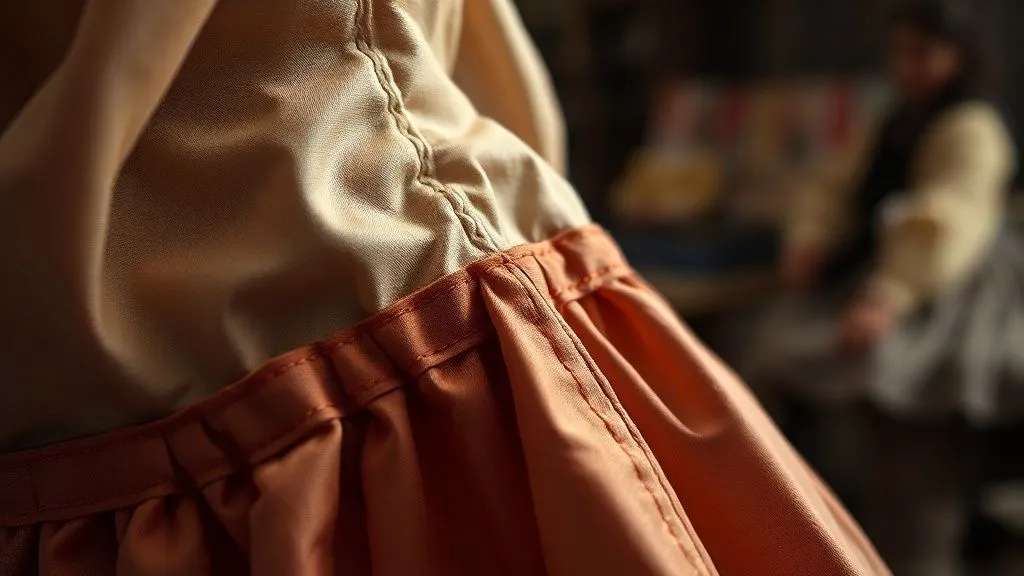
- Split Seam: A quick hand stitch with a needle and thread can close the seam temporarily. Fabric tape can also provide a temporary hold.
- Missing Button: If you have a replacement button, sew it on quickly. Otherwise, use fabric tape or a safety pin to secure the garment.
- Falling Hem: Fabric tape or safety pins can hold the hem in place until a more permanent repair can be made.
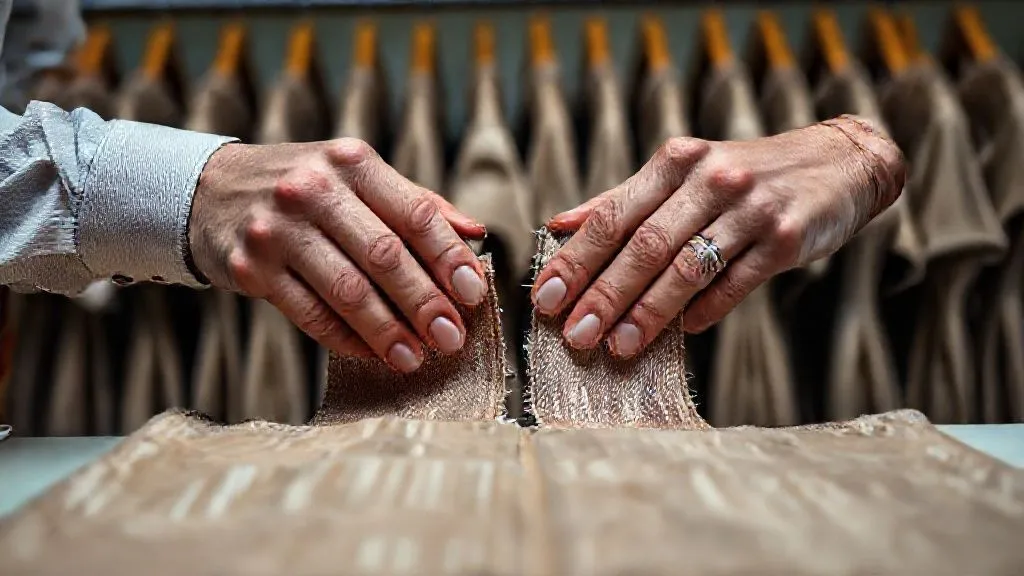
- Torn Fabric: If the tear is small, fabric tape or a quick stitch can patch it up. For larger tears, consider using a piece of matching fabric from inside the garment as a temporary patch.
My Backstage Experiences with Costume Catastrophes
Theory is helpful, but nothing beats real-world experience. I remember one show vividly...
In 2018, during a production of "A Midsummer Night's Dream", one of the fairy costumes, made of delicate silk chiffon and adorned with intricate beadwork, suffered a major tear right before the fairy queen's entrance. The setup was my usual backstage station: a small table illuminated by a single work lamp, my sewing kit open and ready. The measurement of the tear was roughly 4 inches long, right along the shoulder seam. After carefully realigning the fabric and using tiny, almost invisible stitches, the seam was repaired in under 5 minutes. The result: the fairy queen floated onto the stage, serene and regal, and nobody in the audience was any wiser.
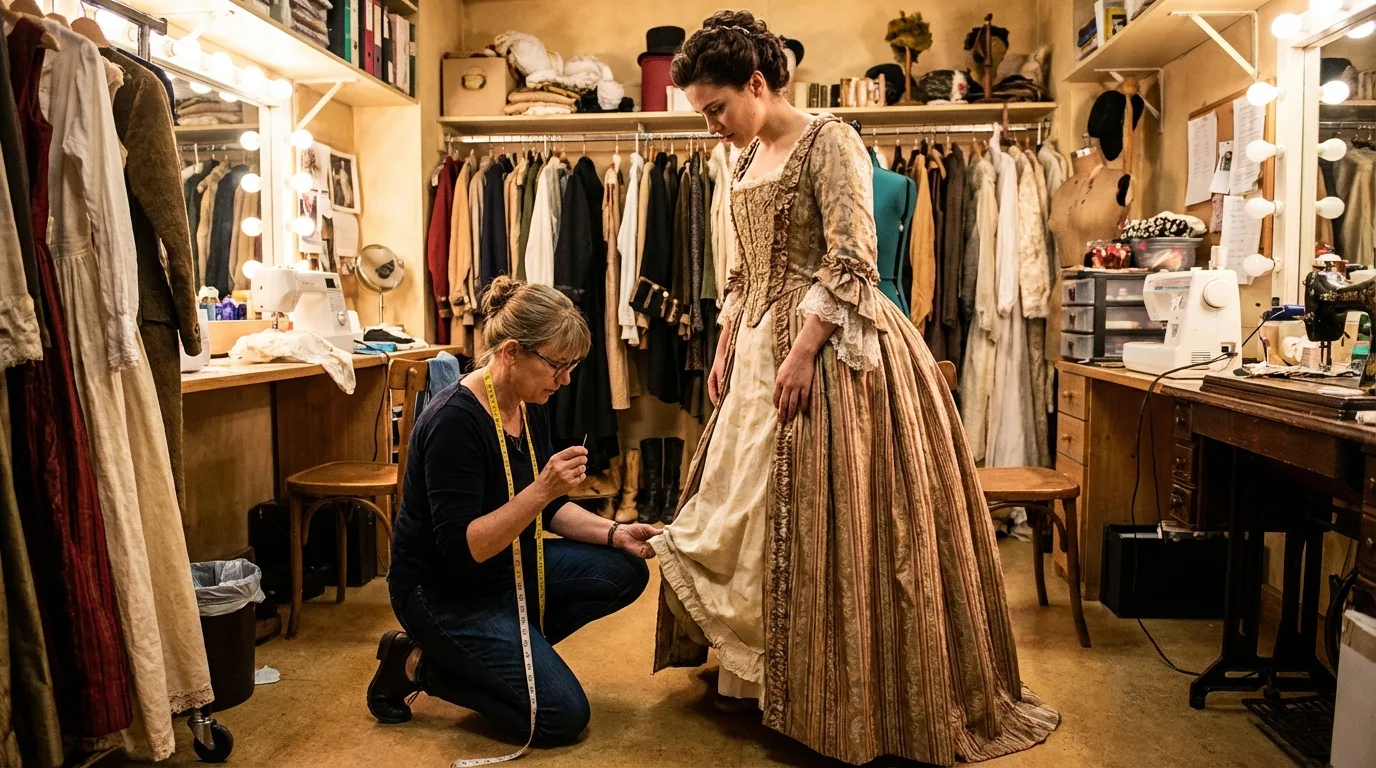
Another time, in 2020, I was working on a production of "Chicago". One of the dancer's flapper dresses had a notoriously fragile strap. The setup was even more challenging than usual, crammed into a tiny corner with minimal lighting. During the quick change before "Hot Honey Rag", the strap snapped completely. The measurement was immediate: zero support for the bodice! I quickly grabbed some heavy-duty black elastic from my kit, measured about 6 inches, and hand-stitched a new strap in place, reinforcing the attachment points. The result: the dancer made her entrance on time and the routine was flawless.
And then there was the time, in 2022, during a high school production of "Grease". One of the T-Bird jackets, a classic leatherette, had a zipper that completely jammed just before the actor's entrance. The setup was chaotic: a group of nervous teenagers and a frazzled stage manager breathing down my neck. I assessed the situation, measured the zipper's resistance, and after struggling to move it, realized the slider had completely detached. I found a spare slider from my repair kit, but it was slightly smaller. I managed to attach the replacement slider, zipped up the jacket, and secured the bottom with a hidden safety pin. The result: the T-Bird swaggered onto the stage without a wardrobe malfunction and never knew how close he came.
Advanced Techniques for Costume Emergencies
Sometimes, a simple stitch or safety pin isn't enough. Here are some more advanced techniques to consider:
- Creating a Temporary Dart: If a garment is too loose, you can create a temporary dart by pinching the fabric and securing it with safety pins or a quick stitch.
- Adding a Gusset: A gusset is a piece of fabric inserted into a seam to add more room. If a seam is straining or at risk of tearing, a gusset can provide extra reinforcement.
- Replacing Elastic: Worn-out elastic can be replaced quickly by cutting the old elastic and sewing in a new piece.
- Camouflaging Stains: If a stain can't be removed, try camouflaging it with fabric paint, glitter, or an accessory.
Essential Materials: A Closer Look
Some materials are simply indispensable for rapid repairs. Understanding their strengths is key. Here's a table summarizing some crucial materials and their uses:
| Material | Use | Benefits |
|---|---|---|
| Safety Pins | Temporary closures, hem fixes | Quick, easy, versatile |
| Fabric Tape | Hem adhesion, strap securement | No sewing required, strong hold |
| Elastic | Waistband repair, strap replacement | Provides stretch and support |
| Thread | Seam repair, button attachment | Permanent, discreet |
| Zipper Repair Kit | Zipper repair, slider replacement | Restores zipper functionality |
Source: author's experience, supplemented by Joann Fabrics — joann.com
Preventative Measures: Minimizing Malfunctions
Prevention is always better than cure. Here are some steps you can take to minimize costume malfunctions:
- Choose Durable Fabrics: Opt for fabrics that can withstand the rigors of performance.
- Reinforce Seams: Reinforce seams that are likely to be stressed, such as those at the crotch, underarms, and waist.
- Use High-Quality Closures: Invest in good-quality zippers, buttons, and snaps.
- Proper Storage: Store costumes properly to prevent damage. Use garment bags to protect them from dust and moths.
- Regular Inspections: Inspect costumes regularly for signs of wear and tear. Make repairs before they become major problems.
- Fitting: Always ensure a costume fits properly.

FAQ: Addressing Your Urgent Backstage Questions
Here are some frequently asked questions I have encountered during my years of backstage work:
Q: Why does fabric tape sometimes fail, even when applied correctly?
A: Fabric tape relies on a clean, dry surface to adhere properly. Oils, lotions, or even excessive sweat can interfere with the adhesive. Also, the type of fabric matters; some fabrics simply don't bond well with the tape. Always test a small, inconspicuous area first. Using a high-quality, double-sided tape designed specifically for fabric, like those available from Joann Fabrics, will also give better results.
Q: What is the real practical difference between hand-sewing a split seam and using a sewing machine backstage?
A: A sewing machine offers a much stronger and faster repair, but it's rarely practical backstage due to space constraints, noise, and the need for a power source. Hand-sewing is quieter, more portable, and doesn't require electricity, making it ideal for quick, discreet fixes. The key is to use a strong stitch, like a backstitch, and reinforce the area around the tear.
Q: Why do zippers still break even after using zipper lubricant?
A: Zipper lubricant can help prevent snags and extend the life of a zipper, but it won't fix a broken slider or damaged teeth. Lubrication is a preventative measure, not a repair solution. If the zipper continues to break, the slider may be worn out or the teeth may be misaligned, requiring a replacement.
Q: What are some of the best brands for stain remover pens that don't damage delicate fabrics?
A: When dealing with delicate fabrics, it's crucial to use stain remover pens specifically formulated for such materials. Two brands I recommend are Tide and Shout. Always test the pen on a hidden area of the fabric first to ensure it doesn't cause discoloration or damage.
Conclusion: Embrace the Unexpected
Costume malfunctions are an inevitable part of live performance. By having a well-stocked repair kit, mastering quick-fix techniques, and staying calm under pressure, you can ensure that the show goes on, no matter what challenges arise. Being prepared is the key to success. Now, take stock of your backstage kit, practice those quick stitches, and be ready to save the day! Visit your local fabric store or order online from Joann Fabrics to replenish your supplies and be fully equipped for any wardrobe emergency.
Recommended Reading
- 7 Proven Ways: Avoid Fake Engagement in Streetwear Influencer Vetting
- 5 Expert Steps: Decode Natural Beauty Claims, Avoid Greenwashing
- 5 Strategies: Engineering Smart Fabrics for Industrial Wash Durability
- 5 Proven Strategies: Differentiating Your Costume Jewelry Brand in a Saturated Market
- 7 Ways High Fashion Magazines Balance Print Heritage & Digital Growth
Your email address will not be published. Required fields are marked *