

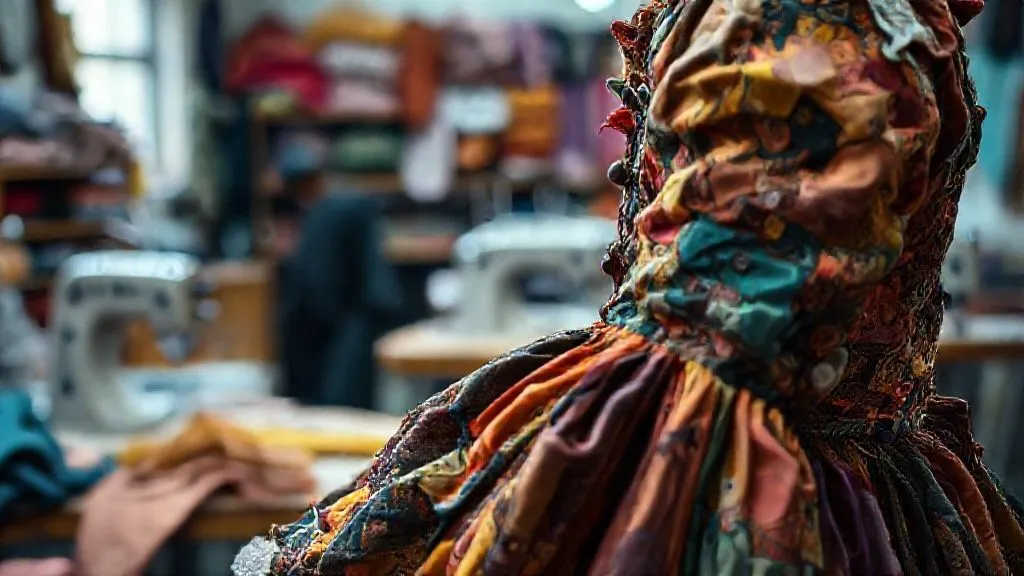
How to design durable theatrical costumes on a shoestring budget?
For over two decades in the demanding world of theatrical costume design, I've witnessed the heartbreak of a magnificent costume failing mid-performance. It's a universal truth in our industry: the magic on stage is often underpinned by the resilience of its wardrobe. But here's the rub – the magic often comes with a minuscule budget, especially for community theatres, school productions, and indie companies.
The pain point is palpable: you need costumes that can withstand countless rehearsals, quick changes, rigorous choreography, and multiple performances, yet your funds are tighter than a corset on opening night. The temptation to cut corners on quality is strong, but the long-term cost in repairs, replacements, and creative compromises can be devastating to both your budget and your artistic vision.
This isn't merely about saving a few dollars; it's about intelligent design, strategic material choices, and a master's approach to construction that defies financial constraints. In this definitive guide, I'll reveal actionable frameworks, proven material selection strategies, ingenious construction techniques, and indispensable maintenance protocols that will empower you to design durable theatrical costumes on a shoestring budget, ensuring your creations not only look spectacular but also endure the rigors of the stage.
The Imperative of Durability: Why Costumes Must Endure
Beyond the immediate visual impact, the longevity of a theatrical costume is a silent hero. It ensures the integrity of the performance, safeguards the actor, and, crucially, offers significant long-term cost savings. A costume that rips, frays, or loses its fasteners after a few uses isn't just an aesthetic problem; it's a logistical and financial drain.
The Hidden Costs of Fragile Costumes
Many novice designers or budget-conscious producers overlook the cumulative expense of poorly constructed costumes. Frequent repairs eat into labor budgets, require scarce materials, and can delay rehearsals. Replacements, especially for unique pieces, can be exorbitantly expensive. Moreover, a wardrobe malfunction on stage can break the audience's immersion, impact an actor's confidence, and even pose a safety risk.
"Investing in durability upfront, even on a tight budget, is not an expense; it's a strategic investment that pays dividends in performance integrity, peace of mind, and ultimately, a healthier bottom line. A costume that lasts through multiple runs, or even multiple productions, vastly outweighs the perceived initial savings of a cheaper, less robust alternative."
I've seen countless productions hemorrhage funds on a never-ending cycle of mending and replacing. My experience has taught me that the initial design and construction choices are paramount to breaking this cycle.
Strategic Material Selection: The Foundation of Longevity
The cornerstone of a durable costume lies in its materials. On a shoestring budget, this means thinking beyond conventional fabric stores and embracing resourcefulness without compromising on strength. It's about maximizing resilience per dollar spent.
Embracing Repurposed and Upcycled Fabrics
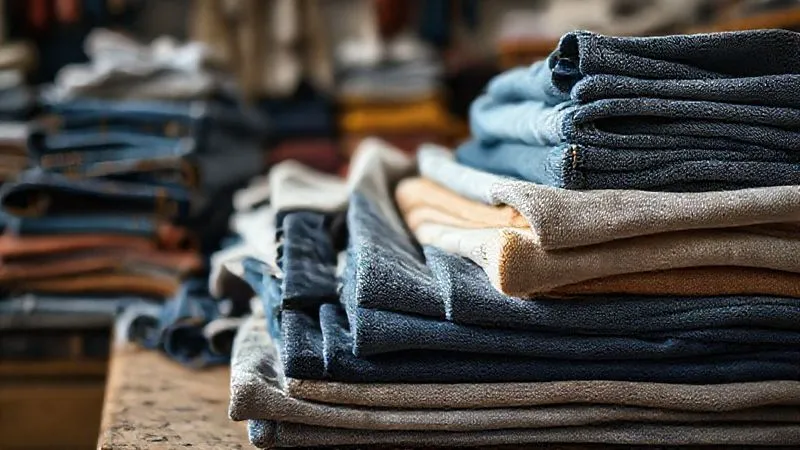
One of the most powerful strategies I employ is the judicious use of repurposed and upcycled fabrics. This isn't just an eco-friendly choice; it's an economic powerhouse. Thrift stores, vintage shops, and even personal donations can yield a treasure trove of sturdy materials. Think:
- Denim: Perfect for workwear, historical garments, or fantasy elements requiring ruggedness.
- Canvas and Duck Cloth: Excellent for structured pieces, corsetry foundations, or heavy outerwear.
- Upholstery Scraps: Often heavy-duty and richly textured, ideal for accents or small, strong pieces.
- Sturdy Cotton Blends: Old bedsheets, curtains, or tablecloths can be dyed, painted, and transformed.
The benefits of upcycling are profound:
- Cost Savings: Often free or significantly cheaper than new fabric.
- Unique Textures & Patinas: Adds character and depth that new fabric can't replicate.
- Pre-Washed & Pre-Shrunk: Reduces surprises after the first wash.
- Environmental Impact: A sustainable choice for the planet.
Smart Sourcing: Beyond the Fabric Store
When new fabric is essential, smart sourcing is key. Don't limit yourself to retail fabric chains. Explore:
- Wholesale Fabric Suppliers: Often have minimums, but can offer significant discounts for bulk purchases, which can be shared between productions or stored for future use.
- End-of-Roll Sales & Remnant Bins: These are goldmines for smaller projects or accents, offering high-quality fabrics at a fraction of the price.
- Industrial Fabric Suppliers: Companies that supply fabrics for tents, awnings, or work uniforms often have incredibly durable materials that can be adapted for theatrical use.
- Online Fabric Forums & Swap Groups: Connect with other designers or crafters looking to offload excess fabric.
For more insights into textile sourcing and industry trends, I highly recommend exploring resources like Textile World, which can provide a broader understanding of fabric availability and innovation.
Prioritizing Fabric Properties
When evaluating any fabric, new or repurposed, consider its inherent properties:
- Weave: Tightly woven fabrics (twill, canvas, plain weave) are generally more durable than loose weaves (some linens, open knits).
- Fiber Content: Natural fibers like cotton and linen offer breathability and strength, but can wrinkle. Synthetics like polyester and nylon offer excellent abrasion resistance and wrinkle recovery, especially in blends. Blends often provide the best of both worlds.
- Weight: Heavier fabrics generally equate to greater durability, but must be appropriate for the costume's movement requirements.
Here's a quick reference for common fabric types and their durability profile:
| Fabric Type | Durability Score (1-5) | Cost-Effectiveness | Best Use |
|---|---|---|---|
| Denim (upcycled) | 5 | High | Outerwear, structured pieces, workwear |
| Heavy Cotton Twill | 4 | Medium | Period garments, uniforms, base layers |
| Polyester Blends | 4 | High | Linings, base layers, draping, easy care garments |
| Canvas/Duck Cloth | 5 | Medium | Corsetry, heavy outerwear, props fabrication |
| Wool Blends (thick) | 4 | Medium-High | Coats, capes, historical garments |
Ingenious Construction Techniques for Maximum Strength
Even the most durable fabric can fail if poorly constructed. My philosophy is that a costume should be built like a fortress, especially at its weakest points. It's not just about what materials you use, but how you put them together.
Reinforced Seams and Stress Points
This is where the magic of durability truly happens. Think about where a costume will experience the most strain: armscyes, crotches, waistbands, shoulders, and areas with tight movement. These are your battlegrounds.
Here's how I approach reinforcement:
- Double Stitching: For any seam under significant tension, a second line of stitching, parallel to the first, provides immense strength.
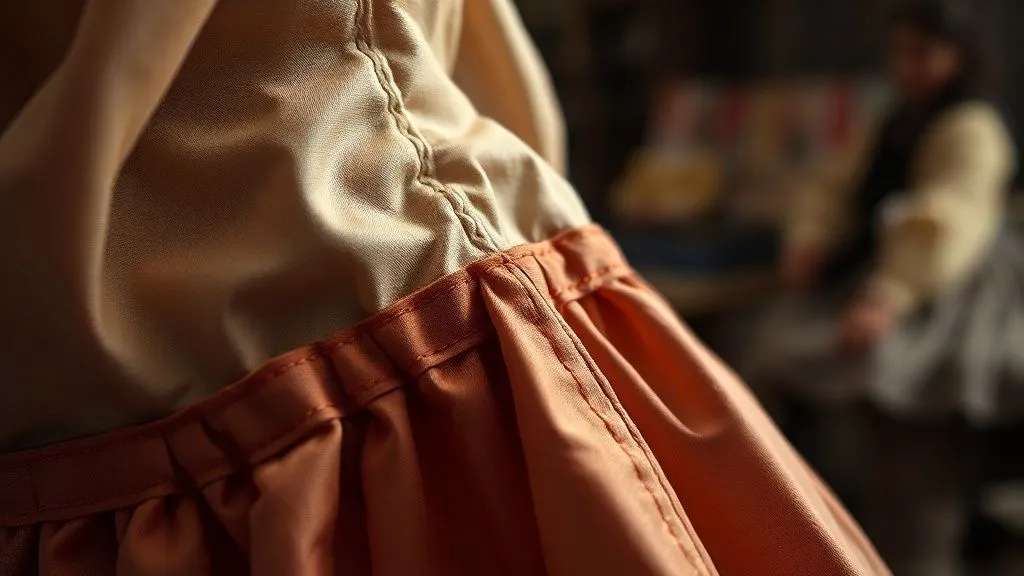
- Flat-Felled Seams: Common in denim and workwear, these seams enclose raw edges and are incredibly strong and neat. They're perfect for garments that need to withstand heavy wear.
- French Seams: While more delicate in appearance, French seams fully enclose raw edges, preventing fraying and adding a layer of protection, ideal for lighter fabrics that still need durability.
- Bar Tacks: At the end of zippers, pocket openings, or belt loops, a small, dense zigzag stitch creates an impenetrable anchor point.
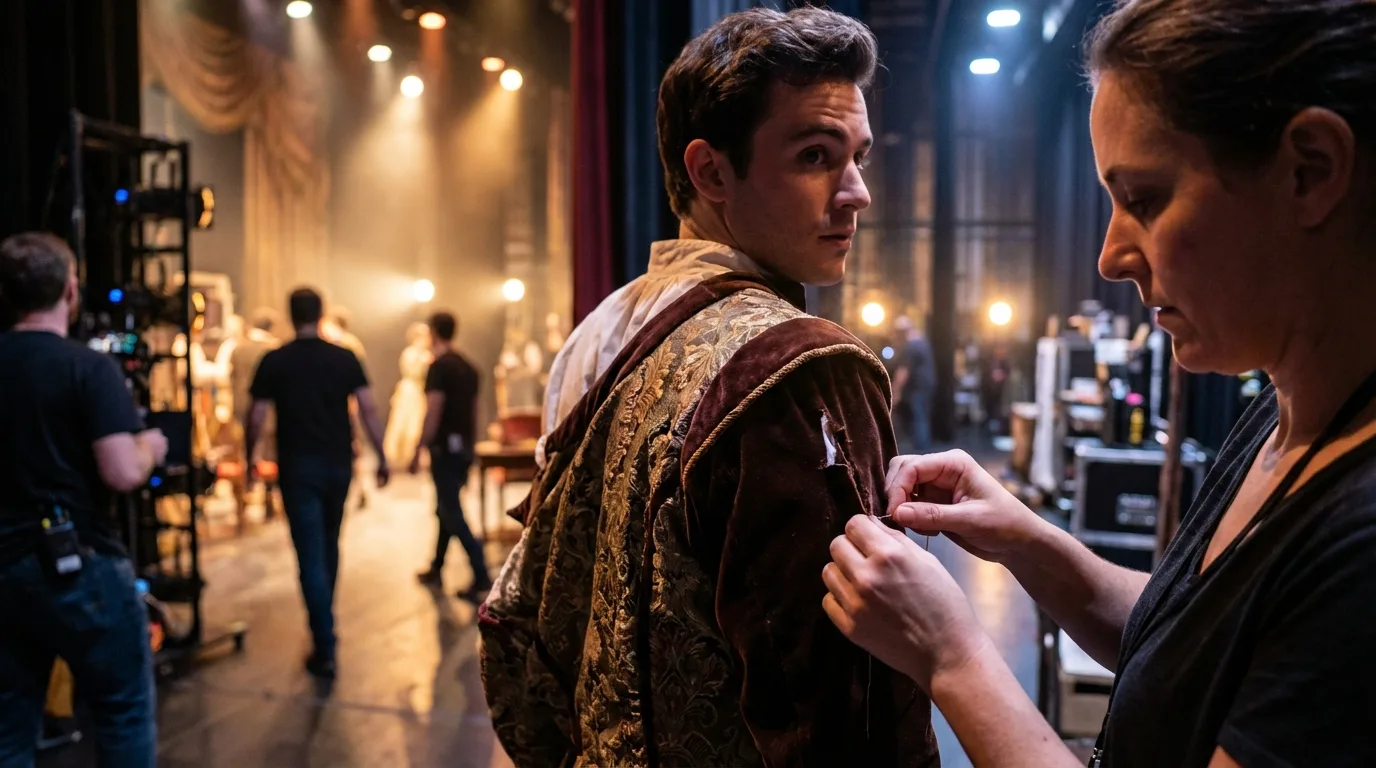
- Interfacing and Underlining: Adding a layer of fusible or sew-in interfacing to areas like collars, cuffs, and plackets provides stability and prevents stretching and tearing. Underlining an entire garment with a sturdy cotton adds another layer of protection to the main fabric.
For example, to reinforce an armscye (armhole) on a tunic that will see a lot of sword fighting or vigorous movement:
- After sewing the main armscye seam, trim it to about 1/2 inch.
- Apply a narrow strip of bias tape or a sturdy woven interfacing to the seam allowance.
- Stitch this reinforcement directly over the seam allowance, catching both the main fabric and the seam allowance.
- Optionally, add a second line of topstitching from the right side of the garment, parallel to the armscye seam, to further secure the layers.
Thoughtful Fastenings and Closures
The choice of fasteners is critical. A costume is only as durable as its weakest link, and often, that's a cheap zipper or a flimsy button.
- Zippers: Opt for heavy-duty metal or sturdy coil zippers over invisible or lightweight plastic ones, especially for high-stress areas. Ensure they are properly installed with reinforced stitching at the top and bottom.
- Buttons: Choose robust buttons with shanks or four holes, and sew them on with strong thread (buttonhole twist is excellent) using a shank to allow fabric movement.
- Snaps: Use heavy-duty sew-on or hammer-on snaps for areas requiring quick changes, ensuring they are securely attached to reinforced fabric sections.
- Hook-and-Eye: For closures requiring minimal bulk but maximum hold, use large, sturdy metal hooks and eyes, again, anchored into reinforced fabric.
"When selecting closures, always consider the actor's experience. Can they manage it quickly? Will it withstand the physical demands of their role? Ease of repair and replacement should also factor into your decision, as even the best fasteners can fail over time."
For deeper dives into traditional garment construction and tailoring that inherently build durability, resources like those found at the Metropolitan Museum of Art's costume collection often illustrate techniques that have stood the test of centuries.
Lining and Understructure as Durability Boosters
Don't underestimate the power of a good lining or an internal structure. They don't just improve comfort and drape; they significantly extend the life of the outer fabric.
- Linings: A full lining protects the outer fabric from body oils, sweat, and friction, especially in areas like armpits and collars. Choose durable lining fabrics like sturdy cotton broadcloth or a good quality polyester lining.
- Interfacing & Boning: For structured garments like corsets, bodices, or tailored jackets, internal interfacing provides shape and strength. Steel boning, even in a simplified form, prevents fabric from collapsing and tearing under tension.
- Cording & Piping: Can be used not just decoratively, but also to reinforce edges and seams, adding a layer of abrasion resistance.
Design for Longevity: Principles of Sustainable Costume Design
Durability isn't an afterthought; it's a design principle. From the initial sketch, I'm thinking about how the costume will move, how it will be cleaned, and how it can be repaired or adapted. This is where truly sustainable costume design takes root.
Modular and Layered Design
One of my favorite strategies for budget-conscious durability is modular design. This involves creating costumes with interchangeable or easily replaceable components. Imagine:
- Detachable Sleeves or Collars: These are often high-wear areas. If they can be easily removed, repaired, or replaced, the main garment's life is extended.
- Layered Garments: A sturdy base layer (e.g., a simple tunic) that can be accessorized with various over-garments, capes, or decorative elements. If an outer layer gets damaged, the base remains intact.
- Adjustable Sizing: Incorporating generous seam allowances, lacing, or multiple rows of closures allows for size adjustments, making costumes reusable for different actors in future productions.
Accommodating Movement and Stress
A costume that restricts movement is a costume destined to tear. Understanding the demands of the stage – whether it's a dramatic gesture, a dance sequence, or a sword fight – is paramount. Integrate features that allow for full range of motion:
- Gussets and Godets: Triangles or squares of fabric inserted into seams (especially underarms and skirt panels) provide extra room and prevent tearing at stress points.
- Pleats and Gathers: Not just decorative, these can build in extra ease and allow for movement without straining seams.
- Generous Seam Allowances: I always advocate for slightly wider seam allowances (e.g., 5/8 inch instead of 1/2 inch) in theatrical costumes. This gives you more fabric to work with for repairs and alterations.
For more on how movement informs costume design, resources on dance costume design can be highly informative, such as those from the American Dance Therapy Association, which often touch upon the practicalities of garments in motion.
Case Study: "The Resilient Royal Robe"
A few years ago, a small community theatre, "Willow Creek Players," approached me. They were mounting a period drama, and their lead actor's elaborate royal robe, a central piece, was literally falling apart after every dress rehearsal. The original design, while beautiful, used a delicate brocade with simple, unreinforced seams.
My solution involved a complete overhaul, focusing on durability within their tight budget. We started by underlining the delicate brocade with a sturdy cotton duck cloth, effectively creating a "sandwich" that protected the outer fabric. All major seams were flat-felled or double-stitched. Crucially, we designed the heavy sleeves to be detachable via a strong, hidden snap-and-hook system, allowing them to be separately reinforced and easily repaired without impacting the main body of the robe. Gussets were inserted under the arms, and the hem was reinforced with a durable horsehair braid and a wide, hand-stitched hem.
The result? The "new" robe not only survived the entire run of the production without a single major repair but was also robust enough to be stored and successfully reused in two subsequent plays with minor alterations. This saved Willow Creek Players thousands of dollars in replacement costs and countless hours of frantic mending, proving that thoughtful design upfront yields immense long-term value.
Smart Maintenance and Storage: Extending Costume Life
Even the most perfectly designed and constructed costume will succumb to wear and tear without proper care. Maintenance isn't an afterthought; it's a continuous process that dramatically extends a costume's lifespan and saves money in the long run.
Regular Inspections and Prompt Repairs
I cannot stress this enough: a stitch in time saves nine. Implement a rigorous inspection routine. Empower your actors, dressers, and wardrobe crew to be the first line of defense. They are the ones interacting with the costumes most intimately.
- Daily Pre-Show Check: A quick visual scan for loose buttons, fraying hems, or stressed seams.
- Post-Show Inspection: More thorough, checking all stress points, closures, and overall integrity.
- Weekly Deeper Dive: For long runs, a dedicated wardrobe call where costumes are taken off actors, cleaned (if needed), and meticulously inspected for minor damage that could escalate.
Teach your team basic mending skills – how to reattach a button, mend a small tear, or reinforce a loose snap. Small, immediate repairs prevent minor issues from becoming catastrophic failures that require costly, time-consuming overhauls.
Cleaning and Storage Protocols
Improper cleaning and storage can destroy a costume faster than any stage fight. Establish clear, documented protocols for every garment.
- Gentle Cleaning: Follow fabric care instructions meticulously. Hand washing, spot cleaning, or professional dry cleaning might be necessary for delicate pieces. For sturdy items, machine wash on a gentle cycle with cold water and air dry to prevent shrinkage and preserve fibers.
- Proper Hanging & Folding: Heavy garments (like coats or robes) should be hung on sturdy, padded hangers to distribute weight and prevent shoulder distortion. Delicate items or those prone to stretching (e.g., knits) should be folded and stored flat.
- Breathable Storage: Store costumes in breathable garment bags or acid-free boxes, away from direct sunlight, extreme temperatures, and humidity. Avoid plastic bags for long-term storage as they can trap moisture and promote mildew.
- Pest Control: Use cedar blocks or lavender sachets as natural deterrents against moths and other pests, especially for woolens and natural fibers.
Here's a quick guide for common costume types:
| Costume Type | Cleaning Method | Storage |
|---|---|---|
| Heavy Brocade Gown | Spot clean / Dry clean only | Padded hanger, garment bag, acid-free tissue in folds |
| Cotton Peasant Tunic | Machine wash cold, hang dry | Folded or hung on wooden hanger, breathable bag |
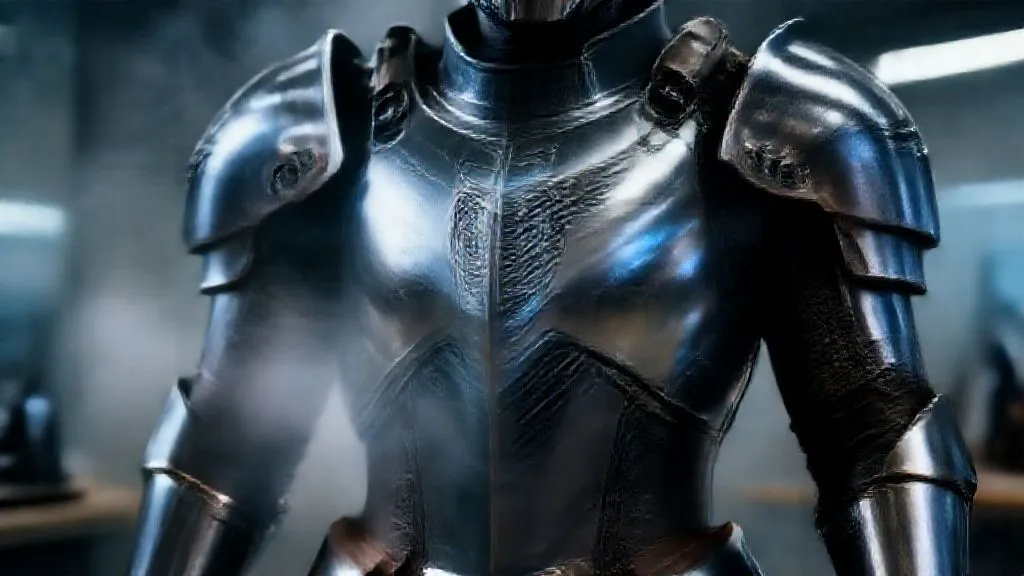
| Armor (Leather/Foam) | Wipe clean with damp cloth, air dry thoroughly | Flat or shaped to prevent warping, away from heat/humidity |
| Delicate Lace/Tulle | Hand wash cold, lay flat to dry | Acid-free box, flat, interleaved with tissue |
Building a Repair Kit
Every wardrobe department, no matter how small, needs a well-stocked repair kit. Think of it as your emergency first aid for costumes.
- Essential Tools: A variety of hand-sewing needles, strong all-purpose thread in black, white, and neutral tones, sharp fabric scissors, a seam ripper, tailor's chalk, safety pins, and straight pins.
- Spare Fasteners: A selection of common buttons, snaps, hooks-and-eyes, and zipper pulls that match your production's costumes.
- Fabric Scraps: Keep small pieces of the main fabrics used in your costumes for patching and repairs.
- Adhesives: Fabric glue for temporary fixes or embellishments, but always prioritize stitching for durability.
Cultivating a Culture of Resourcefulness and Care
Ultimately, designing durable costumes on a shoestring budget is not just about techniques; it's about fostering a mindset of resourcefulness, respect for materials, and collective responsibility. This cultural shift can be your greatest asset.
Training Your Team
Invest a small amount of time at the beginning of a production to educate your cast and crew. Show them how to properly put on and take off costumes, how to hang them, and how to spot minor issues. A quick workshop on basic mending can turn a potentially destructive problem into a manageable task. When everyone understands the value of the costumes and the effort that went into them, they become more careful.
Collaboration with Directors and Choreographers
Early and open communication with the creative team is vital. If a costume needs to withstand a particularly strenuous dance sequence or a messy stage effect, it's crucial to discuss these demands during the design phase. This allows you to build in durability from the ground up, rather than trying to patch problems later. As Harvard Business Review often emphasizes in management, proactive communication is key to successful project outcomes.
"The most durable costumes are not just well-made; they are well-loved and well-understood by everyone who interacts with them. Foster a collaborative spirit where the entire production team takes ownership of the wardrobe's longevity."
Frequently Asked Questions (FAQ)
How do I balance historical accuracy with durability on a budget? This is a common challenge. My approach is to prioritize the visual accuracy of the outer layer while building in modern durability to the unseen understructure. For example, use a historically accurate silhouette and outer fabric, but line it with a sturdy modern blend, use reinforced seams, and perhaps even a modern, durable zipper where historically appropriate (e.g., for quick changes) or easily hidden. Repurposed fabrics can often offer period-appropriate textures at a low cost.
What are the most common points of failure in theatrical costumes, and how can I prevent them? The most common failures occur at stress points: armscyes (armholes), crotches, waistbands, shoulder seams, and closures (zippers, buttons). Prevention involves strategic reinforcement: double-stitching, bar tacks, gussets, strong interfacings, and using heavy-duty fasteners. Also, ensuring generous fit to prevent undue strain on seams is critical.
Is it always cheaper to make than to buy/rent, especially for durability? Not always. For very specific, highly durable items that are reused frequently (e.g., basic period tunics, sturdy workwear), making can be more cost-effective long-term. However, for highly specialized or one-off pieces, renting from a reputable costume house might be cheaper if the rental period is short, as they often have robust, well-maintained garments. Buying cheap, poorly made costumes will almost always be more expensive in the long run due to constant repairs or replacements.
How can I make a costume look "aged" or "worn" without compromising its structural integrity? Aging and distressing should be an artistic application, not a result of wear and tear. Use techniques like fabric dyeing, painting, sanding (lightly, on durable fabrics), and selective fraying (with reinforcement to prevent further unraveling). Never compromise the core seams or structural components for an aged look. The costume should be structurally sound, with the aging applied superficially.
What's the biggest mistake costume designers make when trying to save money on durability? The biggest mistake is prioritizing initial material cost over construction quality and long-term maintenance. Choosing the cheapest, flimsiest fabric and then using basic, unreinforced construction methods is a recipe for disaster. It leads to a cycle of constant repair and replacement, ultimately costing more in time, labor, and materials than an upfront investment in quality materials and robust construction. It's a false economy.
Key Takeaways and Final Thoughts
Designing durable theatrical costumes on a shoestring budget is a testament to creativity, ingenuity, and strategic planning. It's a skill honed by experience, and one that yields immense satisfaction when your creations stand the test of time and performance.
- Embrace Resourcefulness: Hunt for repurposed fabrics and smart wholesale deals.
- Build Like a Fortress: Prioritize reinforced seams, sturdy closures, and supportive understructures.
- Design for Longevity: Think modularity, adaptability, and ease of movement from the outset.
- Champion Maintenance: Implement rigorous inspection, cleaning, and storage protocols.
- Cultivate Collaboration: Educate your team and communicate openly with the creative staff.
Remember, a durable costume is not just functional; it's a silent partner in the storytelling, allowing actors to fully inhabit their roles without the distraction of wardrobe woes. By applying these expert strategies, you're not just saving money; you're elevating the quality of your production, fostering a more sustainable practice, and ensuring that the magic on stage endures, performance after performance. Go forth, create, and build to last!
Recommended Reading
- 7 Proven Ways to Keep Your Daily Fashion Blog Outfits Fresh & Engaging
- 7 Steps: Design Garments for Disassembly & Material Recovery
- Effortless Style: Comfortable Everyday Outfits for Busy Moms
- 5 Proven Strategies: Attracting UHNW Clients for Bespoke Eyewear
- Unveiling the Secret: Why Choose Organic Cotton for Your Baby's Clothing?
Your email address will not be published. Required fields are marked *