

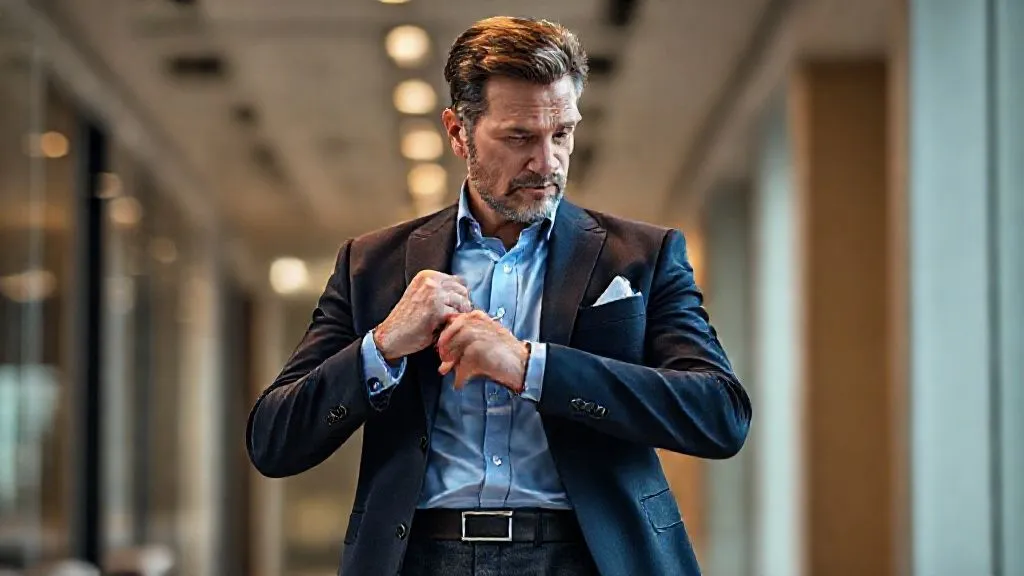
How to upgrade smart casual for a promotion interview?
For over 15 years in the menswear industry, specifically advising professionals on executive presence, I've witnessed countless aspiring leaders stumble not on their qualifications, but on their presentation. There’s a common misconception that 'smart casual' is a one-size-fits-all solution, leading many to underestimate the power of a finely tuned appearance, especially when it comes to a promotion interview.
The problem is subtle but significant: 'smart casual' for your everyday office environment is vastly different from 'smart casual' when you're vying for a higher role. An interview for a promotion isn’t just about proving you can do the job; it’s about demonstrating you already embody the leadership, gravitas, and attention to detail required at the next level. A casual approach to smart casual can inadvertently communicate a lack of seriousness or an inability to grasp the nuances of executive presence.
This definitive guide will equip you with a precise framework to master your smart casual attire for that crucial promotion interview. I’ll share actionable strategies, drawing on my experience, psychological insights, and practical menswear advice, ensuring you present yourself not just competently, but as the undeniable future leader your company needs. Prepare to learn how to upgrade smart casual for a promotion interview with an executive edge.
Understanding the "Smart" in Smart Casual for Promotion
The term 'smart casual' is notoriously ambiguous, a sartorial chameleon that adapts to its surroundings. However, for a promotion interview, its definition narrows considerably. It’s not about blending in with the general office population; it’s about subtly elevating your look to signify readiness for increased responsibility and authority. Think of it as 'smart casual plus' – a refined, intentional version that leans more towards the 'smart' end of the spectrum.
In my experience, many professionals misinterpret smart casual as merely 'not a suit but still neat.' This often leads to choices like overly casual chinos, wrinkled shirts, or worn-out footwear, all of which detract from an executive image. The 'smart' component for a promotion interview demands impeccable grooming, high-quality fabrics, excellent fit, and a cohesive, understated polish that speaks volumes about your professionalism and discernment.
Smart casual for a promotion interview isn't about blending in; it's about subtly standing out as executive material without appearing ostentatious. It's a calculated sartorial strategy.
The key is to project confidence, competence, and respect for the opportunity, all while adhering to a dress code that might be less formal than traditional business attire. It's a delicate balance, but one that, when mastered, can significantly enhance your perceived suitability for the promotion. Consider your industry and company culture; a tech startup might allow for more relaxed interpretations than a financial institution, but the underlying principle of elevated polish remains universal.
The Foundation: Tailoring and Fit are Non-Negotiable
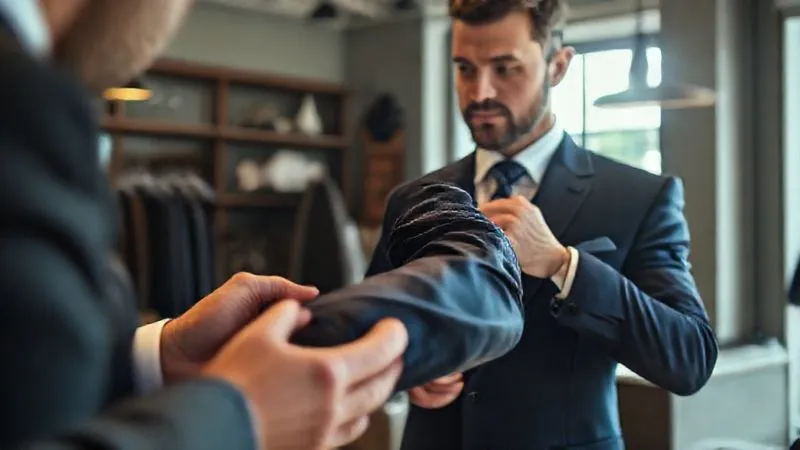
If there's one piece of advice I could etch into every man's mind regarding professional attire, it’s this: fit is paramount. An expensive garment that fits poorly will always look cheaper than a moderately priced one that fits impeccably. For a promotion interview, where every detail is subconsciously scrutinized, the precision of your fit communicates an attention to detail that is highly valued in leadership roles.
I've seen countless brilliant individuals undermine their own presence by wearing blazers that are too broad in the shoulder, shirts that bag around the waist, or trousers that pool at the ankles. These seemingly minor discrepancies create a sloppy silhouette that detracts from an otherwise strong message. A well-tailored garment streamlines your figure, enhances your posture, and projects an aura of discipline and control.
Here are actionable steps to ensure your clothing fits like a second skin:
- Shoulder Seams: For blazers and shirts, the shoulder seam should sit precisely where your shoulder ends. If it's drooping off your shoulder, it's too big; if it's pulling, it's too small.
- Sleeve Length: Blazer sleeves should end around your wrist bone, allowing about half an inch of your shirt cuff to show. Shirt cuffs should end where your wrist meets your hand.
- Jacket Length: A blazer or sport coat should cover your backside and just graze the top of your thigh.
- Trouser Break: For a modern, sharp look, aim for a 'no break' or 'slight break' in your trousers, meaning the hem just touches the top of your shoe or creates a minimal fold.
- Waist and Torso: Shirts should be slim enough to avoid excessive fabric bunching around the waist, but not so tight that buttons pull. Trousers should fit comfortably at the waist without needing a belt to stay up.
Investing in a good tailor isn't an extravagance; it's a strategic career move. They can transform off-the-rack garments into bespoke-looking pieces, instantly elevating your entire appearance. This investment signals that you value quality and present yourself with care – qualities crucial for any leadership position.
Strategic Layering: Blazers and Sport Coats as Your Power Play
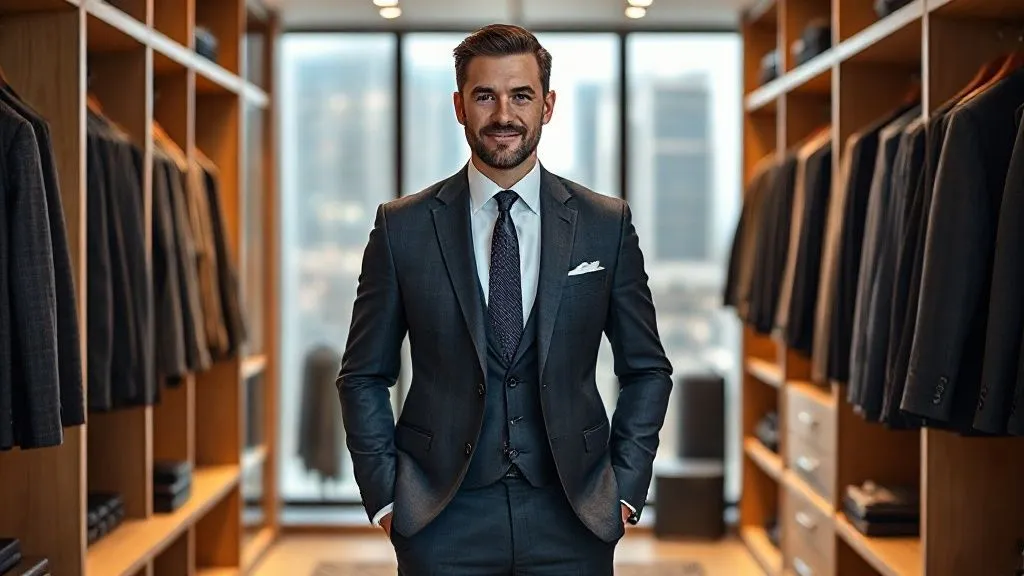
The blazer or sport coat is the cornerstone of an elevated smart casual look for a promotion interview. It instantly adds structure, formality, and a sense of purpose that a standalone shirt simply cannot achieve. It's your sartorial armor, projecting authority and polish without the full commitment of a suit.
When selecting your blazer, prioritize quality fabrics and a versatile color palette. A navy or charcoal grey blazer in wool, hopsack, or a high-quality cotton blend is always a safe and sophisticated choice. Avoid overly casual materials like linen (unless in a very specific, warm climate context) or heavily textured tweeds, which can feel too rustic for an interview.
The fit, as discussed, is critical. Ensure the shoulders are precise, the sleeves are the correct length, and the jacket closes comfortably without strain. Pay attention to details like lapel width – a medium-width notch lapel is universally flattering and professional. Avoid flashy buttons or overly contrasting stitching; subtlety is key here.
Here's a comparison of blazer styles and their suitability for a promotion interview:
| Style/Fabric | Formality Level | Interview Suitability | Key Feature | |
|---|---|---|---|---|
| Navy Wool Hopsack Blazer | High Smart Casual | Excellent - Versatile, structured, professional. | Textured but refined, breathable. | |
| Charcoal Grey Flannel Sport Coat | High Smart Casual | Excellent - Sophisticated, warm, substantial. | Soft texture, projects gravitas. | |
| Tan Cotton Blazer | Mid Smart Casual | Good (Seasonal/Industry Specific) - Lighter feel, less formal. | More relaxed, best for creative/less formal industries. | |
| Patterned Tweed Jacket | Low Smart Casual | Poor - Too rustic, often too casual or academic for promotion. | Heavy texture, distinct pattern, less formal. | |
| Black Blazer (Not Suit Jacket) | Mid Smart Casual | Fair - Can look too stark/formal or like a suit orphan. | Tricky to style well without looking like a uniform. | Stick to navy or charcoal. |
Pair your blazer with a crisp button-down shirt, dark trousers, and polished shoes for a cohesive look. The blazer acts as an instant upgrade, signaling that you've put thought and effort into your presentation, which is precisely what you want to convey when aiming for a promotion.
Shirts That Speak Volumes: Beyond the Basic Button-Down
While the blazer sets the tone, your shirt is the canvas upon which your professionalism is truly painted. For a promotion interview, your shirt choice should exude crispness, quality, and an understated elegance. This means moving beyond the tired, ill-fitting, or overly casual shirts that might suffice for a typical workday.
Fabric is your first consideration. Opt for high-quality cotton poplin, twill, or fine oxford cloth. These fabrics hold their shape well, resist wrinkling better than cheaper alternatives, and have a subtle sheen that speaks of quality. Avoid coarse, thick oxford cloth shirts, which can lean too casual, or anything with a visible synthetic blend that compromises breathability and drape.
Next, consider the collar. A well-structured collar frames your face and supports your blazer’s lapels. A semi-spread or moderate spread collar is ideal, offering a modern yet classic look. Button-down collars are acceptable but ensure they are neat and the buttons are not popping open. Avoid overly wide or narrow collars, which can look dated or disproportionate. The collar points should lie flat against your chest, not curl up.
Color and pattern should be subtle. A solid white or light blue shirt is always a winning choice – they are timeless, versatile, and convey trustworthiness. If you opt for a pattern, keep it extremely subdued: a fine stripe, a subtle check (like a gingham or micro-houndstooth), or a delicate pin-dot pattern. The pattern should be visible upon close inspection but not distracting from a distance. The goal is refinement, not flamboyance.
Finally, ensure your shirt is impeccably ironed and free of any stains or frayed cuffs. A crisp, clean shirt is a non-negotiable aspect of projecting a polished, detail-oriented image, reinforcing your readiness for a leadership role. As Harvard Business Review often emphasizes, first impressions are critical, and your shirt plays a starring role.
Trousers: The Unsung Hero of Smart Casual Interview Attire
Often overlooked in the pursuit of the perfect smart casual look, your choice of trousers can make or break your interview ensemble. For a promotion interview, the standard office chino might not cut it. You need trousers that bridge the gap between casual comfort and executive formality, maintaining a sophisticated silhouette.
I strongly advocate for wool trousers in a charcoal grey, navy, or even a deep olive green. Wool drapes beautifully, resists wrinkles, and has an inherent elegance that elevates any outfit. Lightweight worsted wool is excellent for most climates, offering both comfort and a refined texture. If wool isn't an option, choose high-quality cotton chinos in a darker, more formal shade (e.g., dark navy, deep grey, or even black, if appropriate for your industry) with a smooth finish, rather than a rugged, heavily textured twill.
The fit is, once again, paramount. Avoid baggy or overly relaxed fits. A slim-to-straight fit is generally ideal, offering a modern aesthetic without being restrictive. The length is crucial: aim for a 'no break' or 'slight break' where the hem just skims the top of your shoes. This creates a clean, elongated line that contributes to a sharper, more professional appearance. A tailor can easily adjust the hem for this perfect finish.
Consider the details: ensure your trousers are pressed with a sharp crease (if appropriate for the fabric), and free from any lint, stains, or scuffs. The pockets should lie flat, and the waistband should sit comfortably without bunching or requiring a belt to hold them up. Your trousers provide the anchor for your entire look, and their quality and presentation reflect directly on your overall image.
Here’s a quick comparison of trouser fabrics for interview suitability:
| Material | Texture | Formality | Interview Suitability | |
|---|---|---|---|---|
| Worsted Wool | Smooth, refined | High | Excellent - Drapes well, professional. | |
| Flannel Wool | Soft, slightly textured | High | Excellent - Adds warmth and gravitas. | |
| High-Quality Cotton Chino | Smooth, tight weave | Medium-High | Good - Choose darker, solid colors, avoid heavy twill. | |
| Linen Blend (Formal) | Slightly textured | Medium (Seasonal) | Fair - Only for very warm climates/creative industries, prone to wrinkling. | |
| Denim (Dark Wash) | Casual denim | Low | Poor - Even dark denim is generally too casual for a promotion interview. | Avoid denim entirely. |
Footwear Finesse: Polished Shoes for a Polished Impression
Your shoes are often the first thing an interviewer notices, consciously or subconsciously, after scanning your overall appearance. Scuffed, dirty, or inappropriate footwear can instantly undermine an otherwise meticulously planned outfit. For a promotion interview, your shoes must convey polish, attention to detail, and a firm grounding in professionalism.
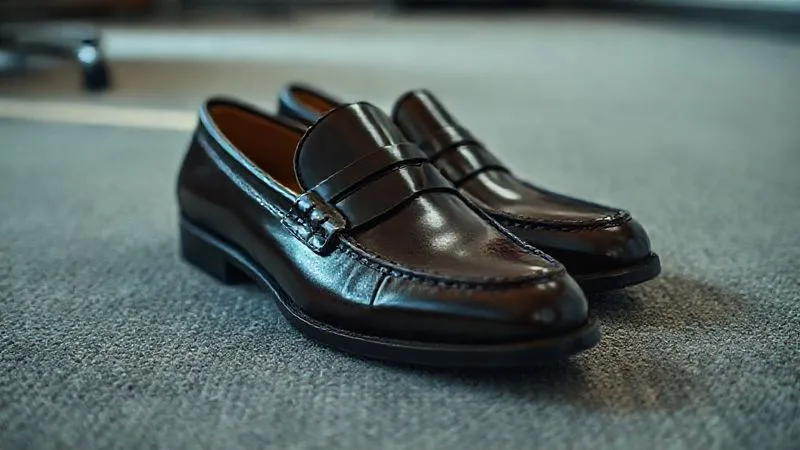
Forget sneakers, even the 'smart' ones. Your footwear needs to be classic and refined. I recommend leather loafers, Derbies, or Brogues. Oxfords can also work, but they lean more towards traditional business formal, which might be overkill for smart casual. The key is quality leather and immaculate condition.
Here’s what to look for:
- Material: Opt for high-quality leather. Suede can be acceptable in some creative industries, but it requires careful maintenance and can appear less formal.
- Color: Stick to classic colors: black, dark brown, or oxblood. Ensure your belt matches your shoes in color and texture.
- Style:
- Loafers: Penny loafers or tassel loafers in polished leather are excellent smart casual choices.
- Derbies: A versatile lace-up option that strikes a balance between formal and casual.
- Brogues: Classic and stylish, choose a less ornate design for an interview.
- Condition: This is non-negotiable. Your shoes must be impeccably clean, polished, and free of scuffs. The soles should be in good repair, and laces (if applicable) should be neat and tied properly.
A well-maintained pair of shoes signals that you are detail-oriented and take pride in your appearance – traits highly valued in leadership. As Seth Godin often says, "The details matter. It's the little things that separate the good from the great." Don't let your footwear be the weak link in your executive presentation.
Accessorizing with Intent: Subtle Details, Significant Impact
Accessories are not just embellishments; they are strategic tools that can subtly enhance your executive presence. For a promotion interview, the rule is 'less is more,' but what you do choose should be of high quality and perfectly complement your outfit. Each accessory should reinforce your image as a thoughtful, polished professional.
My advice is to focus on a few key pieces:
- Watch: A classic, understated watch is a powerful statement. Opt for a leather strap (matching your belt and shoes) or a simple metal bracelet. Avoid oversized, sporty, or flashy watches. A minimalist design projects sophistication and a respect for time.
- Belt: This is non-negotiable. Your belt should always match your shoes in color and material. A sleek, unadorned leather belt with a simple buckle is ideal. Avoid large, ornate, or branded buckles.
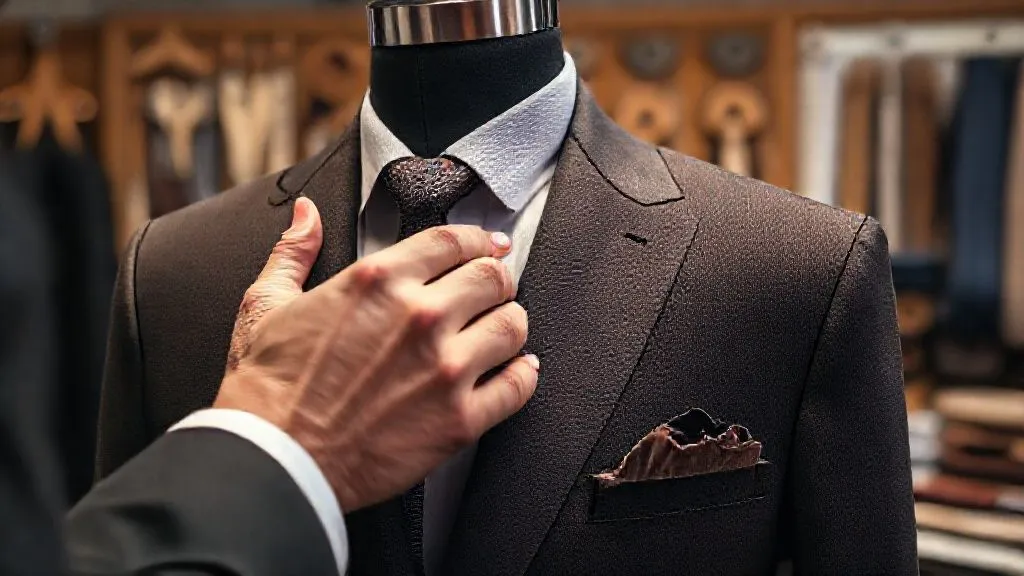
- Pocket Square (Optional): If you choose to wear a pocket square, make it a subtle addition. A crisp white linen or cotton pocket square, folded simply (a straight fold or puff), adds a touch of panache without being distracting. Avoid overly busy patterns or loud colors.
- Cufflinks (If Applicable): If your shirt has French cuffs, choose simple, elegant cufflinks – silver or gold, without excessive ornamentation. They are a small detail that speaks volumes about your attention to formality.
Accessories are not distractions; they are declarations of attention to detail and a commitment to a complete, polished presentation. Choose them wisely.
The goal is to enhance your overall look, not to draw attention away from you. Each accessory should feel like a natural, integrated part of your ensemble, contributing to a cohesive image of competence and refinement. As Forbes often highlights, every aspect of your presentation contributes to your perceived power and influence.
Grooming & Personal Presentation: The Ultimate Confidence Booster
Even the most impeccably dressed man can fall short if his grooming is neglected. For a promotion interview, your personal presentation is as crucial as your clothing. It speaks to your self-care, discipline, and overall readiness for a role that demands attention to detail. This isn't just about looking good; it's about feeling confident, which directly impacts your performance.
In my experience, a polished appearance starts with a fresh haircut. Get one a few days before the interview so it looks natural, not 'just cut.' Ensure your hair is neatly styled, off your face, and not distracting. If you have facial hair, it must be meticulously trimmed and shaped. A scruffy beard or unkempt stubble can instantly detract from an otherwise professional image.
Consider these essential grooming elements:
- Hair: Freshly cut, clean, and neatly styled. Avoid excessive product.
- Facial Hair: Clean-shaven or a well-groomed, trimmed beard/stubble. No five o'clock shadow.
- Nails: Cleaned and neatly trimmed. This is a small detail that often goes unnoticed until it's neglected.
- Scent: A very subtle cologne or aftershave is acceptable, but err on the side of caution. No strong, overpowering fragrances.
- Oral Hygiene: Fresh breath is essential.
- Skin Care: A clean, moisturized face projects health and vitality.
These elements combine to create an impression of a man who is put-together, responsible, and cares about his overall presentation. It’s a holistic approach to executive presence. When you look your best, you naturally feel more confident, and that confidence shines through in your demeanor and communication during the interview.
Case Study: Elevating for the Executive Role – Mark's Transformation
Mark, a talented project manager, had been passed over for a senior leadership promotion twice. He was technically brilliant but consistently presented himself in what he considered 'smart casual' – often a slightly faded polo shirt, rumpled chinos, and casual sneakers. He believed his work spoke for itself. During a mentoring session, I emphasized the critical role of executive presence, particularly how to upgrade smart casual for a promotion interview.
We worked on a complete overhaul: investing in a well-tailored navy wool blazer, crisp light blue poplin shirts, dark grey wool trousers with a perfect break, and polished leather loafers. We also focused on a sharper haircut, neatly trimmed beard, and ensuring his accessories were understated and high-quality. For his third interview, Mark walked in with a newfound confidence, his attire subtly signaling his readiness for the executive suite.
The result? He not only aced the interview but also received glowing feedback about his 'executive demeanor' and 'sharp presentation.' This transformation wasn't about vanity; it was about aligning his outward appearance with his internal capabilities, demonstrating a comprehensive understanding of what the next level demands. His upgraded smart casual played a pivotal role in securing that long-sought promotion.
The Psychology of Dress: Why It Matters for Your Promotion
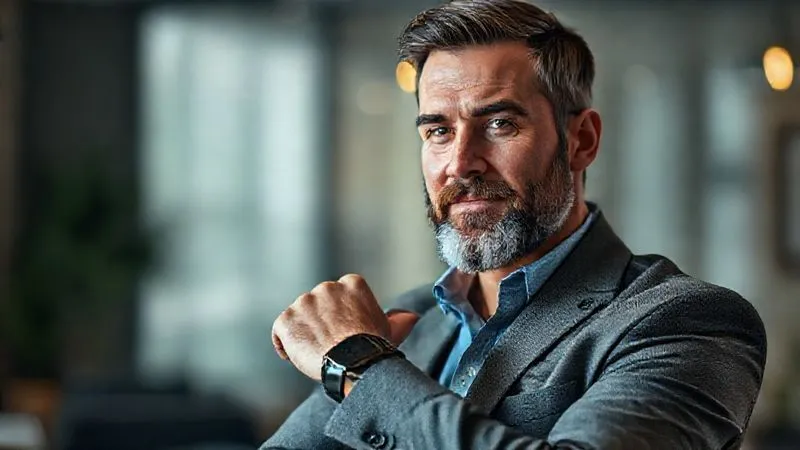
It might seem superficial to focus so much on clothing, but the psychological impact of what you wear, both on yourself and on others, is profound. This isn't just about looking good; it's about leveraging the power of perception to your advantage in a high-stakes situation like a promotion interview.
Firstly, there's the 'enclothed cognition' phenomenon. Research, such as studies published in the Journal of Experimental Social Psychology, suggests that the clothes we wear can influence our psychological processes. When you dress in professional, well-fitting attire, you often feel more competent, authoritative, and confident. This internal shift in mindset can directly translate into a stronger, more assertive performance during your interview, affecting your body language, tone of voice, and overall presence.
Secondly, there's the 'halo effect' in social psychology. When someone observes a positive trait in you (like being well-dressed and polished), they are more likely to attribute other positive traits to you (like being competent, intelligent, and reliable), even without direct evidence. Conversely, a sloppy appearance can trigger a 'horns effect,' leading to negative assumptions.
Your attire for a promotion interview is a non-verbal argument for your readiness. It communicates respect for the opportunity, attention to detail, and an understanding of the gravitas of the role.
Interviewers, consciously or unconsciously, are looking for cues that you fit the role. When you present yourself with executive polish, you are essentially pre-framing yourself as someone who belongs at that higher level. It signals that you understand the unspoken rules of the game and are prepared to embody the role, not just perform its tasks. It's a powerful, silent endorsement of your capabilities and potential.
Common Pitfalls to Sidestep: Ensuring Your Look is Flawless
Even with the best intentions, it's easy to fall into common smart casual traps that can undermine your promotion interview. Having guided countless individuals, I've seen these missteps occur repeatedly. Avoiding them is as crucial as mastering the positive elements of your attire.
Here are the most frequent pitfalls to watch out for:
- Ill-Fitting Clothes: This is the cardinal sin. Too baggy looks sloppy, too tight looks unprofessional and uncomfortable. Invest in tailoring.
- Wrinkled or Stained Garments: A creased shirt or trousers, or a visible stain, communicates a lack of care and attention to detail. Every item must be pristine.
- Overly Casual Footwear: Sneakers, sandals, or overly casual boots have no place in a promotion interview, regardless of how 'smart' they claim to be.
- Excessive Accessorizing: Too many rings, flashy watches, or loud pocket squares can be distracting and undermine a serious impression. Subtlety is key.
- Strong Fragrance: An overpowering cologne can be off-putting and even cause discomfort for others. A very subtle scent, or none at all, is always safer.
- Visible Undershirt/Socks: Ensure your undershirt isn't visible through your main shirt. Socks should be dark, long enough to cover your calves when seated, and without distracting patterns.
- Ignoring Company Culture: While elevating your smart casual, don't completely disregard the company's specific dress code. Aim for the top end of their acceptable range, but avoid being jarringly out of place.
Before your interview, do a full dress rehearsal. Put on your entire outfit, stand in front of a mirror, and check yourself from head to toe, front and back. Sit down to see how your trousers break and if your shirt stays tucked. Pay attention to the details. A proactive check can catch and rectify any potential missteps before they become interview distractions.
Frequently Asked Questions (FAQ)
Can I wear jeans for a smart casual promotion interview? Absolutely not. Even dark-wash, well-fitting jeans are generally too casual for a promotion interview. While they might be acceptable for everyday smart casual in some creative industries, the 'promotion' context demands a higher level of formality. Opt for wool trousers or high-quality, pressed chinos instead.
Is a tie ever appropriate with smart casual for an interview? It depends on the specific interpretation of 'smart casual' by the company and your industry. In most cases, for a 'smart casual' promotion interview, a tie is not strictly necessary and might even push you into 'business formal' territory, potentially making you feel overdressed. However, if your blazer is more structured and your shirt has a strong collar, a tasteful, understated tie can add an extra layer of polish. If in doubt, skip it – a well-chosen blazer and shirt are usually sufficient.
How much should I spend on upgrading my interview wardrobe? The investment doesn't have to break the bank. Focus on quality over quantity. One well-tailored navy blazer, two crisp shirts (white and light blue), one pair of dark wool trousers, and one pair of polished leather shoes can form the core of your upgraded smart casual wardrobe. Prioritize fit and fabric, and consider second-hand designer pieces or sales if budget is a concern. The perceived value comes from fit and condition, not just brand name.
Should I consider the company culture when choosing my smart casual? Yes, always. While the principles of elevated smart casual remain, the degree of formality can vary. If the company is known for a very relaxed dress code, you might opt for slightly less formal trousers (e.g., premium chinos instead of wool) but still maintain the blazer and polished shoes. If the culture is more traditional, lean towards wool trousers and a more structured blazer. Research what current leaders in the company wear.
What's the key difference between smart casual and business casual again? Business casual typically implies a shirt with a collar (button-down or polo), dress trousers or chinos, and dress shoes, often without a jacket. Smart casual is a broader term, but for a promotion interview, it often elevates business casual by *adding* a structured blazer or sport coat, using higher quality fabrics, and ensuring a more polished overall appearance, sometimes even allowing for a more relaxed trouser like a refined chino if the blazer is strong. Think of smart casual for an interview as 'business casual with a significant upgrade.'
Key Takeaways and Final Thoughts
Securing a promotion is a testament to your hard work and capabilities, and your interview attire should reflect that commitment and potential. Mastering how to upgrade smart casual for a promotion interview isn't about vanity; it's a strategic move to align your external presentation with your internal aspirations and qualifications. It's about demonstrating that you understand the nuances of executive presence.
- Fit is King: Invest in tailoring. An impeccable fit elevates everything.
- Blazer is Your Power Play: A well-chosen blazer instantly adds structure and authority.
- Quality Fabrics Matter: Opt for wool, high-quality cotton, and fine leather.
- Details are Decisive: Polished shoes, subtle accessories, and impeccable grooming speak volumes.
- Psychology is Powerful: Your attire influences both your confidence and how others perceive your competence.
- Avoid Common Pitfalls: Wrinkles, ill-fitting clothes, and casual footwear can be deal-breakers.
As you prepare for your promotion interview, remember that every element of your presentation contributes to the story you tell. By meticulously curating your smart casual look, you’re not just dressing for an interview; you’re dressing for the role you aspire to. Step in with confidence, knowing that your appearance powerfully reinforces your readiness to lead and succeed at the next level. Your journey to the top begins with the intentional choices you make today.
Recommended Reading
- 7 Proven Strategies: Engaging Fashion Blog Content in a Saturated Market
- 7 Strategies: Brand Vintage Clothing as a Timeless Investment Piece
- 7 Ways to Prevent Scuffed Formal Shoes Ruining Your Client Meeting
- Unlock 7 Strategies: Maximize Contemporary Jewelry Profit & Market Value
- Ethical Restoration: 7 Steps to Revive Damaged Vintage Designer Handbags

Your email address will not be published. Required fields are marked *