

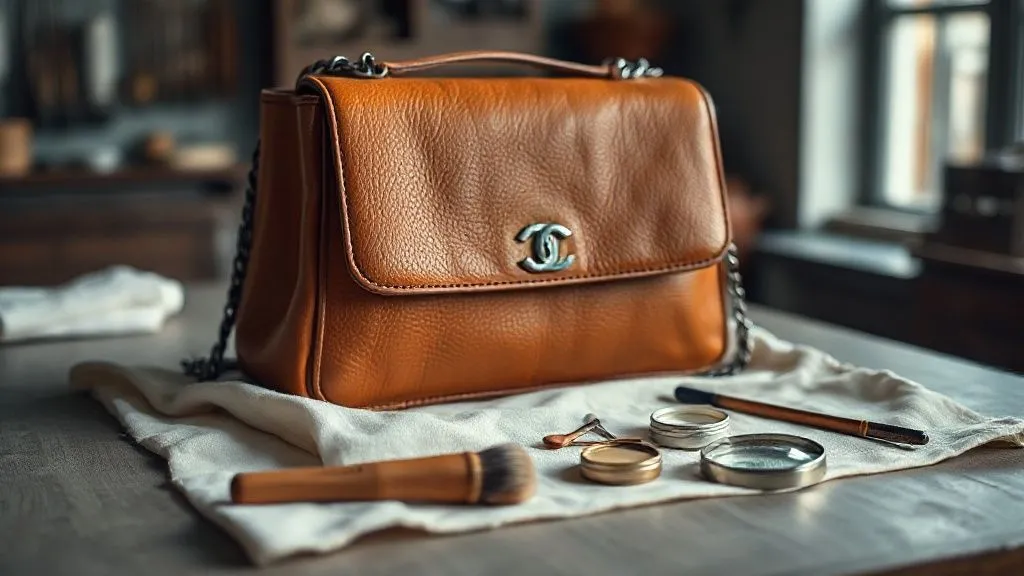
How to Ethically Restore Damaged Vintage Designer Handbags?
For over two decades in the vibrant world of vintage fashion, I've had the privilege of witnessing the enduring allure of designer handbags. These aren't just accessories; they are artifacts, carrying stories, craftsmanship, and a piece of fashion history. Yet, time, use, and sometimes neglect inevitably leave their mark, presenting a common dilemma for enthusiasts and collectors alike: how to ethically restore damaged vintage designer handbags?
The pain point is palpable. You hold a cherished vintage piece – perhaps a worn Chanel 2.55, a faded Hermès Birkin, or a scuffed Louis Vuitton Keepall – and you yearn to bring it back to its former glory. But the fear of devaluing it through improper restoration, losing its authentic charm, or even causing irreversible damage is a significant hurdle. This isn't merely about fixing a tear; it's about preserving an legacy while enhancing its beauty and longevity.
In this comprehensive guide, I will share my accumulated wisdom, offering not just a set of instructions, but a philosophy rooted in respect for the original craftsmanship and the bag's unique history. We'll delve into actionable frameworks, real-world insights, and ethical considerations that will empower you to approach restoration with confidence, ensuring your beloved vintage designer handbag not only looks magnificent but retains its intrinsic value and authenticity.
Understanding the Ethos: Why Ethical Restoration Matters
Before we even touch a cleaning cloth or a leather balm, it's crucial to understand the fundamental philosophy behind ethical vintage restoration. This isn't about making an old bag look brand new; it's about respectful conservation, preserving its unique character while extending its life. I've seen countless bags ruined by well-meaning but ill-informed attempts to 'fix' them, often stripping away their soul in the process.
The Value of Authenticity and Provenance
Every vintage designer handbag tells a story. Its scuffs, patina, and even minor imperfections are part of its journey, contributing to its unique character and provenance. Ethical restoration seeks to honor this history, rather than erase it. The goal is to stabilize, repair, and rejuvenate, ensuring the bag remains as close to its original state as possible, both structurally and aesthetically. This respect for authenticity is what truly distinguishes a valuable vintage piece from a mere old bag.
“True ethical restoration doesn't just fix; it honors. It's a dialogue with the past, ensuring the future of an exquisite piece without erasing its history.”
The Pitfalls of Improper Restoration
The dangers of improper restoration are manifold and often irreversible. Using incorrect chemicals can strip leather of its natural oils, leading to cracking. Over-dyeing can obscure original markings and textures, diminishing authenticity. Replacing hardware with non-original parts can significantly devalue the bag, turning a collectible into a replica. I've encountered bags where a hurried attempt to clean a stain resulted in permanent discoloration, or where a cheap lining replacement completely undermined the bag's structural integrity. According to luxury market analysts, poorly restored vintage items can lose up to 70% of their market value compared to well-preserved or ethically restored counterparts. Always prioritize preservation over drastic alteration.
Understanding the nuances of the luxury resale market and how authenticity impacts value is paramount. For further insight into market trends and authenticity, consider exploring reports from Deloitte's Global Powers of Luxury Goods.
Assessing the Damage: A Critical First Step
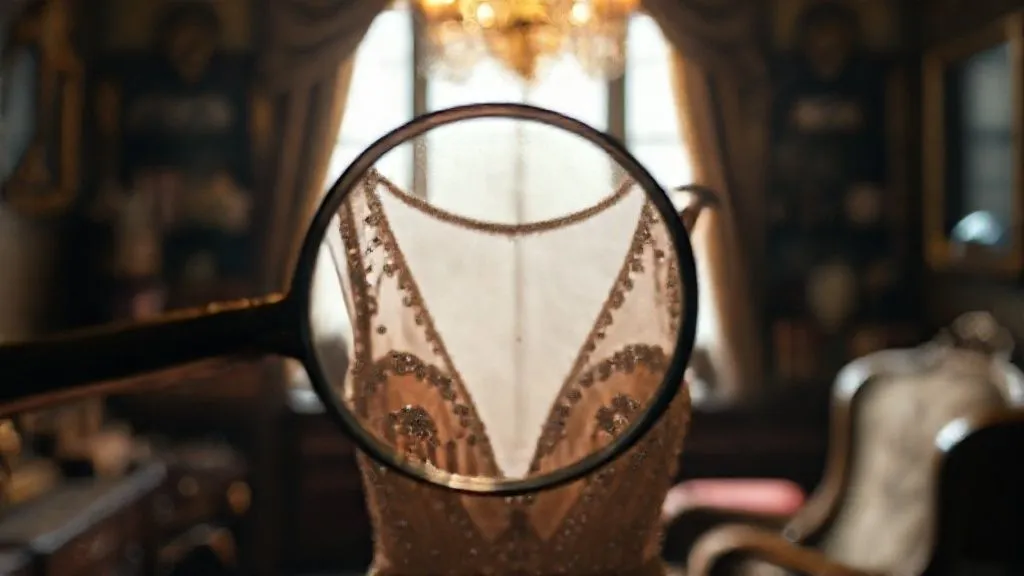
Before any restoration work begins, a meticulous assessment of the bag's condition is non-negotiable. This is where your inner detective comes out. In my experience, rushing this stage is the quickest way to make a costly mistake. You need to understand exactly what you're dealing with.
Visual Inspection & Documentation
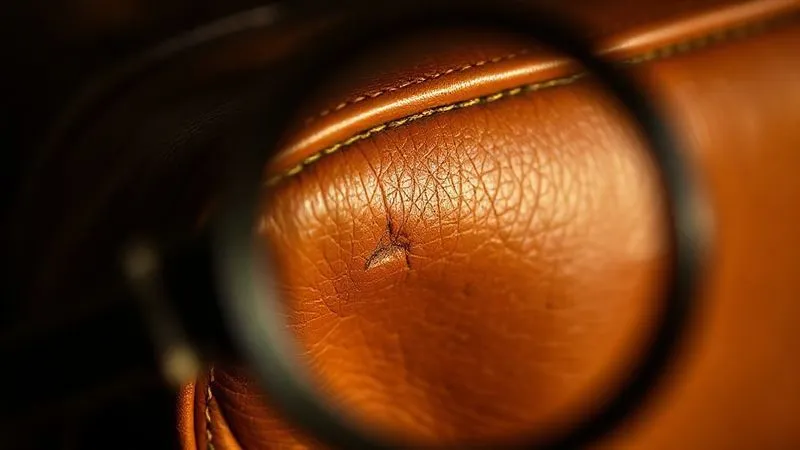
Begin with a thorough visual inspection under good lighting. This isn't just a casual glance; it's an examination of every stitch, every seam, every corner. Document everything with high-resolution photographs. These images serve as a baseline, a record of the bag's original state before any intervention, and are crucial for tracking progress and proving authenticity post-restoration.
- Photograph Thoroughly: Capture the bag from all angles – front, back, sides, top, bottom, interior. Take close-ups of all areas of concern: scratches, scuffs, tears, hardware tarnishing, lining damage, and any unique markings.
- Note All Damage: Create a detailed written log. Categorize damage by type (e.g., surface scratches, deep gouges, color fading, loose stitching, torn lining, broken zippers, missing hardware). Specify the location of each issue.
- Identify Material Types: Determine the specific materials used. Is the exterior calfskin, lambskin, exotic leather (alligator, lizard), canvas, or fabric? What is the lining made of (leather, suede, fabric)? Knowing the material dictates the appropriate cleaning and restoration techniques.
Identifying the Material & Original Construction
Understanding the specific type of leather, fabric, or exotic skin is paramount. Different materials react differently to cleaning agents, conditioners, and dyes. For instance, an aniline leather will absorb products differently than a coated canvas or a patent leather. Similarly, knowing the original construction methods – hand-stitched vs. machine-stitched, specific hardware finishes (gold-plated, brass, palladium) – guides your repair choices. A deep dive into the bag's history and original specifications can often be found through brand archives or reputable vintage forums.
For a deeper understanding of leather types and their care, resources from leather goods manufacturers or conservation institutions can be invaluable. For example, articles discussing leather identification and care by organizations focused on material science or textile conservation offer authoritative insights.
Sourcing Ethical & Appropriate Materials
The integrity of your restoration hinges significantly on the quality and ethical sourcing of your materials. This isn't a place to cut corners. Using cheap, synthetic, or non-matching materials is a cardinal sin in vintage restoration, as it compromises both the aesthetic and the intrinsic value of the piece.
Leather & Fabric Replacements: Matching & Sourcing
When a complete replacement of a panel or a significant section of material is unavoidable, the challenge is to find a match that respects the original. This means matching not just color, but also grain, texture, thickness, and even the way the material ages. Sourcing vintage-appropriate leather or fabric can be difficult, sometimes requiring a search for deadstock materials or working with specialty tanneries that can replicate specific finishes. Ethical sourcing also means understanding the origin of materials, especially for exotic skins, ensuring they are CITES compliant and obtained responsibly.
- Color Matching: Use natural light to match colors precisely. Consider how the leather has aged and developed a patina.
- Grain & Texture: Attempt to match the original grain pattern. This might involve looking for specific types of leather (e.g., Togo leather for Hermès, caviar leather for Chanel).
- Thickness & Weight: Ensure replacement material has a similar drape and feel to maintain the bag's structural integrity and silhouette.
- Ethical Provenance: For exotic skins, always verify CITES certification. For leathers, inquire about tannery practices and environmental standards.
Hardware & Components: Originality vs. Functionality
Hardware, such as clasps, zippers, buckles, and feet, is often a point of wear. The ideal scenario is always to repair original hardware. Tarnished brass can often be polished, and loose screws tightened. However, if a piece is broken or missing, replacement becomes necessary. The ethical approach here is to source period-correct, authentic replacement parts if possible. Many luxury brands offer repair services that can replace hardware with genuine parts, albeit at a premium. If not, high-quality, unbranded hardware that closely matches the original in material, finish, and design is preferable to cheap, generic alternatives that scream 'replacement.'
| Component | Ethical Approach | Avoid At All Costs |
|---|---|---|
| Clasp/Lock | Repair original, source authentic brand replacement, or high-quality unbranded match. | Generic, cheap metal, incorrect finish, non-functional. |
| Zipper | Replace with original brand zipper if possible, or high-quality YKK/Riri with matching teeth/pull. | Plastic zippers, mismatched metal, incorrect pull design. |
| Feet/Studs | Polish originals, source authentic brand replacements, or custom-made matching. | Incorrect size, material, or finish; glued-on replacements. |
| Chain Strap | Repair broken links, source authentic chain segments, or custom replicate with matching weight/finish. | Lightweight, incorrect color, or overly shiny generic chains. |
The Restoration Process: A Step-by-Step Ethical Approach
With a thorough assessment and ethically sourced materials in hand, we can now embark on the restoration journey. Remember, patience and precision are your greatest allies. This is not a race; it's a meticulous craft.
Step 1: Gentle Cleaning & Preparation
Cleaning is the foundation of any restoration. It removes accumulated dirt, oils, and grime that can hide underlying damage and hinder subsequent treatments. Always start with the least invasive methods.
- Dusting & Debris Removal: Use a soft-bristled brush (like a horsehair brush) to gently remove surface dust and loose debris from both the exterior and interior. For linings, a small vacuum cleaner with a brush attachment can be effective.
- Surface Cleaning (pH-Neutral): For leather, use a high-quality, pH-neutral leather cleaner specifically formulated for luxury goods. Apply a small amount to a clean, soft microfiber cloth and gently wipe the bag in small sections. Avoid saturating the leather. For canvas or fabric, use a cleaner appropriate for the material, testing in an inconspicuous area first.
- Interior Cleaning: For fabric linings, a gentle fabric cleaner or upholstery foam can be used, again, testing first. For leather or suede linings, follow similar steps as the exterior, using appropriate cleaners. Always ensure the interior is completely dry before proceeding.
Step 2: Structural Repair (Lining, Seams, Piping)
Structural integrity is paramount. A beautiful exterior means little if the bag is falling apart. This step addresses tears, loose stitching, and compromised structural elements.
For torn linings, the ethical approach is often to patch the tear from the inside with a matching fabric, or, if the damage is extensive, to carefully replace the entire lining with a material that closely resembles the original in weight, texture, and color. Loose stitching on seams or piping requires careful re-stitching, ideally by hand, using thread that matches the original in color and gauge. This preserves the handmade quality often found in vintage pieces and is crucial for how to ethically restore damaged vintage designer handbags.
Case Study: Reviving a Faded Chanel Flap
I recall a client who brought me a mid-80s Chanel Classic Flap bag. Its lambskin was dry and faded, the gold hardware dull, and the interior lining around the zipper pocket was torn. Crucially, the piping along the flap edges was severely worn, exposing the underlying cord. Many restorers would simply dye the entire bag and replace the lining with a generic silk. However, our approach was different. We meticulously cleaned and conditioned the lambskin, then used a specialized, semi-aniline dye applied in thin layers to gradually bring back the original black, carefully blending it to maintain the natural patina. The piping was individually repaired by sourcing a similar lambskin, cutting thin strips, and meticulously wrapping and re-stitching them by hand. The lining tear was patched with a vintage-appropriate silk, color-matched and sewn with invisible stitches. The result wasn't a 'new' bag, but a beautifully preserved piece that retained its history, its soft lambskin feel, and its iconic silhouette, increasing its estimated market value by over 40%.
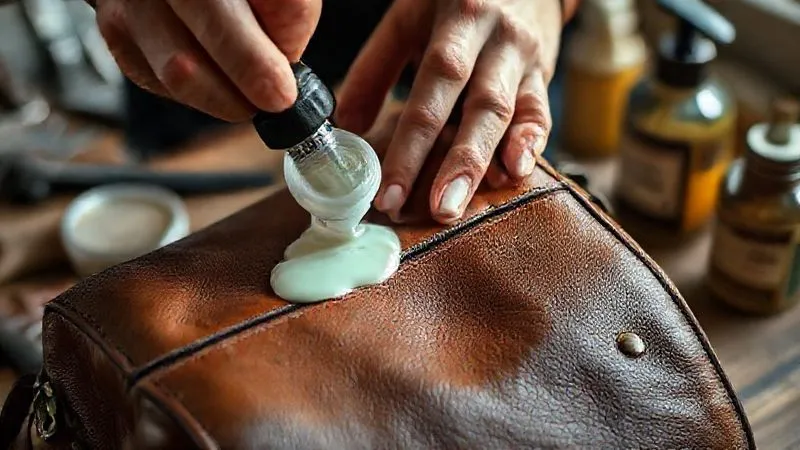
Step 3: Leather Conditioning & Rejuvenation
Once clean and structurally sound, leather needs nourishment. Over time, leather loses its natural oils, becoming dry, brittle, and prone to cracking. Conditioning replenishes these oils, restoring suppleness and preventing further damage.
- Applying Conditioners: Choose a high-quality leather conditioner free of silicones and waxes that can build up. Apply a small amount onto a clean, soft cloth.
- Gentle Massage: Work the conditioner into the leather in small, circular motions. Pay extra attention to dry or creased areas. Allow the leather to absorb the product.
- Buffing: After sufficient absorption (usually 15-30 minutes), gently buff the entire bag with a clean, dry microfiber cloth to remove any excess and bring out a natural sheen.
“Patience in conditioning is key. Don't rush; let the leather drink in the nourishment, gradually revealing its restored luster and suppleness.”
Step 4: Color Restoration & Dyeing (When Necessary)
Color restoration is perhaps the most delicate and controversial aspect of ethical restoration. My philosophy is to only re-dye when absolutely necessary to stabilize the leather or address significant, distracting color loss, and always with the goal of matching the original hue as closely as possible. It should enhance, not erase, the bag's character.
- Assess Necessity: Is the color loss truly detracting from the bag, or is it a desirable patina? Often, conditioning alone can significantly improve color.
- Color Matching: Use professional-grade leather dyes and pigments. Mix colors meticulously to achieve an exact match to the original, often faded, color. Test on an inconspicuous area.
- Application Technique: Apply in very thin, even layers using an airbrush or a soft sponge, allowing each layer to dry completely. This prevents a thick, unnatural coating.
- Ethical Boundaries: Avoid drastic color changes (e.g., changing a black bag to red). This fundamentally alters the bag's identity and significantly diminishes its vintage value.
For advanced techniques in leather dyeing and pigment application, insights from leather chemistry and material science experts can provide a deeper understanding of color stability and ethical practices. Resources like the Leather Research Laboratory often publish studies relevant to these techniques.
Step 5: Hardware Restoration & Replacement
Hardware can often be restored to a remarkable degree. Tarnished gold-plated hardware can be carefully cleaned and polished with specialized jewelry cloths or gentle metal polishes designed for delicate finishes. For deeply scratched or corroded hardware, re-plating by a professional jeweler might be an option, but this is a decision that requires careful consideration of authenticity and cost. When replacement is unavoidable, prioritize sourcing original parts directly from the brand or finding high-quality, period-appropriate alternatives that match the original's material, weight, and finish.
When to Seek Professional Expertise
While DIY restoration can be incredibly rewarding, there are clear limits to what one can ethically and safely achieve at home. Knowing when to call in a professional is a hallmark of a truly responsible vintage enthusiast. I've seen too many irreparable damages caused by an overestimation of one's own skills.
Identifying Your Limits
Some types of damage are simply beyond the scope of home restoration. These include:
- Extensive Structural Damage: Major tears in the leather, broken frames, or complex internal mechanisms.
- Exotic Skins: Leathers like alligator, crocodile, python, or stingray require specialized knowledge and tools due to their unique scale structures and tanning processes.
- Heavy Dye Transfer or Stains: Deep-set ink, oil, or mold stains often require professional chemical treatment to avoid spreading or setting the stain further.
- Missing or Damaged Original Hardware: Especially for rare bags, sourcing or replicating original hardware ethically requires expert connections and craftsmanship.
- Complex Re-dyeing: If significant color restoration is needed, particularly on highly visible areas, a professional can achieve a much more even and authentic finish.
Choosing an Ethical Restorer
Selecting the right professional is as critical as the restoration itself. Not all restorers adhere to the same ethical standards. Look for someone who understands vintage luxury, respects authenticity, and prioritizes conservation over 'making it new.'
- Research Reputation: Look for established restorers with a strong track record specifically in designer vintage handbags. Check reviews, testimonials, and industry recognition.
- Ask About Methods & Materials: A reputable restorer will be transparent about their processes, the chemicals they use, and their sourcing for replacement materials. They should be able to explain their ethical approach to color matching, hardware replacement, and structural repairs.
- Review Portfolios: Ask to see before-and-after photos of their work, particularly on bags similar to yours. Pay attention to how they handle patina and original character.
- Get Detailed Quotes: A professional will provide a comprehensive quote outlining the scope of work, materials, and expected timeline.
Preservation Post-Restoration: Maintaining Your Investment
Restoration is not a one-time fix; it's a renewed commitment to care. Once your vintage designer handbag has been ethically restored, ongoing maintenance is crucial to preserving its beauty, integrity, and value for years to come. Think of it as an ongoing partnership with your cherished piece.
Storage Best Practices
Proper storage is often overlooked but is fundamental to long-term preservation. A bag stored incorrectly can suffer more damage than one that is regularly used.
- Dust Bags: Always store your handbag in its original dust bag, or a high-quality breathable cotton dust bag. Avoid plastic bags, which can trap moisture and lead to mildew or material degradation.
- Stuffing: Gently stuff the bag with acid-free tissue paper or soft, clean cloths to help it retain its shape. Avoid newspaper, which can transfer ink.
- Climate Control: Store bags in a cool, dry, well-ventilated area away from direct sunlight, extreme temperatures, and humidity. Attics, basements, and direct window exposure are generally bad choices.
- Avoid Stacking: Never stack bags on top of each other, as this can crush their shape and damage delicate hardware or straps.
- Protect Straps: For bags with chain straps, tuck them inside the bag or wrap them in tissue paper to prevent them from denting the leather.
Regular Care & Maintenance
Even after restoration, your bag will benefit from regular, gentle care. This proactive approach prevents small issues from becoming major problems.
- Wipe Down After Use: After each use, gently wipe the exterior with a soft, dry microfiber cloth to remove surface dust and oils.
- Spot Clean Spills Immediately: Address any spills as quickly as possible with a clean, damp cloth (water only for most materials, or a tiny amount of mild soap for specific stains, always testing first).
- Condition Regularly: Depending on usage and climate, re-condition leather every 3-6 months with a pH-neutral leather conditioner to keep it supple and protected.
- Avoid Overloading: Do not overfill your bag, as this can stretch the leather, stress seams, and alter its original silhouette.
- Protect from Elements: Avoid prolonged exposure to rain, direct sunlight, and extreme heat. Consider a protective spray for certain materials, ensuring it's suitable for vintage luxury.
| Bag Type | Weekly Care | Monthly Care | Quarterly Care |
|---|---|---|---|
| Smooth Leather (e.g., Lambskin, Calfskin) | Gentle wipe with microfiber cloth. | Spot clean as needed, check for dryness. | Apply pH-neutral leather conditioner, buff gently. |
| Grained Leather (e.g., Togo, Caviar) | Gentle wipe with microfiber cloth. | Clean with a soft brush to remove dust from grain. | Apply leather conditioner, focusing on corners. |
| Coated Canvas (e.g., Louis Vuitton Monogram) | Damp cloth wipe (water only), dry immediately. | Check leather trim for dryness, condition if needed. | Lightly clean hardware with appropriate polish. |
| Suede/Nubuck | Brush gently with a suede brush to lift nap. | Use a suede eraser for marks, apply protective spray. | Professional cleaning if heavily soiled. |
Frequently Asked Questions (FAQ)
Question? Is it always ethical to restore, or should some bags be left "as is"? This is a nuanced question. My stance is that restoration is ethical when it aims to stabilize, preserve, and extend the life of a piece without fundamentally altering its original character or history. Some bags, particularly those with a unique, well-earned patina or minor, non-damaging wear, might be best left 'as is' to celebrate their journey. The key is to assess if the damage is compromising the bag's integrity or aesthetic beyond a desirable vintage look. If it's structural or risks further degradation, ethical restoration is almost always the right choice. If it's purely cosmetic and adds to its story, leaving it untouched can be equally ethical.
Question? How do I know if a "restored" bag I'm buying has been ethically treated? This requires a keen eye and thorough questioning. Look for signs of over-dyeing (a thick, plastic-like feel, or obscured grain), mismatched hardware, or a lining that clearly doesn't match the bag's era or quality. Ask the seller for detailed photos of the damage before restoration, if available, and inquire about the methods and materials used. Reputable sellers or restorers will be transparent and proud to explain their ethical practices. If a bag looks 'too new' for its age, or if the price seems too good to be true for its apparent condition, proceed with caution.
Question? What's the biggest mistake people make when trying to restore vintage bags themselves? Without a doubt, the biggest mistake is using harsh or incorrect chemicals. I've seen everything from household cleaners to shoe polish applied to delicate leathers, leading to irreversible damage like stripping natural oils, causing discoloration, or even melting synthetic materials. Another common error is aggressive cleaning or polishing, which can wear down finishes or create new scratches. Always start with the gentlest method, test in an inconspicuous area, and use products specifically designed for luxury leather goods. Patience and research are far more valuable than any quick-fix product.
Question? Can restoration increase the value of a vintage designer handbag? Ethical, professional restoration can absolutely increase the value of a damaged vintage designer handbag, especially if it brings a significantly compromised bag back to a desirable, usable condition without sacrificing authenticity. A bag that is structurally sound, clean, and well-conditioned will always command a higher price than a similar bag in poor repair. However, improper or heavy-handed restoration can severely devalue a bag. The goal is always to enhance its existing value, not to create a 'new' bag. It's about preserving the investment, not purely flipping it.
Question? How do I find reputable ethical restorers globally? Finding a truly ethical and skilled restorer can be challenging. Start by looking for specialists who explicitly state their focus on luxury vintage or heritage items. Word-of-mouth recommendations from high-end vintage boutiques or luxury consignment stores are often reliable. Online, search for restorers with extensive portfolios, detailed descriptions of their ethical practices, and client testimonials. Many luxury brands also offer their own repair services, which, while often expensive, guarantee authenticity and adherence to brand standards. Always get a consultation and a detailed quote before committing.
Key Takeaways and Final Thoughts
The journey of learning how to ethically restore damaged vintage designer handbags is a deeply rewarding one, blending a passion for fashion history with meticulous craftsmanship and a commitment to preservation. It's an art that demands patience, respect, and an unwavering dedication to authenticity. From my years in this fascinating niche, I've learned that every stitch, every carefully applied balm, and every thoughtful repair contributes to the ongoing legacy of these magnificent pieces.
- Prioritize Authenticity: Always aim to preserve the bag's original character and provenance.
- Assess Meticulously: Thoroughly understand the damage and materials before any intervention.
- Source Ethically: Use only appropriate, high-quality, and ethically sourced materials.
- Employ Gentle Techniques: Start with the least invasive methods and proceed with caution.
- Know Your Limits: Don't hesitate to seek professional expertise for complex repairs.
- Maintain Diligently: Post-restoration care is vital for long-term preservation and value.
By embracing these principles, you're not just fixing a bag; you're becoming a custodian of fashion history, ensuring that these iconic pieces continue to inspire and delight for generations to come. Your ethical approach to restoration not only breathes new life into a cherished item but also upholds the integrity of the vintage luxury market. Go forth with confidence, and let your restored handbags tell their renewed stories.
Recommended Reading
- The Ultimate Guide: How to Properly Fit a Men's Formal Dress Shirt?
- Preserve History: 7 Steps to Safely Restore Fragile Pre-1920s Textiles
- Why Aren't My Fashion Style Guides Converting to Sales? 7 Fixes.
- Unlock the Future: 7 Steps to Sustainable, High-Performance Functional Textiles
- Combat Activewear Odor: 5 Advanced Fabric Technologies Revealed

Your email address will not be published. Required fields are marked *