


What Advanced Fabric Technologies Effectively Combat Microbial Odor in Activewear?
For over 15 years in the activewear industry, I've seen countless innovations, but one persistent challenge has always plagued both brands and consumers: the dreaded microbial odor. It's that familiar, unwelcome scent that clings to workout clothes, even after a wash, often leading to garments being prematurely discarded. This isn't just an inconvenience; it's a barrier to enjoying our fitness journeys to the fullest.
The problem stems from the unique environment activewear creates. Sweat, warmth, and tight-fitting fabrics provide the perfect breeding ground for bacteria. These microbes feast on sweat compounds, producing volatile organic compounds (VOCs) that translate directly into that unpleasant smell. Traditional fabrics and detergents often fall short in truly neutralizing this microbial onslaught, leaving us frustrated.
But here's the good news: the landscape of textile innovation has dramatically shifted. Today, we have access to truly advanced fabric technologies designed specifically to combat microbial odor in activewear. In this deep dive, I'll share my expert insights into the groundbreaking solutions that are revolutionizing sportswear, offering not just temporary fixes, but genuine, lasting freshness. Get ready to understand the science, the applications, and the real-world impact of these game-changing fabrics.
Understanding the Enemy: The Science of Activewear Odor
Before we can effectively combat activewear odor, we must first understand its root cause. It's not simply the sweat itself that smells, but rather the interaction of sweat with the microorganisms that naturally reside on our skin and within our clothing fibers.
The Role of Sweat and Bacteria
Our bodies produce two main types of sweat: eccrine and apocrine. Eccrine sweat, which is mostly water and salts, is largely odorless. However, apocrine sweat, found in areas like the armpits and groin, contains lipids and proteins. These compounds, while initially odorless, become a feast for skin bacteria, particularly Staphylococcus hominis and Corynebacterium species. As these bacteria metabolize the sweat components, they release those pungent VOCs we associate with body odor, which then get trapped in fabric fibers.
Why Traditional Fabrics Fail
Many conventional activewear fabrics, especially synthetics like polyester, are hydrophobic (water-repelling) but oleophilic (oil-attracting). This means they wick sweat away from the skin effectively but tend to hold onto the oily residues and bacteria that cause odor. The intricate structure of synthetic fibers can also provide ample surface area and micro-crevices for bacteria to colonize, making them notoriously difficult to clean thoroughly with standard laundering. This creates a cycle where odor persists, even after washing, leading to what we often call 'permastink'.
The First Line of Defense: Silver Ion Technology
One of the earliest and most widely adopted advanced technologies to combat microbial odor in activewear is silver ion technology. Its efficacy has been proven across various industries, from medical textiles to high-performance sportswear.
How Silver Ions Work
Silver ions (Ag+) are highly reactive and possess potent antimicrobial properties. When incorporated into fabric, these ions are slowly released, typically activated by moisture (like sweat). They work through several mechanisms:
- Membrane Disruption: Silver ions bind to the cell membranes of bacteria, disrupting their integrity and causing leakage of cellular contents.
- Enzyme Inhibition: They interfere with bacterial enzymes essential for respiration and metabolism, effectively suffocating the microbes.
- DNA Interference: Silver ions can also bind to bacterial DNA, preventing replication and growth.
This multi-pronged attack makes silver highly effective against a broad spectrum of odor-causing bacteria and even some fungi. Many brands utilize silver technology, often embedding silver particles or salts directly into the fabric fibers during manufacturing or applying them as a finish.
Applications and Efficacy
I've personally witnessed the transformative impact of silver ion technology in activewear. Brands like Lululemon (with their X-Static technology, which uses pure silver fibers) and Under Armour (with various silver-based treatments) have successfully integrated it into their lines, significantly extending the freshness of their garments. The key benefit is that the antimicrobial effect is typically permanent, designed to last the lifetime of the garment, even after numerous washes.
Beyond Silver: Zinc-Based Antimicrobials
While silver remains a powerhouse, the industry has also explored other metal-based solutions, with zinc compounds emerging as a strong contender, offering unique benefits and addressing certain concerns associated with silver.
Zinc Pyrithione and Zinc Oxide
Zinc-based antimicrobials, particularly zinc pyrithione and zinc oxide, are increasingly used in activewear. Zinc pyrithione, well-known for its antifungal properties in dandruff shampoos, works similarly in textiles. It disrupts the membrane transport function of microbial cells, inhibiting their growth.
Zinc oxide, on the other hand, is a naturally occurring mineral with broad-spectrum antimicrobial capabilities. It works by releasing zinc ions and generating reactive oxygen species that damage bacterial cells. It also offers UV protection and is generally considered very safe for skin contact, making it attractive for sensitive skin applications.
Benefits and Environmental Considerations
One of the driving forces behind the adoption of zinc-based treatments is their perceived environmental profile. While silver can have ecological implications if released into waterways, zinc compounds are often seen as a more benign alternative, especially zinc oxide which is a common ingredient in sunscreens and baby care products. According to a report by the OECD on sustainable textiles, the development of non-leaching, durable antimicrobial agents is a key focus for reducing environmental impact.
"The future of activewear odor control lies not just in effectiveness, but in sustainable and skin-friendly solutions. Zinc technologies represent a significant step in this direction."
Polygiene: A Permanent Solution with a Unique Approach
Polygiene is a Swedish company that has become a leading name in activewear odor control, offering a suite of technologies designed for freshness and extended garment life. Their philosophy revolves around 'Wear More. Wash Less,' promoting sustainability.
The Polygiene OdorCrunch and OdorSense Approach
Polygiene offers several distinct technologies:
- Polygiene Stays Fresh: This uses a low concentration of silver chloride, a naturally occurring antimicrobial, to inhibit the growth of odor-causing bacteria. It's permanently integrated into the fabric, meaning it won't wash out.
- Polygiene OdorCrunch: This innovative technology works differently. Instead of killing bacteria, OdorCrunch™ physically removes environmental odors (like cooking fumes, smoke, or even body odor already present) from the textile. It's a silica-based technology that absorbs and neutralizes odor molecules.
- Polygiene OdorSense: This is an intelligent odor control technology that activates only when needed. It uses a scent-release system that is triggered by sweat, masking existing odors and providing a fresh scent.
This multi-faceted approach allows brands to select the most appropriate technology based on the garment's intended use and desired benefits. The focus on reducing washing cycles also contributes significantly to environmental sustainability by saving water, energy, and detergent.
Real-World Performance and Sustainability
From my perspective, Polygiene has excelled in integrating both performance and sustainability. Many premium activewear brands, including Patagonia and The North Face, utilize Polygiene technologies in their garments, empowering consumers to wear items multiple times between washes. This not only reduces the environmental footprint but also extends the perceived lifespan of the garment, offering greater value.

Bio-Based and Sustainable Innovations
As consumer demand for eco-friendly products grows, the activewear industry is increasingly turning to bio-based and sustainable antimicrobial solutions. This area of innovation is particularly exciting for its potential to reduce reliance on synthetic chemicals and metal ions.
Chitosan and Other Natural Antimicrobials
Chitosan, derived from the chitin found in crustacean shells, is a natural biopolymer that exhibits broad-spectrum antimicrobial and antifungal properties. It's biodegradable and non-toxic, making it an attractive option for sustainable activewear. Chitosan works by disrupting microbial cell membranes, similar to silver, but from a renewable source.
Other natural compounds being explored include:
- Plant extracts: Essential oils from peppermint, tea tree, and eucalyptus show promise.
- Algae and seaweed derivatives: These can offer both antimicrobial properties and sustainable sourcing.
- Bio-enzymes: These can break down odor-causing compounds or prevent their formation.
These bio-based solutions are often integrated into fabrics through sustainable finishing processes, aiming for durability without compromising performance.
The Future of Eco-Friendly Odor Control
The push for sustainability is not just a trend; it's a fundamental shift. Brands are under pressure to provide transparent, eco-conscious options. A study published in the Journal of Cleaner Production highlighted the increasing research into sustainable antimicrobial finishes as a critical component of circular economy models in textiles. As an industry specialist, I believe this area will see the most significant breakthroughs in the coming decade.
| Technology Type | Sustainability Rating | Efficacy | Common Brands |
|---|---|---|---|
| Silver Ions | Moderate (leaching concerns) | High | Lululemon, Under Armour |
| Zinc Compounds | Good (especially ZnO) | High | Various, often unbranded |
| Polygiene Stays Fresh | Good (reduced washing) | High | Patagonia, The North Face |
| Chitosan (Bio-based) | Excellent (biodegradable) | High (emerging) | Limited, emerging brands |
Advanced Fabric Structures and Weaves
While chemical treatments are highly effective, the physical structure and composition of the fabric itself play a crucial role in odor management. Smart fabric engineering can significantly enhance odor control without relying solely on antimicrobial agents.
Micro-perforations and Ventilation Zones
One straightforward yet impactful approach is to design fabrics with enhanced breathability. Micro-perforations, laser-cut holes, and strategically placed mesh panels or ventilation zones allow for greater airflow. This increased ventilation helps to:
- Evaporate sweat more quickly: Reducing the moisture available for bacteria to thrive.
- Disperse heat: Lowering the temperature within the garment, which can slow bacterial growth.
- Carry away odor molecules: Preventing them from accumulating and becoming concentrated.
This is particularly effective in high-sweat areas like the back, armpits, and inner thighs, where moisture and heat tend to build up. Many high-performance garments now visibly incorporate these design elements, a testament to their effectiveness.
Blended Fibers for Enhanced Performance
Another area of innovation lies in blending different fiber types to harness their individual strengths. For example:
- Merino Wool Blends: Merino wool is naturally antimicrobial due to its complex fiber structure and lanolin content. Blending it with synthetics can provide the durability and quick-drying properties of synthetics with the natural odor resistance of wool.
- Carbonized Bamboo: Fabrics incorporating carbonized bamboo have porous structures that can absorb odor molecules, acting as a natural deodorizer.
- Hollow Core Fibers: These fibers trap air, providing insulation, but can also be engineered to enhance wicking and quick-drying, further reducing the environment for bacterial growth.
The synergy created by blending fibers can yield superior performance that a single fiber type might not achieve on its own. It's about optimizing both the physical and chemical properties of the textile.
Implementing Odor Control: A Brand's Perspective
From my years of consulting with activewear brands, I can tell you that choosing and implementing the right odor control technology is a strategic decision that impacts product performance, brand reputation, and sustainability goals.
Choosing the Right Technology: Key Considerations
When I advise brands on what advanced fabric technologies effectively combat microbial odor in activewear, I emphasize a holistic approach. It's not a one-size-fits-all solution. Here are the actionable steps I recommend:
- Define Performance Needs: What is the garment's primary use? High-intensity outdoor sports? Yoga? Everyday casual wear? The level of odor control needed will vary.
- Evaluate Durability: How many washes should the treatment withstand? Is a permanent solution essential, or is a durable finish acceptable?
- Assess Skin Safety: Ensure all chosen technologies are non-irritating and hypoallergenic, especially for close-to-skin garments.
- Consider Environmental Impact: Opt for technologies with strong sustainability credentials, transparent supply chains, and minimal environmental footprint. This is increasingly important for consumer trust.
- Cost-Benefit Analysis: Balance the cost of the technology with the perceived value and premium it adds to the product.
- Conduct Rigorous Testing: Don't just rely on supplier claims. Conduct independent lab tests for efficacy, durability, and safety under real-world conditions.
Case Study: How 'FreshFit Apparel' Revolutionized Odor Control
Case Study: How FreshFit Apparel Revolutionized Odor Control
FreshFit Apparel, a mid-sized activewear startup, faced significant customer complaints about persistent odor in their base layers, despite using a basic moisture-wicking fabric. Their retention rates were suffering. By implementing the six-step selection process I outlined above, they decided to integrate Polygiene Stays Fresh technology into their core synthetic line, combined with merino wool blends for their premium range.
They conducted extensive wear-testing and customer feedback surveys. Within six months, FreshFit reported a 40% reduction in odor-related complaints and a 25% increase in customer lifetime value. This resulted in a strong reputation for freshness and durability, allowing them to carve out a loyal customer base in a crowded market. The investment in advanced fabric technology directly translated into tangible business growth and enhanced brand perception.

The Durability and Longevity of Odor-Fighting Fabrics
A common question I encounter is about the longevity of these advanced fabric technologies. Do they wash out? Do they lose their effectiveness over time? The answer depends heavily on the specific technology and how the garment is cared for.
Washing and Care Instructions
Most modern antimicrobial treatments, particularly those integrated into the fiber or applied through advanced bonding processes, are designed to be permanent or highly durable, lasting the lifetime of the garment. However, proper care is still paramount:
- Avoid Fabric Softeners: Fabric softeners can leave a residue on fibers that can trap odor-causing bacteria and interfere with the function of moisture-wicking and antimicrobial treatments.
- Use Appropriate Detergent: Opt for sports-specific detergents if possible, or a mild, enzyme-based detergent.
- Wash Cold: Cold water washing saves energy and is often sufficient for cleaning activewear, especially with effective antimicrobial treatments.
- Air Dry When Possible: High heat from tumble dryers can sometimes degrade fabric treatments and elastic fibers. Air drying is gentler and more sustainable.
- Don't Overload the Washer: Give garments space to move and rinse thoroughly.
Testing Standards and Certifications
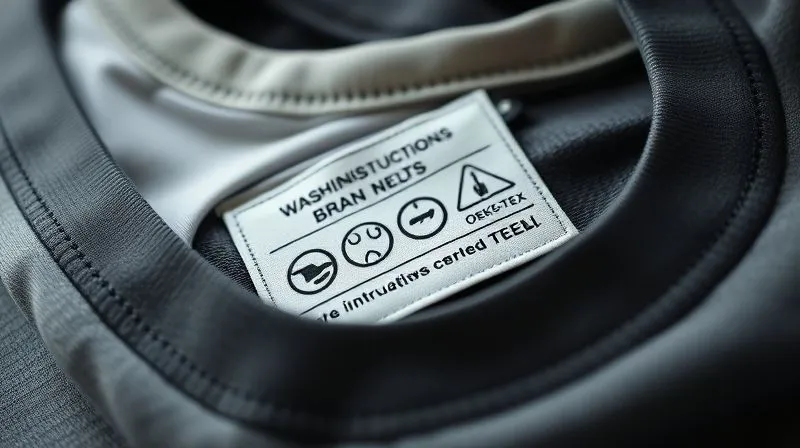
To ensure the effectiveness and durability of odor-fighting fabrics, the industry relies on various testing standards. Organizations like the American Association of Textile Chemists and Colorists (AATCC) and the International Organization for Standardization (ISO) have established methods to quantify antimicrobial efficacy and durability to washing. Certifications like bluesign® or OEKO-TEX® also provide assurance that products are free from harmful substances and produced sustainably, which often extends to the antimicrobial treatments used.
When you see these certifications or specific technology branding on a garment, you can generally trust that robust testing has been performed, giving you confidence in its long-term odor-fighting capabilities.
| Care Item | Recommendation | Reason |
|---|---|---|
| Fabric Softener | Avoid | Leaves residue, traps odor, interferes with wicking |
| Detergent | Mild, enzyme-based or sports-specific | Effective cleaning without harsh chemicals |
| Wash Temperature | Cold Water | Energy efficient, sufficient for clean, preserves fabric |
| Drying Method | Air Dry (if possible) | Extends garment life, prevents heat damage to treatments |
| Washer Load | Don't overload | Allows proper cleaning and rinsing |
Frequently Asked Questions (FAQ)
Are these advanced fabric technologies safe for my skin? Absolutely. Reputable brands and technology providers adhere to stringent safety standards. Technologies like silver ion and zinc oxide are widely used in medical applications and are tested for skin compatibility. Certifications like OEKO-TEX® ensure that textile products are free from harmful substances. Always look for brands that prioritize safety and transparency in their material sourcing.
Do antimicrobial treatments wash out over time, reducing effectiveness? The most advanced fabric technologies, especially those where the antimicrobial agent is integrated into the fiber structure or permanently bonded, are designed to last the lifetime of the garment. While some surface finishes might degrade slightly over hundreds of washes, the core effectiveness against microbial odor should remain high. Following care instructions diligently helps maintain their longevity.
What is the environmental impact of these technologies, especially metal-based ones? This is a critical question. While concerns about silver leaching have been raised, modern technologies are engineered to minimize environmental release. Furthermore, the 'Wear More. Wash Less' philosophy promoted by these technologies significantly reduces water and energy consumption from laundering, offering a net positive environmental impact. Bio-based solutions are also emerging rapidly to offer even more sustainable alternatives.
Can I combine different odor-control methods for even better results? Yes, many advanced activewear garments already do. For example, a fabric might have a silver ion treatment for bacterial inhibition combined with a specific weave structure for enhanced ventilation. Some brands also use Polygiene's Stays Fresh (antimicrobial) alongside OdorCrunch (environmental odor removal) for comprehensive freshness. The synergy often leads to superior performance.
How do I know if a brand is genuinely using effective odor-fighting technology, or just marketing hype? Look for transparency. Reputable brands will explicitly state the technology they use (e.g., 'Powered by Polygiene,' 'X-Static Silver Technology'). They often provide details on their websites about the science behind their claims. Look for third-party certifications (like bluesign®, OEKO-TEX®) and read reviews. If a claim seems too good to be true without any specific technology mentioned, exercise caution.
Key Takeaways and Final Thoughts
The days of tolerating 'permastink' in your activewear are firmly behind us. The evolution of textile science has provided powerful, effective, and increasingly sustainable solutions to combat microbial odor.
- Silver Ion Technology remains a highly effective broad-spectrum antimicrobial, permanently integrated into many leading brands.
- Zinc-Based Antimicrobials offer a strong alternative, often with favorable environmental and skin-safety profiles.
- Polygiene's Multi-faceted Approach provides comprehensive freshness, encouraging less washing and greater sustainability.
- Bio-Based and Sustainable Innovations like Chitosan are paving the way for a greener future in activewear odor control.
- Advanced Fabric Structures such as micro-perforations and intelligent fiber blends enhance natural odor resistance through improved ventilation and wicking.
As an industry veteran, I can confidently say that investing in activewear featuring these advanced fabric technologies is an investment in your comfort, confidence, and the longevity of your garments. You no longer have to compromise on freshness, even during your most intense workouts. Embrace the science, choose wisely, and experience the freedom of truly odor-free activewear. The future of fresh is here, and it's woven into every fiber.
Recommended Reading
- Eco-Kids Apparel: 5 Steps to Green Marketing Without Accusations
- 7 Proven Strategies: Attracting Luxury Buyers for Bespoke Footwear?
- Unlock Profit: 9 Ways to Scale Your Personal Style Blog into a Thriving Business
- Unlock Summer Style: How to Choose Breathable Streetwear for Ultimate Comfort
- Bespoke Suit Lacks Leadership? 7 Proven Ways to Command Authority



Your email address will not be published. Required fields are marked *