


Urgent: Location Permit Denied for Key Fashion Editorial Shoot? Don't Panic, Pivot!
After two decades navigating the exhilarating, often unpredictable, world of fashion photography, I've faced my share of last-minute crises. From sudden torrential downpours to models missing flights, I've learned that adaptability isn't just a skill; it's the very backbone of a successful production. And yes, I've been there, staring at that email: 'Permit Application Denied.' It feels like a punch to the gut, especially when it's for a key fashion editorial shoot.
That sinking feeling, the immediate rush of panic, the frantic questions about budget, schedule, and client expectations – it's all too familiar. A denied location permit doesn't just halt a shoot; it threatens the entire creative vision, impacts budgets, damages client relationships, and can even jeopardize a photographer's reputation. The stakes are incredibly high in our fast-paced industry, where every day counts and every image is a testament to meticulous planning.
But here's the crucial insight I want to share: a permit denial, while frustrating, is not the end of the world. It's an obstacle, yes, but also an opportunity for creative problem-solving and strategic pivoting. In this comprehensive guide, I'll walk you through my proven framework for not just recovering from a permit denial for a key fashion editorial shoot, but often turning it into an unexpected success. We'll cover immediate triage, rapid re-scouting, legal navigation, creative adaptation, and future-proofing your productions.
Immediate Triage: Assessing the Damage and Your Options
When you receive that dreaded 'denied' notification, the first step isn't to panic, but to breathe and immediately initiate a strategic triage. This involves understanding the 'why' behind the denial and precisely assessing your available time. I've seen countless teams waste precious hours in unproductive panic, which only compounds the problem.
Understanding the Denial: Why Did It Happen?
The denial letter isn't just a 'no'; it's often a roadmap. Was it due to incomplete paperwork, a scheduling conflict, environmental concerns, or perhaps the proposed activity (like extensive rigging or pyrotechnics) was deemed too disruptive? Sometimes, it's as simple as missing a signature or a minor detail in your application. In other cases, it might be a more fundamental incompatibility with the location's policies or public usage regulations. Dig into the specifics. Contact the permitting office directly, politely, and promptly. Ask for clarification and if there's any room for appeal or modification of your original request. Sometimes, a slight adjustment to your shoot plan – fewer crew members, different equipment, or even just a different time slot – can make all the difference.
Timeline Realities: How Much Time Do You Have?
Time is your most valuable asset in this crisis. How close is the shoot date? Do you have a buffer built into your schedule? Is this a one-day editorial or a multi-day campaign? The answers will dictate the urgency and the scope of your alternative solutions. A shoot scheduled for next week allows for more extensive re-scouting and negotiation than one planned for tomorrow. Map out the remaining days, identify critical deadlines (model availability, stylist commitments, client review dates), and understand how much flexibility you truly possess. This clear understanding prevents rash decisions and allows for a more calculated approach.
"Never assume a permit denial is final without understanding its root cause. Often, the 'no' is just a 'not yet' or 'not like that.' Your ability to quickly diagnose the problem is the first step to finding the solution."
Once you've grasped the reasons and the timeline, you can begin to formulate a focused strategy. This initial assessment saves time, reduces stress, and directs your team's efforts towards actionable solutions rather than circular discussions. It's about shifting from a reactive mindset to a proactive one, even when the clock is ticking.

The Rapid Re-Scout: Finding Plan B (and C) Locations
With the initial shock absorbed, your next mission is to identify viable alternative locations. This isn't just about finding 'another' spot; it's about finding a spot that aligns with the editorial's aesthetic, budget, and logistical requirements, and doing it at lightning speed. Creativity and resourcefulness become your superpowers here.
- Leverage Your Network (Fixers, Agencies, Fellow Photographers): Don't underestimate the power of your professional connections. Reach out to local fixers, production agencies, and even fellow photographers. They often have an invaluable black book of contacts and hidden gems. A good fixer can not only suggest locations but also expedite communication with property owners or local authorities, sometimes even securing permits where you might struggle. Be clear about your needs, the aesthetic, and the urgency.
- Explore Permit-Free Zones & Private Studios with Easy Booking: Many cities have public spaces (like certain parks or specific street sections) that don't require permits for small, non-disruptive shoots, especially if no commercial activity is implied. Research these local regulations carefully. Alternatively, consider private studios or venues that can be booked quickly. Many lofts, galleries, cafes, or even unique Airbnbs are accustomed to hosting shoots and have streamlined booking processes. While they might not be 'free,' the cost can be justified by the speed and certainty they offer.
- Think Outside the Box: Industrial Spaces, Rooftops, Unique Interiors: Sometimes, the best solution is a complete departure from the original plan, which can lead to surprisingly fresh results. Industrial warehouses, parking garages, private rooftops (with permission!), or even the interior of an old library or a quirky antique store can offer incredible backdrops. The key is to think about the core mood and visual elements of your editorial and see how these can be translated into an unexpected setting. Could the gritty texture of an alleyway replace the grandeur of a historic facade? Can a minimalist studio space be transformed with strategic props and lighting to evoke the desired atmosphere?
Case Study: The Loft Legend
I recall a particularly high-stakes editorial for a luxury brand. We had secured a stunning historic mansion, but a last-minute structural issue led to the permit being revoked just 48 hours before the shoot. Panic ensued. Instead of trying to find another mansion, which would have been impossible on that timeline, our team pivoted. We secured a raw, industrial-chic loft space downtown, often used for art installations. The stylist and art director worked overtime, bringing in bespoke furniture and lighting elements that contrasted beautifully with the loft's raw concrete and exposed brick. The original concept of 'old-world elegance' transformed into 'modern, deconstructed luxury.' The client was initially hesitant but ultimately thrilled with the unexpected, edgy results, praising our team's adaptability and creativity under pressure. It taught us that sometimes, a constraint can be the catalyst for something even better.
Remember, the goal is not to replicate the denied location perfectly but to capture the essence and mood of your editorial in a new, equally compelling way. This rapid re-scouting phase is where your team's collective creativity and network truly shine.

Navigating Legalities: Expedited Permits & Alternative Agreements
Even with a new location in mind, you still need to address the legalities. Depending on your chosen alternative, this might involve a different set of permits or private agreements. This stage demands quick action, clear communication, and a thorough understanding of local regulations.
- Direct Communication with Authorities for Expedited Permits: If your new location still requires a permit, immediately contact the relevant local film office or permitting department. Explain the urgency, providing context about the previous denial (without blaming anyone). Ask about expedited permit options or temporary waivers. Some cities have provisions for fast-tracking permits in emergencies, especially if you have a strong track record. Be prepared to submit all paperwork instantly and be flexible with any new conditions they might impose.
- Private Property Agreements (Waivers, Releases): If you're shooting on private property (a rented studio, a business, a private home), a formal location agreement and property release are paramount. This document should clearly outline the scope of the shoot, dates, times, fees, responsibilities of both parties, and any specific rules or restrictions. Ensure it includes clauses protecting you from liability and granting you the rights to use the images commercially. Never rely on verbal agreements, no matter how friendly the property owner seems.
- Insurance & Liability: This cannot be overstated. Your production insurance is your safety net. Confirm that your existing policy covers the new location and any specific activities planned there. If you've changed the scope of the shoot (e.g., now using heavy machinery or animals), inform your insurer. A denied permit often highlights potential liability issues, so ensure your coverage is robust. Carrying adequate liability insurance is often a prerequisite for obtaining permits or private location agreements.
For detailed information on city-specific permitting processes, I often recommend checking official municipal film commission websites. For example, the NYC Mayor's Office of Media and Entertainment provides comprehensive guides for filming in New York City, and similar resources exist for most major metropolitan areas.
"Your insurance is your best friend when things go sideways. Don't just have it; understand it, and ensure it's always up-to-date with your current production's risks. It's the ultimate 'Plan B' for unexpected liabilities."
Navigating these legal waters swiftly and correctly protects you, your team, and your client. It’s an essential step in ensuring your last-minute pivot doesn't create new, unforeseen problems down the line.
Creative Problem-Solving: Rethinking Your Shoot Concept
A location permit denial for a key fashion editorial shoot forces you to confront a fundamental question: is the location truly indispensable, or is it merely a backdrop for a broader narrative? Often, it's the latter. This is where your creative vision and adaptability are truly tested, and where an experienced art director or photographer can shine.
Adapting the Narrative: How to Adjust the Story
Every fashion editorial tells a story. If your original location was integral to that story (e.g., a gothic castle for a dark romance), how can that narrative be translated to a new, perhaps less obvious, setting? This might involve adjusting the era, the character's journey, or the overall mood. Instead of a castle, perhaps a forgotten urban ruin can evoke a similar sense of mystery and drama. Instead of a sun-drenched beach, a stark, minimalist studio with clever lighting can create a powerful, introspective mood. Focus on the emotional core of the story and explore how it can be reinterpreted. This isn't about compromising; it's about evolving.
Styling & Props: Using These to Define the New Space
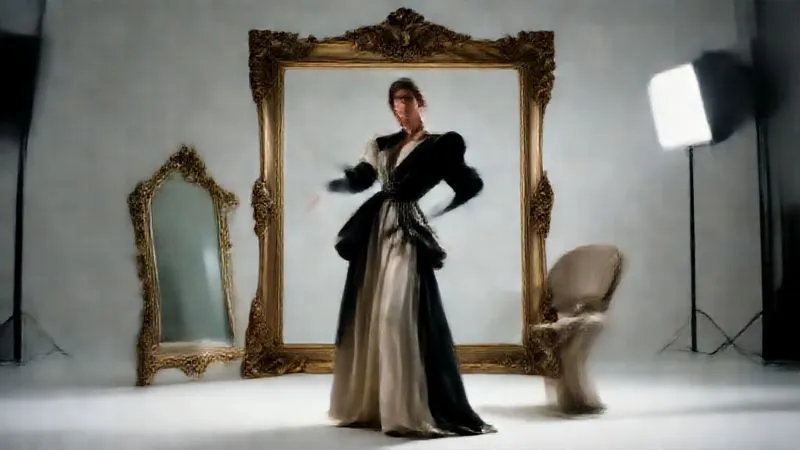
The power of styling and props to transform a space is immense. A plain white studio can become a Parisian apartment with the right furniture, art, and accessories. A rugged outdoor location can feel luxurious with the addition of high-end textiles and carefully chosen props. Collaborate closely with your stylist and set designer. Can a specific color palette, a unique piece of furniture, or a series of bespoke props evoke the feeling you originally intended, regardless of the physical environment? These elements can act as visual cues, guiding the viewer's perception and tying the new location back to the original creative brief.
Lighting as a Transformer: Manipulating Light to Change Perception
As a photographer, you know that light is your ultimate tool. In a new location, especially an unexpected one, lighting can be used to dramatically alter its perceived character. Soft, diffused light can make a harsh industrial space feel ethereal. Dramatic, hard light can add tension and definition to a bland interior. Utilizing gels, reflectors, and carefully positioned strobes can create specific moods, emphasize textures, or even obscure undesirable elements of a location. Experiment with natural light at different times of day, or construct entirely new lighting environments to sculpt the space to your will. This mastery of light can often save a shoot where the location itself feels less than ideal.
- Flexibility is Freedom: Embrace the challenge as an opportunity to push creative boundaries.
- Collaborate Closely: Ensure your entire creative team (stylist, MUA, art director) is aligned on the new vision.
- Focus on the Core Message: What is the essential feeling or story you need to convey?
By approaching the problem with a mindset of creative adaptation, you can often produce work that is not only successful but also uniquely memorable, precisely because it overcame an unexpected hurdle. This resilience is a hallmark of true industry specialists.
Building a Resilient Location Strategy: Prevention is Key
While this article focuses on crisis management, the best defense against a permit denial is a robust, proactive location strategy. In my experience, foresight and meticulous planning can prevent the majority of last-minute scrambles.
- Always Have Backups: This is non-negotiable. For any critical shoot, always scout and pre-approve at least two viable backup locations. These don't need to be perfect replicas of your primary choice, but they should be aesthetically compatible and logistically feasible. Having a 'Plan B' (and even a 'Plan C') allows for a seamless pivot, reducing stress and saving valuable time.
- Early Permit Applications & Follow-Up: Submit your permit applications as early as humanly possible, ideally several weeks or even months in advance for complex locations or high-demand periods. Don't just submit and forget; follow up regularly with the permitting office to ensure your application is progressing and to address any potential issues proactively. Proactive communication can often resolve minor discrepancies before they escalate into denials.
- Foster Local Relationships: Build strong relationships with local film commissions, property owners, location scouts, and community leaders. A good rapport can smooth the permitting process, provide insider knowledge on upcoming restrictions, and even open doors to unique, off-market locations. These relationships are invaluable assets that pay dividends over your career.
- Understand Local Regulations Thoroughly: Permitting rules vary wildly from city to city, and even within different districts of the same city. Invest time in understanding the specific regulations, fees, timelines, and restrictions for your target areas. Are there quiet hours? Restrictions on equipment size? Specific insurance requirements? Ignorance of the rules is never an excuse and can lead to immediate denials.
According to a recent industry report by the Association of Film Commissioners International (AFCI), projects that engage with local film offices early in the pre-production phase report significantly fewer permitting issues and smoother logistical operations. This underscores the importance of proactive engagement and research.
"A robust location strategy isn't about avoiding all problems; it's about anticipating the most common ones and building contingency plans that allow you to adapt without sacrificing your creative vision or your project's timeline. It's the mark of a seasoned professional."
By embedding these practices into your pre-production workflow, you transform potential crises into manageable challenges, ensuring your key fashion editorial shoots proceed with confidence and efficiency.
Communication & Team Management During a Crisis
When a permit denial hits, effective communication becomes paramount. It's not just about relaying information; it's about managing expectations, maintaining morale, and channeling collective energy towards solutions. A crisis can either fracture a team or forge it stronger, and your leadership is the deciding factor.
Transparent Updates: Who, What, When, Where, Why
As soon as you have a clear understanding of the denial and potential next steps, communicate it to all relevant stakeholders: your client, models, stylists, makeup artists, crew, and talent agencies. Be transparent about the problem, but immediately pivot to the solutions you are actively pursuing. Provide clear, concise updates on new location options, revised schedules, and any changes in logistics. Avoid speculation; stick to confirmed facts and actionable plans. A lack of information breeds anxiety and distrust, while clear, consistent updates build confidence.
Delegating Tasks Effectively: Empowering Your Team
You cannot solve this alone. Empower your team by delegating specific tasks. The location scout should focus on the rapid re-scout. The producer should handle permit re-applications and vendor negotiations. The art director and stylist should brainstorm creative adaptations. Clearly define roles and responsibilities for the crisis period. Trust your team's expertise and provide them with the resources they need. Regular check-ins (brief, focused meetings) are crucial to monitor progress and adjust strategies.
Maintaining Morale: Lead with Calm and Confidence
Your demeanor sets the tone. As the leader, projecting calm and confidence, even if you're internally stressed, is vital. Acknowledge the challenge but emphasize the team's capability to overcome it. Celebrate small wins (e.g., securing a promising backup location). Remind everyone of the shared goal and the exciting creative opportunities that can arise from unexpected pivots. A positive and resilient team culture is an invaluable asset in any crisis.
Effective communication during a crisis is a blend of transparency, delegation, and empathetic leadership. It's about ensuring everyone is informed, feels valued, and is working cohesively towards the resolution. For more insights on crisis communication in project management, articles from reputable sources like Harvard Business Review offer excellent frameworks.
| Communication Strategy | Impact on Team | Best Practice |
|---|---|---|
| Transparent Updates | Reduces anxiety, builds trust | Daily stand-ups, concise emails |
| Delegation & Empowerment | Increases efficiency, boosts morale | Clear task assignments, regular check-ins |
| Lead with Calm | Stabilizes mood, fosters resilience | Positive reinforcement, problem-solving focus |
Financial Implications & Budget Adjustments
A denied permit for a key fashion editorial shoot almost inevitably brings financial implications. Unforeseen costs can quickly balloon if not managed strategically. This requires a clear-eyed review of your budget and proactive negotiations.
Reallocating Funds: Where Can You Save?
Your original budget was built around the initial location. A change means re-evaluating every line item. Can funds allocated for the original location's specific requirements (e.g., specialized equipment rental for a harsh environment) be re-routed to cover costs for the new location (e.g., studio rental, expedited permit fees)? Look for areas where you might have over-budgeted or where a new location might offer cost savings. This might mean negotiating rates with vendors, optimizing travel expenses, or even finding creative ways to reduce prop costs by sourcing locally or repurposing existing items.
Negotiating with Vendors: Open and Honest Dialogue
Immediately contact all vendors (models, stylists, crew, equipment rental companies, caterers, etc.) to inform them of the situation. Be honest about the challenge and explore solutions together. Can they offer flexibility on their rates for the new date or location? Are there cancellation fees that can be waived or reduced if you rebook with them? Many vendors are willing to work with you, especially if you have a good relationship, as they prefer to keep your business rather than lose it entirely. Transparency and professionalism are key here.
Impact on Post-Production: Time and Cost
Consider if the new location or concept will impact post-production. Will it require more extensive retouching or color grading to match the original vision? Will additional VFX be needed to integrate elements that were lost with the location change? Factor these potential costs and time extensions into your revised budget and schedule. It's better to anticipate these now than to be surprised later, impacting delivery timelines and overall quality.
| Budget Category | Action | Potential Impact |
|---|---|---|
| Original Location Fees | Reallocate to new location/expedited permits | Direct cost transfer |
| Specialized Equipment (Original Location) | Cancel or swap for new location needs | Refunds/new rental costs |
| Talent & Crew Rescheduling Fees | Negotiate waivers/reduced rates | Variable, depends on vendor flexibility |
| Post-Production (Revised Concept) | Review for additional hours/software | Potential increase in labor/software costs |
Managing the financial fallout of a permit denial requires a blend of detailed accounting, assertive negotiation, and a willingness to make tough decisions. For further reading on managing budgets during unexpected project changes, resources like Forbes Finance Council offer valuable perspectives.
Frequently Asked Questions (FAQ)
Question: Can I still shoot without a permit if it's private property and I have the owner's permission?
Answer: It depends. While private property permission is crucial, many cities still require permits for commercial photography even on private land, especially if it impacts public space (e.g., blocking sidewalks, using public infrastructure for power). Always check local regulations. It's better to get a permit or a clear written agreement from the owner that explicitly states permission for commercial use and outlines any specific conditions, ensuring you're covered for liability and usage rights.
Question: How quickly can I realistically get an expedited permit?
Answer: Expedited permit timelines vary significantly by city and the complexity of your shoot. Some smaller municipalities might process a simple permit in a day or two, while major cities might still require a few days to a week for expedited requests. It often depends on existing workload, the nature of your shoot, and your relationship with the permitting office. Always ask for the absolute fastest possible turnaround and be prepared to provide all documentation instantly.
Question: What if my client insists on the original location despite the permit denial?
Answer: This is a tough but common scenario. Your role is to be a problem-solver and a realistic advisor. Present the client with the facts: the permit is denied, and shooting there is either impossible or illegal, posing significant risks. Then, immediately pivot to presenting your well-researched alternative solutions, emphasizing how the creative vision can be maintained or even enhanced. Highlight the benefits of the new approach and the potential risks of trying to force the original plan. If they remain adamant, you might need to have a difficult conversation about the feasibility and potential legal ramifications.
Question: Should I always have a backup location for every shoot?
Answer: For any key fashion editorial shoot or commercial project, yes, absolutely. For smaller, less critical shoots, it might be overkill, but for anything with significant budget, client expectations, or tight deadlines, a pre-scouted and approved backup location is an essential part of a resilient production strategy. It mitigates risk and provides invaluable peace of mind.
Question: What's the role of a location scout in this situation?
Answer: In a crisis like a permit denial, a skilled location scout becomes your most critical asset. Their role is to immediately pivot to identifying and vetting alternative locations that meet the creative brief, budget, and logistical requirements, often under extreme time pressure. They should be researching local regulations, contacting property owners, and providing comprehensive details (photos, access info, contact details) on viable alternatives, allowing the rest of the team to focus on creative adaptation and client communication.
Key Takeaways and Final Thoughts
A location permit denied for a key fashion editorial shoot is undeniably a stressful situation, but it's far from insurmountable. As an experienced industry specialist, I've seen these challenges transform into opportunities for innovation, and I want you to feel empowered to do the same. Here are the critical takeaways to navigate such a crisis:
- Act Fast, Assess Smart: Understand the 'why' behind the denial and your true timeline before making any moves.
- Rapid Re-Scout: Leverage your network and creativity to quickly identify viable Plan B (and C) locations.
- Master Legalities: Understand expedited permits, private agreements, and ensure your insurance is bulletproof.
- Creative Pivot: Adapt your narrative, styling, and lighting to make the new location work for your vision.
- Proactive Prevention: Build a resilient strategy with backups, early applications, and strong local relationships.
- Lead with Calm: Maintain transparent communication and empower your team through the challenge.
- Manage Finances: Be prepared to reallocate budgets and negotiate with vendors to mitigate unexpected costs.
Remember, the fashion photography industry thrives on creativity, not just in front of the lens, but behind the scenes in problem-solving. A permit denial, while inconvenient, is a test of your adaptability, resilience, and leadership. Embrace the challenge, trust your expertise, and you'll not only save your shoot but likely emerge with a stronger team, a more robust process, and perhaps even a more compelling set of images than you initially imagined. Go forth and create, no matter the obstacle!
Recommended Reading
- 7 Expert Strategies: Avoid Eyewear Dead Stock in Trend Forecasting
- Unlocking Value: 7 Steps to Accurately Appraising 1950s Couture Resale
- 5 Steps to Truly Inclusive Activewear Sizing for Diverse Body Types
- 7 Proven Strategies: How to Reduce User Drop-Off in AR Fashion Try-On?
- 7 Proven Strategies: Sourcing Truly Unique Statement Accessories to Stand Out


Your email address will not be published. Required fields are marked *