


What's Causing New Eco-Friendly Sandal Designs to Fail Production?
For over two decades in the footwear industry, especially in the evolving realm of sustainable design, I've witnessed a recurring, often heartbreaking pattern: brilliant eco-friendly sandal concepts faltering long before they ever reach a customer's foot. It's not a lack of vision or passion; it's usually a disconnect between innovative design and the hard realities of production.
The promise of sustainable footwear—recycled materials, bio-based components, closed-loop systems—is incredibly compelling. Yet, bringing these visions to life at scale, reliably and cost-effectively, presents a unique set of hurdles. Many passionate designers and brands find themselves caught in a frustrating loop where prototypes shine, but mass production proves elusive, leading to significant financial losses and wasted innovation.
In this deep dive, I'll pull back the curtain on the core challenges that are causing new eco-friendly sandal designs to fail production. Drawing from my extensive experience, I'll not only identify the pitfalls but, more importantly, equip you with actionable frameworks, real-world insights, and strategic approaches to navigate these complexities, ensuring your sustainable sandal innovations move from drawing board to satisfied customer.
The Material Mismatch: When Green Meets Grind
This is often the first and most significant hurdle. Designers fall in love with a sustainable material's story – its origin, its impact – but overlook its practical properties under manufacturing stress.
Biodegradable polymers might be too brittle for injection molding, or recycled rubber compounds might lack the necessary tensile strength for a sandal strap. I've seen countless prototypes made from beautiful, ethically sourced materials that simply cannot withstand the rigors of a production line, let alone daily wear.
Actionable Steps for Material Validation:
- Early-Stage Prototyping: Don't just test material samples; create small-batch prototypes using the intended manufacturing process. This reveals issues with material flow, shrinkage, and adhesion early on.
- Rigorous Lab Testing: Beyond basic tensile and tear strength, perform tests relevant to footwear: abrasion resistance, flex fatigue, water absorption, and UV stability. Partner with specialized material testing labs.
- Supplier Collaboration: Work closely with material suppliers. They often have proprietary data or can recommend specific grades optimized for footwear applications. Don't assume a material suitable for packaging is suitable for a sandal sole.
"The most sustainable material is the one that lasts, not just one that's 'green' on paper. Durability in an eco-friendly product is paramount for true sustainability."
Choosing the right eco-material involves a delicate balance. Here are key criteria I always advise my clients to consider:
- Process Compatibility: Can it be molded, cut, stitched, or bonded with existing or easily adaptable machinery?
- Performance Metrics: Does it meet the functional requirements for comfort, durability, and safety?
- Cost-Effectiveness at Scale: Is the material's cost viable for your target market and profit margins when purchased in bulk?
- Supply Chain Reliability: Can you consistently source it in the quantities you need, without compromising ethical standards?
- End-of-Life Strategy: Is it truly recyclable, compostable, or biodegradable in real-world conditions?

Supply Chain Snafus: Untangling the Eco-Web
Building an eco-friendly sandal isn't just about the materials; it's about where they come from and how they get to your factory. The global supply chain for sustainable components is still maturing, often fragmented, and less transparent than traditional ones.
I've witnessed brands struggle immensely because their chosen eco-supplier was a small, boutique operation unable to meet demand, or because the ethical sourcing claims couldn't be verified beyond a superficial level. This lack of resilience and transparency is a major factor causing new eco-friendly sandal designs to fail production.
Actionable Steps for Building a Resilient Eco-Supply Chain:
- Deep Due Diligence: Go beyond certifications. Visit supplier facilities, audit their practices, and understand their own upstream suppliers. Transparency is key.
- Diversify Sourcing: Don't put all your eggs in one basket. Identify multiple qualified suppliers for critical components, even if it means slightly higher initial setup costs.
- Regional Sourcing: Where possible, prioritize local or regional suppliers to reduce transportation emissions and improve oversight. This also shortens lead times and reduces geopolitical risks.
- Long-Term Partnerships: Invest in relationships with your sustainable suppliers. Collaborate on R&D, share forecasts, and offer fair contracts. This fosters loyalty and innovation.
Case Study: Solstice Footwear's Ethical Sourcing Triumph
Solstice Footwear, a startup aiming for 100% vegan and recycled sandals, initially faced significant delays due to an unreliable supplier for their recycled EVA foam. Their first production run was halted when the supplier couldn't meet quality standards or volume. By implementing a diversified sourcing strategy, they identified three new regional suppliers, each specializing in a different component (recycled EVA, organic cotton straps, natural rubber outsoles). They invested in long-term contracts and regular audits, not only securing their production but also reducing their carbon footprint by 15% through localized sourcing. This proactive approach turned a potential failure into a robust, ethical supply chain.
According to a Harvard Business Review article on supply chain resilience, companies that invest in supply chain visibility and agility are 40% more likely to recover quickly from disruptions. This principle applies doubly to the nascent sustainable supply chain.
Design for Manufacturability (DfM): The Unsung Hero of Sustainable Footwear
Often, designers, driven by aesthetics and sustainability ideals, create complex sandal designs without fully considering the practicalities of production. This oversight, known as a lack of Design for Manufacturability (DfM), is a silent killer for many innovative eco-friendly sandal concepts.
I've seen designs that require intricate, multi-part assemblies using materials with vastly different bonding requirements, or shapes that necessitate custom tooling far too expensive for initial production runs. These designs might look stunning on paper or as a handcrafted prototype, but they become a nightmare on the factory floor, leading to high scrap rates, slow production times, and ultimately, failure to launch.
DfM in sustainable footwear focuses on simplifying designs, optimizing material usage, and ensuring efficient assembly. Here are core DfM principles I advocate for:
- Component Reduction: Can multiple parts be integrated into one? Fewer parts mean fewer materials to source, fewer assembly steps, and reduced potential points of failure.
- Standardization: Utilize standard fasteners, sizing, and basic geometries wherever possible. Custom components are costly and add complexity.
- Material Compatibility: Design with materials that are known to work well together in terms of bonding, stitching, and overall durability. Avoid combining exotic materials without extensive testing.
- Assembly Ease: Design components that snap, slide, or interlock easily, reducing reliance on complex machinery or highly skilled manual labor.
- Tooling Considerations: Understand the limitations and costs associated with molds, dies, and other tooling. Design shapes that are feasible and cost-effective to produce.
"A truly sustainable design is one that can be produced efficiently, minimizing waste and resource consumption at every manufacturing stage. Simplicity is often the highest form of sophistication in sustainable production."
Engaging with manufacturing engineers and production line specialists early in the design process is non-negotiable. Their insights can prevent costly redesigns and production bottlenecks down the line. This collaborative approach ensures that sustainability isn't compromised by unmanufacturable designs, thereby addressing what's causing new eco-friendly sandal designs to fail production.
The Cost Conundrum: Balancing Ethics and Economics
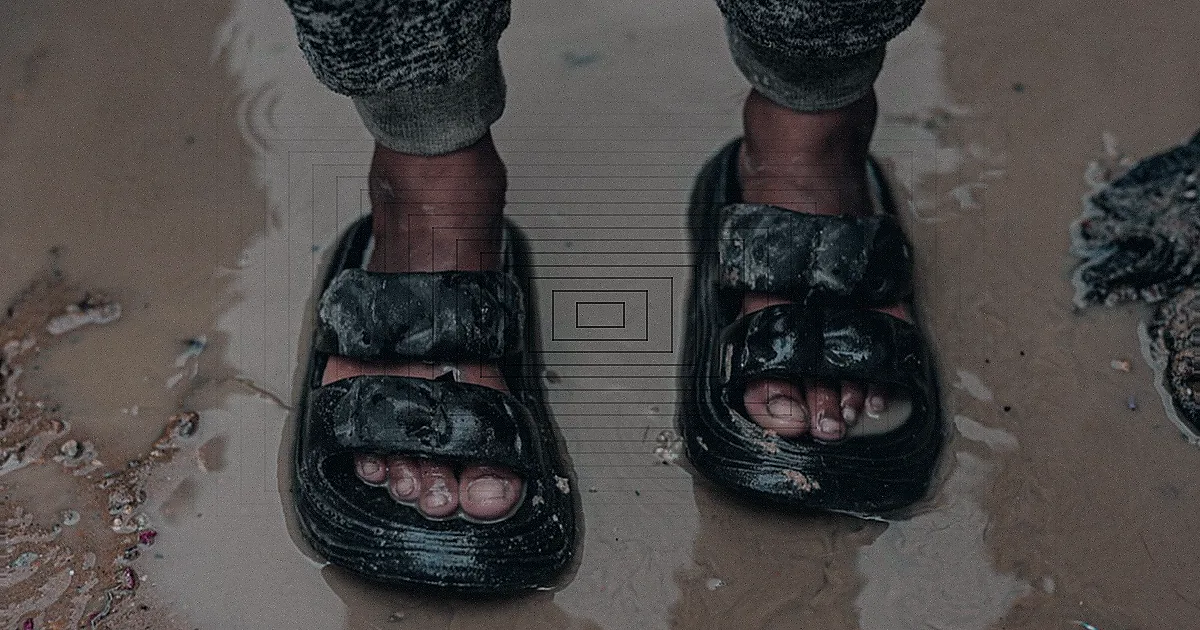
Let's be frank: sustainable materials and ethical production often come with a higher upfront cost. This is a significant barrier causing new eco-friendly sandal designs to fail production. Brands struggle to reconcile the premium price of organic cotton, recycled plastics, or fair-trade labor with consumer price expectations and their own profit margins.
I've seen promising brands collapse because their sustainable sandals were priced out of their target market, or because they underestimated the true cost of compliant, ethical manufacturing. It's a tightrope walk between maintaining integrity and achieving commercial viability.
Actionable Steps for Managing Sustainable Production Costs:
- Value Engineering: Systematically analyze each component and process to identify opportunities for cost reduction without compromising sustainability or quality. Can a bio-based material be used for a less critical part, while a recycled material is used for a high-wear component?
- Long-Term ROI Perspective: Educate stakeholders and consumers on the long-term value. Emphasize durability, reduced environmental impact, and brand reputation. Sometimes, a higher upfront cost translates to a longer-lasting product, reducing the need for frequent replacements.
- Economies of Scale: Plan for increasing production volumes over time. Many sustainable materials become more cost-effective when purchased in larger quantities.
- Grants & Subsidies: Explore government grants, industry subsidies, or impact investment funds that support sustainable manufacturing and innovation.
Here’s a simplified comparison I often use to illustrate the cost considerations:
| Feature | Traditional Sandal | Eco-Friendly Sandal |
|---|---|---|
| Material Cost (per unit) | $3.00 | $6.00 |
| Labor Cost (per unit, ethical) | $2.50 | $4.00 |
| Tooling/Setup Cost | Moderate | Potentially Higher |
| Certification Fees | Minimal | Significant |
| Marketing Advantage | Standard | Strong (Sustainability Story) |
| Durability/Lifespan | Average | Potentially Higher |
Remember, consumers are increasingly willing to pay a premium for truly sustainable and ethically produced goods, but that premium must be justified through transparent communication and superior product quality. As Forbes highlights, the ROI of sustainability extends beyond immediate profit to brand equity and customer loyalty.
Scaling Sustainable Innovation: From Prototype to Mass Production
The leap from a successful prototype to mass production is monumental for any product, but for eco-friendly sandals, it introduces an entirely new layer of complexity. What works perfectly in a small batch often breaks down when scaled. This scalability challenge is a major reason what's causing new eco-friendly sandal designs to fail production.
I've observed brands that managed to handcraft beautiful sustainable samples, only to find their chosen bio-adhesives couldn't cure fast enough on a conveyor belt, or their recycled components introduced too much variability for automated assembly.
Actionable Steps for Scaling Sustainable Production:
- Pilot Programs: Don't jump straight to thousands of units. Run controlled pilot production batches (e.g., 100-500 units) to identify bottlenecks, optimize processes, and refine material handling.
- Phased Rollout: Introduce new sustainable technologies or materials gradually. Start with a specific component or a limited edition product line before integrating it across your entire range.
- Invest in Automation (Strategically): While sustainable production often emphasizes craft, smart automation can improve efficiency, reduce waste, and ensure consistency when working with novel materials. This requires careful planning and investment.
- Robust Process Documentation: Create incredibly detailed standard operating procedures (SOPs) for every step of the sustainable manufacturing process. This ensures consistency and facilitates training for new staff.
Scaling requires foresight and a willingness to iterate. It's not a linear path but a continuous cycle of testing, learning, and adapting. The goal is to build a repeatable, efficient, and sustainable production system that can grow with demand.
- Material Handling Protocols: How do eco-materials behave in larger quantities? Do they require special storage, temperature, or humidity controls?
- Tooling Capacity: Can your molds or dies handle continuous, high-volume production without degradation or excessive downtime?
- Waste Stream Management: How will scrap and off-cuts from sustainable materials be managed at scale? Is there a closed-loop system in place?
Quality Control Quagmires: Ensuring Durability in Eco-Materials
Maintaining consistent quality and durability is paramount for any footwear, but it presents unique challenges when dealing with novel eco-friendly materials. These materials often have different properties – varying tensile strengths, different reactions to moisture or temperature, and unique aging characteristics – compared to their traditional counterparts. This complexity in quality assurance is a significant factor causing new eco-friendly sandal designs to fail production.
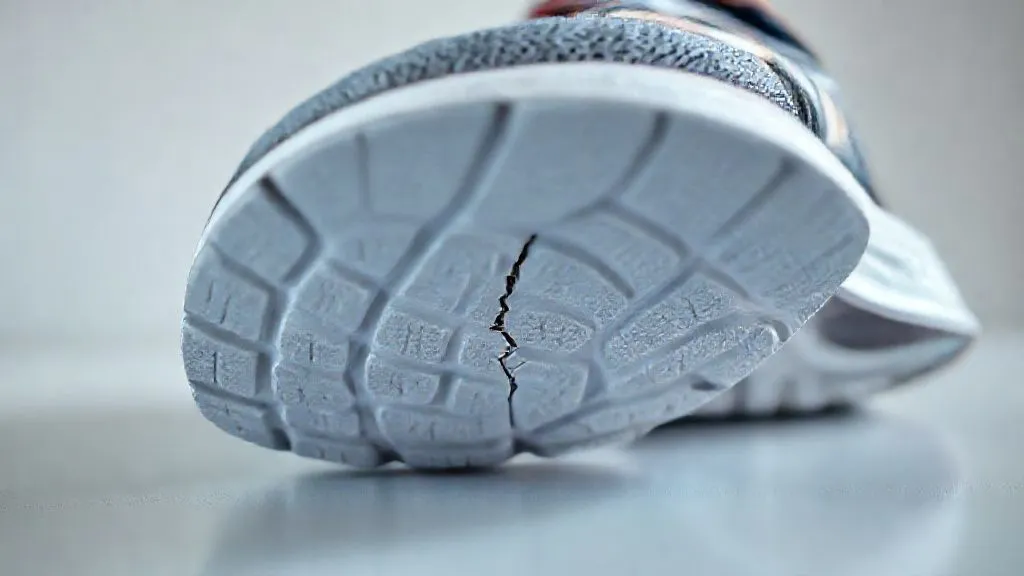
I've encountered situations where a batch of recycled rubber soles showed unexpected brittleness after a few weeks, or bio-based straps degraded prematurely under UV exposure, leading to costly recalls and reputational damage.
Actionable Steps for Enhanced Quality Control:
- Tailored Testing Protocols: Develop specific quality control tests for each new eco-material. Don't rely solely on traditional footwear testing standards; they might not adequately assess the unique vulnerabilities of sustainable alternatives.
- Real-World Simulation: Beyond lab tests, conduct extensive wear trials in diverse environmental conditions. Get feedback from a variety of users to understand how the sandals perform under actual stress.
- In-Process Quality Checks: Implement rigorous checks at every stage of production, from incoming material inspection to assembly and finishing. This helps catch defects early, reducing waste and rework.
- Traceability Systems: Establish robust traceability for all materials and components. If a defect arises, you need to quickly identify the problematic batch and supplier.
"Quality control for eco-friendly sandals isn't just about preventing defects; it's about validating the promise of sustainability through enduring performance."
Investing in advanced testing equipment and training your QC team on the nuances of sustainable materials is an investment that pays dividends by preventing costly failures and building consumer trust.

Bridging the Knowledge Gap: Training and Technology Transfer
Introducing new eco-friendly materials and production processes demands more than just new machinery; it requires a significant upgrade in knowledge and skills across the entire production team. The knowledge gap between cutting-edge sustainable design and traditional manufacturing expertise is a silent but potent reason what's causing new eco-friendly sandal designs to fail production.
I've seen factories acquire state-of-the-art bio-molding machines, only for production staff to lack the specific training required to operate them efficiently or troubleshoot issues with novel polymers. Without proper training, even the most innovative sustainable designs will struggle to achieve consistent quality and output.
Actionable Steps for Effective Knowledge Transfer:
- Comprehensive Training Programs: Develop tailored training modules for production line workers, supervisors, and QC staff on the specific characteristics of new eco-materials, assembly techniques, and sustainability objectives.
- Supplier-Led Workshops: Leverage your material and machinery suppliers. They often provide valuable training and technical support specific to their products, which can be invaluable.
- Cross-Functional Teams: Create internal teams comprising designers, engineers, and production staff to collaborate from the initial design phase. This fosters shared understanding and problem-solving.
- Pilot Project Mentorship: During pilot production runs, assign experienced personnel to mentor and guide teams, addressing real-time challenges and documenting best practices.
Here’s a simplified skill matrix I often recommend for assessing training needs:
| Role | Key Skill Gap | Training Focus |
|---|---|---|
| Designer | Manufacturing Constraints of Eco-Materials | DfM, Material Properties Workshop |
| Production Operator | Handling & Processing Novel Bio-Polymers | Machine Operation, Material Specific SOPs |
| Quality Control | Testing Standards for Sustainable Durability | Advanced QC, Material Degradation Analysis |
| Supply Chain Manager | Ethical Sourcing & Traceability Platforms | Supplier Auditing, Blockchain for Supply Chain |
As McKinsey & Company research indicates, investing in workforce upskilling for sustainability is critical for long-term operational success and innovation.
Navigating Regulatory Hurdles and Certifications
The landscape of environmental regulations and sustainability certifications is complex, fragmented, and constantly evolving. For brands venturing into eco-friendly sandal designs, understanding and complying with these standards is not just good practice; it's a necessity that, if overlooked, can absolutely cause new eco-friendly sandal designs to fail production.
I've seen brands invest heavily in a product only to find it doesn't meet import regulations for certain markets due to unverified material claims, or that their 'biodegradable' claim isn't supported by robust, third-party certification. This leads to costly reworks, market access restrictions, and consumer distrust.
Actionable Steps for Proactive Compliance:
- Early Regulatory Mapping: Before design finalization, identify all relevant environmental regulations and certifications for your target markets (e.g., REACH in Europe, Proposition 65 in California, country-specific waste directives).
- Select Reputable Certifications: Don't just claim "eco-friendly." Pursue recognized third-party certifications like GOTS (Global Organic Textile Standard), FSC (Forest Stewardship Council), Cradle to Cradle, or specific vegan certifications. These build trust and provide verifiable proof.
- Expert Consultation: Engage with regulatory consultants or legal experts specializing in environmental product claims and international trade. This can save immense headaches and costs in the long run.
- Documentation & Traceability: Maintain meticulous records for all materials, processes, and supplier certifications. This documentation is crucial for audits and proving compliance.
"In the world of sustainable products, claims without credible verification are just marketing noise. Transparency and third-party validation are your most powerful assets."
Failing to navigate this intricate web of rules can lead to product recalls, fines, and irreparable damage to your brand's reputation. Proactive engagement with regulatory requirements is not a burden; it's a strategic imperative for any brand committed to genuine sustainability.

Frequently Asked Questions (FAQ)
Q: Is it always more expensive to produce eco-friendly sandals? A: Not necessarily in the long run. While initial material and tooling costs for sustainable alternatives can be higher, factors like increased durability, reduced waste disposal costs, enhanced brand reputation, and access to premium markets can offset these. Value engineering and optimizing for scale are crucial. The goal is to achieve cost-parity or even cost-advantage over the product's entire lifecycle.
Q: How can small brands compete with larger companies in sustainable sandal production? A: Small brands can differentiate by focusing on niche markets, hyper-transparency, unique material stories, and strong community building. They can also leverage local supply chains, collaborate with sustainable material startups, and prioritize ethical certifications that resonate with their specific audience. Agility and direct consumer engagement are key advantages.
Q: What's the most common mistake designers make when creating sustainable sandals? A: In my experience, the most common mistake is designing in a vacuum – creating a concept without continuous, early collaboration with material scientists, production engineers, and supply chain managers. This often leads to beautiful designs that are simply unmanufacturable at scale, or require materials that are unsustainable in their processing. DfM (Design for Manufacturability) is often overlooked.
Q: How important are certifications for eco-friendly sandals, and which ones should I prioritize? A: Certifications are incredibly important. They provide third-party validation, build consumer trust, and demonstrate genuine commitment beyond mere marketing. Prioritization depends on your materials and target markets. For textiles, GOTS or Oeko-Tex are excellent. For rubber/wood, FSC. For overall product lifecycle, Cradle to Cradle or B Corp certification are powerful. For vegan claims, PETA-Approved Vegan. Always research which ones are most recognized and respected by your specific audience.
Q: Can I truly achieve a "zero-waste" sandal production? A: "Zero-waste" is an aspirational goal, and while incredibly challenging, significant progress can be made. It involves designing for circularity (materials that can be recycled or composted), optimizing cutting patterns to minimize scrap, implementing robust recycling programs for production waste, and even exploring take-back programs for end-of-life products. While absolute zero waste is difficult, striving for it drives innovation and efficiency.
Key Takeaways and Final Thoughts
The journey of bringing eco-friendly sandal designs from concept to successful production is undoubtedly complex, fraught with material challenges, supply chain intricacies, and economic pressures. However, as I've outlined, these hurdles are not insurmountable. They demand a nuanced, strategic approach, blending innovation with practical manufacturing wisdom.
- Embrace DfM: Integrate Design for Manufacturability from day one, collaborating across disciplines.
- Validate Materials Rigorously: Don't assume; test, test, and re-test sustainable materials for real-world production and durability.
- Build Resilient Supply Chains: Prioritize transparency, diversity, and long-term partnerships with ethical suppliers.
- Manage Costs Strategically: Look beyond upfront expenses to long-term value, efficiency, and market differentiation.
- Invest in Knowledge: Upskill your teams and document processes to ensure consistent quality and scalability.
- Navigate Regulations Proactively: Understand and comply with certifications to build trust and ensure market access.
What's causing new eco-friendly sandal designs to fail production is rarely a single issue, but rather a confluence of these factors. By addressing each of these areas with diligence and foresight, you can transform ambitious sustainable visions into tangible, impactful products. The future of footwear is undeniably green, and with the right strategy, your brand can be at the forefront of this crucial evolution, delivering both style and sustainability to the world.
Recommended Reading
- 7 Ways to Choose Outdoor Bridal Shoes & Prevent Sinking Heels?
- Luxury's Dilemma: 7 Strategies When Clients Demand Unsustainable Rare Materials
- 5 Pro Strategies: Banish Harsh Midday Shadows from Model Faces
- Activewear Wicking: 7 Expert Tactics to Last Beyond 50 Washes
- 7 Expert Strategies: Find Professional Fashion Tech That Looks Discreet


Your email address will not be published. Required fields are marked *