

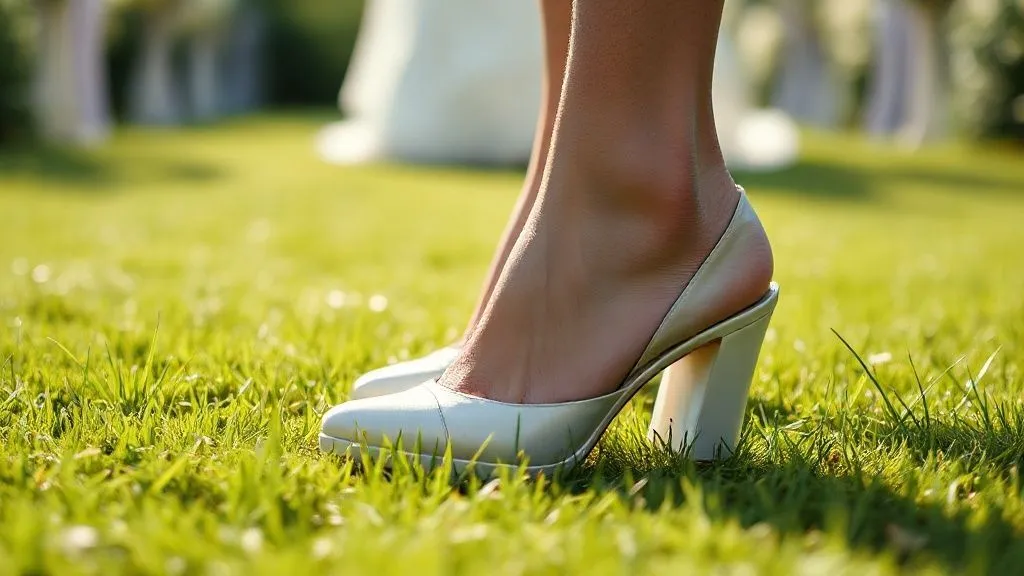
How to Select Bridal Shoes for Outdoor Weddings Preventing Sinking Heels?
For over 15 years in the bridal fashion industry, I've had the immense privilege of helping countless brides find their dream wedding ensemble. Yet, I've seen a recurring moment of panic, a subtle wince, or even an outright stumble on the big day – all stemming from one often-overlooked detail: the shoes, especially for an outdoor setting. The vision of a romantic garden ceremony or a rustic vineyard reception is beautiful, but the reality of delicate heels sinking into soft earth can quickly turn a fairy tale moment into an awkward one.
The problem is palpable: you've invested in a stunning gown, perfected every detail, and envisioned walking gracefully down the aisle. But a stiletto heel, designed for polished floors, becomes a perilous anchor in grass, gravel, or sand. This isn't just about discomfort; it impacts your posture, your confidence, and even the precious photographs that capture those first steps as a married couple. It's a preventable mishap that, unfortunately, many brides only realize too late.
That's precisely why I've distilled years of experience and observations into this definitive guide. I’m here to share not just advice, but actionable frameworks, real-world insights, and expert tips on how to select bridal shoes for outdoor weddings preventing sinking heels. Together, we’ll ensure your walk down the aisle is as confident and comfortable as it is beautiful, no matter the terrain.
Understanding the Terrain: Your First Step to Flawless Footwear
Before you even begin browsing shoe styles, the absolute first step is to become intimately familiar with your wedding venue's ground conditions. This foundational knowledge will dictate your shoe choices more than any trend or personal preference.
Grass, Soil, Sand: The Challenges
Each natural surface presents its own unique set of challenges. Grass, especially freshly watered or damp, is the most notorious for swallowing thin heels whole. It’s soft, uneven, and often hides divots. Loose soil or dirt paths can be equally tricky, offering little resistance and leaving your shoes dusty or muddy. Gravel or cobblestones, while perhaps firmer, are uneven and can cause heels to catch, leading to trips or painful twists. And for those dreaming of a beach wedding, sand, whether soft and powdery or damp and packed, requires a completely different footwear strategy.
Venue Reconnaissance: What to Look For
I always advise my brides to visit their venue with an investigative eye, specifically focusing on the ground where the ceremony and reception will take place. Is the grass manicured and firm, or is it soft and prone to sinking? Are there paved pathways, or will you be traversing natural ground for most of the day? Pay attention to inclines, potential muddy spots, and any uneven surfaces. If possible, ask the venue coordinator about past experiences with bridal footwear. This isn't about being a pessimist; it's about being prepared and proactive.
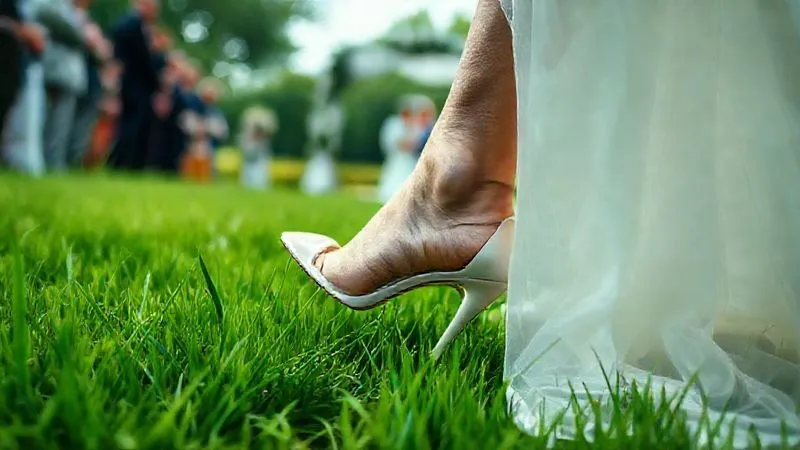
The Foundation: Sole and Heel Types That Conquer Outdoor Elements
Once you understand your terrain, you can confidently explore shoe constructions designed for stability. This is where practicality truly meets elegance, debunking the myth that outdoor shoes must sacrifice style.
Block Heels: The Unsung Hero
For most outdoor settings, block heels are, in my experience, the absolute gold standard. Their wider surface area distributes weight more evenly, preventing that dreaded sinking sensation. They offer unparalleled stability without compromising on height or sophistication.
- Stability: Significantly reduces the risk of sinking into soft ground.
- Comfort: Often more comfortable for extended wear due to better weight distribution.
- Versatility: Available in various heights and designs, from chunky to elegantly tapered.
- Style: Modern block heels are incredibly chic and pair beautifully with contemporary and classic gowns.
Wedges: Stability Meets Elegance
Wedge heels offer a continuous surface from the heel to the ball of the foot, providing maximum stability. They are an excellent choice for very soft ground, like sand or loose earth, where even a block heel might struggle. Modern bridal wedges have come a long way from their casual counterparts, now featuring delicate embellishments and luxurious finishes.
- Full Support: No gaps for sinking, ideal for very soft or uneven ground.
- Comfort: Often considered among the most comfortable heel types for long events.
- Height: Achieve significant height without the instability of a narrow heel.
- Beach Friendly: Perfect for sandy ceremonies where stilettos are impossible.
Flats and Sandals: Comfort Without Compromise
Don't dismiss flats or elegant sandals! For brides prioritizing comfort, or for highly challenging terrains, they are an impeccable choice. Bridal flats can be incredibly ornate, featuring beading, lace, or delicate straps. Elegant sandals, especially those with a slightly thicker sole, can be perfect for warmer climates or beach weddings.
- Ultimate Comfort: No pressure on the balls of your feet, ideal for dancing all night.
- Zero Sinking Risk: Completely eliminates the problem of heels catching or sinking.
- Practicality: Excellent for long days, dancing, and navigating any terrain with ease.
- Chic Options: Many designers now offer stunning, embellished bridal flats and sandals.
Platform Shoes: An Elevated Solution
Platform shoes, whether paired with a block heel or a wedge, add an extra layer of height and protection from the ground. The raised sole keeps more of your shoe off the potentially damp or dirty ground, while still offering the lift you desire.
In my professional opinion, the wider the surface area of your heel, the less likely you are to encounter the sinking shoe dilemma. It's a simple physics principle that translates directly to your wedding day comfort and grace.
Material Matters: Durability and Practicality
Beyond the heel type, the materials used in your bridal shoes play a significant role in their outdoor suitability. You want something that can withstand a little dust, dampness, or an accidental scuff without looking ruined.
Weather-Resistant Fabrics
Look for materials that are somewhat resilient. While silk and satin are traditional and beautiful, they can be very delicate and prone to water stains or dirt marks. Leather, synthetic leathers, or even some treated fabrics can offer better resistance. If you love the look of satin, consider a pair that has been pre-treated with a water-resistant spray, or apply one yourself.
Avoiding Delicate Materials
Be cautious with very delicate lace, thin mesh, or heavily beaded shoes that might snag on rough surfaces or collect debris. While beautiful, they might be better suited for an indoor reception shoe change.
| Heel Type | Stability | Elegance | Terrain Suitability |
|---|---|---|---|
| Block Heel | Excellent | High | Grass, Gravel, Uneven Paths |
| Wedge | Superior | High | Sand, Soft Soil, Grass |
| Flat/Sandal | Maximal | Variable (can be high) | All Terrains, especially uneven |
| Stiletto (with protector) | Moderate | Very High | Limited (requires accessory) |
Clever Accessories and Hacks: The Lifesavers You Didn't Know You Needed
Sometimes, despite your best efforts, your heart is set on a particular shoe style that isn't inherently outdoor-friendly. Or perhaps your venue has mixed terrain. This is where brilliant accessories and strategic hacks come into play.
Heel Protectors: Small but Mighty
These ingenious little caps slip over your stiletto or thin block heels, providing a wider base that prevents sinking. They are often clear or discreetly colored, making them virtually invisible. I've seen them save countless brides from an embarrassing moment.
- Identify Heel Size: Measure the diameter of your heel tip to ensure a snug fit.
- Choose Material: Opt for durable, clear plastic or silicone for discretion.
- Practice Application: Put them on your shoes a few times before the wedding day to get the hang of it.
- Wear Test: Walk around in them on grass or carpet to get a feel for the added stability.
Shoe Inserts and Grip
For added comfort and to prevent slipping on potentially damp surfaces, consider gel inserts for the balls of your feet or non-slip grips for the soles. This is particularly useful if your shoes have smooth leather soles.
The 'Change of Shoes' Strategy
Many brides opt for two pairs of shoes: one for the ceremony and photos (perhaps a more delicate, higher heel) and a second, more practical pair for the reception and dancing (flats, wedges, or comfortable block heels). This allows you to have the best of both worlds. According to Brides.com, many modern brides embrace this practical approach, ensuring comfort for the entire celebration. Read more about outdoor wedding shoe options on Brides.com.
Style Considerations: Marrying Practicality with Your Vision
Selecting practical shoes doesn't mean sacrificing your bridal aesthetic. In fact, it's an opportunity to integrate thoughtful details that enhance your overall look.
Matching Your Dress and Theme
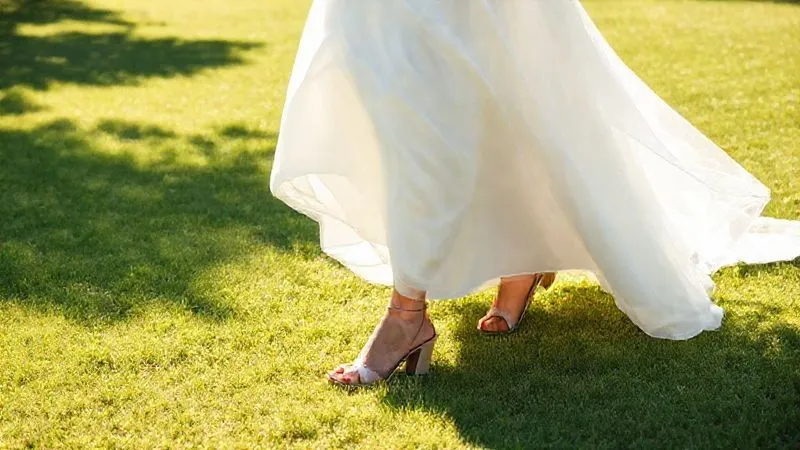
Consider the length and style of your gown. A long, flowing A-line or ball gown can easily accommodate a chunkier heel or wedge, as the shoes will be mostly hidden. If your dress is shorter, or has a high slit, your shoes will be more visible, so ensure they align with the overall elegance and theme of your wedding. For a rustic wedding, espadrille wedges or embellished flats might be perfect; for a garden party, floral block heels could be stunning.
Color and Embellishment Choices
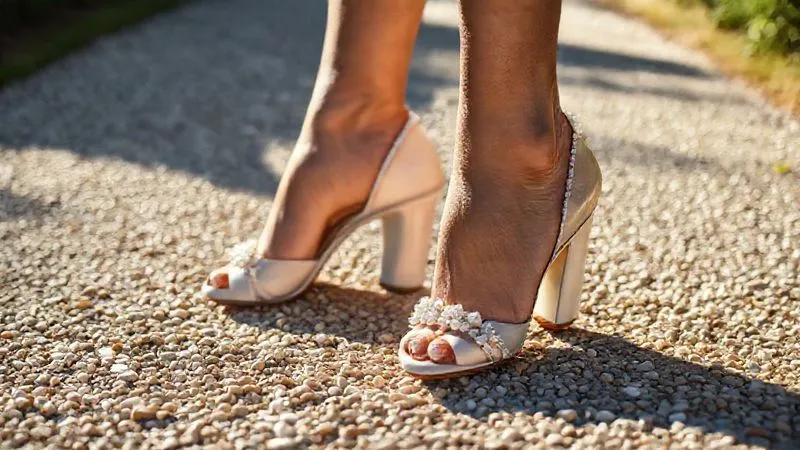
While traditional white and ivory remain popular, don't shy away from metallics, pastels, or even a bold 'something blue' for your outdoor shoes. Embellishments like pearls, crystals, or lace can elevate any practical shoe style to bridal-worthy status. Just remember the material considerations we discussed earlier, especially if your shoes will be exposed to the elements.
The Comfort Imperative: Breaking In and Fit
Even the most perfectly chosen outdoor bridal shoes will fail you if they aren't comfortable. This is a non-negotiable aspect of your wedding day footwear.
The Golden Rule: Break Them In!
I cannot stress this enough: never wear brand-new shoes on your wedding day. Even if they feel comfortable initially, new shoes need to be worn in to mold to your feet. This prevents blisters, rubbing, and discomfort that can detract from your joyous day.
Proper Sizing and Support
Ensure your shoes fit perfectly. Too tight, and they'll pinch; too loose, and your feet will slide, leading to instability. Look for shoes with adequate arch support, especially if you plan to be on your feet for many hours. A cushioned sole can make a world of difference.
- Start Early: Begin breaking in your shoes at least 4-6 weeks before the wedding.
- Wear Them Indoors: Wear them around your house for short periods initially, gradually increasing the duration.
- Wear with Wedding Stockings/Socks: If you plan to wear stockings or specific socks, break them in with those on.
- Simulate Movement: Practice walking, standing, and even dancing in them.
- Address Hot Spots: Use moleskin or blister pads on areas that rub immediately.
Vogue.com offers excellent tips on how to effectively break in new shoes, ensuring they're comfortable for your big day. Learn more about breaking in your shoes from Vogue.
Case Study: Sarah's Vineyard Wedding Triumph
Sarah came to me just three months before her vineyard wedding, panicking about her shoe choice. She had fallen in love with a pair of delicate, embellished block heels – not stilettos, but still a concern for the soft, uneven ground of the vineyard. She was adamant about keeping them, but worried about sinking and discomfort. After our discussion, we developed a strategy:
- Terrain Assessment: We confirmed the vineyard had a mix of packed dirt paths and softer grassy areas for the ceremony.
- Heel Protector Integration: We found clear heel protectors that perfectly fit her block heels, adding a crucial wider base for the grass.
- Break-In Schedule: Sarah diligently wore her shoes around her home for increasing periods, identifying and addressing minor pressure points with gel cushions.
- Backup Plan: We selected a pair of elegant, embellished bridal flats for her reception, ensuring she could dance comfortably all night.
On her wedding day, Sarah walked down the grassy aisle with absolute confidence, her block heels steady thanks to the protectors. She transitioned seamlessly to her flats for the reception, dancing until the early hours. Her experience perfectly illustrates how combining the right shoe choice with smart accessories and preparation can lead to a flawless outdoor wedding footwear experience.
Don't Forget the Details: Photography, Posture, and Peace of Mind
Your shoes are more than just functional; they contribute to your overall bridal presence. Thoughtful consideration here ensures every aspect of your day is picture-perfect.
Posing on Uneven Ground
Talk to your photographer about your shoe choice and the terrain. They can offer guidance on posing techniques that maximize stability and minimize any awkwardness. They might suggest specific spots for photos that offer firmer ground or angles that highlight your beautiful, practical shoes.
The Art of Walking Gracefully
Practice walking in your chosen shoes on various surfaces similar to your venue. Focus on a confident, measured stride. Keep your gaze forward, not down at your feet. A slight lift in your step can help clear any minor obstacles. The Knot offers excellent tips for walking gracefully down the aisle, which are even more crucial for outdoor settings. Find out more about walking tips for your wedding from The Knot.
Frequently Asked Questions (FAQ)
Question? Can I still wear stilettos if I really want to, even for an outdoor wedding? Absolutely, with careful planning! While stilettos are inherently challenging for soft ground, using high-quality heel protectors (often called 'grass stoppers' or 'heel caps') is essential. These transparent caps widen the base of your heel, preventing it from sinking. You'll still need to be mindful of very uneven terrain, but they make stilettos viable for grass or packed dirt. Always have a comfortable backup pair for dancing, though!
Question? How do I choose shoes for a beach wedding versus a garden wedding? The terrain makes all the difference. For a beach wedding with soft sand, wedges, embellished flat sandals, or even elegant barefoot sandals are ideal. Stilettos or thin heels are almost impossible. For a garden wedding with grass and perhaps some paved areas, block heels are your best bet. Wedges are also excellent, and flats are a comfortable alternative. Heel protectors can extend the options for block heels.
Question? What if my venue has mixed terrain, like a grassy ceremony area and a paved reception patio? This is a common scenario. My strongest recommendation is the 'two-shoe strategy.' Choose a pair optimized for the ceremony (e.g., block heels with protectors or wedges) and a second, perhaps more glamorous or comfortable pair for the reception (e.g., delicate stilettos for dancing on pavement, or elegant flats). This ensures you're prepared for every part of your day.
Question? Should I sacrifice style for comfort when choosing outdoor bridal shoes? Not necessarily, but you should prioritize practicality and comfort. The good news is that modern bridal fashion offers a vast array of stylish and comfortable outdoor-friendly options. Think elegant block heels, sophisticated wedges, or beautifully embellished flats. The goal is to find shoes that align with your style while ensuring you can move, stand, and dance comfortably and confidently without sinking. A truly beautiful bride is a comfortable and confident bride.
Question? What's the best time to buy my bridal shoes? I recommend purchasing your bridal shoes shortly after you've chosen your wedding dress, ideally 4-6 months before your wedding. This allows ample time for alterations (as shoe height affects dress length), breaking them in properly, and finding alternatives if your first choice doesn't work out. Don't leave it to the last minute!
Key Takeaways and Final Thoughts
Navigating the world of bridal shoes for an outdoor wedding doesn't have to be a source of stress. By approaching it with a strategic mindset, informed by expert insights, you can ensure your walk down the aisle is as graceful and comfortable as you've always dreamed. Let's recap the most critical advice:
- Assess Your Terrain: Understand the specific ground conditions of your venue first.
- Choose Wisely: Opt for block heels, wedges, or elegant flats for maximum stability.
- Consider Materials: Prioritize durability and weather resistance for outdoor wear.
- Embrace Accessories: Heel protectors are game-changers for thinner heels.
- Prioritize Comfort: Break in your shoes diligently and ensure a perfect fit.
- Have a Backup: A second pair of comfortable shoes for the reception is a smart move.
Your wedding day is a celebration of love, joy, and new beginnings. The last thing you want is to be distracted by sinking heels or sore feet. By following these expert guidelines on how to select bridal shoes for outdoor weddings preventing sinking heels, you're not just choosing footwear; you're choosing confidence, comfort, and the freedom to fully immerse yourself in every magical moment. Step forward with grace, dear bride, knowing your shoes are perfectly poised for your beautiful journey.
Recommended Reading
- Mastering Professional & Trendy Glasses: Your 7-Step Style Guide
- Chafing Crisis? 7 Design Principles for Specialized Activewear
- Master 5 Steps: Authenticate & Value Rare Vintage Designer Finds Fast
- Unveiling the Future: How Advanced Textile Technologies Are Slaying Fashion Waste
- 7 Strategies: Elevating Casual Chic for Women's Leadership Presence




Your email address will not be published. Required fields are marked *