

Preventing Critical Chafing in Specialized Activewear Design?
For over two decades in the specialized activewear industry, I've witnessed countless design teams grapple with a silent, yet critical, performance killer: chafing. It's not just a minor discomfort; for elite athletes and everyday enthusiasts alike, critical chafing can derail training, ruin competitions, and even lead to serious skin damage, ultimately eroding brand loyalty and trust. I've seen promising innovations fall flat because this fundamental issue wasn't adequately addressed.
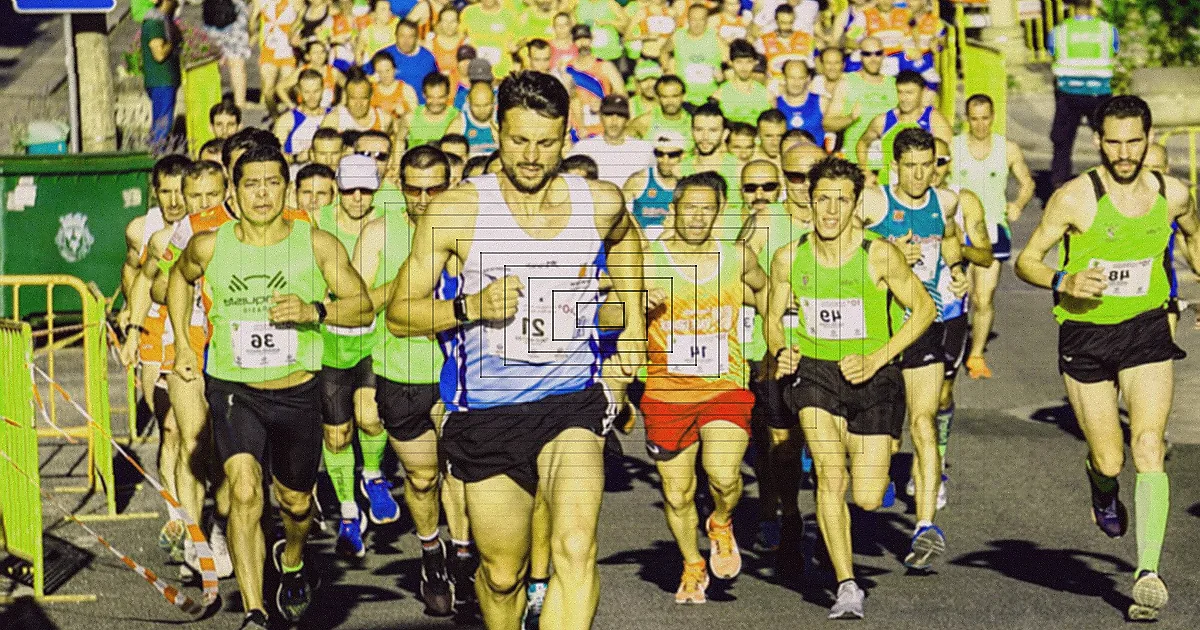
The problem is often underestimated. In high-stakes environments, whether it's a marathon runner facing a 26.2-mile battle or a triathlete enduring hours in varying conditions, even the slightest friction can escalate into painful abrasions. This isn't just about choosing 'soft' fabric; it’s about a holistic understanding of biomechanics, material science, and garment construction under extreme conditions. It's the difference between a garment that merely exists and one that truly enhances performance and protects the wearer.
This article will serve as your definitive guide, drawing from my extensive experience to provide actionable frameworks and expert insights into preventing critical chafing in specialized activewear design. We’ll delve into the nuanced interplay of fabric technology, ergonomic patterning, advanced seam construction, and rigorous testing protocols. My goal is to equip you with the knowledge to design activewear that not only performs but also proactively safeguards the athlete's comfort and skin integrity, ensuring your products stand out in a competitive market.
Understanding the Root Causes: Friction, Moisture, and Material Mismatches
Before we can engineer solutions, we must first dissect the problem. Chafing, at its core, is a form of skin irritation caused by repetitive friction. This friction is exacerbated by moisture and the inherent properties of the materials in contact with the skin. It’s a complex interplay, not a single culprit, which is why a multi-faceted approach is essential.
The Mechanics of Skin Abrasion
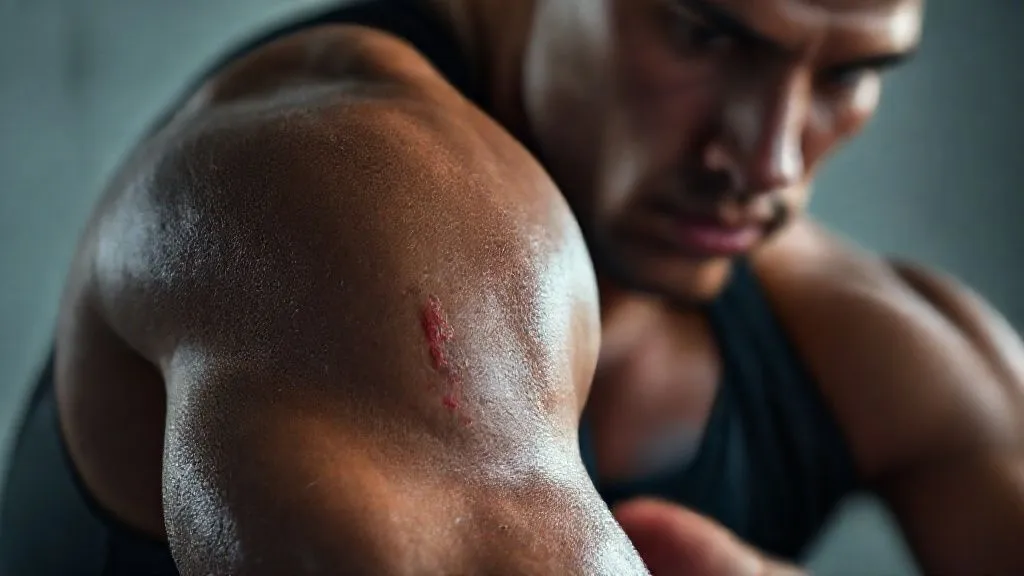
Our skin, while remarkably resilient, has its limits. When activewear repeatedly rubs against the skin, especially in areas like the inner thighs, underarms, nipples, or along seam lines, shear forces are generated. These forces cause microscopic tears in the outer layers of the epidermis, leading to redness, irritation, and eventually, blistering or open sores. The intensity and duration of this rubbing directly correlate with the severity of the chafing. Consider the repetitive motion of a cyclist’s legs or a runner’s arms – thousands upon thousands of micro-traumas over the course of an event.
The Role of Moisture Management
Moisture, primarily sweat, acts as a lubricant initially, but paradoxically, it also significantly increases the skin's susceptibility to friction. Wet skin is softer, weaker, and more prone to breaking down under repetitive stress than dry skin. Furthermore, sweat contains salts that, when crystallized, can become abrasive particles. Effective moisture management isn't just about wicking sweat away from the body; it's about minimizing the contact time of moisture with the skin and preventing its accumulation in critical zones. As a study published in the Journal of Sports Sciences highlighted, thermal and moisture regulation are paramount for athletic comfort and performance.
The Fabric Frontier: Innovations in Anti-Chafe Materials
The choice of fabric is perhaps the most fundamental decision in preventing critical chafing. It’s not just about softness, but about engineered properties that actively reduce friction and manage moisture. I've spent years evaluating new textile technologies, and the advancements are truly game-changing.
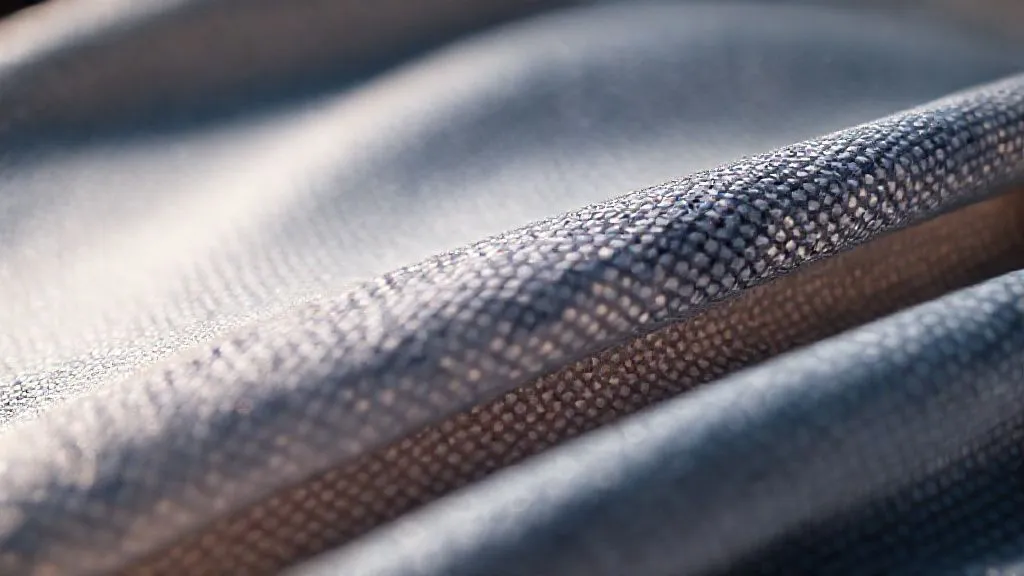
Modern anti-chafe fabrics go far beyond traditional cotton, which, while soft, absorbs moisture and stays wet, becoming a chafing nightmare. Today's leading materials are synthetic blends, often incorporating polyester, nylon, spandex, or specialized fibers like Tencel or bamboo viscose (known for their inherent softness and moisture-wicking capabilities). The key lies in their microscopic structure and chemical treatments.
"The future of anti-chafing activewear isn't just about low-friction materials; it's about intelligent textiles that dynamically adapt to the wearer's physiology, managing moisture and temperature in real-time to maintain optimal skin conditions."
Key properties to look for include superior moisture-wicking capabilities, achieved through capillary action of specially engineered fibers that draw sweat away from the skin to the fabric's outer surface for evaporation. Fabrics with a smooth, almost silky hand-feel, often achieved through specialized knitting or weaving techniques (e.g., micro-denier fibers), inherently reduce skin friction. Some advanced fabrics also incorporate permanent anti-microbial treatments to inhibit bacterial growth, which can exacerbate skin irritation.
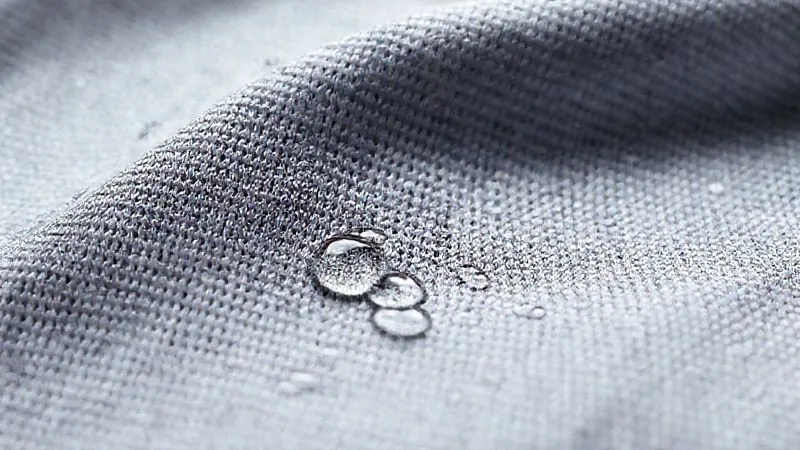
Furthermore, some innovative fabrics feature embedded lubricants or ceramic particles that create a low-friction interface between the skin and the garment. While still niche, these represent the cutting edge in proactive chafing prevention. Always verify the durability of such treatments through extensive wash and wear testing, as their effectiveness can diminish over time.
Precision Patterning and Ergonomic Design: A Tailored Approach
Even the most advanced anti-chafe fabric can fail if the garment's pattern and fit are poorly executed. Ergonomic design is about understanding human anatomy in motion and designing activewear that moves with the body, rather than against it. This is where the art and science of apparel design truly converge.
In my experience, a common mistake is using generic patterns for specialized garments. A triathlon suit, for instance, requires a drastically different pattern than a yoga legging, even if both use similar fabrics. The body positions, movements, and forces involved are entirely distinct. This necessitates a deep understanding of the target activity.
- Identify High-Friction Zones: Begin by mapping out areas of the body most prone to chafing for the specific activity. For runners, this might be inner thighs, armpits, and nipples. For cyclists, it's the saddle area and inner thighs.
- Minimize Seams in Critical Areas: Whenever possible, patterns should be designed to eliminate or relocate seams away from high-friction zones. This often means using larger fabric panels or strategic darting.
- Anatomical Shaping: Garments should be shaped to conform to the body's natural contours. This reduces excess fabric that can bunch, fold, and rub. Consider articulated knees, gusseted crotches, and contoured shoulder panels.
- Dynamic Fit Analysis: Test prototypes on actual athletes performing the intended activity. Observe fabric behavior during dynamic movements. Does it bunch? Does it pull? Does it create new points of friction?
- Consider Compression: Properly designed compression garments can actually reduce chafing by holding fabric firmly against the skin, minimizing movement between the two surfaces. However, ill-fitting compression can be a major chafing culprit, so precision is key.
As design thinking principles advocate, empathy for the user is paramount. Putting yourself in the athlete's shoes – or rather, their specialized activewear – allows for truly innovative and effective solutions. This iterative process of design, prototype, test, and refine is non-negotiable for achieving truly frictionless wear.
Seam Engineering: The Unsung Hero of Comfort
If fabrics are the skin of the garment, seams are its skeleton. And just like a poorly aligned bone can cause immense pain, a poorly constructed seam can be the primary source of critical chafing. Seam engineering is a highly specialized field within activewear design, and it’s one where attention to detail pays immense dividends.
Flatlock vs. Bonded vs. Taped Seams
The days of bulky, raised seams in performance wear are, thankfully, largely behind us. Modern activewear employs several advanced seam constructions, each with its own advantages for chafing prevention:
- Flatlock Seams: These are the most common and effective for reducing chafing. Flatlock seams join two pieces of fabric edge-to-edge, creating a flat, smooth, interlocked seam that lies flush against the skin. They are incredibly strong and flexible, moving seamlessly with the body.
- Bonded Seams: In this technique, fabric edges are overlapped and then fused together using heat-activated adhesive films, often with ultrasonic welding. This creates a completely flat, stitch-free seam that is virtually imperceptible to the skin. Bonded seams are excellent for low-profile applications and can offer enhanced water resistance.
- Taped Seams: Similar to bonded seams, taped seams involve applying a thin, flexible tape over a traditional sewn seam, or directly fusing two fabric edges with tape. This not only reinforces the seam but also creates a smooth, low-friction surface. Taping is often used in waterproof or water-resistant garments but is increasingly found in high-performance activewear for comfort.
- Seamless Construction: While not a 'seam' in the traditional sense, seamless knitting technology creates garments from a single piece of yarn, eliminating side seams entirely. This is a revolutionary approach for base layers, socks, and some forms of compression wear, offering unparalleled comfort and friction reduction.
Choosing the right seam type depends on the fabric, garment type, and intended activity. For high-stretch, high-motion areas, flatlock or seamless construction is generally preferred. For garments requiring extreme minimalism or water resistance, bonding or taping might be superior. Below is a comparison of common seam types:
| Seam Type | Key Benefit for Anti-Chafe | Best Use Cases |
|---|---|---|
| Flatlock | Flat, smooth profile, highly flexible | Running tights, cycling jerseys, base layers |
| Bonded | Completely stitch-free, ultra-low profile | Triathlon suits, swimwear, premium compression |
| Taped | Smooth finish, reinforced, often water-resistant | Outerwear, technical shells, specific high-friction areas |
| Seamless Knit | No seams at all, ultimate comfort | Base layers, socks, sports bras, seamless leggings |
Fit, Compression, and Support: Balancing Performance with Comfort
The fit of specialized activewear is a delicate balance. It needs to be snug enough to prevent excess fabric movement, yet not so tight that it restricts blood flow or creates pressure points. This is particularly true for compression garments and sports bras, where the line between supportive and restrictive can be very thin.
Case Study: How Apex Athletic Reduced Marathon Chafing
Apex Athletic, a mid-sized brand specializing in marathon running gear, faced persistent complaints about inner-thigh chafing in their popular running shorts. Their fabric was high-quality, and seams were flatlocked, yet the problem persisted. I consulted with them and we realized the issue wasn't the fabric or the seam, but the pattern's allowance for movement. The shorts were slightly too loose, allowing the fabric to gather and rub during the repetitive motion of a long-distance run.
By implementing a revised pattern with a more tailored inner-thigh panel and introducing a small percentage of elastane into the lining fabric to provide gentle, consistent compression, they significantly reduced fabric movement. They also incorporated a longer inseam in their new design to ensure sufficient coverage. Post-implementation, athlete feedback showed a 75% reduction in chafing incidents, leading to a surge in positive reviews and a 20% increase in sales for that product line. This demonstrated the power of holistic design thinking beyond just material selection.
"A truly effective activewear fit feels like a second skin – present enough to support and protect, yet absent enough to allow complete freedom of movement without friction."
For compression garments, the graduated compression profile is crucial. It needs to be tighter in some areas to promote blood flow and muscle support, and slightly looser in others to prevent constriction. This requires sophisticated patterning and fabric engineering, often involving body mapping techniques to identify zones of varying pressure requirements. Similarly, sports bras need to provide adequate support without digging into the shoulders, ribs, or underarms, which are common chafing points. Wider, softer straps, encapsulated cups, and smooth underbands are essential.
Advanced Finishing and Coating Technologies
Beyond the primary fabric and construction, specialized finishing treatments can provide an additional layer of defense against chafing. These technologies are often applied to the fabric surface or integrated into the fibers themselves.
One notable innovation is the use of silicone-based or PTFE (Teflon)-like coatings on the inner surface of garments, particularly in high-friction areas. These coatings create an ultra-slick surface that dramatically reduces the coefficient of friction between the fabric and the skin. While effective, designers must consider the breathability and durability of such coatings, as a fully impermeable layer could trap heat and moisture, negating the anti-chafe benefits.
Another area of advancement is the integration of skin-friendly emollients or anti-inflammatory agents directly into the fabric, which are then slowly released during wear. While still largely experimental, this 'smart textile' approach holds promise for proactive skin protection. For more on smart textiles, refer to research published in the MDPI journal 'Textiles'.
Hydrophilic and hydrophobic treatments are also critical. While moisture-wicking fabrics pull sweat away, some areas might benefit from additional hydrophobic treatments to repel external moisture (e.g., rain, splashes) or prevent sweat from soaking back into the garment, maintaining a dry microclimate against the skin.
Rigorous Testing and Athlete Feedback Loops
No matter how theoretically sound a design is, its true effectiveness can only be proven through rigorous, real-world testing. This is arguably the most critical step in preventing critical chafing in specialized activewear design.
Laboratory tests can measure fabric friction coefficients, moisture-wicking rates, and durability, but they cannot fully replicate the complex biomechanics and environmental factors of actual athletic performance. This is where extensive athlete wear-testing comes into play. I always advocate for a multi-stage testing protocol:
- Initial Prototype Testing: Small-scale testing with a diverse group of athletes (varying body types, genders, and skill levels) performing the intended activity under controlled conditions.
- Field Testing: Distribute prototypes to a wider group of athletes for extended periods (weeks to months) in their natural training and competition environments.
- Structured Feedback: Implement clear, detailed feedback forms that specifically ask about chafing points, comfort levels, moisture management, and overall performance. Encourage qualitative descriptions and quantitative ratings.
- Biometric Data Collection: Where possible, use wearable sensors to collect data on skin temperature, humidity, and movement patterns to correlate with subjective feedback.
- Iterative Refinement: Use the collected data and feedback to make targeted design adjustments, then re-test. This cycle is crucial for continuous improvement.
Ignoring athlete feedback is a surefire way to launch a product that falls short. Their lived experience is invaluable. For example, a small adjustment to a waistband's elastic tension or the angle of a sleeve insert can make all the difference in preventing chafing in critical zones.
Case Study: Revolutionizing Triathlon Suit Comfort
Let's consider 'AquaStride Athletics,' a fictional but realistic brand that aimed to create the world's most comfortable triathlon suit, specifically targeting the notorious chafing issues faced by long-distance triathletes. Their initial prototypes, while high-performing in terms of hydrodynamics and aerodynamics, received consistent feedback about severe chafing in the neck, armpit, and inner-thigh areas during the swim and run segments.
Applying the principles we've discussed, AquaStride embarked on a complete design overhaul:
- Fabric Innovation: They partnered with a textile lab to develop a custom-blended fabric featuring ultra-fine nylon fibers with a permanent hydrophilic treatment for rapid wicking, and an exceptionally smooth, low-friction surface.
- Pattern Re-engineering: The neck opening was widened and lowered slightly, with a soft, laser-cut edge instead of a traditional binding. Armholes were redesigned with a gusseted construction to allow for full range of motion without pulling or rubbing. The inner-thigh panel was extended and constructed with a seamless-knit technology to eliminate any vertical seams in that critical area.
- Seam Technology: All remaining seams were either bonded or flatlocked, with particular attention paid to the areas around the zipper and leg openings to ensure they lay perfectly flat.
- Athlete Collaboration: They engaged a team of professional triathletes throughout the design process, conducting multiple rounds of testing under race-like conditions and meticulously documenting every point of friction or discomfort.
The result was the 'AquaStride Apex' suit, which quickly became a market leader. Athletes praised its 'invisible comfort' and reported zero chafing, even after Ironman distances. This success wasn't just about a single feature; it was the culmination of a holistic, athlete-centric design philosophy focused intently on preventing critical chafing in specialized activewear design.
The Future of Frictionless Activewear
The quest for frictionless activewear is an ongoing journey, driven by continuous innovation in material science, manufacturing techniques, and a deeper understanding of human performance. The future holds exciting possibilities, moving beyond mere prevention to proactive protection and personalized comfort.
"The next frontier in activewear design isn't just about preventing chafing; it's about creating garments that are so intuitively integrated with the body, they actively enhance the wearer's sensory experience, making discomfort an archaic memory."
Imagine garments with embedded micro-sensors that detect early signs of friction or moisture buildup, alerting the wearer or even dynamically adjusting properties. Consider 3D printing technologies allowing for truly custom-fit garments tailored to an individual's exact body contours and movement patterns, eliminating all potential points of friction. The integration of bio-mimicry, drawing inspiration from nature's low-friction surfaces, could also lead to revolutionary fabric textures.
Furthermore, the convergence of AI and design could allow for predictive modeling of chafing risk based on garment design, athlete biomechanics, and environmental conditions, enabling designers to identify and mitigate issues long before physical prototyping. The drive for sustainability will also play a crucial role, pushing for anti-chafe solutions that are not only effective but also environmentally responsible.
| Innovation Area | Current Approach | Future Outlook |
|---|---|---|
| Material Science | Advanced synthetic blends, wicking treatments | Self-lubricating fibers, bio-mimetic surfaces, active cooling/warming textiles |
| Manufacturing | Flatlock, bonded, seamless knitting | 3D body scanning for custom patterns, additive manufacturing (3D printing) of garments |
| Smart Textiles | Basic moisture sensors, anti-microbial finishes | Integrated biomechanical feedback, dynamic friction modulation, embedded emollients |
| Design Process | Iterative prototyping, athlete wear-testing | AI-driven predictive modeling, virtual reality fit simulations, personalized design algorithms |
Frequently Asked Questions (FAQ)
Q: Can natural fibers like merino wool also prevent chafing? A: Yes, high-quality merino wool can be surprisingly effective. Unlike cotton, merino wool is excellent at managing moisture, wicking it away and retaining its insulating properties even when wet. Its fine fibers are also naturally smooth and less abrasive than coarser wools. However, for extremely high-intensity, high-friction activities, synthetics often offer superior durability and quick-drying properties.
Q: Are there specific activewear types more prone to chafing than others? A: Absolutely. Garments like running shorts (especially those with liners that ride up), ill-fitting sports bras, triathlon suits, cycling shorts (particularly around the chamois area if not properly designed or maintained), and compression sleeves are notoriously prone to chafing if not meticulously designed. Any garment with seams in high-movement areas is a potential culprit.
Q: How important is garment maintenance in preventing chafing? A: Extremely important. Residual sweat, salt, and detergent buildup can make even the best anti-chafe fabric abrasive. Proper washing according to care instructions, avoiding harsh fabric softeners that can clog wicking fibers, and ensuring garments are completely dry before wear are crucial steps. Worn-out elastic or stretched-out fabric can also lead to poor fit and increased chafing.
Q: Can a designer use anti-chafing creams or balms as a substitute for good design? A: Absolutely not. While anti-chafing creams and balms are excellent supplementary tools for athletes, they should never be seen as a replacement for superior garment design. Relying on them indicates a failure in the fundamental design process. A truly well-designed garment should minimize the need for such products, enhancing the overall user experience and trust in the brand.
Q: What role does fabric elasticity play in chafing prevention? A: Fabric elasticity, typically achieved through spandex or elastane content, is vital. It allows the garment to move with the body without resistance, maintaining consistent contact with the skin. This prevents the fabric from bunching, pulling, or shifting, which are common causes of friction. However, too much elasticity without proper recovery can lead to stretched-out areas and poor fit over time, eventually causing chafing.
Key Takeaways and Final Thoughts
The journey to preventing critical chafing in specialized activewear design is a testament to the power of meticulous attention to detail and a holistic understanding of the athlete's experience. It’s a design challenge that demands expertise across material science, ergonomics, and manufacturing.
- Prioritize advanced, moisture-managing, low-friction fabrics engineered for specific activities.
- Employ precision patterning and ergonomic design to minimize seams in high-friction zones and ensure a dynamic, adaptive fit.
- Leverage advanced seam engineering techniques like flatlock, bonding, or seamless construction for a smooth, irritation-free interface.
- Balance compression and support with comfort, understanding that an optimal fit is a second skin, not a constraint.
- Explore advanced finishing and coating technologies to add an extra layer of defense against friction.
- Implement rigorous, athlete-centric testing and feedback loops as the ultimate validation of your anti-chafe solutions.
As an industry veteran, I've seen brands thrive when they truly prioritize the athlete's comfort and performance. By embracing these principles, you're not just designing activewear; you're engineering confidence, enabling peak performance, and building an enduring legacy of trust with every athlete who chooses your gear. The pursuit of frictionless wear is a continuous evolution, and by staying at the forefront of these innovations, your brand will undoubtedly lead the way.
Recommended Reading
- 7 Proven Strategies: How to Market Inclusive Fashion Without Backlash
- Desert Ultras: 7 Apparel Strategies for Peak Running Performance
- 5 Breakthrough Strategies: Gripping Flexible Fabrics with Fashion Robots
- 5 Strategic Ways to Dress for a Promotion: Empowering Professional Attire
- Mastering Authentication: 5 Steps to Profitable Luxury Vintage Resale

Your email address will not be published. Required fields are marked *