


How to Dress for a Promotion Using Empowering Professional Attire?
For over two decades in the dynamic world of fashion, particularly womenswear, I've had the privilege of guiding countless women through their style journeys. What consistently strikes me is the profound, often underestimated, connection between what we wear and how we are perceived in professional settings. I’ve seen firsthand how a thoughtfully curated wardrobe can act as a silent, yet powerful, advocate for career advancement.
Many women, despite their immense talent and dedication, inadvertently sideline their professional image, viewing it as a secondary concern. They might focus solely on skills and performance, overlooking the subtle signals their attire sends. This oversight can create a disconnect between their capabilities and how they are perceived by those making critical promotion decisions, leaving them feeling frustrated and undervalued.
This definitive guide is designed to bridge that gap. I will not just offer fashion tips, but a strategic framework for how to dress for a promotion using empowering professional attire. We'll delve into the psychology of power dressing, explore actionable steps for building a promotion-ready wardrobe, and provide expert insights that will equip you to project confidence, competence, and leadership, ensuring your external presence aligns perfectly with your internal ambition.
Beyond the Dress Code: The Psychology of Power Dressing
Understanding the psychology behind power dressing is the first step in mastering how to dress for a promotion using empowering professional attire. It's not merely about following rules; it's about leveraging perception to your advantage. Your clothing speaks volumes before you even utter a word, influencing how colleagues and superiors perceive your capabilities and leadership potential.
The Halo Effect in the Workplace
The 'halo effect' is a cognitive bias where one positive trait influences the perception of other traits. In the professional world, looking polished and competent can lead others to assume you are also more intelligent, organized, and capable. I've observed this phenomenon countless times: a woman who consistently presents herself with meticulous care is often given more responsibility and trust, not solely because of her work, but because her appearance reinforces an image of reliability and attention to detail.
This isn't about superficiality; it's about strategic communication. When you project an image of authority and professionalism, you are essentially pre-framing yourself as someone who belongs in a leadership role. Your attire becomes a non-verbal endorsement of your readiness for greater challenges and higher positions.
Non-Verbal Communication through Style
Our clothing is a powerful form of non-verbal communication. It signals our respect for the environment, our seriousness about our role, and our ambition. Think about the subtle messages conveyed by a perfectly tailored blazer versus an ill-fitting one, or a structured handbag versus a casual tote. These choices communicate professionalism, attention to detail, and a commitment to excellence.
“Your clothing is a silent resumé. It tells a story about who you are, what you value, and where you're headed, long before you open your mouth.”
According to a study published in the Harvard Business Review, first impressions, often heavily influenced by appearance, are remarkably persistent and can significantly impact career trajectories. Investing in your professional image is, therefore, an investment in your career capital. It's about aligning your external presentation with the elevated role you aspire to achieve.

The Foundation: Building a Strategic Wardrobe Core
To truly understand how to dress for a promotion using empowering professional attire, you must first establish a robust and strategic wardrobe core. This isn't about having a closet overflowing with clothes, but rather a carefully curated collection of versatile, high-quality pieces that can be mixed, matched, and adapted to various professional scenarios.
Quality Over Quantity: Investment Pieces
In my experience, the biggest mistake women make when building a professional wardrobe is prioritizing quantity over quality. Fast fashion might seem appealing, but ill-fitting, poorly constructed garments quickly unravel, both literally and figuratively. Investing in fewer, higher-quality pieces is a far more strategic approach. These items will last longer, fit better, and project an air of sophistication and substance that cheaper alternatives simply cannot.
Think of your core wardrobe as an investment portfolio for your career. A well-constructed wool blazer, a silk blouse, or tailored trousers might cost more upfront, but their longevity, superior drape, and the confidence they instill make them invaluable. They are the building blocks upon which your entire professional image rests.
Essential Wardrobe Pillars for Promotion
Here are the foundational pieces I consistently recommend for building an empowering professional wardrobe:
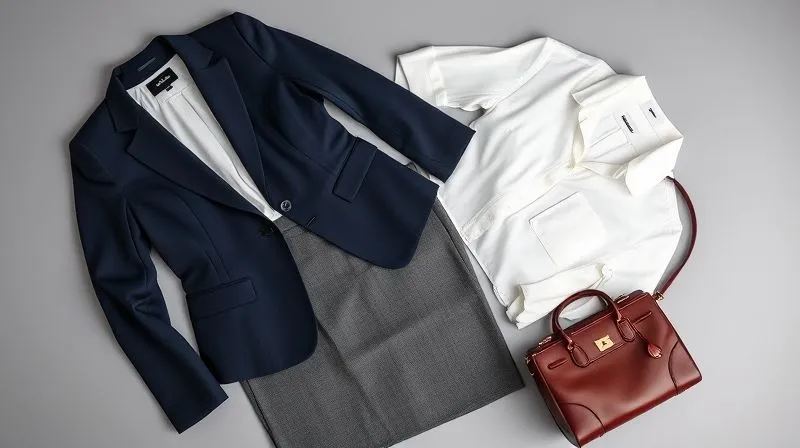
- The Tailored Blazer: A well-fitting blazer in a neutral color (navy, charcoal, black) is non-negotiable. It instantly elevates any outfit, adding structure and authority. Ensure the shoulders fit perfectly and the sleeves hit just at the wrist bone.
- Classic Trousers: Invest in at least two pairs of impeccably tailored trousers in complementary neutral shades. Opt for styles that flatter your body type, such as a straight leg, wide leg, or a subtle bootcut.
- Pencil Skirt or A-Line Skirt: A knee-length or midi-length skirt offers a versatile alternative to trousers. Ensure it’s comfortable for sitting and moving, and made from a fabric that holds its shape.
- Versatile Blouses and Shirts: A collection of silk, cotton, or quality synthetic blouses in white, ivory, and soft colors. Look for classic cuts that can be worn tucked in or out, under a blazer, or on their own.
- Professional Dresses: Sheath dresses or tailored A-line dresses are excellent one-and-done options. Choose styles with sleeves or pair them with a blazer.
- Comfortable, Polished Footwear: Two to three pairs of closed-toe heels (2-3 inches) or polished flats in black, nude, or a dark neutral. Prioritize comfort and quality, as scuffed or uncomfortable shoes can detract from your overall presentation.
- Structured Handbag: A high-quality leather or vegan leather handbag that can hold your essentials and documents without looking overstuffed.
| Category | Item | Why it's key |
|---|---|---|
| Outerwear | Tailored Blazer | Adds instant authority & structure |
| Bottoms | Classic Trousers | Versatile, professional foundation |
| Bottoms | Pencil/A-line Skirt | Elegant alternative to trousers |
| Tops | Silk/Cotton Blouses | Polished, comfortable layering |
| Dresses | Sheath/Tailored Dress | Effortless, complete outfit |
| Footwear | Closed-toe Heels/Flats | Professional, comfortable base |
| Accessories | Structured Handbag | Carries essentials with elegance |
Color Psychology and Fabric Choices for Impact
When considering how to dress for a promotion using empowering professional attire, the nuances of color and fabric are just as critical as the garments themselves. These elements subtly influence perception, conveying messages of trustworthiness, dynamism, and sophistication.
Power Colors and Their Messages
Certain colors inherently carry more weight and authority in professional settings. While personal preference plays a role, understanding these psychological associations can give you a strategic edge:
- Navy Blue: Often considered the ultimate power color, navy conveys trustworthiness, stability, and intelligence. It's less harsh than black but equally authoritative, making it an excellent choice for blazers, suits, and dresses.
- Charcoal Grey: Sophisticated and serious, charcoal grey projects professionalism and a grounded demeanor. It's a versatile alternative to black, offering a modern, understated power.
- Black: The classic choice for formality and authority, black is powerful but can sometimes feel unapproachable. It works best in structured pieces or as a foundational element.
- White/Ivory: These colors communicate clarity, freshness, and attention to detail. A crisp white blouse or a well-maintained ivory sweater can elevate any outfit and signal meticulousness.
- Burgundy/Deep Green: Used as accent colors, deep jewel tones like burgundy or forest green can add a touch of richness and individuality without compromising professionalism. They convey confidence and a discerning eye.
Avoid overly bright or distracting colors, especially for high-stakes meetings or interviews. The goal is to command respect, not to draw attention away from your message.
The Feel of Success: Textures and Drapes
The fabric of your clothing contributes significantly to its perceived quality and how it drapes on your body. Natural fibers and quality blends generally look more luxurious and professional than cheap synthetics.
- Wool: For blazers, suits, and trousers, wool (or a high-quality wool blend) is unparalleled. It drapes beautifully, resists wrinkles, and has a refined texture.
- Silk: For blouses and scarves, silk offers a luxurious feel and elegant drape. It communicates sophistication and attention to detail.
- High-Quality Cotton: For shirts and some dresses, a crisp, well-structured cotton blend can be an excellent choice. Ensure it's not prone to wrinkling easily.
- Crepe: A versatile fabric often used for dresses and blouses, crepe offers a lovely drape and a subtle texture that looks polished.
I always advise my clients to feel the fabric. Does it feel substantial? Does it have a good hand? Does it look like it will hold its shape throughout the day? These are critical considerations when selecting pieces that will contribute to your empowering professional attire.
Tailoring for Confidence: The Fit Factor
The single most transformative element in how to dress for a promotion using empowering professional attire is fit. I cannot stress this enough: even the most expensive garment will look cheap and unprofessional if it doesn't fit correctly. Conversely, an affordable piece, perfectly tailored, can look incredibly chic and authoritative.
Why Fit is Non-Negotiable
Ill-fitting clothes send subtle but powerful negative signals. They can make you look disheveled, unconcerned with details, or even as if you're wearing clothes that don't belong to you. This detracts from your perceived competence and confidence. When your clothes fit impeccably, they enhance your silhouette, allow for comfortable movement, and project an image of precision and control.
Think about the difference a perfectly tailored suit makes for a man; the same principle applies, perhaps even more so, for women's professional wear. A blazer with sleeves too long, trousers that drag on the floor, or a dress that gapes at the bust can undermine your entire professional presentation, regardless of the brand or price tag.
Common Tailoring Adjustments
Most off-the-rack clothing is designed for an average body type, which means it rarely fits anyone perfectly. Expect to invest in tailoring for key pieces. Here are the most common adjustments:
- Sleeve Length: Blazer and jacket sleeves should hit just at your wrist bone, allowing about half an inch of your shirt cuff to show.
- Hemming Trousers and Skirts: Trousers should skim the top of your shoe (or just above for flats). Skirts should fall to a professional length, typically around the knee or midi-length, without being too tight or too loose.
- Waist Adjustment: Trousers and skirts often need the waist taken in or let out for a comfortable, flattering fit.
- Shoulder Fit: This is crucial for blazers. The shoulder seam should align perfectly with your natural shoulder bone. This is one of the most difficult alterations, so prioritize this when buying.
- Bust Darts: Dresses and blouses often benefit from darts being added or adjusted to prevent gaping or pulling across the bust.
“A well-tailored garment is not a luxury; it's a strategic necessity for anyone serious about their professional image. It communicates respect for yourself and for the professional environment.”
Finding a good tailor is an invaluable asset in your career journey. View tailoring as an extension of your investment in quality pieces. A small alteration fee can transform a good garment into a great, empowering one. For more insights on the impact of professional attire, consider resources like Forbes' articles on professional image.
Accessories as Strategic Statements
While the core garments form the backbone of how to dress for a promotion using empowering professional attire, accessories are the punctuation marks. They refine your look, add personality, and can subtly reinforce your professionalism and attention to detail. Used strategically, they elevate your entire presence.
The Art of the Power Accessory
Less is often more when it comes to professional accessories. The goal is to complement, not distract. Here are key accessory categories and how to leverage them:
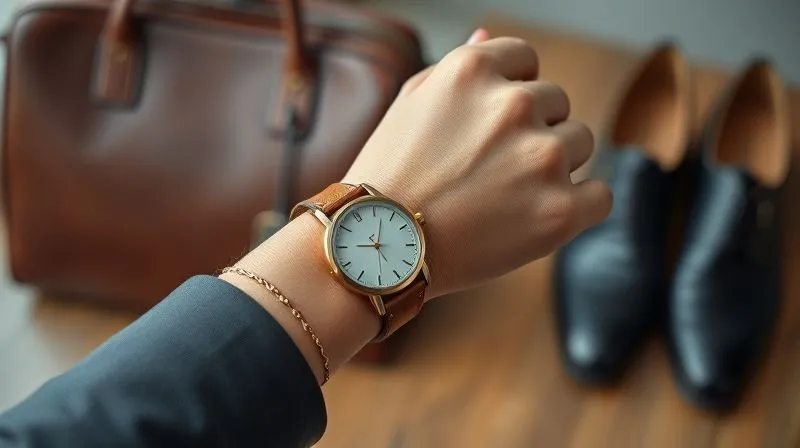
- Jewelry: Opt for classic, understated pieces. A quality watch, simple stud earrings, or a delicate necklace can add polish. Avoid chunky, noisy, or overly flashy jewelry that can be distracting in meetings.
- Scarves: A silk scarf can add a sophisticated pop of color or pattern to a neutral outfit. Learn a few elegant knots to wear it around your neck or tied to your handbag.
- Belts: A well-chosen belt can define your waist and add structure to dresses or trousers. Match the belt to your shoes or handbag for a cohesive look.
- Eyewear: If you wear glasses, choose frames that are modern, flattering to your face shape, and professional. They become a significant part of your facial presentation.
Footwear: Your Foundation of Authority
I often tell my clients that shoes are the foundation of your authority. Scuffed, uncomfortable, or inappropriate footwear can instantly undermine an otherwise perfect outfit. Prioritize quality, comfort, and polish.
- Classic Pumps: A pair of comfortable, closed-toe pumps (2-3 inch heel) in black or nude is essential. Ensure they are clean, polished, and in good repair.
- Elegant Flats: For days when heels aren't practical, sophisticated ballet flats or pointed-toe loafers can be a stylish and comfortable alternative.
- Booties: In colder months, sleek, tailored ankle boots with a modest heel can be professional, especially when paired with trousers or longer skirts.
Always ensure your shoes are clean and polished. The state of your shoes speaks volumes about your attention to detail and overall professionalism. They are not an afterthought; they are an integral part of your empowering professional attire.
Navigating Different Corporate Cultures: Adaptability is Key
Understanding how to dress for a promotion using empowering professional attire isn't a one-size-fits-all formula. Corporate cultures vary widely, and your ability to adapt your style while maintaining professionalism is a mark of true executive presence. What works in a traditional law firm might be out of place in a creative tech startup.
Formal, Business Casual, and Creative Environments
Before you even consider a promotion, observe the leadership in your organization. How do they dress? This is your best guide. Here’s a general breakdown:
- Formal/Traditional: Think finance, law, government. Full suits (skirt or trouser), tailored dresses with blazers, closed-toe heels, minimal accessories. The emphasis is on classic, conservative elegance.
- Business Casual: The most common dress code. Tailored trousers, skirts, blazers, professional blouses, cardigans, smart knitwear, polished flats or modest heels. Jeans are typically not appropriate unless explicitly stated as 'smart casual' on specific days.
- Creative/Startup: Often more relaxed, but still requires intentionality. Dark, well-fitting jeans might be acceptable, paired with a blazer, high-quality knitwear, or a stylish blouse. The key is to look intentional and put-together, avoiding anything sloppy or overly casual.
Regardless of the environment, your goal is to dress one level up from the current standard for your role, aligning with the level you aspire to achieve. This subtle elevation signals your readiness for greater responsibility.
Case Study: Eleanor's Strategic Style Shift
Eleanor, a talented marketing manager at a mid-sized tech company, noticed that while her work was exceptional, she wasn't being considered for leadership roles. The company had a 'smart casual' dress code, and Eleanor often wore stylish jeans and trendy tops. After a candid conversation with a mentor, she realized her attire, while fashionable, wasn't projecting the executive presence required for a Director position.
Eleanor decided to implement a strategic style shift. She invested in two tailored blazers (navy and charcoal), several silk blouses, and three pairs of well-fitting, dark-wash professional trousers. She started pairing her smart jeans with these blazers and polished leather loafers, or opting for tailored dresses on presentation days. She also upgraded her handbag and started wearing a classic watch.
Within six months, Eleanor's internal perception began to change. Her colleagues and superiors started seeing her as more authoritative and polished. When a Director position opened, she was not only considered but actively encouraged to apply. She confidently dressed in a tailored navy dress and blazer for her interview, securing the promotion. Her style evolution was a crucial component of her personal branding for advancement, demonstrating her readiness for leadership.
| Corporate Culture | Typical Attire | Key Impression |
|---|---|---|
| Traditional/Formal | Full suit (trouser/skirt), tailored dress + blazer, closed-toe heels | Authoritative, reliable, conservative |
| Business Casual | Tailored trousers/skirts, blazers, professional blouses, smart knitwear, polished flats/modest heels | Approachable, competent, professional |
| Creative/Startup | Dark, well-fitting jeans + blazer, stylish blouses, high-quality knitwear, fashionable but polished shoes | Innovative, engaged, professional yet modern |
The Promotion Interview: Dressing for Success on the Big Day
The promotion interview is your moment to shine, and knowing how to dress for a promotion using empowering professional attire for this specific event is paramount. Your outfit choice for this day is not just about looking good; it's about signaling your respect for the opportunity, your seriousness, and your capacity for the role you seek.
First Impressions Are Lasting
I've always taught that the interview outfit should be the most polished and strategic ensemble in your wardrobe. It’s the visual summary of your personal brand and your aspiration. It reinforces your confidence and ensures that the focus remains on your qualifications, not on any wardrobe distractions.
Even if your everyday office culture is business casual, the promotion interview typically warrants a step up. This demonstrates that you understand the significance of the occasion and are prepared to present your best self for a leadership role. It shows you take the opportunity seriously and possess good judgment.
Step-by-Step for the Interview Outfit
Here’s my guide to selecting the perfect empowering attire for your promotion interview:
- Research the Culture (Again): Even if you know the company, double-check the specific expectations for leadership interviews. When in doubt, err on the side of more formal.
- Choose a Power Suit or Dress: A well-tailored pantsuit or skirt suit in navy or charcoal grey is often the safest and most powerful choice. Alternatively, a sophisticated sheath dress paired with a matching or complementary blazer works beautifully.
- Select a Crisp Blouse: Pair your suit or dress with a clean, pressed blouse in white, ivory, or a very subtle pastel. Ensure it's not transparent and fits comfortably.
- Prioritize Comfort: While looking sharp is key, ensure your outfit is comfortable. You don't want to be fidgeting with tight clothing or uncomfortable shoes during the interview.
- Polished Footwear: Closed-toe pumps or elegant flats in black or nude are ideal. They should be clean, polished, and in excellent condition.
- Minimal Accessories: Stick to classic, understated jewelry. A quality watch, simple earrings, and a delicate necklace are perfect. Avoid anything that might jingle or be distracting.
- Structured Bag: Carry a professional, structured handbag that holds your resume and any other documents neatly.
- Grooming is Key: Beyond the clothes, ensure your hair is neatly styled, nails are clean and manicured (or neatly trimmed), and makeup is subtle and professional.
- The Final Check: Before you leave, do a full-length mirror check. Look for loose threads, lint, wrinkles, or any smudges. A final spritz of light perfume or a quick check of your breath can complete the picture.
“Your interview attire is more than just clothes; it's a visual declaration of your ambition and your respect for the opportunity. It sets the stage for your message.”
The confidence you exude when you feel well-dressed is palpable. It helps you focus on your answers and present your best self. For further guidance on interview preparation, consider resources like The Balance Careers' interview guides.

Post-Promotion Power: Maintaining Your Elevated Image
Securing that promotion is a monumental achievement, but the journey of how to dress for a promotion using empowering professional attire doesn't end there. In fact, it evolves. As a leader, your image becomes even more critical, influencing not just your own trajectory but also how your team perceives you and how the organization is represented externally.
Sustaining Your Style Evolution
Once promoted, it’s crucial to continue to refine and maintain your elevated professional image. This means:
- Regular Wardrobe Audits: Periodically review your wardrobe. Are pieces still fitting well? Are they showing signs of wear? Replace or tailor as needed.
- Staying Current (Thoughtfully): While classic pieces are timeless, stay aware of current professional fashion trends. Incorporate subtle, modern elements that keep your look fresh without being overly trendy.
- Investing in Maintenance: Professional dry cleaning, shoe shining, and timely repairs are essential. A well-maintained wardrobe speaks volumes about your attention to detail.
- Building a Strategic Rotation: Have enough core pieces to rotate outfits regularly, ensuring variety and freshness. You don't want to wear the same blazer every other day.
Your style should continue to reflect your growing authority and influence. It’s about projecting sustained leadership and an unwavering commitment to excellence.
The Role of Personal Branding
Your professional attire is a cornerstone of your personal brand. As you ascend the corporate ladder, your personal brand becomes increasingly important. It encompasses your reputation, your communication style, and, crucially, your visual presentation.
An empowering professional wardrobe reinforces your personal brand as a competent, confident, and visionary leader. It communicates that you are not only capable of doing the job but also embody the presence and gravitas expected of someone in your position. This consistent visual message builds trust and respect among your peers, subordinates, and superiors.
Think of your wardrobe as an ongoing strategic asset. Just as you continually develop your skills and knowledge, your professional image requires ongoing attention and refinement. It's an integral part of how you present your leadership to the world, solidifying your position and paving the way for future successes. For more on this, explore resources on building a powerful personal brand.
Frequently Asked Questions (FAQ)
Is it always necessary to wear a suit for a promotion interview? While a well-tailored suit (pantsuit or skirt suit) is generally the safest and most impactful choice for a promotion interview, it's not always strictly 'necessary.' The key is to gauge your company's specific culture and the level of the role you're seeking. If the culture is very business casual or creative, a tailored dress with a blazer, or sophisticated separates (tailored trousers, high-quality blouse, and blazer) might be appropriate. The goal is always to dress one level up from your current role and to project confidence and authority, ensuring your attire signals your readiness for leadership. When in doubt, a classic suit is rarely the wrong choice.
How can I build an empowering wardrobe on a budget? Building an empowering wardrobe doesn't require an unlimited budget. Focus on quality over quantity. Start with core pieces: one excellent blazer, two pairs of versatile trousers/skirts, and a few quality blouses in neutral colors. Shop sales, consignment stores, or outlet malls for high-end pieces. Prioritize tailoring; a perfectly fitting garment, even if less expensive, looks far more professional than an ill-fitting designer piece. Mix and match to create multiple outfits from fewer items. Investing in classic styles ensures longevity, reducing the need for constant replacements.
What are common mistakes women make when dressing for advancement? One common mistake is underdressing for the role they aspire to, rather than the role they currently hold. Another is neglecting tailoring, leading to clothes that look sloppy despite their quality. Many women also fall into the trap of wearing overly trendy pieces that lack timeless professionalism, or choosing distracting accessories. Finally, neglecting basic grooming (scuffed shoes, wrinkled clothes, untidy hair) can undermine an otherwise good outfit. The overall impression should be polished, intentional, and authoritative, not merely fashionable.
How much should I invest in my professional wardrobe? The investment isn't about a specific dollar amount, but about strategic allocation. Think of your professional wardrobe as an asset. Allocate a budget that allows you to purchase fewer, higher-quality items that will last, fit well, and project the desired image. Prioritize foundational pieces like blazers, tailored bottoms, and quality footwear. Consider the 'cost per wear' – an expensive, well-made blazer worn hundreds of times is a better investment than a cheap one worn a few times before falling apart. A good rule of thumb is to invest in pieces that align with the salary range and expectations of the role you're aiming for.
Can my accessories really make a difference? Absolutely. Accessories are the finishing touches that can elevate an outfit from good to exceptional. The right accessories – a classic watch, subtle earrings, a structured handbag – reinforce attention to detail, sophistication, and a polished image. Conversely, inappropriate or excessive accessories can distract from your message. They are a subtle way to express personal style while maintaining professionalism, and they contribute significantly to the perception of a complete and thoughtful professional presence.
Key Takeaways and Final Thoughts
- Strategic Investment: View your professional wardrobe as a strategic asset, prioritizing quality over quantity and investing in timeless, well-made pieces.
- The Power of Fit: Tailoring is non-negotiable. Even the most expensive clothes look unprofessional if they don't fit perfectly.
- Color and Fabric Psychology: Leverage power colors like navy and charcoal, and choose quality fabrics that drape well to project authority and sophistication.
- Intentional Accessories: Use understated, polished accessories to complement your look, not distract from it. Your shoes are a crucial foundation of your authority.
- Cultural Adaptability: Understand your corporate culture and dress one level up for the role you aspire to, demonstrating your readiness for leadership.
- Interview Preparedness: For promotion interviews, always aim for your most polished, professional attire, signaling respect for the opportunity and your serious intent.
Mastering how to dress for a promotion using empowering professional attire is more than just a superficial exercise; it's a strategic imperative. Your clothing is a powerful tool for non-verbal communication, shaping perceptions and reinforcing your competence, confidence, and leadership potential. By thoughtfully curating your wardrobe and understanding the psychology behind your choices, you are not just dressing for a promotion; you are embodying the leader you are destined to become. Step into your power, dress the part, and watch your career trajectory soar.
Recommended Reading
- Unlock Your Vision: Solving Creative Blocks in Fashion Shoot Direction Once and For All
- Ultimate Guide: Athleisure Wear for Long Flights & Total Comfort
- The Secret Playbook: How to Get Early Access to New Shoe Launches
- Beat the Shine: The Ultimate Makeup Guide for Oily Skin This Summer
- Stop Underpricing Bespoke Accessories: 7 Profit-Boosting Strategies


Your email address will not be published. Required fields are marked *