

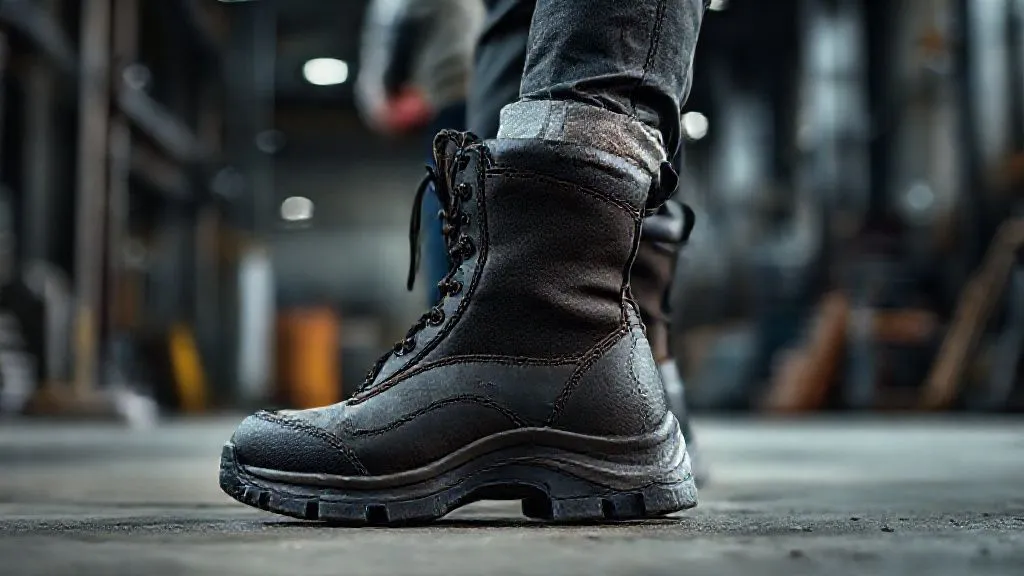
Which Ergonomic Work Boots Prevent Chronic Lower Back Pain?
For over two decades in the footwear industry, specializing in occupational safety and ergonomic design, I've witnessed firsthand the silent epidemic of chronic lower back pain that plagues countless workers across various demanding professions. It's a debilitating issue, often dismissed as 'just part of the job,' but in my experience, a significant portion of this suffering is entirely preventable, starting right from the ground up – with your feet.
The relentless demands of physical labor, long hours spent standing or walking on unforgiving hard surfaces, and, most critically, the use of improper or ill-fitting footwear, create a perfect storm for spinal distress. This isn't just about discomfort; it impacts productivity, morale, and ultimately, a worker's long-term quality of life. The connection between your feet and your spine is far more intricate and vital than most realize.
This guide isn't just about listing a few popular brands; it’s about providing a definitive, expert-level understanding of which ergonomic work boots prevent chronic lower back pain by addressing the root causes. We’ll delve into the biomechanics, dissect essential design features, explore actionable strategies, and equip you with the knowledge to make an informed investment in your spinal health and overall well-being.
Understanding the Biomechanics: How Your Feet Affect Your Back
To truly understand how ergonomic footwear can prevent chronic lower back pain, we must first appreciate the intricate relationship between your feet and your spine. Your body is a kinetic chain, and any misalignment or instability at one end can have profound ripple effects all the way up to the other.
The Kinetic Chain Connection
Your feet are the foundation of your entire skeletal structure. When you stand or walk, the forces generated impact your ankles, knees, hips, and ultimately, your lower back. Poor foot mechanics, such as excessive pronation (rolling inward) or supination (rolling outward), can throw this entire chain out of alignment. Over time, this constant, subtle misalignment stresses the muscles, ligaments, and discs in your lumbar spine, leading to inflammation, fatigue, and eventually, chronic pain. I've seen this mistake countless times: individuals trying to fix back pain with stretches or core exercises, while completely overlooking the foundational issue in their footwear.
Impact Absorption and Spinal Health
Every step you take generates impact forces that travel up your legs. A significant portion of your body's natural shock absorption comes from the arches of your feet and the cushioning provided by your footwear. If your work boots lack adequate cushioning and support, your spine, particularly the lumbar region, becomes the primary shock absorber. This repetitive micro-trauma, endured hour after hour, day after day, accelerates disc degeneration and muscular fatigue, which are direct precursors to chronic lower back pain. It’s like driving a car without proper suspension on a bumpy road – eventually, something in the chassis will give.
Expert Insight: Your feet are not just for standing; they are dynamic shock absorbers and stabilizers. Neglecting their support is a direct assault on your spinal health.
The Core Principles of Ergonomic Work Boot Design
When I evaluate work boots for their ergonomic capabilities, I look beyond mere aesthetics or brand names. The true value lies in how their design principles address the biomechanical needs of the human foot and body, especially for those seeking to prevent chronic lower back pain.
Superior Arch Support: The Foundation of Spinal Alignment
The arch of your foot is crucial for distributing weight and absorbing shock. Ergonomic work boots must provide robust, anatomically correct arch support that matches your foot type (low, medium, or high arch). This support helps maintain the natural alignment of your feet, preventing excessive pronation or supination, which, as we discussed, directly impacts the alignment of your knees, hips, and lumbar spine. Without proper arch support, your feet flatten, your legs rotate internally, and your pelvis tilts, putting undue stress on your lower back.
Advanced Cushioning and Shock Absorption
Cushioning is not just about comfort; it's about reducing the impact forces that travel up your kinetic chain. Ergonomic boots utilize advanced midsole materials like EVA (Ethylene-vinyl acetate), PU (Polyurethane), or gel inserts that absorb and disperse impact effectively. The goal is to minimize the shock reaching your spine, protecting your discs and reducing muscle fatigue. A well-cushioned boot feels responsive, not just soft, providing a spring-like return that lessens the burden on your body over long shifts.
Ankle and Heel Stability: Preventing Unwanted Movement
A stable ankle and heel counter are vital for overall body stability. Ergonomic work boots feature reinforced heel counters that cup the heel securely, preventing excessive movement that can lead to instability and compensatory strains further up the leg and into the back. Ankle support, especially in mid- or high-cut boots, further enhances stability, particularly when navigating uneven terrain or carrying heavy loads. This controlled movement minimizes the micro-adjustments your lower back muscles constantly make, reducing fatigue.
The Critical Role of Proper Fit
Even the most technologically advanced ergonomic boot is useless if it doesn't fit correctly. A boot that's too tight will pinch and restrict, while one that's too loose will allow your foot to slide, leading to friction and instability. Both scenarios compromise the boot's intended support and cushioning. Proper fit ensures that the arch support aligns correctly, the cushioning works as designed, and your foot remains stable within the boot. This is perhaps the single most overlooked aspect, yet it's foundational.
- Measure Both Feet: Always measure both feet, as one is often slightly larger than the other.
- Try Them On at the End of the Day: Your feet swell throughout the day, so try boots on when they are at their largest.
- Wear Your Work Socks: Bring the specific type of socks you'll wear for work to get an accurate fit.
- Walk Around: Don't just stand; walk, climb stairs, and mimic typical work movements to feel for pressure points or slippage.
- Check for Wiggle Room: You should have about a thumb's width between your longest toe and the end of the boot. Your heel should feel secure but not pinched.
Key Features to Look for in Back Pain-Preventing Work Boots
Knowing the principles is one thing; identifying the specific features that embody them is another. When evaluating which ergonomic work boots prevent chronic lower back pain, I advise looking for these non-negotiable elements.
Midsole Materials: EVA vs. PU vs. Gel
The midsole is the engine of your boot's comfort and support. EVA (Ethylene-vinyl acetate) is lightweight and offers good cushioning, often found in athletic footwear. It's excellent for initial comfort but can compress over time. PU (Polyurethane) is denser, more durable, and provides longer-lasting support and impact absorption, making it ideal for heavy-duty work and sustained pressure. Gel inserts, often strategically placed in the heel or forefoot, offer targeted cushioning and shock dispersion. The best ergonomic boots often combine these materials to leverage their unique strengths, providing both immediate comfort and long-term resilience.
Outsole Tread Patterns and Slip Resistance
While primarily for safety, the outsole plays a role in stability. Aggressive, multi-directional tread patterns provide superior grip, reducing the risk of slips and falls. A sudden slip can cause acute back injury, but even minor instabilities force your back muscles to work harder to maintain balance, contributing to chronic fatigue and pain. Look for outsoles designed for the specific surfaces you'll encounter, ensuring both safety and consistent ground contact for stable foot placement.
Supportive Insoles and Orthotics
Many work boots come with basic insoles that offer minimal support. For optimal back pain prevention, consider replacing these with high-quality aftermarket insoles or custom orthotics. These can provide personalized arch support, enhanced cushioning, and better heel stability, fine-tuning the boot to your unique foot mechanics. In my experience, this single upgrade can be a game-changer for many individuals struggling with persistent back pain, allowing the boot to truly function as an ergonomic extension of your foot.
Weight Distribution and Boot Construction
The overall weight and construction of the boot matter. While safety features like steel or composite toes add weight, ergonomic design focuses on distributing this weight evenly and minimizing unnecessary bulk. Lighter boots can reduce fatigue over long shifts, but they must not compromise on essential support. Look for boots with a balanced feel, where the weight is distributed thoughtfully to avoid putting disproportionate strain on any part of your foot or leg.
| Midsole Material | Pros | Cons | Best For |
|---|---|---|---|
| EVA (Ethylene-vinyl acetate) | Lightweight, good initial cushioning, flexible | Compresses over time, less durable for heavy use | Lighter duty, athletic-style work boots |
| PU (Polyurethane) | Excellent durability, superior long-term cushioning, stable | Heavier, can be less flexible initially | Heavy-duty, demanding industrial environments |
| Gel Inserts | Targeted shock absorption, enhanced comfort spots | Can be isolated, not a full midsole solution | Complementary cushioning in heel/forefoot |
Evaluating Work Boot Categories for Optimal Back Support
The market offers a vast array of work boot types, and understanding their inherent strengths and weaknesses in the context of back pain prevention is crucial. It’s not a one-size-fits-all solution; your specific job demands should dictate your choice.
Heavy-Duty vs. Lightweight Options
Heavy-duty boots, often found in construction or logging, offer maximum protection and stability. They typically feature robust outsoles, extensive ankle support, and durable materials like full-grain leather. While they provide excellent support, their weight can contribute to fatigue. Lightweight options, often resembling athletic trainers, prioritize flexibility and reduced fatigue. They are suitable for roles requiring constant movement but might lack the comprehensive support needed for very heavy lifting or uneven terrain. The key is to find a balance that offers sufficient protection and support without excessive weight for your specific tasks.
Waterproof and Breathable Technologies
Working in wet conditions can lead to discomfort, blisters, and an altered gait as you try to avoid wet feet. Waterproof membranes (like Gore-Tex) keep feet dry, maintaining comfort and stability. Equally important is breathability; boots that trap moisture can lead to skin issues and fungal infections, which, while not directly causing back pain, contribute to overall discomfort and distraction, potentially affecting posture. A dry, comfortable foot is a happy foot, and a happy foot supports a healthy back.
Specialized Orthopedic-Grade Boots
For individuals with pre-existing foot conditions or severe chronic back pain, specialized orthopedic-grade work boots might be necessary. These boots often feature extra-depth designs to accommodate custom orthotics, wider toe boxes, and advanced stability features. They are engineered with a greater emphasis on biomechanical correction and superior cushioning, offering the highest level of support for those who need it most. Consulting with a podiatrist or orthopedic specialist can help determine if this level of specialization is right for you.
Case Study: Sarah's Journey to Back Pain Freedom
Sarah, a 48-year-old warehouse manager, suffered from debilitating lower back pain for years. Her job involved 10-hour shifts, mostly on concrete floors, supervising inventory. She had always chosen her work boots based on price and basic safety requirements, never considering their ergonomic impact. After experiencing increasing pain that started affecting her sleep and ability to play with her grandchildren, she sought advice. Following my recommendations, she invested in a pair of orthopedic-grade work boots featuring a high-density PU midsole, robust arch support, and a custom orthotic. Her daily pain score dropped from an agonizing 8/10 to a manageable 2/10 within three months. This transformation allowed her to enjoy hobbies she'd long abandoned, showcasing the profound impact of proper footwear on quality of life.
Beyond the Boots: Complementary Strategies for Spinal Health
While choosing which ergonomic work boots prevent chronic lower back pain is a critical first step, it's part of a larger ecosystem of spinal health. My experience has taught me that a holistic approach yields the best and most sustainable results.
Maintaining Proper Posture During Work
Even with the best boots, poor posture will undermine your efforts. Be mindful of how you stand, lift, and move. Engage your core, keep your shoulders back, and avoid slouching. If your job involves prolonged standing, shift your weight periodically, and use a footrest if available. According to the Mayo Clinic, maintaining good posture is fundamental to preventing back pain, as it reduces the stress on your spinal ligaments and muscles.
The Importance of Regular Stretching and Movement
Prolonged standing or sitting can lead to muscle stiffness and reduced blood flow. Incorporate regular stretching breaks throughout your workday. Simple stretches for your hamstrings, hip flexors, and lower back can significantly alleviate tension and improve flexibility. Don't underestimate the power of short, frequent breaks to walk around and move your body – even a few minutes every hour can make a huge difference.
- Hamstring Stretch: While seated, extend one leg and try to reach for your toes, keeping your back straight.
- Cat-Cow Stretch: On hands and knees, gently arch and round your back to mobilize the spine.
- Knee-to-Chest Stretch: Lying on your back, pull one knee towards your chest, then the other.
- Standing Back Extension: Place hands on your lower back and gently arch backward.
Strengthening Your Core for Spinal Stability
A strong core acts like a natural corset for your lower back, providing essential stability and support. Exercises targeting your abdominal muscles, obliques, and lower back muscles can significantly reduce the strain on your spine. This doesn't mean hours at the gym; simple exercises like planks, bird-dogs, and pelvic tilts, performed consistently, can build remarkable resilience. As physical therapy experts often emphasize, a strong core is your best defense against back pain.
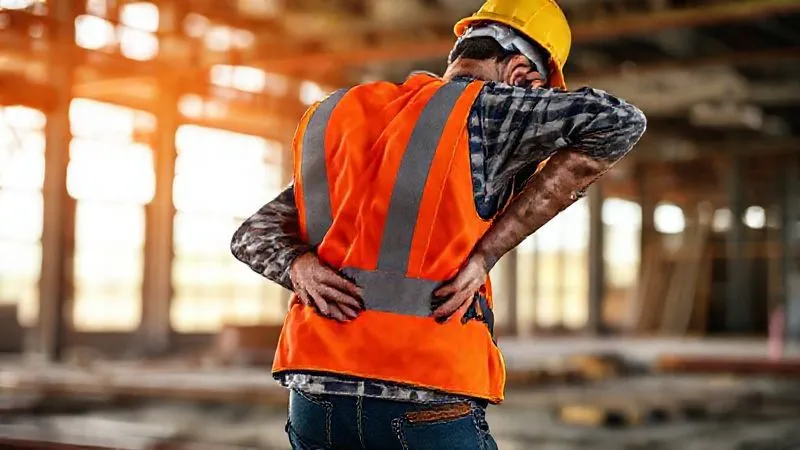
Common Mistakes to Avoid When Choosing Work Boots
In my years consulting with companies and individuals, I've observed several recurring pitfalls that prevent workers from finding the right ergonomic footwear, inadvertently contributing to their back pain.
Ignoring Your Foot Type and Arch
One of the most frequent mistakes is buying boots without considering individual foot mechanics. Not all feet are created equal; some have high arches, some are flat (pronated), and others are neutral. A boot designed for a neutral arch will not provide adequate support for a flat foot, and vice-versa. Failing to understand your own foot type means you're likely choosing boots that exacerbate, rather than alleviate, your biomechanical issues. Always assess your arch type or seek professional advice to ensure the boot's inherent support aligns with your needs.
Prioritizing Style Over Substance
It's natural to want footwear that looks good, but for work boots, functionality must always take precedence. I've seen countless individuals choose boots based on brand image or aesthetic appeal, only to find them lacking in crucial ergonomic features. While some brands successfully combine style with substance, be wary of those that sacrifice critical support, cushioning, or stability for a trendy look. Your long-term health is far more valuable than short-term fashion.
Skipping the Break-In Period
Many high-quality, durable work boots, especially those made from robust leather, require a break-in period. Trying to wear brand new, stiff boots for a full 10-hour shift can cause immediate discomfort, blisters, and even alter your gait as you compensate for the stiffness, potentially leading to back pain. Gradually increase the wear time, perhaps starting with a few hours a day, until the boots conform to your feet. Patience during this phase prevents unnecessary pain and ensures the boots can perform their ergonomic function optimally.
Expert Insight: Never view ergonomic work boots as an expense, but as an indispensable investment in your health, productivity, and future well-being. The cost of neglecting your feet and back far outweighs the price of quality footwear.
The Long-Term Investment: Why Ergonomic Footwear Pays Off
The initial cost of high-quality ergonomic work boots can sometimes deter individuals. However, when you consider the long-term benefits and the potential costs of neglecting your foot and spinal health, it becomes clear that this is an investment that pays dividends.
Quantifying the Benefits: Health, Productivity, and Morale
Investing in ergonomic work boots directly translates to reduced pain, which in turn leads to increased comfort, better focus, and higher productivity. Workers who are not constantly battling chronic pain are more engaged, make fewer mistakes, and are less likely to take sick days. From a company perspective, this means fewer workers' compensation claims, lower absenteeism, and a more efficient workforce. For the individual, it means a vastly improved quality of life, both on and off the job. Chronic pain affects everything, and mitigating it through proper footwear is a profound positive change.
Preventative Care vs. Reactive Treatment
Choosing which ergonomic work boots prevent chronic lower back pain is a proactive step in preventative care. The alternative is often a reactive approach: managing pain once it has already set in. This can involve expensive doctor visits, physical therapy, pain medication, and in severe cases, even surgery. The financial and emotional toll of chronic back pain treatment far exceeds the cost of even the most premium ergonomic work boots. As the Occupational Safety and Health Administration (OSHA) consistently emphasizes, preventative ergonomics is always more effective and less costly than treating injuries after they occur.
| Category | Cost Estimate | Benefit |
|---|---|---|
| Initial Investment (Ergonomic Boots) | $150 - $350 | Preventative care, improved comfort, increased productivity |
| Reactive Treatment (Chronic Back Pain) | $500 - $10,000+ (per incident/year) | Pain management, potential for lost wages, reduced quality of life |
| Long-term Savings (Over 5 Years) | Potentially thousands of dollars | Avoided medical expenses, sustained productivity, enhanced well-being |
Frequently Asked Questions (FAQ)
Question: How long do ergonomic work boots last, and when should I replace them? The lifespan of ergonomic work boots varies widely depending on the quality of materials, intensity of use, and maintenance. On average, a good pair will last 6-12 months in demanding environments. However, the most critical indicator for replacement isn't just visible wear; it's when the internal cushioning and arch support start to break down. If you notice increased foot fatigue, joint pain, or the boots no longer feel as supportive, it's time for a new pair. Don't wait until back pain returns to replace them.
Question: Can I use orthotic inserts in any work boot, or do I need specific 'orthotic-friendly' boots? While you can often remove the factory insole from most work boots and replace it with an aftermarket orthotic, some boots are specifically designed as 'orthotic-friendly.' These often feature extra depth, a wider toe box, or a removable footbed that allows for a custom orthotic to sit properly without crowding your foot. For best results, especially with custom-prescribed orthotics, look for boots that explicitly mention compatibility or have ample internal volume.
Question: Are heavier work boots always better for back pain prevention due to more support? Not necessarily. While heavier boots often imply more robust construction and protection, excessive weight can contribute to leg and back fatigue over long shifts. The key is balanced support. An ergonomic boot focuses on providing support and cushioning where it's needed most, without adding unnecessary bulk. A well-designed lightweight boot with advanced midsole technology can sometimes offer superior back pain prevention compared to an overly heavy, poorly designed one.
Question: What's the difference between steel toe and composite toe, and does it impact back pain? Both steel toe and composite toe (e.g., carbon fiber, fiberglass) provide impact and compression protection. Steel toes are generally thinner but heavier, while composite toes are thicker but lighter and non-metallic (beneficial for electrical hazard protection and temperature regulation). The primary impact on back pain comes from the overall weight. Lighter composite toes can reduce fatigue over long periods, indirectly benefiting your back. However, the choice often depends on specific workplace safety requirements.
Question: My employer provides standard safety boots. What if they don't seem ergonomic enough? This is a common challenge. First, try to understand if your employer offers a selection; sometimes, there are better options within their approved list. If not, consider investing in high-quality aftermarket insoles or custom orthotics that can be placed inside the provided boots, assuming there's enough room. You can also advocate for better ergonomic footwear options within your workplace, perhaps presenting the long-term benefits outlined in this article to management. Your health is worth the effort.
Key Takeaways and Final Thoughts
- Chronic lower back pain is often rooted in poor foot mechanics and inadequate footwear.
- Ergonomic work boots prioritize arch support, cushioning, stability, and proper fit.
- Midsole materials like PU offer superior long-term support and shock absorption.
- Beyond boots, maintaining good posture, stretching, and core strengthening are vital.
- Avoid common mistakes like ignoring foot type or prioritizing style over substance.
- Investing in quality ergonomic footwear is preventative care that saves money and improves quality of life in the long run.
As an industry specialist, I can confidently tell you that the answer to 'Which ergonomic work boots prevent chronic lower back pain?' lies not just in a brand name, but in a deep understanding of biomechanics and a commitment to investing in your foundational health. Your feet are your primary interface with the ground, bearing the brunt of every workday. Equipping them with the right ergonomic support is not a luxury; it's a necessity for a pain-free, productive life. Make the informed choice today, and step towards a future free from chronic lower back pain.
Recommended Reading
- 7 Proven Strategies: Profitably Clearing High-End Scarf Inventory
- 5 Strategies: Prevent Streetwear Dead Stock Amid Rapid Trend Shifts
- 5 Expert Strategies: Boost Luxury Eyewear Chain Sales by 30%+
- The Ultimate Guide: How to Pick a Perfume That Lasts All Day on Your Skin
- 7 Expert Strategies: Slash Bespoke Gift Accessory Returns by 40%+

Your email address will not be published. Required fields are marked *