

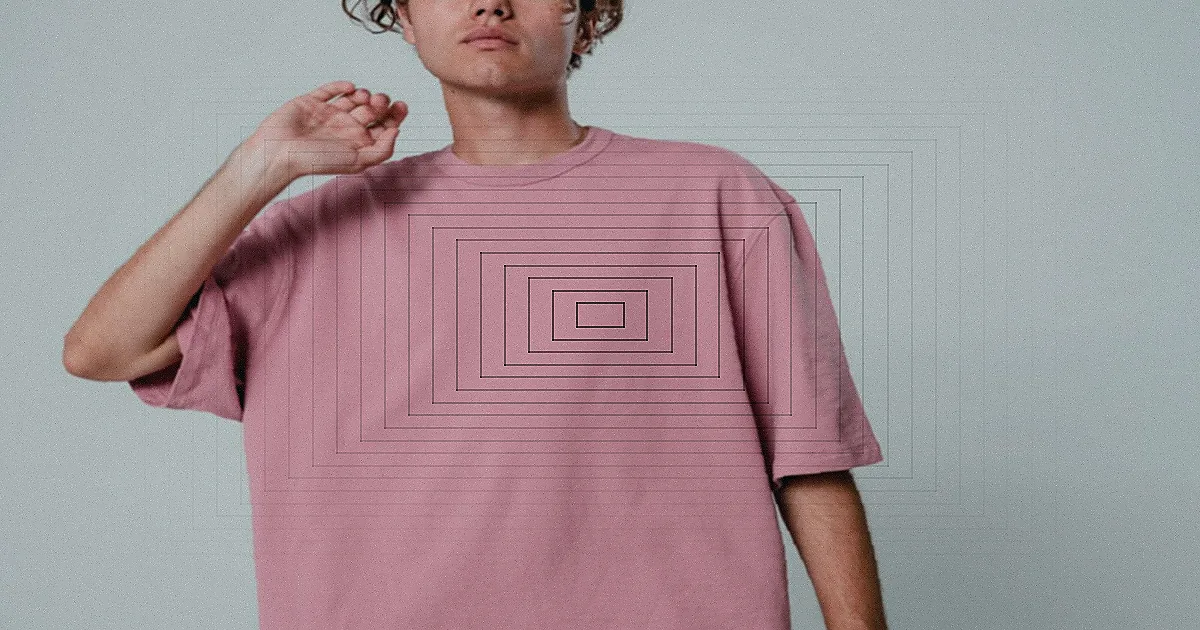
Strategies to reduce fit complaints on oversized streetwear orders?
For over 15 years immersed in the dynamic world of streetwear fashion, I've witnessed countless brands, both nascent and established, grapple with a persistent and costly challenge: customer fit complaints, especially concerning oversized garments. It's a problem that erodes profit margins, damages brand reputation, and creates a logistical nightmare for returns departments. Many assume that "oversized" implies a forgiving fit, but in reality, it introduces a whole new layer of complexity that, if not expertly managed, leads directly to customer dissatisfaction.
The unique aesthetic of oversized streetwear—characterized by intentional draping, exaggerated proportions, and a relaxed silhouette—is precisely what makes it appealing. However, this very appeal can become a significant pain point when customers receive an item that doesn't align with their perceived "oversized" fit. Is it too baggy, not baggy enough, too long, or disproportionate? These subjective interpretations are the breeding ground for confusion and, ultimately, returns.
In this definitive guide, I will share the actionable frameworks, battle-tested strategies, and expert insights I've gathered over years of navigating these waters. My goal is to equip you with the knowledge to not just reduce fit complaints on oversized streetwear orders, but to transform your approach to product presentation, customer education, and post-purchase support, ensuring a loyal customer base that trusts your brand's sizing integrity.
Decoding the Oversized Aesthetic: Beyond Just "Bigger"
One of the foundational mistakes I've observed brands make is treating oversized clothing simply as a larger version of standard sizing. This overlooks the deliberate design philosophy behind the oversized aesthetic. It's not about making a size L shirt into an XL; it's about engineering a garment where the proportions, drape, and overall silhouette are intentionally exaggerated to achieve a specific stylistic effect.
The Nuances of Drop Shoulders and Extended Lengths
True oversized streetwear often features elements like significantly dropped shoulder seams, extended sleeve lengths, wider torsos, and longer hemlines. These aren't accidental; they are critical design choices. A customer expecting a slightly relaxed fit might be overwhelmed by a truly oversized piece, while another seeking an extreme baggy look might find a "relaxed fit" disappointing. The key is to clearly communicate these specific design intentions.
"Understanding the subjective nature of 'oversized' is the first step toward mastering customer expectations. It's not just a size; it's a statement."
My advice is always to educate your audience about what makes your oversized garments unique. Are your sleeves designed to stack? Is the hem meant to fall below the hip? Articulating these details helps customers visualize the intended fit and reduces the gap between expectation and reality.
Precision in Presentation: Crafting Unambiguous Product Pages
The product page is your primary salesperson. It's where the majority of purchase decisions are made and where most fit complaints can be proactively addressed. Investing in clear, comprehensive, and consistent product information is one of the most effective strategies to reduce fit complaints on oversized streetwear orders.
The Power of Detailed Sizing Charts
Generic sizing charts are insufficient for oversized items. You need to provide precise garment measurements, not just body measurements. This empowers customers to measure their existing favorite garments and compare them directly. This transparency builds immense trust.
- Measure Key Dimensions: Provide flat garment measurements for chest width (pit-to-pit), body length (from high point shoulder), sleeve length (from shoulder seam or center back), and shoulder width.
- Include Model Height/Size: Always state the height and usual size of the model wearing the garment, along with the size they are wearing in the product photos.
- Offer a "How to Measure" Guide: A simple visual guide (diagrams or a short video) demonstrating how to accurately measure a garment can significantly reduce confusion.
- Provide Fit Notes: Add a short description like "This item is designed for an extremely oversized fit, size down for a more standard relaxed fit."
Here’s an example of a detailed garment measurement table that can dramatically aid customer decision-making:
| Size | Chest (Pit-to-Pit) | Length (HPS) | Sleeve (Shoulder) |
|---|---|---|---|
| S | 24" | 28" | 23" |
| M | 25" | 29" | 23.5" |
| L | 26" | 30" | 24" |
| XL | 27" | 31" | 24.5" |
Visual Communication: Photography and Video
High-quality visuals are non-negotiable. For oversized streetwear, static, flat-lay images simply don't cut it. Customers need to see the garment in motion, on various body types, and styled in different ways to truly grasp its fit and drape.
- Diverse Models: Showcase your oversized items on models with different body shapes and heights. This helps a wider range of customers visualize how the garment might look on them.
- Movement Shots: Incorporate short video clips or GIFs that show models walking, sitting, and gesturing. This highlights the fabric's flow and the garment's true oversized nature.
- Contextual Styling: Show the item styled casually and perhaps dressed up slightly. This helps customers understand its versatility and how it integrates into an outfit.
- 360-Degree Views: Allow customers to rotate and zoom in on the garment from all angles.
I always recommend investing in professional photography and videography that captures the genuine feel of the garment.

Bridging the Gap: Leveraging Technology for Fit Confidence
In today's digital age, technology offers powerful solutions to enhance the customer's understanding of fit before purchase. These tools can significantly boost confidence and are crucial strategies to reduce fit complaints on oversized streetwear orders.
Virtual Try-On and AR Solutions
Augmented Reality (AR) and virtual try-on tools are rapidly evolving, allowing customers to "wear" garments digitally. While still maturing, these technologies hold immense promise for complex fits like oversized streetwear. They can project a 3D model of the garment onto a customer's live camera feed, or use their inputted measurements to render how the item would look on their specific body shape.
These tools, when accurate, can provide a more personalized fit recommendation than any static chart. They allow customers to experiment with different sizes virtually, reducing the guesswork that often leads to returns. According to a study published in the Harvard Business Review, AR in retail can increase conversion rates and decrease return rates by providing a more immersive and accurate product preview.
AI-Powered Fit Predictors
AI algorithms can analyze historical purchase data, return reasons, and customer-provided measurements to recommend the "best" size for a customer. For oversized items, this means the AI can learn what specific measurements or body types tend to prefer a certain level of bagginess or drape, offering a more nuanced recommendation than simply "true to size."
Case Study: How 'Urban Threads Co.' Slashed Returns with AR
Urban Threads Co., a mid-sized streetwear brand specializing in avant-garde oversized pieces, faced a staggering 40% return rate on their signature hoodies and tees, primarily due to "fit not as expected." After implementing a sophisticated AR virtual try-on tool on their product pages, allowing customers to see how garments would drape on their own body scans, they saw a dramatic shift. Within six months, their fit-related returns plummeted by 25%. This success was attributed to customers being able to visually confirm their preferred level of bagginess and length before committing to a purchase, drastically improving their confidence and satisfaction.
The Feedback Loop: Turning Complaints into Gold
Even with the best preventative measures, some fit complaints are inevitable. The true mark of an expert brand is not just preventing them, but learning from them. Establishing a robust feedback loop is one of the most potent strategies to reduce fit complaints on oversized streetwear orders in the long run.
Systematizing Customer Feedback Collection
Every return, every customer service inquiry, and every product review is a data point. You need a system to capture, categorize, and analyze this information.
- Detailed Return Reasons: When processing returns, ensure customers select specific reasons beyond just "wrong size." Provide options like "too baggy," "not baggy enough," "sleeves too long," "body too short," etc.
- Post-Purchase Surveys: Send short, targeted surveys to customers after they receive their order, especially if they haven't returned it. Ask about their satisfaction with the fit.
- Customer Service Tagging: Train your customer service team to tag interactions related to fit, noting specific complaints or compliments about oversized items.
"Proactive feedback isn't just about fixing problems; it's about predicting future trends and fine-tuning your product to meet evolving customer desires."
Analyzing Return Data for Root Causes
Once you have the data, you need to analyze it to identify patterns. Are certain oversized styles consistently being returned for the same fit issue? Is there a particular size range that struggles more than others? This analysis can reveal critical insights for product development and marketing adjustments.
| Return Reason Category | Frequency | Actionable Insight |
|---|---|---|
| Too Baggy | 25% | Clarify 'extreme oversized' fit in descriptions; add model height/size comparison. |
| Not Baggy Enough | 15% | Emphasize garment measurements; consider a more relaxed cut for future designs. |
| Sleeves Too Long | 10% | Add specific sleeve length measurements; show rolled sleeves in photos. |
| Body Too Short | 8% | Provide clear body length measurements; show on taller models for context. |
This data-driven approach allows you to make informed decisions, whether it's refining your sizing guide, adjusting product descriptions, or even tweaking future garment designs based on real-world feedback. As Deloitte's insights often highlight, a superior customer experience is built on understanding and responding to customer needs.
Training Your Team: The Frontline of Fit Resolution
Your customer-facing teams are integral to managing and reducing fit complaints. An informed and empathetic team can de-escalate issues, provide accurate guidance, and prevent returns before they even happen. This is a frequently overlooked but vital part of any effective strategy.
Educating Customer Service on Oversized Fits
Your customer service representatives (CSRs) need to be experts on your oversized garments. They should understand the design intent, know the exact measurements, and be able to articulate how different sizes will fit various body types. Provide them with comprehensive training materials, including FAQs, measurement guides, and visual examples.
Empower them to ask probing questions to understand the customer's specific concern ("Are the sleeves too long, or is the body too wide?") and to offer tailored advice. A well-trained CSR can often guide a customer to the correct size or reassure them about an intended oversized fit, turning a potential return into a satisfied customer.
Empowering Sales Associates (for brick-and-mortar or pop-ups)
If you have a physical presence, ensure your sales associates are equally knowledgeable. They should be able to explain the nuances of oversized fits, suggest styling options, and even demonstrate how to measure a garment. Their personal interaction and expert advice can be incredibly persuasive and build immediate trust.
Setting Expectations: Marketing and Communication Strategies
Beyond the product page, your broader marketing and communication efforts play a critical role in setting accurate customer expectations regarding fit. This is where you proactively address potential misunderstandings about oversized clothing.
Honest Product Descriptions
Your marketing copy should be as transparent as your sizing charts. Use evocative language that accurately describes the fit. Instead of just "oversized," consider phrases like "generously proportioned for an extreme baggy look," "relaxed fit with a dropped shoulder," or "longline silhouette designed to drape." Managing expectations upfront significantly reduces post-purchase disappointment.
Influencer Collaborations with Clear Fit Guidance
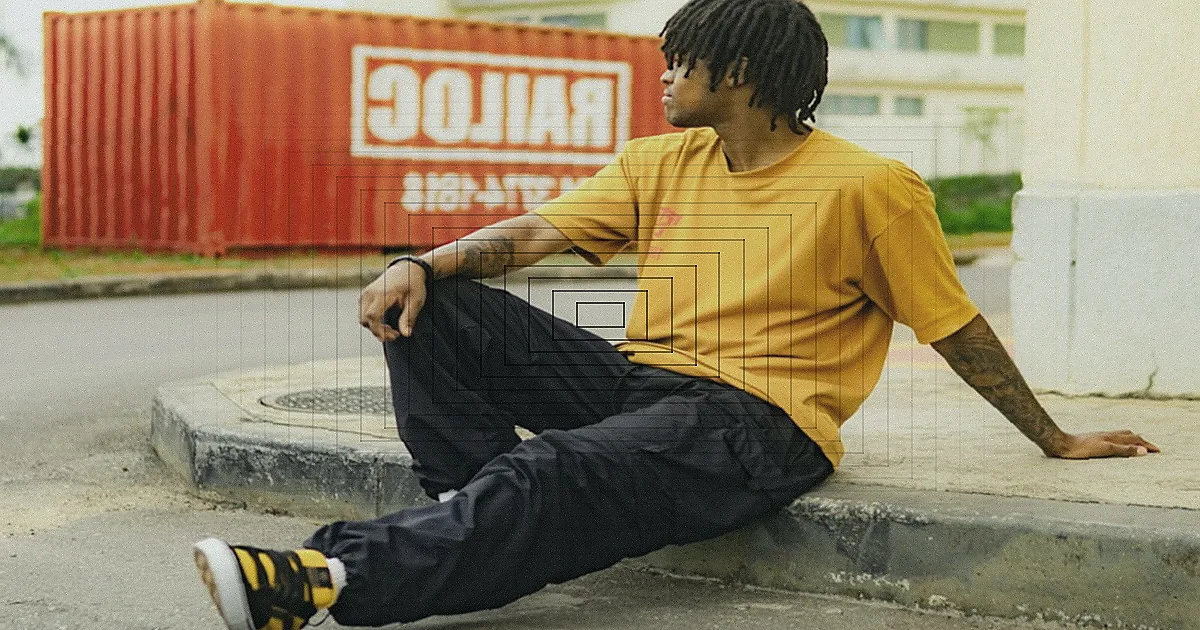
When collaborating with influencers, ensure they clearly communicate the size they are wearing and their own body measurements (height, weight, usual size). Encourage them to discuss the fit explicitly—how it feels, how it drapes, and why they chose that particular size for their desired look. This provides relatable, real-world context for their followers.
Post-Purchase Engagement: Nurturing Satisfaction
The customer journey doesn't end at checkout. Strategic post-purchase engagement can further cement customer satisfaction and act as another layer of defense against fit complaints, especially for those who might be new to oversized streetwear.
Follow-up Emails with Fit Tips
Consider sending a follow-up email shortly after delivery, offering tips on how to style or wear their new oversized item. You could include links back to your detailed sizing guide, videos on how to achieve different looks with an oversized fit, or even care instructions that help maintain the garment's intended shape. This shows you care about their experience beyond the sale.
Community Building Around Fit & Style
Cultivate a community where customers can share their own photos, styling tips, and fit experiences. A dedicated forum or social media hashtag can encourage peer-to-peer advice and build a sense of belonging. This organic content can serve as valuable social proof and further educate potential buyers on the nuances of your oversized collection.
By continually engaging with your customers, you not only build loyalty but also create additional touchpoints where fit concerns can be addressed proactively or mitigated through shared experiences. This holistic approach is key to long-term success in the competitive streetwear market, as emphasized by marketing thought leaders like Seth Godin who champion building connection and trust.

Frequently Asked Questions (FAQ)
Question: Why are oversized fits so challenging for sizing compared to standard fits? Oversized fits are challenging because their appeal lies in intentional exaggeration and subjective drape, rather than conforming to standard body measurements. What one customer considers "perfectly baggy," another might find "too big." Standard sizing aims for a specific body fit, whereas oversized focuses on a desired aesthetic effect that varies widely in interpretation.
Question: What's the best way to measure oversized garments to convey accurate information? The best way is to provide flat garment measurements for key dimensions like chest width (pit-to-pit), body length (from high point shoulder), sleeve length (from shoulder seam or center back), and shoulder width. Supplement this with a visual guide on how customers can measure their own best-fitting clothes for comparison.
Question: Can virtual try-on truly reduce returns for oversized items, given their complex drape? Yes, when implemented effectively, virtual try-on and AR solutions can significantly reduce returns for oversized items. They allow customers to visualize the garment's drape and proportions on a simulated version of their own body, addressing the subjective nature of "oversized" fit before purchase. Accuracy and realistic rendering are crucial for these tools to be effective.
Question: How important is model diversity for showcasing oversized styles? Model diversity is extremely important. Oversized styles can look dramatically different on various body shapes and heights. Showcasing your garments on a range of models helps a broader audience visualize how the item might truly fit them, managing expectations and increasing confidence across your customer base. It fosters inclusivity and relatability.
Question: What's a good benchmark for return rate reduction when implementing these strategies? While benchmarks vary by industry and product, a well-executed set of strategies focusing on clear communication, advanced sizing tools, and proactive feedback loops can realistically aim for a 15-30% reduction in fit-related returns for oversized streetwear within 6-12 months. Continuous optimization and learning from data will lead to further improvements.
Key Takeaways and Final Thoughts
Navigating the complexities of oversized streetwear sizing requires a multi-faceted approach, blending meticulous product presentation with cutting-edge technology and a deep understanding of customer psychology. The strategies to reduce fit complaints on oversized streetwear orders aren't about eliminating returns entirely, but about building an ecosystem of transparency, education, and trust.
- Embrace Transparency: Provide explicit garment measurements and clear visual guides.
- Leverage Technology: Explore AR, virtual try-on, and AI fit predictors to enhance confidence.
- Listen Actively: Transform customer feedback and return data into actionable insights for product and process improvement.
- Educate Your Team & Customers: Ensure everyone understands the nuanced design intent behind oversized aesthetics.
- Set Realistic Expectations: Use marketing and communication to accurately portray the fit and drape.
In my journey through the streetwear industry, I've seen that brands that prioritize clarity and customer understanding in their oversized offerings not only reduce costly returns but also cultivate a more loyal and engaged customer base. By implementing these expert-level strategies, you're not just selling clothes; you're selling confidence, style, and a superior shopping experience. Embrace these changes, stay agile, and watch your brand thrive.
Recommended Reading
- Haute Couture: 7 Strategies to Preserve Exclusivity for Growth
- 7 Pro Hacks: Reinforce Delicate Costume Seams for Intense Stage Wear
- 7 Strategies: Forecast Women's Shoe Trends, Eliminate Dead Stock
- Bridal Shoe Returns? 7 Expert Strategies for All-Day Comfort
- Mastering Artisan Training: 7 Steps for Haute Couture Skill Transfer



Your email address will not be published. Required fields are marked *