

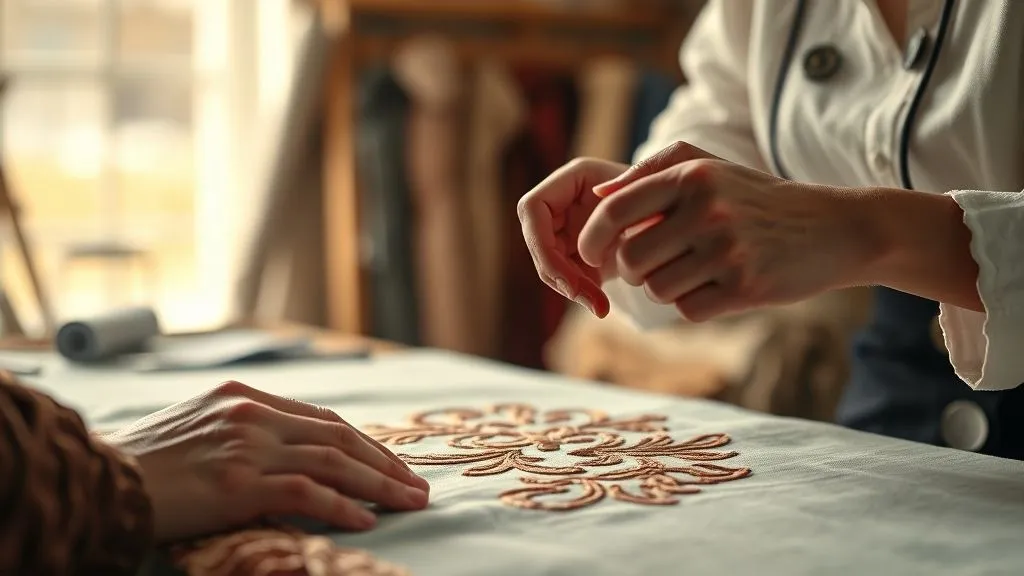
How to Train New Haute Couture Artisans Effectively: A Master's Guide
For over three decades immersed in the intricate world of haute couture, I've witnessed the breathtaking evolution of design, but also the enduring, critical challenge of preserving its very soul: the unparalleled skill of its artisans. I've seen countless promising talents enter ateliers, full of passion, only to falter or leave, not due to lack of ability, but often from a fragmented, inconsistent, or simply antiquated training approach.
The problem is profound: haute couture isn't just about fashion; it's about the transmission of a living heritage, a language of the needle, thread, and fabric spoken by only a select few. The skills are deeply personal, often intuitive, and demand years of dedicated practice under the watchful eye of a master. Without a structured, empathetic, and forward-thinking training methodology, we risk losing not just individual artisans, but entire techniques, threatening the very future of this exquisite art form.
In this definitive guide, I will share the frameworks, strategies, and deeply personal insights I’ve gleaned from my journey. You'll learn how to craft a training program that not only imparts technical mastery but also instills the philosophy, patience, and passion essential for a true haute couture artisan. We will explore everything from bespoke curriculum design to integrating modern tools, fostering a culture of excellence, and ensuring that each new artisan is not just trained, but truly transformed into a custodian of couture's magnificent legacy.
The Unique Challenges of Haute Couture Skill Transfer
Unlike mass-production garment making, haute couture operates on a different plane entirely. It's a realm where perfection is the baseline, and artistry is the aspiration. This makes skill transfer incredibly complex. We're not just teaching steps; we're teaching discernment, touch, and an understanding of materials that verges on the spiritual.
I recall a young apprentice, brilliant with a sewing machine, who struggled immensely with hand-finishing a bias-cut silk lining. It wasn't about the stitch, but the innate understanding of how the silk would fall, how the bias would behave under tension, and the imperceptible pressure required to coax it into perfection. These nuances are almost impossible to codify in a textbook; they must be felt, demonstrated, and practiced endlessly.
“Haute couture training isn't just about technique; it's about cultivating a sixth sense for fabric, form, and the unspoken language of luxury.”
Furthermore, the scarcity of true masters means that mentorship resources are limited. Many existing training models are informal, relying on ad-hoc learning rather than structured progression. This can lead to significant gaps in knowledge and inconsistent skill levels across an atelier. As a recent report by the McKinsey & Company on the State of Fashion highlighted, the luxury sector increasingly values authenticity and craftsmanship, making effective artisan training more crucial than ever for brand integrity.
Another challenge is the sheer breadth of skills required. A single couture garment can involve intricate draping, precise pattern making, complex embroidery, delicate beadwork, expert tailoring, and meticulous hand-finishing. Expecting one apprentice to master all simultaneously is unrealistic and overwhelming. A phased approach, focusing on foundational mastery before specialization, is paramount.
Crafting a Bespoke Curriculum: Beyond the Basics
Effective training in haute couture demands a curriculum that is as meticulously crafted as the garments themselves. It cannot be a one-size-fits-all solution. Each apprentice arrives with a unique set of foundational skills, learning styles, and aspirations. My approach has always been to treat each artisan-in-training as a blank canvas, ready to be filled with the rich tapestry of couture knowledge.
Phase 1: Foundational Mastery and Material Acumen
The initial phase must focus on absolute basics, but with a couture lens. This isn't just about learning to sew a seam; it's about understanding why a particular seam is chosen for a specific fabric, how it contributes to the garment's structure, and its visual impact. This includes:
- Tool Proficiency: Mastering all hand tools – needles, thimbles, shears, awls – and understanding their precise application for different materials.
- Fabric Intelligence: Developing an intimate understanding of various haute couture fabrics – silks, chiffons, satins, brocades, tweeds – their drape, grain, elasticity, and how they respond to manipulation.
- Core Hand Stitches: Achieving perfection in foundational stitches like the prick stitch, slip stitch, pad stitch, and various basting techniques, emphasizing consistency and invisibility.
- Basic Pattern Reading and Alteration: Learning to interpret complex couture patterns and making minor, precise adjustments.
Phase 2: Specialization and Advanced Techniques
Once foundations are solid, apprentices can begin to specialize. This phase introduces the more intricate, signature techniques that define haute couture. This might include:
- Draping on the Form: Learning to create three-dimensional forms directly on a dress stand, understanding balance and silhouette.
- Couture Construction: Mastering complex interlinings, boning, corsetry, and tailored structures.
- Embellishment Arts: Dedicated training in embroidery (e.g., Lunéville hook, tambour beading), appliqué, and feather work.
- Finishing Techniques: Achieving impeccable interior finishes, linings, and edge treatments that are as beautiful as the exterior.
A structured approach to skill progression ensures that no critical steps are missed and that mastery is built layer by layer. Below is an example of a skill mapping framework I've found incredibly useful:
| Skill Category | Key Skills | Mastery Level (1-5) | Training Duration |
|---|---|---|---|
| Foundational Sewing | Hand Stitches, Seam Types, Fabric Handling | 5 | 3-6 months |
| Pattern & Draping | Pattern Interpretation, Basic Draping, Toile Creation | 4 | 6-9 months |
| Embellishment | Beadwork, Embroidery, Appliqué | 3 | 9-12 months |
| Couture Finishing | Lining, Hemming, Invisible Closures | 5 | 3-6 months |
The Mentor-Apprentice Model: Reimagined for Modern Ateliers
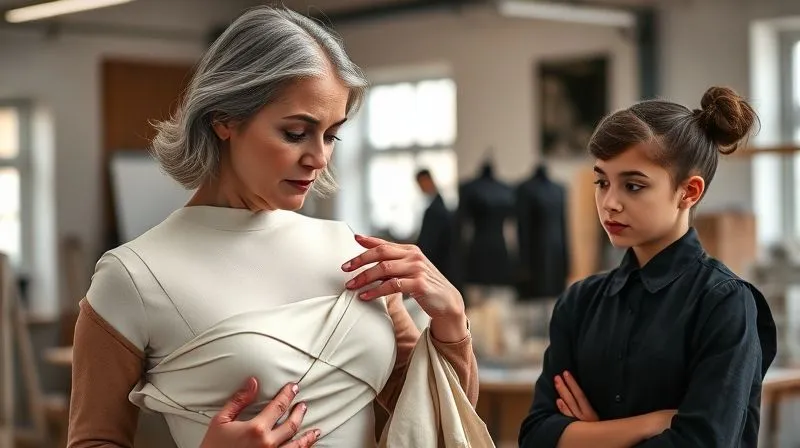
The traditional mentor-apprentice model is the bedrock of haute couture training. It's how skills have been passed down for centuries. However, in today's fast-paced world, this model needs refinement to remain effective and equitable. It's not enough for an apprentice to simply observe; they need active, guided participation and continuous feedback.
Key Elements of a Modern Mentor-Apprentice Program:
- Dedicated Mentorship Time: Schedule specific, protected time each week for one-on-one instruction and review. This prevents the mentor from being overwhelmed by production demands and ensures the apprentice receives focused attention.
- Structured Skill Progression: While organic learning is valuable, a clear roadmap of skills to acquire, with defined milestones, keeps both mentor and apprentice on track. This might involve a 'skill passport' where each technique is signed off by the master once proficiency is demonstrated.
- Reverse Mentorship: Encourage apprentices to share any new digital skills or fresh perspectives they bring. I've personally learned valuable insights about digital pattern manipulation from younger artisans, proving that knowledge flow can be bidirectional.
- Peer Learning and Collaboration: Create opportunities for apprentices to learn from each other. Group projects, shared problem-solving sessions, and critique forums can foster a collaborative environment and broaden their understanding.
In my experience, the most successful mentorships are built on trust, respect, and a shared passion for the craft. The mentor isn't just a teacher; they are a guide, a confidant, and a source of inspiration. They teach not just with their hands, but with their philosophy and their unwavering commitment to excellence.
Integrating Digital Tools for Precision and Efficiency
While haute couture is deeply rooted in tradition, it is not immune to technological advancement. Smart integration of digital tools can significantly enhance precision, efficiency, and even the learning process for new artisans, without compromising the handcrafted essence.
I remember the initial skepticism in the atelier when I suggested introducing digital pattern-making software. The older artisans feared it would dilute the art. What we found, however, was that it freed up valuable time for more complex, creative handwork and reduced errors in foundational pattern adjustments. It became a powerful complementary tool, not a replacement.
How Digital Tools Can Support Artisan Training:
- CAD/CAM for Pattern Making: While the final pattern might be hand-cut, using software for initial pattern drafting, grading, and even complex geometric designs can save hours and allow for quick iterations. Apprentices can learn the underlying principles faster.
- 3D Virtual Prototyping: Before cutting into expensive fabrics, apprentices can experiment with designs, drapes, and embellishment placements in a 3D environment. This allows for risk-free learning and faster conceptualization.
- Digital Archives and Tutorials: Creating a digital library of couture techniques – high-definition videos of specific stitches, fabric manipulations, or construction methods – provides an invaluable resource for apprentices to review and practice independently.
- Precision Cutting Machines: For certain foundational cuts or repetitive tasks, precision cutting machines can ensure accuracy, allowing artisans to focus their hand skills on the more intricate, value-added elements.
The key is to use technology as an enabler, not a substitute. It should augment the artisan's capabilities, allowing them to achieve greater precision and focus their invaluable hand skills where they truly matter – in the delicate, artistic touches that define haute couture. As Forbes recently discussed regarding the future of luxury, technology, when applied thoughtfully, can enhance craftsmanship rather than diminish it.
Fostering a Culture of Excellence and Continuous Learning
Technical skills alone do not make a haute couture artisan. It is the unwavering commitment to excellence, the relentless pursuit of perfection, and a deep respect for the craft that truly sets them apart. This ethos must be woven into the very fabric of the atelier culture.
Cultivating the Couture Mindset:
- Lead by Example: As a master, your dedication, precision, and passion are the most powerful lessons you can offer. Apprentices observe everything.
- Emphasize Quality Over Speed: From day one, instill the understanding that time is secondary to impeccable quality. A couture garment is not rushed; it is meticulously brought to life.
- Encourage Curiosity and Experimentation: While tradition is vital, innovation keeps the craft alive. Create a safe space for apprentices to explore new materials, techniques, or interpretations.
- Regular Critique and Feedback: Establish a constructive feedback loop. This isn't about finding fault, but about refining vision and execution. Celebrate small victories and learn from every challenge.
- Exposure to Finished Masterpieces: Allow apprentices to regularly interact with completed haute couture garments, both historical and contemporary. This inspires them and provides a tangible benchmark for their own work.
“The true measure of a haute couture atelier isn't just the beauty of its creations, but the beauty of the minds and hands that bring them to life, nurtured by a shared pursuit of perfection.”
Continuous learning extends beyond the initial training period. Encourage artisans to attend workshops, visit textile exhibitions, and study historical garments. The world of fashion is ever-evolving, and even the most seasoned couturier must remain a student of the craft.
Measuring Progress and Ensuring Mastery
How do you quantify something as subjective as artistry? While haute couture is an art, the underlying skills are highly measurable. Establishing clear benchmarks and a systematic evaluation process is crucial for tracking an artisan's progress and ensuring they achieve true mastery before taking on critical tasks.
A Multi-faceted Assessment Approach:
- Skill Checklists: For each technique (e.g., French seam, invisible zipper insertion), define specific criteria for successful execution (e.g., stitch consistency, tension, invisibility, strength).
- Timed Practical Tests: Assign specific tasks (e.g., hand-finish a hem on a silk gown, create a specific embroidery motif) and evaluate not just the outcome but also the process and efficiency.
- Portfolio Development: Encourage apprentices to maintain a portfolio of their work, showcasing their best pieces. This allows for a visual assessment of their growth and range of skills.
- Peer and Mentor Review: Regular, structured reviews involving both peers and mentors provide diverse perspectives and constructive feedback.
- Project-Based Assessments: Assign apprentices to work on components of actual couture garments, under supervision, and evaluate their contribution to the overall quality.
It's important that these assessments are not punitive, but rather diagnostic. They should identify areas for improvement and guide further training. The goal is to ensure that every artisan reaching a certain level of independence can consistently produce work of impeccable couture quality.
| Skill Module | Assessment Method | Success Criteria | Target Completion |
|---|---|---|---|
| Hand Stitch Mastery | Practical Test (Fabric Swatch) | Invisible, consistent stitches; 5 points/cm; 95% accuracy | Month 3 |
| Basic Draping | Toile Creation (Bodice/Skirt) | Accurate grainline; balanced silhouette; clean seams | Month 6 |
| Embellishment Intro | Embroidery Motif Sample | Even tension; clean back; accurate design interpretation | Month 9 |
Case Study: Revitalizing Heritage Skills at Atelier Éclat
Atelier Éclat, a renowned Parisian couture house, faced a critical shortage of artisans proficient in traditional feather work – a signature technique for their evening gowns. The existing masters were nearing retirement, and the younger recruits, while skilled in other areas, lacked this specialized knowledge. I was brought in to consult on 'How to train new haute couture artisans effectively' specifically for this challenge.
We implemented a multi-pronged approach: First, we established a dedicated 'Feather Lab' within the atelier, equipped with specialized tools and historical examples. Second, we paired each new apprentice with an experienced feather artisan in a structured mentorship program, with weekly one-on-one sessions focused on specific feather manipulation techniques, from curling to dyeing to intricate assembly. Third, we developed a digital archive of high-definition video tutorials demonstrating each step, narrated by the retiring masters, ensuring their unique techniques were preserved. Finally, apprentices were given small, supervised feather projects on actual garments from the start, building confidence and practical experience.
Within 18 months, Atelier Éclat not only trained five new artisans to a high level of proficiency in feather work but also documented and standardized their unique techniques, ensuring the legacy of this exquisite craft for generations to come. This resulted in a 20% increase in the output of feather-embellished garments and a renewed sense of pride and continuity within the atelier.
Addressing Common Pitfalls in Artisan Development
Even with the best intentions, training new haute couture artisans can encounter obstacles. Recognizing and proactively addressing these common pitfalls is vital for the success of any program.
Pitfalls and Solutions:
- Lack of Patience (from both mentor and apprentice): Couture takes time. Emphasize that mastery is a journey, not a destination. Celebrate small improvements and remind apprentices of the long-term vision. Mentors must also practice patience, understanding that some skills require repeated demonstration and practice.
- Overwhelm and Burnout: The sheer volume and intricacy of couture skills can be daunting. Break down learning into manageable modules, ensure regular breaks, and foster a supportive, low-stress environment.
- Inconsistent Feedback: Sporadic or unclear feedback leaves apprentices guessing. Implement a consistent feedback schedule and use specific, actionable language.
- Isolation of Apprentices: Learning can feel solitary. Encourage peer interaction, group workshops, and opportunities for apprentices to observe different stages of garment creation.
- Resistance to New Methods/Tools: Both older masters and new apprentices might resist change. Frame new tools as enhancements, not replacements, and demonstrate their benefits clearly.

I've personally seen the devastating effect of an apprentice feeling isolated or misunderstood. A culture of open communication, where questions are encouraged and mistakes are seen as learning opportunities, is far more effective than a rigid, unforgiving environment. Building trust is paramount.
For further insights into effective vocational training, the International Labour Organization (ILO) offers comprehensive research on skill development and apprenticeship models, which, while broad, contain principles applicable to specialized crafts.
Frequently Asked Questions (FAQ)
How long does it typically take to train a new haute couture artisan to a professional level? In my experience, to reach a truly professional, independent level in a specialized haute couture craft (e.g., tailoring, embroidery), it takes a minimum of 3-5 years of dedicated, structured training and practical experience. Full mastery, encompassing multiple techniques and the nuanced philosophy of couture, can take a decade or more. It's a lifelong learning journey.
What's the most common mistake ateliers make when training new talent? The most common mistake is a lack of structured progression and consistent mentorship. Apprentices are often thrown into tasks without proper foundational understanding or left to observe without active guidance. This leads to frustration, inconsistent skill development, and ultimately, high attrition rates.
How can smaller couture houses with limited resources effectively train new artisans? Smaller houses can adapt by focusing on intensive, targeted mentorship for fewer apprentices, leveraging digital resources for supplementary learning, and fostering collaborations. Consider establishing a consortium with other small ateliers to share resources, master artisans, or even co-develop training modules. Quality over quantity is key.
Is it necessary for new artisans to have prior fashion education, or can raw talent be nurtured? While a foundational fashion education can provide a useful theoretical base, raw talent, meticulousness, patience, and a deep passion for the craft are far more critical. Many of the finest artisans I've known started with little formal training but possessed an extraordinary innate aptitude and a relentless drive to learn. The atelier's role is to sculpt that raw talent.
How do you balance teaching traditional techniques with encouraging innovation in new artisans? It's a delicate balance. Always start with a deep immersion in traditional techniques – you must understand the rules before you can break them artistically. Once foundational mastery is achieved, encourage experimentation within defined parameters. Provide access to new materials, tools, and design concepts, but always ground innovation in the principles of couture quality and craftsmanship.
Key Takeaways and Final Thoughts
Effectively training new haute couture artisans is not merely a logistical challenge; it is a profound act of preservation and a vital investment in the future of an irreplaceable art form. My journey through the ateliers has taught me that the transmission of these exquisite skills demands a comprehensive, empathetic, and forward-thinking approach.
- Adopt a Bespoke Curriculum: Tailor training to individual needs, building from foundational mastery to specialized techniques.
- Reimagine Mentorship: Create structured, dedicated mentorship programs that prioritize active guidance and continuous feedback.
- Integrate Technology Wisely: Leverage digital tools to enhance precision and efficiency, freeing artisans for complex handwork.
- Cultivate a Culture of Excellence: Instill patience, precision, and an unwavering commitment to quality in every aspect of atelier life.
- Implement Robust Assessment: Systematically measure progress to ensure consistent skill development and mastery.
The legacy of haute couture rests in the hands of those we train today. By investing thoughtfully in their development, by sharing not just techniques but also the passion and philosophy that defines this world, we ensure that the artistry, the magic, and the unparalleled beauty of haute couture will continue to inspire and enchant for generations to come. It's a commitment that transcends fashion; it's a commitment to art, history, and human ingenuity.
Recommended Reading
- The Ultimate Fix: Why Do Your Heels Slip Out of Women's Shoes?
- 7 Proven Strategies to Prevent Micro-Pavé Diamond Loss in Fine Jewelry
- 7 Essential Steps: Safeguarding Your Fragile Vintage Dresses from Irreversible Damage
- Cracking the Code: 7 Ways New Bloggers Land Exclusive Fashion Event Invites
- 7 Proven Strategies for Consistent Waste Streams in Upcycled Fashion




Your email address will not be published. Required fields are marked *