


How to maintain a flawless couture fit across multiple client weight fluctuations?
For over two decades, I've had the privilege of working at the zenith of fashion, the rarefied realm of haute couture. In this world, perfection isn't just an aspiration; it's the very foundation of our craft. Yet, I've observed a silent, often unspoken challenge that can undermine even the most exquisite creation: the natural, human reality of client weight fluctuations.
This isn't merely about minor adjustments; it's about preserving the integrity, the very soul, of a bespoke garment when a client's body undergoes significant, or even subtle, changes over time. The pain point is clear: clients invest immense trust, emotion, and capital into a couture piece, expecting it to remain a timeless extension of themselves. An ill-fitting garment, regardless of its initial perfection, can shatter that illusion and diminish its value, both aesthetic and emotional.
In this definitive guide, I will share the actionable frameworks, advanced techniques, and nuanced client management strategies I've honed over years. You'll learn not just how to react to changes, but how to proactively design, construct, and manage client relationships to ensure that a flawless couture fit endures, making every piece a testament to adaptability and lasting elegance.
The Unseen Challenge: Why Weight Fluctuations Are Unique in Haute Couture
The world of ready-to-wear fashion can tolerate a certain degree of fit imperfection. A size 8 might fit slightly differently from brand to brand, and minor adjustments are commonplace. But in haute couture, the expectation is absolute. Each stitch, each panel, is conceived to flow with the individual client’s unique contours. This makes any deviation from the initial measurements a profound challenge, far beyond a simple ‘take in’ or ‘let out’.
Beyond Simple Alterations: The Structural Integrity of Bespoke
Unlike off-the-rack garments, couture pieces are often built with complex internal structures: corsetry, boning, specific interlinings, and hand-sewn supports that give the garment its distinctive shape and drape. These elements are meticulously crafted to a specific body. Altering them significantly without compromising the garment's original silhouette or structural integrity is an art form in itself. A careless alteration can distort the line, create puckering, or even weaken the garment's foundation, irreversibly damaging its couture quality.
The Emotional Investment: Client Expectations vs. Reality
Clients commissioning haute couture pieces are not just buying clothes; they are investing in dreams, identity, and often, a legacy. The emotional weight attached to these garments means that any perceived flaw in fit can be deeply disappointing. It's our responsibility to manage these expectations with empathy and foresight, acknowledging that bodies change and preparing both the garment and the client for this reality.
Expert Insight: Trust is the bedrock of haute couture. Our clients entrust us with their vision and their form. Maintaining a flawless fit through life's natural changes is not just about technical skill; it's about honoring that trust and ensuring their investment remains as perfect as the day it was conceived.
Proactive Design: Building Adaptability into the Garment's DNA
The secret to enduring couture fit isn't just about reactive alterations; it's about embedding adaptability into the very design process. From the initial sketch to the final stitch, every decision can either limit or enhance a garment's capacity to evolve with its wearer.
Strategic Seam Allowances and Hidden Panels
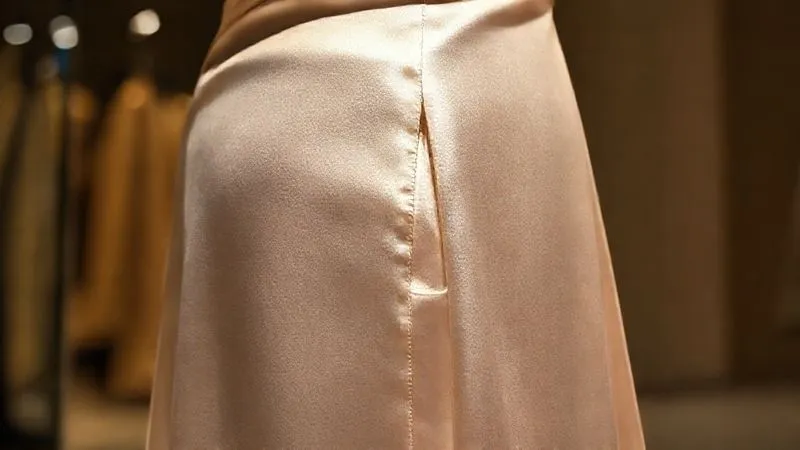
A fundamental technique is to incorporate generous, yet discreet, seam allowances. While standard ready-to-wear might have a half-inch seam, couture can often feature an inch or more in critical areas like side seams, center back, and sleeve seams. These allowances are meticulously pressed open and often bound, making them accessible for future adjustments without visible signs. Furthermore, designing with hidden, internal panels, particularly in areas prone to change such as the waist, hips, or bust, allows for expansion or reduction that remains completely invisible from the exterior.
Innovative Fabric Choices with Inherent Give
While traditional couture often favors rigid silks and brocades, a discerning couturier understands the power of intelligently chosen materials. Fabrics with a slight natural stretch, like certain silk crepes, wool crepes, or even some luxurious blends with elastane (used judiciously and subtly), can offer a degree of forgiveness without compromising drape or feel. The key is to select fabrics where this inherent 'give' complements, rather than detracts from, the desired silhouette. Research into advanced textile engineering continues to offer new possibilities in this area. Explore innovations in textile technology.
Modular Components and Detachable Elements
Consider designs that feature modular elements. For instance, a corset might be subtly integrated but designed to be detachable or adjustable from the main gown. Or, a skirt’s waistband could be designed with a hidden, adjustable inner closure. In jackets, sleeve linings can be constructed to allow for easier alteration of circumference. These thoughtful design choices create 'breathing room' within the garment, allowing it to adapt while retaining its original aesthetic.
The Art of Measurement: Beyond the Initial Fitting
The initial fitting is just the beginning of the relationship between client, couturier, and creation. To truly maintain a flawless couture fit across multiple client weight fluctuations, a dynamic approach to measurement and ongoing assessment is paramount.
Establishing a Baseline and Tracking Micro-Changes
Beyond the standard measurements, I advocate for creating a comprehensive 'body map' during the initial consultation. This includes not just circumference measurements, but also shoulder slopes, back length, armscye depth, and even specific posture nuances. Crucially, this baseline should be documented with detailed notes, photographs (with client consent), and even 3D body scans where available. This meticulous record allows us to track even micro-changes over time, providing invaluable data for future adjustments.
The Importance of Regular Check-Ins and Fittings
For long-term clients or multi-garment commissions, I establish a schedule of periodic, proactive check-ins, even if no immediate alterations are needed. These are not just about measuring; they are about maintaining a dialogue, understanding any lifestyle changes, and anticipating potential shifts. This proactive approach ensures that minor adjustments can be made before they become significant, complex challenges.
- Initial Consultation & Comprehensive Body Map: Record all standard and nuanced measurements, posture notes, and 3D scans.
- First Toile Fitting: Assess the basic silhouette and initial fit on the client's current body.
- Subsequent Fabric Fittings: Refine the fit, making minor adjustments in the actual fabric.
- Post-Delivery Check-in (3-6 Months): A courtesy fitting to ensure continued comfort and fit.
- Annual Review: For long-term clients, a yearly check-in to proactively address any changes and maintain the garment's pristine condition.
- Pre-Event Fitting: Always recommend a final fitting before a significant event where the garment will be worn, especially if time has passed since the last fitting.
Maintaining a flawless couture fit across multiple client weight fluctuations requires diligent record-keeping. Here’s a simplified example of how critical measurement data can be tracked:
| Date | Weight (kg) | Bust (cm) | Waist (cm) | Hips (cm) | Notes |
|---|---|---|---|---|---|
| 2023-01-15 | 65 | 90 | 70 | 98 | Initial fitting for gown A. Client stable. |
| 2023-06-20 | 67 | 91 | 72 | 100 | Minor expansion noted. Gown A still fits, but snug. Suggest proactive adjustment. |
| 2024-03-10 | 63 | 89 | 68 | 96 | Significant reduction. Gown A requires taking in at waist/hips. Scheduled for alteration. |
| 2024-09-05 | 64 | 90 | 69 | 97 | Post-alteration check. Fit is perfect. Client satisfied. |
Crafting for Longevity: Techniques for Seamless Alterations
When adjustments become necessary, the true mastery of a couturier lies in executing them flawlessly, ensuring the garment looks as if it was always meant to fit the updated form. This requires not just skill, but foresight in construction.
Invisible Zippers and Adjustable Closures
While traditional hook-and-eye closures or buttons offer a classic finish, strategic use of invisible zippers, particularly in side seams or underarm areas, can facilitate easier, less disruptive alterations. For waistbands, incorporating a hidden inner elastic or a series of discreet adjustable hooks can provide flexibility. The goal is to create mechanisms that offer adjustability without being visually apparent or compromising the garment's luxurious feel.
Reinforcing Stress Points for Repeated Adjustments
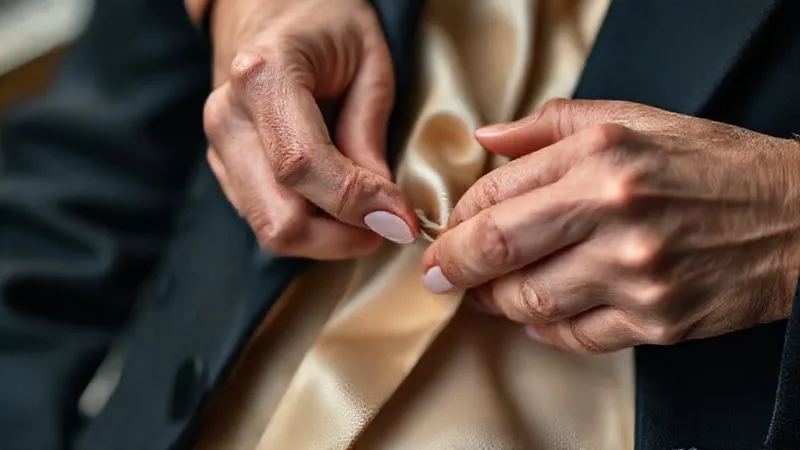
Areas that are frequently altered, such as side seams, waistbands, and shoulder seams, should be constructed with extra reinforcement. This might involve additional layers of fabric, hand-stitched interlinings, or specific seam finishes that can withstand repeated opening and re-stitching without fraying or weakening the fabric. This foresight is crucial for a garment designed to last a lifetime.
Dye-Matching and Fabric Sourcing for Future Needs
For garments that might require significant additions or replacements of fabric (e.g., if a panel needs to be entirely re-cut), it's a mark of true foresight to secure extra yardage of the original fabric, or at least a meticulously dye-matched alternative, at the time of initial creation. This prevents the nightmare scenario of an alteration being impossible due to lack of matching material, a critical aspect of how to maintain a flawless couture fit across multiple client weight fluctuations.
Client Relationship Management: Building Trust and Transparency
Technical prowess is only half the battle. The other half lies in cultivating a relationship of trust and open communication with the client, especially concerning sensitive topics like body changes.
Educating Clients on the Couture Journey
From the outset, educate your clients about the lifespan of a couture garment and the inevitable reality of body changes. Explain that while their piece is designed for timeless elegance, it is also designed with the capacity for adaptation. Frame alterations not as a flaw, but as a standard part of couture stewardship, ensuring the garment continues to serve them perfectly through life's evolutions. This transparency sets realistic expectations and prevents future misunderstandings.
Confidentiality and Sensitivity in Discussions
Discussions about weight or body shape must always be handled with the utmost discretion and sensitivity. Use neutral, professional language. Focus on the garment's fit and the technical aspects of adjustment, rather than personal body commentary. Reassure clients that their comfort and confidence are paramount, and that the atelier is fully equipped to ensure their couture always fits impeccably.
Offering a 'Couture Care Package' or Service Contract
Consider offering a post-purchase service package that includes a certain number of complimentary alterations within a specified timeframe, or at a reduced rate. This incentivizes clients to return for proactive adjustments and reinforces your commitment to their long-term satisfaction. It also provides a structured framework for how to maintain a flawless couture fit across multiple client weight fluctuations as part of an ongoing service.
Expert Insight: A client who understands and trusts your process is a client for life. Proactive communication and a sensitive approach to body changes transform a potentially awkward conversation into an opportunity to deepen loyalty and demonstrate unparalleled service.
According to a report by Harvard Business Review, exceptional customer service in luxury sectors is not just about meeting expectations, but anticipating needs and building enduring relationships, which is precisely what this approach to couture fit management achieves.
Case Study: Madame Dubois' Enduring Gown
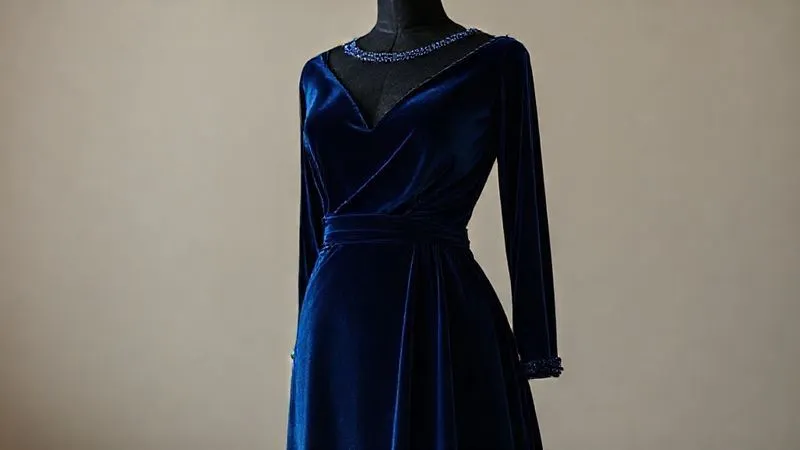
I recall a particularly cherished client, Madame Dubois, who commissioned a magnificent midnight blue velvet gown for a state dinner. It was a masterpiece of draping and intricate beadwork, designed to flatter her petite frame. Over the next five years, Madame Dubois experienced two significant life events, each bringing with it a natural fluctuation in her weight – first a period of stress-related weight loss, then a joyful weight gain following retirement.
From the initial design, I had incorporated generous, yet hidden, seam allowances in the side seams and a subtly adjustable inner corset. During her period of weight loss, we were able to take in the gown by nearly an inch and a half at the waist and hips, re-shaping the internal structure and re-draping the velvet without any visible signs of alteration. The beadwork, which was meticulously hand-applied, was carefully detached, adjusted, and re-secured, ensuring perfect continuity.
When her weight later increased, the foresight of those generous seam allowances allowed us to let out the gown by a similar margin. The inner corset was re-fitted, and the velvet, being a forgiving fabric with a beautiful pile, responded well to careful steaming and re-draping. Each time, Madame Dubois expressed her profound gratitude, marveling at how the gown seemed to magically adapt, always fitting her perfectly. It became her 'chameleon gown,' a testament to enduring craftsmanship and the power of proactive design, embodying the essence of how to maintain a flawless couture fit across multiple client weight fluctuations.
Leveraging Technology: Precision and Prediction
While haute couture is deeply rooted in tradition, embracing modern technology can significantly enhance our ability to manage fit over time, offering unparalleled precision and predictive capabilities.
3D Body Scanning for Hyper-Accurate Data
The advent of 3D body scanning technology has revolutionized initial measurement and ongoing tracking. Instead of relying solely on tape measures, which can be prone to human error or slight variations in posture, a 3D scan captures thousands of data points, creating a precise digital avatar of the client's body. This allows for objective comparison of body changes over time, highlighting specific areas of gain or loss with incredible accuracy. This data can then be directly integrated into digital patternmaking software.
According to Vogue Business, 3D body scanning is becoming an indispensable tool for bespoke fashion, offering a new level of precision and efficiency.
Digital Patternmaking for Iterative Adjustments
Once 3D body scan data is available, digital patternmaking software becomes an invaluable asset. It allows couturiers to adjust patterns virtually, seeing the impact of changes on the garment's fit and drape before even cutting fabric. This iterative process minimizes waste, speeds up alteration planning, and ensures that every adjustment is perfectly calibrated to the client's current form. It’s a powerful tool for visualising how to maintain a flawless couture fit across multiple client weight fluctuations.
Comparing traditional measurement and alteration processes with technology-enhanced methods:
| Aspect | Traditional Method | Tech-Enhanced Method |
|---|---|---|
| Initial Measurement | Tape measure, manual notes | 3D body scanning, digital avatar, precise data points |
| Fit Tracking | Periodic manual re-measurement | Comparative 3D scans, objective change analysis |
| Alteration Planning | Manual pattern adjustments, physical toile rework | Digital patternmaking, virtual fit simulation, minimized physical rework |
| Accuracy | Subject to human error, less granular | High precision, detailed anatomical mapping |
| Efficiency | Time-consuming, multiple physical fittings | Streamlined, fewer physical fittings, faster iteration |
The Ethical Imperative: Sustainability and Reducing Waste
Beyond client satisfaction and aesthetic perfection, the ability to adapt couture garments to changing bodies carries a profound ethical dimension: sustainability. In an era dominated by fast fashion and disposable clothing, haute couture stands as a beacon of longevity and responsible consumption.
Designing for Repair and Re-wear
Every decision to design for adaptability is a decision against obsolescence. By ensuring a garment can be perfectly refitted multiple times over its lifespan, we are actively promoting re-wear and reducing the environmental footprint associated with creating new items. This aligns perfectly with the core values of haute couture: timelessness, quality, and enduring value. It's a powerful statement against the 'wear-once' culture.
The Environmental Cost of Disposable Fashion
The fashion industry is a significant contributor to global waste. By creating garments that are cherished, maintained, and adapted for decades, we demonstrate a commitment to environmental stewardship. A couture piece that can be worn for twenty years, perfectly fitted each time, has a far lower environmental impact than twenty disposable garments. This ethical consideration should be woven into every atelier's philosophy, reinforcing the value of how to maintain a flawless couture fit across multiple client weight fluctuations for a sustainable future.
Frequently Asked Questions (FAQ)
How often should a client expect re-fittings for their couture garment? The frequency depends on the client's lifestyle and the garment's intended use. For highly active clients or those with known body fluctuations, I recommend a check-in every 6-12 months. For others, an annual review or a pre-event fitting before a significant occasion is advisable. Proactive check-ins are always better than reactive ones.
Are there limits to how much a couture garment can be altered? While couture garments are designed for adaptability, there are practical limits. Generally, a garment can be altered effectively within a range of 1-2 standard dress sizes up or down, depending on the original design and seam allowances. Extreme changes (e.g., more than 3-4 sizes) might compromise the garment's original proportions, silhouette, or structural integrity, requiring extensive reconstruction that may alter its original character.
What fabrics are best for adaptability when considering weight fluctuations? Fabrics with natural elasticity or a subtle stretch are ideal. These include certain silk crepes, wool crepes, stretch velvets (used sparingly), and meticulously blended fabrics with a small percentage of elastane. However, even rigid silks and brocades can be adapted if generous seam allowances and clever internal structures are incorporated during the initial design phase.
How do I discuss potential weight changes with a client sensitively? Approach the topic with professionalism and empathy. Frame it as a standard part of couture maintenance, focusing on ensuring the garment's longevity and perfect fit, rather than personal body commentary. You might say, "As bodies naturally evolve over time, we build in features to ensure your couture piece always fits impeccably. We offer ongoing fitting services to maintain its perfection." Emphasize discretion and your commitment to their comfort.
What's the typical cost involved in significant couture alterations? The cost of couture alterations varies widely based on the complexity of the garment, the extent of the changes required, and the atelier's pricing structure. Minor adjustments might be included in a service package. Significant alterations, involving deconstruction and reconstruction of intricate elements, can be substantial, often calculated on an hourly basis for the highly skilled craftspeople involved. Transparency about potential costs should be part of the initial client education.
Key Takeaways and Final Thoughts
- Proactive Design is Paramount: Embed adaptability into the garment's DNA with strategic seam allowances, hidden panels, and thoughtful fabric choices.
- Dynamic Measurement & Tracking: Move beyond initial fittings to a system of comprehensive body mapping and regular check-ins.
- Masterful Alteration Techniques: Ensure seamless adjustments through reinforced construction and foresight in material sourcing.
- Empathetic Client Relationship: Build trust through transparent communication and sensitive handling of body-related discussions.
- Embrace Technology: Leverage 3D body scanning and digital patternmaking for unparalleled precision and efficiency.
- Commit to Sustainability: Recognize that designing for longevity and re-wear is an ethical imperative in haute couture.
Maintaining a flawless couture fit across multiple client weight fluctuations is not a challenge to be feared, but an opportunity to demonstrate the unparalleled artistry, foresight, and client dedication that define haute couture. By integrating these strategies, you not only preserve the perfection of a garment but also deepen the trust and loyalty of your clients, ensuring that their treasured pieces remain timeless extensions of their evolving selves. This is the true hallmark of enduring elegance and masterful craftsmanship.
Recommended Reading
- 5 Expert Steps: Pairing a Cathedral Veil with Your Minimalist Gown
- 7 Expert Steps: Securely Transporting High-Value Fashion Samples Through Customs
- 5 Proven Strategies: End Your Daily Wardrobe Struggle as a Professional Woman
- Why Aren't My Fashion Style Guides Converting to Sales? 7 Fixes.
- 7 Steps: How to Implement a Transparent Supply Chain for Ethical Jewelry




Your email address will not be published. Required fields are marked *