


How to Forecast Luxury Belt Trends with High ROI Accurately?
For over two decades in the luxury accessories market, I've had a front-row seat to its exhilarating highs and devastating lows. I've witnessed countless brands, from established houses to ambitious newcomers, misstep by chasing fleeting fads, investing millions in inventory that never moved, and ultimately eroding their bottom line. The thrill of identifying a winning trend is unmatched, but the financial wreckage of a misfire can be catastrophic.
The core problem isn't a lack of effort; it's often a lack of a systematic, data-driven, and truly insightful approach to forecasting. In the fast-paced, high-stakes world of luxury belts, where craftsmanship, materials, and brand narrative command premium prices, guessing simply isn't an option. The investment in design, production, marketing, and inventory for a single collection can be immense, making the accuracy of your trend predictions directly proportional to your profitability and long-term brand health.
This guide isn't about crystal balls or gut feelings. Instead, I will equip you with a robust, multi-faceted framework that blends deep market intelligence, nuanced consumer psychology, and cutting-edge data analytics. You'll learn how to dissect the luxury belt market, identify signals from noise, and most importantly, develop the foresight to forecast luxury belt trends with high ROI accurately, transforming uncertainty into a strategic advantage.
Deciphering the Luxury Consumer: Beyond Demographics
Understanding the luxury belt consumer goes far beyond basic demographics like age and income. In my experience, it's about delving into their psychographics – their values, aspirations, lifestyles, and the emotional resonance they seek from a luxury purchase. A luxury belt isn't just an item to hold up trousers; it's a statement of identity, a badge of belonging, or a symbol of personal achievement.
Understanding Aspirational vs. Established Luxury Buyers
There are typically two broad categories: the aspirational buyer, who purchases luxury items as a gateway to a desired lifestyle or status, and the established buyer, who buys out of connoisseurship, appreciation for craftsmanship, and a desire for exclusivity. Each group responds to different triggers and narratives. Aspirational buyers might be more swayed by celebrity endorsements and visible branding, while established buyers prioritize heritage, unique design, and subtle quality.
To truly forecast, you must understand their evolving motivations. Are they seeking sustainability? Personalization? Discreet luxury or overt branding? These shifts dictate demand for specific materials, designs, and even belt widths or buckle styles.
- Conduct Deep Qualitative Research: Move beyond surveys. Engage in focus groups, one-on-one interviews, and ethnographic studies. Observe how luxury consumers interact with belts in boutiques and online.
- Analyze Social Listening Data: Monitor conversations on platforms like Instagram, Pinterest, and niche luxury forums. What brands are they discussing? What styles are being lauded? What pain points are being shared?
- Map Customer Journeys: Understand the entire path from initial awareness to purchase and post-purchase engagement. Where do they get their inspiration? Who influences their decisions?
- Segment by Psychographics: Create detailed buyer personas based on values, lifestyle, and emotional drivers, not just age or income.
"Luxury is not about expense, but about the experience of owning something truly special, something that resonates with your deepest desires. Forecasting requires tapping into those desires before they become mainstream." – Expert Insight
By understanding these nuances, you can anticipate not just *what* they'll buy, but *why* – a critical distinction for high ROI. This deep understanding informs everything from material selection to marketing narratives, ensuring your luxury belts hit the mark emotionally and aesthetically.

The Data Advantage: Leveraging Analytics in Luxury Fashion
In today's interconnected world, data is the new gold, especially when it comes to predicting consumer behavior. For luxury belts, this means moving beyond anecdotal evidence and embracing robust analytics. From sales figures to social media engagement, every data point tells a story, and learning to interpret these stories is key to accurate forecasting and maximizing ROI.
Tools and Technologies for Trend Spotting
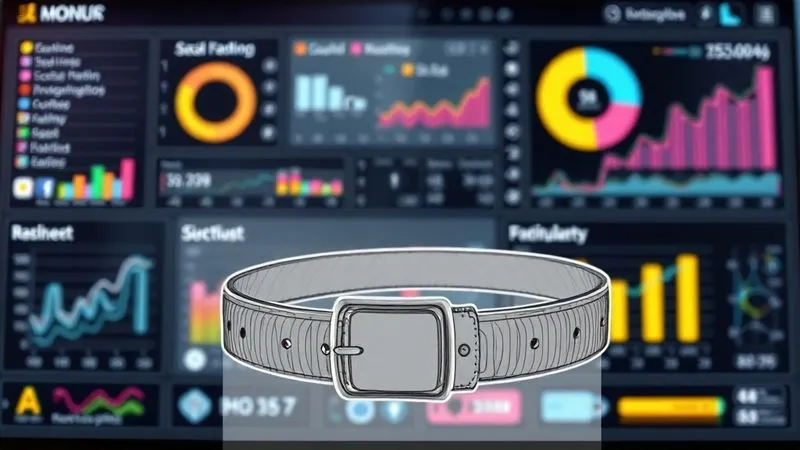
Modern luxury brands are increasingly adopting AI-powered tools and advanced analytics platforms. These can process vast amounts of unstructured data – from runway show analyses to street style photography – to identify emerging patterns faster than human analysts alone. Predictive analytics can even model future demand based on historical data and real-time market signals.
- Integrate POS and E-commerce Data: Analyze sales velocities, popular SKUs, return rates, and cross-selling opportunities for existing belt lines. Identify regional differences and seasonal spikes.
- Utilize Social Media Analytics: Track engagement rates for different belt styles, influencer mentions, hashtag performance, and sentiment analysis related to luxury accessories.
- Monitor Web Analytics: Understand user behavior on your site and competitor sites – which belt categories are most viewed? What search terms are bringing traffic? What are the conversion rates?
- Incorporate Macroeconomic Data: Keep an eye on global economic indicators, luxury spending reports (e.g., from Deloitte or Bain & Company), and consumer confidence indices. These can signal broader shifts in luxury purchasing power.
- Leverage Trend Forecasting Platforms: Services like WGSN, Stylesight, or even niche luxury-focused trend agencies provide curated reports and data on upcoming colors, materials, and silhouettes.
According to a recent report by Deloitte, data-driven decision making is a hallmark of top-performing luxury brands, enabling them to reduce waste and capitalize on emerging opportunities with greater precision. Ignoring this data is akin to navigating a ship without a compass.
| Data Source | Key Insights |
|---|---|
| Internal Sales Data | High-performing styles, regional preferences, inventory optimization |
| Social Media Analytics | Emerging micro-trends, influencer impact, brand sentiment |
| Web Analytics | User engagement, popular search terms, conversion funnels |
| Macroeconomic Reports | Overall luxury market health, consumer spending outlook |
| Trend Forecasting Services | Future colors, materials, design aesthetics, cultural shifts |
By systematically collecting and analyzing these diverse data streams, you build a comprehensive picture that illuminates current trends and hints at future directions, allowing for proactive, rather than reactive, decision-making.
Macro & Micro Trend Analysis: Connecting the Dots
Successful luxury belt forecasting requires a dual perspective: understanding the broad, sweeping macro trends that reshape society and culture, and the granular micro trends that dictate specific design elements. These two levels are intricately linked, and the most accurate forecasts emerge from connecting their dots.
Macro trends are long-term, fundamental shifts. Think about the increasing focus on sustainability, the rise of gender-fluid fashion, the impact of remote work on dress codes, or the growing influence of Eastern markets. These societal shifts profoundly affect how and why consumers buy luxury, including belts.
Micro trends, on the other hand, are specific, often shorter-lived design details. This could be a particular buckle shape, a trending leather finish (e.g., exotic textures vs. smooth calfskin), a dominant color palette, or the popularity of a certain belt width. While micro trends can seem superficial, they are often reflections of underlying macro shifts.
Identifying Emerging Material Innovations and Craftsmanship
A crucial aspect of micro trend analysis for luxury belts is monitoring innovations in materials and craftsmanship. Are new sustainable leathers gaining traction? Is there a resurgence of traditional artisan techniques? What about hardware – are understated, minimalist buckles in, or are bold, sculptural statements making a comeback? Keeping an eye on patent filings, material science publications, and specialized luxury craft fairs can provide early signals.
"A true trend is not a sudden burst of popularity, but a ripple effect from a deeper cultural or societal current. Ignore the current, and you'll be swept away by the surface noise." – Expert Insight
For example, the macro trend of sustainability has fueled micro trends in vegan leather belts, responsibly sourced exotic skins, and upcycled designs. The macro trend of comfort and casualization, accelerated by remote work, has subtly influenced a demand for more versatile, less rigid belt styles that bridge formal and informal wear. Understanding these connections is where true forecasting power lies.
The Role of Influencers and Tastemakers in Luxury Belt Adoption
In the digital age, the influence of key individuals and communities cannot be overstated in the luxury market. Fashion influencers, celebrities, and niche tastemakers act as powerful accelerators for trends, often dictating what becomes desirable to a wider audience. For luxury belts, their endorsement can transform a niche design into a must-have item, driving significant ROI.
However, it's not just about securing the biggest names. The luxury belt market thrives on authenticity and aspirational appeal. Identifying the *right* influencers – those whose personal brand aligns seamlessly with your luxury belt's narrative and target audience – is paramount. A misaligned partnership can be more damaging than no partnership at all.
Strategic Collaboration and Brand Alignment
Successful collaborations go beyond a simple product placement. They involve co-creation, genuine enthusiasm, and storytelling that resonates with the influencer's audience. Look for individuals who embody the values of your brand, who appreciate craftsmanship, and who can articulate the unique appeal of a luxury belt in a way that feels natural and compelling.
- Identify Niche Tastemakers: Beyond mega-influencers, seek out micro and nano-influencers who have highly engaged, relevant audiences in the luxury or specific fashion sub-niches. Their authenticity often drives higher conversion rates.
- Monitor Fashion Weeks and Red Carpet Events: Pay close attention to the belts worn by celebrities and fashion editors. These are often early indicators of emerging styles, designers, and materials.
- Track Luxury Lifestyle Blogs and Publications: Reputable luxury fashion journalists and editors often have their finger on the pulse of what's next. Their editorial choices can signal rising trends.
- Engage with Luxury Retail Buyers: These individuals have direct feedback from the end-consumer and often spot emerging demand patterns before they become widespread.
A well-chosen influencer can provide invaluable social proof and accelerate the adoption curve of a new luxury belt design. This strategic leveraging of influence is a key component in forecasting for high ROI, as it directly impacts market acceptance and sales velocity.
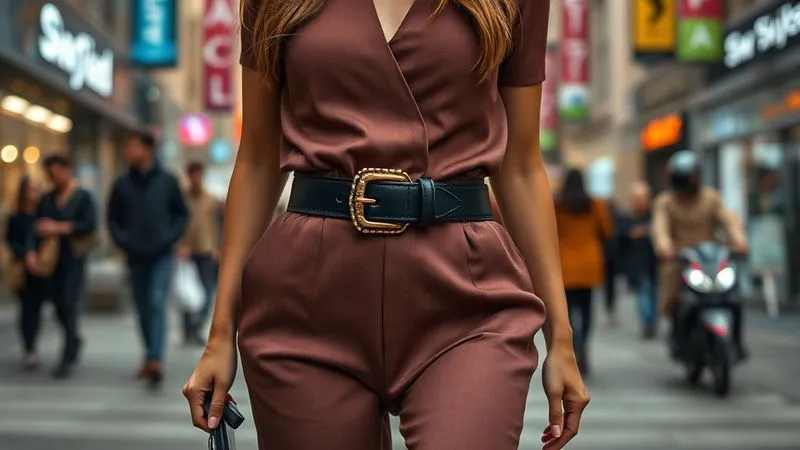
Supply Chain Agility and Ethical Sourcing: Foundations for ROI
In the luxury belt market, predicting trends is only half the battle; the other half is being able to respond to them effectively and ethically. A rigid, unresponsive supply chain can turn a perfectly forecasted trend into a missed opportunity or, worse, a liability. Agility and ethical sourcing are no longer just buzzwords; they are fundamental pillars for achieving high ROI and maintaining brand integrity in the modern luxury landscape.
Navigating Material Scarcity and Ethical Production
Luxury belts often rely on specific, high-quality materials – exotic leathers, precious metals, unique hardware. Sourcing these responsibly, ensuring fair labor practices, and navigating potential material scarcity due to environmental regulations or geopolitical events is a constant challenge. Brands that have established robust, transparent, and agile supply chains are better positioned to adapt to new trends without compromising their ethical standards or product quality.
Case Study: The Artisan Collective's Sustainable Shift
The Artisan Collective, a mid-sized luxury belt brand renowned for its exquisite craftsmanship, faced a dilemma. Their traditional sourcing for certain exotic leathers was becoming unsustainable and ethically questionable. Public sentiment was shifting rapidly towards conscious consumption. By proactively investing in research and development for innovative plant-based leathers and forming partnerships with certified ethical tanneries, they not only diversified their material portfolio but also launched a highly successful "Conscious Collection." This move, based on forecasting the macro trend of sustainability, led to a 35% increase in sales for the new line within its first year and a significant boost in brand loyalty among environmentally conscious luxury consumers. Their agile supply chain allowed them to quickly pivot and capitalize on this emerging demand, demonstrating a clear high ROI from ethical forecasting.
As a report by Forbes highlighted, consumers are increasingly willing to pay a premium for luxury goods that align with their values, making ethical sourcing a significant driver of long-term profitability and brand resilience. Investing in a flexible and ethical supply chain is an investment in your brand's future ROI.
Risk Mitigation and Portfolio Diversification in Luxury Belts
Even the most accurate forecast carries inherent risks. The luxury market can be fickle, influenced by unforeseen events, sudden shifts in consumer sentiment, or even a rival brand's disruptive launch. Therefore, a critical component of forecasting with high ROI is implementing robust risk mitigation strategies and diversifying your luxury belt portfolio. You never want to put all your eggs in one trend basket.
When to Invest and When to Hold Back
This is where experience and market intelligence truly converge. It's about understanding the lifecycle of a trend: its emergence, growth, maturity, and eventual decline. Investing heavily during the early growth phase can yield massive returns, but over-investing in a mature or declining trend leads to unsold inventory and markdowns. A diversified portfolio balances high-risk, high-reward trend-driven pieces with timeless, classic core collections that provide stable revenue.
- Maintain a Core Collection: Always have a strong foundation of timeless, classic belt styles that are perennial sellers. These provide stability and reduce reliance on volatile trends.
- Experiment with Limited Editions: Use limited-run collections or capsule drops to test emerging micro-trends. This minimizes inventory risk while allowing you to gauge market reaction.
- Stagger Production: Don't commit to full production runs for highly trendy items upfront. Utilize smaller initial batches and leverage agile manufacturing to scale up quickly if demand surges.
- Build Flexible Sourcing: Have multiple suppliers for key materials and components. This prevents single-point-of-failure issues if a specific material becomes unavailable or too expensive.
- Scenario Planning: Develop contingency plans for different market outcomes. What if a forecasted trend doesn't materialize? What if a competitor launches a similar product?
| Investment Type | Risk Level | Expected ROI | Strategic Benefit |
|---|---|---|---|
| Core Collection | Low | Stable, consistent | Brand foundation, reliable revenue |
| Emerging Trend (Limited Edition) | Medium | High potential, variable | Market testing, agility, brand innovation |
| High-Risk, Avant-Garde | High | Very high if successful, low if not | Thought leadership, PR, niche appeal |
By consciously diversifying your luxury belt offerings and applying a layered approach to investment, you protect your brand from the inherent unpredictability of fashion, ensuring that even if one trend falters, your overall ROI remains robust.
Building a Predictive Framework: From Insight to Action
Forecasting luxury belt trends with high ROI isn't a one-off event; it's a continuous, iterative process that integrates all the elements we've discussed. It's about transforming raw data and expert insights into actionable strategies that drive profitable product development and marketing. The goal is to move from reactive trend-following to proactive trend-setting, or at least trend-anticipating.
Continuous Monitoring and Adaptation
The market never stands still, and neither should your forecasting efforts. Establish a dedicated team or process for ongoing trend monitoring. This involves regular reviews of market data, consumer feedback, competitor activities, and global socio-economic shifts. Your framework should be flexible enough to adapt to new information, allowing for mid-season adjustments or strategic pivots when necessary.
- Establish a Cross-Functional Trend Council: Bring together design, marketing, sales, and supply chain teams. Each department offers a unique perspective critical for holistic forecasting.
- Implement a Quarterly Trend Review: Regularly assess the performance of current collections against forecasted trends. What worked? What didn't? Why?
- Create a Trend Playbook: Document your forecasting methodology, key indicators, and decision-making processes. This ensures consistency and institutional knowledge retention.
- Invest in Continuous Learning: Encourage your team to attend industry conferences, read expert analyses, and stay abreast of technological advancements in AI and data analytics relevant to fashion.
- Pilot and Test: Before a full-scale launch, pilot new belt designs or materials in limited markets or through specific channels to gather real-world feedback and validate your forecasts.
"The most valuable forecast isn't the one that's 100% accurate, but the one that empowers you to make informed decisions and adapt quickly in an ever-changing market." – Expert Insight
By building and consistently refining this predictive framework, you transform the art of trend forecasting into a systematic science. This structured approach not only enhances the accuracy of your predictions but also significantly de-risks your investments, paving the way for consistent high ROI in the competitive luxury belt market.
Frequently Asked Questions (FAQ)
Q: How often should I re-evaluate my luxury belt trend forecasts? A: For macro trends, an annual or bi-annual review is sufficient, as these shift slowly. However, for micro trends and specific design elements, I recommend a quarterly review. The luxury market, especially in accessories, can pivot rapidly due to social media and influencer impact. Continuous, real-time monitoring of key indicators is crucial, with formal re-evaluations aligned with your collection development cycles.
Q: What's the biggest mistake brands make in luxury accessory forecasting? A: In my experience, the biggest mistake is relying too heavily on internal biases or a single source of truth – whether it's the lead designer's intuition or just historical sales data. True forecasting power comes from triangulation: cross-referencing qualitative consumer insights, quantitative market data, and expert trend analysis. Ignoring any one of these pillars can lead to significant blind spots.
Q: How do I differentiate a fleeting fad from a long-term trend in luxury belts? A: Fads are typically short-lived, driven by novelty, and lack a deeper cultural or societal connection. Long-term trends, conversely, are usually rooted in fundamental shifts in consumer values, lifestyles, or technologies. For luxury belts, a long-term trend often reflects evolving definitions of status, comfort, or sustainability. Ask yourself: Is this driven by a deep human need or just momentary excitement? Longevity often correlates with utility, versatility, and emotional resonance.
Q: Can small luxury brands compete with established giants in trend forecasting? A: Absolutely. While large brands have bigger budgets for extensive research, smaller brands often have an advantage in agility and authenticity. They can be closer to their niche communities, react faster to micro-trends, and build more genuine relationships with tastemakers. Leveraging social listening tools effectively and focusing on deep consumer insights within their specific segment can give them a competitive edge.
Q: What role does sustainability play in future luxury belt trends? A: Sustainability is no longer a niche concern; it's a fundamental expectation for many luxury consumers. It's a powerful macro trend shaping everything from material sourcing (vegan leathers, upcycled materials) to ethical production practices and supply chain transparency. Brands that integrate sustainability authentically into their belt designs and brand narrative will see increased appeal and ROI, as conscious consumption continues to grow.
Key Takeaways and Final Thoughts
Navigating the complex currents of the luxury belt market requires more than intuition; it demands a strategic, data-informed, and deeply empathetic approach. To forecast luxury belt trends with high ROI accurately, remember these critical takeaways:
- Know Your Consumer Intimately: Go beyond demographics to understand psychographics, values, and emotional drivers.
- Embrace Data Analytics: Leverage internal sales, social listening, web analytics, and macroeconomic indicators to inform decisions.
- Connect Macro and Micro Trends: See how broad societal shifts influence specific design details and material choices.
- Strategically Engage Influencers: Identify and partner with tastemakers who authentically align with your brand's values.
- Build an Agile & Ethical Supply Chain: Ensure your production can respond to trends responsibly and efficiently.
- Diversify Your Portfolio: Balance classic core collections with limited-edition, trend-driven pieces to mitigate risk.
- Establish a Continuous Predictive Framework: Treat forecasting as an ongoing, iterative process with regular reviews and adaptations.
The luxury belt market is dynamic, rewarding those who approach it with a blend of artistic vision and analytical rigor. By implementing the framework I've outlined, you're not just predicting the future; you're actively shaping it for your brand, ensuring your investments yield not only stunning products but also sustainable, high-value returns. Embrace the challenge, trust the process, and watch your brand thrive.
Recommended Reading
- 5 Proven Strategies: Drastically Cut Waste in 3D Printed Fashion?
- Mastering Comfort: 7 Streetwear Design Principles for Lasting Brand Aesthetic
- 5 Strategies: Luxury Brands Copying Your Streetwear Aesthetic? Fight Back!
- 5 Proven Strategies: Sourcing Unique Kids' Clothing for Your Boutique
- How to Scale Zero-Waste Fashion Production Without Inflating Costs?



Your email address will not be published. Required fields are marked *