


For over 15 years in the sustainable fashion trenches, I’ve witnessed countless brands, big and small, grapple with a fundamental paradox: the desire to scale their impact while simultaneously adhering to zero-waste principles, all without spiraling costs. It’s a tightrope walk that often feels impossible, leading many to compromise on their sustainability goals or remain perpetually small.
The conventional wisdom often dictates that 'sustainable' or 'zero-waste' is inherently more expensive, a luxury for niche markets. This perception, while understandable given initial investment hurdles, often overlooks the immense long-term cost savings and efficiency gains that a truly integrated zero-waste approach can unlock. The challenge isn't just about reducing waste; it's about fundamentally rethinking how we design, produce, and distribute fashion.
In this definitive guide, I’ll share my accumulated insights, actionable frameworks, and expert strategies to help you navigate this complex landscape. We’ll explore how to not only maintain but enhance profitability as you scale your zero-waste fashion production, transforming what seems like a cost center into a core competitive advantage. Prepare to uncover the secrets to efficient, ethical, and economically viable growth in the zero-waste fashion sector.
Understanding the Core Challenge: The Cost-Waste Paradox
The initial hurdle for many brands embracing zero-waste is the perceived upfront investment. Specialized machinery, new design methodologies, and reimagined supply chains can seem daunting. However, in my experience, this perspective often misses the bigger picture: the hidden, pervasive costs embedded within traditional fashion production that zero-waste strategies inherently eliminate.
Consider the sheer volume of textile waste generated globally – a staggering amount that represents not just environmental damage but also millions in lost material value, disposal fees, and inefficient resource allocation. Traditional production models are built on assumptions of surplus and discard, making waste an unavoidable line item rather than a solvable problem.
"Zero-waste isn't just an environmental ethic; it's a profound business strategy. It forces a radical efficiency that traditional models, burdened by their inherent wastefulness, can never achieve."
The 'cost-waste paradox' arises when brands focus solely on the immediate expenses of adopting zero-waste, overlooking the significant savings from:
- Reduced raw material purchases due to optimized pattern utilization.
- Lower waste disposal fees and landfill taxes.
- Increased brand reputation and consumer loyalty, leading to higher sales and pricing power.
- Streamlined production processes that minimize errors and rework.
- Innovation in material sourcing, often leading to more cost-effective, sustainable alternatives.
By reframing our understanding, we can see that scaling zero-waste isn't about *adding* costs, but about *reallocating* resources more intelligently and eliminating unnecessary expenditures that traditional models have long accepted as standard.
Design for Zero-Waste: The Foundation of Cost Efficiency
The journey to cost-effective zero-waste scaling begins long before a single stitch is sewn – it starts at the design table. This is where the most significant impact on material utilization and waste reduction can be made, directly influencing your bottom line.
Zero-Waste Pattern Making Techniques
Conventional pattern making often leaves significant fabric scraps. Zero-waste pattern making, however, treats the entire fabric piece as sacred, designing garments where every inch is utilized. This isn't just an artistic challenge; it's an engineering feat that directly translates to material cost savings.
- Tessellation Optimization: This involves arranging pattern pieces like a jigsaw puzzle on the fabric to minimize gaps. Advanced CAD software can perform this automatically, but skilled pattern makers can achieve remarkable results manually.
- Whole Garment Construction: Designing garments from a single piece of fabric, or with minimal seams, drastically reduces cutting waste. This often requires innovative draping and cutting techniques.
- Modular Design: Creating components that can be mixed, matched, or repurposed across different styles. This allows for more efficient batch cutting of common elements.
- Scrap Utilization: For unavoidable small scraps, design secondary products (accessories, embellishments) or integrate them into new textiles. This transforms waste into valuable inventory.
Material Selection & Utilization
The choice of fabric profoundly impacts your ability to achieve zero-waste at scale. Wider fabric rolls, for instance, often allow for better pattern tessellation than narrower ones, reducing edge waste.
- Source Smart: Prioritize fabrics made from pre-consumer waste, recycled content, or natural fibers that can be easily composted or recycled at end-of-life. Negotiate with suppliers for wider widths or custom roll sizes to optimize your cutting.
- Pre-loved & Upcycled Textiles: Integrating vintage or deadstock fabrics can significantly reduce material costs and create unique, limited-edition runs. This requires a robust sourcing network and creative design.
- Fabric Quality & Durability: Investing in high-quality, durable fabrics reduces the likelihood of product returns or premature disposal, enhancing the garment's lifecycle and perceived value.

Case Study: EcoStitch Apparel's Pattern Revolution
EcoStitch Apparel, a mid-sized sustainable brand, initially struggled with textile waste despite its eco-conscious mission. Their fabric utilization rate hovered around 70%. By investing in advanced zero-waste pattern design software and training their design team in tessellation and modular design principles, they achieved a remarkable transformation. Within 18 months, their fabric utilization rate soared to 98%, directly cutting raw material costs by 20% and reducing waste disposal by 90%. This allowed them to scale production by 30% without needing to proportionally increase fabric orders, proving that design-led efficiency is paramount.
Optimizing Production Processes: Lean & Agile Methodologies
Once the design is optimized, the next critical step is to streamline your production floor. Applying lean manufacturing and agile principles, long established in other industries, can drastically improve efficiency, reduce waste, and control costs in zero-waste fashion production.
Demand Forecasting & Small Batch Production
Overproduction is a massive source of waste and financial drain in fashion. Producing more than you can sell leads to deadstock, markdowns, and eventual landfill. Lean principles advocate for producing only what is needed, when it is needed.
- Enhanced Data Analytics: Utilize sales data, market trends, and customer feedback to create more accurate demand forecasts. Predictive analytics tools can be invaluable here.
- Made-to-Order (MTO) & Pre-Orders: Shift towards MTO or pre-order models where feasible. This guarantees a buyer for every garment produced, eliminating unsold inventory.
- Small Batch Production: For items requiring inventory, produce in smaller, more frequent batches. This reduces risk, allows for quicker adaptation to demand shifts, and minimizes the impact of overproduction.
- Flexible Production Lines: Design your factory layout and workforce to be adaptable, allowing quick shifts between different styles or production volumes without significant retooling costs.
Efficient Cutting & Manufacturing Layouts
The physical flow of materials and garments through your factory is another key area for optimization. Minimizing unnecessary movement, waiting times, and defects directly impacts cost and waste.
- Automated Cutting Technology: Invest in computer-aided cutting (CAC) machines. These not only ensure precision, reducing cutting errors and fabric damage, but also execute complex zero-waste patterns with unparalleled accuracy and speed.
- Optimized Workflow: Map out your production process to identify bottlenecks and redundant steps. Implement a continuous flow system where garments move smoothly from one stage to the next without accumulating in large, wasteful batches.
- Quality Control at Every Stage: Integrate quality checks throughout the production process, not just at the end. Catching defects early prevents wasted materials, labor, and energy on faulty garments.
As the Lean Enterprise Institute often emphasizes, eliminating 'Muda' (waste) is central to efficiency, and this applies perfectly to zero-waste fashion. By identifying and systematically removing non-value-adding activities, you naturally reduce costs.
| Metric | Traditional Production | Lean Zero-Waste Production |
|---|---|---|
| Fabric Utilization Rate | 70-80% | 95-99% |
| Inventory Holding Costs | High (due to overproduction) | Low (MTO, small batches) |
| Waste Disposal Costs | Significant | Minimal to Zero |
| Production Lead Time | Long & Inflexible | Shorter & Agile |
| Error/Defect Rate | Higher (later detection) | Lower (early detection) |
Supply Chain Synergy: Sourcing Smart, Reducing Waste
A truly zero-waste approach extends beyond your factory walls into your entire supply chain. Collaborating with suppliers and rethinking material flow can unlock significant cost savings and sustainability gains as you scale.
Local Sourcing & Supplier Partnerships
Reducing the geographical distance your materials travel is a powerful way to cut costs and environmental impact.
- Map Your Supply Chain: Understand where every component comes from. Identify opportunities to consolidate suppliers or shift to more local alternatives.
- Build Strong Relationships: Work closely with your suppliers to understand their waste streams and identify opportunities for collaboration. Can they provide offcuts from their production that you can utilize? Can you jointly invest in a local recycling facility?
- Negotiate for Waste Reduction: Discuss packaging, delivery methods, and material formats (e.g., wider rolls, specific lengths) that support your zero-waste goals. For example, opting for reusable transport containers instead of single-use packaging.
Closed-Loop Systems & Material Recovery
The ultimate goal of zero-waste is a circular economy, where materials are continuously reused, recycled, or regenerated. This minimizes reliance on virgin resources and creates new value streams.
- Utilize Recycled & Upcycled Content: Actively seek out fabrics made from recycled post-consumer or industrial waste. This often comes with a lower environmental footprint and can sometimes be more cost-effective than virgin materials, especially for specialized textiles.
- Implement Take-Back Programs: For a scaled zero-waste model, consider programs where customers can return old garments for repair, recycling, or upcycling. This allows you to reclaim valuable materials and fosters customer loyalty.
- Explore Material-as-a-Service: Some innovative suppliers are beginning to offer materials on a service model, where you use the material and return it to them for recycling or reuse, effectively eliminating your end-of-life waste burden.
According to research from organizations like the Ellen MacArthur Foundation, embracing circular economy principles can lead to substantial material cost savings and new revenue opportunities, proving that a holistic supply chain approach is not just ethical but economically astute.
"A truly sustainable supply chain isn't a linear path from raw material to landfill, but a continuous loop of value creation and regeneration. Collaboration is its currency."
Leveraging Technology: Innovation for Scalable Sustainability
Technology is an indispensable ally in scaling zero-waste fashion without inflating costs. It enables precision, automation, and data-driven decisions that human hands alone cannot achieve at scale.
Digital Pattern Making & 3D Prototyping
Traditional sampling is incredibly wasteful, consuming fabric, labor, and shipping resources for multiple iterations. Digital tools revolutionize this process.
- CAD Software for Zero-Waste: Advanced CAD (Computer-Aided Design) software allows designers to create patterns that fit perfectly onto fabric rolls, minimizing waste from the outset. It can simulate various tessellation patterns to find the most efficient layout.
- 3D Virtual Prototyping: Instead of physical samples, designers can create realistic 3D renderings of garments. This allows for fit adjustments, material drapes, and aesthetic evaluations in a virtual environment, drastically reducing the need for multiple physical prototypes.
- Reduced Sample Lead Times & Costs: By minimizing physical samples, brands save on material costs, labor for sample making, and the environmental impact and cost of shipping samples back and forth.
Automation & AI in Production
Precision and speed are crucial for scaling, and automation provides both while reducing human error and resource consumption.
- Automated Fabric Cutting: Computer-controlled cutting machines can execute complex zero-waste patterns with millimeter precision, minimizing errors and maximizing fabric utilization far beyond manual cutting capabilities.
- Robotics in Assembly: While still evolving for garment assembly, robotics are becoming increasingly sophisticated, offering the potential for faster, more consistent production with less material waste due to fewer reworks.
- AI for Waste Identification & Prediction: Artificial intelligence can analyze production data to identify patterns of waste, predict potential issues, and recommend adjustments to processes, further optimizing material and energy use.
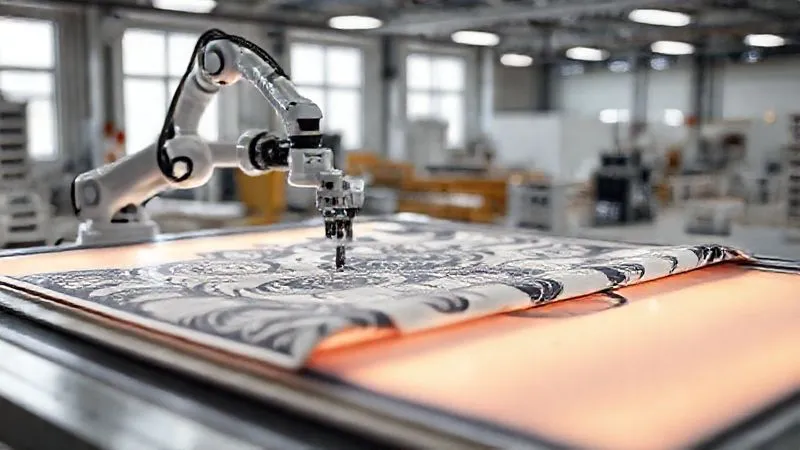
Investing in these technologies, while initially capital-intensive, yields significant returns through reduced material costs, increased efficiency, and a faster time-to-market. For instance, companies like Lectra and Gerber Technology offer solutions that directly support zero-waste pattern optimization and automated cutting, proving that the technology exists to scale sustainably.
Circular Business Models: Beyond Production to Lifecycle
Scaling zero-waste fashion isn't just about what happens in the factory; it's about extending the life of the garment and closing the loop. Embracing circular business models transforms your brand's relationship with its products and customers, creating new revenue streams and reducing the need for continuous new production.
Product-as-a-Service (PaaS) & Rental Models
Instead of selling a garment once, PaaS models focus on providing access to clothing, extending its active lifespan through multiple users.
- Subscription Services: Offer curated wardrobes or specialized items on a monthly subscription. This generates recurring revenue and keeps garments in circulation longer.
- Rental Programs: For occasion wear, workwear, or even everyday items, rental models ensure high utilization rates for each garment, reducing the demand for new production.
- Maintenance & Repair Services: Integrate repair and maintenance into your service offering. This enhances customer loyalty and ensures garments last longer, preventing premature disposal.
Repair, Upcycling, and Resale Initiatives
These strategies focus on maximizing the value of existing garments, preventing them from becoming waste.
- In-House Repair Services: Offer repairs to customers, either free or at a nominal cost. This encourages longevity and reinforces your brand's commitment to sustainability.
- Upcycling Programs: Collect old or damaged garments from customers and transform them into new, unique products. This can be a powerful storytelling tool and a source of limited-edition collections.
- Brand-Owned Resale Platforms: Create a platform for customers to buy and sell pre-owned items from your brand. This keeps your products within your ecosystem, controls quality, and captures value from the secondary market.
- Partnerships with Resale Platforms: Collaborate with established platforms like ThredUp or Poshmark to facilitate the resale of your brand's items.
By shifting from a linear 'take-make-dispose' model to a circular one, brands can unlock significant economic benefits. A report by Harvard Business Review highlighted how circular strategies can not only reduce costs but also drive innovation, enhance customer relationships, and create new market opportunities.
Building a Skilled Workforce: The Human Element of Efficiency
Technology and processes are only as good as the people who implement and manage them. A skilled, engaged workforce is paramount for scaling zero-waste fashion efficiently and without inflating costs. They are the frontline innovators and problem-solvers.
Training & Education in Zero-Waste Principles
Your team needs to understand the 'why' and 'how' of zero-waste to fully embrace it and contribute effectively.
- Cross-Functional Training: Ensure designers, pattern makers, cutters, sewers, and even sales and marketing teams understand the interconnectedness of their roles in achieving zero-waste.
- Specialized Skill Development: Invest in training for specific zero-waste techniques, such as advanced pattern tessellation, fabric manipulation for minimal waste, and the operation of new automated machinery.
- Continuous Learning: The sustainable fashion landscape is constantly evolving. Provide opportunities for ongoing education on new materials, technologies, and circular economy best practices.
Fostering a Culture of Innovation & Responsibility
An empowered workforce is a more productive and waste-conscious workforce. Encourage a culture where every employee feels responsible for waste reduction and is encouraged to suggest improvements.
- Empowerment & Autonomy: Give teams the autonomy to identify and solve waste-related problems in their areas. Trust their expertise and provide the resources they need.
- Recognition & Incentives: Implement programs that recognize and reward employees for innovative ideas or significant contributions to waste reduction and efficiency improvements.
- Open Communication: Create channels for open dialogue about challenges and successes. Regular 'waste audits' or 'efficiency huddles' can foster collective problem-solving.
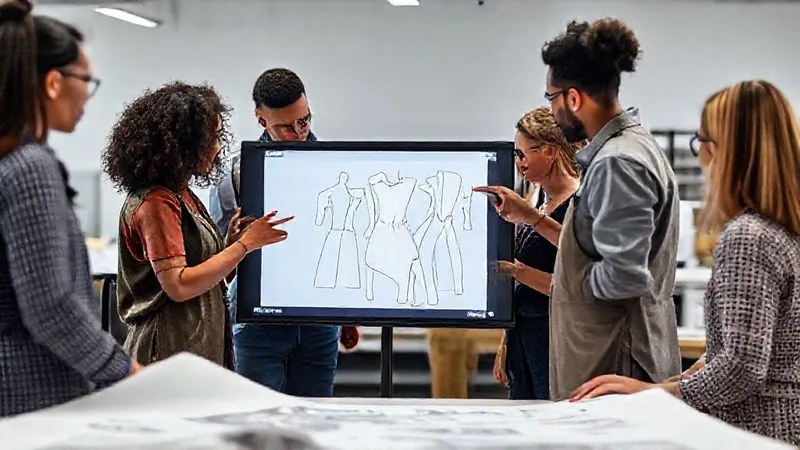
In my experience, a highly skilled and motivated team not only reduces errors and waste but also drives continuous improvement, which is essential for scaling efficiently. Their collective expertise becomes a powerful asset against inflating costs.
Measuring Impact & Iterating: The Path to Continuous Improvement
Scaling zero-waste fashion without inflating costs is not a one-time achievement; it's a continuous journey of measurement, analysis, and iteration. You can't manage what you don't measure, and this is especially true for waste and efficiency metrics.
Key Performance Indicators (KPIs) for Zero-Waste
Establish clear, measurable KPIs to track your progress and identify areas for improvement. These metrics provide objective data for decision-making.
- Material Utilization Rate (MUR): This is perhaps the most critical metric. Calculate the percentage of fabric (by weight or area) that ends up in a finished garment versus being discarded as waste. Aim for 95%+, ultimately striving for 100%.
- Waste Per Garment (WPG): Measure the amount of textile waste generated for each unit produced. Track this over time to identify trends and the impact of new strategies.
- Energy & Water Consumption Per Unit: Monitor the energy and water used in your production processes per garment. Reductions here directly translate to cost savings and environmental benefits.
- Defect Rate: A high defect rate means wasted materials and labor. Track defects and their root causes to implement corrective actions.
- Recycling/Upcycling Rate: For unavoidable scraps, measure the percentage that is successfully diverted from landfill through recycling or upcycling initiatives.
Data-Driven Decision Making & Feedback Loops
Collecting data is only the first step. The real value comes from analyzing it and using those insights to refine your processes.
- Regular Audits: Conduct regular waste audits to categorize and quantify different types of waste. This helps pinpoint specific areas where improvements are needed.
- Feedback Loops: Establish clear communication channels between design, pattern making, production, and even customer service. Feedback from one stage can inform and improve another. For example, production insights on cutting efficiency can inform future design decisions.
- Benchmarking: Compare your KPIs against industry best practices or your own historical data. This provides context for your performance and motivates continuous improvement.
By rigorously tracking these metrics and fostering a culture of continuous improvement, you create a dynamic system that constantly seeks out efficiencies and cost reductions. As McKinsey & Company often highlights in their sustainability reports, robust data analytics is crucial for driving sustainable transformation and unlocking economic value.
"Measurement is the compass of progress. Without precise data on waste and efficiency, scaling zero-waste fashion becomes a hopeful endeavor rather than a strategic triumph."
Frequently Asked Questions (FAQ)
Is zero-waste fashion only for small, niche brands? Absolutely not. While many pioneering zero-waste brands start small, the principles of material efficiency, lean production, and circularity are highly scalable and applicable to brands of all sizes. In fact, larger brands have the potential for even greater impact and cost savings due to their production volumes. The key is strategic implementation and investment in technology and skilled teams, as outlined in this guide.
What's the initial investment like for scaling zero-waste production? The initial investment can vary significantly depending on your current infrastructure. It might include advanced CAD software, automated cutting machines, new material sourcing strategies, and staff training. However, consider this an investment in future profitability and resilience. The long-term cost savings from reduced material waste, lower disposal fees, and enhanced brand value often far outweigh the upfront capital expenditure. Start with pilot programs and incremental changes to manage financial risk.
How do I convince my team or investors that zero-waste can be cost-effective? Focus on the tangible business benefits. Present a clear financial model demonstrating projected savings from reduced material consumption, waste disposal, and increased brand loyalty. Showcase case studies (like the fictional EcoStitch Apparel) or real-world examples of brands that have successfully scaled zero-waste. Emphasize that zero-waste is not just an ethical choice but a strategic imperative for long-term competitiveness and risk mitigation in a resource-constrained world. Data-driven projections are your strongest argument.
Can zero-waste fashion ever be truly "fast" or keep up with trends? The concept of 'fast fashion' is inherently at odds with zero-waste due to its reliance on rapid consumption and disposability. However, zero-waste principles can be applied to agile production. By leveraging digital design, 3D prototyping, and small-batch production, brands can respond to trends quickly without overproducing. The focus shifts from 'fast' (disposable) to 'responsive' (efficient, high-quality, and long-lasting), offering a more sustainable and ultimately more profitable approach to meeting consumer demand.
What's the biggest mistake companies make when trying to scale zero-waste? The biggest mistake I've observed is viewing zero-waste as an add-on or a marketing gimmick, rather than a fundamental shift in business strategy. Companies often try to bolt zero-waste practices onto existing wasteful systems instead of redesigning from the ground up. This leads to superficial changes, frustration, and inflated costs. True success comes from integrating zero-waste thinking into every aspect of the business – from design and sourcing to production, logistics, and end-of-life solutions.
Key Takeaways and Final Thoughts
Scaling zero-waste fashion production without inflating costs is not merely an aspiration; it is an achievable, economically sound business strategy. It demands a holistic approach, a commitment to innovation, and a willingness to challenge conventional fashion industry norms. The path is paved with intentional design, optimized processes, collaborative supply chains, smart technology adoption, circular business models, and an empowered workforce.
- Design is Paramount: Prioritize zero-waste pattern making and material selection from the very first sketch.
- Embrace Lean & Agile: Optimize production through demand forecasting, small batches, and efficient factory layouts.
- Collaborate Across the Chain: Build strong, waste-reducing partnerships with suppliers and explore closed-loop material systems.
- Leverage Technology: Invest in digital design, 3D prototyping, and automation for precision and efficiency.
- Adopt Circularity: Explore rental, repair, and resale models to extend product life and create new value streams.
- Empower Your Team: Train and engage your workforce to be active participants in waste reduction and innovation.
- Measure Everything: Use KPIs to track progress, identify bottlenecks, and drive continuous improvement.
The journey to scaling zero-waste fashion profitably is a transformative one. It requires vision, discipline, and a deep understanding that true sustainability is inextricably linked with operational excellence. By implementing these strategies, you're not just building a more responsible brand; you're building a more resilient, efficient, and ultimately more profitable business ready for the future of fashion. The time to act is now, transforming waste into value and challenge into opportunity.
Recommended Reading
- Unleash Your True Self: How to Develop a Unique Personal Street Style
- 5 Crucial Steps: Perfecting 3D Garment Fit to Match Physical Prototypes
- Client Pitch Crisis? 7 Ways to Banish Severe Razor Burn Fast
- Sell Fast: How to Accurately Price Your Pre-Owned Designer Handbag
- 7 Expert Steps: Preventing 19th-Century Lace Irreversible Damage?




Your email address will not be published. Required fields are marked *