

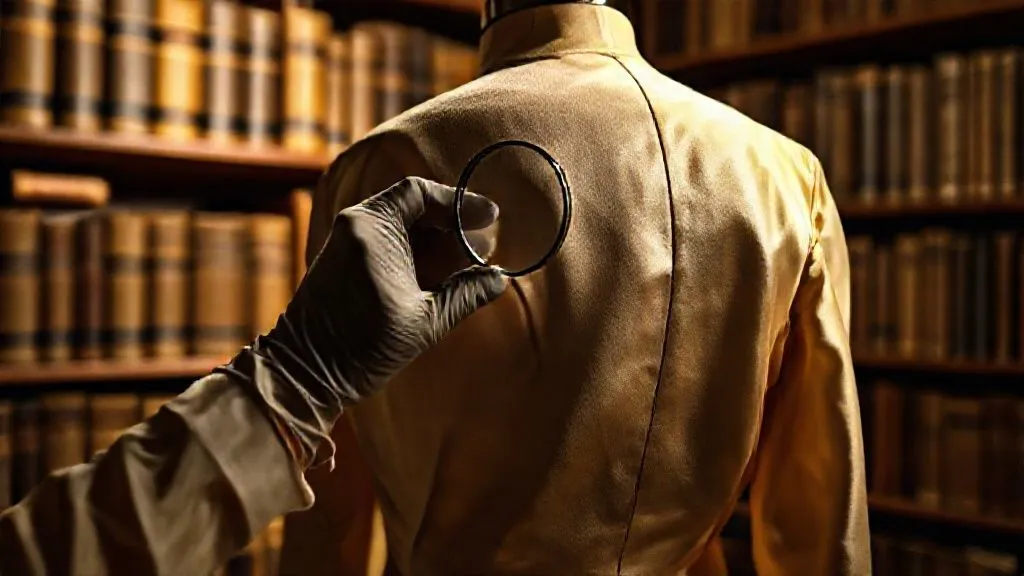
How to Verify Authenticity of Undocumented Vintage Haute Couture?
For over two decades in the vintage fashion world, I've encountered countless pieces that whisper tales of bygone eras, yet stubbornly refuse to reveal their full identity. The thrill of discovering a potentially significant garment is often matched only by the daunting challenge of proving its provenance, especially when traditional labels or documentation are absent. I've seen enthusiasts and seasoned collectors alike fall prey to convincing fakes or, conversely, dismiss genuine treasures simply because they lacked a clear paper trail.
The problem of authenticating undocumented vintage haute couture is a pervasive and complex one. In an industry where pedigree dictates value, a magnificent gown or impeccably tailored suit, however exquisite, remains a mystery without verifiable proof. This lack of documentation doesn't just impact monetary value; it erodes historical significance, preventing these masterpieces from taking their rightful place in fashion history.
In this definitive guide, I will share the multi-faceted framework I've developed and refined over years of hands-on experience. You'll learn not just what to look for, but *how* to approach each verification step with the meticulous eye of a seasoned expert. We'll delve into construction forensics, archival detective work, and even modern scientific techniques, providing you with actionable strategies to confidently verify the authenticity of undocumented vintage haute couture.
The Intricate Challenge of Undocumented Provenance
The very term "undocumented vintage haute couture" conjures images of forgotten masterpieces, perhaps discovered in dusty attics or passed down through generations without their original stories. Unlike ready-to-wear, haute couture was, and largely remains, a bespoke service for an exclusive clientele. Clients often requested customizations, removed labels for privacy, or simply lost accompanying documentation over time. Before the digital age, record-keeping was less standardized, and private sales meant limited public archives.
This absence of a clear lineage transforms authentication into a high-stakes puzzle. The inherent value of haute couture—its artistry, rarity, and historical importance—makes it a prime target for sophisticated counterfeits. Without labels, receipts, or celebrity provenance, we must rely on a deeper understanding of the craft itself. It requires a blend of historical knowledge, tactile expertise, and forensic investigation to discern the genuine article from an imitation.
"Authenticating undocumented vintage haute couture isn't just about identifying a designer; it's about reconstructing a lost narrative, piece by meticulous piece, through the language of fabric and stitch."
I. The Forensic Eye: Deconstructing Couture Construction
When labels are absent, the garment's construction becomes its most eloquent storyteller. Haute couture is defined by its unparalleled craftsmanship, often involving hundreds of hours of hand-work. This is where a true expert's eye can distinguish the extraordinary from the merely well-made.
Examining Interior Finishings and Hand-Stitching
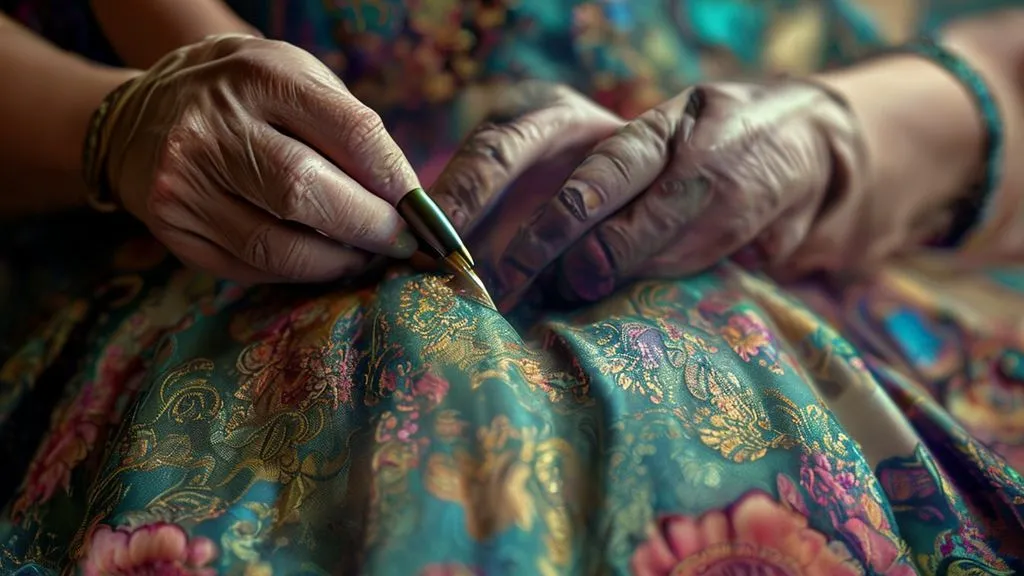
The inside of a haute couture garment is often as beautiful, if not more so, than the outside. Every seam, every lining, every hem tells a story of meticulous care. I've found that fakes, even good ones, often betray themselves with shortcuts on the interior, where they assume no one will look closely.
- Hand-Finished Seams: Look for impeccably hand-finished seams, such as Hong Kong seams (bound with bias tape), French seams, or fell seams. These should be consistent, even, and lie perfectly flat. Machine serging or simple raw edges are immediate red flags for genuine couture.
- Invisible Hems: Couture hems are typically hand-rolled or blind-stitched, appearing virtually invisible from the exterior. The stitches should be tiny, even, and spaced consistently.
- Lining Attachment: Linings are often hand-attached, especially at armholes, necklines, and waistbands, allowing for maximum flexibility and a smooth drape. There should be no visible machine stitching where the lining meets the outer fabric.
- Tailoring Details: For jackets and coats, examine shoulder pads (often custom-made and hand-tacked), canvas interlinings, and hand-padded lapels. These structural elements contribute to the garment's lasting shape and drape.
- Precision of Stitching: Regardless of the type of stitch, the consistency and perfection of each stitch are paramount. There should be no loose threads, uneven tension, or missed stitches.
Fabric Quality and Weave Analysis
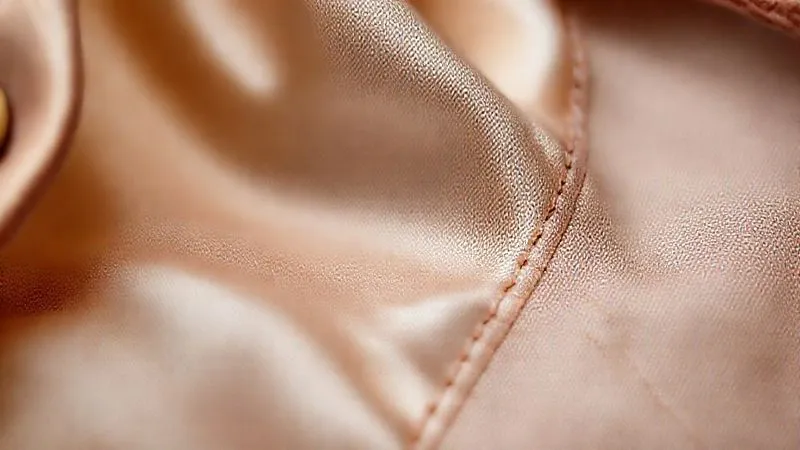
Haute couture designers had access to the finest, often custom-milled fabrics. These weren't simply off-the-rack materials; they were chosen for their exquisite hand, drape, and longevity. The tactile experience of a true couture fabric is often unmistakable.
I've learned to distinguish between generic silk and the lustrous, substantial feel of a couture-grade silk faille or brocade. The weight, the way it catches the light, and its resistance to wrinkling can all be indicators. Often, couture fabrics were woven with a higher thread count, using superior quality fibers, resulting in a density and drape that mass-produced garments simply cannot replicate. Furthermore, understanding the fabric trends of specific eras and designers is crucial. For instance, a heavy wool crepe might be characteristic of a 1950s Balenciaga, while a fluid bias-cut silk is a hallmark of 1930s Vionnet.
| Characteristic | Haute Couture | Ready-to-Wear (Vintage) |
|---|---|---|
| Hand-feel | Luxurious, substantial, unique drape | Variable, often lighter or stiffer |
| Fiber Quality | Finest natural fibers (e.g., silk, cashmere, fine wool), often custom-milled | Standard commercial grades, blends |
| Weave Density | High thread count, tightly woven, consistent | Lower thread count, looser weaves possible |
| Longevity/Durability | Designed to last generations with proper care | Good for its time, but less enduring |
Hardware and Embellishments: A Signature of the Era
Just like the fabric, the hardware—buttons, zippers, hooks—and embellishments are clues. Couture pieces often feature custom-made buttons, sometimes covered in the same fabric as the garment, or crafted from precious materials like mother-of-pearl, horn, or custom-designed metals. Zippers are particularly telling; early couture pieces would use brands like Talon, Eclair, or C&C, and their size, material (metal vs. plastic), and installation method must align with the period.
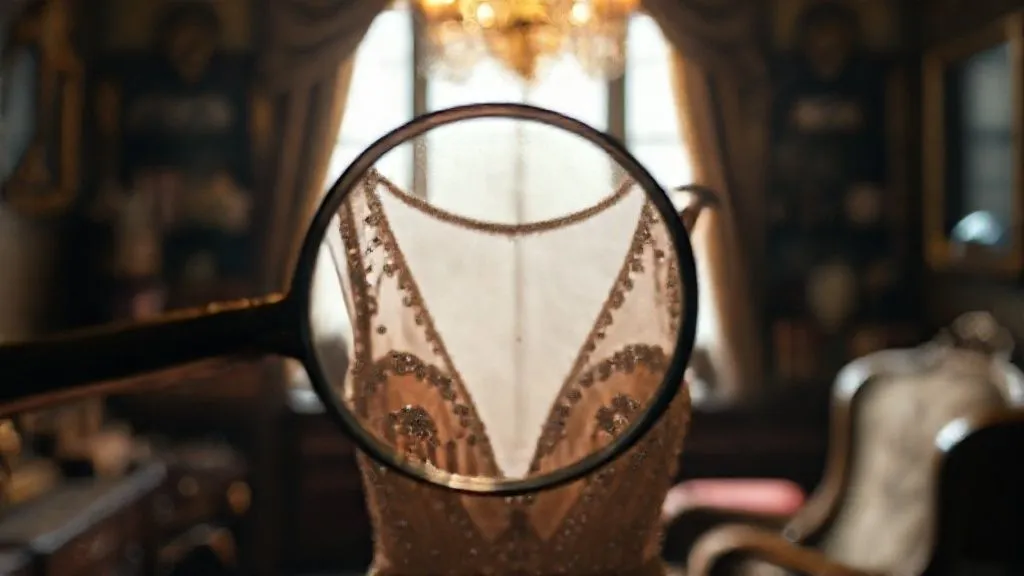
Embellishments like embroidery, beadwork, or appliques are almost always hand-applied with exquisite precision. There should be no glue residue, no uneven spacing, and the quality of the beads or sequins themselves should be high, often glass or natural materials rather than plastic.
II. The Archival Detective: Tracing Design Signatures and Eras
Beyond the physical garment, a deep dive into historical archives and design evolution is indispensable for how to verify authenticity of undocumented vintage haute couture.
Researching Designer's Signature Styles and Periods
Every haute couture designer had a distinct aesthetic and construction philosophy. Chanel's quilted tweeds, Dior's dramatic silhouettes, Schiaparelli's surrealist details, and Balenciaga's architectural forms are all instantly recognizable to the trained eye. Understanding these signature elements is crucial.
- Immerse Yourself in Designer Monographs: Collect and study books dedicated to specific designers. Pay attention to construction details, fabric choices, and common embellishments.
- Explore Museum Collections: Digital archives of major fashion museums are invaluable. The Metropolitan Museum of Art's Costume Institute, for instance, offers high-resolution images and detailed descriptions of thousands of haute couture pieces. Analyze how similar garments from known collections are constructed.
- Exhibition Catalogs: These often provide in-depth scholarly analysis and close-up photography of specific garments, highlighting unique features.
- Period Fashion Magazines: While less detailed on construction, magazines like Vogue or Harper's Bazaar from the era can provide context on popular silhouettes, fabrics, and designer trends.
Identifying Period-Specific Silhouettes and Details
Fashion evolves, and garments carry the stylistic DNA of their time. A keen understanding of fashion history, from the Roaring Twenties to the Space Age Sixties, allows you to date a piece, even without labels. The length of a skirt, the width of a shoulder, the placement of a waistline, or the type of closure can pinpoint a decade, sometimes even a specific year.
For example, a garment with a dropped waist and intricate beadwork might suggest the 1920s, while a sharply tailored suit with broad shoulders points to the 1940s. The transition from metal to plastic zippers, the evolution of synthetic fabrics, and the changing aesthetics of linings all provide chronological markers. This historical context is vital when you're trying to piece together the puzzle of an undocumented piece.
III. The Provenance Puzzle: Uncovering Hidden Histories
Sometimes, the greatest insights come from external sources and the collective wisdom of the vintage community.
Seeking Expert Opinions and Collaborative Verification
No single individual knows everything. I've always advocated for a collaborative approach. Reach out to reputable vintage dealers, auction house specialists, and independent appraisers who specialize in haute couture. Their combined experience and access to private archives can be invaluable. A professional appraiser with a background in fashion history can provide an objective assessment, often having seen similar pieces or possessing deep knowledge of a designer's oeuvre.
Organizations like the Appraisers Association of America can help you find certified experts in textile and fashion appraisal. Their insights can confirm or challenge your initial hypotheses, guiding you towards a more definitive conclusion regarding how to verify authenticity of undocumented vintage haute couture.
The Role of Textile Conservators and Restoration Experts
Textile conservators possess an intimate knowledge of fabrics, dyes, and construction techniques across different historical periods. They can identify specific fibers, analyze dye compositions, and even spot historical repairs or alterations that might offer clues about a garment's age or previous owners. Their expertise in material science and historical textile methods complements the fashion historian's eye, adding another layer of scientific rigor to the authentication process.
"The most challenging pieces of undocumented couture often require a multidisciplinary approach, uniting the eye of the historian, the hand of the conservator, and the network of the seasoned dealer."
IV. Advanced Techniques: Scientific and Digital Verification
Modern technology offers new avenues for authentication, particularly useful when traditional methods yield inconclusive results.
Utilizing UV Light and Microscopic Examination
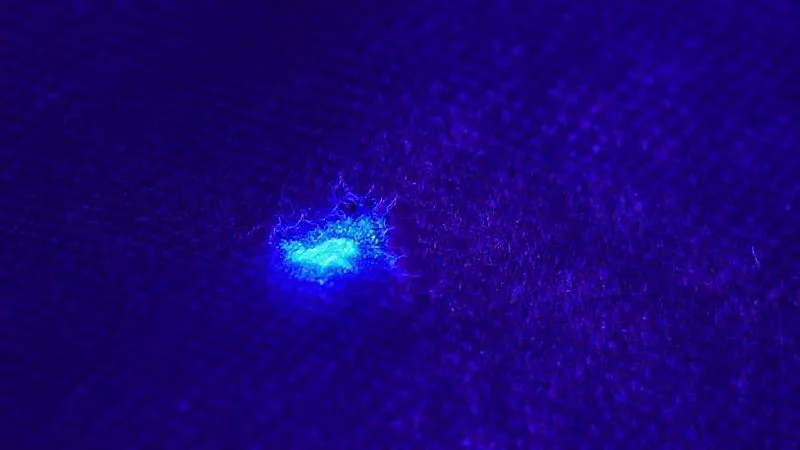
UV light can reveal details invisible to the naked eye. It can expose fabric repairs, alterations, or even the presence of modern dyes that fluoresce differently than older, natural dyes. Under UV light, certain older fabrics and threads might appear dull, while newer additions or repairs might glow brightly, indicating a later intervention. Microscopic examination allows for detailed analysis of fiber composition, weave structure, and thread count, providing objective data to compare against known couture standards of a particular era.
This level of forensic scrutiny can distinguish between a genuine antique fabric and a modern reproduction, or identify areas of restoration that might impact a garment's historical integrity. It's a powerful tool in how to verify authenticity of undocumented vintage haute couture.
Digital Archiving and Database Cross-Referencing
The digital age has opened up unprecedented access to information. Many museums, universities, and fashion institutions are digitizing their archives. Platforms like the FIDM Museum's digital collections or specialized fashion history databases allow researchers to cross-reference design elements, fabric patterns, and construction techniques against a vast repository of documented pieces. High-resolution images and detailed metadata can help identify subtle similarities that might link an undocumented piece to a known designer or collection.
Furthermore, specialized online forums and communities dedicated to vintage fashion can sometimes provide leads. While not authoritative sources themselves, they can point towards obscure references or individuals with niche expertise. Always verify information from these sources with reputable experts.
| Tool/Method | Application | Benefit | |
|---|---|---|---|
| Online Museum Databases | Cross-reference known couture pieces, high-res images, detailed descriptions. | Visual comparison, historical context. | |
| Academic Fashion Archives | Access scholarly articles, exhibition catalogs, and research papers. | In-depth expert analysis, specific design elements. | |
| Specialized Vintage Forums/Communities | Tap into collective knowledge, niche expertise, potential leads (with caution). | Crowdsourced insights, rare references. | |
| Textile Science Databases | Research historical fabric compositions, dye analysis, weave patterns. | Objective material verification, dating. | |
| Digital Pattern/Design Recognition | (Emerging tech) AI-powered tools to match design motifs or silhouettes. | Automated pattern matching, efficiency. | Developing |
V. Case Study: The Enigma of the "Lost" Vionnet Gown
How a Combination of Methods Revealed its True Identity
I recall a particularly challenging piece: a cream-colored silk gown from the 1930s, acquired from a private estate. It was stunning, with an ethereal drape and an unusual, almost sculptural bias cut, yet it bore no labels, no identifying marks whatsoever. Initial skepticism was high; could such a masterpiece truly be undocumented?
My first step was a forensic examination. The interior revealed exquisite hand-finishing—tiny, almost invisible prick stitches securing the bias seams, and a hand-rolled hem that seemed to melt into the fabric. The silk itself was of an extraordinary quality, heavy and fluid, characteristic of high-end materials from that era. These details immediately pointed away from mass production.
Next, I turned to archival research. The distinctive bias cut and the garment's almost architectural structure strongly suggested Madeleine Vionnet, known as the "Queen of the Bias Cut." I immersed myself in Vionnet's monographs and exhibition catalogs, focusing on her unique pattern-making and construction techniques. I found historical images of similar Vionnet gowns, particularly her innovative use of geometric shapes and a complete absence of corsetry, allowing the fabric to flow freely around the body. Her signature often lay in the cut itself, rather than overt embellishment or branding. Resources like the Victoria and Albert Museum's insights into Vionnet provided crucial context.
Finally, I consulted with a textile conservator and a vintage couture specialist. The conservator confirmed the age of the silk and the period-appropriate dyes, while the specialist, drawing on her vast experience, recognized the specific Vionnet construction quirks—how seams were strategically placed to enhance the bias, and the almost seamless integration of separate panels. Together, our combined findings created an undeniable case: this undocumented piece was, in fact, an authentic Madeleine Vionnet gown, a rare example of her genius that had simply slipped through the cracks of historical record. It was a testament to the power of meticulous investigation and collaborative expertise.
VI. The Ethical Imperative: Transparency and Due Diligence
As experts and collectors, we have a responsibility to uphold the integrity of the vintage fashion market. When dealing with undocumented haute couture, transparency is paramount. If, after exhaustive research, a piece's authenticity remains uncertain, it is vital to disclose this to potential buyers or institutions. Overstating provenance not only damages reputations but also undermines the historical record.
My philosophy has always been to prioritize diligent research over speculative claims. The true value of a vintage piece, especially haute couture, lies not just in its beauty but in its verifiable history. Upholding ethical standards ensures the market remains trustworthy and respects the legacies of the designers and artisans who created these masterpieces. As Forbes often highlights in discussions of ethical collecting, integrity is the cornerstone of any valuable market.
"In the absence of a label, our integrity in research and transparency in communication become the true hallmarks of authenticity."
VII. Avoiding Common Pitfalls: Red Flags and Counterfeit Clues
Even with a keen eye, it's easy to be swayed by a beautiful garment. Here are some critical red flags and counterfeit clues I've learned to watch for, especially when trying to verify authenticity of undocumented vintage haute couture:
- "Too Good to Be True" Pricing: Genuine haute couture, even undocumented, rarely comes cheaply. If the price seems suspiciously low for a potentially significant piece, proceed with extreme caution.
- Inconsistent Wear and Age: A truly old garment will show some signs of age, even if perfectly preserved. Watch for fabrics that appear too new, or an absence of the subtle patina that develops over decades. Conversely, artificially distressed fabric can also be a sign of deception.
- Modern Hardware or Stitching: A garment claiming to be from the 1930s with a modern plastic zipper, or machine-stitched buttonholes, is an immediate red flag. Hardware should always be era-appropriate.
- Imperfect Labels (if present): If a label is present but seems 'off'—wrong font, incorrect placement, or poor quality stitching—it could be a modern fake. Some fakes even use genuine vintage labels sewn into non-couture garments.
- Unusual Fabric Choices for the Designer/Era: While designers experimented, there were general boundaries. A 'Chanel' suit made from a fabric that Chanel never used, or a 1920s gown made from a fabric not invented until the 1950s, is a clear sign of inauthenticity.
- Lack of Internal Structure: Many couture garments, especially from earlier periods, relied on internal structures (canvassing, boning, unique linings) to achieve their silhouette. A flimsy construction for a structured design is suspicious.
Frequently Asked Questions (FAQ)
Q: What's the biggest mistake people make when trying to authenticate vintage couture? A: The most common mistake is relying on a single piece of evidence or a superficial assessment. Many assume a beautiful fabric or a hand-sewn detail automatically equates to haute couture. True authentication requires a holistic approach, meticulously examining every detail in context with historical knowledge and often, expert consultation. Over-reliance on personal 'gut feeling' without objective data is a significant pitfall.
Q: Can a piece be authentic haute couture without any labels at all? A: Absolutely, yes. Many haute couture pieces, especially from earlier periods or private commissions, never had labels, or they were removed by the original owner for discretion. Furthermore, custom alterations could sometimes lead to labels being removed. The absence of a label alone does not disqualify a piece; it simply means the authentication process becomes more reliant on construction, fabric quality, historical context, and expert opinion.
Q: How much does professional authentication typically cost? A: The cost of professional authentication can vary widely depending on the expert's reputation, the complexity of the piece, and the depth of research required. It can range from a few hundred dollars for an initial assessment to several thousands for comprehensive, documented reports, especially if scientific analysis is involved. Consider it an investment that protects the value and integrity of your collection.
Q: What role do modern technologies like blockchain play in future couture authentication? A: Blockchain technology holds immense promise for future couture authentication. By creating an immutable, decentralized ledger, it could permanently record a garment's provenance, including its creation details, ownership history, and even repair records. This would make it incredibly difficult to counterfeit or misrepresent a piece. While not yet widespread in vintage couture, its potential for transparent and secure documentation is revolutionary.
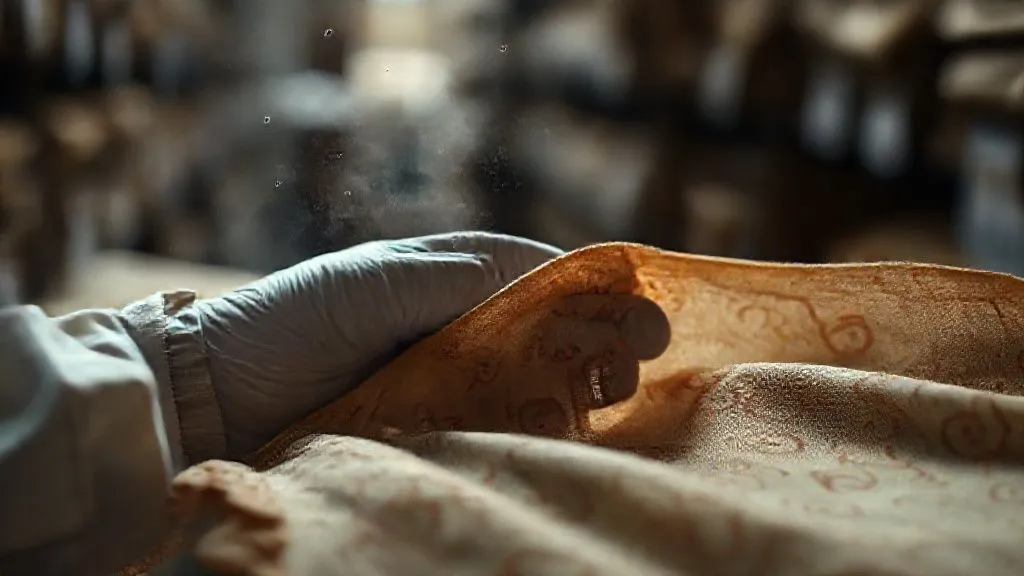
Q: How do I preserve a potentially authentic but undocumented piece while researching it? A: Preservation is crucial. Handle the garment with clean, gloved hands. Store it in a cool, dark, and dry environment, ideally in an archival garment bag made of breathable, acid-free material. Avoid hanging delicate pieces that could stretch; instead, store them flat. Do not attempt any cleaning or repairs yourself, as this could damage the garment or destroy valuable forensic clues. Consult a professional textile conservator for any preservation or restoration needs.
Key Takeaways and Final Thoughts
Verifying the authenticity of undocumented vintage haute couture is a journey of meticulous observation, historical deduction, and collaborative expertise. It's a challenging but deeply rewarding pursuit that connects us directly to the artistry and history of fashion.
- Embrace the Forensic Eye: The interior construction, fabric quality, and hardware are your primary witnesses.
- Become an Archival Detective: Immerse yourself in the signature styles, periods, and historical context of designers.
- Seek Expert Collaboration: Leverage the knowledge of appraisers, conservators, and experienced dealers.
- Utilize Modern Tools: Don't shy away from UV light, microscopy, or digital archives for deeper insights.
- Practice Ethical Due Diligence: Transparency and integrity are paramount in every step of the process.
Remember, every undocumented piece of haute couture is a potential treasure waiting for its story to be told. With patience, a critical eye, and the comprehensive strategies I've outlined, you can confidently navigate the complexities of authentication, safeguard these magnificent creations, and ensure their rightful place in the annals of fashion history. The journey is as enriching as the discovery itself.
Recommended Reading
- Sustainable Kids' Fashion: 7 Ways to Balance Affordability & Ethics
- 7 Proven Strategies: Turn Beauty Influencer Content into Direct Sales
- 5 Core Principles: Designing Durable & Stylish 'Grow-With-Me' Kids Clothes
- 7 Proven Strategies: How Fashion Bloggers Create Content That Sells?
- 7 Proven Ways to Stop Costume Jewelry Allergic Reactions & Irritation
Your email address will not be published. Required fields are marked *