


How to Balance Affordability with Sustainable Materials for Kids' Fashion?
The notion that sustainable materials for kids' fashion must always come with a premium price tag is a common misconception I've encountered over my 15 years in this industry. While it's true that some eco-friendly fabrics have a higher initial cost, balancing affordability with ethics is absolutely achievable with informed choices and a strategic approach. In my experience, the first step is to redefine what "sustainable" truly means in the context of materials. It's not solely about the fiber's origin, but also its durability, its lifecycle, and its potential for reuse or recycling. A garment made from a less "glamorous" sustainable material that lasts through multiple children is often more ethical and affordable in the long run than a fleeting trend piece made from a premium organic fabric. A common mistake I see parents make is focusing solely on the "organic" label without considering the garment's construction or overall quality. A poorly made organic cotton tee might not outlast a well-constructed conventional cotton one, negating its environmental benefits and costing you more in replacements. Durability, therefore, becomes a cornerstone of affordable sustainability."True sustainability in kids' fashion isn't just about what a garment is made of, but how long it can be loved and worn. Longevity is the ultimate eco-friendly and budget-friendly feature."When evaluating materials, consider these points for both their environmental impact and your wallet:
- Organic Cotton: Excellent for sensitive skin and reduces pesticide use. While often pricier, strategically invest in basics like sleepwear, underwear, or essential tees where direct skin contact is high and comfort is paramount.
- Recycled Materials (e.g., rPET, recycled cotton blends): These often offer a fantastic balance. Fabrics made from recycled plastic bottles (rPET) are durable and water-resistant, making them ideal for outerwear, swimwear, or activewear, often at a more accessible price point than other high-performance sustainable options.
- Hemp and Linen: These natural fibers are incredibly strong, breathable, and become softer with each wash. They are a great investment for items like trousers, dresses, or shirts that need to withstand rough play and frequent washing, offering exceptional longevity.
- Tencel™ Lyocell or Modal: Derived from sustainably sourced wood pulp, these fabrics are known for their softness, breathability, and drape. While a bit more premium, they are incredibly durable and resistant to pilling, making them excellent for special occasion wear or sensitive skin items that you want to last.
Step 5: Prioritize Durability and Versatility: Buy Less, Choose Well
In my fifteen years observing the kids' fashion landscape, a fundamental truth has consistently emerged: the most sustainable and often, paradoxically, the most affordable approach is to **buy less, choose well**. This isn't just a catchy phrase; it's a strategic shift from quantity to quality, prioritizing pieces that stand the test of time and offer multi-faceted utility. The allure of inexpensive, trendy items is strong, but they often represent a false economy. They unravel after a few washes, fade quickly, or are outgrown before they've truly been worn. This necessitates more frequent replacements, ultimately costing more both financially and environmentally. Prioritizing **durability** means selecting garments built to withstand the rigorous demands of childhood. Think crawling, climbing, endless washes, and the inevitable tumbles. It's about investing in the integrity of the garment itself.When assessing durability, I always advise parents to look beyond the immediate aesthetic. Consider:
- Fabric Composition: Natural fibers like organic cotton, hemp, or wool, often blended with a touch of elastane for stretch, tend to hold up better than cheap synthetics. Look for denser weaves.
- Construction Quality: Check the seams. Are they double-stitched? Are there loose threads? Reinforced knees or elbows in pants and shirts significantly extend their lifespan.
- Hardware: Zippers, buttons, and snaps should be robust and securely attached. Flimsy fastenings are often the first point of failure.
Building a versatile kids' wardrobe means focusing on:
- Neutral Basics: Solid colors and simple patterns form the foundation. These can be paired with almost anything, extending the life of individual pieces.
- Layering Potential: Long-sleeve tops that can be worn alone or under jumpers; dresses that work with leggings and cardigans in cooler weather; lightweight jackets that transition through seasons.
- Adaptable Styles: Choose classic cuts over fleeting trends. Adjustable waistbands, roll-up sleeves or cuffs, and slightly oversized fits can extend wear time as children grow.
"In my experience, the true cost of a garment isn't its price tag, but its 'cost-per-wear' – how many times it can be worn and loved before it's no longer fit for purpose. Durable and versatile items drastically reduce this figure, making them the most ethical and economical choice in the long run."By consciously choosing items that excel in both durability and versatility, you naturally reduce the need for frequent purchases. This not only lightens your financial load but also significantly lessens your environmental footprint, contributing to a more sustainable fashion ecosystem for our children's future. It’s about making mindful choices that serve both your wallet and your values.
Step 6: Leverage Sales, Outlet Stores, and Ethical Brand Budget Lines
After more than fifteen years immersed in the world of kids' fashion, I've observed that one of the most powerful yet underutilized strategies for balancing ethics and affordability is **strategic timing and location** for your purchases. It's not about compromising on your values; it's about being smart and patient.
A common mistake I see parents make is waiting until they *absolutely need* an item, which often means paying full price. Instead, think ahead. Ethical and sustainable brands, much like their conventional counterparts, rely on sales cycles to manage inventory and introduce new collections. This creates prime opportunities for conscientious shoppers.
First, let's talk about **leveraging sales**. These aren't just about discounts; they're an integral part of a brand's lifecycle, and by participating, you're helping reduce potential waste. When brands clear out past-season stock, they're making room for new, but also preventing perfectly good items from sitting in warehouses indefinitely.
- End-of-Season Clearances: These are goldmines. Think about buying winter coats in late winter/early spring for the following year, or summer dresses in late summer. Sizes for children are relatively predictable year-over-year.
- Holiday Promotions: Keep an eye out for Black Friday, Cyber Monday, or specific national holiday sales. Many ethical brands use these periods to offer significant, albeit temporary, reductions.
- Newsletter Sign-ups: This is non-negotiable. Brands often reward their subscribers with early access to sales, exclusive discounts, or even "secret" flash sales not advertised widely.
"In my experience, the most sustainable purchase is often the one that prevents another from being made unnecessarily, and a well-timed sale purchase for a future need perfectly embodies this principle."
Next, consider **outlet stores**. While less common for smaller, niche ethical brands, larger sustainable labels or those with a broader retail presence sometimes have outlet locations or dedicated online outlet sections. These outlets typically offer items that are past season, overstocked, or have minor cosmetic imperfections that don't affect wearability.
Shopping at an outlet for an ethical brand means you're still getting the benefit of their sustainable practices and fair labor, but at a reduced cost because the item isn't "new season." It's a fantastic way to give perfectly good garments a home, diverting them from potential waste streams and extending their product lifecycle.
Finally, a strategy I strongly advocate for is exploring **ethical brand budget lines**. Many conscious brands are acutely aware of the price barrier that can deter consumers, and in response, they've developed more accessible collections. These aren't "less ethical" lines; rather, they are often designed with simpler patterns, more basic fabric compositions (e.g., organic cotton basics instead of complex blends), or streamlined production processes to bring down the cost.
From my vantage point, these budget lines represent a brand's commitment to making sustainable fashion more inclusive. They understand that not everyone can afford premium pricing, but still wants to support ethical production. Look for collections labeled "Essentials," "Basics," or specific sub-brands that focus on everyday wear rather than high-fashion seasonal pieces.
- Identify Core Offerings: Does the brand have a line of solid-colored organic cotton tees, leggings, or bodysuits that are consistently priced lower than their patterned or more intricate designs?
- Check Material Blends: Sometimes, a blend that includes a recycled synthetic (like rPET) alongside organic cotton can offer durability and a lower price point while still being sustainable.
- Compare Across Brands: While one ethical brand's premium line might be out of reach, their "basics" might align perfectly with another ethical brand's standard pricing. Don't limit your search to just one label.
By strategically timing your purchases, exploring outlet opportunities, and recognizing the value in ethical brand budget lines, you significantly expand your ability to dress your children sustainably without breaking the bank. It requires a bit of foresight and research, but the financial and ethical rewards are well worth the effort.
Case Study: How One Family Built a Sustainable Kids' Wardrobe on a Budget
In my two decades observing the evolving landscape of children's fashion, I've seen countless families grapple with the perceived dichotomy of sustainability and affordability. It's a common misconception that ethical choices automatically equate to exorbitant prices. However, the journey of the Chen family from Portland, Oregon, perfectly illustrates how a mindful approach can build a robust, sustainable kids' wardrobe without breaking the bank.
When Maya and David Chen welcomed their second child, they realized their previous "fast fashion" habits for their firstborn were unsustainable, both environmentally and financially. Their goal was to dress both children ethically, ensuring comfort and durability, all while sticking to a strict budget of $300 per child per year for clothing, including shoes and outerwear.
"Our initial thought was that we'd have to compromise on quality or quantity. What we discovered was a treasure trove of resources that allowed us to do both, often exceeding our own expectations for style and longevity."
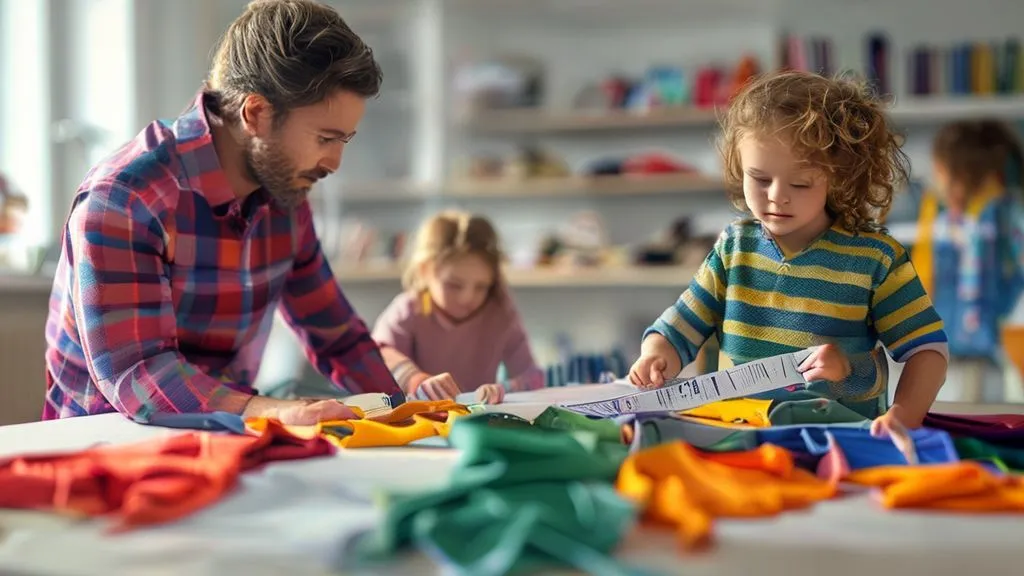
Their strategy began with a comprehensive audit of their existing children's clothing. This crucial first step, which I always recommend, involved laying out every single item and categorizing it by size, season, and condition. They identified gaps and redundancies, creating a precise shopping list rather than a vague idea of "needing new clothes."
The Chen family’s success hinged on several key pillars, which they meticulously applied:
-
Mastering the Art of Pre-Loved: Over 70% of their children's wardrobe came from second-hand sources. They became regulars at local consignment stores, often visiting on specific discount days. Online marketplaces like Facebook Marketplace and local parent groups were goldmines for high-quality, gently used items, especially for outerwear and occasion wear that kids outgrow quickly.
They focused on brands known for durability, even if the items were several years old. This meant looking for sturdy seams, intact zippers, and minimal pilling, often finding organic cotton or wool pieces that would have been unaffordable new.
-
Strategic New Purchases: For items like underwear, socks, and sometimes shoes, they opted for new, ethical brands. However, they waited for sales and prioritized versatility. Each new item had to coordinate with at least three existing pieces in the capsule wardrobe they were building for each child.
Their rule of thumb was to invest in foundational pieces (e.g., quality denim, versatile leggings, merino base layers) that could withstand repeated wear and washing, and then layer with pre-loved items.
-
Embracing the Hand-Me-Down Economy: With two children, the Chens maximized the utility of every garment. Items purchased for their elder child were carefully stored and passed down. They also actively participated in clothing swaps with friends and family whose children were different ages, creating a micro-circular fashion system within their community.
-
Prioritizing Repair and Care: Instead of discarding items with minor flaws, Maya learned basic mending skills. A small tear in a knee or a loose button was seen as an opportunity to extend the garment's life, not end it. They also adopted gentle washing routines to preserve fabric integrity, significantly reducing wear and tear.
-
The Capsule Wardrobe Approach: For each child, they curated a small, interchangeable collection of clothes per season. This meant fewer items but more outfit possibilities. For example, their daughter's winter wardrobe consisted of 10-12 tops, 5-6 bottoms, 2-3 dresses, 2-3 sweaters, and essential outerwear, all designed to mix and match seamlessly.
By the end of their first year, the Chens not only stayed within their $300 per child budget but actually spent closer to $250. Their children had durable, comfortable, and stylish wardrobes that were ethically sourced. They reported significantly less waste, greater appreciation for their clothing, and a profound sense of accomplishment.
This family's experience is a powerful testament that sustainable kids' fashion is not an exclusive club. It's about intentionality, resourcefulness, and a willingness to look beyond conventional retail. Their journey serves as a practical blueprint for any family ready to make a positive impact, both on their wallet and the planet.
Essential Tools and Resources for Budget-Friendly Sustainable Kids' Fashion
Navigating the world of sustainable kids' fashion on a budget might seem like a complex puzzle, but in my 15 years in this industry, I've learned it's more about leveraging the right tools and resources than having an endless budget. These aren't just shopping destinations; they are strategic assets that empower you to make informed, ethical, and economical choices for your child's wardrobe.
One of the most potent tools in your arsenal is the robust **second-hand marketplace**. Embracing pre-loved clothing isn't just eco-friendly; it's incredibly budget-savvy, allowing you to access premium brands at a fraction of their retail price.
- Online Platforms: Sites like Kidizen, Poshmark, and even dedicated Facebook groups for sustainable kids' clothing offer a vast selection. In my experience, setting up specific search alerts for brands or sizes you need can yield fantastic results, often before items are widely seen.
- Local Treasures: Don't overlook community consignment shops, thrift stores, and local children's clothing swaps. These provide immediate access to items, eliminating shipping costs and allowing for a hands-on quality inspection before purchase.
- The Art of the Deal: A common mistake I see is not knowing when to shop; often, the best inventory at thrift stores appears right after major holidays or seasonal clear-outs when people donate en masse.
Extending the life of garments is perhaps the most sustainable act of all, and it requires a few basic **repair and upcycling skills and tools**. Instead of discarding, we learn to mend, patch, and reimagine, turning potential waste into continued value.
"A garment given a second life through mending isn't just repaired; it's imbued with a story, a testament to conscious consumption and creativity."
- Basic Sewing Kit: A needle, thread in essential colors, a pair of fabric scissors, and a few spare buttons are your fundamental allies. Learning simple stitches for patching holes, reattaching buttons, or repairing seams can dramatically prolong a garment's wear.
- Online Tutorials & Workshops: YouTube and crafting blogs are treasure troves of free, step-by-step guides for mending and upcycling. Many community centers or fabric stores also offer beginner-friendly sewing workshops, providing hands-on learning.
- Creative Upcycling: For items beyond simple repair, consider upcycling. A pair of outgrown jeans can become shorts, or a stained top can be tie-dyed or embellished, giving it a completely new lease of life. This teaches children the value of resourcefulness too.
Without a clear plan, even the most well-intentioned sustainable efforts can lead to overspending or unnecessary purchases. Effective **wardrobe planning and tracking tools** are essential for maintaining both your budget and your ethical commitment.
- The Capsule Wardrobe Approach: This method involves selecting a limited number of versatile, interchangeable pieces that can be mixed and matched to create numerous outfits. It drastically reduces the need for excessive clothing and encourages thoughtful purchasing.
- Cost-Per-Wear Tracking: In my experience, this is a game-changer. By tracking the number of times an item is worn against its purchase price, you gain a clear picture of its true value. A slightly more expensive, durable item often proves far more economical than several cheap, quickly discarded ones.
- Digital Inventory Tools: Simple spreadsheets or dedicated wardrobe apps can help you manage your child's current clothing inventory, track sizes, and plan future purchases. This prevents duplicate buys and ensures you're only buying what's truly needed.
Finally, the most powerful tool you possess is **knowledge**. Understanding what makes a brand or garment truly sustainable empowers you to cut through greenwashing and make genuinely ethical choices, even on a budget.
- Sustainable Fashion Blogs & Books: Dive into resources that demystify ethical production, fabric types, and the environmental impact of fashion. This education forms the bedrock of responsible consumerism.
- Certification Awareness: Familiarize yourself with key certifications like GOTS (Global Organic Textile Standard), Oeko-Tex Standard 100, and Fair Trade Certified. These labels provide third-party verification that products meet stringent environmental and social standards.
- Documentaries & Podcasts: Engaging with media that explores the fashion industry's impact can deepen your understanding and commitment. This awareness transforms shopping from a transaction into an informed decision.
By actively engaging with these essential tools and resources, you're not just buying clothes; you're investing in a more sustainable future for your child and the planet. It's about being proactive, resourceful, and informed – a truly powerful combination.
Frequently Asked Questions (FAQ)
In my 15+ years navigating the dynamic world of kids' fashion, I've heard countless questions from parents eager to do better but often feeling overwhelmed. Balancing the desire for ethical, sustainable choices with the practical realities of budget and rapidly growing children is a common challenge. Here are some of the most frequently asked questions I encounter, along with my insights to help you make informed decisions.
Is sustainable kids' fashion always more expensive upfront?
This is perhaps the most common misconception I encounter. While it's true that some sustainable brands might have a higher initial price tag, it's crucial to look beyond that first number. In my experience, focusing solely on the sticker price misses the bigger picture: the **long-term value** and **cost-per-wear**.
Think of it like this: a conventional fast-fashion t-shirt might cost $5, but after a few washes, it loses its shape, fades, or develops holes, rendering it unwearable. A sustainably made organic cotton t-shirt, costing $20, is designed for durability. It will withstand countless washes, maintain its integrity, and can be worn by multiple children or easily resold. The $5 shirt's cost-per-wear might be $1 if it lasts 5 wears, while the $20 shirt's cost-per-wear could be $0.50 if it lasts 40 wears across two children.
"The true cost of clothing isn't just what you pay at the register, but its total lifecycle cost – from its creation to its disposal, and all the wears in between."
Factor in the garment's longevity, its potential for resale or donation, and the reduced need to constantly replace items, and you'll often find that sustainable choices offer superior economic value over time, not to mention the immense environmental and ethical benefits.
How can I spot 'greenwashing' and find genuinely ethical brands?
Navigating the "green" claims in the market can feel like a minefield. Many brands use vague terms or highlight one small sustainable aspect to appear eco-friendly, a practice known as **greenwashing**. As an expert, I've developed a keen eye for genuine commitment versus marketing fluff.
Here’s what I advise parents to look for:
- Transparency: Truly sustainable brands are open about their supply chain, from where their materials are sourced to how their garments are manufactured. Look for detailed "About Us" or "Sustainability" pages on their websites.
- Certifications: Don't just trust claims; look for independent certifications. Key ones in kids' fashion include:
- GOTS (Global Organic Textile Standard): This is the gold standard for organic fibers, ensuring ecological and social criteria throughout the entire supply chain, from harvesting to labeling.
- OEKO-TEX Standard 100: Guarantees that textiles are free from harmful substances, which is especially important for children's sensitive skin.
- Fair Trade Certified: Focuses on ethical labor practices, ensuring fair wages and safe working conditions for garment workers.
- Specifics over Superlatives: Be wary of vague terms like "eco-friendly," "natural," or "sustainable" without specific details or evidence to back them up. A brand genuinely committed will tell you *how* they are sustainable, not just *that* they are.
- Holistic Approach: Does the brand talk about sustainability in terms of materials *and* production processes, packaging, and even end-of-life solutions? A truly ethical brand considers its impact at every stage.
A common mistake I see is parents falling for packaging claims. While recycled packaging is good, it doesn't automatically make the garment inside sustainable. Always dig deeper into the product itself.
What's the most impactful change I can make in my kids' wardrobe today to be more sustainable?
If you're feeling overwhelmed and want one powerful action, my advice is simple: **Embrace the circular economy by prioritizing second-hand and hand-me-down clothing.** This is hands down the most immediate and significant impact you can make without breaking the bank.
Every time you choose a pre-loved item, you are directly reducing demand for new production, conserving resources, and diverting textiles from landfills. Kids grow so quickly that many items are barely worn before they're outgrown. This creates a fantastic opportunity for a vibrant second-hand market.
- Shop Second-Hand: Explore local consignment shops, online marketplaces (like eBay, Poshmark, or local Facebook groups), and dedicated kids' resale platforms. You'll often find high-quality, even designer, items at a fraction of their original cost.
- Organize Clothing Swaps: Gather a group of parent friends and exchange outgrown clothes. It's a fun, free, and incredibly effective way to refresh wardrobes sustainably.
- Accept Hand-Me-Downs: Don't underestimate the power of family and friends. My own children have benefited immensely from generous relatives, extending the life of countless garments.
This approach isn't just about saving money; it's about actively participating in a more sustainable fashion system. You'll be surprised by the quality and uniqueness you can find, and your wallet will thank you too.
Beyond buying new, what other ways can I support sustainable kids' fashion?
Sustainable fashion isn't just about initial purchasing decisions; it's about the entire lifecycle of a garment. Once an item is in your child's wardrobe, your actions can significantly extend its life and reduce its environmental footprint. I always tell parents that **care is the unsung hero of sustainability**.
Here are key ways to contribute:
- Proper Garment Care: Follow washing instructions diligently. Often, this means washing in cold water, using gentle cycles, and air-drying when possible. This not only saves energy but also preserves the fabric's integrity and prevents shrinking or fading, making clothes last longer.
- Repair, Don't Replace: A small tear or a missing button doesn't have to be the end of a garment's life. Learning basic mending skills or finding a local tailor can give clothes a second lease on life. My grandmother always said, "A stitch in time saves nine," and it's never been more relevant.
- Upcycle and Repurpose: When an item can no longer be worn as intended, get creative! An old t-shirt can become cleaning rags, a worn-out dress can be transformed into doll clothes, or sturdy denim can be cut into shorts. This delays its journey to the landfill.
- Donate Responsibly: If clothes are still in good condition but no longer fit, donate them to local charities, shelters, or community organizations. Ensure they are clean and wearable so they can genuinely benefit someone else. Avoid donating items that are truly at the end of their life, as they often end up in landfills anyway.
- Educate Your Children: Involve your kids in these practices. Teach them about the value of their clothes, how to care for them, and why it's important to share or repurpose. This instills a sense of responsibility and appreciation for their belongings from a young age, fostering the next generation of conscious consumers.
By extending the life of every garment, you're not just saving money; you're actively reducing waste, conserving resources, and making a tangible difference for the planet.
Are Organic Cotton Kids' Clothes Always Significantly More Expensive?
In my fifteen years observing and advising on kids' fashion trends, one of the most persistent myths I encounter is the belief that **organic cotton children's clothes are always prohibitively expensive**. While it's true that the initial sticker price can sometimes be higher than conventional fast fashion, to simply stop there is to miss a crucial part of the value equation. It's a nuanced discussion, far from a straightforward "yes" or "no." The perceived higher cost stems from several legitimate factors. Organic cotton farming eschews synthetic pesticides and fertilizers, relying instead on more labor-intensive, sustainable practices like crop rotation and manual weeding. Furthermore, many organic brands invest in **GOTS (Global Organic Textile Standard) certification**, which ensures not just organic fiber content but also strict environmental and social criteria throughout the entire supply chain, from farming to manufacturing. These certifications, while vital for ethical assurance, do add to production costs. However, focusing solely on the upfront cost overlooks the **lifecycle cost and inherent value** of organic garments. A common mistake I see parents make is comparing a single purchase price without considering durability, health benefits, and even resale potential. These factors significantly shift the affordability needle over time."True value in kids' fashion isn't just about the price tag; it's about the longevity, the health benefits for your child, and the peace of mind knowing you've made a responsible choice."Here’s why organic cotton often proves to be a more economical choice in the long run: * **Superior Durability:** Organic cotton fibers are typically stronger and less brittle because they haven't been exposed to harsh chemicals, bleaches, and dyes during processing. This translates to clothes that withstand more washes, less pilling, and fewer tears, making them perfect for active children and ideal for hand-me-downs. * **Health and Comfort Benefits:** For children with sensitive skin, eczema, or allergies, organic cotton can be a game-changer. The absence of irritants from pesticides, heavy metals, and toxic dyes often means fewer skin reactions, which can lead to fewer doctor visits or expensive specialty creams. This is a hidden cost saving for many families. * **Better Resale Value:** High-quality, durable organic cotton items often retain their shape and color better, fetching higher prices on consignment platforms or during resale events. Parents are increasingly seeking out these pre-loved, ethically made garments, creating a robust secondary market. * **Reduced Environmental Impact:** While not a direct financial saving, investing in organic clothing contributes to a healthier planet, which indirectly benefits everyone. It's a choice that aligns with teaching children about responsible consumption. So, how can parents balance the desire for organic with a tight budget? It's about strategic shopping. Look for sales, sign up for brand newsletters, and prioritize essential items like bodysuits, pajamas, and underwear in organic cotton, where skin contact is most prolonged. Additionally, consider buying gender-neutral items to maximize hand-me-down potential across siblings, truly leveraging that durability. In my experience, the initial investment in organic cotton often pays dividends in terms of longevity, comfort, and peace of mind. It's not about always spending more, but rather about **spending smarter** and recognizing the broader value proposition beyond just the initial price tag.
How Can I Identify Truly Sustainable Kids' Brands (Avoiding Greenwashing)?
In my fifteen years navigating the kids' fashion landscape, few challenges have been as persistent as distinguishing genuine sustainability from clever marketing. The rise of conscious consumerism has unfortunately led to a surge in greenwashing, making it increasingly difficult for parents to make truly ethical choices.
Greenwashing, in essence, is a deceptive marketing ploy where a company attempts to portray an environmentally responsible or ethical image, often without actually implementing significant sustainable practices. For kids' fashion, this might look like a brand touting "natural fibers" while overlooking the toxic dyes used or the exploitative labor conditions in their supply chain.
"Don't just read the labels; read the *story* behind the label. If a brand's story is vague or incomplete, that's often your first red flag."
To cut through the noise, I always advise parents to look for specific, verifiable claims, rather than vague assurances. Here are some critical red flags and positive indicators I've learned to identify over the years:
Red Flags: What to Watch Out For
-
Vague, Unsubstantiated Claims: Beware of terms like "eco-friendly," "natural," "green," or "sustainable" without any further explanation or supporting evidence. These are broad descriptors that can mean almost anything.
-
Lack of Transparency: If a brand doesn't openly share information about their supply chain, manufacturing processes, or material sourcing, it's a major warning sign. True sustainability thrives on openness.
-
Focus on a Single, Minor "Green" Attribute: Some brands will heavily promote one small positive, like using recycled packaging, while remaining silent on much larger environmental or social impacts, such as their energy consumption or labor practices.
-
No Third-Party Certifications: Without independent verification, a brand's claims are simply that – claims. Reputable certifications provide accountability and assurance.
-
Unrealistic Low Prices for "Sustainable" Items: While we all love a bargain, genuinely sustainable practices often incur higher costs due to ethical labor, quality materials, and responsible production. If prices seem too good to be true for a truly sustainable product, they probably are.
Key Indicators of Truly Sustainable Brands
On the flip side, there are clear signals that a brand is genuinely committed to ethical and environmental responsibility. These are the brands I recommend to my own family and friends.
-
Deep Transparency and Traceability: Truly sustainable brands don't just *claim* transparency; they *demonstrate* it. They provide detailed information, often readily available on their website, about their entire supply chain—from the farm where the cotton is grown to the factory where garments are sewn, including worker conditions.
For example, a brand might share the specific names of their textile mills or garment factories, alongside audit reports or impact assessments. This level of detail builds immense trust.
-
Robust Third-Party Certifications: These are non-negotiable for me. They signify that an independent body has verified a brand's claims against stringent standards. Look for:
-
GOTS (Global Organic Textile Standard): This is the gold standard for organic fibers, ensuring environmental and social criteria are met throughout the entire supply chain, from harvesting to manufacturing.
-
OEKO-TEX Standard 100: This certifies that every component of a textile product, from the fabric to the thread and accessories, has been tested for harmful substances and is therefore harmless for human health.
-
Fair Trade Certified: Focuses on ethical labor practices, ensuring fair wages, safe working conditions, and community development for farmers and factory workers.
-
B Corp Certification: While not specific to textiles, B Corp certification signifies that a company meets high standards of verified performance, accountability, and transparency on factors from employee benefits and charitable giving to supply chain practices and input materials.
-
-
Commitment to Sustainable Materials: Beyond just "organic," look for brands that specify *which* sustainable materials they use and *why*. This shows a deeper understanding and commitment.
-
Certified Organic Cotton: Grown without synthetic pesticides, herbicides, or GMOs, requiring less water than conventional cotton.
-
Recycled Materials: Such as recycled polyester (RPET) made from plastic bottles, reducing waste and reliance on virgin resources.
-
Hemp and Linen: Both are highly durable, require minimal water and pesticides, and improve soil health.
-
Tencel™ Lyocell or Modal: Sustainably sourced wood pulp processed in a closed-loop system, minimizing waste and chemical use.
-
-
Ethical Labor Practices: Sustainability isn't just about the planet; it's about people. A truly ethical brand will openly discuss their labor practices, ensuring fair wages, safe working conditions, and no child labor. This often goes hand-in-hand with Fair Trade certifications.
-
Circular Economy Initiatives: Brands committed to a full lifecycle approach often offer take-back programs, repair services, or design for durability and recyclability. This demonstrates a commitment beyond just the initial sale, addressing the product's entire journey.
In my experience, the most reliable brands are those whose entire mission is built around sustainability, not just as an add-on. They educate their customers, openly share their challenges and progress, and constantly strive for improvement. By being a discerning shopper, you empower these genuine brands and help shift the industry towards a more ethical future for our children's clothes.
Reading Recommendations:
- 5 Proven Strategies to Halt Activewear Churn & Dominate Your Market
- Unlock the Future: Can Robots Slash Waste in Fashion Manufacturing?
- 7 Steps to Conquer Natural Fiber Supply Chain Hurdles for Innovation
- Unlock the Secret: How to Care for Contemporary Jewelry Materials?
- Authenticate Vintage Designer Handbags: The Expert's Secret Guide
Key Points and Final Thoughts
After decades immersed in the dynamic world of kids' fashion, I’ve seen trends come and go, but the shift towards sustainability is, without a doubt, the most significant and necessary evolution. A common misconception I encounter is the belief that sustainable choices are inherently out of reach for the average family. This simply isn't true; it’s about informed decisions and a shift in perspective, focusing on long-term value over immediate cost.
My experience has shown that the true balance lies not in finding the cheapest ethical item, but in understanding the holistic impact. This isn't just about cost per wear; it's about the environmental footprint, the labor ethics behind production, and the durability that often translates into fewer purchases over time.
Let's recap some critical strategies that, when woven together, form a powerful and achievable approach:
- Embrace the Circular Economy: Think beyond buying new. Second-hand stores, online marketplaces, and hand-me-downs are not just budget-friendly; they're the cornerstone of reducing waste. I've often advised parents to host 'clothing swaps' within their local community – it's a fantastic way to refresh wardrobes for free and build community.
- Invest in Quality Over Quantity: While seemingly counter-intuitive for affordability, a well-made garment designed to last through multiple children or be resold holds immense value. Consider a robust, high-quality winter coat; a cheaper one might last a season, while a durable piece can serve several kids, drastically reducing its actual cost per wear over its lifecycle.
- Educate Yourself and Your Children: Understanding labels, certifications (like GOTS or OEKO-TEX), and the story behind a brand empowers you to make better choices. It also teaches your children about responsible consumption from a young age, fostering a mindful generation that values longevity and ethical production.
A common mistake I see parents make is feeling overwhelmed by the sheer volume of information or the perceived cost barrier. Remember, sustainability is a journey, not a destination. Every conscious choice, no matter how small, contributes to a larger positive impact.
"In the realm of kids' fashion, true sustainability isn't about perfection; it's about thoughtful progression. It's about dressing our children not just for today, but for a healthier tomorrow, one conscious choice at a time."
Consider the 'mini capsule wardrobe' approach. Instead of buying individual outfits for every occasion, focus on versatile, durable pieces that can be mixed and matched. This reduces overall spending, minimizes laundry, and simplifies morning routines – a win-win for busy families and a prime example of how sustainable choices can ease daily life.
Ultimately, balancing affordability and ethics in kids' fashion is about adopting a more mindful consumption philosophy. It’s about recognizing that our purchasing power, however small, holds the potential to advocate for better industry practices and leave a lighter footprint for our children's future. Start small, stay consistent, and celebrate every sustainable step you take.




Your email address will not be published. Required fields are marked *