

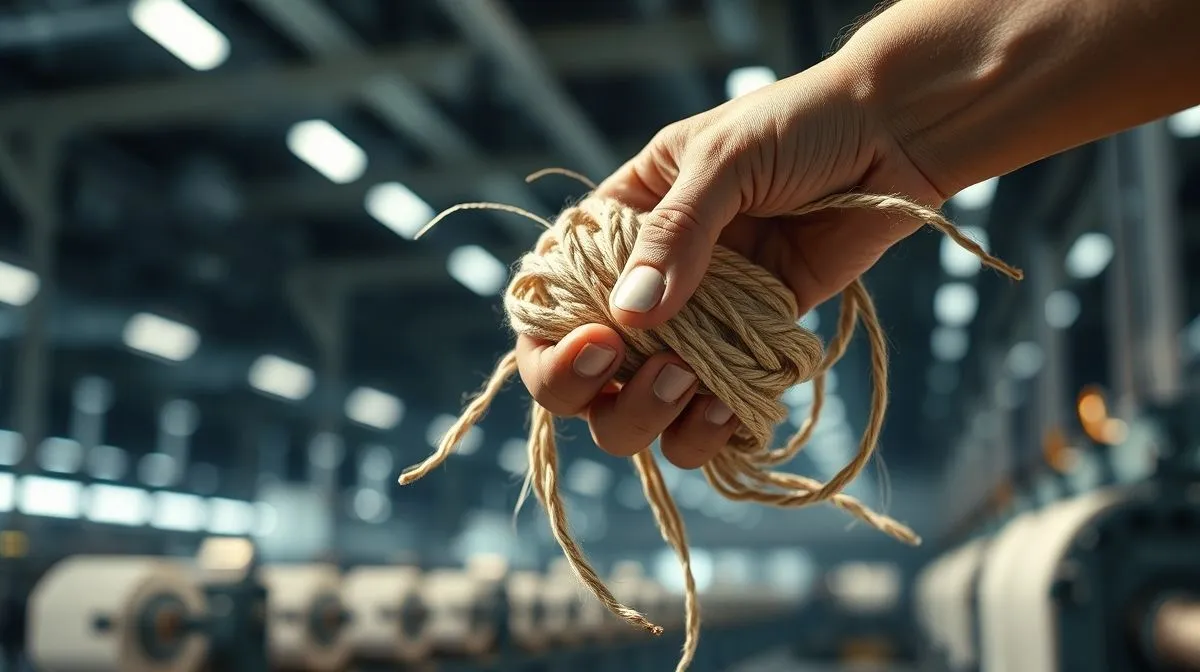
How to overcome supply chain hurdles for innovative natural fibers?
For over two decades in the textile innovation landscape, I've witnessed the exhilarating rise of natural fibers – from organic cotton to cutting-edge mycelium and algae-based materials. I remember the early days, full of unbridled optimism about a greener future. Yet, I've also seen brilliant innovations stumble, not due to lack of vision or product quality, but because they couldn't reliably get their unique materials from source to consumer. The promise of sustainability often collided with the harsh realities of a global, often opaque, supply chain.
The pain points are familiar: unpredictable raw material supply, lack of specialized processing infrastructure, complex logistics, traceability nightmares, and the sheer cost of scaling truly sustainable practices. You've poured your heart into developing a revolutionary fiber, only to find yourself entangled in a web of logistical bottlenecks and ethical dilemmas. This isn't just a minor inconvenience; it can be the difference between a groundbreaking success and a forgotten dream, eroding consumer trust and investor confidence.
But here's the good news: these hurdles, while formidable, are not insurmountable. Drawing from my extensive experience and the insights of industry leaders, I've distilled a powerful framework for not just navigating, but truly mastering, the supply chain for innovative natural fibers. In this definitive guide, you'll learn actionable strategies, supported by real-world examples and expert insights, to build a resilient, transparent, and efficient supply chain that empowers your innovation rather than hindering it.
Understanding the Unique DNA of Natural Fiber Supply Chains
Before we dive into solutions, it's crucial to understand why natural fiber supply chains present a distinct set of challenges compared to their synthetic counterparts. They are inherently tied to biology, geography, and often, small-scale agriculture, making them susceptible to factors outside conventional industrial control.
From Farm to Fabric: The Multi-Layered Complexity
Consider the journey of a natural fiber. It begins with a plant or organism, influenced by climate, soil, and human cultivation. It then moves through harvesting, initial processing (like ginning or retting), spinning, weaving or knitting, dyeing, finishing, and finally, garment manufacturing. Each step introduces potential vulnerabilities.
- Raw Material Variability: Unlike petroleum-based synthetics, natural fibers exhibit inherent variability in quality, yield, and availability due to weather, pests, and farming practices.
- Geographic Concentration: Specific natural fibers often originate from concentrated regions, creating single points of failure.
- Lack of Specialized Infrastructure: Innovative natural fibers, especially emerging ones, often lack dedicated processing facilities, forcing reliance on outdated or generic machinery.
- Ethical and Environmental Sensitivities: The demand for transparency regarding labor practices, land use, and water consumption adds layers of complexity and scrutiny.
Strategy 1: Cultivating Deep-Rooted Supplier Relationships
In my experience, the foundation of a robust natural fiber supply chain isn't just about contracts; it's about genuine partnerships. Moving beyond transactional relationships to true collaboration is paramount for long-term stability and shared innovation, especially when dealing with novel materials.
The Power of Direct Sourcing & Partnership Agreements
Direct sourcing, wherever feasible, allows for greater control, better communication, and often, fairer prices for growers. It fosters a sense of shared destiny. This is where you truly learn how to overcome supply chain hurdles for innovative natural fibers by building trust from the ground up.
- Identify Key Partners: Don't just look for a supplier; seek out partners who share your values regarding sustainability and innovation. Engage in thorough due diligence on their practices and capabilities.
- Negotiate Long-Term Contracts: Offer multi-year agreements to provide stability and incentive for your suppliers to invest in quality and innovation. This also helps secure your future supply.
- Provide Technical Support: Share your expertise or even invest in improving their farming or initial processing techniques. This can lead to better quality fibers and more efficient yields, benefiting both parties.
- Co-Invest in R&D: If your fiber is truly innovative, collaborate on research and development at the raw material stage. This could involve developing new cultivation methods or processing techniques that are mutually beneficial.
"In the world of natural fibers, your suppliers aren't just vendors; they're your co-innovators and risk-sharing partners. Treat them as such, and you'll build resilience."
As Harvard Business Review often highlights, strong supplier relationships are a cornerstone of competitive advantage, particularly in complex and evolving sectors like sustainable textiles. It's about creating a win-win ecosystem.
Strategy 2: Leveraging Technology for Unprecedented Transparency
The 'black box' problem – not knowing exactly where your materials come from or how they were processed – is a major hurdle for innovative natural fibers, especially for brands built on sustainability claims. Technology offers the most potent solution to this.
Blockchain and Beyond: Tracing Every Thread
Implementing robust traceability systems isn't just about compliance; it's about building consumer trust and identifying inefficiencies. From the farm gate to the finished product, every step can be digitally recorded and verified. This is a critical component of learning how to overcome supply chain hurdles for innovative natural fibers, as it directly addresses issues of authenticity and ethical sourcing.
- Pilot Blockchain Solutions: Start small. Implement blockchain for a specific batch or product line to track the fiber's journey. This distributed ledger technology provides an immutable record, preventing tampering.
- Utilize RFID/NFC Tagging: For higher-value or sensitive materials, embed RFID or NFC tags at key stages to provide real-time location and status updates.
- Implement Digital Platforms for Data Sharing: Use cloud-based platforms that allow all supply chain partners to input and access relevant data, from harvest dates and quality reports to processing conditions and certification details.
- Integrate with ERP Systems: Ensure your traceability data feeds directly into your Enterprise Resource Planning (ERP) system for comprehensive inventory management and demand forecasting.
Case Study: Bio-Weave's Traceability Transformation
Bio-Weave, a startup focusing on algae-based fibers for performance wear, struggled with proving their sustainable claims beyond marketing. Investors and consumers demanded verifiable proof of their minimal environmental footprint. By implementing a blockchain ledger for their raw material sourcing (algae farms) and initial processing (dehydration and extrusion), they not only achieved full transparency from spore to yarn but also identified a bottleneck in their drying process, reducing energy consumption by 15% through optimized scheduling. This transparency allowed them to secure a significant investment round and gain a loyal customer base, demonstrating a powerful example of how to overcome supply chain hurdles for innovative natural fibers through tech-driven solutions.
Leading consulting firms, such as Deloitte, consistently emphasize the transformative power of digital supply networks for resilience and visibility.
Strategy 3: Building Regional Hubs and Decentralized Networks
Over-reliance on centralized, distant processing facilities or single-origin raw material sources creates vulnerability. Diversifying and regionalizing parts of your supply chain can significantly reduce lead times, carbon footprint, and geopolitical risks.
The Hub-and-Spoke Model for Resilient Sourcing
Think of a network of smaller, strategically located processing hubs rather than one mega-facility. This decentralization minimizes the impact of disruptions in any single location and brings production closer to raw material sources or consumer markets.
- Identify Regional Clusters: Look for areas where your innovative natural fiber can be grown or sourced, and where there's potential to develop localized processing capabilities.
- Co-Invest in Local Infrastructure: Partner with local communities, governments, or other businesses to establish small-scale processing units (e.g., retting facilities for bast fibers, spinning mills for short-staple fibers).
- Develop Multi-Source Strategies: Even if your primary source is robust, always have secondary and tertiary sourcing options in different geographical regions to mitigate climate-related or geopolitical risks.
- Optimize Logistics for Regional Flow: Design your logistics to support shorter, more frequent regional transfers, reducing reliance on lengthy international shipping lanes.
Strategy 4: Innovating Beyond the Fiber: Processing & Infrastructure
It's not enough to invent a new natural fiber; the entire ecosystem supporting its transformation must evolve. Many innovative fibers struggle because existing processing machinery isn't optimized for their unique properties, or the infrastructure for sustainable processing is non-existent.
Investing in Green Processing Technologies
Traditional textile processing is resource-intensive. For innovative natural fibers to truly be sustainable, their processing must align with their inherent eco-friendliness.
- Low-Impact Dyeing & Finishing: Explore and invest in technologies like supercritical CO2 dyeing, natural dyes, or waterless finishing techniques that are compatible with your fiber.
- Closed-Loop Systems: For fibers requiring chemical processing (e.g., regenerated cellulosic fibers), prioritize partners who employ closed-loop systems to recycle water and chemicals, minimizing waste and pollution.
Collaborative Infrastructure Development
Sometimes, the infrastructure simply doesn't exist. This is where industry collaboration, even among competitors, becomes vital to how to overcome supply chain hurdles for innovative natural fibers.
I've seen firsthand how a lack of appropriate processing capabilities can cripple promising natural fiber innovations. If your novel fiber requires a specific type of decortication or spinning that isn't widely available, consider pooling resources with other brands or even government grants to establish pilot facilities. This collective approach accelerates industry-wide adoption and de-risks individual investments.
"True innovation in natural fibers extends far beyond the material itself; it encompasses the entire ecosystem of its transformation, demanding new approaches to processing and infrastructure."
Strategy 5: Mastering Risk Management and Contingency Planning
The natural world is unpredictable, and global geopolitics are volatile. A robust supply chain for innovative natural fibers must be designed with resilience in mind, anticipating disruptions rather than reacting to them.
Identifying Vulnerabilities and Diversifying Sourcing
This isn't just about having a Plan B; it's about having a comprehensive understanding of every potential weak point in your supply chain and proactive measures to mitigate them. This is key to learning how to overcome supply chain hurdles for innovative natural fibers in a turbulent world.
- Conduct a Comprehensive Risk Assessment: Map out your entire supply chain. Identify single points of failure, geographical risks (e.g., drought, political instability), and logistical choke points.
- Diversify Your Supplier Base: As mentioned in Strategy 3, never rely on a single supplier or region for critical materials. Cultivate relationships with multiple, geographically diverse sources.
- Build Inventory Buffers Strategically: While lean supply chains are often lauded, for volatile natural fibers, maintaining strategic safety stock of raw materials or semi-processed goods can be a lifesaver during disruptions.
- Develop Rapid Response Protocols: Have pre-defined plans for what to do if a key supplier goes offline, a harvest fails, or a shipping route is disrupted. Who do you contact? What are the immediate alternative actions?
- Utilize Supply Chain Mapping Tools: Advanced software can provide real-time visibility into global events that might impact your supply chain, allowing for proactive adjustments.
Organizations like the World Economic Forum regularly publish insights on global supply chain risks, offering valuable macro-level perspectives that should inform your micro-level planning.
Strategy 6: Navigating Regulations and Certifications with Agility
The regulatory landscape for sustainable textiles is constantly evolving, and consumer demand for verified claims is growing. For innovative natural fibers, proactive engagement with certifications is not a burden, but a strategic advantage.
The Importance of Proactive Compliance
Achieving certifications like GOTS (Global Organic Textile Standard), Oeko-Tex, or specific bio-based material standards demonstrates credibility and unlocks new markets. This is a non-negotiable step for how to overcome supply chain hurdles for innovative natural fibers and build trust.
- Understand Relevant Standards: Research which certifications are most relevant to your specific fiber, its origin, and its processing methods. Don't chase every certificate; focus on those that genuinely validate your claims and resonate with your target market.
- Integrate Certification Requirements from Day One: Design your supply chain with certification requirements in mind from the initial sourcing phase, rather than trying to retrofit compliance later.
- Work with Experienced Consultants: Navigating the complexities of textile certifications can be daunting. Partner with consultants who specialize in sustainable textile standards.
- Communicate Your Journey: Be transparent about your certification efforts, even if you're still in progress. Consumers appreciate honesty and the effort to achieve higher standards.
As the Textile Exchange consistently advocates, industry standards and certifications are vital for driving sustainability and ensuring integrity across the textile value chain.
Strategy 7: Fostering Cross-Industry Collaboration and Knowledge Sharing
The challenges facing innovative natural fibers are often systemic, not unique to one company. Solving them requires a collective effort. No single entity has all the answers or all the resources.
Building Alliances for Collective Growth
I've seen the most significant breakthroughs occur when companies, researchers, and even competitors come together to address common obstacles. This collaborative spirit is fundamental to truly learning how to overcome supply chain hurdles for innovative natural fibers on an industry-wide scale.
- Join Industry Consortia & Associations: Become an active member of groups focused on sustainable textiles, bio-based materials, or specific natural fibers. These platforms facilitate networking, best practice sharing, and collective problem-solving.
- Participate in Research Partnerships: Collaborate with universities and research institutions on projects that address supply chain challenges for your specific fiber, such as improving yields, developing new processing technologies, or optimizing logistics.
- Engage in Pre-Competitive Collaboration: Identify areas where you can work with competitors on shared challenges that benefit the entire industry without compromising your competitive edge (e.g., developing common standards for material testing, or investing in shared infrastructure).
- Share Lessons Learned (Responsibly): When appropriate, share your successes and failures within industry forums. Your experience can prevent others from making the same mistakes and accelerate collective progress.
"The future of innovative natural fibers lies not in fierce competition, but in radical collaboration. Shared challenges demand shared solutions."
Frequently Asked Questions (FAQ)
How does climate change specifically impact natural fiber supply chains? Climate change introduces significant volatility. It leads to unpredictable weather patterns (droughts, floods), increased pest infestations, and shifts in growing seasons, directly impacting raw material availability, quality, and price. For example, cotton yields can plummet during droughts, and specific natural dyes might become scarce. Diversification of growing regions and investment in climate-resilient farming practices are crucial to mitigate these risks.
What's the role of smallholder farmers in the future of natural fiber innovation? Smallholder farmers are often the backbone of natural fiber production, especially for emerging and specialty fibers. They possess invaluable traditional knowledge and are critical for sustainable cultivation. Empowering them through fair trade practices, technical training, and direct sourcing models ensures a stable, ethical supply, fosters community development, and maintains biodiversity. Their involvement is essential for the long-term viability and innovation of the sector.
Is it always more expensive to source innovative natural fibers sustainably? Initially, yes, the upfront costs can be higher due to investments in ethical sourcing, sustainable processing, and robust traceability. However, this initial investment often yields long-term benefits: enhanced brand reputation, increased consumer loyalty, reduced regulatory risks, and greater supply chain resilience. As technologies scale and demand grows, the cost gap between sustainable and conventional practices is narrowing, making it increasingly competitive.
How can small to medium-sized businesses (SMBs) compete with large corporations in securing natural fiber supply? SMBs can leverage their agility, niche focus, and ability to build deeper, more personal relationships with suppliers. They can secure long-term, direct contracts with smaller farms or co-ops that large corporations might overlook. Focusing on specific, high-value innovative fibers or regions can also give them a competitive edge. Collaboration with other SMBs to pool purchasing power or co-invest in shared infrastructure can also be a powerful strategy.
What emerging technologies hold the most promise for revolutionizing natural fiber supply chain management? Beyond blockchain for transparency, several technologies show immense promise. AI and machine learning can optimize demand forecasting, identify supply chain risks, and even predict crop yields. IoT sensors can monitor environmental conditions in real-time at farms or processing plants. Advanced data analytics can provide deeper insights into performance and sustainability metrics, while robotics and automation can improve efficiency in processing and logistics.
Recommended Reading
- The Ultimate Guide: How to Choose Effective Anti-Aging Eye Cream?
- 8 Keys to Authentically Market Haute Joaillerie to UHNW Gen Z
- Scaling Luxury Fashion: 7 Strategies to Preserve Artisan Quality
- Taming the Beast: Solving Inventory Bloat in Slow-Moving Accessory Lines
- Unlock Style & Comfort: Adapting Fashion Footwear for Comfortable Orthotic Use
Key Takeaways and Final Thoughts
The journey to truly master the supply chain for innovative natural fibers is complex, but immensely rewarding. It demands a holistic approach, blending strategic thinking with a deep commitment to sustainability and collaboration. Remember these critical takeaways:
- Relationships are Paramount: Invest in deep, long-term partnerships with your suppliers. They are your greatest asset.
- Transparency is Non-Negotiable: Leverage technology like blockchain to ensure full traceability and build unwavering trust.
- Build Resilience through Diversification: Decentralize your sourcing and processing where possible to mitigate risks.
- Innovate the Entire Ecosystem: Don't just focus on the fiber; push for innovation in processing, infrastructure, and logistics.
- Collaborate to Elevate: Work with industry peers, researchers, and associations to solve systemic challenges collectively.
I've seen the textile industry evolve dramatically, and the shift towards innovative natural fibers is one of the most exciting transformations. By proactively addressing supply chain hurdles, you're not just ensuring your business's success; you're contributing to a more sustainable, ethical, and resilient future for fashion and textiles globally. Embrace these strategies, and you'll not only learn how to overcome supply chain hurdles for innovative natural fibers but also lead the way towards a truly regenerative industry. The future of textiles is literally in your hands – make it count.




Your email address will not be published. Required fields are marked *