

How to Choose Subtle Professional Fragrances for Diverse Clients?
For over 15 years in the beauty fashion industry, specifically delving into the nuanced world of fragrance, I've seen countless professionals stumble when it comes to their personal scent. It’s a delicate balance: expressing individuality while maintaining an air of professionalism, especially when interacting with a diverse range of clients. The wrong choice can unintentionally create barriers, from mild discomfort to genuine allergic reactions, undermining trust and rapport.
The problem isn't a lack of options; it's often a lack of understanding regarding the profound impact scent has in professional settings. Many assume their personal preference is universally acceptable, or they simply don't consider the cultural, physiological, and psychological diversity of their clientele. This oversight can lead to a perceived lack of consideration, distracting from your expertise and the message you aim to convey.
This guide isn't just about picking a 'nice' smell; it's about crafting a strategic, client-centric fragrance wardrobe. I'll provide you with a definitive framework, actionable steps, and expert insights to confidently navigate the complex art of how to choose subtle professional fragrances for diverse clients, ensuring your presence is always perceived as polished, respectful, and memorable for all the right reasons.
Understanding the 'Subtle' Imperative in Professional Settings
The term 'subtle' in professional fragrance isn't merely a suggestion; it's a fundamental principle. In client-facing roles, your scent should be an enhancement, not a distraction. It should be barely noticeable unless someone is within your immediate personal space, and even then, it should evoke a sense of cleanliness and quiet confidence rather than a bold statement.
The Psychology of Scent Perception and Professionalism
Our olfactory sense is deeply linked to memory and emotion. A strong or polarizing scent can trigger immediate, often subconscious, reactions in others. In a professional context, this means your fragrance can inadvertently influence how competent, approachable, or trustworthy you appear. Research consistently shows that pleasant, non-intrusive scents are associated with positive social interactions, while overpowering ones can lead to irritation or even perceived aggression. It's about creating an atmosphere where your clients feel comfortable and focused on your message, not on your perfume.
"In the professional world, your fragrance should whisper, not shout. It's an extension of your personal brand, and subtlety speaks volumes about your respect for others' space and comfort."
Achieving this level of subtlety requires a conscious shift from personal indulgence to professional consideration. It means understanding that what you love for a night out might be entirely inappropriate for a boardroom negotiation or a client consultation. The goal is to project an image of thoughtful refinement, where every detail, including your scent, contributes to an overall impression of competence and care.

Decoding Fragrance Families for Professional Wear
Not all fragrance families are created equal when it comes to professional suitability. Some notes, by their very nature, are more potent, complex, or polarizing. To effectively choose subtle professional fragrances for diverse clients, you must first become fluent in the language of scent families and their typical impact.
Fresh & Citrus: The Universal Crowd-Pleasers
Fresh and Citrus notes are often your safest bets. Think of scents that evoke cleanliness, morning dew, or a freshly peeled lemon. These include notes like bergamot, grapefruit, mandarin, lime, green tea, and aquatic accords. They are generally perceived as uplifting, energetic, and unobtrusive. Their volatility means they tend to dissipate more quickly, reducing the risk of lingering intensity.
Light Florals: Elegance Without Overpowering
When venturing into Florals, choose wisely. Avoid heavy, heady florals like tuberose, gardenia, or jasmine in large concentrations. Instead, opt for lighter, more ethereal floral notes such as lily of the valley, freesia, delicate rose, or orange blossom. These can add a touch of elegance and femininity without being cloying or overwhelming. The key is balance and transparency.
Clean Musks & Woods: Grounded Sophistication
Musk can be tricky. A clean, white musk can provide a soft, skin-like base that feels comforting and sophisticated. Avoid animalic or heavy musks. Similarly, Woods like sandalwood or cedar can offer warmth and grounding, but they must be used sparingly and in their lighter, drier forms. Steer clear of very smoky or resinous woods, which can be too strong for professional environments.
Aromatic & Green: Crisp and Professional
Aromatic notes, often featuring herbs like lavender (in moderation), rosemary, or mint, can lend a clean, crisp, and intellectual quality. Green notes, reminiscent of cut grass or leaves, offer a refreshing and natural feel. Both families can contribute to a very professional and understated scent profile, particularly good for those who prefer a less traditionally 'perfumey' aroma.
Here's a quick guide to help you differentiate and select:
| Fragrance Family | Common Notes | Professional Suitability | Examples |
|---|---|---|---|
| Fresh/Citrus | Bergamot, Lemon, Grapefruit, Green Tea, Aquatic notes | Excellent - Clean, uplifting, low intensity | Light colognes, subtle eau de toilettes |
| Light Floral | Lily of the Valley, Freesia, Delicate Rose, Orange Blossom | Good - Elegant, gentle, choose transparent compositions | Sheer floral scents, often blended with fresh notes |
| Clean Musk/Light Wood | White Musk, Sandalwood, Cedar (dry) | Good - Sophisticated, subtle skin-scent, grounding | 'Your skin but better' scents, soft woody undertones |
| Aromatic/Green | Lavender (light), Rosemary, Mint, Cut Grass | Good - Crisp, intellectual, natural, often unisex | Herbal eau de colognes, nature-inspired scents |
| Heavy Floral/Oriental/Gourmand | Tuberose, Jasmine, Patchouli, Vanilla, Spices, Chocolate | Generally Poor - Can be overpowering, polarizing, or too sensual | Evening perfumes, statement fragrances, gourmand scents |
Client-Centric Scent Selection: Embracing Diversity
The true challenge of how to choose subtle professional fragrances for diverse clients lies in anticipating and respecting the varied backgrounds and sensitivities of those you interact with. This goes beyond personal preference and delves into cultural awareness and health considerations.
Cultural Nuances in Fragrance Appreciation
What is considered pleasant or appropriate in one culture can be entirely different in another. For instance, in some Middle Eastern cultures, rich, opulent oud or amber fragrances are highly valued and signify hospitality and luxury. However, applying such a scent liberally in a Western business context might be perceived as overwhelming. Conversely, in some Asian cultures, a very minimalist or even absent fragrance is preferred, as strong scents can be seen as intrusive or even rude. As an industry specialist, I've learned that neutrality and restraint are universal signs of respect.
"When in doubt, choose a scent that is so understated it almost feels like an extension of fresh laundry. It's the ultimate diplomatic fragrance strategy for a globalized professional world."
Always err on the side of caution. If your client base is international or comes from widely varying backgrounds, prioritizing universal acceptance over personal expression is paramount. A truly subtle fragrance is less likely to trigger cultural biases or discomfort.
Addressing Allergies and Sensitivities
Beyond cultural preferences, there's the critical issue of allergies and sensitivities. Fragrance is a common trigger for headaches, asthma, and allergic reactions. Many people suffer from Multiple Chemical Sensitivity (MCS), where even trace amounts of certain chemicals, including those in perfumes, can cause severe symptoms. As professionals, we have a responsibility to ensure our environment is as inclusive and safe as possible for everyone.
When considering how to choose subtle professional fragrances for diverse clients, think 'hypoallergenic' and 'clean.' Look for fragrances with shorter ingredient lists, those marketed as 'skin-friendly,' or even 'fragrance-free' products for your body care, applying a very minimal, light scent only to your clothes, away from direct skin contact. This minimizes exposure and reduces the risk of triggering adverse reactions in your clients. Always be prepared to go completely scent-free if a client requests it or if you notice any signs of discomfort.
The Art of Application: Less is Truly More
Even the most subtle fragrance can become overwhelming if applied incorrectly or excessively. The application method is just as crucial as the scent selection itself when you're mastering how to choose subtle professional fragrances for diverse clients. Your goal is for the scent to be discovered, not announced.
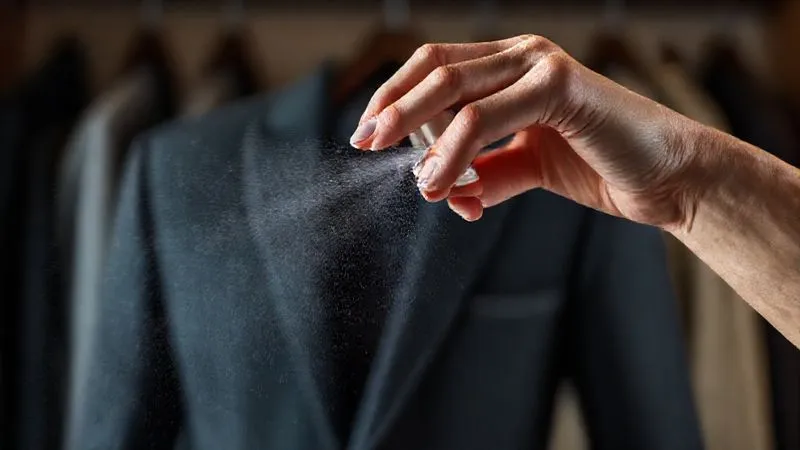
- The 'One Spray, Walk Through' Method: This is my go-to recommendation for maximum subtlety. Spray your chosen fragrance once into the air directly in front of you, then immediately walk through the fine mist. This distributes the scent lightly and evenly over your clothes and hair, rather than concentrating it on pulse points.
- Target Clothes, Not Skin: Fragrance reacts with body chemistry, which can amplify certain notes or alter the scent profile entirely. To maintain consistency and reduce direct skin contact (important for sensitivities), apply a very light mist to the inside of your jacket, the hem of your skirt, or a scarf. Ensure it's not a fabric that stains.
- Avoid Pulse Points: While traditionally recommended for longevity, pulse points amplify scent. For professional settings, this amplification is usually undesirable. Skip wrists, neck, and behind the ears.
- Consider Scented Body Products: If you want a truly barely-there scent, opt for unscented lotions and deodorants, and let your perfume be the only added fragrance. Alternatively, if you use a scented lotion, skip the perfume entirely, as layering can quickly become overpowering.
- Reapply with Caution (or Not at All): Most subtle professional fragrances are designed to fade gracefully. Resist the urge to reapply throughout the day unless you're certain the initial application has completely dissipated and you have no more client interactions. When in doubt, don't.
- The 'Arm's Length' Rule: After application, extend your arm. Can you smell your fragrance distinctly? If so, you've likely applied too much. The scent should only be detectable within your immediate personal bubble, not wafting into the general vicinity.
Building Your Professional Fragrance Wardrobe
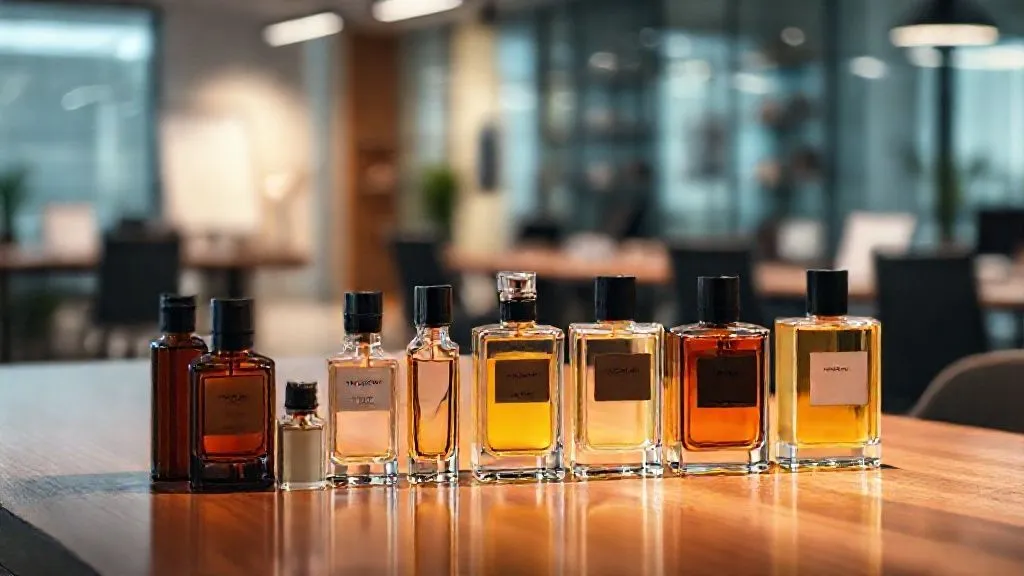
Just as you wouldn't wear the same outfit to every professional engagement, your fragrance strategy should be adaptable. Building a small, curated professional fragrance wardrobe allows you to tailor your scent to specific client types, industries, or even the time of year, all while adhering to the principles of subtlety.
Case Study: Elevating Client Engagements at 'Elegance Consults'
Elegance Consults, a boutique marketing agency specializing in luxury brands, faced a unique challenge. Their consultants frequently met with high-net-worth individuals from diverse cultural backgrounds. Initially, some consultants wore their favorite, often strong, designer perfumes, leading to occasional client feedback about 'overpowering' scents. By implementing a structured professional fragrance program, guided by the principles I've outlined, they transformed their approach.
They established a 'scent-neutral' policy for internal meetings and provided a curated collection of three distinct, subtle professional fragrances for client-facing roles: a crisp citrus-aquatic for morning meetings or more conservative clients, a light, sheer white floral for creative pitches, and a clean, soft musk for long-term strategic sessions. Consultants were trained on minimal application. Within six months, client feedback improved dramatically, with many noting the consultants' 'refined presence' and 'attentiveness to detail,' directly correlating with the shift in their subtle scent strategy. This resulted in a 15% increase in positive client testimonials related to overall professional image and a perceived enhancement of their luxury brand alignment.
Consider these categories for your own professional wardrobe:
| Category | Description | Fragrance Family | Example Notes |
|---|---|---|---|
| The Universal Neutral | A truly 'safe' scent for all occasions, especially new clients or sensitive environments. | Fresh, light aquatic, clean musk | Bergamot, Green Tea, White Musk |
| The Subtle Energizer | A slightly more vibrant, uplifting scent for creative sessions or morning presentations. | Citrus, light green, soft aromatic | Lemon verbena, Crisp mint, Freesia |
| The Grounded Sophisticate | A warm, comforting scent for established relationships or cooler weather, still very understated. | Dry woods, soft amber, powdery iris | Sandalwood, Clean cedar, Iris |
Testing and Feedback: Refining Your Scent Strategy
Choosing a professional fragrance isn't a one-time decision; it's an ongoing process of refinement. Even with the best intentions, personal perception can be skewed. What smells subtle to you might be more pronounced to others, especially those with heightened sensitivities. This is where objective testing and feedback become invaluable.
The 'Arm's Length' Rule and Beyond: Getting Objective Feedback
As mentioned, the 'arm's length' rule is a good starting point. Can you smell your fragrance distinctly when your arm is extended? If so, it's likely too strong. But to truly understand your scent's projection, you need external input. Ask a trusted colleague or a close friend, preferably someone who is honest and has a good sense of smell, for their candid opinion. Ask specific questions: "Is my perfume noticeable? Is it pleasant? Is it too strong?" Do this *before* a critical client meeting. You can also try applying your fragrance an hour or two before leaving for work, allowing the initial burst to dissipate, and then asking for feedback.
For a deeper dive into how scent impacts perception and memory, I highly recommend exploring studies on olfaction and consumer behavior, such as those often published by academic institutions or marketing research firms like Harvard Business Review on the Science of Scent. Understanding the science behind scent can further inform your choices.
Beyond the Bottle: Holistic Professional Grooming
Your chosen fragrance, no matter how subtle, is only one piece of the professional grooming puzzle. A truly polished presentation involves a holistic approach where every element contributes to an impression of care, competence, and respect. This integrated strategy is crucial when learning how to choose subtle professional fragrances for diverse clients.
Consider your entire grooming routine. Are your hair products heavily scented? What about your laundry detergent or fabric softener? These can all contribute to your overall scent aura, often unconsciously. For maximum control over your professional scent, opt for unscented or very lightly scented versions of these products. This allows your chosen, subtle professional fragrance to be the only intentional scent, preventing a cacophony of competing aromas.
Furthermore, personal hygiene is non-negotiable. A subtle fragrance is meant to complement a clean presentation, not mask any underlying odors. Regular showers, clean clothes, and good oral hygiene form the foundation upon which any professional scent strategy is built. As a veteran in this niche, I've consistently observed that true elegance lies in the details, and a consistent approach to personal care elevates your entire professional persona.
For more insights into creating a comprehensive professional image, resources like Forbes' articles on personal branding often cover various aspects of professional presentation, including the subtle cues we send.
Common Pitfalls and How to Avoid Them
- Over-application: The most common mistake. Always start with less than you think you need. You can always add, but you can't subtract.
- Scent Fatigue: Your nose adapts to your own fragrance, making you think it's faded when it hasn't. This leads to over-application. Trust initial minimal application and external feedback.
- Ignoring Client Feedback: If a client or colleague subtly (or not so subtly) mentions your scent, take it seriously. It's a clear sign to adjust.
- Using 'Statement' Fragrances: Heavy orientals, gourmands, or very unique, polarizing scents are best reserved for personal time. Professional settings demand neutrality.
- Layering Too Many Scented Products: Scented shower gels, lotions, hairsprays, and perfumes create a confusing and often overwhelming aroma. Streamline your routine.
- Not Considering Seasonal Changes: Heavy scents feel even heavier in warm weather. Opt for lighter, fresher options during hotter months.
Frequently Asked Questions (FAQ)
Q: Can I wear any fragrance if it's an 'eau de cologne' because they're typically lighter? A: While eau de colognes (EDCs) generally have a lower fragrance concentration (2-4%), their specific notes still matter. A heavy oud EDC might still be too strong, whereas a light citrus eau de toilette (EDT) could be perfect. Always prioritize the scent profile and how it projects, not just the concentration category.
Q: What if I have a signature scent that I love and want to wear everywhere? A: Your signature scent is part of your identity, but in professional settings, adaptability is key. If your signature scent is potent or polarizing, consider finding a 'professional signature' scent – one that embodies your personal brand but is universally subtle and respectful. You can always reserve your beloved, bolder scent for personal time.
Q: Are there any specific ingredients I should avoid when choosing a professional fragrance for diverse clients? A: For maximum safety and inclusivity, try to avoid fragrances with a very high concentration of common allergens like oakmoss, certain synthetic musks, or heavy animalic notes. Generally, steer clear of very sweet gourmand notes, intense patchouli, or strong spices, as these tend to be more polarizing and can trigger sensitivities. Opt for simpler, cleaner compositions.
Q: How long should I expect a subtle professional fragrance to last? A: A truly subtle professional fragrance is not designed for all-day longevity. Its purpose is to create an initial, pleasant impression that fades gracefully within a few hours. Expect 2-4 hours of subtle presence. If you can still distinctly smell it on yourself after 6 hours, it's likely too strong for professional environments.
Q: Is it ever appropriate to ask a client about their fragrance preferences or sensitivities? A: Directly asking can sometimes be awkward or make a client feel singled out. A more professional approach is to proactively ensure your own environment and personal scent are as neutral and subtle as possible. If a client expresses discomfort (e.g., mentions a headache), then it becomes appropriate to discreetly offer to adjust your environment or personal proximity, or to ensure you are entirely scent-free for future interactions. The best strategy is prevention.
Key Takeaways and Final Thoughts
- Subtlety is Paramount: Your professional fragrance should be barely noticeable, an enhancement rather than a distraction.
- Know Your Notes: Prioritize fresh, citrus, light floral, clean musk, and dry woody notes; avoid heavy, polarizing, or overly sweet scents.
- Embrace Diversity: Consider cultural nuances and client sensitivities, opting for universal acceptance over personal preference.
- Master Application: Less is always more. Use the 'one spray, walk through' method and apply to clothes, not pulse points.
- Build a Wardrobe: Have 2-3 subtle options to adapt to different clients, industries, and seasons.
- Seek Feedback: Objectively assess your scent's projection through trusted colleagues.
- Holistic Grooming: Ensure all your personal care products contribute to a cohesive, subtle scent profile.
Navigating the world of professional fragrance requires empathy, strategic thinking, and a commitment to respect. By thoughtfully applying these principles on how to choose subtle professional fragrances for diverse clients, you not only enhance your own professional image but also create a more inclusive and comfortable environment for everyone you encounter. Your scent, when chosen and applied with care, becomes a silent testament to your professionalism and consideration – a powerful, yet understated, asset in your career toolkit.
Recommended Reading
- 7 Strategies to Scale Circular Textile Production Without Prohibitive Costs
- 7 Proven Strategies: How to Grow Your Fashion Photography Blog Audience
- 5 Proven Strategies: Fix Inaccurate Virtual Try-On & Slash Returns
- Unlock Your Style: How to Build a Minimalist Casual Streetwear Wardrobe
- 7 Ways to Balance Aesthetic & Ergonomics in Contemporary Sandals



Your email address will not be published. Required fields are marked *