

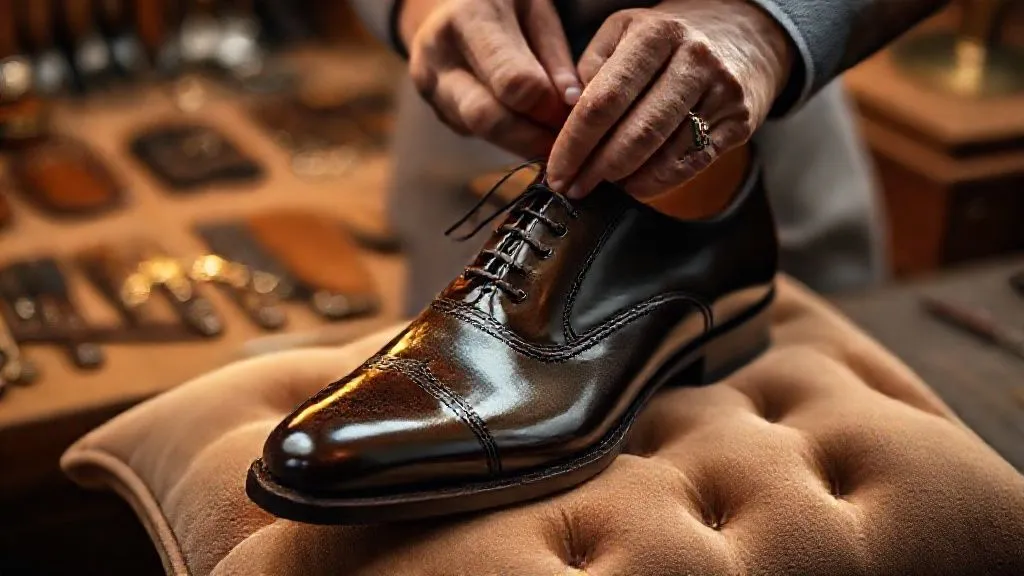
What's the best way to price bespoke handmade shoes for luxury market?
For over two decades in the luxury footwear industry, I've witnessed firsthand the passion, skill, and sheer artistry that goes into creating a pair of bespoke handmade shoes. Yet, I've also seen countless incredibly talented artisans struggle, not with their craft, but with a fundamental business challenge: how to accurately and profitably price their masterpieces for an elite clientele.
The problem isn't a lack of quality or dedication; it's often a disconnect between the artisan's understanding of their costs and the luxury market's perception of value. Pricing bespoke items isn't just about covering expenses; it's about translating hours of meticulous labor, rare materials, unparalleled skill, and an exclusive experience into a figure that resonates with discerning buyers while ensuring the sustainability and prestige of your brand.
In this definitive guide, I'll share my proven framework for pricing bespoke handmade shoes for the luxury market. We'll move beyond simple cost-plus calculations to explore value-based strategies, market positioning, and the psychological nuances of luxury pricing. My goal is to equip you with actionable insights and a clear path to valuing your exquisite creations appropriately, ensuring both profitability and enduring brand prestige.
Understanding the Unique Value Proposition of Bespoke Footwear
Before we even discuss numbers, it's crucial to grasp what truly differentiates bespoke handmade shoes in the luxury segment. It's far more than just a pair of shoes; it's an investment, a legacy, and an experience. Your pricing strategy must reflect this multifaceted value proposition.
The Intrinsic Value: Craftsmanship & Materials
At its core, bespoke footwear embodies unparalleled craftsmanship. This includes hundreds of hours of skilled labor, from pattern making and last creation to hand-welting and finishing. Every stitch, cut, and polish is a testament to the artisan's mastery, often honed over decades. Then there are the materials: the finest full-grain leathers, exotic skins, premium linings, and bespoke hardware, all chosen for their quality, rarity, and aesthetic appeal. These elements form the bedrock of your cost structure and perceived quality.
The Extrinsic Value: Exclusivity & Experience
Beyond the tangible, bespoke shoes offer an unmatched level of exclusivity and a deeply personal experience. Clients aren't just buying shoes; they're commissioning a piece of wearable art, tailored precisely to their unique foot shape and style preferences. This involves multiple fittings, direct collaboration with the master shoemaker, and the creation of a personal last. The storytelling behind the brand, its heritage, the rarity of its production, and the status symbol it represents all contribute significantly to the extrinsic value, justifying a premium price point.
“In the luxury market, price is not just a number; it’s a statement of value, quality, and exclusivity. Undervaluing your work is not humility; it’s a missed opportunity to communicate your true worth.”
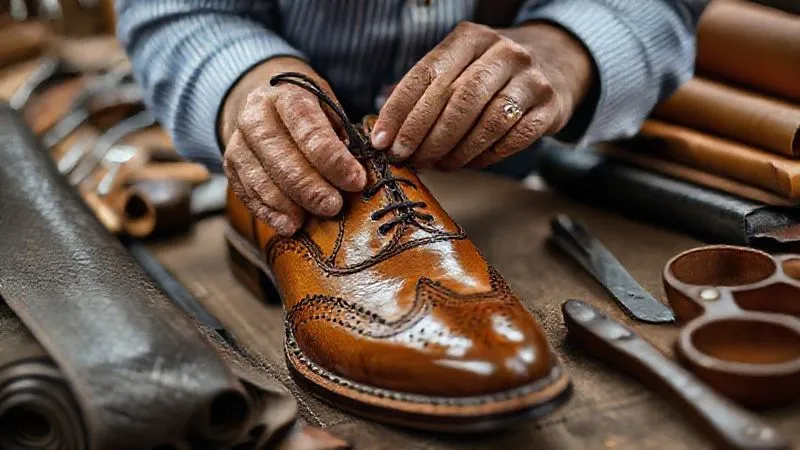
The Foundation: A Meticulous Cost-Plus Approach
Even in the luxury market, a solid understanding of your actual costs is non-negotiable. This forms the absolute minimum floor for your pricing. Without this clarity, you risk operating at a loss, no matter how prestigious your brand becomes.
Direct Costs: Materials & Labor
These are the expenses directly attributable to producing a single pair of shoes. For materials, think beyond just the main leather. Include the lining leather, sole leather, heel stacks, welting, thread, adhesives, dyes, waxes, and any bespoke hardware. For labor, meticulously track every hour spent on design, pattern cutting, last modification, upper closing, lasting, welting, sole attachment, heel building, finishing, and polishing. Assign a realistic hourly rate for your skilled labor, reflecting your expertise and market value.
Indirect Costs: Overheads & Operational Expenses
These are the costs of doing business that aren't tied to a single pair but are essential for your operation. This includes studio rent, utilities, insurance, marketing and branding efforts, website maintenance, accounting fees, tool maintenance and depreciation, packaging, and administrative salaries. Allocate a portion of these overheads to each pair of shoes produced. A common method is to calculate your total monthly overheads and divide by your average monthly production capacity.
Calculating Your True Cost Per Pair
Here’s a simplified, actionable way to calculate your foundational cost:
- List all Direct Material Costs: Itemize every material component for one pair and sum their costs.
- Calculate Direct Labor Hours: Estimate or meticulously track the total hours spent by skilled artisans on one pair.
- Determine Hourly Labor Rate: Establish a fair hourly rate for your skilled labor, considering your experience and market standards.
- Calculate Direct Labor Cost: Multiply total labor hours by your hourly rate.
- Allocate Indirect Overhead: Sum all monthly overheads. Divide by your average monthly production volume to get per-pair overhead.
- Sum It Up: Add Direct Material Costs + Direct Labor Cost + Allocated Indirect Overhead = Total Cost Per Pair.
| Cost Category | Unit Cost | Quantity | Total |
|---|---|---|---|
| Main Leather (e.g., Calf) | €150 | 1.5 sq ft | €225 |
| Lining Leather | €80 | 1.0 sq ft | €80 |
| Sole Leather (JR) | €70 | 1 pair | €70 |
| Heel Stacks | €15 | 1 pair | €15 |
| Welting, Thread, Adhesives | €25 | N/A | €25 |
| Total Direct Materials | N/A | N/A | €415 |
| Direct Labor (25 hours @ €50/hr) | N/A | N/A | €1250 |
| Allocated Overhead (e.g., €5000/month for 10 pairs) | N/A | N/A | €500 |
| <b>TOTAL COST PER PAIR</b> | N/A | N/A | <b>€2165</b> |
Beyond Costs: Value-Based Pricing for the Luxury Client
Once you understand your costs, the real art of luxury pricing begins. Value-based pricing focuses on what the customer perceives as value, rather than just your internal costs. In the luxury segment, this is paramount.
Perceived Value: The Art of Storytelling & Brand Narrative
Your brand story is a powerful tool for enhancing perceived value. How do you communicate the heritage of your craft, the rarity of your materials, the uniqueness of your process, and the dedication of your artisans? A compelling narrative elevates your shoes from mere objects to cherished possessions. Think about the legacy you're building, the tradition you're upholding, and the bespoke journey you offer. This narrative should be woven into every touchpoint, from your website to the client consultation.
Client Psychology: Willingness to Pay & Price Anchoring
Luxury clients are often less price-sensitive and more value-driven. They seek exclusivity, superior quality, and an experience that justifies the investment. Understanding their willingness to pay involves researching their purchasing habits for other luxury goods. Price anchoring, where you present a higher-priced item or service first, can make subsequent, slightly lower-priced options seem more reasonable. This isn't about deception, but about framing your offerings within a luxury context.
“Luxury is not just about the price tag; it’s about the feeling of unparalleled quality, exclusivity, and belonging. Your pricing must reflect the dream you are selling.”
Case Study: Atelier V's Pricing Elevation
Atelier V, a fictional bespoke shoemaker based in Milan, initially priced their exquisite shoes at €3,500, barely covering their costs and offering minimal profit. They felt their work was undervalued. After consulting with an industry expert (much like myself), they revamped their approach. They meticulously documented their 150-step process, sourced even rarer, traceable leathers, and began offering an exclusive 'design consultation journey' that included virtual 3D renderings and a personal visit from the master shoemaker for the initial measurement. They also started packaging their shoes in custom, hand-crafted wooden boxes with a personalized care kit and a signed certificate of authenticity. By enhancing the entire client experience and articulating the immense value of their process and materials, they confidently raised their base price to €6,000. Their sales volume remained stable, but their profit margins soared, and their brand prestige significantly increased. This demonstrates how focusing on perceived value, not just cost, can transform profitability. For further insights into value-based strategies, I highly recommend exploring articles from the Harvard Business Review on luxury brand management.
Market-Based Strategies: Benchmarking & Competitive Analysis
While your brand is unique, understanding the broader luxury market is crucial for strategic positioning. This involves looking beyond direct competitors to the wider landscape of luxury goods.
Who Are Your Peers? Identifying Competitors
Your competitors aren't just other bespoke shoemakers. For a luxury client, their budget might also stretch to a high-end watch, a designer handbag, or a piece of fine art. Consider brands that compete for the same disposable income in the ultra-luxury segment. Researching their pricing strategies, brand narratives, and client experiences will provide valuable context.
Analyzing Competitor Pricing Models
Investigate how established luxury brands, both in footwear and related sectors, structure their pricing. Do they offer tiered services? What are their entry-level and premium offerings? While you won't directly copy their prices, understanding their range helps you position your bespoke offering. Look for patterns in how they justify their premium, often through heritage, craftsmanship, or exclusivity.
Finding Your Niche: Differentiation Through Pricing
Your pricing can itself be a differentiator. Are you positioning yourself as the absolute pinnacle of bespoke shoemaking, commanding the highest prices due to unparalleled materials and artistry? Or are you offering exceptional value at a slightly more accessible (but still luxury) price point? Your pricing strategy should align with your overall brand positioning and target demographic. As Forbes often highlights, a strong brand narrative combined with strategic pricing is key to standing out in crowded markets.

Tiered Pricing & Customization Levels
One of the most effective ways to capture a broader segment of the luxury market and manage client expectations is through a tiered pricing structure. This allows you to offer varying levels of customization and material choices, catering to different client desires and budgets within the luxury sphere.
Entry-Level Bespoke: The Gateway Experience
This tier might involve a more standardized last (though still adjusted for the client), a curated selection of premium leathers (e.g., high-quality calfskin), and perhaps a slightly less intricate design process. It offers the core bespoke experience – a custom-fitted, handmade shoe – but with fewer bespoke options, making it a more accessible entry point into your brand's world. This can be crucial for attracting new clients who might later upgrade.
Signature Bespoke: The Core Offering
This is your flagship service, representing the full expression of your brand's capabilities. It includes a completely custom last, an extensive range of premium and exotic leathers, unlimited design possibilities, and the full multi-fitting process. This tier embodies the complete, uncompromised bespoke journey and should reflect the majority of your pricing efforts.
Haute Bespoke: The Ultimate Expression
For the truly discerning client who demands the absolute pinnacle of luxury, an Haute Bespoke tier can be offered. This might include ultra-rare exotic leathers (e.g., alligator, stingray, shell cordovan), precious metal hardware, intricate hand-painted finishes, travel for fittings to the client's location, and perhaps a dedicated design collaboration with the master shoemaker. This tier is about pushing the boundaries of craftsmanship and exclusivity, commanding the highest possible price point.
| Tier | Features | Price Range |
|---|---|---|
| Entry-Level Bespoke | Adjusted last, curated calfskin, standard design options | €4,000 - €6,500 |
| Signature Bespoke | Custom last, extensive leather selection, unlimited design, multi-fittings | €6,500 - €12,000 |
| Haute Bespoke | Ultra-rare exotics, precious hardware, intricate finishing, global fittings | €12,000+ |
Strategic Considerations: Brand Positioning & Long-Term Value
Pricing is not a static decision; it's an ongoing strategic tool that shapes your brand's perception and long-term viability in the luxury market. Every pricing decision sends a message.
Building a Prestigious Brand Identity
Your pricing must align with the image of prestige and exclusivity you wish to cultivate. Undercutting the market, even slightly, can inadvertently signal lower quality or less value. Consistency in your pricing, coupled with impeccable quality and service, reinforces your brand's luxury status. Think of your pricing as an integral part of your brand identity, not just a financial calculation. Building a strong brand takes time and consistent effort, as detailed by experts in brand strategy like those found on McKinsey's insights into the luxury market.
The Role of Exclusivity and Scarcity
Luxury is often defined by scarcity. Limiting your production capacity, creating waiting lists, or offering limited-edition designs can significantly enhance perceived value and justify premium pricing. When clients know they are receiving something truly rare and exclusive, their willingness to invest increases. Communicate your limited capacity and the unique nature of each commission to reinforce this sense of exclusivity.
Seasonal Adjustments & Collection Releases
While bespoke pricing is generally more stable than ready-to-wear, you can introduce new designs, special collaborations, or utilize rare seasonal materials that command higher prices. These 'collection releases' can create buzz and allow for strategic price adjustments for new, more complex, or highly sought-after styles. Always ensure any price adjustments are justified by added value, not just arbitrary increases.
Communicating Value: Transparency & Client Education
Once you've established your pricing, the final crucial step is to effectively communicate this value to your luxury clients. Transparency, not just in cost, but in process and artistry, builds trust and reinforces the justification for your prices.
The Consultation Process: Educating the Client
The initial consultation is your opportunity to educate the client about the bespoke journey. Walk them through the meticulous steps involved, from the creation of their personal last to the hand-finishing process. Explain the origin and quality of your materials. This education helps clients understand the hundreds of hours and unparalleled skill they are investing in, justifying the price before it's even quoted. It transforms the transaction into an experience.
Crafting a Compelling Proposal
Your proposal should be as refined as your shoes. It should clearly outline the chosen design, materials, customization options, the bespoke process timeline, and the final price. While you don't need to break down every single cost element, clearly articulating the value points – the custom last, the hand-welted construction, the rare leather, the personal fittings – helps to reinforce the premium nature of the investment. Avoid simply presenting a number; present a narrative of unparalleled craftsmanship and personal luxury.
Frequently Asked Questions (FAQ)
Should I list my prices online? For bespoke luxury, I generally advise against listing exact prices online. A 'price upon consultation' or 'starting from' approach maintains an air of exclusivity and allows you to tailor the conversation to the client's specific needs and the true value of their unique commission. Listing a starting price can be acceptable to set a baseline expectation for the luxury segment you serve, but always follow up with a personalized consultation.
How do I handle clients who haggle? In the luxury bespoke market, haggling is rare and generally inappropriate. Your prices reflect immense skill, rare materials, and an exclusive experience. If a client attempts to haggle, politely reiterate the value proposition, the meticulous process, and the non-negotiable quality standards that justify your pricing. Frame it as upholding the integrity of your craft. Sometimes, offering a slightly simpler design or material combination (e.g., suggesting a calfskin over an exotic leather) can be a way to meet a client's budget without compromising your core pricing structure.
What if my prices are higher than established luxury brands' ready-to-wear lines? This is precisely where your bespoke value proposition shines. You are not competing with ready-to-wear; you are offering a completely different product and experience. Emphasize the custom fit, the personal last, the hand-craftsmanship, the choice of unique materials, and the direct relationship with the artisan. These are elements that mass-produced luxury, no matter how prestigious, cannot offer. Your higher price reflects this unparalleled personalization and quality. For context on luxury brand differentiation, consider research from firms like Bain & Company on the luxury goods market.
How often should I review my pricing? You should review your pricing at least annually, or whenever there are significant changes in material costs, labor rates, or market conditions. This ensures your prices remain competitive, profitable, and reflective of your brand's evolving value. Don't be afraid to adjust; it's a sign of a well-managed business.
Is offering discounts ever a good idea in luxury? Generally, no. Discounts can devalue a luxury brand and erode perceived exclusivity. Instead of discounts, consider offering value-added services (e.g., complimentary initial re-soling, a premium shoe care kit, an exclusive brand experience) or special limited-edition collaborations that naturally command a higher price. The goal is to enhance value, not reduce price.
Key Takeaways and Final Thoughts
- Know Your True Costs: Meticulously calculate all direct and indirect expenses to establish your pricing floor.
- Embrace Value-Based Pricing: Focus on the perceived value of your craftsmanship, exclusivity, and client experience.
- Strategic Market Positioning: Benchmark against other luxury goods and differentiate through your unique offering.
- Implement Tiered Offerings: Cater to a broader luxury clientele with distinct levels of customization and materials.
- Communicate Value Effectively: Educate clients during consultations and present compelling, value-driven proposals.
Pricing bespoke handmade shoes for the luxury market is an intricate dance between art and commerce. It requires not only a deep understanding of your craft and costs but also a keen awareness of market dynamics and client psychology. By implementing these strategies, you'll not only ensure the financial health of your atelier but also elevate your brand to its rightful place within the esteemed world of luxury. Remember, your prices are a reflection of your unparalleled skill and the extraordinary value you bring to your discerning clientele. Price with confidence, and let your craftsmanship speak volumes.
Recommended Reading
- The Ultimate Guide: How to Authenticate Premium Exotic Leather
- Why Do Innovative Clean Beauty Formulations Fail Stability Tests? 5 Key Reasons.
- Mastering Gemstone Stability: 5 Steps to Prevent Cleavage in Custom Settings
- The Ultimate Guide: How to Make Basic Outfits Look Effortlessly Chic
- Travel Smart: 7 Odor-Proof Activewear Picks for Men That Look Sharp


Your email address will not be published. Required fields are marked *