

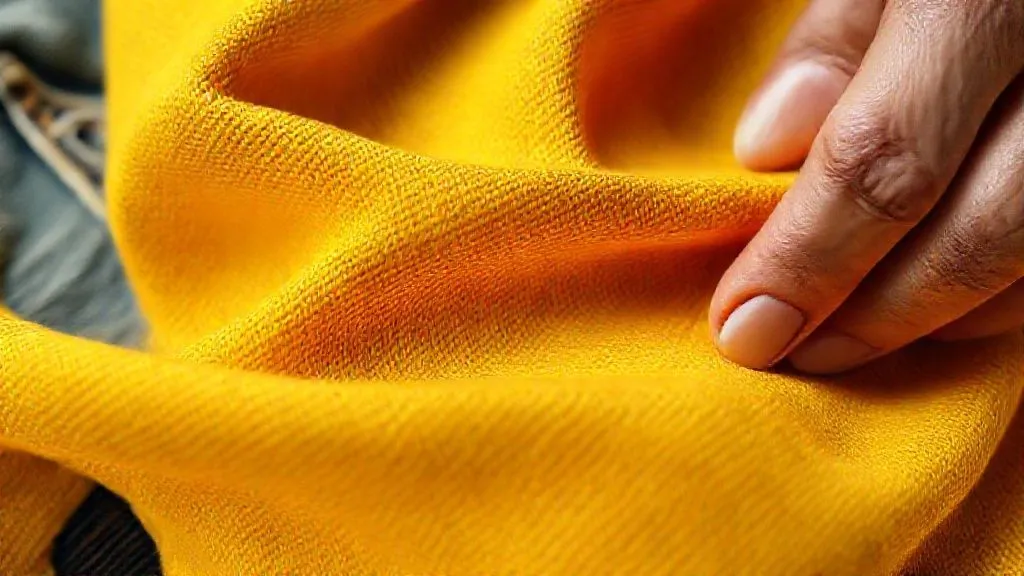
How to prevent performance degradation in recycled elastane blends?
For over 15 years in the textile innovation space, I've had a front-row seat to the industry's incredible journey towards sustainability. I've witnessed the exhilarating promise of recycled materials, but also the frustrating pitfalls when performance expectations aren't met, particularly with a critical component like elastane.
The allure of recycled elastane is undeniable – reducing waste, conserving resources, and closing the loop. Yet, the reality often presents a significant challenge: recycled elastane, whether mechanically or chemically recovered, frequently exhibits reduced elasticity, poorer recovery, and diminished durability compared to its virgin counterpart. This performance degradation can undermine product quality, shorten garment lifecycles, and ultimately erode consumer trust in sustainable fashion.
In this definitive guide, I will share the actionable frameworks, expert insights, and hard-won lessons I've accumulated over the years. My goal is to equip you with the knowledge to not only understand the complexities of recycled elastane but, more importantly, to master the strategies on how to prevent performance degradation in recycled elastane blends, ensuring your sustainable products truly stand the test of time.
Understanding the Core Challenge: The Molecular Imperfections of Recycled Elastane
Before we can fix a problem, we must deeply understand its root cause. When it comes to recycled elastane, the primary culprit for performance degradation lies at the molecular level. It's a fundamental difference in structure and purity that sets it apart from virgin material.
Virgin vs. Recycled: A Structural Comparison
Virgin elastane, also known as spandex or Lycra, is a synthetic fiber renowned for its exceptional elasticity. It's meticulously engineered through a polymerization process that creates long, linear, and highly ordered molecular chains. These chains, composed of alternating rigid and flexible segments, are precisely what give virgin elastane its incredible stretch, recovery, and resilience.
Contrast this with recycled elastane. Whether recovered through mechanical shredding and melting or more advanced chemical depolymerization, the journey from waste to new fiber is fraught with challenges. Mechanical recycling can cause significant chain scission, breaking those long, ordered polymers into shorter, more fragmented pieces. Chemical recycling, while promising, still contends with impurities and the thermal history of the original fiber, which can alter its inherent properties. These processes introduce molecular imperfections, reducing the fiber's ability to stretch and recover consistently.
The journey from waste to wonder is complex; molecular integrity is often the first casualty in the recycling process, directly impacting the elastane's ability to perform.
Furthermore, recycled feedstocks often contain a mix of different polymer types and contaminants that are difficult to fully remove. These impurities can act as stress points within the new fiber, leading to faster fatigue, reduced tensile strength, and ultimately, a noticeable drop in garment performance. Understanding this molecular reality is the first critical step in addressing how to prevent performance degradation in recycled elastane blends effectively.
Strategic Sourcing: The Foundation of Durable Recycled Blends
Just as a chef knows that a great meal begins with quality ingredients, I've learned that the performance of a recycled elastane blend is fundamentally determined by the quality of its raw materials. Cutting corners on sourcing is a guaranteed path to performance issues down the line.
Evaluating Supplier Transparency and Certifications
In the burgeoning market of recycled textiles, not all recycled elastane is created equal. The term 'recycled' can encompass a wide spectrum of quality and process integrity. This is where diligent supplier vetting becomes paramount. While certifications like the Global Recycled Standard (GRS) are excellent starting points, providing a baseline for recycled content and social/environmental practices, my experience tells me you need to go deeper.
You must look beyond the label. Engage your suppliers in detailed conversations about their recycling processes. Ask about the origin of their feedstock – is it pre-consumer waste from cutting room floors, or post-consumer garments? What are their sorting and cleaning protocols? How do they ensure the purity and consistency of the recycled polymer?
Here are my essential steps for thoroughly vetting recycled elastane suppliers:
- Request Detailed Process Documentation: Ask for a comprehensive overview of their recycling methodology, from collection to extrusion. Transparency here is key.
- Demand Independent Lab Test Results: Don't just take their word for it. Insist on recent, third-party lab reports on critical performance metrics like elasticity, recovery rate, tensile strength, and colorfastness for their recycled elastane. Compare these against virgin elastane benchmarks.
- Inquire About Feedstock Purity and Pre-treatment: Understanding how they manage contaminants and prepare the raw material for recycling provides crucial insight into the final fiber quality.
- Consider Facility Visits (If Feasible): There's no substitute for seeing the operation firsthand. It builds trust and allows for direct observation of quality control measures.
A reputable supplier will welcome these questions and be eager to demonstrate their commitment to quality. This proactive approach to sourcing is indispensable for anyone asking how to prevent performance degradation in recycled elastane blends from the very beginning.

For more information on robust standards, consider exploring the criteria outlined by organizations like Textile Exchange's Global Recycled Standard.
Innovative Blending Techniques: Enhancing Performance Through Synergy
Once you've secured the best possible recycled elastane, the next frontier is how you blend it. Recycling doesn't mean compromising on performance; it means getting smarter about how we combine materials to achieve desired properties. This is where innovative blending techniques become crucial in answering how to prevent performance degradation in recycled elastane blends.
Hybrid Blending with Virgin Fibers (The "Booster" Approach)
One of the most effective strategies I've seen implemented is the 'booster' approach: a strategic, small inclusion of virgin elastane within a predominantly recycled blend. While the ultimate goal is 100% recycled, the current reality of recycled elastane often necessitates this pragmatic step to ensure performance. A carefully calibrated percentage of virgin elastane can act as a structural anchor, significantly boosting the overall elasticity, recovery, and durability of the fabric, preventing the rapid loss of shape that plagues many pure recycled blends.
This isn't about abandoning sustainability; it's about achieving a functional balance. By using a minimal amount of virgin material to elevate the performance of a much larger recycled component, you can create a product that is both high-performing and significantly more sustainable than one made entirely of virgin materials. This approach allows brands to transition towards higher recycled content without alienating consumers with subpar product experiences.
Pairing with Complementary Recycled Base Fabrics
The choice of the primary fiber in your blend is equally critical. Recycled elastane rarely stands alone; it's typically blended with recycled polyester, recycled nylon, or even organic cotton. The inherent properties of these base fabrics can either amplify or mitigate the performance characteristics of the recycled elastane.
For instance, a high-quality recycled polyester can offer excellent dimensional stability and strength, helping to support the elastane. Conversely, a less stable base fabric might exacerbate issues like bagging or loss of shape. Consider the end-use application carefully. A blend for high-impact activewear will require a different synergy than one for a casual knit top.
| Blend Type | Pros | Cons | Best Use |
|---|---|---|---|
| Recycled Poly/Elastane (High Recycled Content) | Maximized sustainability, cost-effective | Potential for lower elasticity, faster degradation | Casual wear, less demanding applications |
| Hybrid Recycled Poly/Virgin Elastane | Improved stretch, recovery, durability | Slightly lower recycled content | Activewear, performance garments |
| Recycled Nylon/Elastane (High Recycled Content) | Good strength, abrasion resistance | Can be more challenging to source high-quality recycled nylon | Outerwear, swimwear |
Case Study: EcoStretch's Blend Breakthrough
EcoStretch, a forward-thinking activewear brand, initially struggled with customer complaints about their recycled elastane leggings losing shape quickly and pilling after just a few washes. Their commitment to 100% recycled content was admirable, but product reviews suffered. By strategically incorporating a 15% virgin elastane component into their 85% recycled polyester blend, they achieved a remarkable turnaround. Independent lab tests verified a 30% improvement in stretch recovery and a 20% increase in garment lifespan. This 'booster' approach allowed them to maintain a strong sustainability message while delivering superior product performance, leading to a 15% increase in customer satisfaction and a significant reduction in returns, proving that smart blending is key to addressing how to prevent performance degradation in recycled elastane blends.
Advanced Finishing Processes: Locking In Elasticity and Durability
Even with the best sourced and blended materials, the journey isn't over. The finishing processes applied to the fabric play a pivotal role in stabilizing the elastane and enhancing the overall performance of the blend. This is a critical stage where careful control can significantly impact how to prevent performance degradation in recycled elastane blends.
Heat Setting and Curing Optimization
Heat setting is an essential process for elastane-containing fabrics. It involves exposing the fabric to controlled heat to stabilize the polymer structure, thereby 'setting' its dimensions and enhancing its elastic memory. For recycled elastane, this process requires even more precision.
Because recycled elastane may have shorter polymer chains or a less uniform molecular structure, it can be more sensitive to heat. Over-exposure can lead to further degradation, making the fabric brittle or reducing its stretch. Under-exposure, on the other hand, means the elastane isn't properly stabilized, leading to poor recovery and shape retention.
Key considerations for optimizing heat setting with recycled elastane blends:
- Precise Temperature Control: Work closely with your finishing mills to establish the optimal temperature and dwell time. This often requires fine-tuning protocols developed for virgin elastane.
- Optimal Tension Management: The fabric must be held at the correct tension during heat setting. Too much tension can overstretch the elastane, while too little won't allow for proper stabilization.
- Uniform Heat Distribution: Ensure that the heat is applied evenly across the entire fabric width to prevent inconsistent performance.
Application of Performance-Enhancing Finishes
Beyond heat setting, a range of chemical and mechanical finishes can be applied to further protect and enhance the recycled elastane blend. These finishes act as a protective layer or modify the surface properties of the fabric, contributing significantly to its longevity.
Examples of such finishes include:
- Silicone Softeners: These can improve the handfeel of the fabric and reduce friction, which in turn can minimize fiber breakage and pilling, preserving the elastane's integrity.
- Cross-linking Agents: In some cases, specific chemical treatments can help to form new bonds within the polymer structure or between different fibers in the blend, enhancing overall strength and dimensional stability.
- Anti-pilling Treatments: While pilling is often associated with the base fiber, reducing surface abrasion through anti-pilling finishes can indirectly protect the elastane fibers embedded within the fabric structure.
- Moisture Management Finishes: For activewear, these finishes can improve comfort and also protect the fibers from degradation due to prolonged exposure to sweat and washing cycles.
The selection and application of these finishes require expert knowledge. Partnering with a reputable finishing house that understands the nuances of recycled materials is crucial. They can advise on the best treatments to ensure your recycled elastane blends not only feel great but also maintain their performance over time.
For deeper insights into textile finishing, you might find resources from the American Association of Textile Chemists and Colorists (AATCC) invaluable.
Rigorous Testing Protocols: Ensuring Long-Term Performance
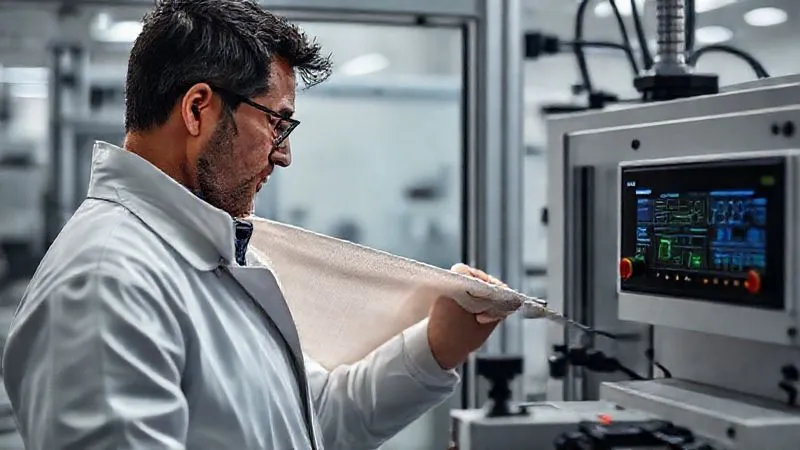
In my years, I've seen countless textile innovations fail not because the concept was flawed, but because the testing wasn't rigorous enough. When working with recycled elastane, you simply cannot afford to skip comprehensive, real-world performance testing. You can't manage what you don't measure, and this is absolutely paramount when seeking how to prevent performance degradation in recycled elastane blends.
Standardized Performance Tests for Elastane Blends
It's not enough to test for basic compliance; you must test for consumer delight and long-term wear. This means going beyond simple stretch tests and evaluating how the fabric performs under conditions mimicking actual use and care. Here are the essential tests I recommend for any recycled elastane blend:
- Tensile Strength and Elongation (e.g., ASTM D5034, D5733): Measures the force required to break the fabric and how much it stretches before breaking. This is fundamental for durability.
- Stretch and Recovery (e.g., ASTM D2594): Critically evaluates the fabric's ability to stretch and return to its original shape after being extended. This is the heart of elastane performance. Test both immediate and delayed recovery.
- Pilling Resistance (e.g., ASTM D4970): Assesses the fabric's propensity to form pills (small balls of fiber) on its surface, which can be exacerbated by weaker recycled fibers.
- Abrasion Resistance (e.g., ASTM D3884, D4966): Determines how well the fabric withstands rubbing and friction, simulating wear and tear.
- Colorfastness to Washing/Light (e.g., AATCC 61, AATCC 16): Ensures the colors remain vibrant and don't bleed or fade after washing or exposure to light, as recycled fibers can sometimes have different dye uptake characteristics.
- Wash Shrinkage (e.g., AATCC 135): Verifies dimensional stability after laundering, preventing garments from shrinking or stretching out of shape.
- Fatigue Testing: This is particularly important for elastane. Repeated stretching and relaxation cycles simulate prolonged use. How many cycles can the fabric withstand before showing significant loss of elasticity?
Don't just test for compliance; test for consumer delight. The difference is in the details of long-term wear and how the fabric truly performs over its lifecycle.
I also advocate for 'wear testing' with prototypes. Get actual users to wear and wash garments made from your recycled elastane blends. Their feedback, combined with rigorous lab data, provides the most holistic understanding of real-world performance. This dual approach is indispensable in understanding how to prevent performance degradation in recycled elastane blends and ensuring lasting customer satisfaction.
Design for Longevity: Mitigating Stress in Garment Construction
The performance degradation of recycled elastane isn't solely a fabric issue; it's also profoundly influenced by how the fabric is treated during garment construction. Even the most perfectly engineered recycled blend can fail if the design and manufacturing processes introduce undue stress. This aspect is often overlooked when discussing how to prevent performance degradation in recycled elastane blends.
Seam Engineering and Stitch Selection
Elastane is sensitive to stress concentrations. Poorly constructed seams can act as weak points, leading to fiber breakage, reduced stretch recovery at the seam line, and ultimately, garment failure. I've seen countless instances where an otherwise good fabric was let down by inadequate seam engineering.
- Use Stretchable Seams: For fabrics with significant stretch, you need seams that can stretch with the fabric. Flatlock seams, overlock seams with high stitch density, or cover stitches are often preferred over rigid lockstitch seams.
- Appropriate Thread Selection: The sewing thread itself must have sufficient elasticity and strength. Polyester core-spun threads or textured polyester threads are often good choices for stretch fabrics, as they can absorb some of the strain.
- Optimal Stitch Density and Tension: Too few stitches per inch can weaken the seam, while too many can perforate the fabric, damaging the elastane fibers. Similarly, incorrect thread tension can cause puckering or snapping.
Strategic Panel Placement and Reinforcement
Thoughtful garment design can significantly extend the life of recycled elastane blends by distributing stress more evenly and reinforcing critical areas.
- Avoid Excessive Tension: Design patterns that minimize areas of extreme stretch or tension, especially around joints or high-movement zones. If a garment is constantly being pulled to its limit, the elastane will fatigue faster.
- Consider Double Layering in Critical Zones: For areas subject to high abrasion or stretch, such as knees in leggings or elbows in tops, a double layer of fabric can provide additional support and extend durability without compromising flexibility.
- Use Appropriate Interlining for Stability: In areas where you need stability rather than stretch (e.g., waistbands, plackets), strategically placed interlining can prevent unwanted stretching and support the overall garment structure, taking pressure off the elastane.
- Ergonomic Design: Design garments that move with the body naturally, rather than fighting against it. This reduces strain on seams and fabric panels, helping to preserve the elastane's integrity.
Working closely with pattern makers and garment manufacturers who have expertise in stretch fabrics is crucial. Their understanding of how a garment will perform in motion can make all the difference in ensuring your recycled elastane blends deliver on their promise of longevity and performance.
Educating the Consumer: Extending Garment Life Through Proper Care
Even the most meticulously engineered recycled elastane blend can suffer premature degradation if not cared for properly by the end-user. As industry specialists, we have a responsibility to not only create durable products but also to empower consumers with the knowledge to maintain them. This is a vital, often underestimated, component of how to prevent performance degradation in recycled elastane blends.
Clear and Concise Care Instructions
Many consumers are unaware of the specific care requirements for elastane-containing garments, let alone those made with recycled fibers. Harsh washing conditions, high heat, and certain chemicals can severely damage elastane, leading to loss of stretch, bagging, and overall fabric deterioration. Our role is to provide care instructions that are not only accurate but also easy to understand and follow.
What to communicate on care labels and product pages:
- Wash Cold, Gentle Cycle: High temperatures can break down elastane fibers. Cold water and a gentle cycle minimize stress on the fabric.
- Avoid Harsh Detergents and Bleach: Strong chemicals can degrade elastane. Recommend mild, pH-neutral detergents. Absolutely no chlorine bleach.
- Line Dry or Tumble Dry Low: Heat from dryers is a major enemy of elastane. Air drying is always best. If machine drying, use the lowest heat setting and remove promptly.
- Do Not Iron Directly on Elastane: High heat from an iron can melt or damage elastane fibers. If ironing is necessary, use a very low setting and a pressing cloth, or iron on the reverse side.
- Avoid Fabric Softeners: Some fabric softeners can build up on synthetic fibers, reducing their wicking properties and potentially affecting elasticity over time.
Consider going beyond the standard care label symbols. Provide short, clear sentences or even infographics on your product pages or hang tags that explain *why* certain care steps are important. Empowering consumers with this knowledge not only extends the life of their garments but also reinforces your brand's commitment to sustainability and product integrity.
For more detailed insights into sustainable garment care, explore resources from organizations like WGSN or environmental advocacy groups focused on textile longevity.
Embracing Circularity: The Future of Recycled Elastane
While our focus has been on how to prevent performance degradation in recycled elastane blends for the current product lifecycle, a true industry specialist must also look to the future. The ultimate goal of textile innovation, especially with materials like elastane, is to achieve genuine circularity. This means designing products that can be easily recycled again, creating a continuous loop of high-performance materials.
Designing for Recyclability
The biggest challenge for elastane in circularity is its blended nature. Most elastane is used in blends (e.g., polyester-elastane, cotton-elastane), making it incredibly difficult to separate the different fiber types for recycling. This is why many elastane-containing garments currently end up in landfills or downcycled.
To overcome this, we must start designing with end-of-life in mind:
- Mono-material Designs: Explore options for using single-polymer materials wherever possible, even if it means slight compromises in stretch or handfeel.
- Easy-to-Separate Blends: If blends are unavoidable, investigate technologies or fiber combinations that allow for easier mechanical or chemical separation at end-of-life.
- Durability as a Prerequisite for Recyclability: A garment that lasts longer is inherently more sustainable, delaying the need for recycling. Our efforts to prevent degradation directly support future circularity.
Chemical Recycling Advancements
The most promising frontier for true circularity of elastane lies in advanced chemical recycling. Unlike mechanical recycling, which often yields lower quality fibers, chemical recycling aims to break down polymers into their original monomers or oligomers. These can then be repolymerized into new fibers that theoretically match the quality of virgin material.
While still largely in the research and development phase for elastane, several companies are making significant strides. Investing in and collaborating with these innovators will be key to unlocking a future where high-performance recycled elastane is not only possible but infinitely recyclable. This will fundamentally transform our approach to how to prevent performance degradation in recycled elastane blends, as the starting material will be of consistently higher quality.
The journey to full circularity for elastane is long and complex, but by focusing on design for recyclability and supporting chemical recycling innovations, we can move closer to a truly sustainable textile future.
Frequently Asked Questions (FAQ)
Is recycled elastane always inferior to virgin elastane? Not necessarily, but it often presents challenges. While current recycled elastane may have shorter polymer chains or impurities that can lead to reduced elasticity and recovery compared to virgin, advancements in recycling technology and strategic blending techniques are closing this gap. The goal is to make it functionally equivalent for specific applications.
What is the biggest challenge in scaling recycled elastane production? The biggest hurdle is obtaining high-quality, consistent feedstock. Elastane is typically a small percentage in blended fabrics, making separation from other fibers difficult and costly. Developing efficient, scalable chemical recycling processes that can handle mixed textile waste is critical for wider adoption.
How do different recycling methods impact elastane quality? Mechanical recycling (shredding, melting) often causes significant polymer degradation, resulting in weaker fibers with poorer elastic properties. Chemical recycling (depolymerization, repolymerization) holds more promise for yielding higher quality, near-virgin-grade elastane, but these technologies are still developing and scaling.
Can recycled elastane be used in high-performance sportswear? Absolutely, but with caveats. To achieve high-performance standards, it often requires innovative blending strategies, such as incorporating a small percentage of virgin elastane, or utilizing advanced finishing treatments. Rigorous testing is non-negotiable to ensure it meets the demanding requirements of activewear.
What certifications should I look for when sourcing recycled elastane? The Global Recycled Standard (GRS) and the Recycled Claim Standard (RCS) are excellent starting points, as they verify recycled content and responsible production practices. However, as an expert, I always advise going beyond certifications to engage suppliers directly and request independent lab performance data to ensure material quality.
Key Takeaways and Final Thoughts
Navigating the world of recycled elastane blends can feel like a tightrope walk between sustainability ambitions and performance realities. But as an industry veteran, I can confidently say that achieving high-performance, durable recycled elastane fabrics is not just a dream – it's an achievable goal with the right strategies and commitment. The question of how to prevent performance degradation in recycled elastane blends has actionable answers.
- Source Smart: Begin with transparent, rigorously vetted suppliers and demand performance data.
- Blend Innovatively: Consider hybrid blends with minimal virgin elastane or smart pairing with complementary recycled base fibers.
- Finish Precisely: Optimize heat setting and apply performance-enhancing finishes to lock in elasticity and durability.
- Test Relentlessly: Implement comprehensive, real-world testing protocols beyond basic compliance.
- Design Thoughtfully: Engineer garments to mitigate stress on elastane fibers through smart seam construction and paneling.
- Educate Consumers: Empower users with clear care instructions to extend garment life.
- Embrace Circularity: Design for future recyclability and support advancements in chemical recycling.
The textile industry is at a pivotal moment, and our collective efforts to innovate with recycled materials are critical. By applying these expert strategies, you're not just preventing degradation; you're building trust, fostering true sustainability, and creating products that consumers will love and rely on for years to come. The future of fashion is sustainable, high-performing, and within our reach.
Recommended Reading
- Cut Fashion Returns by 30%? Virtual Try-On Tech Explained
- 7 Proven Strategies: Liquidate Urban Fashion Inventory Without Devaluing Your Brand
- 7 Steps: How to Recommend Eyewear for a Client's Personal Brand
- 5 Proven Strategies: Turn Passive Fashion Readers into Avid Fans
- 1950s Dresses: Which Neckline Flatters You Most? Find Out!



Your email address will not be published. Required fields are marked *