

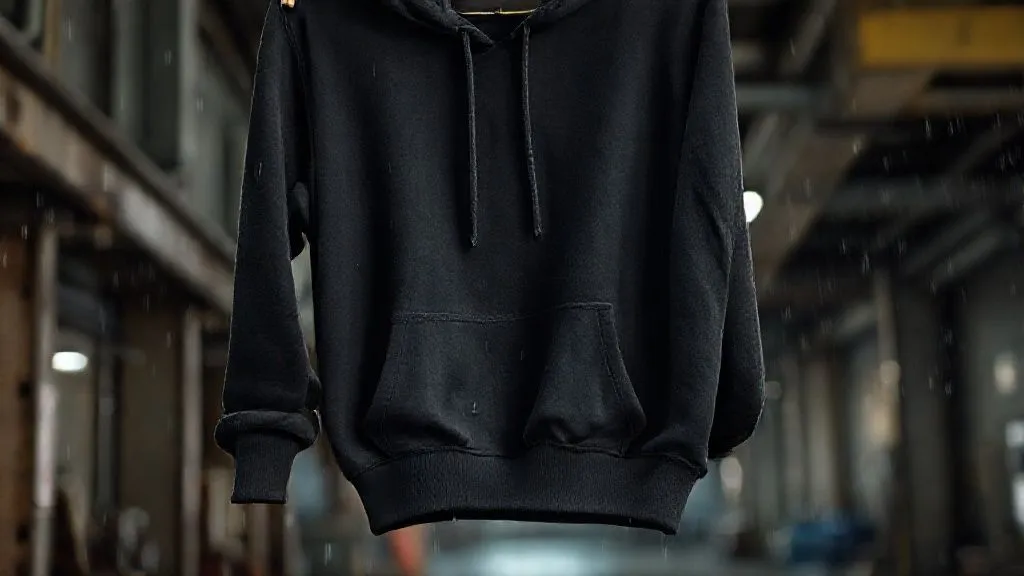
Introduction: Why do streetwear hoodies lose shape after washing, hurting brand?
For over 15 years in the cutthroat world of streetwear, I've witnessed countless brands rise and fall, often due to a seemingly minor, yet ultimately catastrophic, flaw: their beloved hoodies losing shape after just a few washes. It’s a silent killer of brand loyalty, a betrayal of the very promise of quality that streetwear aficionados seek.
The problem is agonizingly familiar: a customer invests in a high-quality, perfectly structured hoodie, only to find it transformed into a baggy, distorted shadow of its former self after a routine laundry cycle. This isn't just an inconvenience; it's a direct assault on the brand's integrity, leading to negative reviews, returns, and a rapid erosion of trust in a market where perception is paramount.
Today, I'm pulling back the curtain to reveal the intricate web of factors contributing to this pervasive issue. From the microscopic fibers to the macroeconomic impact on your brand, we'll explore the root causes and, more importantly, I’ll equip you with actionable frameworks, expert insights, and proven strategies to not only prevent this shape-loss but to elevate your brand's reputation for enduring quality.
The Core Culprits: Fabric Composition & Construction Flaws
Before we even touch a washing machine, the fate of a hoodie's shape is largely sealed in its fundamental design and material choices. This is where many brands, often inadvertently, lay the groundwork for future disappointment.
Understanding Fabric Blends: Cotton, Polyester, and Beyond
The choice of fabric is paramount. While 100% cotton is king for comfort and breathability in streetwear, its natural fibers are highly susceptible to shrinking and stretching, especially if not pre-shrunk or properly treated. Polyester, on the other hand, offers stability and wrinkle resistance but can feel less premium. Blends like 80/20 cotton-polyester aim for a balance, but the quality of each component and the specific weave are critical. Long-staple cottons, for example, are inherently more durable and resistant to pilling and distortion than their short-staple counterparts.
Expert Insight: "The battle for shape retention begins at the fiber level. Pure natural fibers, while luxurious, demand meticulous processing and care. Synthetics offer stability but can compromise comfort. The magic lies in understanding the interplay and selecting for purpose, not just price."
The Overlooked Role of GSM (Grams Per Square Meter)
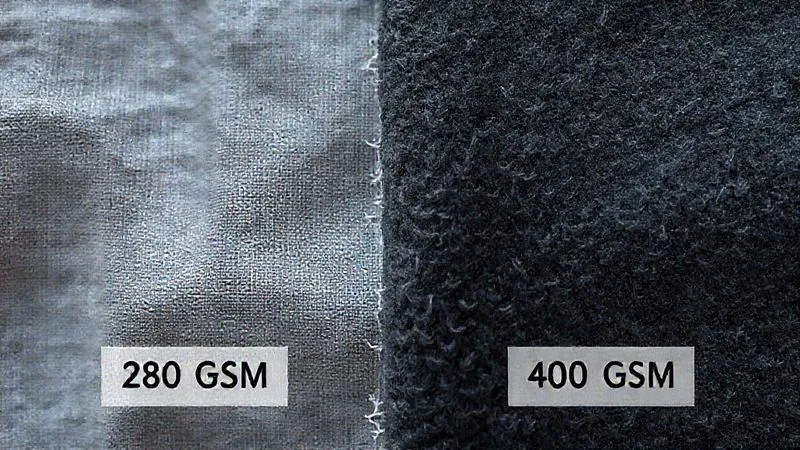
GSM, or grams per square meter, is a direct indicator of fabric density and weight. While not the sole factor, a lower GSM often translates to a thinner, less robust fabric that simply lacks the structural integrity to withstand the rigors of washing and wear. A hoodie with a GSM below 300-320 is inherently more prone to losing its shape, especially in high-stress areas like the hood, cuffs, and hem. Investing in higher GSM fabrics (350+ GSM is ideal for premium streetwear) provides a foundational strength that resists stretching and sagging.
Seam Integrity and Stitching Techniques
Even the finest fabric can fail if the construction is weak. The type of stitching and thread quality dramatically impact a hoodie's ability to retain its form. Flatlock seams, often seen in athletic wear, offer a durable, low-profile finish that resists unraveling and stretching. Overlock (serged) seams are common but require high-quality thread and consistent tension to prevent distortion. Weak stitching, especially in stress points like armholes, necklines, and pockets, is a primary culprit for structural breakdown.
Consider the thread itself: polyester-core spun cotton threads offer a balance of strength and natural feel. Skipping on thread quality to save pennies is a false economy that costs brands dearly in the long run.
| Stitching Type | Pros | Cons | Ideal Use |
|---|---|---|---|
| Flatlock | Highly durable, flat profile, minimizes bulk, strong stretch recovery | More complex to produce, higher cost | High-performance activewear, premium streetwear |
| Overlock (Serged) | Efficient, common, good for knit fabrics | Can be less durable if tension is off, bulky seams if not finished well | Standard garment construction, most ready-to-wear |
| Chain Stitch | Strong, decorative potential | Can unravel if broken, less flexible than flatlock | Hemming, decorative topstitching |
The Washing Machine's Wrath: Heat, Agitation, & Detergents
Once a hoodie leaves the factory, its longevity largely depends on how it's treated in the laundry. This is where customer education becomes as crucial as manufacturing quality.
Thermal Shock: The Enemy of Fabric Stability
Hot water is a primary antagonist for fabric shape. Natural fibers, particularly cotton, are prone to shrinking when exposed to high temperatures, as the heat causes the fibers to contract and tighten. This isn't just about making the garment smaller; it's about distorting its original weave and structure. Repeated exposure to hot water can permanently alter the fabric's memory, leading to a loss of its intended drape and fit.
Expert Insight: "Treat your fabrics like a delicate ecosystem. Extreme temperature changes disrupt their natural balance, leading to irreversible damage. Cold water isn't just a suggestion; it's a preservation strategy."
Mechanical Stress: Agitation's Destructive Power
The vigorous tumbling and spinning of a washing machine, especially on a heavy-duty cycle, subjects fabrics to immense mechanical stress. This agitation can stretch, pull, and distort the garment, particularly if it's already saturated with water, making it heavy and more pliable. The friction from other clothes in the wash can also contribute to pilling and fiber breakdown, further compromising the fabric's integrity. For delicate streetwear items, a gentle cycle with minimal agitation is non-negotiable.
Here are some actionable steps to mitigate mechanical stress:
- Choose the Right Cycle: Always opt for a 'delicate' or 'hand wash' cycle. These use slower agitation speeds and gentler tumbling actions.
- Wash Similar Items Together: Avoid washing heavy items like jeans with lighter, more delicate hoodies, as the heavier items can cause excessive friction and pulling.
- Turn Garments Inside Out: This protects the outer surface from pilling and abrasion during the wash cycle.
- Use Mesh Laundry Bags: For particularly valuable or delicate hoodies, a mesh bag provides an extra layer of protection against snagging and stretching.
Chemical Assault: Harsh Detergents and Softeners
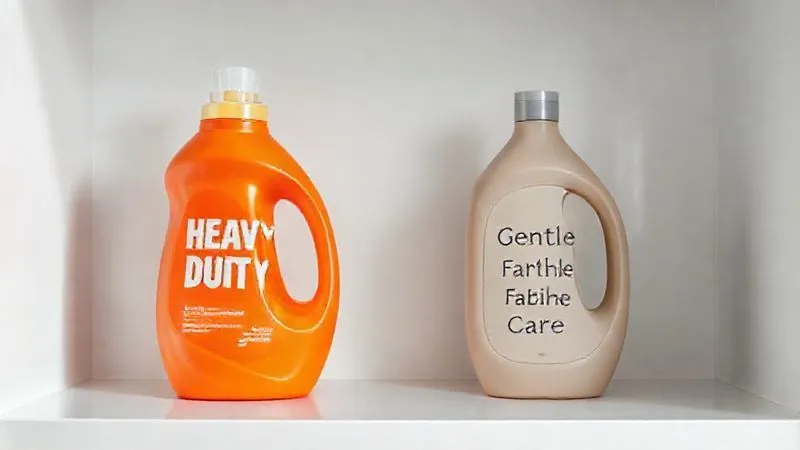
Not all detergents are created equal. Harsh chemical detergents, especially those with strong enzymes designed for heavy stain removal, can be too aggressive for the delicate fibers of premium streetwear. These enzymes can break down fabric fibers over time, weakening their structure and making them more susceptible to stretching and losing shape. Fabric softeners, while seemingly beneficial, can leave a residue that clogs fibers, reducing breathability and sometimes even weakening the fabric's elasticity.
Drying Dilemmas: The Heat Trap and Tumble Trauma
The drying process is often where the most irreversible damage occurs. Many people simply toss their expensive streetwear into a hot tumble dryer, unaware of the havoc it wreaks.
High Heat: A Recipe for Shrinkage and Distortion
Just like hot water, high heat in a tumble dryer causes significant shrinkage, particularly in cotton-rich fabrics. The intense, dry heat strips moisture from the fibers too rapidly, causing them to contract and become brittle. This not only shrinks the garment but can also distort its shape, especially at the seams and ribbed sections, leading to a warped appearance. Even 'low heat' settings can be too aggressive for some premium fabrics.
To preserve your hoodie's shape and extend its life, air drying is almost always the superior choice. Here are the best practices:
- Gently Reshape: After washing, lay the hoodie flat on a clean, dry towel and gently reshape it to its original dimensions.
- Flat Dry: Ideally, dry flat on a mesh drying rack or a clean surface. This prevents stretching from gravity.
- Avoid Hangers: Do not hang a wet hoodie, as the weight of the water will stretch out the shoulders and body.
- Indirect Heat: If flat drying isn't possible, use a clothesline in a well-ventilated area, away from direct sunlight, which can fade colors.
- Low/No Heat Tumble (Last Resort): If you must use a dryer, use the 'air fluff' or 'no heat' setting, and remove the garment while still slightly damp to finish air drying.
Over-Drying and Tumble Stretching
Even if you use a low-heat setting, over-drying can still be detrimental. Prolonged tumbling, regardless of heat, subjects the fabric to continuous mechanical stress, stretching it out as it tumbles. This is particularly problematic for the elastic components like cuffs and hemlines, which can lose their snap-back ability, leading to a permanently baggy and shapeless appearance. Knowing when to pull a garment from the dryer is crucial – ideally, when it's still slightly damp.
For more insights on textile science and care, I often refer to resources like Textile School, which provides a wealth of information on fabric properties and care.
Design & Patterning: Engineering for Longevity
Beyond fabric and wash care, the initial design and pattern cutting play a monumental role in a hoodie's ability to maintain its shape. This is where true craftsmanship shines.
The Grainline and Fabric Layout: A Foundation for Form
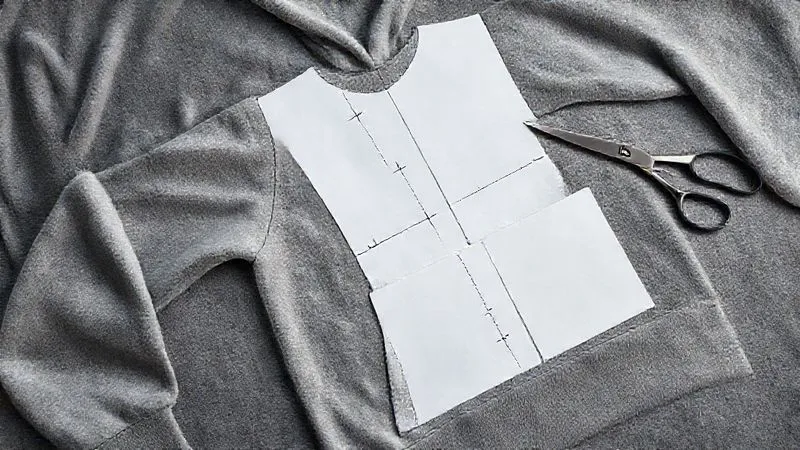
One of the most fundamental yet overlooked aspects of garment construction is cutting fabric along the correct grainline. Fabric has a natural direction of warp and weft (lengthwise and crosswise threads), which dictates its stretch and drape. Cutting pattern pieces off-grain can cause the garment to twist, sag, or stretch unevenly after washing. A skilled pattern maker meticulously lays out pieces to align with the fabric's grain, ensuring the garment hangs correctly and retains its intended shape throughout its lifespan.
Ribbing and Cuffs: The Guardians of Structure
The ribbed cuffs and hem are critical structural elements of a hoodie. They are designed to provide a snug fit and prevent the garment from stretching out. However, if the ribbing itself is made from low-quality material (e.g., poor elasticity, incorrect fiber blend) or is not attached securely, it will quickly lose its stretch memory. A premium hoodie will feature ribbing that is robust, often with a higher percentage of elastane or spandex, ensuring it bounces back wash after wash.
Expert Insight: "The ribbing isn't just an aesthetic detail; it's the anchor of the garment's silhouette. Skimping here is like building a house on sand. Invest in high-recovery rib blends, typically a cotton-elastane mix with significant stretch and snap-back."
Brand Reputation on the Line: The Business Impact
The problem of hoodies losing shape isn't just a textile issue; it's a direct threat to your brand's standing and profitability in a highly competitive market.
Erosion of Trust and Customer Loyalty
In the streetwear world, authenticity and quality are currency. When a customer pays a premium for a hoodie that quickly degrades, it shatters their trust. They feel cheated, leading to a perception that your brand is cutting corners or simply doesn't care about the longevity of its products. This erosion of trust is incredibly difficult to rebuild and directly impacts repeat purchases and brand advocacy.
According to a study by Deloitte, customer loyalty is increasingly driven by product quality and brand values. A single negative experience can outweigh multiple positive ones, especially in an age of instant feedback and social media.
Returns, Replacements, and Reputation Damage
The tangible costs of shape-loss extend to increased returns and replacements, which eat into profit margins and strain logistical operations. Beyond the direct financial hit, the reputational damage is often far more severe. Negative online reviews, social media complaints, and word-of-mouth warnings spread rapidly, deterring potential new customers and making it harder for your brand to grow. In a niche like streetwear, where community and peer recommendation are vital, this can be devastating.
Case Study: How "Urban Threads Co." Reclaimed Its Shape
Urban Threads Co., a mid-sized streetwear brand, faced a significant challenge with their premium hoodie line. Despite stylish designs, customer reviews consistently highlighted issues with hoodies losing their shape and becoming baggy after washing. Returns were spiking, and their social media sentiment was turning negative, hurting their brand's perception of quality.
Recognizing the crisis, I worked with Urban Threads Co. to implement a three-pronged strategy:
- Fabric Upgrade: They transitioned from a 320 GSM 80/20 cotton-poly blend to a pre-shrunk, 400 GSM 70/30 cotton-polyester fleece, specifically sourcing long-staple cotton and a higher-quality elastane blend for their ribbing.
- Enhanced Production QC: They introduced stricter quality control checks on pattern cutting to ensure perfect grainline alignment and reinforced stitching at all stress points.
- Proactive Customer Education: Instead of just relying on hang tags, they created a dedicated 'Care Guide' page on their website, accessible via a QR code on the garment tag. This guide featured detailed videos on cold washing, flat drying, and gentle handling.
Within six months, Urban Threads Co. saw a dramatic reduction in hoodie-related returns by over 60%. More importantly, their customer feedback shifted, with reviews praising the 'unmatched durability' and 'lasting quality' of their garments. This resulted in a 25% increase in repeat customer purchases and a significant boost in positive brand sentiment across social media platforms, solidifying their position as a trusted name in quality streetwear.
Empowering Your Customers: The Art of Care Instruction
Even the highest quality garment can be ruined by improper care. Empowering your customers with clear, accessible care instructions is a non-negotiable step in maintaining brand reputation and product longevity.
Clear, Concise, and Visually Engaging Labels
Beyond the standard international laundry symbols, which can be cryptic to many, brands must provide clear, plain-language instructions. Consider adding a small, well-designed care tag with bullet points or simple icons detailing 'Cold Wash,' 'Lay Flat to Dry,' and 'Do Not Bleach.' Better yet, use a QR code that links directly to an online, detailed care guide.
Digital Resources: Videos and Blog Posts
In today's digital age, static hang tags are insufficient. Create engaging video tutorials or blog posts dedicated to garment care. Show customers exactly how to wash, dry, and store their hoodies to maintain shape. This not only educates but also adds value, demonstrating your brand's commitment to product longevity and customer satisfaction. This proactive approach transforms a potential complaint into an opportunity to build a deeper connection with your audience.
As marketing guru Seth Godin often says, "People do not buy goods and services. They buy relations, stories and magic." Providing detailed care instructions builds a relationship of trust and helps tell the story of a product built to last.
Further reading on the impact of fabric care on garment longevity can be found in academic journals focusing on textile technology and consumer science.
The Path Forward: Quality Control & Sustainable Practices
For streetwear brands to truly thrive and build a legacy, a holistic approach to quality control and sustainable practices is essential. This isn't just about fixing a problem; it's about building a better future for your brand and your customers.
Implementing Robust Pre-Production Testing
The time to catch potential shape-loss issues is before production, not after customers complain. Implement rigorous pre-production testing for all fabric batches. This includes:
- Shrinkage Tests: Wash and dry fabric swatches multiple times to measure actual shrinkage rates and adjust patterns accordingly.
- Colorfastness Tests: Ensure colors won't bleed or fade, which also impacts overall garment appearance.
- Pilling and Abrasion Tests: Simulate wear to predict how the fabric will hold up over time.
- Stretch and Recovery Tests: Crucial for ribbing and high-stretch areas to ensure they retain their elasticity.
| QC Checkpoint | Standard | Test Method |
|---|---|---|
| Fabric Weight (GSM) | +/- 5% of target GSM | Digital GSM cutter & scale |
| Shrinkage Rate (Warp/Weft) | Max 3% after 3 washes | AATCC 135/150 |
| Colorfastness to Washing | Grade 4-5 | AATCC 61 |
| Pilling Resistance | Grade 3-4 (after 1000 cycles) | Martindale or ICI Pilling Box |
| Seam Strength | Min 20 lbs per inch | Tensile Strength Tester |
Investing in Premium Materials and Manufacturing
Ultimately, quality comes at a price. Investing in higher-grade cottons, more stable polyester blends, and superior elastane for ribbing will pay dividends in customer satisfaction and brand reputation. Partner with manufacturers who share your commitment to quality, who employ skilled labor, and who utilize advanced machinery for precise cutting and stitching. This might mean a higher per-unit cost, but it dramatically reduces the hidden costs of returns, negative reviews, and a damaged brand image.
Educating Your Supply Chain
Your quality control measures are only as strong as the weakest link in your supply chain. Work closely with your fabric mills and garment manufacturers. Share your brand's quality standards, provide detailed specifications, and conduct regular audits. Ensure they understand the critical importance of factors like grainline accuracy, stitch tension, and pre-shrinking processes. A collaborative and educated supply chain is the backbone of consistent, high-quality production.
Frequently Asked Questions (FAQ)
Q: What's the ideal fabric blend for shape retention in streetwear hoodies? A: For optimal shape retention combined with comfort, a high-quality 70/30 or 80/20 cotton-polyester blend is often recommended. The cotton provides softness and breathability, while the polyester adds stability and reduces shrinkage. Crucially, look for pre-shrunk cotton and a dense knit (350+ GSM). The ribbing should also contain a good percentage of elastane or spandex for excellent recovery.
Q: Can I reverse the shape loss in an already distorted hoodie? A: Partial reversal might be possible, but it's rarely a complete fix. For cotton hoodies, re-wetting the garment in cold water, gently reshaping it by hand, and then laying it flat to dry can sometimes help. For stretched areas, you might try a very gentle steam, then reshape and allow to cool. However, once fibers are permanently stretched or shrunk, full recovery is unlikely. Prevention is always better than cure.
Q: How do premium brands ensure their hoodies last longer? A: Premium brands invest heavily in several key areas: 1) Superior materials (long-staple cotton, high-recovery blends, durable threads). 2) Meticulous design and pattern engineering (correct grainline, reinforced stress points). 3) Rigorous pre-production testing (shrinkage, pilling, seam strength). 4) Advanced manufacturing techniques (precise cutting, strong stitching). 5) Comprehensive customer care instructions. They view quality as an investment, not an expense.
Q: Are eco-friendly detergents better for fabric longevity? A: Often, yes. Many eco-friendly detergents are formulated with gentler, plant-based ingredients and avoid harsh enzymes or aggressive chemicals that can degrade fabric over time. They are typically designed to clean effectively without stripping fibers or leaving heavy residues, which can contribute to better fabric longevity. Always check the ingredient list for enzyme content and choose 'gentle' or 'delicate' formulas.
Q: What's the best way to store hoodies to maintain their shape? A: To maintain shape, always fold your hoodies rather than hanging them, especially if they are heavy. Hanging can stretch out the shoulders and distort the overall silhouette due to gravity. Store them flat in drawers or on shelves. Ensure they are completely dry before storing to prevent mildew or odors.
Key Takeaways and Final Thoughts
The issue of streetwear hoodies losing shape after washing is far more than a minor inconvenience; it's a critical challenge that directly impacts brand loyalty, reputation, and profitability. As an experienced industry specialist, I've seen firsthand how neglecting this aspect can undermine years of hard work and creative effort.
- Prioritize Fabric & Construction: The foundation of a long-lasting hoodie lies in high-quality fabric (consider GSM, fiber length, blends) and meticulous construction (strong, appropriate stitching, correct grainline).
- Educate on Care: Empower your customers with clear, accessible, and comprehensive washing and drying instructions to ensure proper garment care.
- Implement Robust QC: Integrate rigorous pre-production testing and ongoing quality control throughout your supply chain to catch issues before they reach the customer.
- Invest in Longevity: View premium materials, skilled manufacturing, and thorough customer education as investments that yield significant returns in brand trust and customer satisfaction.
By addressing these core areas with the expertise and dedication they demand, you won't just prevent hoodies from losing their shape; you'll forge a reputation for unwavering quality, cultivate fierce customer loyalty, and ultimately, build a streetwear brand that stands the test of time, wash after wash.
Recommended Reading
- 5 Steps: Integrate Ethical Sourcing into Bespoke Haute Joaillerie
- 7 Strategies: Adapting Vintage Silhouettes for Every Modern Body Type
- Courtroom Comfort: 7 Formal Shoes for Lawyers to Beat Foot Fatigue
- 7 Expert Steps: Securely Transporting High-Value Fashion Samples Through Customs
- Mastering Microplastic Reduction: 7 Strategies for Recycled Synthetics



Your email address will not be published. Required fields are marked *