

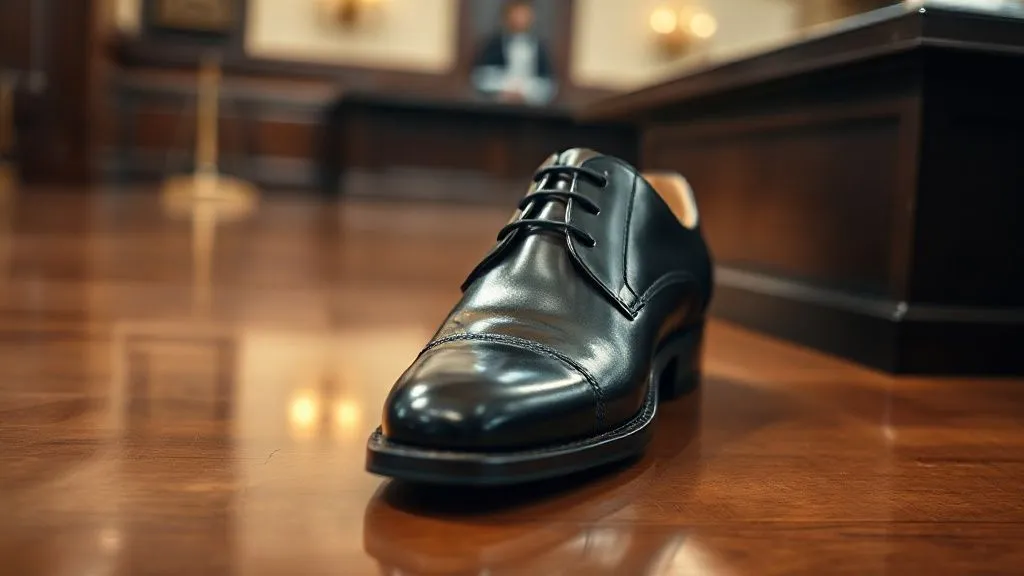
Which formal shoes prevent foot fatigue for lawyers in court?
For over two decades in the footwear industry, specializing in high-performance formal shoes, I've witnessed firsthand the silent toll that demanding professions take on individuals. Lawyers, in particular, face unique challenges. The sheer stamina required to command a courtroom, often standing for hours, is immense. Yet, too often, the very foundation of their stance – their shoes – are an afterthought, leading to debilitating foot fatigue.
The problem is pervasive: attorneys, judges, and legal professionals are routinely sacrificing their long-term foot health and immediate comfort for the sake of antiquated dress codes. This isn't just about a minor ache; it's about compromised focus, reduced energy, and ultimately, a potential impact on their professional performance and overall well-being. I've seen brilliant legal minds struggle to maintain composure not because of a complex argument, but because their feet are screaming in protest.
In this definitive guide, I'll demystify the world of formal footwear, revealing the specific styles, materials, and technological innovations that actively combat foot fatigue. You'll gain actionable insights, backed by my extensive experience and industry knowledge, to choose formal shoes that don't just look the part, but genuinely support you through the most grueling court days. Prepare to discover how the right pair of shoes can transform your courtroom presence and alleviate the unseen burden on your feet.
The Unseen Burden: Why Foot Fatigue Plagues Legal Professionals
Imagine standing for four, six, even eight hours straight, your mind sharp, your arguments precise, but your feet screaming in agony. This isn't an exaggeration for many lawyers. The courtroom environment demands constant readiness, often involving long periods of standing, pacing, and quick transitions – all while maintaining an impeccable professional appearance. This relentless pressure, combined with often unforgiving footwear, creates a perfect storm for foot fatigue.
The Anatomy of Courtroom Stress on Feet
The human foot is an engineering marvel, but it's not indestructible. When subjected to prolonged standing, the plantar fascia, arches, and metatarsals bear the brunt of body weight. Without adequate support and cushioning, these structures become strained, leading to inflammation, pain, and generalized fatigue that radiates up the legs and even into the back. High heels for women, and stiff, unyielding leather soles for men, exacerbate these issues significantly.
"Ignoring foot pain in a demanding profession like law isn't just about discomfort; it's a direct attack on your focus, stamina, and long-term health. Your feet are your foundation."
Common issues stemming from inappropriate footwear in court include:
- Plantar Fasciitis: Sharp heel pain, especially after periods of rest.
- Metatarsalgia: Pain and inflammation in the ball of the foot.
- Achilles Tendinitis: Pain and stiffness along the back of the heel.
- Bunions and Corns: Caused by ill-fitting shoes that put pressure on sensitive areas.
- General Foot and Leg Swelling: Due to poor circulation and prolonged standing.
- Back Pain: Often a secondary symptom of poor foot support and posture.
Beyond Aesthetics: Key Features of Fatigue-Preventing Formal Shoes
When selecting formal shoes for court, the focus must shift from mere aesthetics to a holistic understanding of ergonomic design and material science. It's about finding that crucial balance where professionalism meets profound comfort. I always advise my clients that a truly great formal shoe for a lawyer should be a silent partner, working tirelessly to support them without drawing attention to itself.
Superior Arch Support: The Foundation of Comfort
The arch of your foot is its natural shock absorber. Shoes that lack proper arch support force the foot's muscles and ligaments to overwork, leading to fatigue and pain. Look for shoes with built-in anatomical arch support that mirrors the natural curve of your foot. This helps distribute pressure evenly and maintains proper foot alignment, crucial for preventing conditions like plantar fasciitis.
Cushioning & Shock Absorption: Your Feet's Best Friends
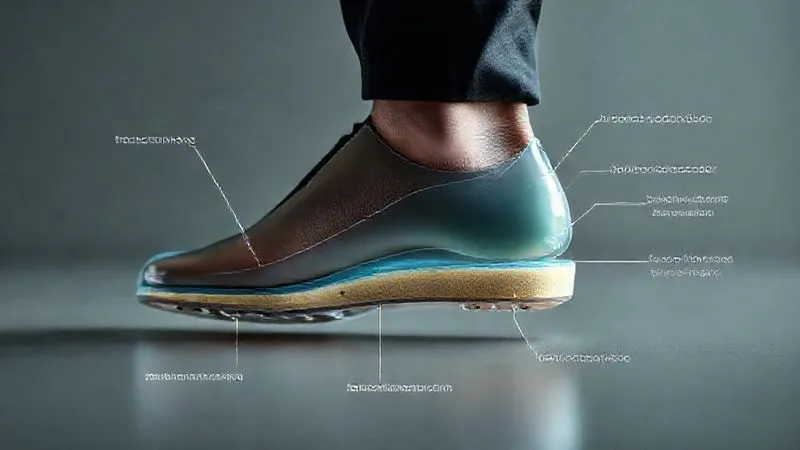
Courtroom floors, often hardwood or stone, are unforgiving. Effective cushioning in the midsole and outsole is paramount. Materials like EVA (ethylene-vinyl acetate) foam, memory foam, or gel inserts provide excellent shock absorption, reducing the impact on your joints with every step. This isn't about a "squishy" feel, but rather a responsive rebound that protects your feet from the constant pounding.
Material Matters: Breathability and Flexibility
High-quality leather is traditional for formal shoes, but not all leather is created equal. Opt for full-grain leather that is supple and allows your feet to breathe, preventing excessive sweating and discomfort. Flexibility in the sole is also critical. A shoe that bends naturally with your foot's movement reduces strain and allows for a more natural gait. Stiff, rigid soles might look formal, but they're a recipe for fatigue.
Proper Fit: The Non-Negotiable Factor
This cannot be stressed enough: a perfectly fitting shoe is the single most important factor in preventing foot fatigue. Shoes that are too tight will pinch and restrict circulation, while those that are too loose will cause your foot to slide, leading to friction and blisters. Always measure your feet accurately, ideally at the end of the day when they are slightly swollen, and try on shoes with the type of socks you'd typically wear in court. There should be about half an inch of space between your longest toe and the end of the shoe.
Top 7 Formal Shoe Styles That Deliver Courtroom Comfort
Having navigated countless showrooms and advised myriad professionals, I've identified specific formal shoe styles that, when chosen with the right features, offer an unparalleled blend of gravitas and genuine comfort. This isn't about sacrificing style; it's about making informed choices within the realm of classic elegance.
1. The Classic Oxford (with modern comfort tech)
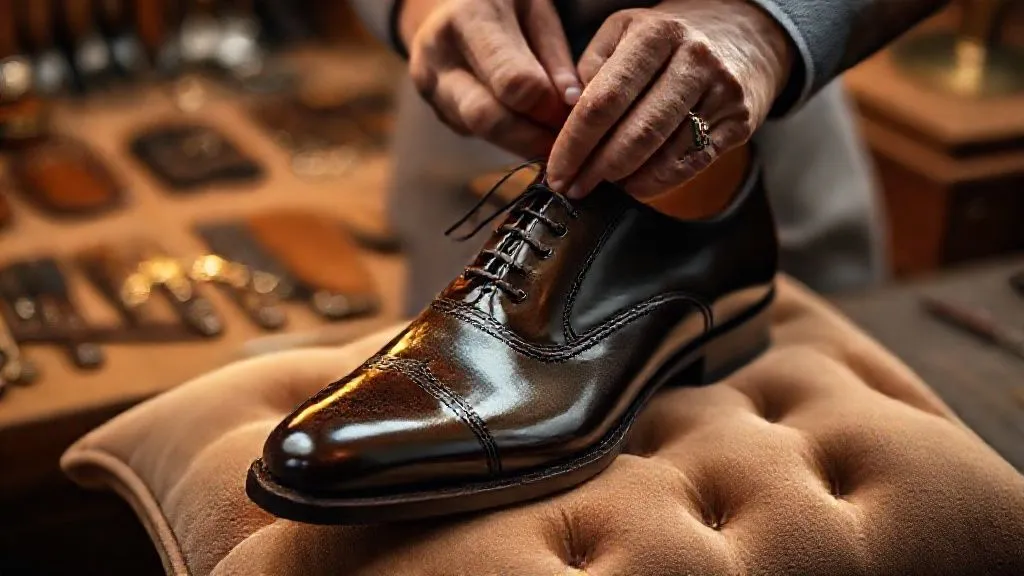
The Oxford remains the gold standard for formal attire. Its closed lacing system offers a sleek, sophisticated profile. However, traditional Oxfords can be rigid. Look for modern interpretations that incorporate hidden comfort features: a cushioned insole, a flexible rubber or composite sole (rather than stiff leather), and a slightly wider toe box if your foot shape allows. Brands often integrate gel pads or memory foam layers discreetly. This style is excellent for maintaining a commanding presence without compromising on support if you choose wisely.
2. The Derby (for wider feet and flexibility)
Similar to the Oxford but with an open lacing system, the Derby offers more flexibility and a slightly roomier fit, making it a fantastic choice for those with wider feet or higher insteps. This openness allows for greater adjustability throughout the day as feet naturally swell. Modern Derbies, especially those with lightweight construction and responsive cushioning, can be incredibly comfortable for prolonged standing, while still projecting an authoritative image. They are often less restrictive than Oxfords, providing a welcome relief.
3. The Monk Strap (style meets substance)
A sophisticated alternative to Oxfords and Derbies, the Monk Strap features buckles instead of laces. This style offers a secure fit that can be adjusted. Importantly, many Monk Straps are designed with a slightly more generous internal volume, which can contribute to comfort. When seeking a Monk Strap for court, prioritize those with soft leather linings and well-cushioned footbeds. Their unique aesthetic adds a touch of personality without straying from professional decorum, and the ease of adjustment is a definite plus for long days.
4. The Loafer (comfort without sacrificing decorum)
While some traditionalists might balk, certain loafer styles, particularly penny loafers or horsebit loafers in dark, polished leather, are perfectly acceptable in many courtrooms, especially when paired with a well-tailored suit. The slip-on nature offers unparalleled ease, and many contemporary loafers are engineered with exceptionally comfortable insoles, flexible soles, and superior arch support. The key is to select a loafer that is structured, made from high-quality materials, and maintains a formal silhouette. Avoid overly casual or chunky designs.
5. The Chelsea Boot (for versatile support)
Chelsea boots, with their sleek, laceless design and elastic side panels, offer excellent ankle support and can be surprisingly comfortable for extended wear. The higher cut provides stability, which can be a relief during long periods of standing. Look for versions with a robust, cushioned sole and high-quality leather. They pair exceptionally well with suits and can be a stylish, practical choice, particularly in colder climates or for those who prefer the added stability of a boot. The ease of slipping them on and off is also a significant benefit.
6. Women's Block Heels/Wedges (stability & elegance)
For female lawyers, the traditional stiletto is often a source of immense discomfort. I strongly recommend opting for block heels or elegant wedges. A block heel, typically 1.5 to 2.5 inches, distributes weight more evenly across the foot, providing significantly more stability and reducing pressure on the ball of the foot. Wedges offer even more surface area for support. Seek out styles with proper arch support, cushioned insoles, and a secure fit around the ankle and instep. Brands are increasingly designing these with comfort technologies, making them a game-changer for women in court.
7. The Dress Sneaker (when appropriate, subtle comfort)
This is a more avant-garde option and requires careful judgment of your specific courtroom environment and firm culture. However, the rise of the "dress sneaker" – a minimalist, sleek leather sneaker with a refined silhouette – offers unparalleled comfort. These are typically monochromatic, made from premium leather, and designed to look more like a dress shoe than an athletic shoe. They feature advanced cushioning and support. If your firm or court allows for a slightly more relaxed interpretation of "formal," a high-quality dress sneaker can be an absolute revelation for foot fatigue. Always err on the side of caution and observe local norms before adopting this style.
| Style | Key Comfort Feature | Best For |
|---|---|---|
| Oxford | Hidden cushioning, flexible sole | Classic formality, structured look |
| Derby | Open lacing, wider fit | Wider feet, all-day adjustability |
| Monk Strap | Adjustable buckles, generous volume | Secure fit, unique style |
| Loafer | Slip-on ease, cushioned footbed | Quick changes, effortless comfort |
| Chelsea Boot | Ankle support, robust sole | Stability, versatile wear |
| Block Heel/Wedge (Women's) | Even weight distribution, stability | Reducing ball-of-foot pressure |
| Dress Sneaker | Advanced cushioning, lightweight | Maximum comfort (if acceptable) |
The Science of Sole: Understanding Ergonomic Footwear Technology
It's not enough to just pick a style; the true magic in preventing foot fatigue for lawyers lies in the hidden technologies within the shoe's construction. Modern footwear engineering has made incredible strides, moving far beyond simple leather and wood. Understanding these innovations can empower you to make truly informed choices.
Gel Inserts and Memory Foam: A Deep Dive
These materials are not just marketing buzzwords; they offer tangible benefits. Gel inserts, strategically placed in high-impact zones like the heel and forefoot, provide superior shock absorption and energy return. They dissipate the forces generated with each step, reducing stress on joints. Memory foam, on the other hand, molds to the unique contours of your foot, providing custom cushioning and pressure relief. It helps distribute weight evenly, preventing pressure points that often lead to discomfort. Many premium formal shoes now integrate these technologies directly into their footbeds, offering “out-of-the-box” comfort that lasts.
Orthotic-Friendly Designs: Accommodating Custom Inserts
For lawyers with specific foot conditions or those who require custom orthotics, choosing orthotic-friendly formal shoes is crucial. These shoes typically feature a removable insole, allowing you to replace the factory insert with your prescribed orthotic without compromising the shoe's fit or integrity. Look for shoes with sufficient depth and width in the toe box to comfortably accommodate the orthotic. Brands that understand this need often highlight "removable footbed" or "orthotic-compatible" in their product descriptions. This adaptability ensures that personalized support can be integrated seamlessly into your professional wardrobe, a key factor in preventing foot fatigue.
Lightweight Construction: Reducing the Load
Every ounce counts when you're on your feet for hours. Traditional formal shoes can be surprisingly heavy, adding to the burden on your legs and feet. Modern manufacturing techniques and materials, such as lightweight EVA midsoles, composite shanks, and thinner, yet durable, outsoles, significantly reduce the overall weight of the shoe without sacrificing support or durability. A lighter shoe means less energy expended with each step, directly contributing to reduced fatigue by the end of a long day in court. This seemingly minor detail can have a profound impact on your overall energy levels and comfort. Harvard Business Review even discusses how physical discomfort can impair cognitive function, underscoring the importance of addressing foot fatigue.
Case Study: How Attorney Sarah Transformed Her Courtroom Experience
Case Study: How Attorney Sarah Transformed Her Courtroom Experience
Sarah, a brilliant litigator from a bustling downtown firm, was facing a growing problem: debilitating foot and lower back pain after every trial day. She routinely wore stylish, but incredibly rigid, high-heeled pumps that, while visually impressive, offered zero support. Her focus in afternoon sessions was waning, replaced by a constant internal battle against discomfort. After a particularly grueling week that ended with a visit to a podiatrist, Sarah decided it was time for a change.
Following my advice, Sarah invested in two pairs of high-quality formal shoes: a pair of women's block heels with integrated arch support and gel cushioning, and a pair of elegant leather loafers from a brand known for its ergonomic designs. She also committed to breaking them in properly and using a custom orthotic in her block heels. The transformation was remarkable. Within weeks, her daily foot pain diminished significantly. She reported feeling more energetic and focused during closing arguments, no longer distracted by aching feet. "It's like I unlocked a new level of endurance," she told me. "I can now stand confidently, knowing my feet are supported, allowing me to fully concentrate on my case, not my discomfort." This shift not only improved her physical well-being but also her overall professional effectiveness, proving that investing in the right footwear is investing in your career.
Actionable Steps: Choosing and Maintaining Your Fatigue-Free Footwear
Selecting the right formal shoes to prevent foot fatigue for lawyers in court is a process that requires thought and strategic action. Here are my step-by-step recommendations to ensure you make the best investment for your comfort and professional longevity.
-
Step 1: Assess Your Foot Type and Needs
Before you even step into a shoe store, understand your feet. Do you have high arches, flat feet, or wide feet? Are you prone to plantar fasciitis or bunions? Knowing your specific needs will guide your choices. Consider visiting a podiatrist for a professional assessment if you have chronic pain. This foundational knowledge is critical for making targeted selections.
-
Step 2: Prioritize Fit Over Fashion
Always try on shoes at the end of the day when your feet are slightly swollen. Wear the type of socks or hosiery you'd typically wear in court. Ensure there's ample room in the toe box for your toes to wiggle, and that the heel doesn't slip excessively. The shoe should feel snug but not tight. Don't assume your size is static; feet can change over time. Many reputable shoe stores offer professional fitting services – utilize them!
-
Step 3: Don't Skimp on Quality Materials
Invest in full-grain leather for breathability and durability. Examine the sole: is it flexible? Does it offer good traction? Are there visible signs of cushioning technology? Quality materials not only last longer but also adapt better to your feet over time, providing superior comfort. While the upfront cost may be higher, the long-term benefits for your health and performance are invaluable.
-
Step 4: Break Them In Properly
Never wear brand-new formal shoes for the first time on a long court day. Break them in gradually by wearing them for short periods around the house or for less demanding tasks. This allows the leather to soften and the shoe to mold to your foot, preventing blisters and discomfort when it matters most. Persistence during this phase pays off immensely.
-
Step 5: Regular Maintenance is Key
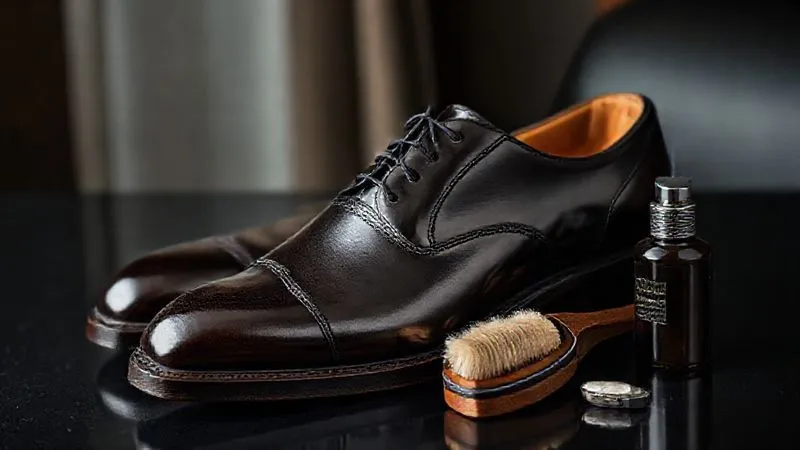
Clean and condition your leather shoes regularly to keep them supple and prevent cracking. Rotate your shoes daily if possible; this allows them to air out and the cushioning to rebound. Using shoe trees helps maintain their shape and absorb moisture. Proper care extends the life of your investment and ensures they continue to provide optimal comfort and support. Neglecting maintenance can quickly degrade even the best ergonomic features.
Common Mistakes Lawyers Make with Their Footwear (And How to Avoid Them)
In my years observing professionals, I've noticed recurring patterns in footwear choices that actively contribute to foot fatigue. Recognizing these pitfalls is the first step towards rectifying them and making more informed decisions about which formal shoes prevent foot fatigue for lawyers in court.
- Prioritizing Style Over Substance: Many lawyers choose shoes based purely on aesthetics, opting for the sharpest, most fashionable designs without considering internal comfort or support features. This often leads to rigid soles, narrow toe boxes, and insufficient cushioning.
- Ignoring the Fit: Assuming your shoe size never changes or buying shoes without trying them on properly is a common error. A half-size off or a slightly wrong width can cause immense discomfort over hours of wear.
- Wearing Worn-Out Shoes: Holding onto shoes long past their prime, when the soles are flattened, the cushioning is compressed, and the structure is compromised, is a false economy. Worn-out shoes offer no support and actively contribute to pain.
- Lack of Shoe Rotation: Wearing the same pair of shoes day in and day out doesn't allow the shoes to fully dry out or their cushioning to recover. This shortens the lifespan of the shoes and reduces their comfort effectiveness.
- Neglecting Foot Health: Forgetting that shoes are just one part of the equation. Ignoring foot stretches, massages, or addressing underlying issues like bunions or flat feet will negate even the most comfortable footwear.
- Improper Sock Choice: Wearing thin, non-breathable socks can lead to friction, sweating, and blisters, even in well-fitting shoes. Opt for moisture-wicking, supportive dress socks.
"Your courtroom presence is built from the ground up. Don't let preventable foot fatigue undermine your confidence and performance. Invest in footwear that works as hard as you do."
Beyond the Shoes: Holistic Approaches to Foot Health
While selecting the right formal shoes is paramount, it's crucial to understand that they are part of a larger ecosystem of foot health. Even the most ergonomically advanced footwear won't fully compensate for neglected feet. As an industry specialist, I advocate for a holistic approach that complements your choice in footwear, ensuring your feet remain resilient and pain-free.
Stretching and Exercises
Incorporating simple foot and ankle stretches into your daily routine can significantly improve flexibility, circulation, and muscle strength. Exercises like toe curls, ankle rotations, and calf stretches can alleviate tension and prepare your feet for the demands of a long day. A quick 5-minute routine in the morning and evening can make a world of difference in preventing stiffness and fatigue. These small efforts contribute greatly to overall foot resilience. For guidance, consider resources from the American Podiatric Medical Association (APMA).
Regular Foot Massages
A simple foot massage, whether self-administered or professional, can do wonders for circulation and muscle relaxation. Using a tennis ball or a specialized foot roller to massage the arches and soles can release tension and improve blood flow, reducing the buildup of lactic acid that contributes to fatigue. Even a few minutes each evening can provide immense relief and aid in recovery after hours spent standing in court.
Hydration and Nutrition
Believe it or not, your diet and hydration levels impact your foot health. Staying well-hydrated helps maintain joint lubrication and muscle elasticity. A diet rich in anti-inflammatory foods (like leafy greens, berries, and omega-3 fatty acids) can reduce systemic inflammation, which can exacerbate foot pain. Conversely, excessive consumption of processed foods and sugary drinks can contribute to inflammation and swelling, making foot fatigue worse. Proper nutrition supports overall musculoskeletal health, including your feet.
| Routine Element | Frequency | Benefit |
|---|---|---|
| Daily Foot Stretches | Morning & Evening | Improved flexibility, reduced stiffness |
| Foot Massage (tennis ball/roller) | Daily (5-10 mins) | Enhanced circulation, muscle relaxation |
| Hydration | Throughout the day | Joint lubrication, reduced swelling |
| Anti-inflammatory Diet | Consistent | Reduced systemic inflammation |
| Shoe Rotation | Daily | Extends shoe life, allows cushioning rebound |
Frequently Asked Questions (FAQ)
Question? I have flat feet. What specific features should I prioritize when looking for formal shoes to prevent foot fatigue?
Answer: For flat feet, strong arch support is absolutely critical, but it needs to be the right kind. Look for shoes with a firm, built-in arch support that provides gentle lift, rather than an overly aggressive one that might cause discomfort. A wider toe box is also beneficial to prevent cramping. Many brands offer motion-control features or removable insoles that can be replaced with custom orthotics specifically designed for flat feet. Prioritize stability and a well-cushioned midsole to absorb shock. Avoid overly flexible shoes that offer no structural support.
Question? Are expensive formal shoes always more comfortable, or can I find good options at a mid-range price point?
Answer: While higher price often correlates with better materials and craftsmanship, it doesn't automatically guarantee superior comfort. Many mid-range brands have significantly invested in ergonomic design and comfort technologies in recent years. The key is to look for the specific features we've discussed – arch support, cushioning, flexible soles, and quality leather – regardless of the price tag. Sometimes, you're paying for brand prestige rather than actual comfort features. Always try them on and assess the feel; don't just assume.
Question? How often should I replace my formal shoes if I wear them daily in court?
Answer: This largely depends on the quality of the shoe, your body weight, and how frequently you rotate them. As a general rule, if you're wearing a pair of formal shoes almost daily, even with good rotation, you should inspect them every 6-12 months. Signs of wear include flattened cushioning, worn-down soles (especially under the heel and ball of the foot), cracked leather, or a general loss of structural integrity. If you notice increased foot fatigue or pain, it's a clear signal that the shoes are no longer providing adequate support and it's time for replacement. Investing in two or three high-quality pairs for rotation can significantly extend their lifespan.
Question? Can custom orthotics really make a difference, and are they compatible with all formal shoes?
Answer: Yes, custom orthotics can make a profound difference, especially for individuals with specific biomechanical issues or chronic foot pain. They are designed to correct imbalances, provide targeted support, and distribute pressure more effectively than off-the-shelf inserts. However, they are not compatible with all formal shoes. You'll need to look for shoes with a removable insole and sufficient depth and width in the toe box to accommodate the orthotic without making the shoe too tight. Always bring your orthotics with you when trying on new shoes to ensure a proper fit. For more on the benefits, consider consulting a podiatrist or resources like this study on orthotic effectiveness.
Question? Are there specific brands known for making comfortable formal shoes for professionals?
Answer: Absolutely. While I can't endorse specific brands without a full product review, I can point to companies that consistently prioritize comfort and ergonomic design in their formal lines. For men, brands like Ecco, Allen Edmonds (with their comfort lines), Cole Haan (especially their Zerogrand series), and Rockport are frequently cited. For women, brands such as Clarks, Eileen Fisher, Vionic, and specific lines from Cole Haan or Stuart Weitzman often integrate advanced comfort technologies into stylish formal options. Always look for brands that highlight features like “anatomical footbeds,” “flexible outsoles,” or “shock absorption” in their descriptions. Forbes often publishes lists of top comfortable dress shoe brands.
Key Takeaways and Final Thoughts
Navigating the demanding world of legal practice requires not just intellectual prowess but also physical endurance. The question of 'Which formal shoes prevent foot fatigue for lawyers in court?' is not trivial; it's fundamental to sustained performance and long-term well-being. My experience has shown me that making informed footwear choices is one of the most impactful, yet often overlooked, strategies for legal professionals.
To recap the most critical, actionable advice:
- Prioritize Ergonomic Design: Look for built-in arch support, ample cushioning, and flexible soles.
- Choose the Right Style: Oxfords, Derbies, Monk Straps, comfortable Loafers, Chelsea Boots, and stable Block Heels/Wedges offer professional aesthetics with potential for comfort.
- Focus on Fit and Materials: A perfect fit is non-negotiable, and high-quality, breathable leather is paramount.
- Embrace Technology: Seek out shoes with gel inserts, memory foam, and lightweight construction.
- Implement Holistic Foot Care: Complement your shoes with stretches, massages, and proper hydration.
- Avoid Common Mistakes: Don't sacrifice comfort for style, neglect fit, or wear worn-out footwear.
Your feet are the foundation of your professional presence. By consciously selecting formal shoes that prioritize comfort and support, you're not just preventing foot fatigue; you're investing in your focus, stamina, and overall health. Step into the courtroom with confidence, knowing that every step you take is supported, allowing you to dedicate your full energy to your arguments and your clients. The right pair of shoes isn't just an accessory; it's an essential tool for your success.
Recommended Reading
- 5 Proven Strategies: Guarding Your Sneaker Brand from Counterfeits
- Decoding Multi-Material Textile Recycling: 7 Steps to Efficiency
- Bridal Hair Emergency? 5 Quick Fixes When Your Style Unravels
- 5 Ways to Afford Quality Eco-Friendly Kids' Clothes: No Compromises
- 5 Ways to Stop Self-Cleaning Sportswear Failing from Sweat



Your email address will not be published. Required fields are marked *