

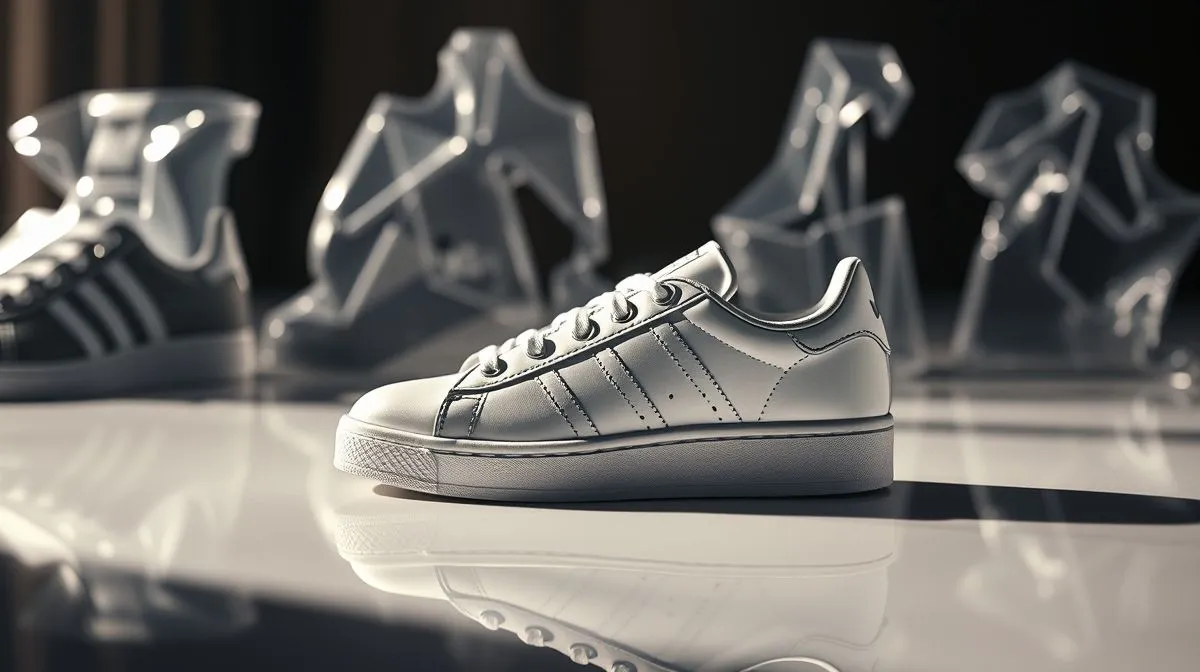
How to protect sneaker brand reputation from rampant counterfeits?
For over two decades navigating the intricate, passionate, and often fiercely competitive world of streetwear and sneaker culture, I've witnessed firsthand the incredible highs of innovative design and the crushing lows of insidious infringement. Nothing erodes the blood, sweat, and tears poured into building a revered sneaker brand faster than the rampant spread of counterfeits. It’s a cancer that doesn't just eat into your bottom line; it devours your brand’s most precious asset: its reputation and the trust of its community.
I've seen emerging brands, full of potential, stumble and even fall because they underestimated the pervasive threat of fakes. It’s not just about losing a sale; it's about a customer buying a shoddy, unauthorized product, attributing its poor quality to your brand, and then spreading that negative experience like wildfire across social media and word-of-mouth. The pain point is clear: you’re losing control of your narrative, your quality standards, and ultimately, your legacy.
This isn't merely an academic exercise. What you're about to read are not just theories, but actionable frameworks, battle-tested strategies, and real-world insights gleaned from years in the trenches. My goal is to equip you with the knowledge and tools to not only combat the counterfeit crisis but to turn your brand into an unassailable fortress, safeguarding your hard-earned reputation and ensuring your authentic vision shines through.
The Silent Erosion: Understanding the True Cost of Counterfeits
The immediate thought when we talk about counterfeits is often 'lost sales,' and while that's a significant financial blow, it’s merely the tip of the iceberg. The deeper, more insidious damage is the silent erosion of your brand's reputation. When consumers unwittingly purchase a fake, their experience with that product – its poor quality, its lack of durability, its failure to meet expectations – is attributed directly to your brand.
This misattribution is devastating. It compromises consumer trust, dilutes brand equity, and can lead to a pervasive sense of betrayal among your most loyal customers. Think about it: a sneakerhead saves up for months for that coveted release, only to receive a poorly constructed knock-off. That disappointment isn't aimed at the counterfeiter; it's aimed squarely at your brand. This leads to negative reviews, social media backlash, and a general decline in perceived value that can take years, if not decades, to repair.
Beyond Lost Sales: The Intangible Damages
The intangible costs extend far beyond customer disillusionment. Counterfeiting stifles innovation; why invest heavily in R&D for groundbreaking designs or sustainable materials if they can be copied and mass-produced by illicit operations within weeks? It also impacts investor confidence, making it harder to secure funding for growth. Furthermore, it creates a grey market that undermines official distribution channels, disrupting pricing strategies and harming authorized retailers who invest in your brand.
"In the streetwear industry, your brand's reputation is its currency. Counterfeits are hyperinflation, devaluing everything you've built." - Industry Expert Insight
According to a report by the Deloitte Legal Global Brand Protection Report, the global trade in counterfeit goods is estimated to be over half a trillion dollars annually. This isn't just about luxury handbags; sneakers are a prime target due to their high demand, perceived value, and collectible nature. Understanding this multi-faceted threat is the first crucial step in learning how to protect sneaker brand reputation from rampant counterfeits.
Fortifying Your Supply Chain: The First Line of Defense
The battle against counterfeits often begins not in the marketplace, but deep within your supply chain. A weak link here can be exploited, leading to the diversion of authentic goods or, more commonly, the leakage of design specifications and materials that enable high-quality fakes. Securing your supply chain is paramount.
Implementing Blockchain and RFID for Traceability
One of the most powerful tools at your disposal is enhanced traceability. Technologies like Blockchain and RFID (Radio-Frequency Identification) offer an immutable record of a product's journey from raw material to retail shelf. Each sneaker can be assigned a unique digital fingerprint, logged on a secure, decentralized ledger. This makes it incredibly difficult for counterfeiters to insert fake products into the legitimate supply chain without detection.
RFID tags, embedded discreetly in the sneaker, allow for real-time tracking and authentication at various checkpoints. Combined with blockchain, this creates a transparent and verifiable lineage that consumers can even access, adding an extra layer of trust.
Rigorous Vendor Vetting and Contractual Safeguards
Your manufacturers, material suppliers, and logistics partners are extensions of your brand. Conduct thorough due diligence on every entity in your supply chain. Visit factories, audit their security protocols, and scrutinize their sub-contracting practices. Crucially, implement stringent contractual agreements that include robust clauses on intellectual property protection, non-disclosure, and severe penalties for any breaches leading to counterfeiting.
Case Study: How 'SoleGuard' Sneakers Revolutionized Supply Chain Security
SoleGuard, a fictional but representative mid-tier sneaker brand known for its innovative eco-friendly materials, faced a surge in high-quality counterfeits that were difficult to distinguish from originals. Their existing supply chain was traditional and opaque. Recognizing the existential threat, SoleGuard invested heavily in a multi-pronged approach:
SoleGuard implemented a blockchain-based tracking system where every component, from recycled rubber soles to organic cotton laces, was tagged and logged at each stage of production. They also integrated RFID chips into the tongue of every sneaker, allowing for granular tracking through distribution centers. Furthermore, they conducted surprise audits of their overseas manufacturing partners and introduced a strict 'no sub-contracting without express written consent' policy. Within 18 months, SoleGuard reported a significant drop in high-grade counterfeits reaching the market, and consumer confidence, which had previously dipped, began to rebound, reflected in a 15% increase in repeat purchases.
Leveraging Technology for Authentication and Consumer Trust
Once your sneakers leave the secure confines of your supply chain, the next line of defense is empowering the consumer to verify authenticity. This is where cutting-edge authentication technologies come into play, not just as deterrents but as trust-builders.
NFC Tags, QR Codes, and Digital Certificates
Embedding NFC (Near Field Communication) tags or unique QR codes directly into your sneakers allows consumers to instantly verify authenticity with a simple tap or scan of their smartphone. When scanned, these tags can link to a secure digital certificate stored on a blockchain or a proprietary database, displaying details like manufacturing date, batch number, and authentication status. This immediate, verifiable feedback loop is incredibly powerful in building confidence and demonstrating transparency.
AI-Powered Authentication Apps
Beyond simple scans, some brands are leveraging AI and machine learning in dedicated authentication apps. Consumers can upload high-resolution photos of specific sneaker details – stitching patterns, sole textures, material nuances – and the AI analyzes these against a vast database of authentic and counterfeit characteristics. This technology is constantly learning, becoming more sophisticated with every new data point, making it harder for counterfeiters to keep up.
Implementing a Digital Authentication System
- Select Your Technology: Research and choose the authentication technology that best fits your brand's aesthetic, budget, and consumer base (e.g., NFC, QR, holographic labels).
- Integrate into Production: Ensure seamless integration of the chosen tech during the manufacturing process. This often requires collaboration with your production partners.
- Develop a User-Friendly App/Web Portal: Create an intuitive mobile application or a dedicated web page where consumers can easily scan their sneaker and receive immediate authentication results.
- Educate Your Consumers: Launch a campaign to inform your customers about the new authentication method. Provide clear instructions and highlight the benefits of verifying their purchase.
- Monitor and Update: Continuously monitor usage data and feedback. Update your authentication database with new product releases and learn from any attempted counterfeit authentications to refine your system.
As Seth Godin, the renowned marketing guru, often emphasizes, trust is the new currency. Providing accessible, verifiable authentication tools is a direct investment in that currency, helping you definitively answer the question: how to protect sneaker brand reputation from rampant counterfeits?
Proactive Legal and Enforcement Strategies
While preventative measures are crucial, the reality is that some counterfeits will inevitably slip through. This necessitates a robust and proactive legal strategy, transforming your legal department into an offensive and defensive powerhouse.
Registering Intellectual Property Globally
Your designs, logos, unique material compositions, and even certain colorways can be protected. This includes trademarks for your brand name and logos, copyrights for original designs, and design patents for novel aesthetic features. Registering your intellectual property (IP) in key markets where your products are sold and where counterfeiting is prevalent (e.g., China, Southeast Asia, Europe, North America) provides the legal teeth necessary for enforcement.
According to the World Intellectual Property Organization (WIPO), a strong IP portfolio is the foundation for any effective brand protection strategy. Without registered IP, your ability to pursue legal action against infringers is severely limited.
Partnering with Law Enforcement and Customs
Forge strong relationships with customs officials and local law enforcement agencies in target markets. Provide them with training on how to identify your authentic products, share details of known counterfeit operations, and equip them with the necessary documentation to seize illicit goods. Many countries have dedicated IP enforcement units that can be invaluable allies.
Cease and Desist Orders & Litigation
When counterfeiters are identified, swift legal action is essential. Issuing cease and desist letters can often deter smaller operations. For larger, more organized counterfeit rings, aggressive litigation – including injunctions, asset seizures, and damages claims – sends a powerful message. While costly, successful lawsuits can not only recover lost revenue but also serve as a significant deterrent for future infringers. It demonstrates your brand's unwavering commitment to protecting its integrity.
"A brand that doesn't defend its IP invites further infringement. Be relentless in protecting what's yours." - Legal Counsel Perspective
This proactive legal posture is a critical component of how to protect sneaker brand reputation from rampant counterfeits, showing both consumers and infringers that your brand values its authenticity above all else.
Empowering Your Community: Turning Consumers into Brand Defenders
Your most powerful allies in the fight against counterfeits are often your own customers. They are on the ground, seeing new releases, browsing online marketplaces, and often have an intimate knowledge of your product. Empowering them turns passive buyers into active brand defenders.
Educating Consumers on Spotting Fakes
Create clear, accessible resources that teach consumers how to identify authentic products versus fakes. This could be a dedicated section on your website, infographic guides on social media, or even short video tutorials. Highlight specific authenticity markers: unique stitching, specific material textures, packaging details, and the proper functioning of your authentication apps. Make it easy for them to report suspicious listings or sellers directly to you.
Loyalty Programs and Exclusive Access
Reward loyal customers who purchase directly from authorized channels. Exclusive loyalty programs, early access to new releases, limited-edition drops, and personalized experiences not only foster deeper relationships but also reinforce the value of authenticity. When consumers feel valued and part of an exclusive community, they are less likely to seek out cheaper, unverified alternatives and more likely to advocate for your brand.
A study published in Harvard Business Review often highlights that customer loyalty programs can significantly increase repeat purchases and customer lifetime value, creating a stronger barrier against counterfeit market infiltration. By educating and engaging your community, you create a powerful network of eyes and ears on the ground, making it harder for counterfeiters to operate undetected and helping you figure out how to protect sneaker brand reputation from rampant counterfeits.
Aggressive Online Monitoring and Takedown Campaigns
The digital realm is where counterfeits often proliferate most rapidly, from social media marketplaces to large e-commerce platforms. An effective brand protection strategy demands constant vigilance and swift action in this space.
Utilizing AI-Powered Brand Protection Software
Manual monitoring of the internet for counterfeit listings is a Herculean, if not impossible, task. Invest in AI-powered brand protection software. These sophisticated tools can scan millions of online listings across e-commerce sites, social media platforms, and even dark web forums, identifying suspicious products using image recognition, keyword matching, and network analysis. They can detect unauthorized use of your logos, product images, and brand names at scale.
Navigating Marketplace Takedown Procedures
Once identified, the next step is swift takedown. Most major e-commerce platforms (e.g., eBay, Amazon, Alibaba, Shopify) and social media sites (e.g., Instagram, Facebook, TikTok) have established IP infringement reporting mechanisms. Familiarize yourself with each platform's specific procedures, as they can vary significantly. Be prepared to provide clear evidence of infringement and proof of your registered IP.
Executing a Takedown Campaign
- Identify and Prioritize: Use your monitoring software to identify counterfeit listings. Prioritize those with high visibility, significant sales volume, or egregious misrepresentations.
- Gather Evidence: Collect screenshots, product links, seller information, and compare them against your authentic product details and registered IP.
- Submit Takedown Notices: Follow each platform's specific process for submitting infringement notices. Ensure all required documentation and details are provided accurately and promptly.
- Follow Up and Escalate: Don't assume the first notice will be sufficient. Follow up regularly. If initial attempts fail, escalate the issue through the platform's support channels or legal contacts.
- Track and Analyze: Maintain a detailed log of all takedown requests, their outcomes, and the time taken. This data helps optimize your strategy and identify persistent infringers.
Consistent and aggressive online enforcement sends a clear message to counterfeiters: your brand is actively monitoring and will not tolerate infringement. This proactive stance is vital for how to protect sneaker brand reputation from rampant counterfeits in the digital age.
Innovation as a Shield: Staying Ahead of the Copycats
While legal and technological defenses are crucial, one of the most organic and powerful ways to combat counterfeits is through continuous innovation. It’s harder to copy what's truly unique and constantly evolving.
Continual Product Development and Unique Features
By consistently pushing the boundaries of design, material science, and functionality, you create products that are inherently difficult to replicate perfectly. Incorporate unique, proprietary technologies or design elements that require specialized manufacturing processes or materials. These 'signature' features become natural authenticity markers that are hard for counterfeiters to mimic convincingly without significant investment, which often isn't their business model.
Limited Editions and Scarcity Marketing
The sneaker world thrives on hype and exclusivity. Strategically leveraging limited-edition releases, collaboration drops, and scarcity marketing can create an immediate, high-demand market that genuine consumers will only trust buying from authorized channels. The perceived value of a rare, authentic piece far outweighs any counterfeit, reducing the appeal of fakes for serious collectors and enthusiasts. This also makes the 'fake' market less attractive as it's harder to replicate the 'exclusivity' aspect.
"Innovation isn't just about what's next; it's about making your present so unique, it becomes an anti-counterfeit mechanism." - Design Philosophy Insight
A brand that continuously innovates creates a dynamic target, making it harder for counterfeiters to establish a stable, profitable business model around its products. This forward-thinking approach is often overlooked but is a fundamental answer to how to protect sneaker brand reputation from rampant counterfeits.
Rebuilding Trust: Communication and Transparency Post-Infringement
Despite your best efforts, instances of counterfeiting may still impact your brand. How you respond to these challenges – with transparency and a clear commitment to your customers – can significantly influence your brand's recovery and long-term reputation.
Crisis Communication Protocols
Have a pre-defined crisis communication plan in place. This includes internal protocols for reporting and addressing counterfeit concerns, as well as external communication strategies. When a major counterfeit issue arises, be prepared to issue clear, concise, and empathetic statements to your community. Acknowledge the problem without admitting fault for the actions of criminals. Focus on the steps you are taking to address it.
Public Statements and Reassurances
Use your official channels – website, social media, press releases – to inform customers about the ongoing battle against fakes. Reiterate your commitment to quality and authenticity. Guide them to official purchase channels and your authentication tools. Reassure them of your dedication to protecting their investment and experience. Transparency during difficult times builds immense goodwill and reinforces trust, even amidst adversity.
Remember, your customers are looking for leadership and reassurance. By communicating openly and demonstrating proactive measures, you can transform a potential crisis into an opportunity to reinforce your brand's integrity and solidify the bond with your loyal community. This proactive communication is the final, crucial piece in the puzzle of how to protect sneaker brand reputation from rampant counterfeits.
Frequently Asked Questions (FAQ)
Question: How much does it cost to implement these anti-counterfeiting strategies for a small sneaker brand? Detailed answer: The cost varies significantly based on the chosen technologies and the scale of implementation. For small brands, starting with basic IP registration in key markets and utilizing affordable digital authentication (like unique QR codes linked to a simple database) is a good first step. AI monitoring software can be a recurring subscription cost, ranging from hundreds to thousands per month depending on features. Legal action is often the most expensive component, but it can sometimes be done on a contingency basis or with initial cease and desist letters which are less costly. Prioritize based on your budget and the most immediate threats.
Question: Are consumers actually willing to use authentication apps or scan codes on their sneakers? Detailed answer: Absolutely. In the sneaker community, authenticity is paramount, especially for collectors and enthusiasts. They are often highly motivated to verify their purchases to protect their investment and ensure they are not supporting illicit activities. Brands that make the authentication process seamless and rewarding (e.g., by linking it to loyalty points or exclusive content) see high adoption rates. It's about making it easy and valuable for them.
Question: What's the biggest mistake brands make when dealing with counterfeits? Detailed answer: The biggest mistake I've observed is inaction or a reactive approach. Many brands wait until counterfeits are rampant and significantly impacting their sales or reputation before taking serious measures. This allows the problem to fester and become much harder and more expensive to tackle. A proactive, multi-layered strategy that integrates preventative, technological, and legal measures from the outset is far more effective than trying to play catch-up.
Question: Can I really stop all counterfeits from entering the market? Detailed answer: Realistically, achieving 100% eradication of counterfeits is incredibly challenging, if not impossible, given the global nature of the problem and the adaptability of illicit operations. However, the goal isn't necessarily to stop every single fake, but to make it so difficult, risky, and unprofitable for counterfeiters to copy and distribute your products that the problem becomes manageable, and your brand's integrity remains largely intact. The strategies outlined here aim to significantly reduce their prevalence and impact.
Question: How long does it typically take to see results from these anti-counterfeiting efforts? Detailed answer: Results can vary. Immediate impacts, such as takedowns of specific online listings, can be seen within days or weeks. However, significant improvements in overall market saturation of fakes and a measurable rebound in brand reputation can take anywhere from 6 months to 2 years, depending on the scale of the initial problem, the consistency of your efforts, and the legal landscape in various regions. It's a long-term commitment, not a quick fix.
Recommended Reading
- Unveiling the True Value: What Makes a Luxury Designer Brand Worth Buying?
- Unveiling the Future: How Advanced Textile Technologies Are Slaying Fashion Waste
- Unlock Your Style: Solving Fashion Blogger Content Block Issues Fast
- The Ultimate Guide: How to Prevent Cashmere Scarf Pilling Issues Forever
- Unlock Camera Confidence: The Ultimate Guide to Posing for Fashion Bloggers
Key Takeaways and Final Thoughts
- Proactive is Paramount: Don't wait until counterfeits are a crisis. Implement preventative measures in your supply chain and through IP protection from day one.
- Technology is Your Ally: Leverage blockchain, RFID, NFC, QR codes, and AI to secure your products and empower consumers to verify authenticity.
- Legal Action is Essential: Register your IP globally and be prepared to take swift, decisive legal action against infringers.
- Empower Your Community: Educate your customers and reward their loyalty. They are your eyes and ears on the ground and your strongest advocates.
- Innovate Relentlessly: Stay ahead of the curve by continually developing unique designs and features that are difficult to replicate.
- Communicate Transparently: When issues arise, communicate openly and honestly with your customers to maintain their trust.
The fight against rampant counterfeits is an ongoing battle, a marathon, not a sprint. But armed with the right strategies, a steadfast commitment to your brand's integrity, and an unwavering focus on your community, you can not only survive but thrive. Remember, your brand's reputation is its most valuable asset. Protect it fiercely, with every tool at your disposal. This isn't just about selling sneakers; it's about safeguarding your vision, your quality, and your legacy in the ever-evolving world of streetwear.

Your email address will not be published. Required fields are marked *