

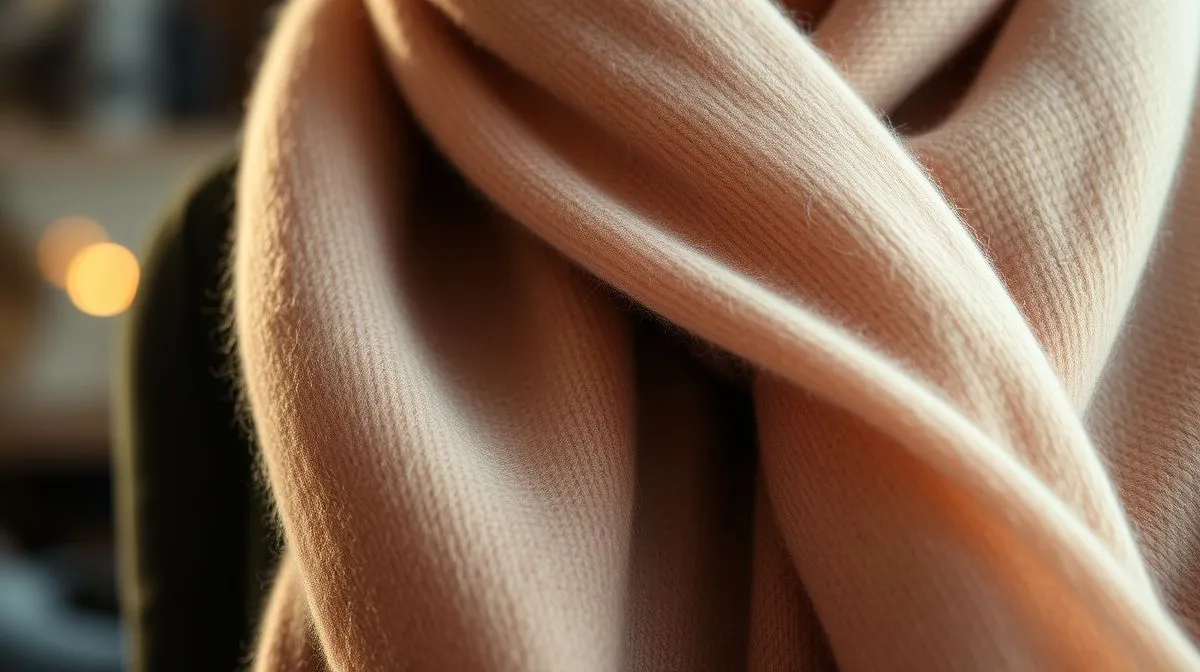
How to Prevent Cashmere Scarf Pilling Issues: The Definitive Guide
Imagine wrapping yourself in the unparalleled softness and warmth of a cashmere scarf on a crisp autumn day. It's a feeling of pure luxury, a testament to exquisite craftsmanship and natural beauty. But then, as days turn into weeks, you notice them: those tiny, unsightly little balls of fiber, known as pills, clinging to the surface, marring its perfect finish. It's a common frustration for cashmere lovers, transforming a cherished item from elegant to worn.
Pilling isn't just an aesthetic annoyance; it's a sign that your beloved accessory isn't receiving the care it deserves, or perhaps you're simply unaware of the subtle forces at play. Many believe pilling is an inevitable fate for cashmere, a battle lost before it even begins. However, this couldn't be further from the truth. With the right knowledge and a few simple adjustments to your care routine, you can significantly reduce, if not entirely eliminate, this common problem.
This comprehensive guide will equip you with expert strategies on how to prevent cashmere scarf pilling issues, ensuring your investment remains as pristine and luxurious as the day you first acquired it. From understanding the very nature of cashmere to mastering advanced care techniques, you'll learn everything you need to preserve the beauty and longevity of your most cherished scarves.
Understanding Cashmere and Why it Pills
Before we delve into prevention, it's crucial to understand the material itself and the natural phenomenon of pilling. Cashmere is a natural fiber renowned for its exceptional softness, lightness, and insulating properties, derived from the fine undercoat of cashmere goats.
What is Cashmere?
Cashmere wool is significantly finer and softer than sheep's wool. Its fibers are delicate, with a natural crimp that gives them their plush feel and excellent insulation. This unique structure, while contributing to its luxurious appeal, also makes it susceptible to certain types of wear, including pilling.
The fibers are collected through a meticulous process, often by combing the goats during their spring molting season. The scarcity of these fine fibers, combined with the labor-intensive collection and processing, contributes to cashmere's higher price point and status as a luxury material.
The Science Behind Pilling
Pilling occurs when short or loose fibers on the surface of a fabric become tangled together into small balls, or 'pills.' This happens primarily due to friction during wear or washing. While often associated with low-quality fabrics, pilling is a natural characteristic of many staple-fiber materials, especially those with fine, short fibers like cashmere.
When cashmere fibers rub against themselves or other surfaces, the tiny, broken ends migrate to the fabric's surface. These loose ends then knot together, forming the small, fuzzy balls you see. It's a sign of wear, but not necessarily a sign of a damaged garment, if managed correctly.
Quality vs. Pilling: A Nuanced Relationship
While all cashmere can pill, the extent to which it does often relates to its quality. Higher quality cashmere uses longer, stronger fibers, which are less prone to breaking and migrating to the surface. Lower quality cashmere, which might use shorter, more brittle fibers or blend in other materials, tends to pill more aggressively and quickly.
A tightly spun yarn with multiple plies (e.g., 2-ply, 4-ply) also tends to be more durable and less prone to pilling than loosely spun, single-ply yarns. Understanding this distinction can help you make informed purchasing decisions that naturally reduce future pilling issues.
The Art of Gentle Washing: Your First Line of Defense
Washing is one of the most critical stages where pilling can be either prevented or exacerbated. Aggressive washing methods are a leading cause of fiber breakage and subsequent pilling.
Hand Washing Techniques
Hand washing is almost always the preferred method for cashmere scarves. It allows for the most control and gentlest treatment of the delicate fibers. Always use cold or lukewarm water, never hot, as heat can shrink and damage cashmere fibers.
- Prepare the Basin: Fill a clean basin or sink with cool water.
- Add Detergent: Use a specialized cashmere or wool detergent, or a very mild baby shampoo. Avoid harsh chemicals or fabric softeners that can strip natural oils.
- Submerge Gently: Submerge your scarf, gently squeezing it to allow the water and detergent to penetrate. Do not rub, twist, or stretch the fabric.
- Rinse Thoroughly: Drain the soapy water and refill with clean, cool water. Continue rinsing until all soap residue is gone, gently squeezing the water out.
- Remove Excess Water: Never wring cashmere. Instead, lay the scarf flat on a clean, dry towel. Roll the towel and scarf together, pressing gently to absorb excess water. Repeat with a fresh towel if needed.
Machine Washing? A Risky Proposition
While some modern washing machines have a 'hand wash' or 'delicate' cycle, machine washing cashmere is generally not recommended. The agitation, even on a gentle cycle, can be too harsh for the delicate fibers, leading to shrinkage, stretching, and significant pilling. If you absolutely must use a machine, ensure it's a front-loader (top-loaders with agitators are too rough), use a mesh laundry bag, and select the coldest, gentlest cycle possible. But proceed with extreme caution.
Drying Cashmere Correctly
Proper drying is as crucial as washing. Never put cashmere in a tumble dryer. The heat and tumbling action will cause irreversible shrinkage and severe pilling. Always air dry your cashmere.
After gently pressing out excess water with towels, reshape your scarf and lay it flat on a clean, dry surface, away from direct sunlight or heat. A drying rack with a mesh top is ideal for allowing air circulation. Flip the scarf occasionally to ensure even drying. Patience is key; it may take 24-48 hours for a cashmere scarf to fully dry.
Proper Storage: Protecting Your Precious Cashmere
How you store your cashmere scarf significantly impacts its longevity and susceptibility to pilling. Improper storage can lead to unnecessary friction, compression, and exposure to pests.
Folding vs. Hanging
Always fold your cashmere scarves rather than hanging them. Hanging can cause the fabric to stretch and lose its shape, especially over time due to the weight of the scarf. Folding also minimizes exposure to dust and potential snags.
Fold scarves neatly into squares or rectangles and place them in drawers or on shelves. Avoid cramming them into tight spaces, which can compress the fibers and lead to creasing and potential pilling when unfolded.
Breathable Storage Solutions
For long-term storage, especially during off-seasons, consider breathable storage bags made of cotton or linen. Avoid plastic bags, which can trap moisture and cause mildew. Adding cedar balls or lavender sachets can help deter moths, which are notoriously fond of natural fibers like cashmere.
Wrap your scarf in acid-free tissue paper before placing it in a storage bag or box. This provides an additional layer of protection against dust and helps maintain its shape.
Avoiding Overcrowding
Give your cashmere items space. Overcrowding drawers or closets can lead to constant friction between garments, which is a prime cause of pilling. Ensure there's enough room for air to circulate around each item, helping the fibers rest and recover.
Strategic Wear: Minimizing Friction and Stress
Beyond washing and storage, how you wear your cashmere scarf plays a significant role in preventing pilling. Friction is the enemy, and understanding its sources is key.
Be Mindful of Accessories
Jewelry, particularly necklaces, bracelets, or watches with sharp edges, can snag and abrade cashmere fibers, leading to pilling. Similarly, the straps of shoulder bags or backpacks that rub against your scarf can cause friction-induced pills. Be conscious of what comes into contact with your cashmere.
Consider wearing your scarf in ways that minimize contact with abrasive surfaces. For example, tucking it inside a coat or wearing it loosely can reduce friction points.
Rotate Your Scarves
Like any fine garment, cashmere benefits from rest. Avoid wearing the same cashmere scarf day after day. Giving your scarf a break allows the fibers to recover and relax, reducing the likelihood of wear-related pilling. A general rule of thumb is to let a cashmere item rest for at least 24 hours between wears.
Layering Smartly
When layering, be aware of the fabrics your cashmere scarf will rub against. Coarse or textured fabrics, such as rough wool, denim, or certain synthetic materials, can create significant friction against cashmere, accelerating pilling. Opt for smooth, soft materials like silk, fine cotton, or other cashmere items when layering directly against your scarf.
Tools and Techniques for Safe De-Pilling
Despite your best efforts, some pilling may still occur, especially in high-friction areas. The key is to remove these pills safely without damaging the delicate fabric.
Cashmere Combs and Fabric Shavers
These are your best friends for removing pills. A specialized cashmere comb is designed to gently lift and cut away pills without harming the underlying fibers. Lay your scarf flat and gently comb in one direction over the affected areas. Fabric shavers, battery-operated devices with rotating blades, can also be effective but require a very light touch to avoid cutting the fabric itself.
Always test any de-pilling tool on an inconspicuous area first. When using a fabric shaver, hold the fabric taut and move the shaver slowly and evenly across the surface. Avoid pressing down too hard.
Lint Rollers and Sticky Tapes: Not for Pilling
While useful for removing lint or pet hair, lint rollers and sticky tapes are not effective for pilling. They pull at the fibers rather than cutting the pills, which can actually exacerbate the problem by bringing more loose fibers to the surface and potentially damaging the fabric over time.
The Manual Method
For very sparse or large pills, you can carefully snip them off with small, sharp scissors (like cuticle scissors) or gently pull them off with your fingers. This method is meticulous and best for isolated pills, but it's important to be extremely careful not to cut or pull the actual fabric.
Identifying Quality Cashmere to Reduce Pilling Risk
The journey to how to prevent cashmere scarf pilling issues often begins before you even make a purchase. Investing in high-quality cashmere is a proactive step towards minimizing future pilling problems.
Fiber Length and Ply
The finest cashmere comes from the longest, thinnest fibers, typically from the underbelly and neck of the goat. Longer fibers mean fewer broken ends that can migrate and pill. Look for cashmere labeled as 'long-staple' or 'finest grade.' Additionally, cashmere is often categorized by its 'ply' – the number of strands twisted together to make the yarn. Two-ply cashmere is standard and durable, while four-ply is even more substantial and less prone to pilling due to its tighter construction.
A higher ply means a stronger yarn, which translates to better resistance against friction and fiber breakage. Be wary of single-ply cashmere, which, while feeling incredibly light, often has a higher propensity to pill quickly.
Weave and Finish
The way cashmere is woven or knitted also affects its pilling resistance. A tighter, denser weave or knit generally results in a more durable fabric that is less likely to pill. Loose, open knits, while sometimes desirable for their airy feel, often have more exposed fiber ends that can easily tangle.
The finishing process also plays a role. Properly finished cashmere will have fewer loose fibers on the surface to begin with. Run your hand over the fabric; it should feel smooth and consistent, without excessive fuzziness.
The Touch Test
While not foolproof, a simple touch test can give you clues about quality. High-quality cashmere should feel incredibly soft, but also somewhat substantial and resilient. If it feels excessively fuzzy or sheds a lot of fibers simply by touching it, it might be made from shorter, lower-quality fibers that are more prone to pilling. A slight 'bloom' of fuzz is natural, but excessive fuzziness indicates a potential issue.
Common Mistakes to Avoid in Cashmere Care
Even with the best intentions, certain habits can inadvertently contribute to pilling. Avoiding these common pitfalls is crucial for maintaining your cashmere.
Harsh Chemicals and Hot Water
Using harsh detergents, bleach, or fabric softeners can strip cashmere of its natural lanolin, making the fibers brittle and more susceptible to breakage and pilling. Similarly, hot water causes the fibers to felt and shrink, leading to a denser, often pilly texture.
Stick to pH-neutral, gentle detergents specifically designed for wool or delicates. Always use cool or lukewarm water for washing and rinsing.
Rubbing and Scrubbing
During washing or spot cleaning, the instinct might be to rub or scrub a stain. This is a cardinal sin for cashmere. Aggressive rubbing directly causes friction, leading to fiber migration and immediate pilling. Always blot stains gently and use a delicate squeezing motion for washing.
Ignoring Care Labels
While general guidelines apply, always check the specific care label on your cashmere scarf. Manufacturers often provide instructions tailored to their particular weave and fiber blend. Ignoring these instructions can lead to irreversible damage, including pilling and shrinkage.
Beyond Scarves: Applying Pilling Prevention to Other Cashmere Items
The principles of pilling prevention for scarves apply broadly to all cashmere garments. Understanding how wear patterns affect different items can further enhance your care routine.
Sweaters and Cardigans
Cashmere sweaters and cardigans are highly susceptible to pilling, especially in areas of high friction like under the arms, along the sides where arms rub, and where they meet bags or seatbelts. The same washing, drying, and storage rules apply. When wearing, be mindful of friction points and consider rotating your sweaters to give them rest.
Blankets and Throws
Cashmere blankets and throws, while not experiencing the same direct body friction as garments, can pill from rubbing against furniture, other fabrics, or even pets. Regular, gentle shaking and occasional professional cleaning or careful hand washing can maintain their luxurious feel.
Socks and Gloves
Cashmere socks and gloves are high-friction items by nature. While their luxurious feel is undeniable, they will likely pill more frequently than scarves or sweaters due to constant rubbing against shoes, skin, and other surfaces. Regular, gentle de-pilling with a cashmere comb is essential for these items.
Frequently Asked Questions (FAQ)
Why does my new cashmere scarf pill so quickly? New cashmere can pill quickly because it still has a lot of loose, short fibers from the manufacturing process. These are the first to migrate and form pills. After a few wears and gentle de-pilling, the pilling should significantly decrease as these initial loose fibers are removed. It's often not a sign of poor quality, but a natural 'shedding' phase.
Can I put my cashmere scarf in the dryer? Absolutely not. Tumble drying cashmere will cause irreversible shrinkage, damage the fibers, and lead to severe pilling. Always air dry cashmere flat, away from direct heat.
Is pilling a sign of poor quality cashmere? Not always. All natural fibers, including cashmere, can pill to some extent due to friction. However, excessive or rapid pilling can indicate lower quality cashmere, often due to shorter fibers or a looser weave. Higher quality cashmere, made from longer fibers, will pill less frequently and less severely.
How often should I wash my cashmere scarf? Cashmere does not need to be washed after every wear. Unless visibly dirty or stained, you should wash your cashmere scarf only a few times per season, or when it starts to feel less fresh. Airing it out between wears can often suffice. Over-washing can degrade the fibers over time.
Recommended Reading
- Unlock Your Sparkle: How to Choose Jewelry Trends for Your Personal Style
- Unlock the Secret: How to Care for Handcrafted Bespoke Leather Goods?
- Unlock the Secret: How to Pick Cute Outfits for Active Kids That Last!
- Most Flattering Denim Wash for Men: Look Your Best!
- Unlock Your Vision: The Ultimate Steps to Innovative Fashion Photography Styling
Conclusion
Cashmere scarves are more than just accessories; they are investments in comfort, style, and luxury. While the appearance of pilling can be disheartening, it's a completely manageable issue with the right knowledge and consistent care. By understanding the unique properties of cashmere, adopting gentle washing and drying techniques, practicing smart storage, and being mindful of how you wear your scarves, you can significantly reduce the occurrence of those unwelcome little fiber balls.
Remember, preventing cashmere scarf pilling issues is an ongoing process that combines careful handling with an understanding of the material's inherent characteristics. Embrace these expert tips, and your cashmere scarves will remain a source of unparalleled softness and elegance for many years to come, truly standing the test of time and countless luxurious wraps.





Your email address will not be published. Required fields are marked *