

Struggling to Make Fashion Editorial Spreads Feel Fresh and Unique?
For over two decades in the vibrant, often tumultuous world of fashion photography, I've witnessed an insidious pattern: the relentless chase for 'newness' often culminates in a sea of sameness. It's a paradox, isn't it? We're all striving for originality, yet so many editorial spreads end up echoing each other, subtly or overtly, leaving both creatives and audiences feeling a distinct sense of déjà vu.
This isn't a critique of individual talent, but rather an observation of the systemic pressures within the industry. The constant churn of trends, the pervasive influence of social media, and the sheer volume of content being produced can make it incredibly challenging to carve out a distinctive voice. The pain point is palpable: you want your work to resonate, to stand apart, but you find yourself caught in a cycle where true innovation feels elusive.
In this comprehensive guide, I'm going to pull back the curtain on the strategies I've honed over years of trial, error, and breakthrough. We'll move beyond superficial trends and delve into actionable frameworks, creative philosophies, and practical techniques that will empower you to make your fashion editorial spreads feel genuinely fresh and unique, ensuring your vision not only stands out but also leaves a lasting impression.
The Core Challenge: Why Originality Eludes Many
The quest for originality in fashion photography is a journey fraught with obstacles. One of the primary reasons many creatives find themselves struggling to make fashion editorial spreads feel fresh and unique is a fundamental misunderstanding of what 'originality' truly entails. It's not about inventing something entirely new out of thin air – a near-impossible feat in a mature industry – but rather about synthesizing existing elements in novel, unexpected ways.
Mimicry vs. Inspiration: Understanding the Fine Line
There's a delicate balance between drawing inspiration and outright mimicry. Many photographers, especially those early in their careers, look to established artists and current trends for guidance. While this is a natural part of learning and evolving, it can quickly devolve into imitation if not approached with a critical eye. True inspiration should spark a unique interpretation, not a direct replication.
I've seen countless mood boards filled with images from the latest campaigns or magazine features, and while they serve as a benchmark for quality, they rarely push the boundaries of creativity. To break this cycle, you must learn to dissect what you admire, understand its underlying principles, and then rebuild it through the filter of your own aesthetic and conceptual framework. It's about taking fragments and forging them into something distinctly yours.
The Pressure Cooker of Trends
The fashion industry moves at a blistering pace, with trends emerging and fading in what feels like mere weeks. This creates immense pressure to stay 'current,' often at the expense of developing a timeless or truly unique style. Clients and publications often request looks or themes that are currently popular, making it difficult for photographers to introduce genuinely fresh ideas.
However, an expert understands that trends are merely starting points. They are a language, not the entire conversation. Your role is to speak that language with your own accent, to infuse it with your unique perspective. As a seasoned professional, I've learned to interpret trends, not just follow them blindly. This involves understanding their cultural context, predicting their evolution, and finding ways to subtly subvert or elevate them.
"Originality isn't about being first; it's about being distinct. It's about cultivating a voice so clear and authentic that even when you're working within established parameters, your signature is unmistakable. This requires deep self-reflection and an unwavering commitment to your personal vision."
Reclaim Your Vision: Deconstructing the Brief with a Fresh Lens
Every editorial project begins with a brief, and this is where the journey to uniqueness truly starts. Most photographers treat the brief as a set of instructions to be followed. I, however, see it as a springboard for creative exploration. The key to making your fashion editorial spreads feel fresh and unique lies in how you interpret and expand upon those initial parameters.
Beyond the Obvious: Asking Deeper Questions
Don't just read the brief; interrogate it. Go beyond the surface-level requirements and ask probing questions that unlock new conceptual avenues. This is where your expertise as a visual storyteller truly comes into play. Think about the 'why' behind each request, not just the 'what'.
- Why this designer/brand? What's their core philosophy, their hidden narrative?
- Why this collection/garment? What emotion or story does it evoke beyond its aesthetic?
- Who is the target audience, really? What are their aspirations, their unspoken desires?
- What message, beyond just 'buy this,' do we want to convey?
By delving into these deeper layers, you start to uncover conceptual gold that can elevate your editorial from a mere showcase of clothes to a compelling visual narrative. This process is crucial for anyone struggling to make fashion editorial spreads feel fresh and unique.
Actionable Steps for Brief Analysis and Conceptual Expansion:
- Deconstruct Keywords: List all keywords and themes provided in the brief. For each, brainstorm 5-10 tangential concepts or antonyms. If the brief says 'minimalist,' think 'maximalist,' 'deconstructed,' 'organic,' 'complex simplicity.'
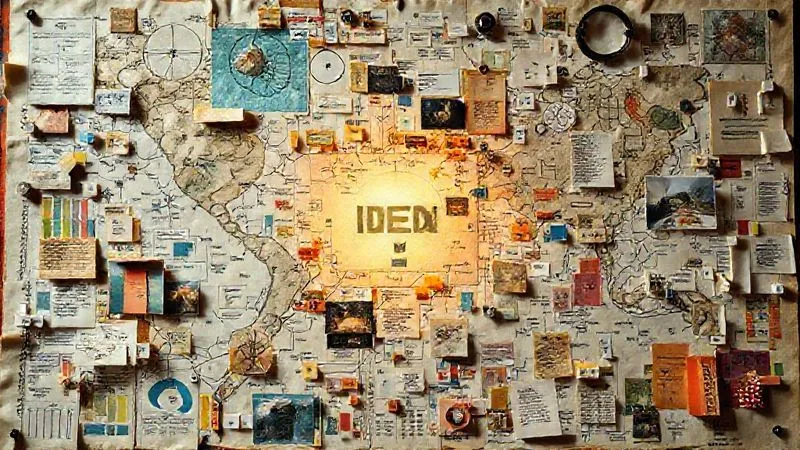
- Visual Mind Mapping: Instead of a traditional mood board, create a 'concept map.' Start with the core theme and branch out with related ideas, emotions, historical references, and even unrelated artistic movements. Connect disparate ideas to find novel juxtapositions.
- Challenge Assumptions: Identify any unspoken assumptions in the brief (e.g., 'fashion must be beautiful,' 'models must be young'). Actively consider how you could subvert or reinterpret these assumptions while still fulfilling the core objective.
- Develop a Narrative Arc: Think of the editorial as a short film or a series of photographs telling a story. What's the beginning, middle, and end? What character arc will the model embody?
This rigorous deconstruction allows you to build a foundation that is not only robust but also inherently unique, as it's filtered through your individual creative process. It's about finding the cracks in conventional thinking and pouring your own vision into them.
Crafting a Unique Narrative: Storytelling Beyond the Clothes
A truly fresh and unique fashion editorial is rarely just about the garments. It's about the story they tell, the world they inhabit, and the emotions they evoke. When I mentor emerging talents, I always emphasize that we are not merely photographers; we are visual narrators. The clothes are characters, the setting is the stage, and the light is the mood music.
The Power of Subtext and Symbolism
To move beyond generic imagery, inject your spreads with subtext and symbolism. What unspoken thoughts are conveyed through a model's gaze? What hidden meaning is embedded in the juxtaposition of a delicate dress against a rugged landscape? These layers enrich the visual experience and invite the viewer to engage on a deeper, more intellectual level. This is where your editorial transforms from a fleeting glance into a memorable encounter.
Think about art history, literature, or even personal experiences. How can you weave these rich tapestries into your fashion narrative? A dress isn't just fabric; it's a representation of identity, aspiration, or even rebellion. By embracing this mindset, you begin to unlock truly unique possibilities.
Case Study: How 'Ephemeral Echoes' Redefined a Bridal Editorial
I once consulted on a bridal editorial project for 'Lumière Atelier,' a boutique known for its classic, elegant gowns. The initial brief was predictably 'romantic' and 'dreamy.' However, the team was struggling to make fashion editorial spreads feel fresh and unique within these traditional confines. I challenged them to explore the subtext of marriage beyond just the wedding day – the passage of time, enduring love, and the echoes of memories.
Instead of pristine gardens, we chose an abandoned, crumbling manor house with overgrown ivy and faded frescoes. The styling retained the elegance but introduced subtle elements of decay and nostalgia – a single withered rose, a veil caught in a gust of wind, suggestive of a past moment. The models, instead of being overtly joyful, conveyed a sense of introspective contemplation, a quiet strength that transcended the immediate event.
The resulting editorial, 'Ephemeral Echoes,' was a revelation. It showcased the gowns beautifully, but more importantly, it told a poignant story about enduring love and the beauty found in imperfection and the passage of time. It received widespread acclaim, not just for its aesthetic, but for its profound narrative depth, proving that even the most traditional subjects can be reimagined with a unique perspective.
Location, Styling, and Casting: The Unholy Trinity of Distinction
These three elements, when harmonized with intention, are perhaps the most powerful tools at your disposal for making fashion editorial spreads feel fresh and unique. They are the pillars upon which your visual narrative is built.
Beyond the Studio: Unconventional Locations
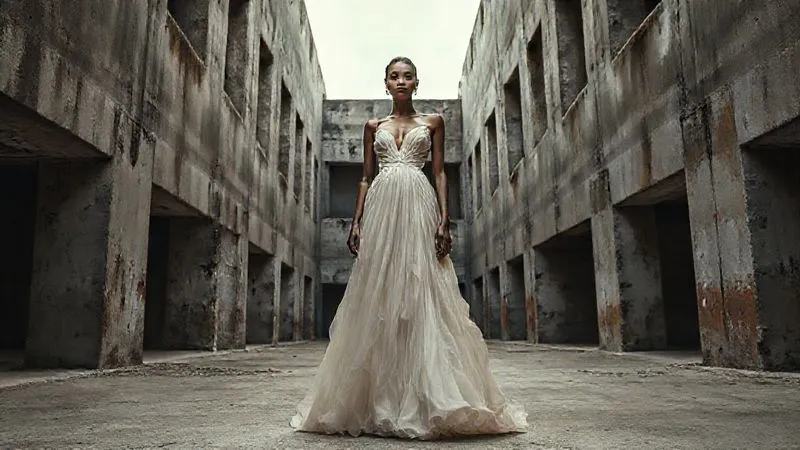
While studio shoots offer control, they can also lead to a sterile sameness. Dare to explore locations that challenge expectations or add a layer of unexpected context to the garments. Think about how the environment can become an active character in your story, rather than just a backdrop. An industrial wasteland, a bustling marketplace, a forgotten historical site, or even a strikingly minimalist architectural marvel can transform an ordinary garment into something extraordinary.
The trick is to find locations that resonate with your narrative, creating a dialogue between the clothes and their surroundings. This friction or harmony can produce truly compelling and unique imagery.
Styling with Intent: It's Not Just About the Garments
Great styling goes beyond simply putting clothes on a model. It's about creating a persona, an attitude, a complete look that supports the overarching narrative. This means considering hair, makeup, accessories, and even props as integral parts of the storytelling process. Don't be afraid to mix high fashion with vintage finds, or repurpose everyday objects in unexpected ways.
I often advise my teams to think of styling as costume design for a play. Every element should contribute to the character and the plot. This detailed, intentional approach to styling is a cornerstone for anyone struggling to make fashion editorial spreads feel fresh and unique.
Casting for Character, Not Just Looks
The model is your muse, your performer. While physical beauty is often a prerequisite, true uniqueness comes from casting individuals who embody the spirit of your story, who possess an intriguing presence, or who challenge conventional beauty standards. Look for models with compelling faces, unique features, authentic expressions, or a specific energy that aligns with your vision.
Sometimes, the most powerful editorials feature non-models or individuals with unique backgrounds, bringing an unparalleled authenticity and depth to the imagery. This choice alone can instantly elevate an editorial from generic to unforgettable.
| Element | Conventional Approach | Unique Approach |
|---|---|---|
| Location | Studio, pristine natural park, luxury hotel | Abandoned warehouse, bustling street market, brutalist architecture, underwater environment |
| Styling | Head-to-toe designer, perfectly matched accessories | Mix high-low, unexpected layering, DIY elements, conceptual props, historical fusion |
| Casting | Standard agency models, conventionally 'beautiful' | Models with unique features, non-binary, older individuals, dancers, artists, individuals with compelling backstories |
Lighting and Post-Production: Sculpting Mood and Message
These are the tools that allow you to paint with light and refine your vision, transforming raw captures into evocative art. They are not mere technicalities but profound creative instruments that can imbue your fashion editorial spreads with unparalleled freshness and uniqueness.
The Art of Light: Shaping Emotion
Light is emotion, narrative, and texture. Don't just light for exposure; light for *effect*. Experiment with natural light at different times of day – the soft glow of dawn, the harsh midday sun, the dramatic chiaroscuro of dusk. In the studio, explore unconventional lighting setups: colored gels, projectors casting patterns, hard direct light for drama, or soft, diffused light for ethereal beauty.
Understanding how light interacts with fabric, skin, and environment is crucial. It can sculpt features, create atmosphere, and draw the viewer's eye to specific details. A unique approach to lighting can instantly set your work apart and is a powerful remedy for anyone struggling to make fashion editorial spreads feel fresh and unique.
Post-Production as a Creative Tool, Not a Crutch
Post-production is often misunderstood as simply 'fixing' images. In my view, it's an extension of the creative process, a digital darkroom where you can further refine your narrative and enhance the mood. This isn't about excessive retouching or unrealistic alterations; it's about intentional color grading, tonal adjustments, and selective enhancements that amplify your artistic vision.
Consider color palettes that are unusual but harmonious, textures that add depth, or subtle effects that evoke a particular feeling. The goal is to use post-production to elevate the story and aesthetic, not to mask a weak initial concept or execution. The British Journal of Photography frequently showcases artists pushing boundaries in post-production, offering valuable insights into innovative techniques.
"Ethical and artistic post-production is about enhancing reality to tell a more compelling truth, not distorting it. It's the final brushstroke on your canvas, ensuring every pixel aligns with your unique creative intent. Use it to amplify, not to fabricate."
Collaboration as the Catalyst for Innovation
No truly groundbreaking editorial is the work of a single individual. It's the culmination of diverse talents, perspectives, and energies converging on a shared vision. As the director of this symphony, your ability to foster meaningful collaboration is paramount to making your fashion editorial spreads feel fresh and unique.
The Importance of a Diverse, Trusted Team
Surround yourself with a team that challenges you, inspires you, and brings their own unique expertise to the table. This includes stylists, hair and makeup artists, set designers, art directors, and even digital technicians. Look for individuals who are not just skilled but also possess a keen understanding of narrative and a willingness to experiment.
- Stylist: Beyond selecting clothes, they should be conceptual thinkers who can build a character.
- Hair & Makeup Artist: Their role is to transform and enhance, not just apply. They can dramatically alter a model's persona.
- Set Designer/Prop Stylist: Crucial for creating immersive environments and symbolic elements.
- Art Director: Your conceptual partner, ensuring consistency and pushing creative boundaries.
A well-curated team is your secret weapon against creative stagnation. Their collective input can spark ideas you might never have conceived on your own, pushing the boundaries of what's possible and ensuring your fashion editorial spreads feel fresh and unique.
Actionable Steps for Fostering Creative Collaboration:
- Share the Vision Early: Don't just send a brief; have a conceptual meeting. Share your mood board, narrative ideas, and any wild thoughts. Encourage early input.
- Empower Specialization: Trust your team members to be experts in their fields. Provide clear direction but allow them creative freedom within those parameters.
- Brainstorm Together: Dedicate time for open discussion where everyone can contribute ideas, no matter how unconventional. Sometimes the wildest ideas lead to the most unique solutions.
- Pre-Production Walk-Throughs: If possible, visit the location or set together. Discuss lighting, angles, and potential challenges as a group to anticipate and solve problems creatively.
Embracing Experimentation and Failure: The Path to True Uniqueness
The fear of failure is perhaps the greatest inhibitor of originality. In my career, the most groundbreaking work has almost always emerged from a willingness to experiment, to try something that might not work, and to learn from the inevitable missteps. If you're struggling to make fashion editorial spreads feel fresh and unique, it might be because you're playing it too safe.
The 'What If' Mindset
Cultivate a 'what if' mindset. What if we shot this entire editorial with a single light source? What if the model wasn't looking at the camera? What if we used only black and white, but incorporated vibrant textures? These questions open doors to innovative approaches. Dedicate a portion of your shoot time to pure experimentation, freeing yourself from the pressure of immediate results.
This creative play often leads to unexpected breakthroughs, providing those 'happy accidents' that lend an editorial its distinctive edge. It's about being brave enough to venture into the unknown, trusting your intuition, and allowing serendipity to play its part.
Learning from 'Failed' Experiments
Not every experiment will yield a masterpiece, and that's perfectly fine. The true value lies in the learning process. Analyze what didn't work and, more importantly, *why* it didn't work. Was it the lighting, the pose, the styling, or the concept itself? These 'failures' are invaluable lessons that refine your artistic sensibility and hone your problem-solving skills.
Keep a journal of your experiments – both successes and failures. Document your thought process, the techniques you tried, and the outcomes. This personal archive will become a rich resource for future projects, guiding you towards what truly resonates with your unique vision.
Measuring Impact: When Uniqueness Resonates
While artistic expression is paramount, understanding how your unique editorial work resonates with its audience is crucial for professional growth. Measuring impact isn't about chasing likes; it's about understanding engagement, influence, and the effectiveness of your visual communication.
| Metric Category | Conventional Measure | Unique Impact Measure |
|---|---|---|
| Engagement | Likes, basic comments | Shares, saves, detailed feedback, discussion generated, time spent on content |
| Reach & Influence | Follower count, impressions | Mentions by industry peers, features in 'best of' lists, client inquiries specifically referencing unique work, brand collaborations |
| Brand Perception | Brand awareness | Association with innovation, thought leadership, distinct brand identity, positive sentiment analysis related to originality |
Beyond quantitative metrics, pay close attention to qualitative feedback. Are people talking about the story you told? Are they dissecting the styling choices? Are they captivated by the mood? This type of feedback is invaluable for refining your unique voice and understanding how your distinctive approach is perceived. It helps you solidify your reputation as a creative who isn't struggling to make fashion editorial spreads feel fresh and unique, but consistently delivering it.
Frequently Asked Questions (FAQ)
Q: How do I convince clients to embrace unconventional or truly unique editorial ideas? As an experienced specialist, I've found success by presenting unique concepts not as 'risks,' but as 'strategic differentiators.' Back up your ideas with a clear vision, a strong narrative, and perhaps even a mini-mockup or mood reel that vividly illustrates your concept. Show them how uniqueness will cut through the noise, generate more buzz, and align with their brand's desire for innovation. Frame it as an investment in standout content, not a deviation from the norm. Sometimes, starting with a subtle unique element and building trust over time is also a viable strategy.
Q: What if my budget is limited for unique locations or elaborate styling? Resourcefulness is a hallmark of true creativity. Limited budgets force you to be more innovative. Focus on finding beauty in unexpected, accessible locations – a local park, an interesting alleyway, your own home with creative lighting. For styling, challenge yourself to repurpose existing garments, use thrift store finds, or even create DIY props. The constraint can often spark the most original ideas. Remember, it's about the vision and execution, not necessarily the lavishness.
Q: How do I stay updated on trends without just copying them? Consume fashion and art content widely, but critically. Don't just look at the 'what,' analyze the 'why.' Read fashion theory, art history, and cultural commentary. Follow emerging artists across various creative fields, not just photography. Then, filter everything through your own unique lens. Ask yourself: 'How would *I* interpret this trend? What underlying message does it convey that I can build upon or subvert?' This allows you to be informed without being derivative.
Q: Is there a risk of being too 'unique' and alienating the audience or client? It's a valid concern, but 'too unique' often translates to 'not clearly communicated.' True uniqueness, when effectively executed, should captivate, not alienate. The risk arises when the concept is so obscure or poorly translated that it loses its audience. Ensure your unique vision still retains a core element of relatability or aesthetic appeal. Test your concepts with trusted peers. The goal is to be distinctive, not disconnected.
Q: How do I build a team that truly understands my unique vision and contributes meaningfully? Building such a team requires intentional effort. Seek out collaborators whose personal portfolios demonstrate a willingness to experiment and a strong artistic sensibility. During interviews or initial discussions, gauge their understanding of narrative and their ability to think conceptually beyond technical skills. Clearly articulate your vision, but also listen intently to their initial impressions and ideas. A great team member is not just technically proficient but also a conceptual sparring partner.
Key Takeaways and Final Thoughts
The journey to consistently create fresh and unique fashion editorial spreads is an ongoing evolution, not a destination. It demands courage, introspection, and a relentless pursuit of your authentic voice. As someone who has navigated these waters for decades, I can assure you that the rewards of true originality far outweigh the comfort of conformity.
- Interrogate the Brief: Go beyond surface-level requirements to unearth deeper narratives.
- Prioritize Storytelling: Weave compelling narratives and subtext into every visual.
- Master the Trinity: Strategically leverage location, styling, and casting for distinction.
- Sculpt with Light & Post: Use these tools to amplify mood and message, not just correct.
- Embrace Collaboration: Build a diverse team that challenges and inspires your vision.
- Experiment Fearlessly: Allow for 'failure' as a vital part of the learning and innovation process.
- Measure Thoughtfully: Understand how your unique work resonates, beyond superficial metrics.
Remember, the industry is perpetually hungry for genuine innovation. By internalizing these strategies and committing to your unique creative path, you'll not only overcome the challenge of struggling to make fashion editorial spreads feel fresh and unique, but you'll also establish yourself as a visionary who consistently delivers captivating, unforgettable work. Go forth and create, with conviction and unparalleled originality.
Recommended Reading
- 5 Pillars: Updating Heritage Luxury Appeal for Modern Consumers
- 7 Steps: Curating Unique Scarf Collections for Elite Retail Clients
- 7 Style Pillars: Elevate Women's Office Wear for Modern Authority
- 5 Steps to Ethically Source Sustainable Fabrics for Streetwear Drops
- Stop Costume Tears: 5 Resilient Fabrics for Intense Dance Sequences

Your email address will not be published. Required fields are marked *