

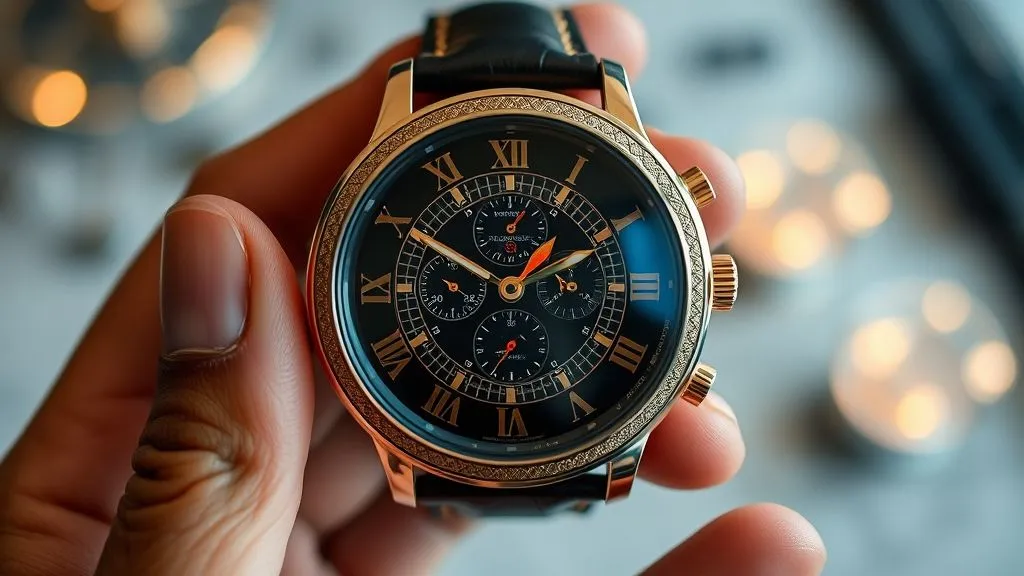
How to update heritage luxury brand appeal for modern consumers?
For over two decades in the luxury fashion industry, I've witnessed countless heritage brands grapple with a profound existential question: how do you honor a storied past while simultaneously charting a course for a relevant, thriving future? It's a delicate dance, often fraught with the risk of alienating loyalists or appearing inauthentic to a new generation. I've seen brands make the mistake of either clinging too tightly to tradition, becoming museum pieces in a dynamic market, or conversely, chasing trends so aggressively they lose their very soul.
The core problem lies in a fundamental shift in consumer values. Modern luxury consumers, particularly Gen Z and younger millennials, aren't just buying products; they're investing in experiences, values, and a sense of purpose. They demand transparency, authenticity, sustainability, and digital fluency, often viewing traditional exclusivity through a skeptical lens. The challenge for heritage brands isn't merely to sell more, but to redefine what 'luxury' means in an increasingly conscious and connected world.
In this definitive guide, I will share the actionable frameworks and insights I've gathered from years of advising and observing the most successful transformations in the luxury sector. We'll explore how to update heritage luxury brand appeal for modern consumers, not by erasing your legacy, but by intelligently evolving it. You'll learn how to weave your brand's rich history into compelling contemporary narratives, leverage digital platforms for immersive experiences, embed genuine sustainability, foster community, and innovate products with respect for your unique DNA.
Reimagining Brand Storytelling: Beyond Archival Dust
A heritage brand's story is its most potent asset, but too often, it's presented as a static, historical account. Modern consumers don't want a history lesson; they want a living narrative that resonates with their lives today. I've always believed that the past isn't just something to be preserved; it's a wellspring for future inspiration.
Crafting a Modern Mythos
The key is to connect your brand's foundational values – craftsmanship, innovation, artistry, resilience – to contemporary aspirations. Think about how your founders' spirit of pioneering still manifests in today's products or ethical practices. This isn't about fabricating new stories, but about reinterpreting existing ones through a modern lens, highlighting relevance.
To effectively update your brand's narrative, consider these steps:
- Identify Core Values: Distill your brand's essence into 3-5 timeless values that transcend eras (e.g., craftsmanship, innovation, elegance, daring).
- Modernize the Language: Translate these values into language that resonates with today's consumers. Instead of 'timeless elegance,' consider 'enduring style for conscious living.'
- Show, Don't Just Tell: Don't just talk about craftsmanship; create compelling video content showcasing artisans, their dedication, and the human touch behind each product.
- Integrate Modern Heroes: Feature contemporary figures (artists, activists, innovators) who embody your brand's values, creating a bridge between your legacy and current culture.
- Embrace Interactive Storytelling: Utilize digital platforms for immersive experiences that allow consumers to explore your history and values on their own terms.
“A brand is no longer what we tell the consumer it is – it is what consumers tell each other it is.” – Scott Cook. For heritage brands, this means your story must be shareable and resonate with the collective values of your audience.
Digital Transformation: Not Just a Website, a Digital Ecosystem
The notion that luxury and digital are incompatible is a relic of the past. Today, the digital realm is where luxury discovery, engagement, and often, conversion happen. I've observed that many heritage brands initially approached digital as merely an e-commerce channel, missing the profound opportunity to create an immersive digital ecosystem that extends their brand's allure.
Immersive Online Experiences
Modern consumers expect seamless, enriching digital interactions. This goes beyond a beautiful website; it encompasses augmented reality (AR) try-ons, virtual showrooms, personalized content streams, and responsive customer service across all touchpoints. As Deloitte's Global Powers of Luxury Goods report consistently highlights, digital engagement is crucial for future growth.
To truly modernize your digital presence, I recommend these strategic actions:
- Invest in UX/UI Excellence: Your website and app must offer an intuitive, visually stunning, and high-performance user experience that mirrors the quality of your physical products.
- Embrace Experiential Technologies: Implement AR/VR for virtual try-ons, 3D product configurators, or virtual store tours that bring the brand experience to the consumer's home.
- Personalize the Digital Journey: Utilize data analytics to tailor content, product recommendations, and offers based on individual preferences and browsing history.
- Curate Exclusive Digital Content: Offer behind-the-scenes videos, interviews with artisans, or digital fashion shows that provide unique value and reinforce brand exclusivity.
- Optimize for Mobile-First: A significant portion of luxury browsing and purchasing occurs on mobile devices; ensure your digital experience is perfectly optimized for smartphones and tablets.
Consider the varied impact of different digital channels:
| Channel | Primary Function | Modern Appeal |
|---|---|---|
| Brand Website/App | Immersive Storytelling, E-commerce, CRM | Personalized content, AR/VR experiences |
| Social Media (Instagram, TikTok) | Community Engagement, Trend Spotting, Discovery | User-generated content, influencer collaborations |
| Metaverse/Gaming | Experimental Engagement, Brand Building | Digital product drops, virtual events |
| Email/Messaging | Personalized Communication, Offers | Tailored recommendations, VIP access |
Embracing Sustainability & Ethical Practices: The New Luxury Currency
The modern luxury consumer is acutely aware of their purchasing impact. Sustainability is no longer a niche concern; it's a fundamental expectation. I've seen brands that genuinely commit to ethical sourcing and environmental stewardship not only gain consumer trust but also unlock new avenues for innovation and brand differentiation. It's about authentic purpose, not just greenwashing.
Transparency and Traceability
Consumers want to know where their products come from, who made them, and what environmental footprint they leave. For heritage brands, this means going beyond vague statements and providing clear, verifiable information about your supply chain, materials, and production processes. This builds immense trust and strengthens your brand's integrity.
Here's how to integrate sustainability authentically:
- Audit Your Supply Chain: Conduct a thorough review of your sourcing and production, identifying areas for improvement in ethical labor and environmental impact.
- Prioritize Sustainable Materials: Invest in and promote the use of organic, recycled, upcycled, or innovative bio-materials.
- Implement Circularity: Explore initiatives like repair services, take-back programs, or resale platforms to extend product lifecycles and reduce waste.
- Communicate with Candor: Be transparent about your sustainability journey, including both successes and challenges. Authenticity trumps perfection.
- Invest in Green Technologies: Adopt eco-friendly manufacturing processes and reduce your carbon footprint across operations.
Case Study: How 'Atelier Lumière' Reinvigorated Its Legacy
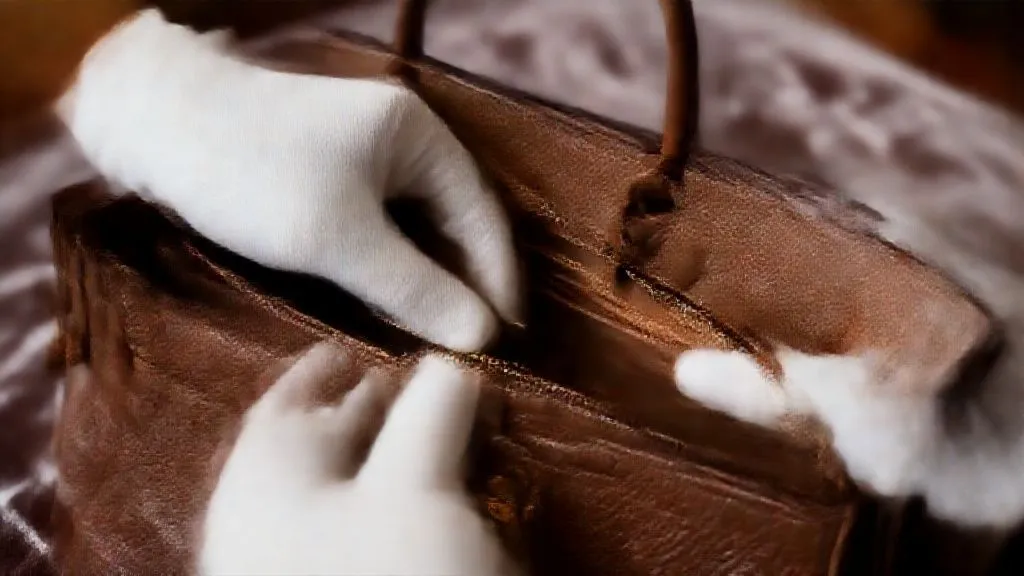
Atelier Lumière, a fictional 150-year-old French leather goods brand, faced declining appeal among younger consumers despite its impeccable craftsmanship. Their challenge was how to update heritage luxury brand appeal for modern consumers without compromising their artisanal core. By implementing a radical transparency initiative, they detailed the journey of every hide, from farm to finished product, using blockchain technology accessible via a QR code on each item. They also launched a 'Second Life' program, offering expert repair services and a certified resale platform for their vintage pieces. This not only resonated with eco-conscious buyers but also reinforced the enduring quality and investment value of their products, leading to a 25% increase in Gen Z and millennial customer acquisition within two years, alongside a significant boost in brand sentiment.
Cultivating Community & Co-creation: From Exclusive to Inclusive
Traditional luxury often thrived on exclusivity and aspiration from afar. Modern luxury, while still valuing quality and craftsmanship, increasingly seeks connection, community, and a sense of belonging. I've learned that truly updating heritage luxury brand appeal for modern consumers means shifting from a monologue to a dialogue, inviting consumers to be part of the brand's evolving story.
Engaging the Next Generation
Younger consumers want to interact with brands, not just consume them. This means creating platforms for engagement, listening to feedback, and even inviting co-creation. Collaborations with relevant artists, designers, or even customer communities can inject fresh energy while respecting brand DNA. As McKinsey's State of Fashion reports frequently emphasize, community building is a critical growth driver.
To foster a vibrant community:
- Create Digital Hubs: Establish online forums, private social media groups, or dedicated app sections where brand enthusiasts can connect, share, and provide feedback.
- Host Experiential Events: Organize exclusive workshops, masterclasses, or intimate gatherings that offer unique brand experiences and foster personal connections.
- Launch Co-creation Projects: Invite selected customers or emerging talents to contribute ideas for new products, limited editions, or campaign concepts.
- Empower Brand Advocates: Identify and nurture loyal customers who can become authentic ambassadors, sharing their passion and experiences organically.
- Listen Actively: Monitor social media conversations, conduct surveys, and engage directly with your community to understand their evolving needs and desires.
“The future of luxury is less about what you own, and more about who you are, what you experience, and what you stand for.” – Daniela Ott. This ethos perfectly encapsulates the shift towards community and shared values.
Product Innovation with Respect for DNA: Evolving, Not Erasing
Innovation in a heritage context is a tightrope walk. The goal is to introduce novelty and relevance without diluting the very essence that makes the brand iconic. I always advise my clients that innovation should be an evolution, not a revolution, deeply rooted in the brand's historical design codes, materials, or craftsmanship techniques.
Strategic Collaborations and Limited Editions
One of the most effective ways to introduce fresh perspectives is through thoughtful collaborations. Partnering with contemporary artists, designers, or even tech companies can bring a new aesthetic or functionality to classic pieces, creating buzz and attracting new demographics. Limited editions are also powerful tools, generating desirability and collectibility.
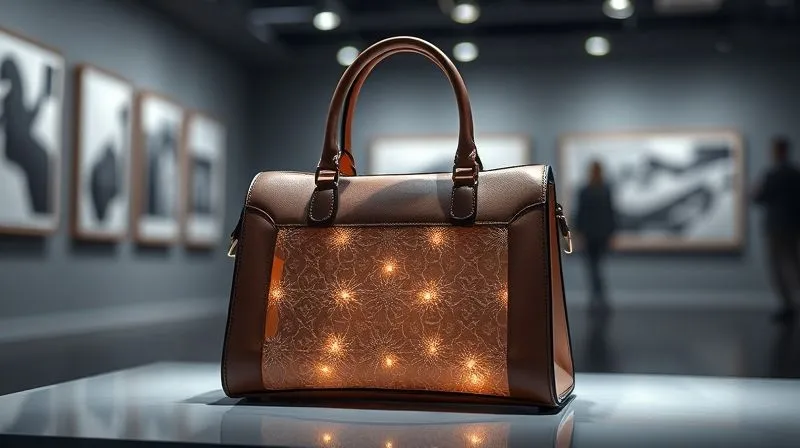
Steps to innovate respectfully:
- Deconstruct Brand DNA: Identify the core design elements, materials, and craftsmanship techniques that define your brand's aesthetic.
- Iterative Design: Introduce new product lines or variations that subtly reinterpret these core elements for modern tastes, rather than radical departures.
- Material Experimentation: Explore innovative materials that align with brand values (e.g., sustainable alternatives to traditional leathers, advanced alloys for watches).
- Functional Modernization: Integrate modern functionality (e.g., smart technology in accessories, modular designs) where it enhances, not detracts from, the luxury experience.
- Story-Driven Collaborations: Ensure any collaboration has a clear narrative connection to your brand's heritage or values, making it feel authentic.
The Power of Personalization & Bespoke Experiences in a Digital Age
True luxury has always been about individual attention. In an age of mass production, the ability to offer personalized products and bespoke experiences is a powerful differentiator for heritage brands. I've found that leveraging digital tools can actually enhance, rather than diminish, this deeply human aspect of luxury, allowing for personalization at scale.
Data-Driven Personalization
Harnessing customer data, ethically and intelligently, allows brands to offer highly relevant product recommendations, tailored communications, and even customized product options. This moves beyond a simple monogram to creating a sense of being truly understood and valued by the brand. The integration of AI and CRM systems is paramount here.
To excel in personalization:
- Invest in Robust CRM: Implement a comprehensive Customer Relationship Management system to track customer preferences, purchase history, and interactions across all channels.
- Offer Customization Options: Provide opportunities for customers to personalize products, from material choices and color palettes to engravings and unique embellishments.
- Curate Personalized Communications: Use data to send highly relevant emails, messages, and content, addressing individual tastes and past behaviors.
- Develop Bespoke Services: Offer exclusive, by-appointment services such as private styling sessions, made-to-measure fittings, or customized product design consultations.
- Leverage AI for Recommendations: Utilize AI algorithms to provide intelligent product suggestions and content curation, enhancing the discovery process.
Here’s a look at how personalization impacts key metrics:
| Personalization Strategy | Impact on Conversion Rate | Impact on AOV |
|---|---|---|
| Tailored Product Recommendations | +15-20% | +10-15% |
| Customized Email Campaigns | +25-30% | +10-15% |
| Bespoke Service Offerings | High | Very High |
| Product Customization Options | High | High |
Navigating Global Markets with Local Nuance
While heritage brands often have a global presence, a one-size-fits-all approach to marketing and engagement is no longer effective. Modern consumers, even in the luxury segment, appreciate brands that demonstrate an understanding and respect for local cultures and preferences. I've observed that true global success lies in hyper-localization.
Hyper-Localized Marketing
This means adapting your messaging, campaigns, and even product offerings to resonate with specific cultural contexts. It's about understanding local celebrations, artistic traditions, and consumer behaviors, and weaving these insights into your brand narrative. A campaign that works in Paris might not land in Tokyo or Dubai without careful adaptation.
To implement effective localization:
- Conduct Local Market Research: Understand the cultural nuances, consumer preferences, and competitive landscape in each key market.
- Empower Local Teams: Give regional marketing and sales teams the autonomy and resources to adapt global strategies to local contexts.
- Partner with Local Influencers: Collaborate with local tastemakers and personalities who genuinely resonate with the target audience in that region.
- Develop Culturally Relevant Content: Create campaigns and content that acknowledge local holidays, traditions, and aspirations.
- Offer Regional Product Adaptations: Consider small adjustments to product sizes, colors, or features that cater to specific regional tastes or demands.
As marketing guru Seth Godin often says, "People don't buy goods and services. They buy relations, stories, and magic." For heritage luxury brands, this magic is amplified when it speaks directly to the heart of local communities, making the global feel intimately local.
Frequently Asked Questions (FAQ)
How do heritage brands measure the ROI of modernization efforts? Measuring ROI involves a blend of quantitative and qualitative metrics. Quantitatively, look at shifts in customer acquisition costs for younger demographics, increased online engagement rates (CTR, conversion), growth in market share among Gen Z/Millennials, and sales uplift from new product lines or sustainable collections. Qualitatively, track brand sentiment through social listening, conduct brand perception studies, and analyze customer feedback for signs of increased relevance, authenticity, and trust. It's crucial to establish baseline metrics before embarking on modernization initiatives.
What are the biggest risks when updating a heritage luxury brand's appeal? The primary risk is alienating your existing, loyal customer base by moving too far or too fast from the brand's core identity. Other risks include appearing inauthentic or 'trying too hard' to be relevant, which can damage brand equity. There's also the danger of losing focus by chasing too many trends simultaneously, diluting the brand's distinctiveness. A balanced approach, always anchored in your brand's DNA, is essential.
Can a heritage brand alienate its loyal, traditional customer base by modernizing? Yes, absolutely. This is why any modernization strategy must be carefully executed. The key is evolution, not revolution. Communicate changes transparently, emphasize how new initiatives uphold the brand's core values, and continue to offer products and experiences that cater to your traditional clientele. Often, the goal isn't to replace one customer base with another, but to expand the brand's appeal, inviting new generations to appreciate the enduring quality that attracted loyalists in the first place.
How important is physical retail in the digital age for heritage luxury? Physical retail remains incredibly important, but its role is evolving. It's transitioning from purely transactional spaces to immersive brand experiences. Flagship stores become cultural hubs, offering personalized services, exclusive events, and opportunities for customers to physically engage with the brand's heritage and craftsmanship. The digital and physical must work in harmony, with online channels driving traffic to stores and stores offering unique offline value that digital cannot replicate.
What role does leadership play in driving this transformation? Leadership is paramount. A successful modernization requires visionary leaders who understand the necessity of change, are willing to challenge established norms, and can articulate a compelling future vision. They must foster a culture of innovation, empower teams to experiment, and provide the resources needed for digital transformation and sustainable practices. Without strong, committed leadership, any modernization effort is likely to falter.
Key Takeaways and Final Thoughts
Updating heritage luxury brand appeal for modern consumers is not a simple task; it's a strategic imperative that demands courage, foresight, and a deep understanding of both your legacy and the evolving consumer landscape. It's about finding the sweet spot where tradition meets innovation, where exclusivity embraces inclusivity, and where craftsmanship converges with consciousness.
- Reimagine Your Story: Connect your brand's rich past to present-day values and aspirations, making it a living, breathing narrative.
- Embrace Digital Ecosystems: Go beyond e-commerce to create immersive, personalized online experiences that reflect your brand's luxury.
- Champion Sustainability: Authentically integrate ethical and environmental practices, providing transparency and purpose-driven value.
- Cultivate Community: Foster dialogue and co-creation, transforming customers into engaged brand advocates.
- Innovate with Respect: Evolve your product offerings by blending historical DNA with modern design, materials, and functionality.
- Personalize Experiences: Leverage data to offer bespoke interactions and customized products that truly resonate with individual desires.
- Act Local, Think Global: Adapt your messaging and strategies to resonate with specific cultural nuances in diverse markets.
As an industry specialist, I can tell you that the future of luxury belongs to those who can master this delicate balance. By strategically evolving, heritage brands can not only preserve their invaluable legacy but also ensure their continued relevance, desirability, and prosperity for generations to come. It's a journey of continuous adaptation, but one that promises profound rewards for those brave enough to embark upon it. Your brand's next chapter awaits.
Recommended Reading
- 7 Design Secrets: How Eyewear Frames Become Cultural Icons
- Safely Setting Fragile Antique Gemstones: 7 Expert Methods You Need
- Why Aren't My Fashion Style Guides Converting to Sales? 7 Fixes.
- Timeless Elegance: How to Build Your Dream Wardrobe Now!
- Unlock the Secret: Choosing Perfect Kids' Outfits for Outdoor Summer Weddings

Your email address will not be published. Required fields are marked *