


How to Transparently Track Sustainable Supply Chain for Consumers?
For over 15 years in the sustainable fashion niche, I've seen countless brands make grand promises about their eco-friendly practices, only for those claims to unravel under scrutiny. This lack of verifiable information doesn't just erode trust; it leaves conscious consumers feeling helpless, unsure if their purchasing power is truly supporting positive change or simply fueling another greenwashing campaign.
The core problem lies in the opaque nature of global supply chains. A garment might travel through multiple countries, handled by dozens of different entities, from the cotton farmer to the dyeing factory, the cut-and-sew facility, and finally, the retailer. For consumers, trying to trace this journey feels like navigating a dense fog, making it nearly impossible to distinguish genuinely sustainable brands from those merely paying lip service.
In this definitive guide, I will equip you with an actionable framework, expert insights, and practical tools to cut through the noise. You’ll learn how to leverage technology, scrutinize brand communications, and ask the right questions, empowering you to transparently track sustainable supply chains and make truly informed, impactful purchasing decisions.
The Shifting Sands of Consumer Trust: Why Transparency Matters More Than Ever
The landscape of consumer expectations has dramatically shifted. Today's conscious consumer isn't just looking for a good product; they demand a good product made in a good way. This seismic shift is fueled by growing awareness of environmental crises, social injustices, and exploitative labor practices endemic to traditional fashion supply chains.
However, this heightened awareness has also given rise to a pervasive issue: greenwashing. Brands, eager to tap into the lucrative sustainable market, often employ vague language, misleading imagery, and unsubstantiated claims to appear eco-friendly or ethical without truly changing their core practices. This erosion of trust is a significant barrier to genuine progress in sustainable fashion.
“In an era of unparalleled information access, opacity in supply chains isn't just a business challenge; it's a moral failing that undermines consumer confidence and hinders collective action towards a more sustainable future.”
The consequences of this lack of transparency are far-reaching, impacting not only consumers but also the planet and the people involved in production:
- Misguided Purchasing Decisions: Consumers inadvertently support unsustainable practices.
- Stifled Innovation: Genuine sustainable innovators struggle to differentiate themselves.
- Environmental Degradation: Harmful practices continue unchecked.
- Social Injustice: Workers in the supply chain remain vulnerable to exploitation.
According to a recent Edelman Trust Barometer report, consumers are increasingly skeptical of institutions, including businesses, and demand greater accountability and transparency. This isn't a trend; it's a fundamental shift in how brands must operate to earn and maintain loyalty.
Decoding the Jargon: Understanding What 'Sustainable' Truly Means in Supply Chains
Before you can effectively track a sustainable supply chain, you must first understand what 'sustainable' truly encompasses. It's not a single metric or a simple label; it's a multifaceted concept covering environmental impact, social equity, and economic viability. In my experience, many consumers get lost in the sea of certifications and buzzwords, making it hard to discern real commitment from clever marketing.
When we talk about sustainability in a supply chain, we're looking at several key pillars:
- Environmental Impact: This includes reducing water usage, minimizing waste, managing chemicals responsibly, curbing greenhouse gas emissions, and avoiding harmful substances.
- Social Equity: Ensuring fair wages, safe working conditions, no child labor or forced labor, and respecting workers' rights across all tiers of the supply chain.
- Ethical Sourcing: Verifying the origin of raw materials, ensuring they are not from conflict zones or areas of deforestation, and promoting biodiversity.
- Circular Economy Principles: Designing products for longevity, repairability, and recyclability, minimizing waste at the end of a product's life.
Environmental Certifications: What to Look For
These certifications focus on ecological aspects of production:
- Global Organic Textile Standard (GOTS): The leading standard for organic fibers, ensuring ecological and social criteria are met throughout the entire textile supply chain, from harvesting to manufacturing.
- Oeko-Tex Standard 100: Certifies that every component of a textile product, from the fabric to the thread and accessories, has been tested for harmful substances.
- Bluesign®: A holistic system that provides solutions for sustainable production in the textile industry, eliminating harmful substances from the beginning of the manufacturing process.
Social & Ethical Certifications: Ensuring Fair Practices
These certifications primarily address human rights and labor conditions:
- Fair Trade Certified™: Ensures fair wages, safe working conditions, and community development for farmers and workers in developing countries.
- SA8000®: An auditable certification standard that encourages organizations to develop, maintain, and apply socially acceptable practices in the workplace.
- WRAP (Worldwide Responsible Accredited Production): A non-profit organization dedicated to promoting safe, lawful, humane, and ethical manufacturing around the world through certification and education.
Understanding these distinctions is crucial. A brand might be Oeko-Tex certified (no harmful chemicals) but not Fair Trade (no guarantee of fair wages). True sustainability requires a holistic approach. GOTS, for instance, provides a robust framework that integrates both environmental and social criteria.
| Certification Type | Focus Area | Key Benefit |
|---|---|---|
| GOTS | Organic Textiles | Environmental & Social throughout supply chain |
| Oeko-Tex 100 | Chemical Safety | Absence of harmful substances in finished product |
| Fair Trade Certified | Worker Welfare & Development | Fair wages, safe conditions, community support |
| Bluesign® | Sustainable Production (Textile) | Eliminates harmful substances from start to finish |
Leveraging Technology: Digital Tools for Unveiling Supply Chain Truths
In the past, tracing a product's journey was nearly impossible for consumers. Today, thanks to advancements in digital technology, brands are increasingly adopting tools that can offer unprecedented levels of transparency. As an expert in this field, I've seen firsthand how these innovations are starting to revolutionize the way we interact with products.
Blockchain & Traceability Platforms
One of the most promising technologies for supply chain transparency is blockchain. It creates an immutable, decentralized ledger that records every transaction and movement of a product. Imagine a digital fingerprint for your clothing, tracking it from the farm where the fibers are grown, through every factory, until it reaches your hands. This technology makes it incredibly difficult for brands to make false claims, as every step is verified and visible.
Many brands are now implementing their own traceability platforms, often powered by blockchain or similar distributed ledger technologies. These platforms typically allow consumers to:
- Scan QR Codes: Look for QR codes on product labels or packaging. Scanning these often leads directly to a digital product passport.
- Enter Product IDs: Some brands provide a unique batch or product ID on their website, allowing you to manually input it to see its journey.
- Explore Interactive Maps: Many platforms feature interactive maps showing the locations of farms, spinning mills, dyeing facilities, and factories involved in the production.
- View Certifications & Audits: The digital passport should link directly to relevant certifications, audit reports, and impact data specific to that product.
- Learn About Workers: Some advanced platforms even include stories or photos of the people involved in making your product, fostering a deeper connection.
The key here is to actively look for these features. If a brand claims transparency but offers no digital means to verify their supply chain, that's a significant red flag.

Case Study: How EcoThread Apparel Achieved Unprecedented Transparency
EcoThread Apparel, a mid-sized sustainable clothing brand, faced the common challenge of communicating the authenticity of their organic cotton claims. Consumers were skeptical, often asking for proof beyond just a label. By implementing a blockchain-based traceability platform, they assigned a unique digital ID to every batch of organic cotton at the farm level.
This ID followed the cotton through ginning, spinning, weaving, dyeing, and garment assembly. Each step was recorded on the blockchain, including details like the farm's GOTS certification, the water usage at the dyeing facility, and the audit reports for the cut-and-sew factory. Consumers could simply scan a QR code on the garment's hangtag to access this entire journey. This initiative not only boosted consumer trust by 40% but also helped EcoThread identify and rectify inefficiencies in their own supply chain, leading to a 15% reduction in waste.
The Power of the Label: What Certifications and Reports Reveal
Beyond digital tools, the physical labels on products and the comprehensive reports published by brands remain vital sources of information. However, knowing how to interpret them correctly is an art. I've spent years dissecting these documents, and I can tell you that a critical eye is your best asset.
Annual Sustainability Reports: What to Look For
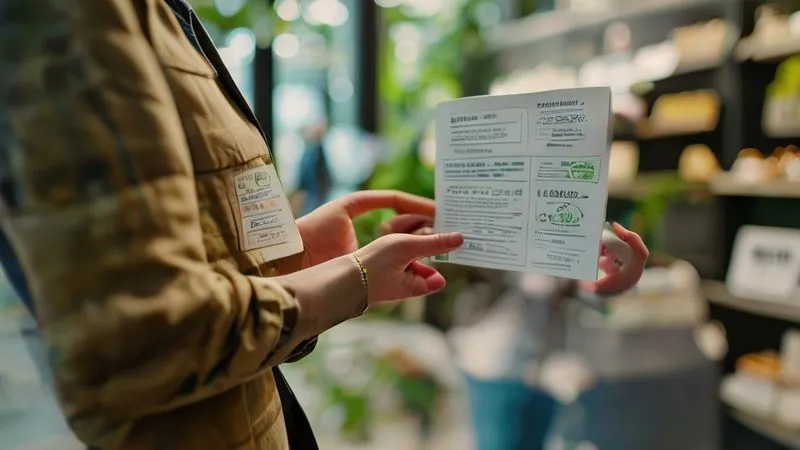
Many larger brands and even some smaller ones now publish annual sustainability or impact reports. These are goldmines of information, but they require careful reading. Don't just skim the executive summary; dive into the details:
- Key Performance Indicators (KPIs): Look for specific, measurable data on environmental metrics (e.g., CO2 emissions per garment, water usage, waste diversion rates) and social metrics (e.g., average worker wages, audit findings, training hours). Vague statements like "we are working to reduce our footprint" are insufficient.
- Third-Party Audits & Verification: Does the report mention independent audits of their facilities? Are these audits conducted by reputable organizations (e.g., Sedex, Amfori BSCI)? Transparency means sharing audit results, not just stating they've been audited.
- Goals & Progress: Are there clear, time-bound goals for future improvements? More importantly, does the report show progress (or lack thereof) against past goals? A brand that consistently misses its targets without clear explanations is a concern.
- Supply Chain Mapping: Does the report include a list of their Tier 1 (direct manufacturers) and even Tier 2 (fabric mills) and Tier 3 (yarn spinners, fiber producers) suppliers? The more detailed the mapping, the more committed the brand is to transparency.
- Stakeholder Engagement: How does the brand engage with its workers, local communities, and NGOs? Genuine sustainability involves listening to and collaborating with those most affected by their operations.
Be wary of reports filled with beautiful imagery and heartwarming stories but lacking concrete data. As I always say, "If you can't measure it, you can't improve it, and you certainly can't prove it." For a deeper dive into reading these reports, I recommend resources from organizations like the Global Reporting Initiative (GRI).
Beyond the Hype: Scrutinizing Brand Communication and Claims
In my years observing the sustainable fashion space, I've developed a finely tuned radar for greenwashing. Brands are incredibly adept at crafting messages that sound good but lack substance. As a consumer, your role is to become an expert detective, questioning everything and looking for verifiable evidence rather than just appealing rhetoric.
Common Greenwashing Tactics and Red Flags:
- Vague Claims: Phrases like "eco-friendly," "natural," "sustainable," or "green" without specific details or certifications are often red flags. What makes it eco-friendly? Which part is natural?
- Hidden Trade-offs: Highlighting one sustainable attribute while ignoring significant environmental or social harm elsewhere. For example, an "organic cotton" shirt made in a factory with terrible labor conditions or excessive water waste.
- Irrelevant Claims: Stating something that is already legally mandated (e.g., "CFC-free" which is illegal in many places) or a trivial benefit (e.g., "contains 1% recycled material" in a product that is 99% virgin plastic).
- No Proof/Lack of Data: Claims without any supporting certifications, audit reports, or measurable data. If they say they're carbon neutral, ask for their carbon offsetting projects and verification.
- Misleading Imagery: Using pictures of nature, green leaves, or idyllic settings to evoke a sense of sustainability, even if the product itself has little to no sustainable attributes.
- "Green Sheen": Making a big deal about a small, isolated sustainable initiative while their core business remains highly unsustainable.
When you encounter a sustainability claim, always ask yourself: "Says who?" and "How do they prove it?" If the answer isn't immediately clear or verifiable, dig deeper. Look for specific metrics, third-party certifications, and transparent reporting. A truly sustainable brand will be eager to share its data and processes, not hide behind feel-good marketing.
| Greenwashing Claim | What it Really Means | How to Verify |
|---|---|---|
| Our product is eco-friendly! | Vague, lacks specific details or certifications. | Ask for specific environmental metrics (e.g., water usage, emissions) or certifications (e.g., GOTS, Bluesign®). |
| Made with natural ingredients. | 'Natural' doesn't always mean sustainable or harmless; many natural substances can be toxic or unsustainably sourced. | Check ingredient lists for specific names, research sourcing practices, look for certifications like USDA Organic if applicable. |
Direct Engagement: Asking the Right Questions to Brands
Sometimes, the best way to get answers is to simply ask. Many consumers feel intimidated by directly questioning brands, but as an industry specialist, I can assure you that your voice carries weight. Brands are increasingly attuned to consumer sentiment, and thoughtful, direct questions can often yield valuable insights or even prompt them to improve their transparency efforts.
Don't just send a generic email. Craft specific, well-researched questions. Here's a list of powerful questions you can adapt:
- "Can you provide a list of your Tier 1 (final assembly) and Tier 2 (fabric/component suppliers) factories?" – A truly transparent brand should be able to provide this, often with locations and names.
- "What specific audit standards do you use for your factories (e.g., SA8000, BSCI, WRAP), and how frequently are these audits conducted? Can you share a summary of recent audit findings?" – This goes beyond just saying they audit; it asks for the specifics and the results.
- "What is your policy on living wages for garment workers in your supply chain? How do you ensure this is implemented and verified?" – This addresses a critical social issue beyond minimum wage.
- "What are your key environmental impact metrics (e.g., water consumption per garment, carbon emissions, waste diversion rate), and how have these changed over the past three years?" – Demands specific, measurable data.
- "Which specific certifications (e.g., GOTS, Fair Trade, Bluesign®) apply to this particular product, and can you provide the certification numbers for verification?" – Allows you to cross-reference with the certification bodies.
- "Do you use any specific technology (e.g., blockchain, RFID) to track your supply chain? If so, how can I access this information for my purchase?" – Directly asks about digital transparency tools.
If a brand provides vague answers, deflects, or doesn't respond, that's information in itself. A truly committed brand will value your inquiry and provide clear, verifiable responses. Your questions serve not just your own need for information but also signal to brands that transparency is a non-negotiable expectation.

Community & Collective Action: Amplifying Your Impact
While individual action is powerful, the collective power of conscious consumers can drive systemic change at an even greater scale. As an advocate for sustainable practices, I've witnessed how organized consumer movements and collaborative efforts can compel even the largest brands to rethink their entire operational model. You are not alone in this journey.
Engaging with communities focused on sustainable fashion and ethical consumption offers several significant benefits:
- Shared Knowledge: Learn from others' experiences, discover new transparent brands, and get insights into which claims hold up to scrutiny.
- Collective Pressure: When many voices ask the same questions or demand the same level of transparency, brands are more likely to listen and respond.
- Resource Sharing: Access to expert reviews, NGO reports, and tools that might not be easily found individually.
- Advocacy & Campaigns: Participate in or support campaigns that push for stronger regulations, better industry standards, and greater corporate accountability.
- Inspiration & Empowerment: Being part of a community reinforces your values and shows you that your efforts contribute to a larger movement.
Look for online forums, social media groups (e.g., Facebook groups, Reddit communities), local meetups, and non-governmental organizations (NGOs) dedicated to ethical fashion and supply chain transparency. Organizations like Fashion Revolution, Remake, and the Clean Clothes Campaign are excellent starting points. They often publish scorecards, conduct investigations, and provide platforms for collective action.
Remember, every purchase you make is a vote for the kind of world you want to live in. By arming yourself with knowledge, asking critical questions, and joining forces with like-minded individuals, you become a formidable force for transparency and true sustainability.

Frequently Asked Questions (FAQ)
Question? Is blockchain the only solution for traceability in sustainable fashion? No, while blockchain is a powerful tool due to its immutability and transparency, it's not the only solution. Other technologies like RFID (Radio-Frequency Identification), NFC (Near Field Communication), and robust internal data management systems also contribute significantly to traceability. The key is that the data collected by these systems is made accessible and verifiable to consumers, not just stored internally. Blockchain offers a unique advantage in trust due to its decentralized nature, but a combination of technologies often provides the most comprehensive solution.
Question? How much should I trust third-party certifications? You should trust reputable third-party certifications significantly, but always with a critical eye. Certifications from well-known, independent bodies (like GOTS, Fair Trade International, Bluesign®) involve rigorous auditing and adherence to strict standards. They remove the burden of verification from individual consumers. However, 'certification fatigue' is real; some brands might create their own, less stringent 'certifications'. Always check the credibility of the certifying body and what specific criteria the certification covers. Look for transparency in the certification process itself.
Question? What if a small brand doesn't have elaborate reports or blockchain technology? For smaller brands, extensive reports or advanced tech can be cost-prohibitive. In such cases, look for direct communication and passion. A small brand that genuinely cares will often be very open about their sourcing, their specific suppliers, and their challenges. They might share photos of their workshops, introduce their artisans, or explain their material choices in detail on their website or social media. Personal communication (email, direct message) can be very effective. Look for consistency in their story and a willingness to answer specific questions, even if they don't have a flashy platform.
Question? Can I really make a difference as an individual consumer? Absolutely. Every purchasing decision is a vote. By consciously choosing transparent and sustainable brands, you send a clear signal to the market. This demand encourages more brands to adopt sustainable practices and become more transparent. Furthermore, your questions and engagement contribute to a collective pressure that can influence industry standards and even policy changes. Your individual actions, when multiplied by millions of others, create an undeniable force for good.
Question? What are the biggest challenges brands face in achieving transparency? Brands face numerous challenges. These include the complexity of global supply chains with multiple tiers of suppliers, the cost of implementing traceability technologies, resistance from some suppliers to share data, and the difficulty of standardizing data across diverse operations and geographies. Additionally, smaller brands often lack the resources, while larger brands struggle with legacy systems and the sheer scale of their operations. Overcoming these requires significant investment, commitment, and collaboration across the entire value chain.
Key Takeaways and Final Thoughts
Navigating the complex world of sustainable fashion and supply chain transparency can feel daunting, but it is an incredibly empowering journey. As an experienced industry specialist, I want to reinforce that you, the conscious consumer, hold significant power to drive meaningful change. By applying the strategies we've discussed, you transform from a passive shopper into an active participant in building a more ethical and sustainable future.
- Be a Detective: Always question claims, look for verifiable evidence, and learn to spot greenwashing tactics.
- Leverage Technology: Utilize QR codes, product IDs, and brand traceability platforms to trace products digitally.
- Read Between the Lines: Scrutinize certifications, annual reports, and impact assessments for concrete data and third-party verification.
- Engage Directly: Don't hesitate to ask specific, informed questions to brands about their supply chain practices.
- Join the Movement: Connect with communities and organizations to amplify your impact and share knowledge.
The path to full transparency is ongoing, for both consumers and brands. It's a journey of continuous learning and improvement. By embracing these actionable steps, you're not just making better choices for yourself; you're contributing to a powerful shift in the industry, demanding accountability, and championing a future where every product tells a true story of its origins and impact. Keep asking questions, keep seeking truth, and keep voting with your dollar for a better world.
Recommended Reading
- Unlock Your Dream: How to Get Your Fashion Editorial Published Now!
- Mastering Menswear: 7 Ways to Blend Classic Style & Modern Trends
- Unraveling the Truth: Is Organic Cotton Truly Sustainable for Fashion?
- Verifying Vintage: 7 Steps to Prove Genuine Sustainability Claims
- 7 Agile Strategies: Rapidly Adapt Activewear Designs to Emerging Trends



Your email address will not be published. Required fields are marked *