

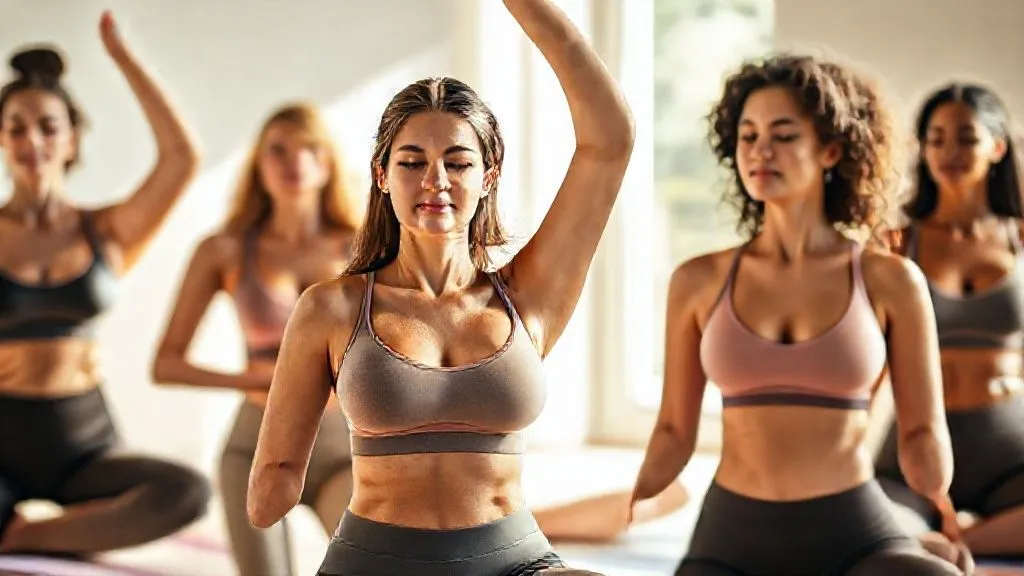
How to ensure yoga bra support for diverse body types without chafing?
For over 15 years in the activewear industry, I've had the privilege of working with countless athletes, designers, and innovators, all striving for one common goal: comfort and performance without compromise. One of the most persistent and frustrating challenges I've observed, particularly in the yoga apparel space, revolves around a deceptively simple garment: the yoga bra. It's not just about aesthetics; it's about foundational support that enables movement, breath, and focus.
The pain point is palpable: women of all shapes and sizes struggle with finding a yoga bra that truly supports them through every Chaturanga and Warrior pose, without the inevitable, irritating consequence of chafing. This isn't just an inconvenience; it can derail a practice, cause discomfort, and even lead to skin irritation, making what should be a serene experience a source of constant distraction.
In this definitive guide, I'll draw upon my extensive experience to provide you with a comprehensive framework. We'll delve into the nuanced world of fabric technology, design principles, and fitting techniques, offering actionable steps, real-world insights, and expert advice to ensure unwavering yoga bra support for diverse body types without chafing. My aim is to empower you to make informed choices, transforming your yoga practice into one of unadulterated comfort and confidence.
Understanding the Anatomy of Support: Beyond Cup Size
When we talk about bra support, many immediately think of cup size. While crucial, it's merely one piece of a much larger, more intricate puzzle. True support for yoga, especially across diverse body types, comes from a harmonious interplay of several components: the band, the straps, the cup construction, and the fabric itself. Ignoring any one of these elements is like building a house without a proper foundation.
In my early days, I've seen brands focus heavily on just cup sizing, only to receive feedback about bras riding up or straps digging in. This highlighted a fundamental misunderstanding: a bra isn't just about containing breast tissue; it's about distributing weight and resisting movement effectively. For yoga, where dynamic movement and inversions are common, this holistic approach to design is non-negotiable.
Consider the biomechanics of movement during yoga. The breasts, being glandular tissue, move independently of the torso if not properly supported. This movement, particularly during transitions or inversions, can cause discomfort, strain on ligaments, and, crucially, friction. A well-designed yoga bra minimizes this oscillation, keeping everything comfortably in place.
The Chafing Conundrum: Why It Happens and How to Prevent It
Chafing is not just an irritation; it's a breakdown of the skin's protective barrier, often leading to redness, soreness, and even open wounds. In the context of yoga bras, it typically occurs where fabric rubs against skin repeatedly, particularly in areas prone to moisture and friction: under the arms, along the ribcage, or beneath the breast tissue.
Why does it happen?
- Improper Fit: A bra that's too loose allows excessive movement and rubbing; one that's too tight creates pressure points and digs into the skin.
- Seam Placement: Thick, abrasive seams can act like sandpaper against delicate skin.
- Fabric Choice: Non-breathable or rough fabrics can trap moisture and increase friction.
- Moisture Accumulation: Sweat, combined with friction, significantly exacerbates chafing.
As a veteran in activewear, I've seen countless chafing complaints traced back to these root causes. Addressing them requires a multi-pronged approach, focusing on design, materials, and fit.
Case Study: How ‘ZenFlow Apparel’ Conquered Chafing for All Sizes
ZenFlow Apparel, a boutique yoga brand, initially struggled with customer complaints regarding chafing, particularly from their mid-to-plus size customers. Their initial design philosophy prioritized aesthetics over the intricate details of fit and fabric. By implementing a three-step design overhaul, they transformed their product line:
- Fit-First Prototyping: They engaged a diverse group of yoga practitioners (sizes XS to 3XL) for extensive wear-testing, focusing on movement and pressure points.
- Seamless Construction Adoption: They invested in seamless knitting technology, eliminating abrasive seams in critical friction zones.
- Advanced Fabric Blends: They switched to a proprietary blend of nylon and spandex with advanced moisture-wicking and quick-drying properties, significantly reducing sweat accumulation.
This resulted in a 40% reduction in chafing-related customer service inquiries and a 25% increase in customer loyalty within 18 months. Their commitment to solving this problem systematically paid dividends in trust and market share.
Decoding Fabric Technology: Your First Line of Defense
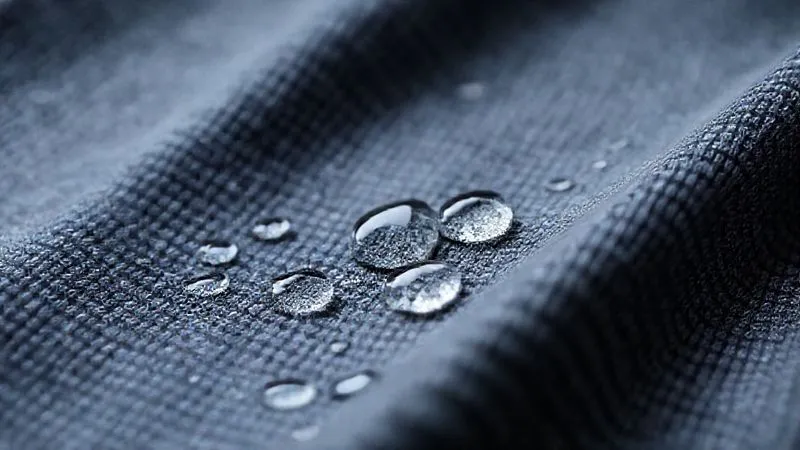
The fabric of your yoga bra is not just material; it's a high-performance textile engineered to interact with your body. Choosing the right fabric is paramount for both support and preventing chafing. According to a study published by the Journal of Textile Science, material composition and weave significantly impact moisture management and friction coefficients.
Key Fabric Properties to Look For:
- Moisture-Wicking: Essential for drawing sweat away from the skin, keeping you dry. Look for blends with nylon, polyester, or specialized synthetic fibers.
- Quick-Drying: Prevents moisture from lingering, which can lead to chafing and discomfort.
- Softness & Smoothness: A low-friction surface minimizes rubbing. Fabrics with a brushed finish or seamless construction are excellent choices.
- Stretch & Recovery: Provides the necessary give for movement while maintaining shape and support over time. Spandex (Lycra) content is key here.
- Breathability: Allows air circulation, helping to regulate body temperature and reduce sweat.
"The best yoga bra fabrics aren't just comfortable; they're an invisible shield against friction and moisture, working synergistically with your body to maintain optimal skin health and performance." - Industry Textile Expert
| Fabric Type | Key Benefit | Ideal For |
|---|---|---|
| Nylon/Spandex Blend | Excellent stretch, moisture-wicking, smooth feel | Most yoga styles, high-support needs |
| Polyester/Spandex Blend | Quick-drying, durable, good compression | Hot yoga, intense flows |
| Bamboo Viscose | Soft, breathable, naturally antibacterial | Gentle yoga, sensitive skin, low impact |
| Seamless Knit | Minimizes friction, body-hugging fit, comfort | All yoga styles, chafing prevention |
The Art of Fit: Measuring and Sizing for True Comfort
This is where the rubber meets the road. An impeccably designed bra with advanced fabrics is useless if the fit is off. I've guided countless individuals through this process, and the key is patience and precision. Forget what you think your bra size is; let's find your *true* activewear fit.
Step-by-Step Fitting Guide:
- Measure Your Band Size (Underbust):
- Wrap a soft tape measure snugly around your ribcage, directly under your bust.
- Ensure the tape is level and parallel to the floor.
- Breathe out fully and note the measurement in inches. This is your band size.
- Expert Tip: Most of a bra's support (around 80%) comes from the band. It should be snug enough to stay put but not constrictive.
- Measure Your Bust Size (Fullest Part):
- Measure around the fullest part of your bust, keeping the tape level across your back.
- Do not pull the tape too tightly.
- Note this measurement.
- Calculate Your Cup Size:
- Subtract your band measurement from your bust measurement.
- Each inch difference corresponds to a cup size (1"=A, 2"=B, 3"=C, etc.).
- Important: Activewear brands often use alpha sizing (S, M, L) or a combined band/cup system (34B, 36C). Always refer to their specific size chart.
- The 'Scoop and Swoop' Test:
- Once you put on the bra, lean forward and 'scoop' all your breast tissue from under your arms and sides into the cups.
- This ensures proper positioning and full containment, preventing spillage and maximizing support.
- The 'Arm Raise' Test:
- Raise your arms above your head. Does the band ride up? If so, the band is too loose, and you need a smaller band size.
- Does the bra dig in, or do the straps fall? Adjust as needed.
Remember, sizing is not universal. A medium in one brand might be a small in another. Always consult the brand's specific size guide and read customer reviews, especially those from individuals with similar body types.
Strap Strategies: Distributing Weight and Eliminating Dig-In
While the band provides the majority of support, straps are crucial for stability, weight distribution, and preventing bounce, especially for larger busts. However, poorly designed or adjusted straps are a prime culprit for shoulder pain and chafing.
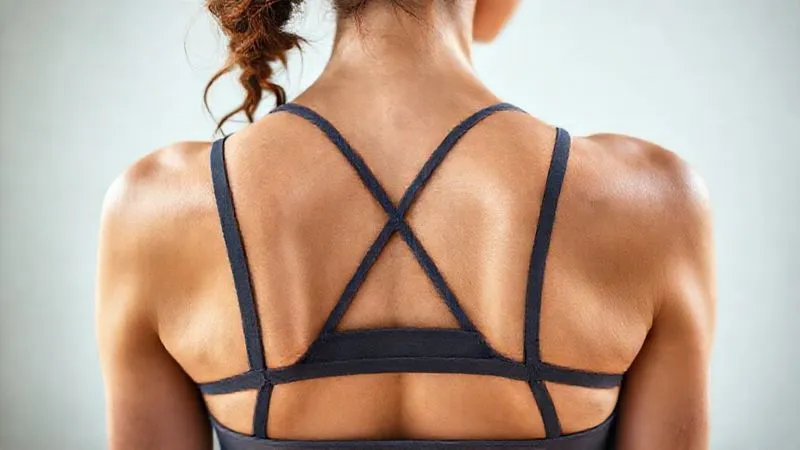
Consider these strap features:
- Wide, Padded Straps: For larger busts, wider straps distribute weight more effectively, reducing pressure points. Padding adds an extra layer of comfort.
- Adjustable Straps: Crucial for customizing fit. Look for adjusters that stay in place and don't dig into the skin.
- Racerback or Criss-Cross Designs: These designs often provide better support and prevent straps from slipping off shoulders during dynamic movements. They also distribute weight across the back muscles, rather than solely on the shoulders.
- Seamless Edges: Straps with seamless or flat-stitched edges are less likely to chafe, particularly around the armpits and shoulders.
I've personally seen the relief in a client's eyes when they switch from thin, digging straps to a wider, adjustable design. It's a game-changer for overall comfort and the ability to fully engage in their practice.
Band Brilliance: The Foundation of Unwavering Support
The band is the unsung hero of the yoga bra. It's where the majority of the support originates, anchoring the bra to your body and preventing upward movement. A band that's too loose will ride up, shifting the entire bra and leading to inadequate support and potential chafing under the bust.
What makes a band brilliant?
- Wide and Firm: A wider band (1.5-2 inches or more) offers a larger surface area for support and distributes pressure more evenly. It should be firm but not restrictive.
- Encased Elastic: The elastic within the band should be fully encased in soft fabric to prevent it from rubbing directly against the skin.
- Seamless or Flat-Stitched Edges: Similar to straps, smooth edges on the band are critical for preventing chafing around the ribcage.
- Underband Material: Look for fabrics that are soft, moisture-wicking, and have good stretch recovery to maintain shape over time.
When trying on a bra, always check that the band sits level across your back, parallel to the floor. It should feel snug but allow for a full range of motion and deep breathing – essential for yoga. If you can fit more than two fingers comfortably under the band, it's likely too loose.
Designing for Movement: Specific Features for Yoga Poses
Yoga isn't just about static poses; it involves fluidity, inversions, and deep stretches. A truly supportive and chafe-free yoga bra must be designed with these movements in mind. This means looking beyond basic sports bra features to those specifically tailored for the unique demands of a yoga practice.
Key design considerations:
- Minimal Hardware: Clasps, hooks, and adjusters can become pressure points during floor work or inversions. Seamless or pullover designs are often preferred for yoga.
- Strategic Ventilation: Mesh panels or open-back designs can enhance breathability in high-sweat areas, reducing moisture and friction.
- Four-Way Stretch: Allows the bra to move with your body without restriction or loss of support, crucial for deep twists and stretches.
- Removable Padding: While not directly related to support, removable cups allow for customization of shape and coverage, and can be removed if they bunch or cause irritation.
- Compression vs. Encapsulation:
- Compression bras (common in activewear) press the breasts against the body. Good for smaller busts or lower-impact activities.
- Encapsulation bras have separate cups for each breast, offering superior support and minimizing movement, especially for larger busts. Many yoga bras now combine elements of both for optimal comfort and support.
As Seth Godin often says, "People don't buy products; they buy solutions to their problems." A yoga bra that anticipates and accommodates the unique movements of yoga is solving a fundamental problem for practitioners.
Post-Purchase Care: Maintaining Bra Integrity and Longevity
Even the most perfectly fitted and expertly designed yoga bra can lose its efficacy if not cared for properly. Improper washing and drying can degrade elastic, damage fabric integrity, and ultimately compromise support and increase the risk of chafing. This is a common oversight I've seen, leading to premature wear and tear.
Best Practices for Bra Care:
- Wash Cold, Gentle Cycle: Hot water can break down elastic fibers. Use a mild detergent.
- Use a Lingerie Bag: This protects delicate fabrics and prevents straps from tangling with other clothes, which can stretch or damage them.
- Avoid Fabric Softeners: Fabric softeners can clog the pores of moisture-wicking fabrics, reducing their effectiveness and potentially trapping moisture against the skin.
- Air Dry Flat: Heat from dryers is the enemy of elastic. Lay your bras flat or hang them to dry. This helps maintain their shape and elasticity.
- Rotate Your Bras: Don't wear the same bra day in and day out. Give your bras a chance to recover their shape and elasticity between wears.
By following these simple steps, you can significantly extend the lifespan of your yoga bras, ensuring they continue to provide the unwavering support and chafe-free comfort you rely on for your practice.
Frequently Asked Questions (FAQ)
Q: I have a very large bust. Are there specific yoga bra features I should prioritize to prevent chafing? Absolutely. For larger busts, prioritize wide, padded, adjustable straps, a very firm and wide underband (at least 2 inches), and an encapsulation or hybrid compression/encapsulation design. Look for seamless construction in areas prone to friction like under the arms and under the bust. Moisture-wicking, quick-drying fabrics are non-negotiable. Some brands offer specific 'fuller bust' lines that cater to these needs with reinforced support structures.
Q: My bra band always rolls up. What does this mean, and how can I fix it? A rolling bra band almost always indicates that the band is either too loose or made of a fabric that lacks sufficient recovery and stability. First, try a smaller band size. If it still rolls, the fabric might be too thin or lack the necessary elastic content. Look for bras with wider, firmer bands, often with a double-layer construction or a more robust elastic encased within the fabric. The band should sit flat against your ribcage without rolling, even during movement.
Q: Can wearing the wrong size yoga bra lead to long-term health issues? While not typically life-threatening, consistently wearing an ill-fitting bra can lead to several long-term discomforts and potential issues. These include chronic shoulder and neck pain (from inadequate support or digging straps), skin irritation and rashes (from chafing and moisture), poor posture (as you unconsciously try to compensate for lack of support), and potentially even damage to the Cooper's ligaments over time, leading to premature sagging. Prioritizing fit is crucial for both comfort and long-term well-being.
Q: I sweat a lot during yoga. How can I minimize chafing related to moisture? Moisture is a huge factor in chafing. Your primary focus should be on highly effective moisture-wicking and quick-drying fabrics. Look for blends of nylon, polyester, and spandex specifically engineered for high-intensity activities. Consider bras with strategic mesh paneling in high-sweat areas like the back and underarms. After your practice, rinse your bra immediately or wash it to remove salt and sweat, which can exacerbate chafing if left on the fabric. Using an anti-chafing balm in prone areas before practice can also provide an extra layer of protection.
Q: Are seamless yoga bras always better for preventing chafing? Generally, yes, seamless construction significantly reduces the risk of chafing because it eliminates raised seams that can rub against the skin. However, not all seamless bras are created equal in terms of support. For higher impact or larger busts, a seamless bra might need additional internal support structures or a denser knit in key areas. Always check the support level, fabric composition, and customer reviews to ensure it meets your specific support needs while also offering chafe-free comfort.
Key Takeaways and Final Thoughts
Navigating the world of yoga bras, especially when striving for chafe-free support for diverse body types, can seem daunting. However, armed with the right knowledge and an expert's perspective, it becomes an empowering journey towards true comfort and enhanced practice.
- Holistic Fit is Paramount: Support comes from the band, straps, and cups working in harmony, not just cup size.
- Fabric Technology is Your Ally: Prioritize moisture-wicking, quick-drying, soft, and stretchy materials.
- Measure Accurately, Test Thoroughly: Don't guess your size; use a tape measure and perform movement tests.
- Design Matters: Look for wide, adjustable straps, firm bands, and seamless construction tailored for yoga movements.
- Care Extends Life: Proper washing and drying maintain your bra's integrity and performance.
I've seen the transformation in practitioners when they finally find a yoga bra that truly works for them. The freedom from discomfort allows for deeper focus, more confident movement, and a richer, more fulfilling yoga experience. Invest the time in understanding these principles, and you'll unlock a new level of comfort and support, ensuring every pose is a pleasure, not a pain point. Your body deserves nothing less.
Recommended Reading
- 7 Proven Strategies: Turn Social Media Fashion Followers into Clients
- Eco-Friendly Kids Clothes: Last Longer & Save You Money!
- Greenwashing Busters: 5 Pillars for Sustainable Activewear Brands' Integrity
- Beyond the Contract: 5 Ways Activewear Retains Elite Athletes
- 5 Proven Steps: Eliminate Daily Outfit Decisions for Busy Professionals



Your email address will not be published. Required fields are marked *