

How do activewear brands retain elite athletes after sponsorship ends?
For over 15 years in the activewear industry, I've witnessed a recurring, often painful scenario: a brand invests heavily in an elite athlete, leveraging their image, performance, and influence to drive sales and brand perception. The partnership flourishes, brand visibility soars, and then, the contract term concludes. Suddenly, that powerful alliance feels precarious, like a ship adrift without its anchor. Many brands simply wave goodbye, assuming the relationship naturally dissolves with the financial agreement. This, in my experience, is a monumental oversight.
The core problem isn't just about losing a face; it's about squandering years of built-up equity, trust, and shared narrative. Athletes, especially elite ones, are more than just walking billboards; they are embodiment of dedication, resilience, and peak performance – values intrinsically linked to activewear. When a sponsorship ends, the natural inclination might be to pivot to the next rising star, but the true challenge, and indeed the greater opportunity, lies in understanding how to transition these relationships from transactional to transformational.
In this definitive guide, I'll pull back the curtain on the strategies I've seen successful activewear brands employ to not just maintain, but deepen their connections with elite athletes long after the sponsorship cheques stop clearing. We'll explore actionable frameworks, delve into innovative engagement models, and uncover how to build enduring partnerships that continue to yield tangible value for both the brand and the athlete. This isn't about extending a contract; it's about extending influence, loyalty, and a shared legacy.
Beyond Monetary Value: Cultivating Genuine Relationships
The foundation of any lasting relationship, professional or personal, is trust and mutual respect, not just a financial transaction. While initial sponsorships are undeniably about financial compensation for endorsement, the most astute activewear brands understand that the real work of retention begins long before the contract expires. It's about fostering a human connection that transcends the balance sheet.
The Power of Personal Connection
I've seen countless brands make the mistake of treating athletes as assets rather than partners. When you view an athlete solely through the lens of their market value, you miss the opportunity to connect with them on a deeper level. This means understanding their personal goals, their struggles outside of their sport, their family life, and their aspirations beyond their athletic career. Regular, non-contractual check-ins, personal gestures, and genuine interest in their well-being can build an invaluable rapport.
"The strongest brand loyalties are forged in the fires of shared values and authentic connection, not just through the exchange of capital. When an athlete feels truly seen and supported, they become an advocate, not just an endorser."
Consider the emotional investment. An athlete spends years training, sacrificing, and competing. Their journey is intensely personal. Brands that acknowledge and celebrate this journey, offering support not just during wins but also through injuries or setbacks, create a bond that money alone cannot buy. This empathy is a powerful currency in the retention game.

Strategic Post-Sponsorship Engagement Models
When the formal sponsorship concludes, the question becomes: how do activewear brands retain elite athletes after sponsorship ends without the same financial outlay? The answer lies in diversifying the engagement model. It's about transitioning from a primary endorser role to a more integrated, multi-faceted partnership.
Tiered Ambassador Programs
One highly effective strategy is to transition elite athletes into a tiered ambassador program. This allows brands to continue leveraging their influence and expertise, albeit in a different capacity, often with performance-based incentives or reduced retainers. These programs can be structured to reflect varying levels of involvement and compensation.
- Platinum Tier (Legacy Ambassadors): For athletes with significant, enduring influence. Roles might include keynote speaking at brand events, mentorship of younger sponsored athletes, or exclusive content creation. Compensation could be a reduced retainer, equity options, or significant product allocation plus performance bonuses.
- Gold Tier (Special Projects): For athletes who contribute to specific campaigns, product launches, or limited-edition collections. Engagement is project-based, allowing flexibility for both parties. Compensation is project-specific fees or enhanced product packages.
- Silver Tier (Community Advocates): For athletes who genuinely love the brand and are willing to share their experiences organically. This might involve social media mentions, product testing, or participation in brand surveys. Compensation is often exclusive access, product, and recognition.
Consultancy & Advisory Roles
Elite athletes possess an unparalleled understanding of performance needs, product functionality, and the competitive landscape. Harnessing this expertise through consultancy or advisory roles provides immense value to the brand while offering the athlete a meaningful post-career pathway or supplemental income. This could involve advising on product design, material innovation, marketing campaign messaging, or even market entry strategies for new sports categories.
| Engagement Model | Primary Value to Brand | Athlete Benefit | Typical Commitment | Metrics |
|---|---|---|---|---|
| Legacy Ambassador | Enduring Influence, Mentorship, High-level Content | Reduced Retainer, Equity, Continued Brand Association | Annual, Event-based | Brand Sentiment, Mentee Performance, High-Tier Engagement |
| Project-Based | Targeted Campaign Support, Specific Product Launch | Project Fee, Product Exclusivity | Campaign-specific (1-3 months) | Campaign Reach, Conversion Rates, Product Feedback |
| Advisory Board | Product Innovation, Strategic Insight, Market Intelligence | Consultancy Fees, Intellectual Engagement | Quarterly Meetings, Ad-hoc | Product Development Cycles, Innovation Score, Strategic Impact |
Leveraging Athlete Expertise: Co-Creation & Product Development
One of the most powerful ways activewear brands retain elite athletes after sponsorship ends is by transforming them from mere endorsers into genuine co-creators and innovators. Their lived experience at the pinnacle of their sport provides invaluable insights that no focus group or design team can replicate.
From Endorser to Innovator
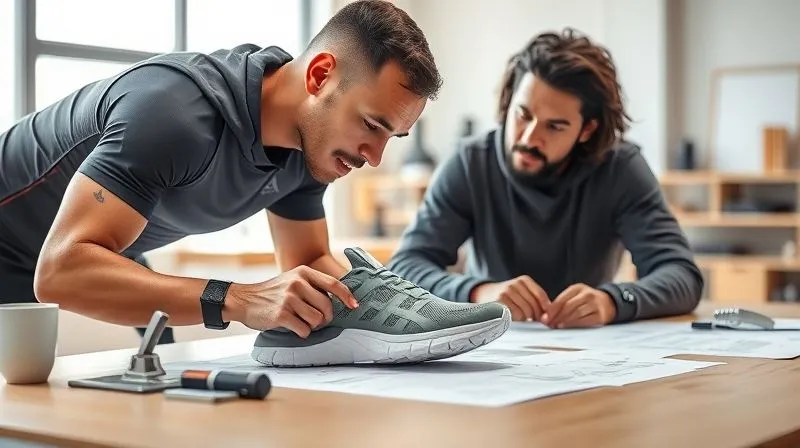
Imagine a sprinter who has worn hundreds of different track spikes, feeling every seam, every material flex, every ounce of weight. Their feedback isn't just an opinion; it's a data point derived from extreme performance. Involving these athletes in the product development lifecycle, from initial concept to final testing, creates a powerful sense of ownership and continued relevance for the athlete.
Case Study: How Apex Athletic Deepened Athlete Ties
Apex Athletic, a mid-sized activewear brand, faced the common challenge of losing high-profile athletes once their contracts expired. Their solution? They launched an "Athlete Innovation Council." Instead of just offering new contracts, they invited a select group of former sponsored athletes to join this council, offering them a consultancy fee and a percentage of sales from products they directly influenced. For instance, former Olympic swimmer, Maya Sharma, collaborated on a new line of competition swimwear, providing crucial insights on drag reduction and fit. This not only kept Maya deeply engaged with the brand but also resulted in a product line that resonated authentically with the swimming community, leading to a 25% increase in swimwear sales in its first year and solidifying Apex's reputation for athlete-driven innovation. This demonstrates how activewear brands retain elite athletes after sponsorship ends by valuing their unique expertise.
This co-creation model is a win-win. The brand gains authentic, performance-driven innovation, and the athlete gains a continued sense of purpose and a new revenue stream, solidifying their legacy beyond just competition. It's a testament to valuing their brains as much as their brawn.
Building a Community of Champions: The Network Effect
Elite athletes, by nature, often operate in somewhat isolated spheres of intense training and competition. Activewear brands have a unique opportunity to connect these individuals, fostering a sense of belonging and mutual support that extends beyond any single sponsorship. This network effect can be a powerful retention tool.
Exclusive Athlete Hubs
Creating an exclusive online or offline community for current and former sponsored athletes can provide immense value. This could be a private social media group, an annual retreat, or even a dedicated digital platform. Within this "hub," athletes can share training tips, discuss career transitions, offer mentorship, and provide feedback directly to the brand. This fosters a sense of collective identity and purpose.
"A brand that successfully cultivates a sense of community among its athletes creates an ecosystem where loyalty is self-reinforcing. Athletes stay not just for what the brand provides, but for the valuable network and camaraderie it facilitates."
I've observed that athletes often crave connection with peers who truly understand their unique challenges and triumphs. A brand that facilitates this connection becomes more than a supplier of gear; it becomes a facilitator of community. This is particularly crucial as athletes transition out of competitive sport, seeking new avenues for their drive and experience. A supportive network can be a lifeline.
Supporting the Athlete's Journey: Career Transition & Wellness
An athlete's career, no matter how illustrious, eventually comes to an end. This transition period can be incredibly challenging, both emotionally and financially. Activewear brands that offer genuine support during this phase demonstrate a profound commitment to their athletes, securing deep loyalty that can last a lifetime.
Holistic Athlete Support Systems
Consider offering resources for career development, financial planning, mental health support, or even educational opportunities. This could manifest as workshops on public speaking, media training, entrepreneurial skills, or connections to executive coaching. Such initiatives signal to athletes that the brand cares about their holistic well-being, not just their performance in a jersey.
For example, a brand might partner with a sports psychology firm to offer free counseling sessions to former athletes struggling with identity shifts post-retirement. Or, they could create a mentorship program where retired athletes guide younger, up-and-coming talents. This kind of investment in their future, rather than just their past performance, is a powerful differentiator. According to a study by Deloitte Sports Business Group, supporting athletes through career transitions not only benefits the individual but also enhances the broader sports ecosystem, fostering goodwill and positive brand association.
This approach transforms the brand into a lifelong partner in the athlete's journey, making it far more likely that they will continue to champion the brand organically and enthusiastically, answering the question of how do activewear brands retain elite athletes after sponsorship ends with a resounding commitment to their long-term welfare.
Data-Driven Relationship Management: Measuring Impact & Value
While the relationships we've discussed are deeply human, their impact can and should be measured. Understanding the tangible and intangible returns on investment for post-sponsorship engagement is crucial for justifying continued resources and optimizing strategies. This isn't about cold analytics; it's about informed relationship building.
Metrics for Post-Sponsorship Success
Measuring retention success goes beyond traditional sponsorship ROI. We need to look at metrics that reflect continued engagement, brand advocacy, and collaborative value. These could include:
- Social Media Engagement: Tracking mentions, shares, and sentiment when athletes organically post about the brand.
- Content Contribution: Quantifying blog posts, videos, or speaking engagements contributed by former athletes.
- Product Feedback Integration: Measuring the number of athlete suggestions incorporated into new designs and their impact on product performance or sales.
- Internal Brand Advocacy: Assessing how often former athletes participate in internal brand events, advise teams, or provide market insights.
- Referral Traffic/Sales: If applicable, tracking sales directly attributed to an athlete's continued influence (e.g., through unique discount codes for their audience).
- Brand Perception Surveys: Including questions about the influence of former athletes on brand loyalty among target demographics.
As marketing guru Seth Godin often says, "People do not buy goods and services. They buy relations, stories, and magic." Measuring the impact of these relations requires a nuanced approach. For instance, while direct sales might decrease, the sustained credibility and authenticity an athlete brings can significantly bolster brand equity over time. This long-term view is essential.
| Engagement Metric | Measurement Method | Target Outcome | Frequency |
|---|---|---|---|
| Social Media Mentions (Organic) | Social Listening Tools, Hashtag Tracking | Increased Brand Visibility, Authentic Endorsement | Monthly/Quarterly |
| Product Co-creation Impact | Sales of Co-created Lines, Customer Reviews | Improved Product Quality, Market Resonance | Per Product Launch |
| Community Participation | Event Attendance, Platform Activity Logs | Enhanced Athlete Network, Brand Loyalty | Ongoing |
| Media/PR Mentions (Athlete-led) | Media Monitoring | Positive Brand Association, Earned Media Value | As Occurs |
Crafting a Legacy: Storytelling & Shared Values
Ultimately, the most enduring way activewear brands retain elite athletes after sponsorship ends is by weaving them into the brand's ongoing narrative and celebrating shared values. This moves beyond transactional agreements to a powerful, emotional connection that resonates with both the athlete and the consumer.
Narratives That Endure
Every elite athlete has a compelling story of dedication, triumph, and resilience. Brands can continue to tell these stories, even after formal sponsorship concludes, positioning the athlete as a permanent part of the brand's heritage. This could be through historical content on the brand website, anniversary campaigns, or documentary-style videos celebrating their journey and contributions.
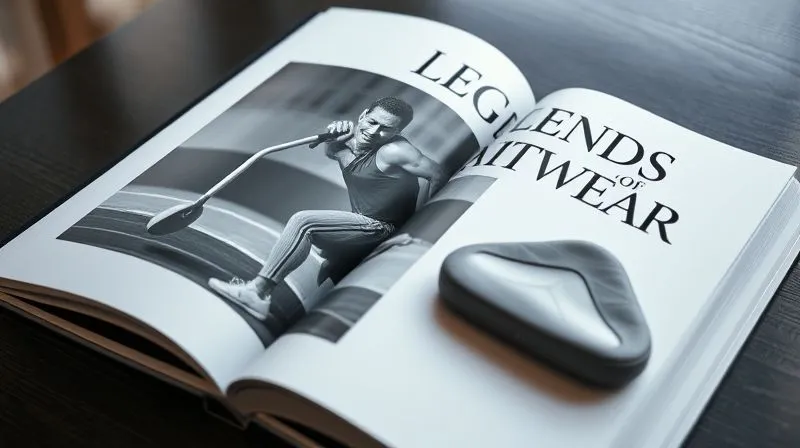
Consider the power of a brand's "Hall of Fame" or a "Legacy Athletes" program, not just for PR, but as a genuine acknowledgment of their profound impact. This honors their past contributions and implicitly invites their continued association. It reinforces the idea that once you are part of the brand family, you remain part of it. This strategy aligns with the principles of effective brand storytelling, which emphasizes authenticity and emotional resonance, as explored in various business publications like Harvard Business Review.
This approach is about building a shared legacy. When an athlete feels their story is respected and continuously celebrated by a brand, they become an ambassador for life, not just for a contract term. It speaks to the deeper human need for recognition and belonging.
Frequently Asked Questions (FAQ)
What's the biggest mistake brands make when trying to retain athletes post-sponsorship? The single biggest mistake is assuming the relationship ends with the money. Brands often fail to transition from a transactional mindset to a relational one. They neglect the athlete's holistic journey, failing to recognize their expertise beyond performance or to support their post-career aspirations. This oversight squanders years of built-up trust and goodwill.
How do you measure ROI on non-monetary retention strategies? Measuring ROI for non-monetary strategies requires a shift from direct sales attribution to broader brand equity and engagement metrics. This includes tracking organic social media mentions, sentiment analysis, website traffic driven by athlete-shared content, participation rates in co-creation projects, and the impact of athlete feedback on product innovation. Ultimately, it’s about understanding the long-term value of authentic advocacy and sustained credibility, which can be harder to quantify but is undeniably impactful.
Is it always worth retaining athletes after their sponsorship ends? No, not always. The decision should be strategic. It's most worthwhile for athletes who have a strong, authentic connection to the brand, whose values align deeply with the brand's, and who continue to possess significant influence or unique expertise. Brands should evaluate the athlete's ongoing market relevance, their willingness to engage in new capacities, and the potential for mutually beneficial, non-monetary partnerships before investing further retention efforts. A strategic approach ensures resources are allocated effectively.
How do smaller activewear brands compete with larger ones for athlete loyalty post-sponsorship? Smaller brands can compete by focusing on authenticity, deep personal relationships, and offering unique value propositions that larger brands might overlook. This could include more personalized support during career transitions, genuine co-creation opportunities where the athlete feels truly heard, or offering equity in the company. They can also focus on niche communities where a specific athlete's influence is paramount, creating a more intimate and impactful partnership that feels less corporate and more collaborative.
What role does technology play in retaining elite athletes after sponsorship ends? Technology plays a crucial role in facilitating communication, managing communities, and tracking engagement. Dedicated athlete portals or private social platforms can serve as hubs for exclusive content, feedback, and peer interaction. CRM systems can help track personal milestones and preferences, enabling personalized outreach. AI-powered analytics can help measure the impact of athlete-generated content and brand sentiment. Technology allows for scalable, yet personalized, relationship management that is essential for long-term retention.
Key Takeaways and Final Thoughts
Retaining elite athletes after their sponsorship contracts conclude is not just a challenge; it's a profound opportunity for activewear brands to solidify their identity, deepen their market penetration, and build a truly resilient brand community. It requires a fundamental shift from a transactional mindset to one rooted in genuine partnership and mutual value creation.
- Prioritize Human Connection: Foster relationships built on empathy, respect, and support beyond the contract terms.
- Diversify Engagement Models: Implement tiered ambassador programs, consultancy roles, and advisory positions to keep athletes integrated.
- Leverage Their Expertise: Involve athletes in product co-creation and innovation, valuing their unique performance insights.
- Cultivate Community: Create exclusive networks and platforms where athletes can connect, share, and find support.
- Support Their Entire Journey: Offer resources for career transition, wellness, and personal development, demonstrating long-term care.
- Measure Strategically: Track both tangible and intangible metrics to understand the full value of post-sponsorship relationships.
- Weave Them Into Your Story: Celebrate their legacy and integrate them into the brand's enduring narrative through authentic storytelling.
In a world saturated with fleeting endorsements, the brands that master the art of retaining their champions will be the ones that truly stand the test of time. By investing in these deeper connections, you're not just securing an ambassador; you're cultivating a lasting legacy that benefits everyone involved, proving that the end of a contract can, in fact, be the beginning of an even stronger partnership. This is how activewear brands retain elite athletes after sponsorship ends, transforming former endorsers into lifelong advocates and invaluable partners.
Recommended Reading
- Bridal Shoe Returns? 7 Expert Strategies for All-Day Comfort
- Beat Digital Fatigue: 5 Best Prescription Lenses for Executive Eye Strain Relief
- The Secret Revealed: How Stylists Pick Celebrity Luxury Red Carpet Gowns
- 7 Smart Ways to Liquidate Unsold Winter Accessories Without Devaluing Your Brand
- The Ultimate Guide: How to Remove Pen Ink from Your Designer Handbag Safely





Your email address will not be published. Required fields are marked *