

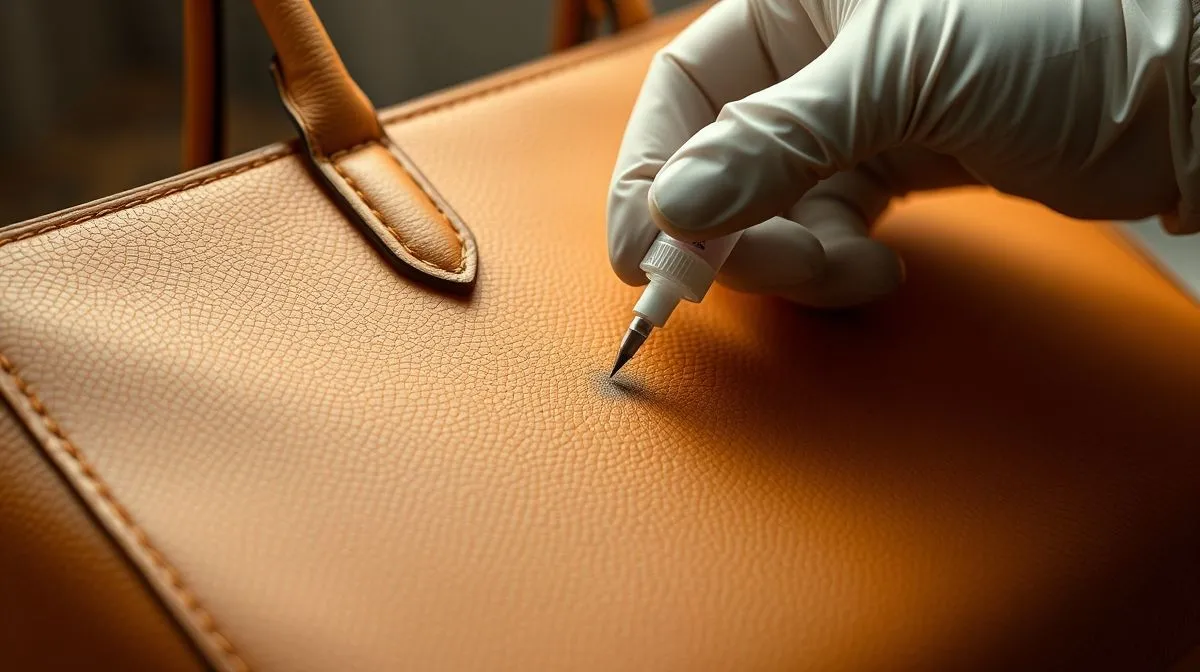
The Ultimate Guide: How to Remove Pen Ink from Your Designer Handbag
Have you ever reached into your beloved designer handbag, perhaps for your phone or keys, only to pull out a pen that has inadvertently left a stark, unwelcome streak across its exquisite surface? The heart-stopping moment, the immediate wave of panic, the thought of your cherished investment forever marred – it’s a scenario many luxury bag owners dread.
This isn't just about a simple stain; it's about the potential damage to a piece of art, a symbol of personal style, and a significant investment. Pen ink, with its stubborn pigments and quick-drying nature, can seem like an insurmountable foe, especially on delicate or expensive materials. The fear of making it worse often paralyzes owners, leading to inaction or, worse, incorrect attempts at removal that can cause irreversible damage.
But what if there was a definitive, expert-backed approach to tackle this common catastrophe? This comprehensive guide will empower you with the knowledge and techniques to confidently address ink stains. You'll learn how to assess the damage, choose the right method for your handbag's material, and execute the removal process safely, potentially saving your precious accessory and restoring its pristine condition. Get ready to transform that dreaded ink mark into a distant memory.
Understanding Your Handbag's Material: The First Crucial Step
Before you even think about reaching for a cleaning solution, the absolute first and most critical step is to identify the material of your designer handbag. Different materials react drastically differently to various cleaning agents. What works wonders on one might permanently destroy another. This foundational understanding is the cornerstone of successful ink removal.
Leather Types and Their Vulnerabilities
Leather is not a monolithic material; it encompasses a wide spectrum, each with unique characteristics and vulnerabilities:
- Finished Leather (Treated/Coated): This is the most common type, often with a protective topcoat. It’s relatively durable and resistant to minor spills. Examples include Saffiano, textured calfskin, and certain types of patent leather. These can often withstand gentle cleaning solutions.
- Unfinished Leather (Naked/Aniline): Highly absorbent and porous, this leather has no protective coating. Think of very soft, supple lambskin or untreated calfskin. It's incredibly prone to staining, including ink, and can be easily damaged by water or harsh chemicals. Immediate, gentle action is paramount.
- Patent Leather: Known for its high-gloss, reflective finish, patent leather is typically a coated leather. While resistant to water, it can be susceptible to color transfer and certain chemicals can dull or crack its surface.
- Exotic Leathers: Crocodile, alligator, snake, and ostrich leathers require highly specialized care. Their unique scales and textures can be extremely delicate, and improper cleaning can lead to cracking, discoloration, or irreparable damage. These are often best left to professionals.
Fabric, Suede, and Other Materials
Beyond leather, designer handbags come in a variety of other materials, each with its own cleaning considerations:
- Canvas/Twill: Durable and often treated, these fabrics can usually handle gentle spot cleaning. However, ink can penetrate deeply into the fibers.
- Suede/Nubuck: These are napped leathers, meaning they have a soft, velvety surface. They are highly absorbent and incredibly difficult to clean without disturbing the nap or leaving water marks. Ink removal on these materials is particularly challenging.
- Nylon/Synthetics: Generally more resilient and easier to clean than natural fibers, but care must still be taken to avoid damaging coatings or causing discoloration.
- Specialty Materials (e.g., Silk, Velvet): Extremely delicate and porous. Any attempt at DIY cleaning on these materials carries high risk and is generally discouraged.
Always check the manufacturer's care label if available, or consult their website for specific material guidelines. When in doubt, err on the side of caution and consider professional advice.
Immediate Action: The Golden Rule of Ink Removal
When it comes to ink stains, time is truly of the essence. The longer an ink stain sits, the more it dries, sets, and penetrates the material, making it exponentially harder to remove. Think of it as a race against time; every second counts.
Why Time is of the Essence
Ink, especially that from ballpoint or gel pens, contains solvents and pigments that are designed to dry quickly and adhere to surfaces. On porous materials like leather or fabric, these pigments can seep deep into the fibers, bonding with them on a molecular level. Once the solvents evaporate and the pigments are fully set, the stain becomes significantly more stubborn. Prompt action, ideally within minutes of the incident, can mean the difference between a complete removal and a permanent blemish. This principle is widely acknowledged in textile and leather conservation, emphasizing the importance of early intervention for successful stain treatment.
Essential Tools and Supplies for Initial Response
Having the right tools on hand can make the initial response much more effective. Before you even touch the stain, gather these items:
- Clean White Microfiber Cloths: Essential for dabbing and applying solutions. White ensures no color transfer to your bag.
- Cotton Swabs/Q-tips: Perfect for precise application of cleaning agents to small areas, minimizing spread.
- Rubbing Alcohol (Isopropyl Alcohol 70% or 90%): A common, effective solvent for many ink types, especially on finished leathers.
- Hair Spray (Alcohol-based, non-conditioning): The alcohol content can help dissolve ink.
- Non-Gel Toothpaste (White, non-abrasive): Can sometimes work on certain ink types due to mild abrasive and cleaning agents.
- Leather Cleaner/Conditioner: Specifically formulated for your bag's leather type.
- Small Bowl: For diluting solutions or holding water.
- Hair Dryer (on cool setting): For gentle drying, if needed.
Crucial Precaution: The Patch Test! Before applying any solution to the visible ink stain, always, always perform a patch test on an inconspicuous area of the bag (e.g., inside a pocket, on the bottom, or an inner flap). Apply a tiny amount of your chosen solution with a cotton swab, let it sit for a few minutes, then blot. Check for any discoloration, damage, or adverse reactions. If there's any negative change, do NOT proceed with that method.
Tried and True Methods for Different Ink Types
The type of ink dictates the most effective removal strategy. Knowing whether you're dealing with a ballpoint, gel, or permanent marker ink is crucial for success and to avoid further damage.
Ballpoint Pen Ink Removal
Ballpoint ink is oil-based and one of the most common culprits. It can often be removed with alcohol-based solutions on finished leathers.
- Preparation: Ensure the bag is clean and dust-free. Gather your white microfiber cloths and isopropyl alcohol.
- Application: Dampen a clean cotton swab or the corner of a white microfiber cloth with a small amount of isopropyl alcohol (70% or 90%). Do not saturate.
- Dabbing Technique: Gently dab the ink stain, working from the outside edge towards the center to prevent spreading. Do not rub, as this can push the ink deeper into the material or spread it.
- Blotting: As the ink transfers to your cloth, immediately switch to a clean section of the cloth. This prevents re-depositing the ink.
- Repeat & Condition: Continue dabbing and blotting until the stain fades. Once the ink is gone, wipe the area with a clean, damp cloth (water only) to remove any alcohol residue. For leather, follow up immediately with a high-quality leather conditioner to rehydrate the area and prevent drying or cracking.
Gel Pen Ink Removal
Gel inks are water-based and often contain dyes and pigments that can be more challenging. They tend to smudge easily.
- Initial Blotting: If the stain is fresh, gently blot with a clean, dry paper towel to absorb any excess ink. Do not press hard.
- Hairspray Method: Lightly spray a small amount of alcohol-based hairspray onto a cotton swab. Immediately dab the stain, again working from the outside in. The alcohol in the hairspray helps dissolve the ink.
- Toothpaste Alternative: For lighter stains on durable finished leather, a tiny dab of white, non-gel toothpaste (without abrasives or whitening agents) can be gently rubbed onto the stain with a cotton swab. Let it sit for a minute, then wipe clean with a damp cloth. This method relies on very mild abrasives and detergents.
- Rinse & Condition: After removal, gently wipe the area with a clean, damp cloth to remove all residue, then apply a suitable leather conditioner.
Permanent Marker Ink (The Toughest Challenge)
Permanent markers contain strong dyes and solvents, making them notoriously difficult to remove without professional help, especially on porous materials. Success is not guaranteed, and extreme caution is advised.
- Act Fast & Test: This is where the 'time is of the essence' rule is most critical. Perform a meticulous patch test in an inconspicuous area with isopropyl alcohol or even a small amount of nail polish remover (acetone-free, if possible, for leather).
- Isopropyl Alcohol (with extreme caution): Dampen a cotton swab with a very small amount of isopropyl alcohol. Lightly dab the ink, again working from the outside towards the center. Be incredibly gentle and quick.
- Melamine Foam (Magic Eraser) - Last Resort, Very Risky: On *some* very durable, finished leathers, a tiny piece of a damp Magic Eraser (melamine foam) can be used with extreme lightness. This acts as a micro-abrasive and can remove the top layer of material. It can easily remove color, dull the finish, or create permanent scuffs. Use only as a last resort on a tiny, tested area, and with minimal pressure. It is generally not recommended for designer bags.
- Professional Help: For permanent marker, especially on valuable or delicate bags, your best bet is often to seek professional cleaning immediately.
Remember, patience and gentleness are key. Never rub vigorously, as this can spread the ink or damage the material's finish. Always blot, and always switch to a clean section of your cloth as ink transfers.
Natural and Household Remedies: Proceed with Caution
While many household items are touted as miracle stain removers, their use on designer handbags requires extreme caution due to the delicate and often expensive nature of the materials. Always prioritize the patch test.
Rubbing Alcohol (Isopropyl Alcohol)
As mentioned, isopropyl alcohol is a primary go-to for many types of ink, especially ballpoint. Its effectiveness lies in its ability to act as a solvent, dissolving the ink's pigments. It's generally safer than stronger solvents like nail polish remover (acetone), which can strip finishes and dry out leather. However, even isopropyl alcohol can dry out leather if not followed by conditioning, and it can affect dyes on some materials. For a comprehensive understanding of alcohol's properties and safety, consult a reliable chemical safety resource like the National Library of Medicine's PubChem database.
Hair Spray
The effectiveness of hair spray comes from its alcohol content. Look for hair sprays that list alcohol (ethanol or isopropyl alcohol) as one of the primary ingredients and avoid anything with oils, conditioners, or strong fragrances, as these can leave residues or further stain the bag. It works similarly to rubbing alcohol but might be less concentrated. Use sparingly and precisely with a cotton swab.
Magic Eraser (Melamine Foam)
The Magic Eraser is essentially a very fine abrasive sponge. When dampened, its microscopic fibers act like sandpaper, gently 'sanding' away the top layer of a surface. While this can remove stains, it also removes a tiny layer of the material itself, including any protective coatings or dyes. This makes it incredibly risky for designer handbags, especially on finished leathers where it can dull the sheen, or on colored leathers where it can lift the dye, leaving a lighter spot. It is absolutely unsuitable for unfinished leathers, suede, or delicate fabrics. Only consider it as a last resort on an extremely durable, inconspicuous area after extensive testing, and use with the lightest possible touch. The risks often outweigh the benefits for high-value items.
Other Remedies to Avoid (Generally)
- Nail Polish Remover (Acetone): Highly corrosive to many handbag materials, especially leather and synthetic coatings. Can dissolve finishes, remove color, and cause irreversible damage. Avoid at all costs.
- Bleach: Will permanently discolor and damage most materials.
- Strong Household Cleaners (e.g., all-purpose sprays, window cleaner): Often contain harsh chemicals, detergents, and ammonia that are not formulated for delicate handbag materials and can cause damage or leave residues.
- Olive Oil/Butter: While sometimes suggested for leather conditioning, they will not remove ink and can leave greasy stains that attract dirt.
The rule of thumb with household remedies is: if it's not specifically designed for delicate materials or if it's not alcohol-based for ink, proceed with extreme caution or avoid entirely. When in doubt, a specialist cleaner is always the safest option.
Professional Intervention: When to Call the Experts
Despite your best efforts, some ink stains are simply beyond DIY repair. Knowing when to admit defeat and seek professional help is a sign of a responsible luxury item owner, as it can save your bag from irreversible damage.
Recognizing When DIY Isn't Enough
There are clear indicators that a professional cleaner is your best course of action:
- Delicate or Expensive Materials: Suede, nubuck, exotic leathers (alligator, python), very light-colored leathers, silk, or velvet bags are extremely sensitive. Any DIY attempt carries a high risk of permanent damage.
- Set-in or Large Stains: If the ink stain has been there for more than a few hours, or if it's a large, deeply saturated mark, it's likely set too deeply for household methods to be effective without causing damage.
- Uncertainty About Material: If you cannot confidently identify the material of your bag, or if the initial patch test shows any adverse reaction, stop immediately.
- Previous Failed Attempts: If you've tried a gentle method and it hasn't worked, do not escalate to harsher chemicals. This is the point to consult an expert.
- Vintage or Heirloom Bags: These often have unique finishes or are made from materials that are no longer common, requiring specialized knowledge for restoration.
A professional cleaner specializing in luxury handbags has the expertise, specialized tools, and a wider array of commercial-grade solutions to tackle stubborn stains. They understand the nuances of different materials and can often address issues like dye transfer, re-conditioning, and overall restoration.
What to Expect from a Professional Cleaner
When you take your bag to a professional, here's what typically happens:
- Assessment: The cleaner will thoroughly examine the bag, identify the material, assess the ink type and depth, and look for any existing damage.
- Quotation & Expectations: They will provide a quote and explain the likely outcome, including any risks involved. Be realistic; some stains, especially old ones or those on very porous materials, may not be 100% removable.
- Specialized Treatment: They will use professional-grade solvents, cleaning techniques, and equipment tailored to your bag's material. This might involve gentle agitation, specialized steaming, or even re-dyeing small areas if necessary.
- Reconditioning & Finishing: After cleaning, leather bags will typically be reconditioned to restore moisture and suppleness. They might also apply protective finishes.
- Turnaround Time: Cleaning can take anywhere from a few days to several weeks, depending on the severity of the stain and the cleaner's workload.
Research reputable handbag repair and cleaning services. Look for those with good reviews, before-and-after photos, and clear communication about their processes. Organizations like the Leather Research Laboratory often provide resources that can help identify reputable leather care specialists.
Preventative Measures: Protecting Your Investment
While knowing how to remove pen ink from designer handbag is crucial, preventing the stain in the first place is always the best strategy. A little foresight and regular care can save you a lot of stress and potential expense.
Regular Maintenance and Care
Consistent care extends the life of your handbag and makes it more resilient to accidents:
- Clean Regularly: Wipe down your bag with a soft, damp cloth (water only) to remove surface dirt and oils. For leather, use a specific leather cleaner every few months.
- Condition Leather: Apply a high-quality leather conditioner every 3-6 months. This keeps the leather supple, prevents drying and cracking, and can make it slightly more resistant to absorbing spills.
- Protectant Sprays: Consider using a reputable protective spray designed for your bag's material (e.g., water and stain repellent for leather or fabric). Always patch test first, as some sprays can alter the material's appearance.
Storage Tips
Proper storage is vital for preserving your bag's condition:
- Use Dust Bags: Always store your designer handbag in its original dust bag to protect it from dust, light, and friction.
- Maintain Shape: Stuff your bag with acid-free tissue paper or bubble wrap to help it retain its shape when not in use. Avoid using newspapers, as the ink can transfer.
- Avoid Overcrowding: Don't stuff your bag in a tight closet. Allow it room to breathe and maintain its form.
- Climate Control: Store bags in a cool, dry place away from direct sunlight, extreme temperatures, and humidity, which can damage materials.
Ink-Proofing Strategies
This is where direct prevention comes in:
- Pen Pouch: Always carry pens in a dedicated, small pen pouch or case. This is the simplest and most effective way to prevent ink leaks directly into the bag's lining or main compartment.
- Cap Your Pens: Ensure all pens, especially those with click mechanisms, are fully retracted or securely capped before placing them in your bag.
- Designated Compartments: If your bag has dedicated pockets or compartments, use them for pens, but still consider a pouch as extra security.
- Check for Leaks: Periodically check your pens for any signs of leakage before putting them in your bag.
By integrating these preventative measures into your routine, you significantly reduce the risk of ever having to face the dreaded question of how to remove pen ink from designer handbag again.
Frequently Asked Questions (FAQ)
Can I use hand sanitizer to remove ink from my handbag? While hand sanitizer contains alcohol, it often has added moisturizers, gels, and fragrances that can leave residues or even further stain your bag. It's best to stick to pure isopropyl alcohol (70% or 90%) for ink removal, as it minimizes unwanted additives.
Is it safe to use water on a leather handbag ink stain? Generally, water alone is not effective for ink stains and can leave water marks on certain types of leather, especially unfinished or very light-colored ones. Always use a minimal amount of water, if any, and dry immediately. For ink, alcohol is usually preferred over water.
How long do I have to remove an ink stain before it becomes permanent? The window for easy removal is typically within minutes to a few hours. After 24-48 hours, ink stains become significantly more challenging to remove and are often considered 'set,' increasing the likelihood of permanent damage if attempted DIY. Prompt action is truly key.
What if the ink stain is on the lining of my designer bag? Lining materials vary greatly (e.g., silk, cotton, nylon). Treat the lining similarly to clothing fabric. For cotton or nylon, a gentle dab with isopropyl alcohol might work. For silk or delicate linings, it's often best to consult a professional or accept that the lining stain may be permanent if it doesn't affect the bag's exterior.
Can I use a leather repair kit for ink stains? Leather repair kits are typically for scuffs, scratches, or color touch-ups, not for removing ink. Using a repair kit on an ink stain before proper cleaning could seal the ink in or create a worse, discolored patch. Always remove the stain first, then consider repair for any resulting damage.
Recommended Reading
- Unlocking Transparency: The Ultimate Guide to Tracking Ethical Sourcing in Fashion
- Best Sneakers for Walking All Day: Ultimate Comfort Guide
- Unlock the Secret: How to Pick Cute Outfits for Active Kids That Last!
- Unlock the Secret: How to Properly Wash Sustainable Activewear Fabrics for Longevity
- The Ultimate Secret: How to Properly Prevent Pilling on Yoga Leggings
Conclusion
Discovering a pen ink stain on your cherished designer handbag can be a truly disheartening experience, but it doesn't have to spell the end for your beloved accessory. By understanding your bag's material, acting swiftly, and employing the correct, gentle techniques outlined in this guide, you significantly increase your chances of successful ink removal. Remember the golden rules: always perform a patch test, blot don't rub, and know when to seek professional help. With careful attention and the right approach, you can restore your handbag to its former glory, allowing you to enjoy your investment for years to come, free from the shadow of that unexpected ink mark.





Your email address will not be published. Required fields are marked *