

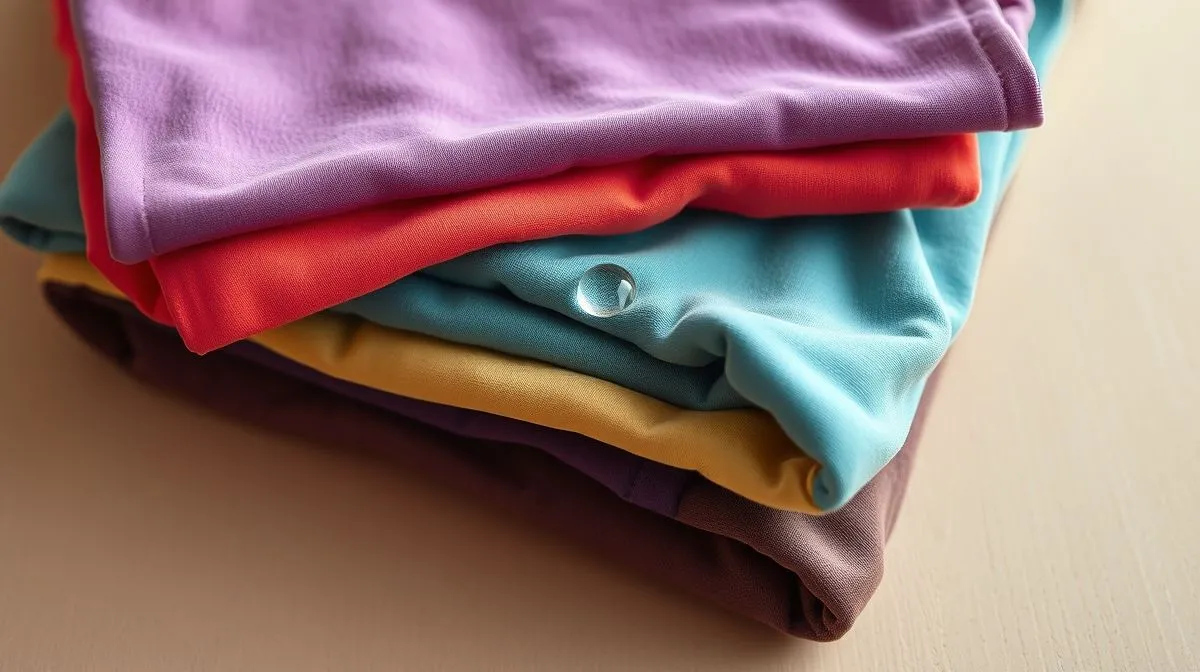
How to Properly Wash Sustainable Activewear Fabrics?
Imagine a world where your favorite workout gear not only performs flawlessly but also contributes positively to the planet. This isn't a futuristic dream; it's the reality of sustainable activewear. These innovative garments, crafted from recycled materials, organic fibers, or closed-loop production processes, represent a significant leap forward in eco-conscious fashion.
However, the journey of sustainability doesn't end when you purchase these items. In fact, a crucial part of their environmental impact and longevity lies in their care. Without proper attention, even the most eco-friendly fabrics can degrade quickly, lose their performance properties, and ironically, contribute to waste. The challenge then becomes: how do we ensure these fabrics last, perform, and continue to be a sustainable choice?
This comprehensive guide will unravel the mysteries of textile care for your eco-conscious wardrobe. By the end of this reading, you will possess the expert knowledge on how to properly wash sustainable activewear fabrics, extending their life, preserving their performance, and minimizing your environmental footprint.
Understanding Sustainable Activewear Fabrics
The Rise of Eco-Conscious Sportswear
The activewear industry has historically been a significant contributor to textile waste and pollution, largely due to its reliance on synthetic, petroleum-based materials. However, a growing awareness of environmental issues has spurred innovation, leading to the development of sustainable activewear. This shift is driven by consumer demand for more ethical and environmentally responsible products, pushing brands to rethink their entire supply chain.
Sustainable activewear encompasses a broad range of materials and production methods designed to reduce ecological impact. This includes everything from using recycled plastics to incorporating biodegradable natural fibers. The goal is to create high-performance garments that are kind to the planet, from their inception to their eventual end-of-life.
- Reduced Resource Consumption: Sustainable fabrics often require less water, energy, and chemical inputs during production.
- Waste Diversion: Materials like recycled polyester divert plastic bottles and ocean waste from landfills and ecosystems.
- Biodegradability: Natural fibers can break down harmlessly at the end of their life cycle, unlike persistent synthetics.
Common Sustainable Materials and Their Properties
To truly understand how to properly wash sustainable activewear fabrics, it's essential to know the unique characteristics of the materials themselves. Each fabric type responds differently to washing, drying, and general care. Understanding these properties will empower you to make informed decisions and apply the most appropriate care methods, ensuring your garments maintain their integrity and performance for years.
- Recycled Polyester (rPET): Made from post-consumer plastic bottles, rPET is durable, moisture-wicking, and quick-drying, much like virgin polyester. It's prone to microplastic shedding, so gentle washing is key.
- Organic Cotton: Grown without synthetic pesticides or fertilizers, organic cotton is soft, breathable, and biodegradable. It can be prone to shrinking and takes longer to dry, requiring careful temperature control.
- Tencel/Lyocell: A regenerated cellulose fiber made from wood pulp in a closed-loop system. It's incredibly soft, absorbent, and resistant to wrinkles. Tencel can be delicate and should be washed gently to prevent pilling.
- Hemp: Known for its strength, durability, and breathability, hemp requires very little water and no pesticides to grow. It softens with each wash but can be stiff initially.
- Bamboo Viscose: While bamboo itself is sustainable, its conversion to fabric often involves harsh chemicals. Look for certifications like Oeko-Tex. Bamboo fabric is soft, breathable, and moisture-wicking but can be prone to stretching and pilling if not handled gently.
- Econyl: A regenerated nylon made from ocean waste and discarded fishing nets. It shares properties with virgin nylon – durable, stretchy, and resistant to chlorine – but with a significantly reduced environmental footprint. Care is similar to rPET, focusing on minimizing microplastic release.
Why Proper Washing Matters for Sustainability and Longevity
Preserving Fabric Integrity
The performance features of activewear, such as elasticity, moisture-wicking capabilities, and odor resistance, are intricately linked to the fabric's structural integrity. Harsh washing conditions, aggressive detergents, or high heat can break down the fibers, diminish these crucial properties, and lead to premature wear and tear. This not only compromises your comfort and performance during workouts but also shortens the lifespan of the garment, forcing earlier replacement.
By adhering to proper washing techniques, you actively protect the intricate weave and chemical treatments that give your activewear its unique qualities. This preservation ensures that your leggings remain stretchy, your tops continue to wick sweat effectively, and your gear maintains its shape, color, and overall appearance, reflecting the quality and care you invest.
Minimizing Microplastic Shedding
A significant environmental concern with synthetic activewear, even recycled ones like rPET and Econyl, is the shedding of microplastics during washing. These tiny plastic fibers, invisible to the naked eye, bypass wastewater treatment plants and end up in oceans, rivers, and even the air we breathe. They enter the food chain, posing a threat to marine life and potentially human health.
While completely eliminating microplastic shedding is challenging, proper washing techniques can significantly reduce it. Using cold water, gentle cycles, and specialized laundry bags (like Guppyfriend) can trap these fibers before they enter the water system. This conscious effort is a vital part of responsible textile care, directly contributing to cleaner ecosystems. For more information on microplastics, you can refer to comprehensive studies available from environmental organizations and research institutions. Learn more about microplastic pollution from National Geographic.
Reducing Environmental Impact
Beyond microplastics, the way we wash our clothes has a broader environmental footprint. High-temperature washes consume more energy, contributing to greenhouse gas emissions. Excessive water usage strains local resources, particularly in drought-prone regions. Furthermore, the use of harsh chemical detergents can pollute waterways and harm aquatic ecosystems.
Adopting eco-friendly washing practices is a direct way to mitigate these impacts. Cold water washes, efficient machine loading, and the choice of biodegradable detergents all contribute to a more sustainable laundry routine. By extending the life of your garments through proper care, you also reduce the demand for new production, which inherently carries its own environmental costs in terms of raw material extraction, manufacturing, and transportation. This holistic approach reinforces the very essence of sustainability.
Pre-Washing Rituals: The Foundation of Care
Before any garment touches water, a few crucial preparatory steps can make a world of difference in its longevity and cleanliness. These pre-washing rituals are often overlooked but are fundamental to effective and gentle care. They prevent damage, maintain color vibrancy, and ensure a more thorough clean, setting the stage for optimal garment preservation.
Sorting and Separating
Just like separating whites from colors, sustainable activewear benefits from careful sorting. Separate items by color to prevent dye transfer, especially with vibrant new pieces. More importantly, separate activewear from abrasive items like jeans, towels, or items with zippers and buttons that could snag delicate fabrics. This simple step prevents pilling, stretching, and damage to the unique textures of your performance wear.
Turning Garments Inside Out
This is a golden rule for all activewear, sustainable or not. Turning garments inside out protects the outer surface from friction, which can cause pilling and fading. It also exposes the parts of the fabric that come into direct contact with your body – the areas that absorb sweat and oils – to the detergent and water more effectively. This ensures a deeper clean where it's most needed, while preserving the garment's exterior appearance.
Zipping Zippers and Fastening Clasps
Unzipped zippers and unfastened clasps on sports bras or jackets can act like tiny, destructive teeth in the washing machine. They can snag, tear, and abrade delicate fabrics, not just on the activewear itself but also on other items in the load. Taking a moment to zip up all zippers and fasten all clasps prevents these mechanical damages, protecting your entire laundry load from unnecessary wear and tear.
Dealing with Stubborn Stains
Pre-treating stains is crucial, especially for activewear which can accumulate sweat, dirt, and body oils. Apply a small amount of gentle, eco-friendly stain remover directly to the stain, or create a paste with baking soda and water. Gently rub the area with your fingers or a soft brush, then let it sit for 15-30 minutes before washing. Avoid harsh scrubbing, which can damage delicate fibers. Prompt treatment is key, as fresh stains are much easier to remove than set-in ones.
The Washing Process: A Step-by-Step Guide
Now that your sustainable activewear is prepped, it's time for the main event: the wash cycle. This stage requires attention to detail, from detergent choice to water temperature and machine settings. Adhering to these guidelines ensures a thorough clean without compromising the fabric's integrity or the environment. This section will dive deep into the practical steps of how to properly wash sustainable activewear fabrics, ensuring they remain in peak condition.
Choosing the Right Detergent
The detergent you choose plays a pivotal role in the longevity of your sustainable activewear and its environmental impact. Avoid harsh detergents containing bleach, optical brighteners, or strong enzymes, as these can break down delicate fibers and compromise moisture-wicking properties. Instead, opt for mild, pH-neutral, and biodegradable detergents. Many brands now offer detergents specifically formulated for activewear or delicate fabrics, which are often free from dyes and perfumes.
- Biodegradable Formulas: Look for detergents that state they are readily biodegradable, meaning their components break down quickly and safely in the environment.
- Enzyme-Free or Low-Enzyme: While enzymes help break down stains, some can be too aggressive for technical fabrics. Opt for formulas that are gentle on performance materials.
- No Fabric Softeners: Fabric softeners can clog the pores of moisture-wicking fabrics, reducing their effectiveness and trapping odors.
Water Temperature: Cold is Gold
For sustainable activewear, cold water is almost always the best choice. Washing in cold water offers multiple benefits: it prevents colors from fading, minimizes fabric shrinkage, and most importantly, significantly reduces energy consumption. High temperatures can damage elastic fibers, leading to stretching and loss of shape, and can also set stains, making them harder to remove. Modern detergents are formulated to be effective in cold water, so there's no compromise on cleanliness.
The Gentle Cycle is Your Friend
Aggressive agitation in a washing machine can be incredibly damaging to delicate sustainable fabrics. Always select the 'delicate,' 'gentle,' or 'hand wash' cycle on your machine. These cycles use slower spin speeds and less vigorous agitation, mimicking the gentleness of hand washing. This reduced friction helps prevent pilling, stretching, and fiber breakdown, extending the life of your garments and minimizing microplastic shedding from synthetic blends. Think of it as a gentle massage for your clothes, rather than a wrestling match.
Hand Washing for Delicate Items
For truly delicate items, such as those made from Tencel, thin mesh, or items with intricate details, hand washing is the ultimate gentle approach. Fill a clean basin with cool water and add a tiny amount of mild, eco-friendly detergent. Submerge the garment and gently swish it around for a few minutes. Avoid harsh scrubbing or twisting. Rinse thoroughly under cool, running water until all soap is gone. Gently press out excess water without wringing, then proceed to air dry.
Drying Sustainable Activewear: Air is the Best Dryer
The Dangers of Heat Drying
When it comes to drying sustainable activewear, the dryer is often the enemy. High heat from tumble dryers can cause irreparable damage to elastic fibers (like spandex or elastane), leading to a loss of shape, elasticity, and overall fit. It can also cause shrinkage in natural fibers like organic cotton and accelerate the breakdown of synthetic fibers, increasing microplastic shedding. Furthermore, the energy consumption of tumble dryers is substantial, adding to your environmental footprint. The heat can also 'bake in' any lingering odors, making them harder to remove.
Optimal Air Drying Techniques
Air drying is by far the best method for sustainable activewear. It's gentle, energy-efficient, and helps preserve the integrity and performance of your garments. While it might take a little longer, the benefits for both your clothes and the planet are immense. Proper air drying techniques ensure your garments retain their shape and performance qualities.
- Lay Flat or Hang Properly: For items like sports bras or anything that could stretch (e.g., heavily saturated leggings), lay them flat on a clean, dry towel. For other items, hang them on a padded hanger or a drying rack. Avoid using wire hangers that can create marks or distort the fabric.
- Good Ventilation: Choose a spot with good airflow, either indoors or outdoors in the shade. Direct sunlight can cause colors to fade, especially vibrant hues.
- Avoid Over-Drying: Remove garments as soon as they are dry. Over-drying, even in the air, can make fabrics stiff.
- Patience is a Virtue: Allow ample time for garments to dry completely to prevent mildew or musty odors. This might take several hours or overnight depending on the fabric and humidity.
Common Mistakes to Avoid and Expert Tips
Even with the best intentions, common laundry habits can inadvertently damage sustainable activewear. Being aware of these pitfalls and adopting expert tips can further extend the life and performance of your eco-friendly garments. Adopting these refined practices will solidify your understanding of how to properly wash sustainable activewear fabrics and keep them looking their best.
Overloading the Washing Machine
Cramming too many items into your washing machine might seem efficient, but it's detrimental to your clothes. Overloading prevents adequate water circulation and detergent distribution, leading to a less effective clean. More importantly, it creates excessive friction between garments, increasing the risk of pilling, stretching, and damage to delicate fibers. Give your activewear room to move freely for a thorough and gentle wash.
Using Fabric Softeners or Bleach
Fabric softeners might make clothes feel softer, but they are the nemesis of activewear. They leave a waxy residue that clogs the pores of moisture-wicking fabrics, significantly reducing their ability to pull sweat away from your body. This residue also traps odor-causing bacteria, leading to persistent smells. Bleach, on the other hand, is too harsh for most activewear fabrics, breaking down elastic fibers and causing discoloration. Always avoid both.
Washing Too Frequently
Not every wear necessitates a full wash. If you've had a light workout and haven't heavily sweated, consider simply airing out your activewear. Hanging it in a well-ventilated area can often refresh it. Over-washing subjects garments to unnecessary wear and tear, accelerating their degradation. Use your judgment: if it smells or is visibly dirty, wash it; otherwise, give it a break.
Ignoring Care Labels
While this guide provides general advice, the care label sewn into your garment is the ultimate authority. Manufacturers provide specific instructions based on the unique blend of materials and construction. Always check these labels for temperature recommendations, drying instructions, and any special warnings. Ignoring them is a surefire way to shorten the lifespan of your sustainable activewear.
Storing Properly
Once clean and dry, how you store your activewear also impacts its longevity. Ensure garments are completely dry before folding and putting them away to prevent mildew and odors. Store them in a cool, dry place. Avoid hanging heavy items by delicate straps, which can stretch them out, or cramming them into tight drawers, which can cause wrinkling and stress on the fabric. Proper storage maintains shape and freshness.
Beyond Washing: Extending the Life of Your Sustainable Activewear
Washing is just one piece of the puzzle when it comes to maximizing the lifespan of your sustainable activewear. A holistic approach to care, from how you use your garments to how you maintain them over time, contributes significantly to their longevity and, by extension, their sustainability. These additional practices ensure your investment continues to pay dividends for both your performance and the planet.
Repairing Minor Damages
Don't be quick to discard an item because of a small hole, a loose seam, or a popped stitch. Learning basic mending skills or taking your garments to a local tailor can significantly extend their life. Simple repairs can prevent minor damages from escalating into irreparable flaws. This practice not only saves you money but also reduces textile waste, embodying a true circular economy mindset. Embrace the art of visible mending to add character to your garments.
Rotating Your Wardrobe
Having a few sets of activewear and rotating them regularly can help prevent any single item from being overused and worn out prematurely. Just like with shoes, giving your activewear a break between wears allows the fibers to rest and recover their shape. This simple strategy reduces the frequency of washing for each individual item, further contributing to their longevity and reducing wear and tear from laundry cycles.
Investing in Quality
While this guide focuses on care, it's worth noting that the initial investment in high-quality, well-made sustainable activewear pays off in the long run. Garments constructed with durable seams, resilient fabrics, and thoughtful design are inherently more likely to withstand the rigors of workouts and repeated washing. When combined with proper care, a quality piece will outperform and outlast multiple cheaper, less sustainable alternatives, ultimately saving resources and money over time. Trustworthy brands often provide transparent information about their materials and production processes, reinforcing their commitment to longevity. For insights into sustainable fashion practices, resources like the Sustainable Apparel Coalition offer valuable information: Explore the Sustainable Apparel Coalition.
Frequently Asked Questions (FAQ)
Can I wash sustainable activewear with regular clothes? It's generally not recommended. While you can wash them together if colors match and both require a gentle cycle and cold water, it's safer to wash activewear separately to prevent damage from abrasive fabrics like denim or items with zippers and buttons.
How often should I wash my sustainable activewear? It depends on your activity level. After a heavy, sweaty workout, wash immediately. For light activities or if you didn't sweat much, you can air them out and potentially wear them once more before washing. Over-washing can degrade fabrics faster.
What if my sustainable activewear smells even after washing? Persistent odor often indicates trapped bacteria or residue from fabric softener. Try soaking the garment in a solution of one part white vinegar to four parts cold water for 30 minutes before washing. Ensure you're not using fabric softener and that your detergent is effectively cleaning the fabric.
Are laundry bags necessary for sustainable activewear? For synthetic sustainable activewear (like rPET or Econyl), microplastic filtering laundry bags (e.g., Guppyfriend) are highly recommended. They help trap microfibers, preventing them from entering waterways. For natural fibers, they offer an extra layer of protection against snagging and pilling.
Can I use natural detergents like baking soda or vinegar for all sustainable fabrics? Baking soda and vinegar are excellent natural deodorizers and softeners, but they are not full detergents. They can be used as pre-treatments or rinses. Always use a mild, eco-friendly detergent for the main wash, ensuring it's suitable for the specific fabric type as per the care label.
Recommended Reading
- Unlock the Secret: How to Safely Wash Your Conductive Fabric Clothing
- The Unseen Value: Best Heritage Luxury Brands for Investment Revealed
- Mastering Elegance: Your Ultimate Guide to a Thorough Luxury Fashion Review
- Are Virtual Fashion Shows Eco-Friendly? The Surprising Truth Revealed
- Unveiling the Past: How to Achieve Historical Accuracy in 18th-Century Fashion
Conclusion
The journey of sustainable activewear extends far beyond its purchase; it truly begins with its care. By understanding the unique properties of these innovative fabrics and applying diligent washing and drying techniques, you become an active participant in extending their lifespan and minimizing their environmental footprint. From the crucial pre-wash rituals to the gentle embrace of cold water and air drying, every step contributes to preserving the performance, aesthetics, and inherent sustainability of your garments. You now possess the comprehensive knowledge of how to properly wash sustainable activewear fabrics. Embrace these practices, not just as chores, but as conscious acts of care for your wardrobe and for the planet, ensuring your activewear remains a beacon of both performance and environmental responsibility for years to come.

Your email address will not be published. Required fields are marked *