

Are Virtual Fashion Shows Eco-Friendly?
Imagine a world where the glitz and glamour of the fashion industry don't come at the expense of our planet. A world where runway shows leave no carbon footprint, and the latest trends are showcased without contributing to overflowing landfills. Is this just a utopian dream, or could virtual fashion shows be the key to a more sustainable future?
The fashion industry has long been criticized for its significant environmental impact, from the carbon emissions of international travel to the mountains of textile waste. As consumers become more aware of these issues, the pressure is on for brands to adopt more sustainable practices. This leads us to a critical question: Can virtual fashion shows offer a truly eco-friendly alternative to traditional runway events?
In this article, we'll delve into the world of virtual fashion shows and explore their potential to revolutionize the industry. We'll examine the environmental benefits, the challenges, and the future of this exciting new trend. By the end of this read, you'll have a comprehensive understanding of whether virtual fashion shows are genuinely eco-friendly and what it means for the future of fashion.
The Environmental Footprint of Traditional Fashion Shows
Understanding the Problem: A Carbon-Intensive Industry
Traditional fashion shows are notorious for their environmental impact. The sheer scale of these events, from the travel of models, designers, and attendees to the production of elaborate sets and the disposal of single-use materials, contributes significantly to carbon emissions and waste.
- Travel: International fashion weeks involve thousands of people flying across the globe, resulting in a massive carbon footprint.
- Production: Building extravagant sets and producing physical garments for a single show requires vast amounts of resources and energy.
- Waste: From discarded decorations to unsold clothing samples, traditional fashion shows generate a significant amount of waste that often ends up in landfills.
According to a report by the Global Fashion Agenda, the fashion industry is responsible for approximately 4% of global carbon emissions. Global Fashion Agenda is working towards enabling the fashion industry to grow responsibly and sustainably.
Quantifying the Impact: Numbers Don't Lie
Let's look at some specific data points to illustrate the environmental impact of traditional fashion shows:
- A single fashion show can generate several tons of carbon dioxide emissions.
- The production of physical garments often involves water-intensive processes and the use of harmful chemicals.
- A significant percentage of clothing produced for fashion shows ends up being discarded or incinerated.
These statistics highlight the urgent need for more sustainable alternatives within the fashion industry. The current model is simply not sustainable in the long term.
The Rise of Virtual Fashion Shows: A Greener Alternative?
What are Virtual Fashion Shows?
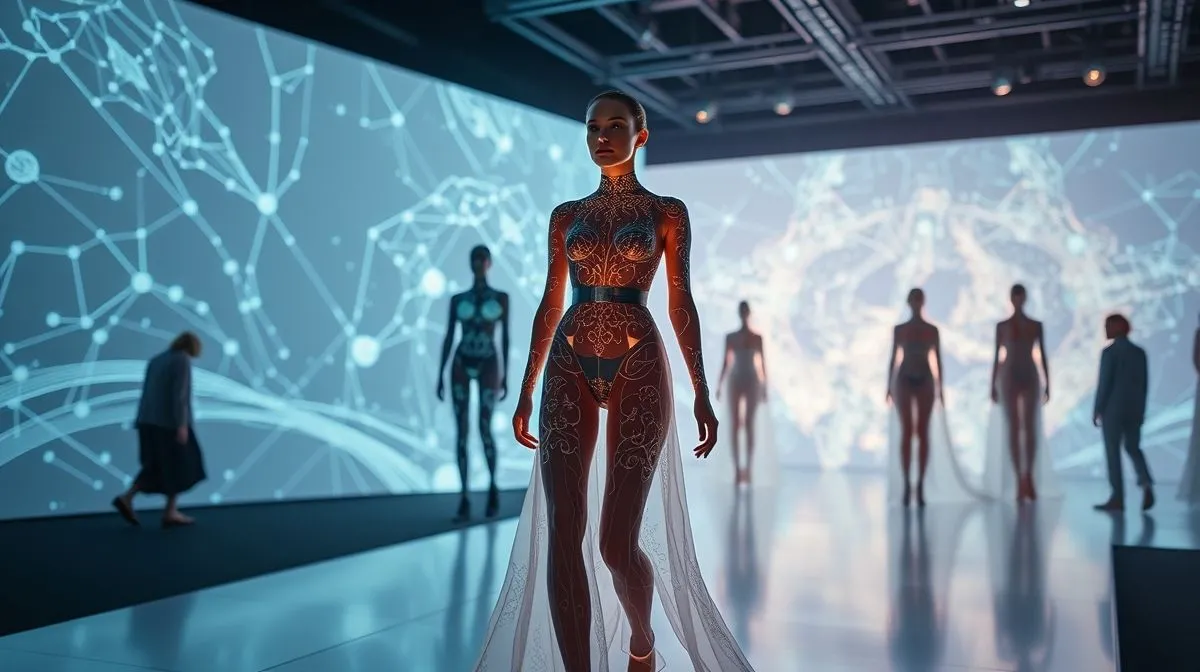
Virtual fashion shows leverage technology to create immersive and engaging experiences without the need for physical events. These shows can take various forms, from pre-recorded videos and live streams to interactive 3D environments and avatar-based runways.
They often involve digital clothing, which is designed and showcased using computer software rather than physical materials. This eliminates the need for fabric production, dyeing, and transportation, significantly reducing the environmental impact.
How Virtual Shows Reduce Environmental Impact
Virtual fashion shows offer several key environmental benefits:
- Reduced Travel: By eliminating the need for physical attendance, virtual shows drastically reduce carbon emissions from air travel and ground transportation.
- Elimination of Physical Production: Digital clothing eliminates the need for fabric production, water usage, and chemical dyes, significantly reducing waste and pollution.
- Lower Energy Consumption: Virtual shows require less energy to produce compared to traditional events, reducing the overall carbon footprint.
- Accessibility: Virtual fashion shows can be viewed by anyone with an internet connection, making them more accessible and inclusive than traditional events.
These factors suggest that virtual fashion shows have the potential to be a much more sustainable alternative to traditional runway events.
The Environmental Benefits in Detail
Decreased Carbon Footprint from Travel
The most obvious environmental benefit of virtual fashion shows is the dramatic reduction in travel-related carbon emissions. With no need for models, designers, journalists, and buyers to fly across the globe, the carbon footprint of these events is significantly lower.
Consider the carbon emissions associated with a single round-trip flight from New York to Paris. Now, multiply that by the thousands of people who attend fashion week, and the environmental impact becomes staggering. Virtual fashion shows eliminate this source of pollution entirely.
Reduction in Waste and Resource Consumption
Traditional fashion shows generate a significant amount of waste, from discarded sets and decorations to unsold clothing samples. Virtual shows, on the other hand, produce virtually no physical waste.
Digital clothing eliminates the need for fabric production, dyeing, and transportation, reducing the demand for raw materials and minimizing pollution. This is a crucial step towards creating a more circular and sustainable fashion industry.
Energy Efficiency and Sustainable Practices
While virtual fashion shows still require energy to power servers and digital devices, the overall energy consumption is significantly lower compared to traditional events. Furthermore, virtual shows can be designed and produced using sustainable practices, such as powering servers with renewable energy and using eco-friendly software.
Challenges and Limitations of Virtual Fashion Shows
The Digital Carbon Footprint
While virtual fashion shows eliminate many of the environmental impacts associated with physical events, they are not entirely carbon-neutral. The digital infrastructure required to host and stream these shows, including servers, data centers, and user devices, consumes energy and contributes to carbon emissions. According to the Shift Project, digital technologies’ share of global greenhouse gas emissions increased from 2.5% to 3.7% between 2013 and 2019. The Shift Project promotes awareness and action in the face of climate change.
However, the digital carbon footprint of virtual fashion shows is still significantly lower than that of traditional events. By optimizing energy usage and using renewable energy sources, the environmental impact of digital fashion can be further reduced.
Accessibility and Digital Divide
While virtual fashion shows offer greater accessibility compared to traditional events, they are still limited by the digital divide. Not everyone has access to the internet or the devices needed to participate in virtual shows. This can create a barrier for some audiences and limit the reach of virtual fashion.
Addressing the digital divide is crucial for ensuring that virtual fashion shows are truly inclusive and accessible to all.
The Lack of Sensory Experience
One of the biggest challenges of virtual fashion shows is replicating the sensory experience of attending a physical event. The tactile feel of fabrics, the energy of the crowd, and the overall atmosphere are difficult to reproduce in a virtual environment.
However, advancements in technology, such as virtual reality and augmented reality, are helping to bridge this gap and create more immersive and engaging virtual experiences.
The Future of Sustainable Fashion: Virtual and Beyond
Hybrid Models: The Best of Both Worlds?
One potential solution is to adopt hybrid models that combine the best of both virtual and physical fashion shows. These models could involve smaller, more intimate physical events with a limited number of attendees, combined with virtual streaming and interactive experiences for a wider audience.
This approach could help to reduce the environmental impact of traditional fashion shows while still providing the sensory experience and networking opportunities that many people value.
Technological Innovations Driving Sustainability
Technological innovations are playing a crucial role in driving sustainability in the fashion industry. From digital clothing and virtual try-on technologies to AI-powered design tools and blockchain-based supply chain tracking, technology is enabling brands to reduce waste, optimize resource usage, and create more transparent and ethical supply chains.
The Role of Consumers in Driving Change
Ultimately, the success of sustainable fashion depends on the choices and actions of consumers. By supporting brands that prioritize sustainability, demanding transparency in supply chains, and adopting more conscious consumption habits, consumers can play a powerful role in driving change in the fashion industry. According to McKinsey, consumers are increasingly aware of the environmental and social impact of their purchasing decisions. McKinsey is a global management consulting firm that advises businesses, governments, and other organizations.
Frequently Asked Questions (FAQ)
Are virtual fashion shows really more eco-friendly than traditional ones? Yes, generally. They significantly reduce carbon emissions from travel and waste from physical production, but the digital infrastructure still has an environmental footprint.
What is digital clothing? Digital clothing is designed and showcased using computer software rather than physical materials, eliminating the need for fabric production, dyeing, and transportation.
How can I support sustainable fashion as a consumer? Support brands that prioritize sustainability, demand transparency in supply chains, and adopt more conscious consumption habits.
What are the limitations of virtual fashion shows? The digital carbon footprint, accessibility issues due to the digital divide, and the difficulty in replicating the sensory experience of physical events.
Recommended Reading
- Style a Pearl Necklace Everyday? The Ultimate Style Guide!
- Clean Vintage Beaded Purses Safely: The Ultimate Care Guide
- Haute Couture Consultations: Ask These Questions!
- Iconic Haute Couture Houses: Unveiling the Secrets & History!
- Ultimate Guide: Athleisure Wear for Long Flights & Total Comfort
Conclusion
So, are virtual fashion shows eco-friendly? The answer is a nuanced yes. While they are not entirely without environmental impact, they offer a significantly more sustainable alternative to traditional runway events by reducing travel, waste, and resource consumption. As technology continues to evolve and the fashion industry embraces more sustainable practices, virtual fashion shows have the potential to revolutionize the way we experience fashion and create a more environmentally responsible future. It's up to the industry and consumers alike to champion this change and ensure that fashion becomes a force for good.



Your email address will not be published. Required fields are marked *