

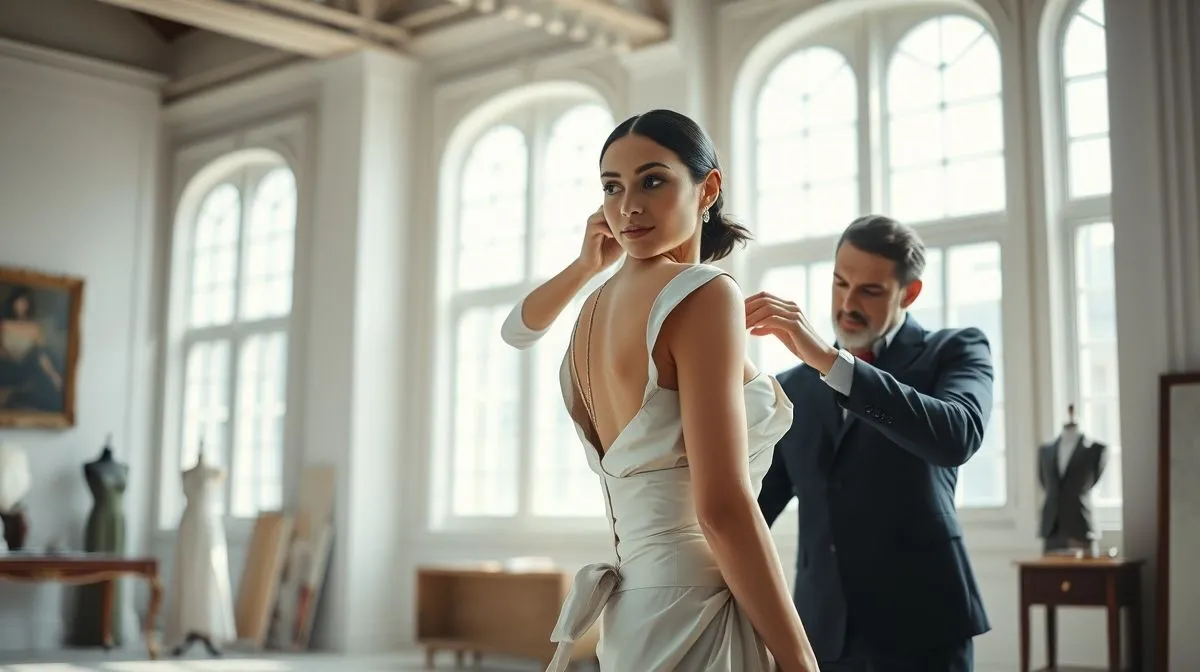
Haute Couture: What to Ask in Consultations?
Ever dreamt of owning a piece of fashion history, a garment crafted exclusively for you, reflecting your unique style and personality? Haute couture, the pinnacle of sartorial artistry, offers precisely that. But stepping into the world of bespoke fashion can feel daunting. What do you need to know? What questions should you ask to ensure your vision becomes a reality?
The consultation is the cornerstone of the haute couture experience. It's where your dreams meet the designer's expertise, where ideas are exchanged, and where the blueprint for your exquisite garment is drawn. However, without the right questions, you might miss crucial details, leading to misunderstandings and potentially, a less-than-perfect outcome.
This comprehensive guide will equip you with the essential questions to ask during your haute couture consultations. By the end of this article, you'll be prepared to engage in meaningful conversations with designers, understand the intricacies of the couture process, and ensure that your bespoke creation is everything you've ever imagined.
Understanding the Couture House's Style and Expertise
Researching the Designer's Signature Style
Before your consultation, thoroughly research the couture house and the designer's previous work. Understanding their aesthetic, preferred materials, and signature techniques is crucial. This will help you determine if their style aligns with your vision.
Ask to see examples of their past creations, either in person or through their portfolio. Pay attention to the details: the stitching, the embellishments, the overall silhouette. Does it resonate with you? Does it inspire you?
Inquiring About Specific Areas of Expertise
Couture houses often specialize in certain areas, such as bridal wear, evening gowns, or tailored suits. Inquire about their specific areas of expertise to ensure they are well-suited to create the garment you desire.
For example, if you're looking for a heavily embellished gown, ask about their experience with intricate beadwork, embroidery, and other decorative techniques. If you need a perfectly fitted suit, ask about their tailoring expertise and their experience with different fabrics.
Discussing Your Vision and Requirements
Articulating Your Personal Style and Preferences
The consultation is your opportunity to express your personal style and preferences. Bring visual references, such as photographs, sketches, or fabric swatches, to help the designer understand your vision. Be prepared to describe your aesthetic in detail: do you prefer classic or modern styles? Bold or subtle colors? Structured or flowing silhouettes?
Consider the occasion for which you're commissioning the garment. Is it for a wedding, a gala, or a special event? The occasion will influence the design, the fabric, and the overall aesthetic.
Specifying Your Desired Features and Details
Be specific about the features and details you want to incorporate into your garment. This includes the neckline, the sleeves, the skirt length, the embellishments, and any other design elements that are important to you.
If you have any specific requirements, such as pockets, linings, or special closures, be sure to mention them during the consultation. The more information you provide, the better the designer can understand your vision and create a garment that meets your needs.
Delving into Fabrics and Materials
Understanding Fabric Options and Their Properties
The choice of fabric is crucial in haute couture. Discuss the available fabric options with the designer and understand their properties. Consider factors such as the weight, texture, drape, and durability of each fabric.
Ask about the origin of the fabrics and whether they are sourced sustainably. Couture houses often use rare and luxurious fabrics, so be prepared to ask about their cost and availability.
Inquiring About Sourcing and Sustainability
With increasing awareness of environmental issues, it's important to inquire about the couture house's sourcing practices and their commitment to sustainability. Do they use eco-friendly fabrics? Do they support ethical labor practices?
Many couture houses are now embracing sustainable practices, such as using recycled materials, reducing waste, and supporting local artisans. By choosing a couture house that prioritizes sustainability, you can ensure that your garment is not only beautiful but also ethically responsible.
Understanding the Couture Process and Timeline
Clarifying the Stages of the Couture Process
The haute couture process is meticulous and time-consuming. Understand the different stages involved, from the initial consultation to the final fitting. This includes the pattern making, the fabric cutting, the sewing, the embellishments, and the alterations.
Ask about the number of fittings that will be required and how long each fitting will take. Couture garments often require multiple fittings to ensure a perfect fit. According to the Fashion Law Institute, the process can take hundreds of hours. Be prepared to commit to the time and effort required.
Establishing a Realistic Timeline and Deadlines
Establish a realistic timeline and deadlines for each stage of the couture process. Consider factors such as the complexity of the design, the availability of the fabrics, and the designer's workload.
Be aware that haute couture garments can take several months to complete. Start the process well in advance of your event or occasion to avoid any last-minute stress. A clear timeline will help manage expectations and ensure a smooth and timely delivery.
Discussing Pricing and Payment Terms
Obtaining a Detailed Cost Breakdown
Haute couture is an investment, so it's important to obtain a detailed cost breakdown before committing to the project. This should include the cost of the fabrics, the labor, the embellishments, and any other expenses.
Ask about any potential additional costs that may arise during the process, such as alterations or unexpected fabric shortages. Transparency is key to avoiding any surprises later on.
Understanding Payment Schedules and Policies
Understand the couture house's payment schedules and policies. Couture houses typically require a deposit upfront, followed by installments throughout the process. Be clear about the payment terms and any cancellation policies.
Get everything in writing to avoid any misunderstandings. A written contract should outline the design, the fabrics, the timeline, the pricing, and the payment terms. The Federation de la Haute Couture et de la Mode provides guidance on best practices within the industry and a commitment to protecting this unique craft here.
Addressing Potential Concerns and Contingencies
Discussing Alterations and Adjustments
Alterations are a common part of the haute couture process. Discuss the alteration policy with the designer and understand how alterations will be handled. Who will be responsible for the cost of alterations?
Be prepared to communicate any fit issues or design changes during the fittings. Honest and open communication is essential to achieving a perfect fit and a garment that meets your expectations.
Planning for Unexpected Delays or Issues
Unexpected delays or issues can arise during the couture process. Discuss potential contingencies with the designer and plan for any unforeseen circumstances. What happens if the fabric is delayed? What happens if there are changes to the design?
Having a backup plan can help mitigate any potential problems and ensure that your garment is completed on time. Maintaining open communication with your designer is crucial.
Frequently Asked Questions (FAQ)
How much does haute couture typically cost? Haute couture garments can range from tens of thousands to hundreds of thousands of dollars, depending on the complexity of the design, the fabrics used, and the designer's reputation.
How long does it take to create a haute couture garment? The process can take several months, often ranging from 100 to 400 hours, depending on the intricacy of the design and the number of fittings required.
What if I am not happy with the final product? Open communication throughout the process is key. If you're unhappy, address your concerns with the designer during the fittings. A reputable couture house will work with you to resolve any issues and ensure your satisfaction.
Can I bring my own fabric to a couture consultation? It depends on the couture house. Some may allow you to provide your own fabric, while others prefer to use their own sources. Be sure to inquire about their policy during the consultation.
Recommended Reading
- Warmest Kids Winter Hat Material? Ultimate Guide for Parents
- Clean Vintage Beaded Purses Safely: The Ultimate Care Guide
- Fashion Week Outfits for Petite Women: Style Secrets Revealed!
- Effortless Style: Comfortable Everyday Outfits for Busy Moms
- Draping Dreams: Best Fabric for Textile Art Costumes REVEALED!
Conclusion
Mastering the art of asking the right questions during your haute couture consultations is paramount to achieving a truly bespoke and exceptional garment. By understanding the couture house's style, articulating your vision, delving into fabric options, clarifying the process, discussing pricing, and addressing potential concerns, you can embark on a collaborative journey that brings your sartorial dreams to life. Remember, haute couture is more than just clothing; it's an investment in artistry, craftsmanship, and personal expression. Embrace the process, ask insightful questions, and prepare to experience the unparalleled luxury of owning a truly unique and exquisite creation. Your dream couture piece awaits.



Your email address will not be published. Required fields are marked *