

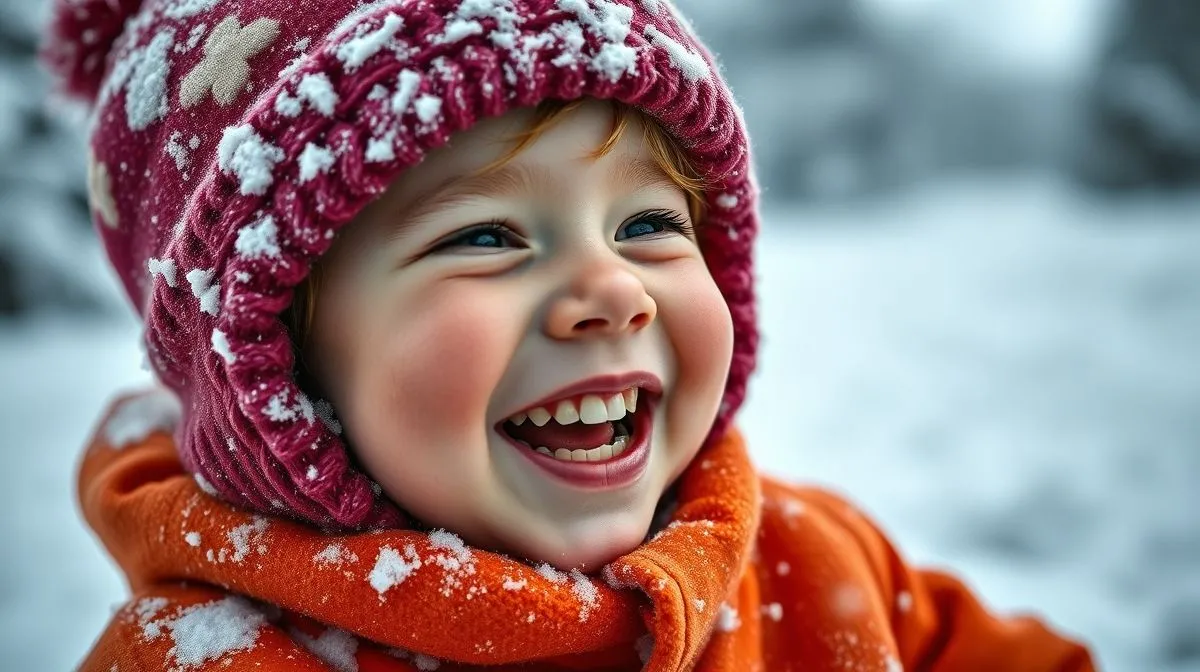
Best Kids Winter Hat Material for Warmth: A Parent's Guide
Ever wondered why some kids seem perfectly content playing in the snow while others are shivering despite being bundled up? A big part of the answer lies in the material of their winter hat. A poorly chosen hat can lead to discomfort, cold ears, and a grumpy child – not exactly the recipe for a fun winter day!
Choosing the right winter hat for your child can feel overwhelming. With so many materials available, how do you know which one will provide the best warmth and comfort? What factors should you consider beyond just the cute factor?
This guide will walk you through the best kids winter hat material for warmth, exploring the pros and cons of each option. We'll cover everything from natural fibers like wool and cashmere to synthetic options like fleece and acrylic, helping you make an informed decision to keep your little one snug all winter long.
Understanding the Importance of Hat Material
Why Material Matters for Warmth
The material of a winter hat directly impacts its ability to trap heat and keep your child warm. Different materials have different insulating properties, breathability, and moisture-wicking capabilities. A hat that doesn't insulate well will allow heat to escape, while a hat that doesn't breathe can trap sweat and make your child feel cold and clammy.
Consider these key factors when evaluating hat materials:
- Insulation: How well the material traps heat.
- Breathability: How well the material allows moisture to escape.
- Moisture-Wicking: How well the material draws sweat away from the skin.
- Comfort: How soft and comfortable the material feels against the skin.
- Durability: How well the material holds up to wear and tear.
Wool: The Classic Choice for Warmth
Benefits of Wool Hats
Wool is a natural fiber known for its exceptional warmth and insulation. It can trap a significant amount of heat, even when wet, making it an excellent choice for cold, snowy conditions. Wool also has natural moisture-wicking properties, helping to keep your child's head dry and comfortable.
- Excellent insulation, even when wet.
- Natural moisture-wicking properties.
- Durable and long-lasting.
Types of Wool
There are several types of wool, each with its own unique characteristics:
- Merino Wool: Softer and less itchy than traditional wool, making it a good choice for sensitive skin.
- Alpaca Wool: Exceptionally soft and warm, with a luxurious feel.
- Cashmere: The softest and most luxurious type of wool, but also the most expensive.
Potential Drawbacks of Wool
Some children may find wool itchy, especially if they have sensitive skin. Look for merino wool or wool blends that are designed to be softer and less irritating. Wool hats may also require special care when washing to prevent shrinking or damage.
Fleece: A Soft and Affordable Option
Benefits of Fleece Hats
Fleece is a synthetic material made from polyester. It's soft, lightweight, and warm, making it a popular choice for kids' winter hats. Fleece is also relatively inexpensive and easy to care for. According to research from the University of Colorado Boulder, fleece offers a good balance of warmth and breathability for moderate winter conditions. Learn more about the university's research here.
- Soft and comfortable against the skin.
- Lightweight and easy to wear.
- Affordable and easy to care for.
Potential Drawbacks of Fleece
Fleece is not as warm as wool and doesn't wick moisture as effectively. It can also pill over time and may not be as durable as natural fibers. Fleece is also not biodegradable, making it less environmentally friendly than wool.
Acrylic: A Budget-Friendly Choice
Benefits of Acrylic Hats
Acrylic is another synthetic material that's often used in winter hats. It's inexpensive and comes in a wide variety of colors and styles. Acrylic hats are also easy to care for and can be machine washed and dried.
- Inexpensive and widely available.
- Easy to care for.
- Available in a wide variety of colors and styles.
Potential Drawbacks of Acrylic
Acrylic is not as warm or breathable as wool or fleece. It can also feel scratchy against the skin and may not be as durable as other materials. Acrylic also tends to pill easily and can lose its shape over time.
Other Material Considerations
Cotton
Cotton is a natural fiber that's soft and comfortable, but it's not a good choice for winter hats. Cotton absorbs moisture easily and doesn't insulate well when wet, which can make your child feel cold and clammy.
Blends
Many winter hats are made from blends of different materials. For example, a wool-acrylic blend can offer the warmth of wool with the affordability and easy care of acrylic. A fleece-cotton blend can provide the softness of cotton with the warmth of fleece.
Choosing the Right Hat for Your Child's Needs
Consider the Climate
The climate in your area will play a big role in determining the best hat material for your child. If you live in a very cold climate, wool or a wool blend may be the best option. If you live in a milder climate, fleece or acrylic may be sufficient.
Consider Your Child's Activity Level
If your child is very active, look for a hat that's breathable and moisture-wicking. Wool and fleece are both good choices for active kids. If your child is less active, a warmer hat made from wool or cashmere may be more appropriate.
Consider Your Child's Skin Sensitivity
If your child has sensitive skin, look for hats made from soft, non-itchy materials like merino wool or fleece. Avoid hats made from rough or scratchy materials like traditional wool or acrylic.
The American Academy of Dermatology provides useful tips on how to care for sensitive skin, including choosing the right fabrics. Visit their website for more information.
Frequently Asked Questions (FAQ)
What is the warmest winter hat material? Wool, especially merino wool and alpaca wool, is generally considered the warmest winter hat material.
Is fleece a good material for winter hats? Yes, fleece is a good option for moderate winter conditions. It's soft, lightweight, and affordable.
Is acrylic a warm material for hats? Acrylic is not as warm as wool or fleece, but it can be a decent option for mild winter weather if budget is a primary concern.
How do I care for a wool winter hat? Hand wash wool hats in cold water with a mild detergent. Lay flat to dry. Avoid putting wool hats in the dryer, as this can cause them to shrink.
What if my child finds wool itchy? Choose merino wool or alpaca wool, which are much softer than traditional wool. You can also look for wool blends that incorporate other soft materials like cotton or bamboo.
Recommended Reading
- Fashion Week Outfits for Petite Women: Style Secrets Revealed!
- Effortless Style: Comfortable Everyday Outfits for Busy Moms
Conclusion
Choosing the best kids winter hat material for warmth involves considering factors like insulation, breathability, comfort, and durability. Wool remains a top choice for its superior warmth, while fleece offers a soft and affordable alternative. Acrylic provides a budget-friendly option, but with compromises in warmth and comfort. By understanding the properties of different materials and considering your child's individual needs, you can select a winter hat that will keep them warm, comfortable, and happy all season long. Don't underestimate the power of a good hat to make winter adventures enjoyable for everyone!





Your email address will not be published. Required fields are marked *